

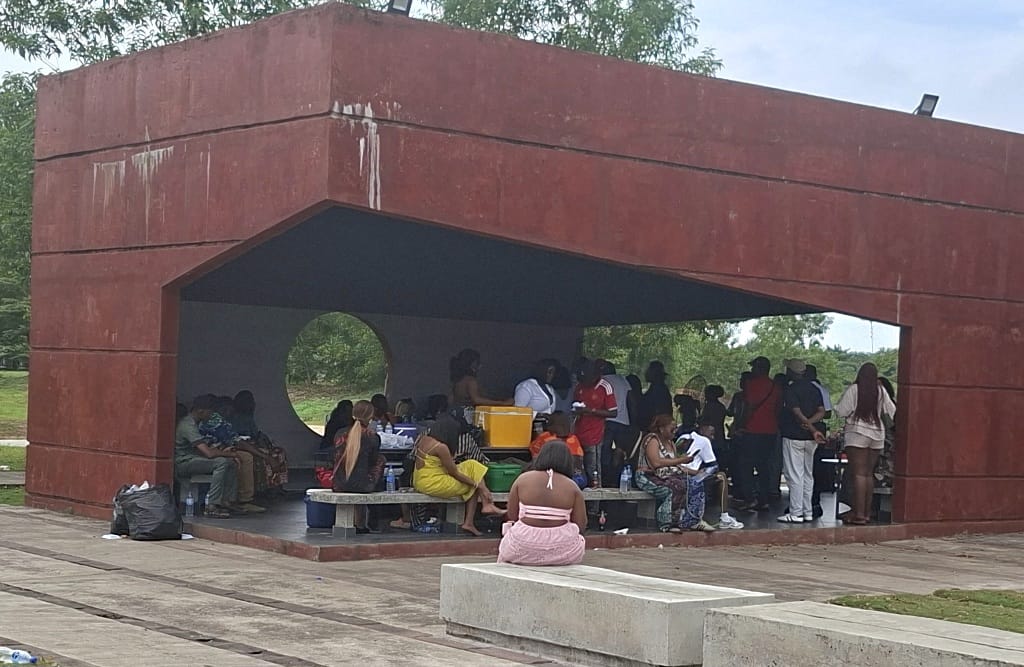
The fourth edition of Lagos Summer with Mr. Nonso has reinforced the growing importance of domestic tourism in promoting Nigeria’s cultural heritage, creative economy and tourism destinations to Nigerians.
The August 22 tour brought together about 150 participants who embarked on a full day of cultural discovery across Lagos, ending with a social gathering and bonfire at Elegushi Beach.
The tour, organised by tour operator Chinonso Emmanuel Uche, popularly known as Mr. Nonso, was designed around a simple philosophy: Nigerians must first experience and appreciate the country’s tourism assets before convincing international visitors to explore them.
The first destination was Nike Art Gallery in Lekki, where participants explored the expansive collection of Nigerian artworks and crafts. For many of the visitors, the experience provided an opportunity to encounter the country’s contemporary and traditional artistic heritage firsthand.
The group later proceeded to the Yemisi Shyllon Museum of Art at Pan Atlantic University, Epe, a destination that continues to attract attention for its extensive collection of Nigerian and African art.
Beyond viewing the artworks, participants were given an opportunity to engage directly with Nigerian culture through an Adire tie and dye workshop. Young professionals, families and expatriates participated in the practical session, learning about one of Nigeria’s enduring textile traditions.
The experience continued with a picnic and guided tour of the museum’s collection of more than 1,000 works, creating an atmosphere that combined education, leisure and cultural appreciation.
The tour ended at Elegushi Beach, where participants gathered around a bonfire for music, networking and entertainment. According to the organisers, the long term ambition is to develop Lagos Summer into a multi day tourism experience comparable with established summer destinations around the world.
Explaining the philosophy behind the initiative, Uche said Nigerians needed to experience the country before efforts were made to attract more international tourists. He said participants could become informal ambassadors for Nigerian destinations by sharing their experiences and images online.
The strong interest in this year’s edition reportedly resulted in the organisers limiting participation to 150 people. Uche said future editions would be expanded to accommodate more participants and expose them to additional destinations.
He argued that Nigeria’s tourism challenge was not necessarily a shortage of attractions, but inadequate awareness and domestic patronage. He noted that greater visitation to places such as the Yemisi Shyllon Museum could help bridge the gap between Nigerians and the country’s cultural assets.
Uche also highlighted Lagos’ diverse tourism offerings, ranging from beaches and urban entertainment to colonial history, Yoruba culture and the city’s distinctive Brazilian heritage. RwandAir Regional Manager for West and Central Africa, Ginette Kadigiri, also participated in the programme, contributing a quiz and prizes that added another dimension to the experience.
The Lagos Summer initiative demonstrates how domestic tourism can support artists, transport operators, hospitality businesses, tour companies and other players across the tourism value chain. As Uche puts it, Nigeria needs more tourism entrepreneurs willing to move people, create experiences and encourage Nigerians to discover their own country before selling its attractions to the world.