Category: Maritime Sector

  • Lagos Deploys Technology To Strengthen Waterway Security, Combat Smuggling

    Lagos Deploys Technology To Strengthen Waterway Security, Combat Smuggling

    The Lagos State Government has intensified efforts to strengthen security across its inland waterways through technology driven surveillance, collaboration with security agencies and stricter monitoring of passengers and boats.

    The Special Adviser to Governor Babajide Sanwo-Olu on Blue Economy, Mr. Damilola Emmanuel, disclosed this during an interview with Hybrid News Managing Editor, Mr Hyacinth Nwafor, at the Lagos State Waterways Authority (LASWA) office on Tuesday, October 20, 2026.
    Damilola said the state government was prioritising collaboration with the Nigerian Navy and the Marine Police to address security threats, improve passenger safety and protect waterways from criminal activities.

    According to him, maritime security requires collective responsibility, making cooperation among relevant agencies essential to effective surveillance and rapid response to emerging threats.

    He explained that Lagos had deployed technology to monitor its inland waterways, with intelligence gathered through the system shared with security agencies to support their operations.

    The Special Adviser said the state was also discouraging night travel on its waterways as part of measures to reduce passengers’ exposure to criminal activities. He added that safety guards stationed at jetties collect information about passengers and boats and report suspicious movements to the appropriate authorities.

    Damilola said regular stakeholder engagements remained necessary to improve coordination, address operational gaps and ensure that security agencies understood their respective responsibilities.

    He disclosed that LASWA had established a partnership with the National Drug Law Enforcement Agency (NDLEA), which had deployed personnel to strategic jetties to prevent the movement of illicit drugs through the waterways.
    The initiative, he said, was part of broader efforts to prevent criminal elements from exploiting inland waterways to transport prohibited substances and evade conventional security checks.

    On the challenges facing the blue economy, Damilola identified overlapping responsibilities among agencies and inadequate funding as some of the issues affecting operations. He, however, described the challenges as opportunities to improve coordination, strengthen institutions and accelerate development.

    He said technology remained central to securing the waterways while creating a safer environment for investment, adding that Lagos had established what he described as the first waterways monitoring and data management centre of its kind.

    According to him, the facility enables the state to monitor activities on the waterways and provide security agencies with timely information to improve their response to emergencies and potential security breaches.

    On collaboration with the Nigeria Customs Service, Damilola confirmed that discussions had begun, although no concrete agreement had been reached. He noted that the geographical relationship between Lagos and the Republic of Benin made cross border trade and cooperation with customs authorities important to effective waterway management.

    The Special Adviser expressed optimism that ongoing discussions with Customs would lead to stronger collaboration, particularly in tackling smuggling and other criminal activities. He said existing partnerships with security agencies, including the NDLEA, were expected to support efforts to prevent criminals from exploiting the waterways to evade law enforcement.

  • NIWA Tightens Lagos Waterway Safety Rules, Targets Overloading, Unlicensed Boat Operators

    NIWA Tightens Lagos Waterway Safety Rules, Targets Overloading, Unlicensed Boat Operators

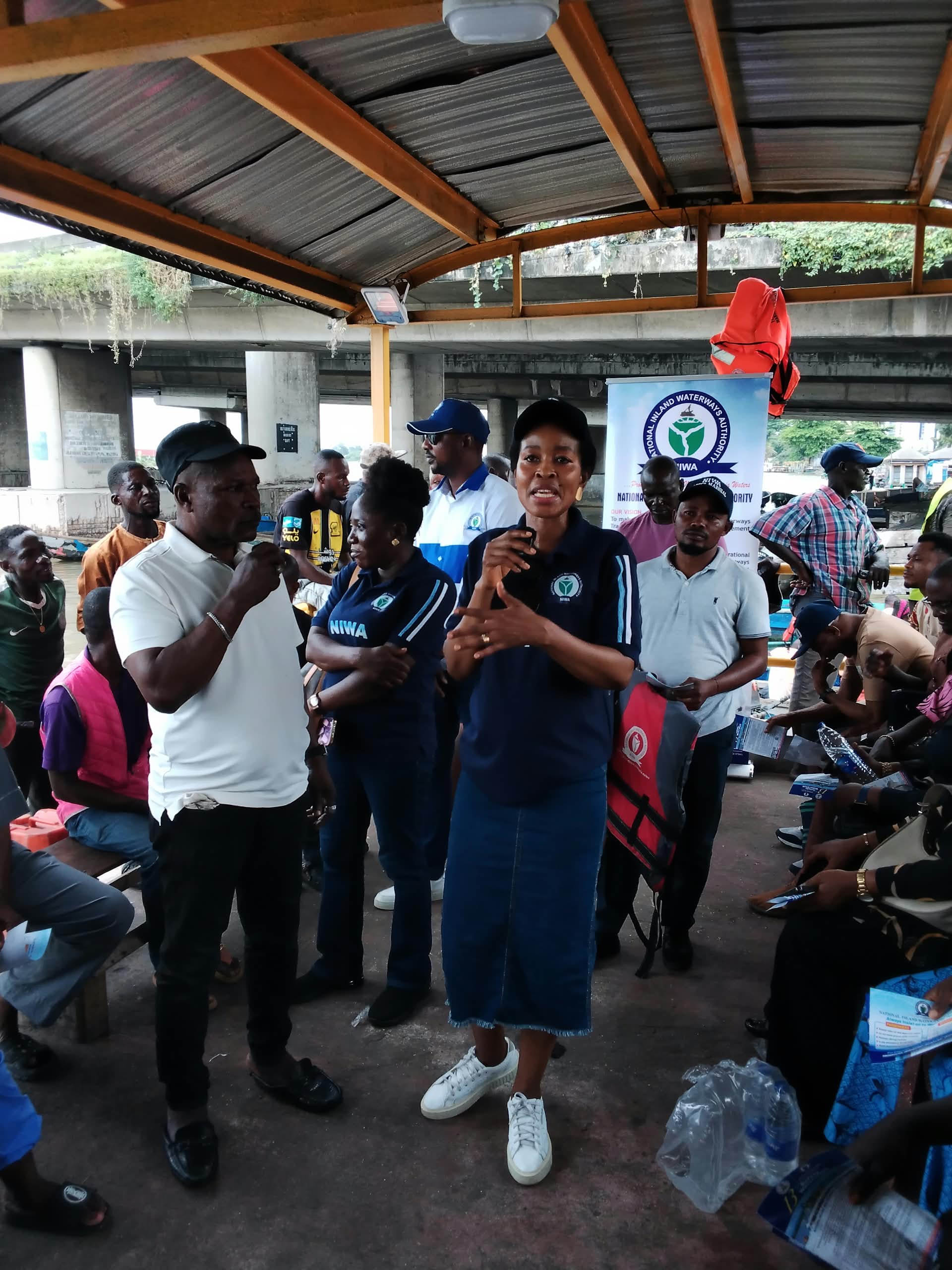
    The agency warns boat operators against unsafe vessels, overloading and unlicensed operations during its water transportation sensitisation campaign at Liverpool and Marina jetties.

    The National Inland Waterways Authority (NIWA) has intensified efforts to improve water transportation safety in Lagos, warning boat operators to comply with safety regulations, maintain their vessels and ensure passengers wear life jackets.

    The warning was issued on Tuesday, October 20, 2026, during the authority’s water transportation sensitisation campaign at Liverpool and Marina jetties, where operators and passengers were reminded of their responsibilities in preventing accidents on the waterways.

    Speaking during the exercise, the Lagos Area Manager of NIWA, Engr. Sarat Braimah, represented by the Head of Marine Department, NIWA Lagos Area Office, Engineer Elsie Egwatu, said many waterway accidents resulted from human error, making regular safety education and strict enforcement essential to protecting lives.

    Egwatu said the campaign was designed to reinforce existing safety rules among boat operators and passengers, noting that both groups played critical roles in ensuring safe transportation. She expressed optimism that improved compliance could substantially reduce accidents on the waterways.

    Addressing concerns about boats operating in poor condition, she said NIWA had strengthened its inspection regime beyond the annual registration and inspection requirements stipulated by law. According to her, the authority now conducts quarterly inspections of smaller boats because they are more susceptible to wear and tear.

    She added that NIWA would continue to impound boats whose operators failed to comply with registration and inspection requirements, stressing that enforcement remained necessary to ensure adherence to established safety standards.

    Egwatu disclosed that the sensitisation campaign covered several jetties across Lagos, including Marina; Elegbata; Ebute Ojo Jetty; Ikorodu (Ipakodo); Badore Terminal; Ijegun-Egba Jetty; Ilashe Jetty; Bayeku Jetty; Offin Jetty; Ito-Omu Jetty; Isalu-Ajido Jetty; Sagbokoji and Oyingbo. She said the exercise was part of the authority’s continuous efforts to promote responsible conduct among water transportation stakeholders.

    On the training and licensing of boat operators, the NIWA official said the authority would intensify enforcement after allowing operators sufficient time to comply. She explained that the initial training costs ₦95,000 per operator, while subsequent licensing costs ₦16,000 and remains valid for three years before renewal.

    The campaign also addressed environmental sanitation, with Egwatu acknowledging concerns about passengers throwing sachet water wrappers and other waste into the waterways. She said an initiative was underway to provide waste bins at jetties to discourage indiscriminate dumping and promote cleaner waterways.

    On overloading, she said NIWA would continue to enforce passenger limits and other operational requirements, urging stakeholders to report violations. She emphasised that sustained collaboration between the authority, boat operators and passengers was necessary to improve safety and streamline water transportation.

    One of the operators at Liverpool Jetty, Odafe, popularly known as King Jerry, said he had worked in the marine transportation sector for years, driven by his passion for the profession and his upbringing in a riverside community.

    King Jerry, who said he had worked with several marine operators, urged NIWA to provide more practical guidance for boat drivers, particularly those unfamiliar with safe navigation routes. He said improved orientation would help operators understand the waterways and reduce avoidable risks.

    He described the availability and proper use of life jackets as essential safety measures, explaining that he required passengers boarding his speedboat to wear life jackets before entering the vessel. He also urged his colleagues to take their responsibilities seriously and develop a stronger commitment to their profession.

    The operator said passengers must remain seated in designated positions and obey the captain’s instructions throughout a journey. He maintained that safe operations required properly maintained boats, appropriate safety equipment and discipline among everyone on board.

    The campaign comes amid continuing efforts to strengthen safety standards across Lagos waterways, where boats provide an important means of transportation. NIWA’s emphasis on inspections, operator training, licensing, environmental responsibility and enforcement underscores the need for collective action to reduce accidents and protect passengers.

  • Ogun Customs Intercepts Three Live Pangolins in Smuggling Crackdown

    Ogun Customs Intercepts Three Live Pangolins in Smuggling Crackdown

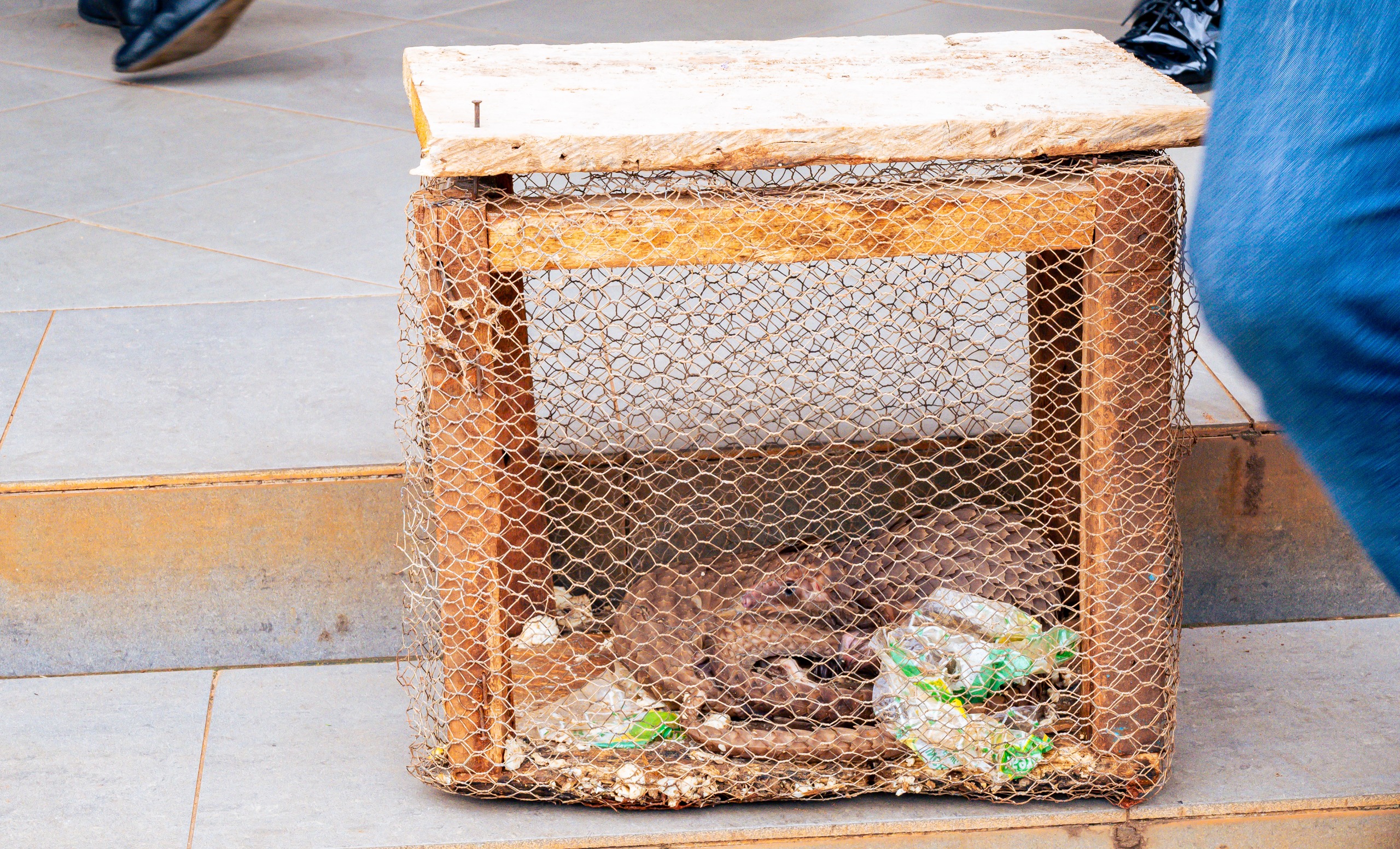
    The Nigeria Customs Service (NCS), Ogun I Command, has intercepted three live pangolins concealed in sacks at Abeokuta Waterside, in a major operation against the illegal trafficking of endangered wildlife.

    The seizure followed credible intelligence received by the command’s patrol team, which moved to the area and intercepted the animals after suspected smugglers abandoned them and fled on sighting the Customs operatives.

    The pangolins were discovered concealed in sacks and confined in wire mesh cages. The manner in which the animals were packaged suggested an organised attempt to move them illegally while evading detection by security and law enforcement agencies.

    Following the seizure, the Acting Customs Area Controller, Ogun I Command, Deputy Comptroller Abdulhamid Ibrahim, handed over the rescued pangolins to Green Fingers Wildlife Conservation for rehabilitation and eventual release into a protected habitat.

    Speaking during the handover, Ibrahim said pangolins are endangered wildlife species protected under Nigerian law and international conservation agreements, including the Convention on International Trade in Endangered Species of Wild Fauna and Flora (CITES).

    He warned that the illegal trafficking of pangolins and their derivatives attracts severe sanctions under Nigeria’s wildlife protection laws. He also noted that the recently passed Endangered Species Conservation and Protection Bill provides for substantial fines and prison terms for offenders.

    Ibrahim said the Customs Service would continue to strengthen collaboration with wildlife conservation organisations and other relevant agencies to combat the illegal trade in endangered species and protect Nigeria’s biodiversity.

    “Our officers acted with remarkable courage and professionalism throughout the operation. We remain steadfast in our vigilance against trans-border crime and committed to collaborating with our partners to eliminate the illegal trade in endangered species,” he said.

    Receiving the animals on behalf of Green Fingers Wildlife Conservation, the organisation’s Admin Manager and Supervisor, Isaac Itue Ime, commended the Ogun I Command for its vigilance and swift intervention.

    Ime stressed the important role of the Customs Service in combating illegal wildlife trafficking and assured that the rescued pangolins would receive the necessary care during rehabilitation before their eventual release into a suitable protected environment.

    The Ogun I Command warned smugglers and wildlife traffickers to desist from the illegal trade, stressing that its officers remain fully prepared to identify, track and apprehend individuals and syndicates involved in the trafficking of endangered species.

  • Seme Customs Automates Passenger Baggage Clearance, Targets Faster Border Processing

    Seme Customs Automates Passenger Baggage Clearance, Targets Faster Border Processing

    The Nigeria Customs Service (NCS), Seme Area Command, has commenced the full deployment of the Simplified Declaration for Passenger Baggage Import system to ease clearance, improve transparency and strengthen revenue collection at the border.

    The digital initiative is part of the Service’s broader customs modernisation programme aimed at facilitating legitimate travel and cross-border trade through technology-driven processes.

    Under the new system, passengers can initiate baggage declarations using mobile devices or complete the process at designated digital kiosks provided by the Command.

    The system applies standardised and pre-programmed assessment tables to declared personal goods, allowing applicable duties to be calculated automatically. Upon payment, receipts are also generated electronically.

    The digital process is expected to reduce manual intervention and discretionary assessment while giving passengers greater clarity and predictability in the clearance of dutiable baggage.

    The Seme Area Command said the impact of the system was already being reflected in passenger clearance times, with average baggage clearance turnaround now standing at less than five minutes since the commencement of the deployment.

    Within the first few days of implementation, the Command also generated ₦10,340,260.02 from passenger baggage declarations.

    The revenue represents duties collected through the automated process and provides a direct channel for the remittance of applicable customs revenue to the Federation Account.

    The Command, however, stressed that improved facilitation would not come at the expense of border security or compliance with customs laws and regulations.

    It said the digital baggage declaration system was being implemented alongside enhanced risk management and intelligence-led enforcement to detect attempts to conceal commercial quantities of restricted or prohibited goods as passenger baggage.

    According to the Command, the combination of digital processing and targeted enforcement would enable Customs to distinguish legitimate passenger movements from activities requiring regulatory or enforcement intervention.

    The initiative is also expected to improve the experience of passengers and cross-border traders by reducing avoidable delays while strengthening transparency in the assessment and payment of customs duties.

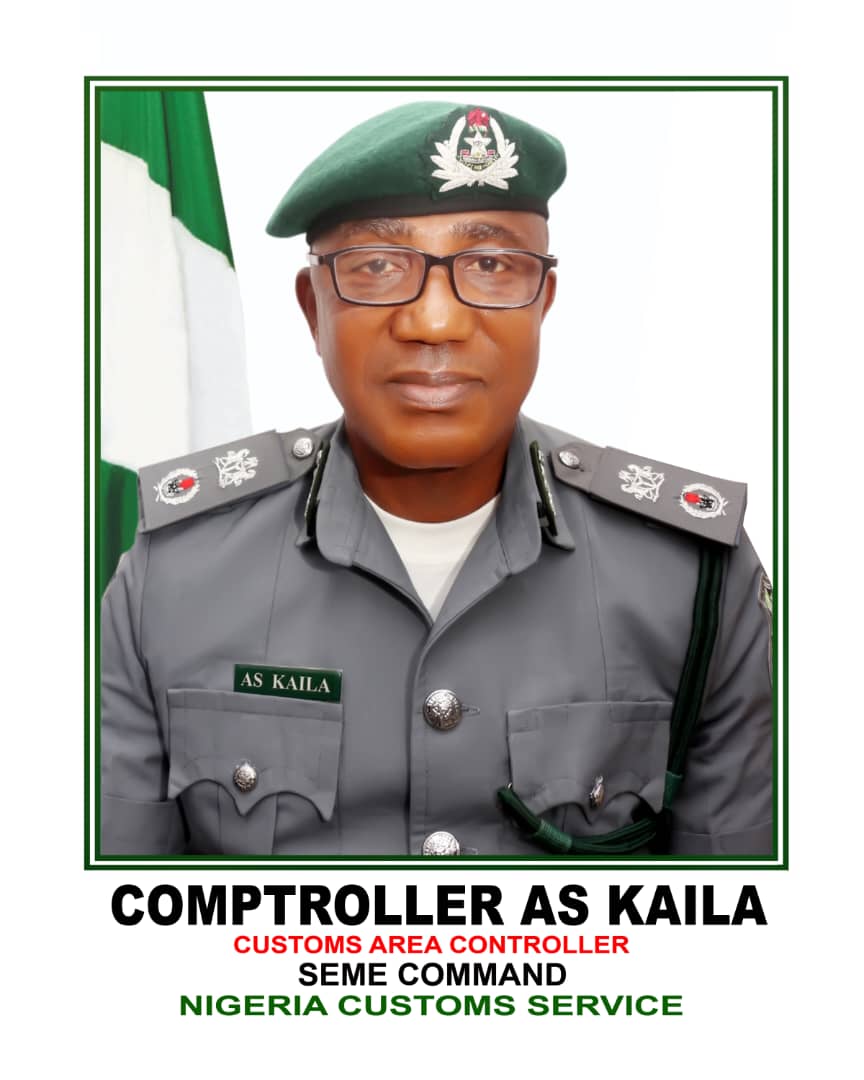
    The Customs Area Controller, Seme Area Command, Comptroller Abdullahi Kaila, said the deployment was consistent with the commitment of the Comptroller General of Customs, Bashir Adewale Adeniyi, to technology, innovation, trade facilitation, transparency and accountability in customs administration.

    Kaila urged passengers, cross-border traders and other members of the trading community to take advantage of the simplified declaration platform and comply with applicable customs requirements.

    He assured legitimate travellers and businesses operating through the Seme border corridor of continued facilitation, while noting that the Command would sustain collaboration with sister agencies and relevant stakeholders to protect national security, support lawful commerce and curb cross-border illicit trade.

  • Coker, Asika Lead Call For AI Driven Tourism Transformation

    Coker, Asika Lead Call For AI Driven Tourism Transformation

    The former Director General of the Nigeria Tourism Development Authority (NTDA), and other tourism stakeholders have called for improved Artificial Intelligence regulations and its transformation for sustainable growth in Nigeria’s tourism and travel sector.

    The call was in sequel to the recent technical network glitch involving the Nigeria Centre for Disease Control (NCDC) and the Nigeria International Travel Portal (NITP), which disrupted travel operations and left thousands of inbound and outbound passengers stranded at airports worldwide.

    The incident, which reportedly prevented passengers from boarding flights bound for Nigeria, has renewed concerns over the country’s reliance on digital systems and highlighted the need for stronger technological infrastructure, effective regulation and improved AI integration to ensure seamless travel operations and enhance the tourism experience.

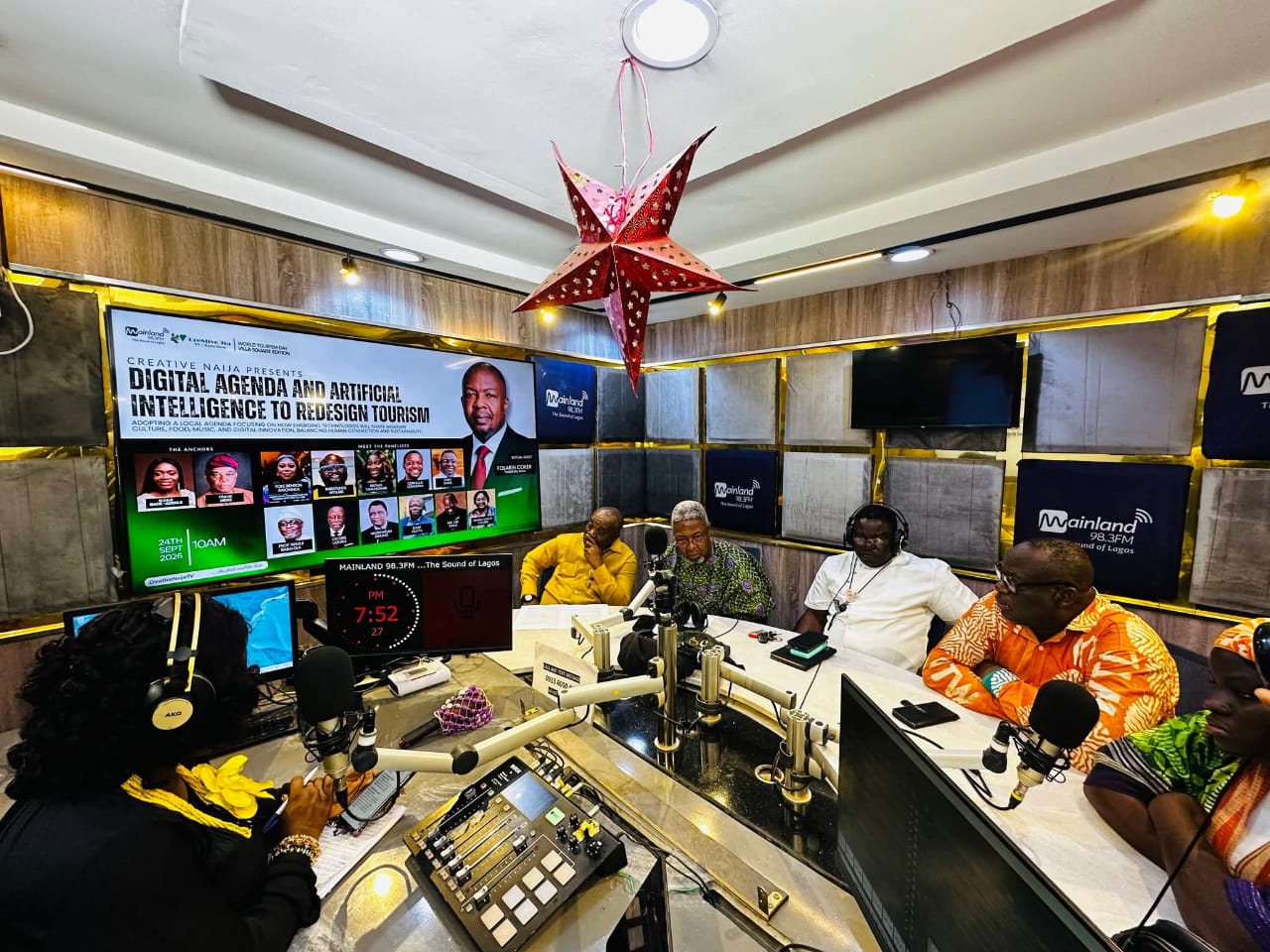
    Speaking on *Villa Square*, a special segment of *Cre8tive 9Ja*, a weekly tourism and culture magazine programme hosted by veteran tourism journalist Frank Meke and Bunmi Bade-Adeniji on Mainland 98.3 FM, Lagos, former Director-General of the Nigeria Tourism Development Authority (NTDA), Folarin Coker, said Nigeria should not confuse digitisation with transformation.

    “We should not confuse digitisation with transformation. Putting a broken process online is not reform,” Coker said.

    He noted that the country’s ambition should be to make travel easier, improve the productivity of tourism businesses and ensure better management of destinations.

    Coker said there was a need to deconstruct the existing system and create an ecosystem in which the necessary structures work effectively before AI is deployed to deepen the passenger experience.

    According to him, AI can improve various aspects of travel, including the embassy and visa processes, flight bookings, pricing, arrival experiences, transportation and cultural engagement.

    “Artificial Intelligence and technology are being mistaken for true development. It is not about another app or website, but about fixing the things that need to be fixed and setting the standards,” he said.

    Also speaking, the Managing Director of Global Links Service, Pastor Chinyere Umeasiegbu, said airline operators were often responsible for flight disruptions.

    She urged airline operators to address the recurring issue of flight cancellations, stressing the need for sustainable reforms that do not rely solely on Artificial Intelligence.

    Umeasiegbu also called for improved communication between airlines and passengers, advising travellers to take screenshots of messages relating to flight delays and submit them to the appropriate authorities when necessary.

    Coker further stated that the government must address fundamental infrastructure challenges, including roads and security, while establishing standards for globally competitive hotel services rather than relying on AI as a substitute for broader development.

    “A digitally driven tourism agenda is what most people are using. However, we have a gifted cultural expression that can help amplify our tourism agenda, from music, fashion and food to medical tourism,” he said.

    He stressed the need for government to make Nigeria’s tourism experience more accessible by providing the necessary infrastructure and ensuring that tourism products and destinations are easily bookable without technological disruptions.

    The Director-General of the National Council for Arts and Culture (NCAC), Obi Asika, disclosed that the council had established a Council for Creative Technology and would soon publish a digital roadmap outlining how Artificial Intelligence could be incorporated into the arts and culture sector.

    “We need to enrich Artificial Intelligence with the elements of our culture, our history and our content. We need to do this and put the necessary systems in place because, if we don’t, Artificial Intelligence might not be able to see us,” Asika said.

    He explained that the concern was partly linked to the data and content used to train AI systems, noting that African and Black tourism and cultural knowledge needed greater representation.

    On the role of AI in food tourism and promoting Nigerian cuisine globally, Chef Shine said the technology could be used to properly document and promote the country’s culinary heritage.

    “It is important for us to use AI to document our food properly. AI will not take over our food, nor will AI cook the food,” he said.

    “This is the best time to discuss the digital agenda and Artificial Intelligence. We need to use AI to document our food and monetise our cuisine,” he added.

    Speaking on the use of AI in promoting Nigeria as a tourism destination, travel and tourism journalist Okorie Uhuru said the technology was already transforming the way destinations and tourism products were marketed.

    “The old order of doing things, like packaging a destination tour and marketing tourism, has faded because of Artificial Intelligence. AI has helped us market our tourism to a global audience,” he said.

    Uhuru urged tourism stakeholders and individuals to adapt to the technology in order to remain competitive.

    “As individuals, you have to make an effort to align with AI to sell your tourism product; otherwise, you will be left behind,” he said.

    Professor Wasui Babalola called on the government to develop policies that would help translate technological advancement into economic value.

    He said the digital transformation process must retain a human element if it is to contribute meaningfully to the development of Nigeria’s tourism sector.

    “The knowledge of the digital process should be given with a human element, and that is when our tourism would improve,” Babalola said.

  • EX MIYE EBIMO: Team A Wins As FOC Commissions FOB FORMOSO Barber Shop

    EX MIYE EBIMO: Team A Wins As FOC Commissions FOB FORMOSO Barber Shop

    …Team A emerges overall winner as participating units, sister agencies showcase combat readiness

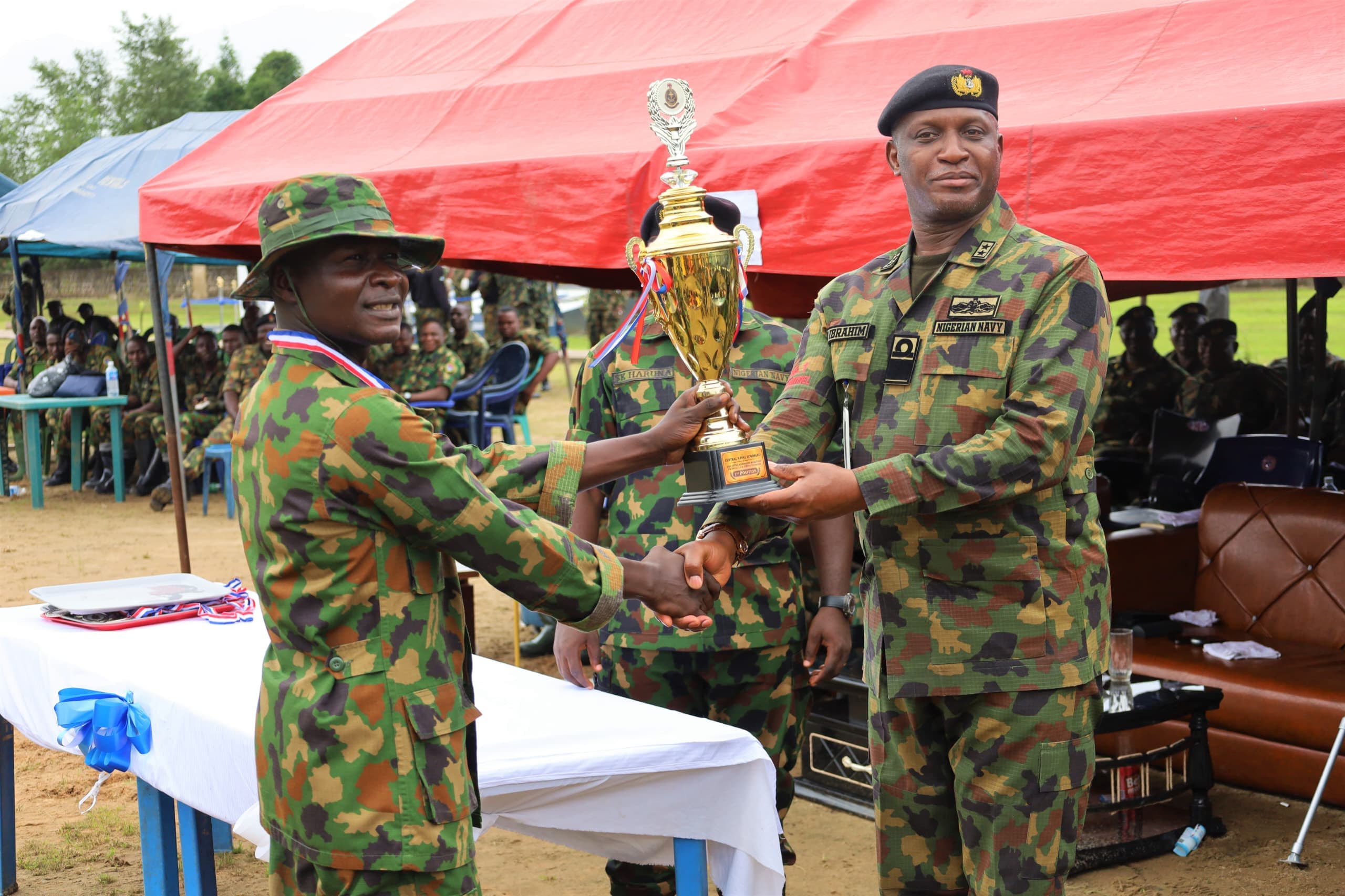
    The Chief of the Naval Staff (CNS), Vice Admiral Idi Abbas, has formally declared the Central Naval Command (CNC) Intra-Command Maritime Tactical Live Firing Exercise, codenamed EX MIYE EBIMO, closed, describing it as a significant demonstration of the Nigerian Navy’s continued commitment to maintaining a well-trained, disciplined and operationally ready fighting force.

    Vice Admiral Abbas, who was represented at the closing ceremony by the Flag Officer Commanding Central Naval Command, Rear Admiral Suleiman Ibrahim CTG 26.1, stressed that “readiness is not achieved through a single exercise; it is built through continuous training, discipline, teamwork, professionalism and constant learning.”

    The ceremony held at Forward Operating Base (FOB) FORMOSO, where the two-day exercise took place from 23 to 24 September 2026.

    The CNS said the value of any live-firing exercise goes beyond the successful discharge of weapons, adding that “the ultimate objective is to develop combat effectiveness, tactical confidence, teamwork and operational readiness.”

    He charged personnel to carry the experience gained into actual maritime operations, particularly in surveillance, patrols, protection of critical national maritime infrastructure and response to threats within the area of responsibility.

    Vice Admiral Abbas also called for a comprehensive post-exercise review to identify strengths, shortcomings and lessons observed, directing that appropriate remedial measures be pursued where gaps are identified.

    He commended Rear Admiral Ibrahim and his planning team for the initiative and coordination that brought the exercise to a successful conclusion, just as he appreciated the Commanding Officer and personnel of FOB FORMOSO for providing the necessary support and facilities for the conduct of the exercise.

    The CNS further acknowledged the contributions of all participating units, formations, ships, boats, instructors, safety personnel, medical personnel, range staff and other supporting elements, noting that “the success recorded today is a product of collective effort.”

    Vice Admiral Abbas particularly acknowledged the participation of the Air Arm of the Nigerian Navy and its pilots, whose aerial support and professionalism contributed significantly to the success of the exercise.

    He praised the pilots for their precision, coordination and courage, noting that their involvement underscored the importance of joint and intra-command cooperation in maritime operations.

    The display was not only a spectacular showcase of naval aviation capability but also a testament to the excellence that defines the Naval Air Station under the command of Commander IC Amauche.

    He also appreciated the cooperation and support of host communities and other relevant stakeholders, emphasising that effective maritime security cannot be achieved by military action alone but requires constructive engagement with local communities, government institutions, sister services, security agencies and other stakeholders.

    Participating units and sister agencies were divided into five teams for the competition. At the end of the fiercely contested exercise, Team A emerged as the overall winner.

    The highpoint of the ceremony was the presentation of medals to teams that came tops in the exercise, while the FOC presented trophies to teams that distinguished themselves in other areas of merit.

    The exercise featured a series of demanding tactical drills, including assault operations, beach landing and the neutralising of an adversary camp. These drills tested the combat readiness, coordination and tactical competence of participating personnel under realistic operational conditions.

    Personnel displayed commendable levels of discipline, professionalism, courage and commitment throughout the two-day event.

    In his closing remarks, Rear Admiral Ibrahim described the exercise as “another important milestone” in the Command’s continuous efforts to enhance the operational readiness, tactical competence and combat effectiveness of personnel and units under the Central Naval Command.

    He noted that the exercise exposed participants to realistic operational situations, enabling the Command to evaluate critical aspects of its capabilities, including command and control, weapons handling, coordination and the effective employment of resources in a maritime environment.

    “Training exercises such as this are essential because they enable us to identify capability gaps in a controlled environment before personnel are required to confront similar challenges during actual operations,” the FOC stated.

    He commended the exercise planning and control teams, participating units, instructors, range safety personnel, medical personnel and support staff for their contributions to the overall success of the exercise, while urging commanders at all levels to ensure that lessons identified are properly documented, analysed and incorporated into subsequent training and operational planning.

    Rear Admiral Ibrahim also emphasised the importance of safety in all training and operational activities, particularly the employment of live ammunition, which he said demands the highest standards of discipline, concentration and strict compliance with established safety procedures.

    On the sidelines of the exercise, the FOC commissioned a newly built barber’s shop at FOB FORMOSO.

    Speaking at the commissioning, Rear Admiral Ibrahim said the project was “beyond a barber’s shop,” noting that the Commanding Officer of FOB FORMOSO, Navy Captain SK Haruna, had translated the Chief of the Naval Staff’s Strategic Directives and the FOC’s Command Tenets, particularly the infrastructural drive and welfare of personnel into reality.

    He praised the Commanding Officer for his initiative and commitment to improving the welfare and working environment of personnel at the Base, urging other commanders to emulate the gesture.

    The closing ceremony was attended by senior officers, commanders, participating troops and support staff, as well as representatives of host communities.

    With the successful conclusion of EX MIYE EBIMO, the Central Naval Command reaffirmed its commitment to sustaining a high state of readiness in view of its strategic importance within the maritime environment of the Central Naval Command.

  • Tourism Stakeholders Challenge FTAN Over NIHOTOUR Reform Dispute

    Tourism Stakeholders Challenge FTAN Over NIHOTOUR Reform Dispute

    To a few discerning tourism players and observers, the frequent “advisories” and “boycott” directives issued by the Aliyu Badaki-led Federation of Tourism Associations of Nigeria (FTAN) increasingly suggest that the organisation may be suffering from a serious leadership crisis.

    In barely one year of its existence, the current leadership appears to have broken the industry record for being one of the most vociferous, troubled and embittered administrations, seemingly lacking a clearly defined ecosystem for resolving industry challenges, building consensus and projecting solutions that benefit its federating bodies.

    Week in, week out, what appears to emanate from its stable are letters of caution, advisories and directives urging members to distance themselves from reforms and emerging regulatory frameworks that could, if properly implemented, strengthen the growth and survival of the tourism and hospitality sector.

    To describe this FTAN as increasingly anti-reform and resistant to industry advancement may not be an understatement. The body sometimes behaves as though it is running a Babylonian Empire built around the power and authority of its own Nebuchadnezzar.

    Within one year of this leadership, there have been numerous admonitions and red-flag directives issued to independent bodies under its supposed guidance, many of which appear to have been ignored or sidestepped by the wider industry.

    FTAN has also failed, in my view, to justify the confidence reposed in it by some industry stakeholders. Its repeated directives appear to reflect inadequate risk assessment and insufficient consideration of the wider consequences of grandstanding in an industry desperately seeking order, stability and sustainable investment.

    The frequency and tone of FTAN’s interventions increasingly smack of a leadership trapped in anxiety and decision fatigue. Its extreme warnings to members raise serious questions about whether the organisation is adequately embracing the principles of consultation, negotiation, democracy and freedom of expression that should define an industry umbrella body.

    Let us situate this within the current debate surrounding the strategic implementation of the National Institute for Hospitality and Tourism (NIHOTOUR) Act of 2022.

    Initially, FTAN opposed the implementation of the Act, citing policy gaps and, particularly, areas of overlapping mandates between NIHOTOUR and the Nigeria Tourism Development Authority Act.

    In its confrontational posture, FTAN argued that the regulatory arrangements surrounding the two institutions should effectively be discarded. Yet, it offered no compelling alternative framework and, importantly, did not appear to sufficiently consult the federating bodies whose interests it purportedly represented.

    When that approach failed to gain the desired traction, FTAN appeared to turn inward, searching for explanations and scapegoats for what could arguably be described as a lack of vision and innovation.

    The situation eventually led to an engagement with the Honourable Minister responsible for Culture and Tourism, where an industry sub-leadership convened a peace meeting aimed at resolving the disagreement surrounding NIHOTOUR.

    “Peace, Who Will Give Us Peace?” was the title of a piece I subsequently wrote following that meeting.

    Shortly after, and apparently in a renewed attempt to resolve the outstanding issues and move the industry forward, a stakeholders’ meeting was organised in Abuja with the express approval of the Honourable Minister and the Federal Government. The objective was to address concerns surrounding the NIHOTOUR Act and provide stakeholders with an opportunity to speak frankly.

    However, FTAN reportedly declined to participate.

    That decision, in my assessment, further reinforced the perception of an organisation increasingly reluctant to engage when the conversation requires open dialogue and compromise.

    Interestingly, the same stakeholders’ meeting attracted key players and leading voices across the tourism and hospitality industry. Participants openly commended NIHOTOUR for its accessibility, willingness to engage and responsiveness to issues that had previously been misunderstood or inadequately explained.

    FTAN’s numerous letters of caution and boycott directives to federating members and stakeholders have consequently created the impression of an organisation lacking the negotiation skills and institutional structures required to effectively manage disputes—whether involving government regulation, private-sector operators or industry associations.

    The NIHOTOUR stakeholders’ engagement, which was attended by representatives of the Minister and other important sectoral bodies, also exposed what appeared to be an FTAN leadership increasingly uncomfortable with new challenges and, perhaps, gradually becoming isolated from members who may not necessarily share its confrontational approach towards government.

    One significant outcome of the stakeholders’ engagement was the constitution of a national committee on the recognition and governance of industry professional bodies, chaired by Prof. Wasui Babalola, a professor of Hotel Management and Tourism, lawyer and forensic accountant.

    The Babalola Committee subsequently called on industry players, investors and associations to submit position papers to assist it in carrying out its mandate and developing recommendations capable of strengthening professional governance within the sector.

    That development appears to have generated considerable concern within the FTAN camp.

    FTAN has often argued that the industry requires systemic reform while, paradoxically, resisting aspects of the operational ecosystem designed to facilitate such reform. This contradiction raises a fundamental question: Is FTAN genuinely opposed to reform, or is it opposed to the process and individuals driving the reform?

    There is also the question of why FTAN appears uncomfortable with one of its own, Prof. Wasui Babalola playing a central role in a process aimed at strengthening governance of tourism professional bodies.

    If the federation has reservations about the committee or its leadership, the more constructive approach would be to present credible alternatives, engage with the committee and provide robust recommendations capable of improving the sector.

    Instead, its latest “cautionary” interventions appear to suggest an organisation increasingly disconnected from the choices being made by its own members, many of whom seem prepared to independently determine what is in their best interest.

    While FTAN has yet to fully subject its positions on these issues to the level of public scrutiny expected of an industry umbrella body, NIHOTOUR has repeatedly maintained that it is a creation of government established to serve Nigerian hospitality and tourism operators.

    At various engagements, NIHOTOUR has defended the law establishing it and explained its mandate and expected deliverables within the framework of its enabling legislation.

    In contrast, FTAN’s leadership has continued to avoid sustained public and media scrutiny of its position on these matters.

    The organised tourism media has, on several occasions, sought clarification from the Director-General of NIHOTOUR on contentious issues, and the institution has generally made itself available to explain its position.

    But when similar questions are directed at FTAN, a wall of silence appears to surround the organisation.

    This leaves the industry with several unanswered questions.

    What exactly is FTAN’s major concern with NIHOTOUR, the institution itself, the implementation of its enabling law, or the personality of its Director-General, Dr. Abisoye Fagade?

    And perhaps more importantly, why does FTAN appear uncomfortable with Prof. Wasui Babalola’s leadership of the committee on professional bodies’ recognition and governance?

    These are legitimate questions that an industry leadership committed to transparency, accountability and collective progress should be willing to answer.

    The tourism and hospitality industry does not need perpetual confrontation. It needs leadership capable of negotiation, consensus-building, evidence-based advocacy and constructive engagement with government and other stakeholders.

    FTAN must therefore decide whether it wants to remain trapped in a cycle of advisories, cautions and boycott threats or reposition itself as a credible, inclusive and solution-driven umbrella body capable of leading the industry into its next phase of growth.

    The industry deserves better than endless warnings. It deserves solutions.
  • NIWA, Parts Central Begin Nationwide Drive To Clean Nigeria’s Waterways

    NIWA, Parts Central Begin Nationwide Drive To Clean Nigeria’s Waterways

    The National Inland Waterways Authority (NIWA) and Parts Central Limited have launched a nationwide clean up initiative aimed at restoring the cleanliness and safety of Nigeria’s inland waterways.

    The initiative, launched in Lagos on Tuesday, is designed to tackle indiscriminate waste disposal and other activities contributing to the pollution of the country’s waterways.

    Speaking at the launch, NIWA Lagos Area Manager, Engr. Sarat Braimah, described Parts Central as a strategic partner in the authority’s efforts to improve the condition of the waterways and promote safer navigation.

    Braimah said the partnership would begin in Lagos because of the state’s strategic importance to Nigeria’s economy and its extensive network of waterways.

    According to her, about one third of Lagos State is covered by water, making the waterways critical to transportation, commerce, employment and the development of the blue economy.

    She said the success of the initiative in Lagos would provide a model that could be replicated across other states as part of efforts to improve the condition of Nigeria’s inland waterways.

    Braimah said clean waterways would not only improve navigation but also create economic opportunities for young Nigerians through activities connected to the blue economy.

    She urged dredgers, boat operators, tank farm owners and waterfront operators to support the initiative and take responsibility for waste generated through their activities.

    She particularly criticised the practice of discharging domestic and industrial waste directly into waterways, noting that some waterfront owners had failed to provide appropriate waste disposal facilities.

    Braimah also raised concerns over the activities of tank farm operators around the Kirikiri axis, which she described as one of the most polluted stretches of Nigeria’s inland waterways.

    She said indiscriminate dumping had affected water quality, aquatic life and fishing activities, warning that continued pollution could undermine the economic potential of the waterways.

    The NIWA official appealed to boat operators, fishermen and other users of the waterways to cooperate with Parts Central and the authority by disposing of plastic and other waste properly.

    She also encouraged dredging operators to put appropriate measures in place to prevent contaminated water and waste from being discharged into the waterways.

    Braimah said NIWA would provide the regulatory support required to ensure that the clean up programme achieved its objectives and improved environmental standards across the waterways.

    On his part, the Managing Director of Parts Central Limited, Henry Olaoluwa Onifade, said the company would deploy waste management facilities and technology across jetties and waterfront communities.

    Onifade said passenger boats and jetties would be equipped with approved refuse bins, while larger collection bins would be installed at jetties to allow boat operators to dispose of waste when docking.

    He said the company would deploy different technologies to cover various waterfront locations, adding that the initiative was aimed at ensuring that watercraft operating on Nigeria’s inland waterways had appropriate facilities for waste disposal.

    Stakeholders at the launch included boat operators, dredgers and representatives of the Lagos State Government, among others, who expressed support for the initiative and the broader effort to protect Nigeria’s inland waterways.

  • APC Candidate Oyebamiji Promises Investment Surge As Osun Economic Assets Return To Life

    APC Candidate Oyebamiji Promises Investment Surge As Osun Economic Assets Return To Life

    The All Progressives Congress (APC) governorship candidate for Osun State, Asiwaju Munirudeen Bola Oyebamiji, has pledged to revive key economic assets, including the Dagbolu Dry Port, Osun-Osogbo Grove, Oba Hills National Park and the Ido-Osun Airport, as part of a comprehensive strategy to reposition the state as a leading investment and industrial destination.

    Oyebamiji, a former Managing Director of National Inland Waterways Authority (NIWA), made the commitment on Saturday while receiving members of the Coalition of Maritime Journalists of Nigeria, who paid him a courtesy visit in Osogbo.

    The visit of the maritime journalists was facilitated by the Waterfront Boat Owners and Transporters Association of Nigeria (WABOTAN) in recognition of Oyebamiji’s contributions to Nigeria’s inland waterways sector during his tenure as the Managing Director of NIWA.

    Addressing the journalists, Oyebamiji unveiled his Osun Prosperity Agenda themed “A Pact for Growth, Inclusion and Lasting Development,” describing it as a practical blueprint for economic transformation, inclusive governance and sustainable development.

    He said unlocking the economic potential of strategic assets such as; the Dagbolu Dry Port, the Osun-Osogbo Grove, Oba Hills National Park, the Ido-Osun Airport and the Osun Free Trade Zone would stimulate commerce, strengthen tourism, attract local and foreign investment, support entrepreneurship and create sustainable employment opportunities across the state.

    According to him, the revival of the Dagbolu Dry Port and the Osun Free Trade Zone would improve trade facilitation, boost logistics and position Osun as a competitive industrial and export hub within Nigeria.

    “We will resuscitate strategic economic assets that have the capacity to transform Osun’s economy, stimulate private sector investment and create wealth for our people,” he said.

    On poverty alleviation and workers’ welfare, Oyebamiji promised targeted social intervention programmes to support vulnerable citizens while ensuring prompt payment of salaries, improved working conditions and the restoration of dignity in the public service.

    He also pledged to drive employment through public works programmes, enterprise support initiatives and strategic investments capable of generating sustainable jobs, particularly for young people.

    The APC governorship candidate further said his administration would strengthen the Osun State Investment Promotion Agency to attract investors, develop industrial parks with modern infrastructure, improve the ease of doing business and position Osun among Nigeria’s leading investment destinations.

    He assured micro, small and medium enterprises (MSMEs) of improved access to microcredit, grants and business development services, while promising expanded entrepreneurship and empowerment programmes for youths and women.

    On education and healthcare, Oyebamiji said his administration would modernise educational infrastructure, recruit and train teachers, strengthen technical and vocational education, expand apprenticeship programmes and upgrade healthcare facilities across the state.

    He added that partnerships would be leveraged to advance universal health coverage and improve access to quality healthcare for all residents.

    Oyebamiji reaffirmed that his Prosperity Agenda represents a pact with the people of Osun to deliver economic growth, social inclusion and lasting development through prudent leadership, strategic investments and private sector-driven growth.

    Also speaking, WABOTAN President, Comrade Tope Fajemirokun, described Oyebamiji as a high-performing administrator, adding that his success stories at NIWA will be replicated in Osun State.

    Fajemirokun opined that under Oyebamiji’s leadership Osun State could emerge as a leading player in marine and blue economy development, especially maritime tourism via Oshogbo Groove, Erin-Ijesha Waterfalls, among others.

  • ATBOWATON Seeks Greater NIWA Support to Improve Water Transport Safety

    ATBOWATON Seeks Greater NIWA Support to Improve Water Transport Safety

    The leadership and members of the Association of Tourist Boat Operators and Water Transporters of Nigeria, ATBOWATON, on Wednesday paid a courtesy visit to the National Inland Waterways Authority, NIWA, Abuja Area/Liaison Office.

    The visit was to congratulate the Acting Managing Director of NIWA, Alhaji Umar Yusuf Girei, and the Area Manager, Abuja Area/Liaison Office, Mrs. Aisha Eri, on their recent appointments.

    Speaking on behalf of the union, its National President, Dr. Gani Tarzan Balogun, commended NIWA for its consistent support to operators nationwide. He particularly acknowledged the Authority’s deliberate focus on the safety of Nigeria’s waterways, with notable impact in the South West region.

    Dr. Balogun, however, drew attention to one of the most pressing challenges facing boat operators: the acute shortage of life jackets. He appealed to NIWA to prioritize the provision of more safety equipment, stressing that adequate life jackets are critical to protecting both passengers and crew.

    The ATBOWATON President further noted that improving the navigability of the nation’s inland waterways would significantly ease pressure on Nigeria’s roads. According to him, a functional water transport system offers commuters and cargo operators a safer and more efficient alternative to road travel.

    In his response, the Acting Managing Director, Alhaji Umar Yusuf Girei, thanked the union for the visit. He assured members that NIWA had already commenced work on many of the concerns raised, noting that interventions were underway well before the delegation’s visit.

    Also speaking, the Area Manager, NIWA Abuja Area/Liaison Office, Mrs. Aisha Eri, described the visit as a welcome development. She urged ATBOWATON members to bring their wealth of experience to bear in the FCT, expressing optimism that their expertise would help strengthen water transportation in the region.

error: Content is protected !!