Category: Government

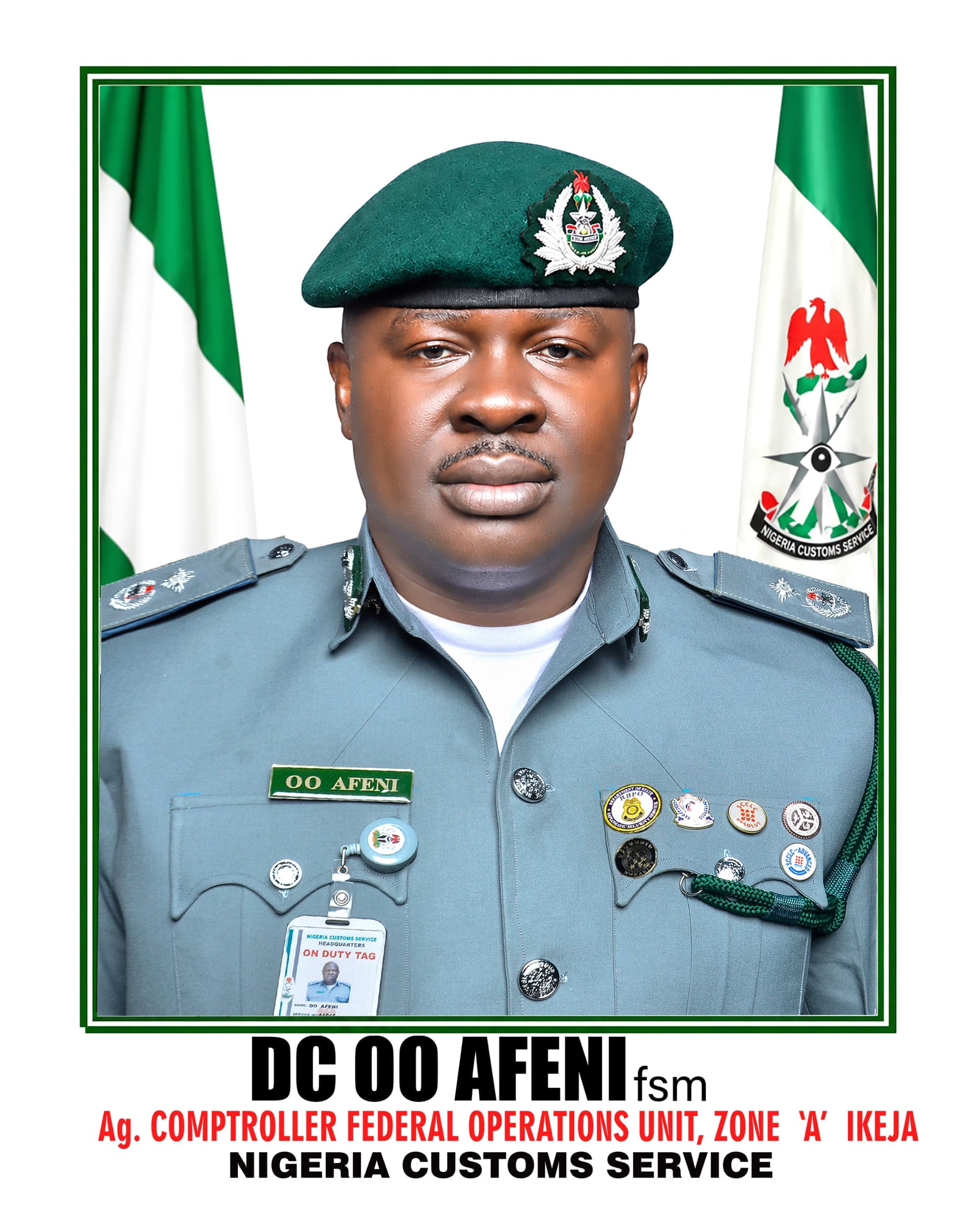
  • Afeni Moves Against Smugglers, Revenue Leakages at Customs Zone A — Timothy Paul Okorocha

    Afeni Moves Against Smugglers, Revenue Leakages at Customs Zone A — Timothy Paul Okorocha

    Eight months ago when power started tilting towards the ranks of Deputy Comptrollers to take full charge of the Commands nationwide and consequent upon the fading out of the old brigades; it went viral that a man who has been groomed thoroughly in anti-smuggling and Enforcement operations, who is of the tribes of the 2009 sets was primed to ascend the helm at the Federal Operations Unit, zone A.

    ‎In a last minute calculus, the comptroller General, Bashir Adewale Adeniyi moved the pendulum in favour of Gambo Aliyu -a polished gentleman who came and made a huge difference until two weeks ago when he hit the statutory retirement age and warmly exited.

    In the chase game that ensued, the star again shone and 8 months prediction came to pass when two weeks ago, the lot fell on him with his appointment by the 001 to go and prove his mettle at the prestigious flagship Unit of Customs in zone A, Lagos.

    The Federal Operations Unit in Lagos is known as the Policeman of the Customs Service. It is  the hub of enforcement operations, trade facilitation with immense oversight functions on other Commands in the Western zone.

    It ensures a lot of checks and balance on devious importers as well as compromised officers in the chain of trade and imports businesses.

    Two weeks hence, Deputy Comptroller Oladapo Olukayode Afeni has kept no one in doubt of his road map, where his taking the Unit to, and what stakeholders are billed for in the new Customs deal. In what looks like a riot act, Afeni has enlisted the support of Industry Operators to shun illicit trade, go the way of legal trade facilitation for the economic benefit of the nation.

    Since his ascension to office, the man is not smiling at all. Reports confirm he has blocked all the identified smuggling routes. A common refrain by smugglers and some disgruntled officers who aid them say “there is no work now”, meaning their means of livelihood in their usual smuggling business has been threatened since he came on board.

    Releasing officers at the various port commands in Lagos are now wary and on panic mode as they have been flagged with the consequences that will befall them if they connive with importers to release uncustomed goods. Petroleum and drugs smugglers are worst hit as the illegal routes in Idiroko/Ogun/Seme axis, Oyo corridors are now more than ever policed by the re-invigorated FOU ‘A’.

    Having superintended over the Ogun I command in Idiroko, the Acting Controller knows the nooks and crannies where illicit trade is thriving and has acquired the capacity to nip it in the bud. To show the measure of power in the office, his taking over was unique in the history of the Service as more than three Acting Area controllers came in solidarity.

    Even though, they are some of his squadmates, their presence was respectful and a solidarity he requires to excel in his new responsibility.

    Deputy Comptrollers Nura Miko, of PTML, Ibrahim of Idiroko and Behora of the Enugu/Anambra/Eboyin Commands, all paid their homage. Even his predecessor, Comptroller Aliyu Gambo described Afeni as  competent, disciplined and loyal officer. Afeni has stated that he will pursue intelligence-led enforcement, block revenue leakages and protect Nigeria’s Economic and security interests in his new office.

    ‎In doing this, he has deposed that enforcement activities will be “firm, respectful of human dignity”, while legitimate trade would be facilitated through constructive engagement with traders, manufacturers, importers, exporters, Customs brokers and other stakeholders.

    ‎Tested and trusted, Afeni, the anti-smuggling expert   has proved himself at the Idiroko Command where he made seizure to the tune of more more than N14.750 billion in 8 months with revenue standing at N896,539,138.00 as against the N545,348,440.12  of its given target, made between January and August this year.

    One of his squadmates, an Assistant Comptroller described Afeni as highly detribalised. “He does not compromise and can never be partial. ‘As friends, we understand our limits; he is a man that has repulsive nature for corrupt acts. A sound officer who accommodates;  above all, he is civilized and highly sophisticated.

  • Ogun Customs Intercepts Three Live Pangolins in Smuggling Crackdown

    Ogun Customs Intercepts Three Live Pangolins in Smuggling Crackdown

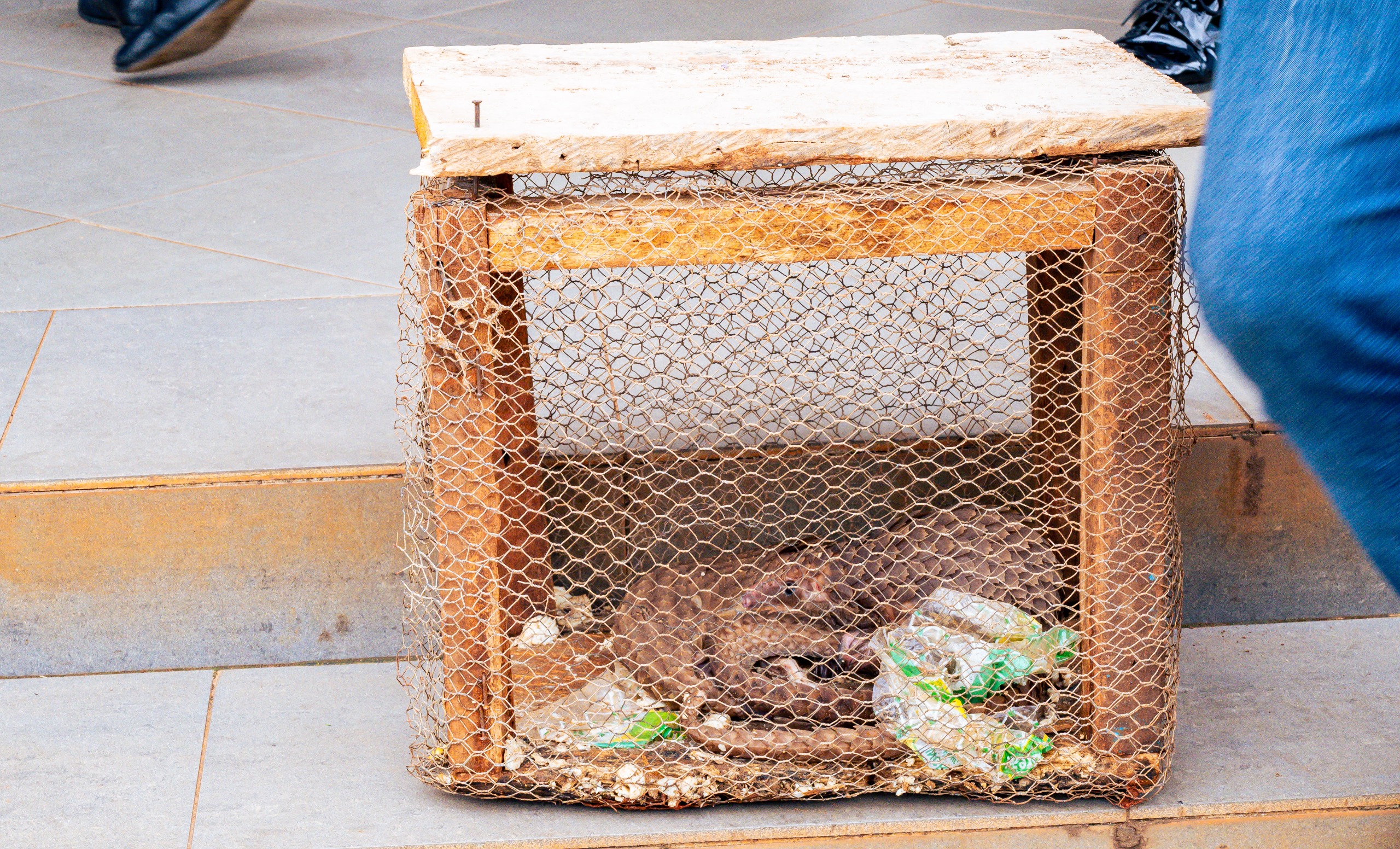
    The Nigeria Customs Service (NCS), Ogun I Command, has intercepted three live pangolins concealed in sacks at Abeokuta Waterside, in a major operation against the illegal trafficking of endangered wildlife.

    The seizure followed credible intelligence received by the command’s patrol team, which moved to the area and intercepted the animals after suspected smugglers abandoned them and fled on sighting the Customs operatives.

    The pangolins were discovered concealed in sacks and confined in wire mesh cages. The manner in which the animals were packaged suggested an organised attempt to move them illegally while evading detection by security and law enforcement agencies.

    Following the seizure, the Acting Customs Area Controller, Ogun I Command, Deputy Comptroller Abdulhamid Ibrahim, handed over the rescued pangolins to Green Fingers Wildlife Conservation for rehabilitation and eventual release into a protected habitat.

    Speaking during the handover, Ibrahim said pangolins are endangered wildlife species protected under Nigerian law and international conservation agreements, including the Convention on International Trade in Endangered Species of Wild Fauna and Flora (CITES).

    He warned that the illegal trafficking of pangolins and their derivatives attracts severe sanctions under Nigeria’s wildlife protection laws. He also noted that the recently passed Endangered Species Conservation and Protection Bill provides for substantial fines and prison terms for offenders.

    Ibrahim said the Customs Service would continue to strengthen collaboration with wildlife conservation organisations and other relevant agencies to combat the illegal trade in endangered species and protect Nigeria’s biodiversity.

    “Our officers acted with remarkable courage and professionalism throughout the operation. We remain steadfast in our vigilance against trans-border crime and committed to collaborating with our partners to eliminate the illegal trade in endangered species,” he said.

    Receiving the animals on behalf of Green Fingers Wildlife Conservation, the organisation’s Admin Manager and Supervisor, Isaac Itue Ime, commended the Ogun I Command for its vigilance and swift intervention.

    Ime stressed the important role of the Customs Service in combating illegal wildlife trafficking and assured that the rescued pangolins would receive the necessary care during rehabilitation before their eventual release into a suitable protected environment.

    The Ogun I Command warned smugglers and wildlife traffickers to desist from the illegal trade, stressing that its officers remain fully prepared to identify, track and apprehend individuals and syndicates involved in the trafficking of endangered species.

  • Seme Customs Automates Passenger Baggage Clearance, Targets Faster Border Processing

    Seme Customs Automates Passenger Baggage Clearance, Targets Faster Border Processing

    The Nigeria Customs Service (NCS), Seme Area Command, has commenced the full deployment of the Simplified Declaration for Passenger Baggage Import system to ease clearance, improve transparency and strengthen revenue collection at the border.

    The digital initiative is part of the Service’s broader customs modernisation programme aimed at facilitating legitimate travel and cross-border trade through technology-driven processes.

    Under the new system, passengers can initiate baggage declarations using mobile devices or complete the process at designated digital kiosks provided by the Command.

    The system applies standardised and pre-programmed assessment tables to declared personal goods, allowing applicable duties to be calculated automatically. Upon payment, receipts are also generated electronically.

    The digital process is expected to reduce manual intervention and discretionary assessment while giving passengers greater clarity and predictability in the clearance of dutiable baggage.

    The Seme Area Command said the impact of the system was already being reflected in passenger clearance times, with average baggage clearance turnaround now standing at less than five minutes since the commencement of the deployment.

    Within the first few days of implementation, the Command also generated ₦10,340,260.02 from passenger baggage declarations.

    The revenue represents duties collected through the automated process and provides a direct channel for the remittance of applicable customs revenue to the Federation Account.

    The Command, however, stressed that improved facilitation would not come at the expense of border security or compliance with customs laws and regulations.

    It said the digital baggage declaration system was being implemented alongside enhanced risk management and intelligence-led enforcement to detect attempts to conceal commercial quantities of restricted or prohibited goods as passenger baggage.

    According to the Command, the combination of digital processing and targeted enforcement would enable Customs to distinguish legitimate passenger movements from activities requiring regulatory or enforcement intervention.

    The initiative is also expected to improve the experience of passengers and cross-border traders by reducing avoidable delays while strengthening transparency in the assessment and payment of customs duties.

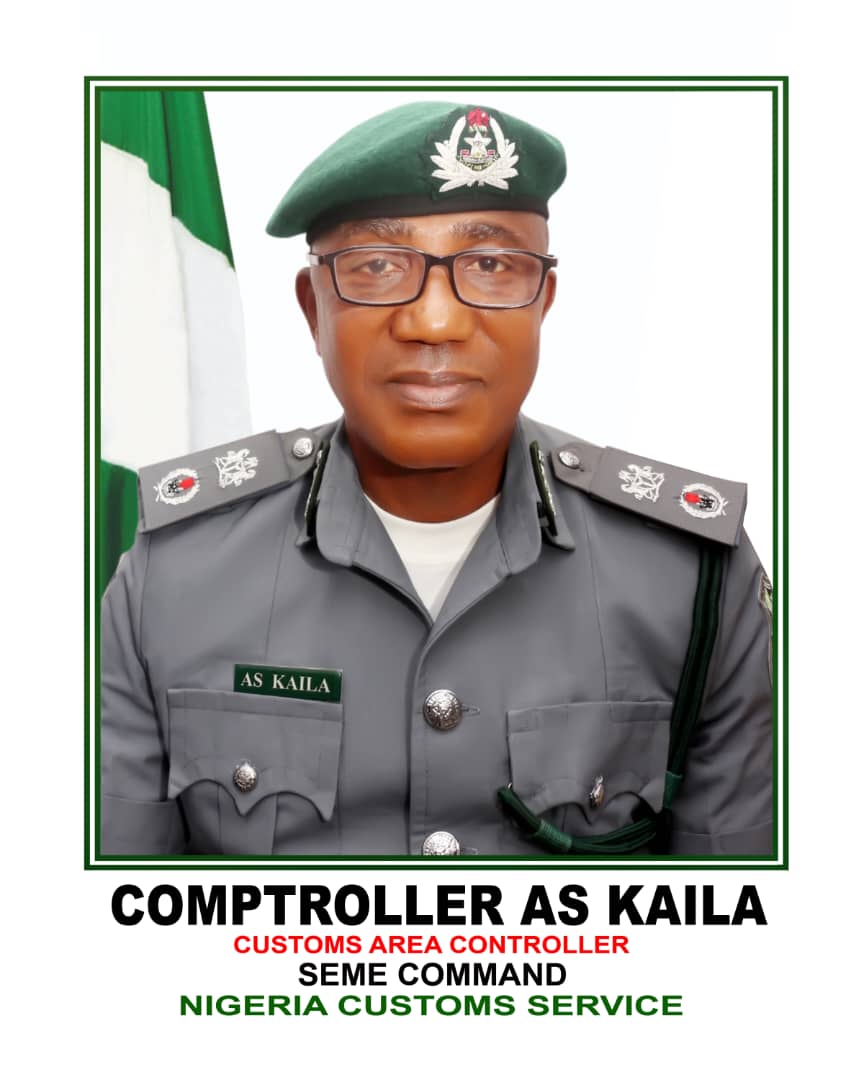
    The Customs Area Controller, Seme Area Command, Comptroller Abdullahi Kaila, said the deployment was consistent with the commitment of the Comptroller General of Customs, Bashir Adewale Adeniyi, to technology, innovation, trade facilitation, transparency and accountability in customs administration.

    Kaila urged passengers, cross-border traders and other members of the trading community to take advantage of the simplified declaration platform and comply with applicable customs requirements.

    He assured legitimate travellers and businesses operating through the Seme border corridor of continued facilitation, while noting that the Command would sustain collaboration with sister agencies and relevant stakeholders to protect national security, support lawful commerce and curb cross-border illicit trade.

  • Coker, Asika Lead Call For AI Driven Tourism Transformation

    Coker, Asika Lead Call For AI Driven Tourism Transformation

    The former Director General of the Nigeria Tourism Development Authority (NTDA), and other tourism stakeholders have called for improved Artificial Intelligence regulations and its transformation for sustainable growth in Nigeria’s tourism and travel sector.

    The call was in sequel to the recent technical network glitch involving the Nigeria Centre for Disease Control (NCDC) and the Nigeria International Travel Portal (NITP), which disrupted travel operations and left thousands of inbound and outbound passengers stranded at airports worldwide.

    The incident, which reportedly prevented passengers from boarding flights bound for Nigeria, has renewed concerns over the country’s reliance on digital systems and highlighted the need for stronger technological infrastructure, effective regulation and improved AI integration to ensure seamless travel operations and enhance the tourism experience.

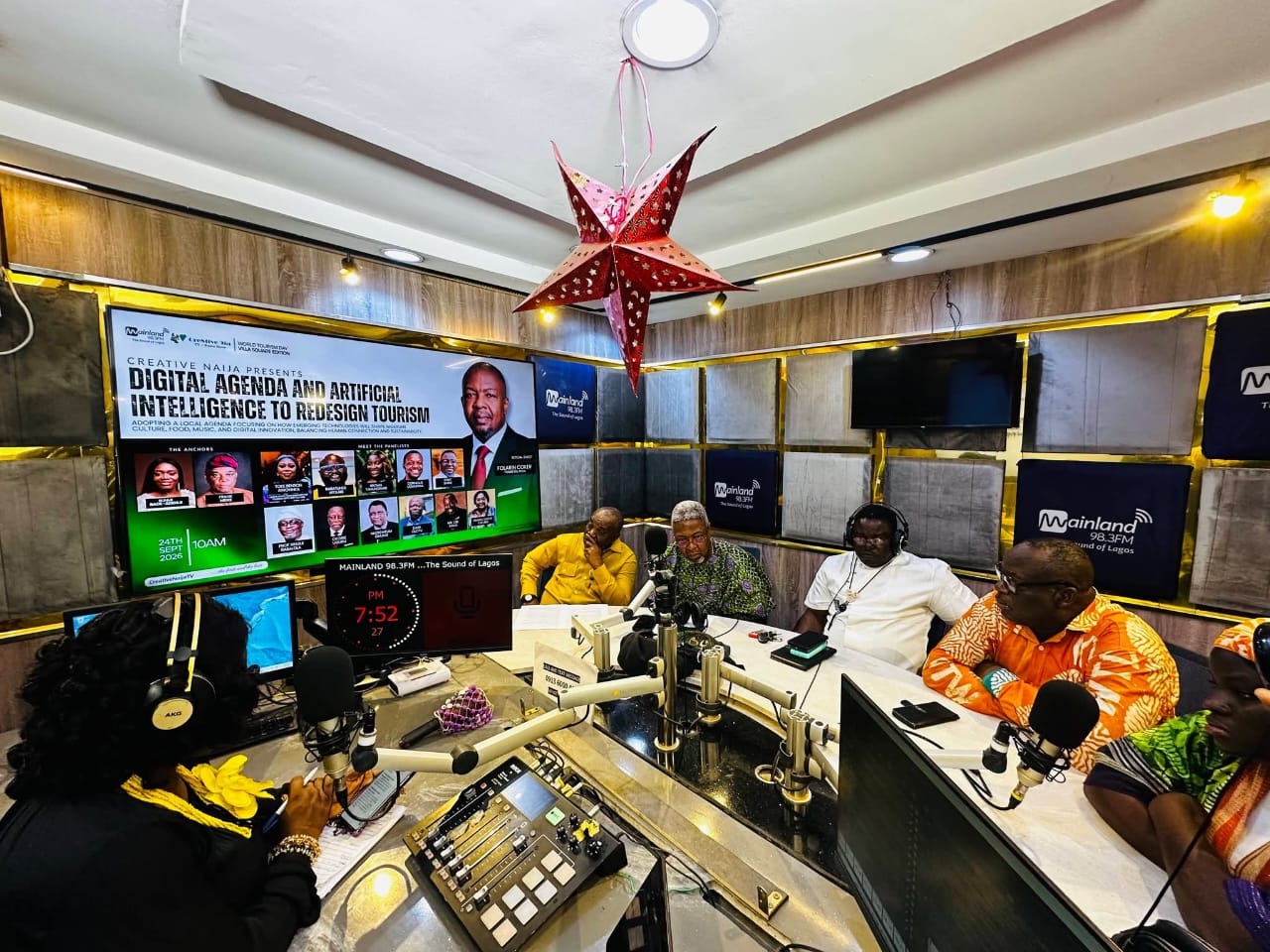
    Speaking on *Villa Square*, a special segment of *Cre8tive 9Ja*, a weekly tourism and culture magazine programme hosted by veteran tourism journalist Frank Meke and Bunmi Bade-Adeniji on Mainland 98.3 FM, Lagos, former Director-General of the Nigeria Tourism Development Authority (NTDA), Folarin Coker, said Nigeria should not confuse digitisation with transformation.

    “We should not confuse digitisation with transformation. Putting a broken process online is not reform,” Coker said.

    He noted that the country’s ambition should be to make travel easier, improve the productivity of tourism businesses and ensure better management of destinations.

    Coker said there was a need to deconstruct the existing system and create an ecosystem in which the necessary structures work effectively before AI is deployed to deepen the passenger experience.

    According to him, AI can improve various aspects of travel, including the embassy and visa processes, flight bookings, pricing, arrival experiences, transportation and cultural engagement.

    “Artificial Intelligence and technology are being mistaken for true development. It is not about another app or website, but about fixing the things that need to be fixed and setting the standards,” he said.

    Also speaking, the Managing Director of Global Links Service, Pastor Chinyere Umeasiegbu, said airline operators were often responsible for flight disruptions.

    She urged airline operators to address the recurring issue of flight cancellations, stressing the need for sustainable reforms that do not rely solely on Artificial Intelligence.

    Umeasiegbu also called for improved communication between airlines and passengers, advising travellers to take screenshots of messages relating to flight delays and submit them to the appropriate authorities when necessary.

    Coker further stated that the government must address fundamental infrastructure challenges, including roads and security, while establishing standards for globally competitive hotel services rather than relying on AI as a substitute for broader development.

    “A digitally driven tourism agenda is what most people are using. However, we have a gifted cultural expression that can help amplify our tourism agenda, from music, fashion and food to medical tourism,” he said.

    He stressed the need for government to make Nigeria’s tourism experience more accessible by providing the necessary infrastructure and ensuring that tourism products and destinations are easily bookable without technological disruptions.

    The Director-General of the National Council for Arts and Culture (NCAC), Obi Asika, disclosed that the council had established a Council for Creative Technology and would soon publish a digital roadmap outlining how Artificial Intelligence could be incorporated into the arts and culture sector.

    “We need to enrich Artificial Intelligence with the elements of our culture, our history and our content. We need to do this and put the necessary systems in place because, if we don’t, Artificial Intelligence might not be able to see us,” Asika said.

    He explained that the concern was partly linked to the data and content used to train AI systems, noting that African and Black tourism and cultural knowledge needed greater representation.

    On the role of AI in food tourism and promoting Nigerian cuisine globally, Chef Shine said the technology could be used to properly document and promote the country’s culinary heritage.

    “It is important for us to use AI to document our food properly. AI will not take over our food, nor will AI cook the food,” he said.

    “This is the best time to discuss the digital agenda and Artificial Intelligence. We need to use AI to document our food and monetise our cuisine,” he added.

    Speaking on the use of AI in promoting Nigeria as a tourism destination, travel and tourism journalist Okorie Uhuru said the technology was already transforming the way destinations and tourism products were marketed.

    “The old order of doing things, like packaging a destination tour and marketing tourism, has faded because of Artificial Intelligence. AI has helped us market our tourism to a global audience,” he said.

    Uhuru urged tourism stakeholders and individuals to adapt to the technology in order to remain competitive.

    “As individuals, you have to make an effort to align with AI to sell your tourism product; otherwise, you will be left behind,” he said.

    Professor Wasui Babalola called on the government to develop policies that would help translate technological advancement into economic value.

    He said the digital transformation process must retain a human element if it is to contribute meaningfully to the development of Nigeria’s tourism sector.

    “The knowledge of the digital process should be given with a human element, and that is when our tourism would improve,” Babalola said.

  • EX MIYE EBIMO: Team A Wins As FOC Commissions FOB FORMOSO Barber Shop

    EX MIYE EBIMO: Team A Wins As FOC Commissions FOB FORMOSO Barber Shop

    …Team A emerges overall winner as participating units, sister agencies showcase combat readiness

    The Chief of the Naval Staff (CNS), Vice Admiral Idi Abbas, has formally declared the Central Naval Command (CNC) Intra-Command Maritime Tactical Live Firing Exercise, codenamed EX MIYE EBIMO, closed, describing it as a significant demonstration of the Nigerian Navy’s continued commitment to maintaining a well-trained, disciplined and operationally ready fighting force.

    Vice Admiral Abbas, who was represented at the closing ceremony by the Flag Officer Commanding Central Naval Command, Rear Admiral Suleiman Ibrahim CTG 26.1, stressed that “readiness is not achieved through a single exercise; it is built through continuous training, discipline, teamwork, professionalism and constant learning.”

    The ceremony held at Forward Operating Base (FOB) FORMOSO, where the two-day exercise took place from 23 to 24 September 2026.

    The CNS said the value of any live-firing exercise goes beyond the successful discharge of weapons, adding that “the ultimate objective is to develop combat effectiveness, tactical confidence, teamwork and operational readiness.”

    He charged personnel to carry the experience gained into actual maritime operations, particularly in surveillance, patrols, protection of critical national maritime infrastructure and response to threats within the area of responsibility.

    Vice Admiral Abbas also called for a comprehensive post-exercise review to identify strengths, shortcomings and lessons observed, directing that appropriate remedial measures be pursued where gaps are identified.

    He commended Rear Admiral Ibrahim and his planning team for the initiative and coordination that brought the exercise to a successful conclusion, just as he appreciated the Commanding Officer and personnel of FOB FORMOSO for providing the necessary support and facilities for the conduct of the exercise.

    The CNS further acknowledged the contributions of all participating units, formations, ships, boats, instructors, safety personnel, medical personnel, range staff and other supporting elements, noting that “the success recorded today is a product of collective effort.”

    Vice Admiral Abbas particularly acknowledged the participation of the Air Arm of the Nigerian Navy and its pilots, whose aerial support and professionalism contributed significantly to the success of the exercise.

    He praised the pilots for their precision, coordination and courage, noting that their involvement underscored the importance of joint and intra-command cooperation in maritime operations.

    The display was not only a spectacular showcase of naval aviation capability but also a testament to the excellence that defines the Naval Air Station under the command of Commander IC Amauche.

    He also appreciated the cooperation and support of host communities and other relevant stakeholders, emphasising that effective maritime security cannot be achieved by military action alone but requires constructive engagement with local communities, government institutions, sister services, security agencies and other stakeholders.

    Participating units and sister agencies were divided into five teams for the competition. At the end of the fiercely contested exercise, Team A emerged as the overall winner.

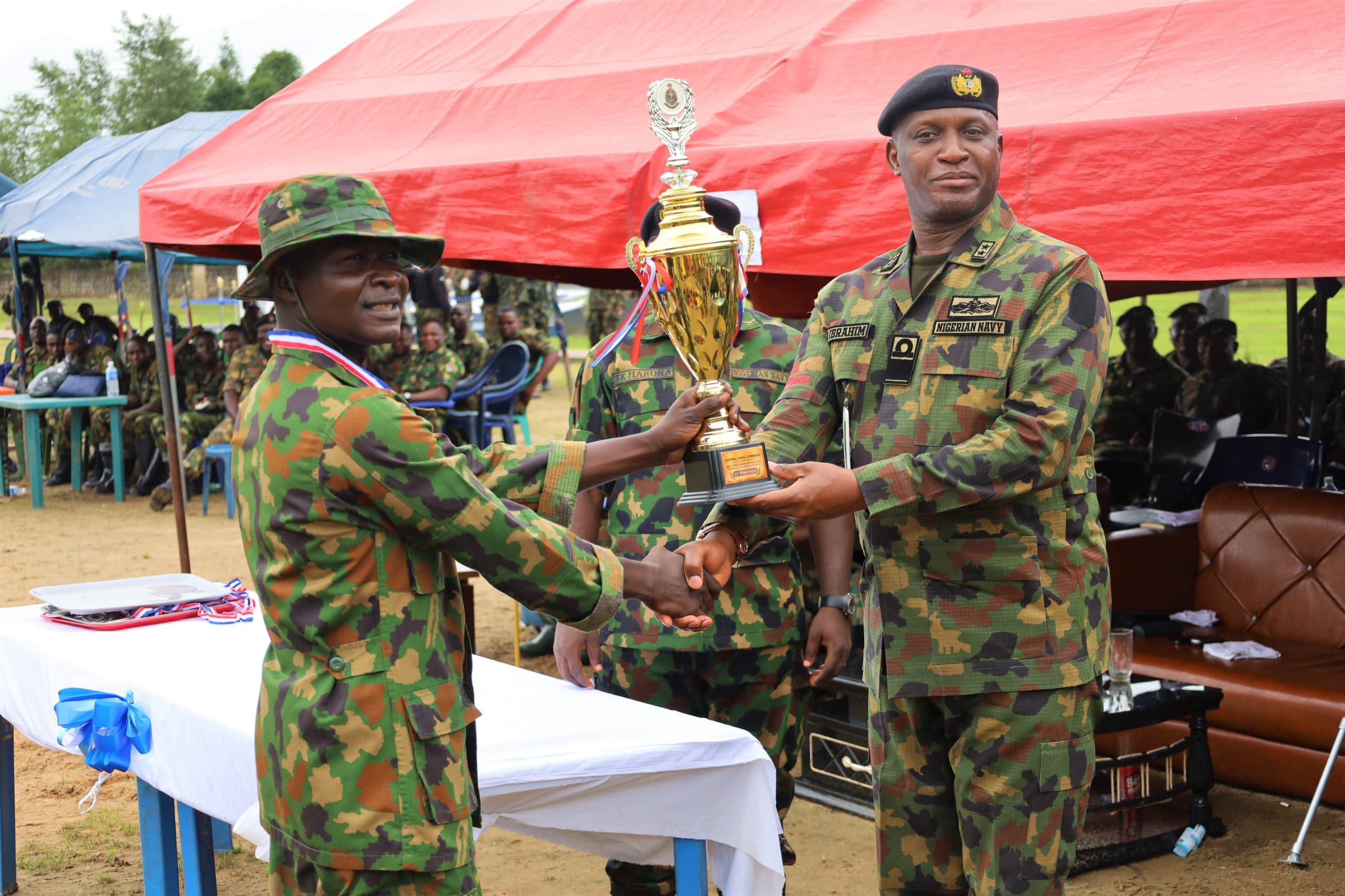
    The highpoint of the ceremony was the presentation of medals to teams that came tops in the exercise, while the FOC presented trophies to teams that distinguished themselves in other areas of merit.

    The exercise featured a series of demanding tactical drills, including assault operations, beach landing and the neutralising of an adversary camp. These drills tested the combat readiness, coordination and tactical competence of participating personnel under realistic operational conditions.

    Personnel displayed commendable levels of discipline, professionalism, courage and commitment throughout the two-day event.

    In his closing remarks, Rear Admiral Ibrahim described the exercise as “another important milestone” in the Command’s continuous efforts to enhance the operational readiness, tactical competence and combat effectiveness of personnel and units under the Central Naval Command.

    He noted that the exercise exposed participants to realistic operational situations, enabling the Command to evaluate critical aspects of its capabilities, including command and control, weapons handling, coordination and the effective employment of resources in a maritime environment.

    “Training exercises such as this are essential because they enable us to identify capability gaps in a controlled environment before personnel are required to confront similar challenges during actual operations,” the FOC stated.

    He commended the exercise planning and control teams, participating units, instructors, range safety personnel, medical personnel and support staff for their contributions to the overall success of the exercise, while urging commanders at all levels to ensure that lessons identified are properly documented, analysed and incorporated into subsequent training and operational planning.

    Rear Admiral Ibrahim also emphasised the importance of safety in all training and operational activities, particularly the employment of live ammunition, which he said demands the highest standards of discipline, concentration and strict compliance with established safety procedures.

    On the sidelines of the exercise, the FOC commissioned a newly built barber’s shop at FOB FORMOSO.

    Speaking at the commissioning, Rear Admiral Ibrahim said the project was “beyond a barber’s shop,” noting that the Commanding Officer of FOB FORMOSO, Navy Captain SK Haruna, had translated the Chief of the Naval Staff’s Strategic Directives and the FOC’s Command Tenets, particularly the infrastructural drive and welfare of personnel into reality.

    He praised the Commanding Officer for his initiative and commitment to improving the welfare and working environment of personnel at the Base, urging other commanders to emulate the gesture.

    The closing ceremony was attended by senior officers, commanders, participating troops and support staff, as well as representatives of host communities.

    With the successful conclusion of EX MIYE EBIMO, the Central Naval Command reaffirmed its commitment to sustaining a high state of readiness in view of its strategic importance within the maritime environment of the Central Naval Command.

  • Ilo Charges NAFRC Personnel to Sustain Fitness, Discipline for National Security

    Ilo Charges NAFRC Personnel to Sustain Fitness, Discipline for National Security

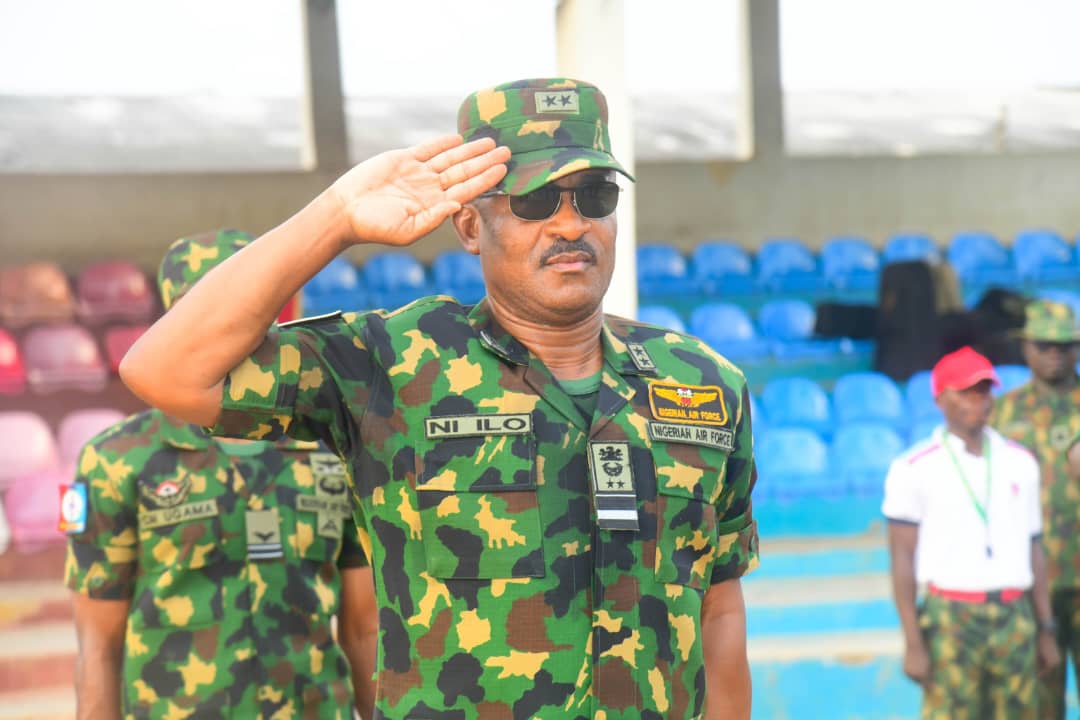
    The Nigerian Armed Forces Resettlement Centre (NAFRC), Oshodi, Lagos, has conducted its third quarter 10 kilometre route march, reinforcing the Centre’s commitment to physical fitness, endurance and discipline among military personnel.

    The exercise brought together personnel of the Centre in a physically demanding march designed to enhance stamina, build endurance and sustain the level of physical preparedness required for effective military service.

    The route march was conducted under appropriate supervision, with participants demonstrating resilience and commitment throughout the exercise.

    Addressing the personnel at the conclusion of the exercise, the Commandant of NAFRC, Air Vice Marshal Nnaemeka Ignatius Ilo, commended them for their participation and determination.

    Ilo stressed that physical fitness remained essential to the wellbeing and operational effectiveness of military personnel, urging officers and soldiers to make regular exercise an integral part of their daily routine.

    He said the responsibility of protecting Nigeria’s territorial integrity required personnel to remain physically fit, mentally alert and steadfast in the discharge of their duties.

    The Commandant also emphasised discipline as a fundamental attribute of the military profession, charging personnel to sustain high standards of conduct both within and outside the Centre.

    He urged them not to regard the quarterly route march as an isolated fitness activity but as part of a continuous commitment to maintaining operational readiness and personal wellbeing.

    Ilo further charged the personnel to remain committed to the defence of Nigeria’s territorial integrity and the protection of the civil populace, stressing that their discipline, fitness and dedication remained vital to building a safe and secure country.

  • IMION, ADUN Join Forces To Power Nigeria’s Blue Economy

    IMION, ADUN Join Forces To Power Nigeria’s Blue Economy

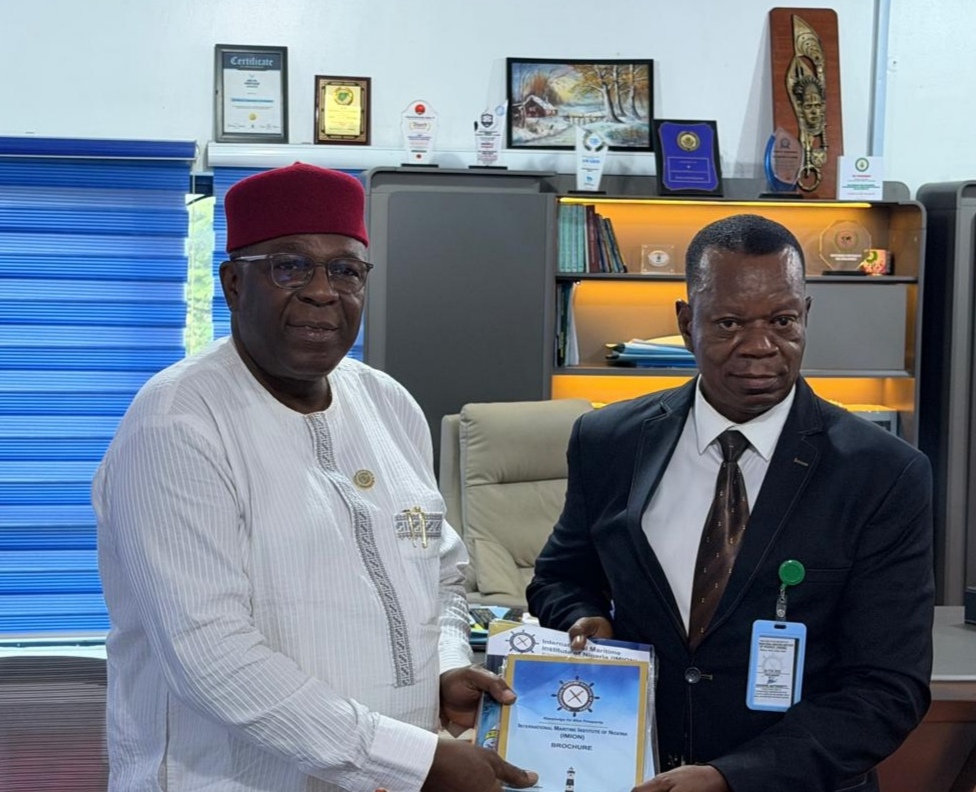
    The International Maritime Institute of Nigeria (IMION) and the Admiralty University of Nigeria (ADUN) have entered into a strategic technical partnership aimed at strengthening professional capacity, research and practical expertise in Nigeria’s maritime sector.

    The collaboration was unveiled during the maiden official visit of the IMION Director General, Rear Admiral Thaddeus Christopher Udofia (rtd), PhD, to the ADUN campus in Ibusa, Delta State, where he presented the institute’s strategic roadmap to the Vice Chancellor of the university, Prof. Christopher Bankole Ndubuisi Ogbogbo.

    The partnership brings together two institutions with strong links to the Nigerian Navy and is designed to bridge the gap between academic knowledge and practical maritime operations, while creating new opportunities for research, executive education and industry focused capacity development.

    Udofia said the collaboration would open a new chapter in efforts to build a more skilled maritime workforce and support the development of Nigeria’s blue economy. He said IMION was committed to deepening local capacity, contributing to policy and regulatory development and helping the country unlock the economic opportunities available in its maritime resources.

    The IMION Director General also commended the management of ADUN for the institution’s transformation and ongoing infrastructural expansion, describing the development on the campus as remarkable and strategically important to the university’s future.

    Established by the Nigerian Navy in June 2024, IMION has trained more than 500 senior executives and government policymakers, according to the institute. Under the new partnership, both institutions are expected to commence specialised executive programmes from September 2026, with emphasis on translating maritime knowledge into practical industry solutions.

    As part of the collaboration, IMION has invited the ADUN leadership to participate in its Executive Course on “Logistics and Trade Facilitation for Blue Economy Growth,” scheduled for September 7 to 9, 2026, at the IMION Auditorium, NNS QUORRA Complex, Apapa, Lagos.

    The programme, which will provide hybrid and virtual participation options for local and international participants, is expected to deepen understanding of logistics, trade facilitation and other critical components required to expand Nigeria’s maritime economy and improve the country’s competitiveness.

    Responding, Ogbogbo welcomed the partnership, describing it as timely and aligned with ADUN’s capacity building objectives. He said the university stood to benefit from IMION’s practical maritime experience, collaborative research opportunities and specialised manpower development initiatives.

    He disclosed that the partnership would also facilitate the engagement of distinguished adjunct professors and visiting maritime scholars, while students of Naval Architecture at ADUN would undertake educational tours of shipbuilding facilities in Lagos and Port Harcourt to gain first hand exposure to ship design, construction and other aspects of the maritime industry.

  • Mr Nonso’s Lagos Summer Puts Domestic Tourism in the Spotlight

    Mr Nonso’s Lagos Summer Puts Domestic Tourism in the Spotlight

    The fourth edition of Lagos Summer with Mr. Nonso has reinforced the growing importance of domestic tourism in promoting Nigeria’s cultural heritage, creative economy and tourism destinations to Nigerians.

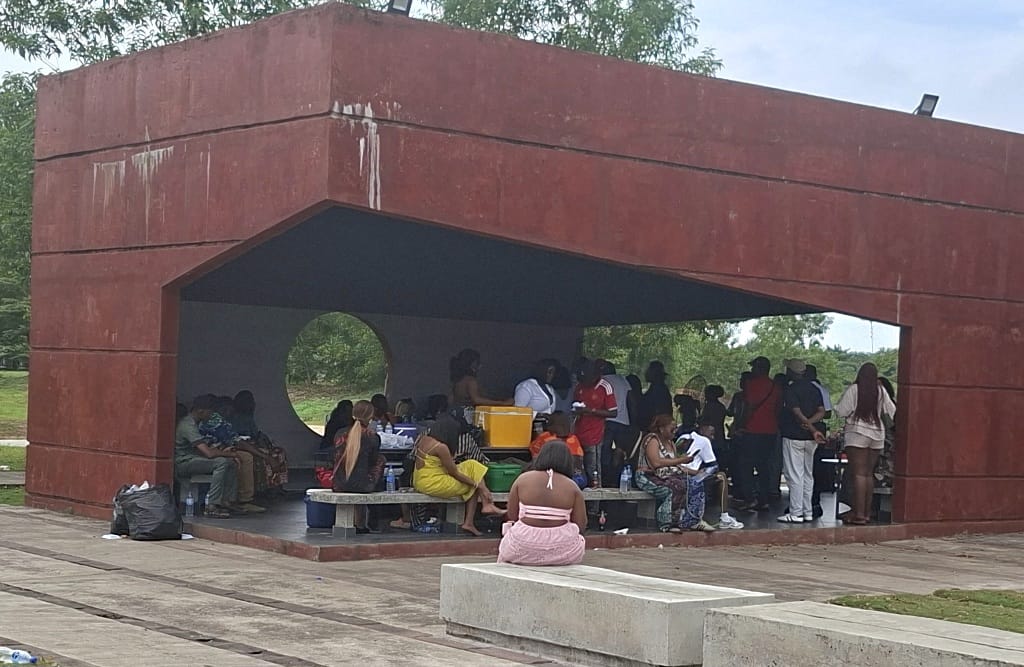
    The August 22 tour brought together about 150 participants who embarked on a full day of cultural discovery across Lagos, ending with a social gathering and bonfire at Elegushi Beach.

    The tour, organised by tour operator Chinonso Emmanuel Uche, popularly known as Mr. Nonso, was designed around a simple philosophy: Nigerians must first experience and appreciate the country’s tourism assets before convincing international visitors to explore them.

    The first destination was Nike Art Gallery in Lekki, where participants explored the expansive collection of Nigerian artworks and crafts. For many of the visitors, the experience provided an opportunity to encounter the country’s contemporary and traditional artistic heritage firsthand.

    The group later proceeded to the Yemisi Shyllon Museum of Art at Pan Atlantic University, Epe, a destination that continues to attract attention for its extensive collection of Nigerian and African art.

    Beyond viewing the artworks, participants were given an opportunity to engage directly with Nigerian culture through an Adire tie and dye workshop. Young professionals, families and expatriates participated in the practical session, learning about one of Nigeria’s enduring textile traditions.

    The experience continued with a picnic and guided tour of the museum’s collection of more than 1,000 works, creating an atmosphere that combined education, leisure and cultural appreciation.

    The tour ended at Elegushi Beach, where participants gathered around a bonfire for music, networking and entertainment. According to the organisers, the long term ambition is to develop Lagos Summer into a multi day tourism experience comparable with established summer destinations around the world.

    Explaining the philosophy behind the initiative, Uche said Nigerians needed to experience the country before efforts were made to attract more international tourists. He said participants could become informal ambassadors for Nigerian destinations by sharing their experiences and images online.

    The strong interest in this year’s edition reportedly resulted in the organisers limiting participation to 150 people. Uche said future editions would be expanded to accommodate more participants and expose them to additional destinations.

    He argued that Nigeria’s tourism challenge was not necessarily a shortage of attractions, but inadequate awareness and domestic patronage. He noted that greater visitation to places such as the Yemisi Shyllon Museum could help bridge the gap between Nigerians and the country’s cultural assets.

    Uche also highlighted Lagos’ diverse tourism offerings, ranging from beaches and urban entertainment to colonial history, Yoruba culture and the city’s distinctive Brazilian heritage. RwandAir Regional Manager for West and Central Africa, Ginette Kadigiri, also participated in the programme, contributing a quiz and prizes that added another dimension to the experience.

    The Lagos Summer initiative demonstrates how domestic tourism can support artists, transport operators, hospitality businesses, tour companies and other players across the tourism value chain. As Uche puts it, Nigeria needs more tourism entrepreneurs willing to move people, create experiences and encourage Nigerians to discover their own country before selling its attractions to the world.

  • POWA President Tasks Nigerian Youths on Peaceful Leadership

    POWA President Tasks Nigerian Youths on Peaceful Leadership

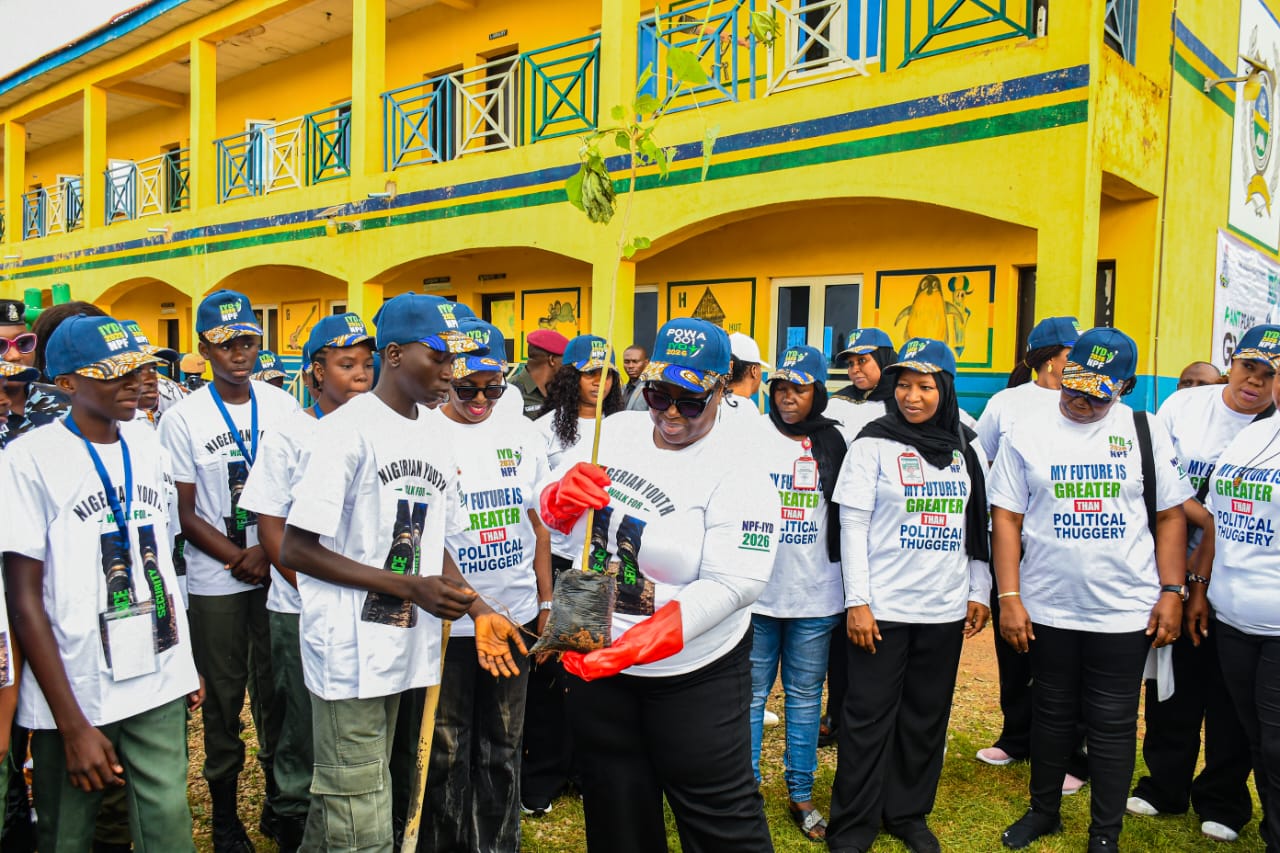
    The National President of the Police Officers’ Wives Association (POWA), Chief Mrs. Mutiat Olufunmilola Disu, has cautioned Nigerian youths against allowing themselves to be used as instruments of political violence, warning that their future is too valuable to be sacrificed for another person’s political ambition.

    Speaking at the International Youth Day 2026, National Youth Leadership & Security Initiative, Mrs. Disu urged young Nigerians to reject political thuggery, cultism, cybercrime, hate and violence, while encouraging them to participate actively in democracy through peaceful and responsible engagement.

    “Your future is too valuable to be rented out,” she told the youths. “Do not allow anyone to use your youth as a weapon and leave you to face the consequences alone.”

    The POWA President, who spoke from the perspective of a mother as well as a leader of an organisation closely connected to the police family, said she was particularly concerned about young people being persuaded that violence was a pathway to power or relevance.

    She urged youths to recognise that their voice, ideas, skills and votes were more powerful tools for shaping Nigeria’s future than violence.

    “You have something far more powerful: your voice, your ideas, your skills and your vote,” she said, stressing that political consciousness and participation should not be confused with violent confrontation.

    According to her, young Nigerians could disagree politically without becoming enemies, support candidates without losing themselves and participate passionately in democratic processes without resorting to violence.

    “As mothers, we want to see you come home safely,” she said, urging young people to channel their energy into education, entrepreneurship, technology, creative expression and problem-solving.

    Mrs. Disu also drew attention to the growing security implications of misinformation and irresponsible use of social media, urging young Nigerians to verify information before sharing it.

    “Think before you click; verify before you share,” she said, warning that not everything that trends online is true and that manipulated videos, false claims and misleading screenshots could trigger fear, inflame communities or damage people’s reputations.

    “Your phone is powerful. Use it to build, not to destroy,” she added.

    The POWA President said Nigeria needed a generation of young people who were prepared to lead but also understood the responsibility that came with leadership.

    She noted that although young Nigerians came from different backgrounds and circumstances, their aspirations remained broadly similar, including the desire for security, opportunity, dignity and a country where dreams could be translated into reality.

    She therefore challenged the youths to choose “purpose over pressure, service over selfishness, truth over misinformation and leadership over thuggery.”

    “Whenever anyone asks you to choose between violence and your future, remember: your future is greater than political thuggery,” she said.

    The International Youth Day 2026 programme, organised by the Nigeria Police Force as a National Youth Leadership & Security Initiative, is centred on youth leadership, responsible citizenship, innovation, entrepreneurship, digital responsibility and peaceful democratic participation. The three-day initiative ran from August 20 to 22, 2026, with activities designed to strengthen Police–Youth partnerships and promote safer communities.

  • FTAN Risks Losing Industry Support Over Leadership Style, Meke Warns

    FTAN Risks Losing Industry Support Over Leadership Style, Meke Warns

    I will, in all honesty, plead with my readers to indulge me as I make a statement which, in our society, some people may ordinarily describe as “personal.” Truly, this is my personal assessment of the President of the Federation of Tourism Associations of Nigeria (FTAN), Aliyu Badaki, and it is made without malice.

    Aliyu Badaki, in my considered view, does not appear to fully understand the demands of his office as Federation President. As I have often said, when a leader interprets every contrary contribution or position as a “personal attack,” such a leader risks running headlong into avoidable walls.

    I see a federation gradually drifting towards the cemetery, and unless there is a deliberate change of direction, FTAN could find itself in a very difficult place.

    In his rejoinder to my intervention over his so-called “advocacy” on the regulatory initiative involving the Nigerian Institute for Hospitality and Tourism (NIHOTOUR), Badaki referred to me as “one Frank Meke,” a description I find unnecessary and dismissive. We know ourselves, and I am fully aware of who I am and the role I have played in the Nigerian tourism industry.

    He also sought to dispute what he described as “facts.” But the facts remain that NIHOTOUR, over the past year, held several meetings and engagements to which he was invited, yet he allegedly declined to participate. At the same time, Badaki and his associates reportedly made frequent visits to the National Tourism Development Authority (NTDA) office, with photographic evidence of some of those engagements.

    Again, Badaki had considerable access to the office of the Honourable Minister of Arts, Culture and Tourism, Hannatu Musa Musawa, a lawyer, over several weeks. At the peace meeting convened by the President of the National Association of Nigerian Travel Agencies (NANTA), Yinka Folami, and hosted by the Minister, Badaki did not hide his disagreement with Dr Abisoye Fagade.

    Yet, at that meeting, witnessed by several stakeholders whose confidentiality I respect, he did not adequately articulate the critical aspects of the NIHOTOUR or NTDA regulatory frameworks that he claims are causing serious concerns within the industry.

    His rejoinder, which he personally signed and through which he took responsibility for his advocacy position, also failed to demonstrate where he convened a meeting involving the two agencies and the Minister and was subsequently ignored.

    I understand that FTAN may currently be struggling with suitable space to host meetings. But Badaki manages a hotel and could, in the interest of the industry, generously make one of its meeting facilities available for a properly structured stakeholder engagement involving all parties connected to the matter.

    In the same vein, he carefully sidestepped several efforts reportedly made by NIHOTOUR to engage stakeholders and seek solutions. This raises questions about whether the real objective is resolution or prolonged confrontation.

    This issue touches me personally, and I dare say for the first time that FTAN appears to have developed a serious case of mediaphobia.

    For those who may not know, the Association of Tourism Journalists is one of the critical associations within the federation and has made, and continues to make, significant contributions to the growth and development of Nigerian tourism.

    I was at head of a team when journalists and other industry stakeholders mobilised tourism practitioners and travelled to Abuja to help birth this federation more than three decades ago. I will not tell that story in this article, but perhaps I should do so soon, especially if the current leadership appears determined to lead us back to Egypt.

    On a lighter note, I find it extremely ironic for a leader who champions his advocacy through the media to turn around and suggest that he owes the media no accountability for his leadership successes or failures.

    I recently watched Badaki on TVC during a prime-time 7 a.m. broadcast interview, where the anchor even encouraged him to smile. I will leave out what preceded that moment on the set.

    For free, let us help FTAN get its advocacy right.

    The Bible, in James 1:5, teaches that anyone who lacks wisdom should ask God. There is wisdom in seeking divine direction, but there is also wisdom in seeking the contributions and support of others. A leader does not have to like everyone around him, but those people may possess the knowledge and experience necessary to help find solutions.

    I have worked around several industry leaders, past and present, in both the private and public sectors. One enduring quality of leaders who eventually succeed is their ability to build collaboration, consensus and broad-based support.

    NANTA has survived and celebrated 50 years of impactful presence and unity, not because it has been free of challenges, but because successive presidents have understood the importance of gathering the best brains available to support the association’s engagements with government and its various constituencies.

    FTAN has NANTA as a member and should, perhaps, consult it on how to build a stronger institutional presence and sustain growth.

    I have worked with about eight NANTA presidents, and whenever major challenges arose, they were willing to identify the best brains within and outside their immediate circles, irrespective of personal policy preferences, and bring them together to resolve difficult issues.

    Every NANTA president I worked with inherited a different operational environment, but they understood the importance of building internal coalitions and consensus around matters affecting the survival of the association.

    Even in relation to the NIHOTOUR regulatory framework, NANTA reportedly approached the matter through a coalition and consensus-building process.

    FTAN can seek similar strategic advice.

    Indeed, FTAN should put a hold on its current advisory spins and undertake a structured and strategic engagement, beginning with its specialised media community, to clearly identify the jurisdictional issues embedded in the relevant NTDA and NIHOTOUR legal frameworks.

    It should then engage allied and member associations and develop alternative solutions that can command wider support.

    I find it both funny and sad that FTAN would repeatedly visit NTDA, take pictures and publicise such engagements, yet allegedly fail to sit down with the agency’s leadership to thoroughly discuss the issues it claims are hurting its members.

    Limiting FTAN’s reach and operational environment to its members and the two agencies involved NTDA and NIHOTOUR also suggests a limited understanding of the wider ecosystem of the tourism industry.

    The federation must engage chambers of commerce and other institutions critical to the development of cultural and tourism enterprises.

    I am also concerned that, after about a year, FTAN has not, to my knowledge, sufficiently audited the two relevant legal frameworks and established the financial, operational and employment implications of the clauses it considers injurious to its members.

    It has also not adequately articulated its membership structure, yet it has proceeded with broad generalisations that do little to advance a focused advocacy strategy.

    In the past year, there has also been little evidence of a sustained lobbying ecosystem involving the Senate and House of Representatives committees responsible for culture and tourism.

    Has FTAN embarked on a structured campaign for transparent public hearings to review specific provisions of the relevant statutes and ensure that operators’ concerns are properly integrated into the legislative process?

    FTAN cannot run advocacy like a gunboat under the command of Nebuchadnezzar. It needs an intelligence structure and a supportive committee not necessarily composed only of “yes-sir” executive members to monitor legislative developments, track bills through readings and committee stages, and follow through on processes leading to possible amendments.

    Does FTAN have certified lawyers with legislative experience who can provide credible legal and legislative guidance? It needs professionals capable of separating genuine policy concerns from internal politics and ensuring that its advocacy remains focused on solutions.

    Advocacy is an art, not noise-making and banal postulations. Everyone can write, but not everyone is a journalist.

    Lobbying is also an art. It is not blackmail. It identifies problems, targets the right institutions, builds relationships and mobilises the right support towards consensus and solutions.

    Above all, good leaders do not look down on others. They turn opposition into opportunities for dialogue and transform critics into positive burden-bearers and partners in finding solutions.

    Nigeria’s political environment itself demonstrates that consensus-building is often achieved through persistent engagement, persuasion and coalition-building. The lesson for FTAN is simple: no institution can successfully navigate complex challenges by fighting everyone around it.

    FTAN, under its present leadership, has increasingly created an image of being quarrelsome, embittered and antagonistic towards institutions and individuals. It appears to have chosen division over collaboration and confrontation over consensus.

    The question is: who would willingly associate with a leadership perceived to thrive on blackmail and hostility rather than openness, consensus and collaboration?

    I am ready and willing to do my part to stop FTAN from becoming a shadow coffin bearer of its own legacy.

    We will not allow FTAN to die as long as God gives us breath.
error: Content is protected !!