Category: News

  • Mayor of Atlanta Applauds Fidelity FNITCC Conference

    Mayor of Atlanta Applauds Fidelity FNITCC Conference

    Tier-one lender, Fidelity Bank Plc, has reaffirmed its commitment to supporting Nigerian businesses in scaling up and competing effectively on the global stage. This commitment was underscored at the 2025 Fidelity Nigeria International Trade & Creative Connect (FNITCC), held over the weekend in Atlanta, Georgia.

    Reflecting on FNITCC’s evolution over the past four years, the Managing Director/Chief Executive Officer of Fidelity Bank Plc, Dr. Nneka Onyeali-Ikpe, described the initiative as a strategic expression of the bank’s vision to empower homegrown businesses for global competitiveness.

    “FNITCC is a vision that has come a long way. We began by equipping Nigerian exporters with foundational knowledge through capacity-building programs in partnership with the Lagos Business School. From ground zero, we taught small businesses the fundamentals of export. Once they were ready, we created this platform to showcase them to the world. Our goal has always been to help shift Nigeria from an oil-dependent economy to a diversified, non-oil-driven one—and exports are key to that transformation,” said Dr. Onyeali-Ikpe in her welcome address.

    She emphasized the unique value of FNITCC in connecting buyers and sellers directly, fostering trust and confidence through face-to-face interactions. “At this event, we have a wide range of buyers—from major retailers to small-scale distributors. Fidelity Bank has emerged as the leading bank in non-oil exports from the agricultural sector,” she added. She also encouraged participants to attend sideline sessions where regulatory agencies from Nigeria and the U.S. would share insights on compliance standards and export processes.

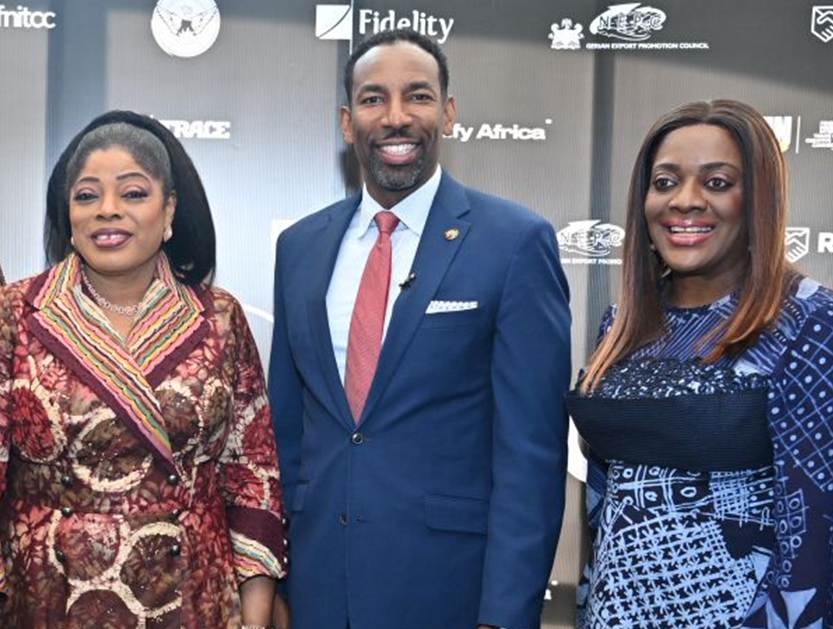
    In his remarks, the Mayor of Atlanta, Mr. Andre Dickens, welcomed FNITCC to the city and highlighted the deep-rooted ties between Atlanta and Africa.

    “This conference presents a unique opportunity for thought leaders from Atlanta and Africa to collaborate. Our shared legacies—from civil rights icons like Dr. Martin Luther King Jr. and Nelson Mandela to our mutual strengths in logistics, finance, technology, and the creative industries—form a strong foundation for trade and investment. We are not just networking; we are building lasting networks,” he said.

    The third edition of FNITCC Atlanta featured deal rooms, panel discussions, exhibitions, and a gala dinner—all aimed at spotlighting Nigeria’s non-oil export potential and exploring pathways for expansion into the American market.

    As part of efforts to deepen bilateral trade, a delegation from Lagos State also visited the Georgia State Capitol. Speaking at the event, Lagos State Governor Mr. Babajide Sanwo-Olu declared the state open for business and investment. He emphasized Lagos’ readiness to forge enduring partnerships and proposed the establishment of a sister-city framework to strengthen ties between Atlanta and Lagos.

    Fidelity Bank Plc is a full-fledged commercial bank with over 9.1 million customers who are serviced across its 251 business offices and various digital banking channels in Nigeria and the United Kingdom.

    The Bank is the recipient of multiple local and international Awards, including the 2024 Excellence in Digital Transformation & MSME Banking Award by BusinessDay Banks and Financial Institutions (BAFI) Awards; the 2024 Most Innovative Mobile Banking Application award for its Fidelity Mobile App by Global Business Outlook, and the 2024 Most Innovative Investment Banking Service Provider award by Global Brands Magazine. Additionally, the Bank was recognized as the Best Bank for SMEs in Nigeria by the Euromoney Awards for Excellence and as the Export Financing Bank of the Year by the BusinessDay Banks and Financial Institutions (BAFI) Awards.

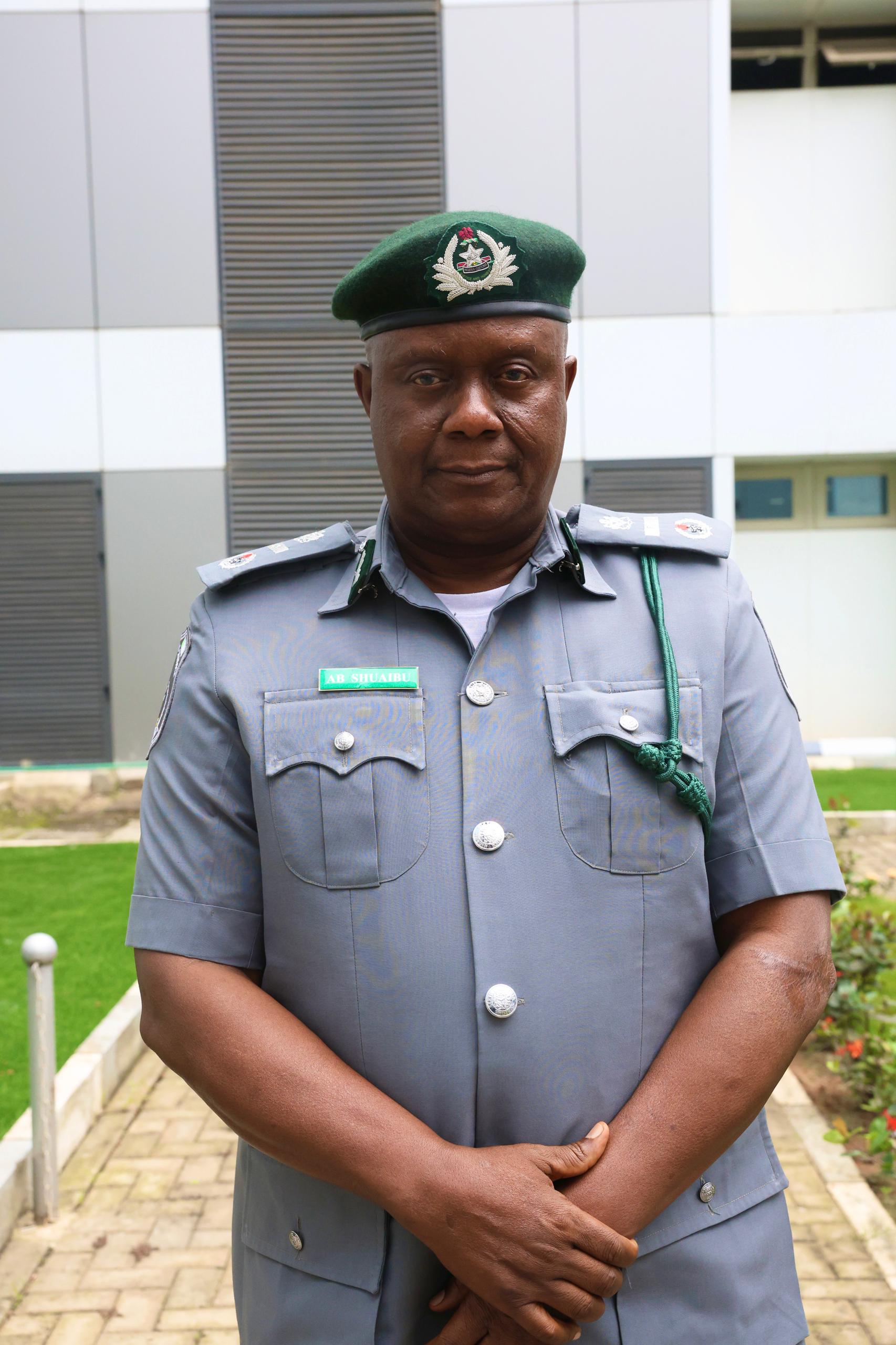
  • ACG AHMADU SHUAIBU: The Steel Backbone of Nigeria Customs Enforcement

    ACG AHMADU SHUAIBU: The Steel Backbone of Nigeria Customs Enforcement

    In the complex, often combustible theatre of Nigeria’s border enforcement and customs service operations, few figures have stood out more sharply in recent times than ACG Ahmadu Bello Shuaibu. Across a career defined by discipline, intelligence‐led enforcement, and a refusal to compromise, he has repeatedly demonstrated what the Nigeria Customs Service (NCS) can achieve when integrity and action walk hand in hand.

    Early Career And Rise Through The Ranks

    While not all the biographical details are public, sufficient evidence from his recent appointments and performance shows that Shuaibu has served in several highly sensitive, frontline roles:

    He served in the Federal Operations Unit (FOU), Zones A and C, where enforcement and anti‐smuggling are central mandates.

    He was Coordinator for the Customs Strike Force, Zone A, Lagos, a unit engaged in high profile interceptions of contraband and prohibited items.

    He was Deputy Comptroller and later Acting Controller at various posts before being appointed the Customs Area Controller (CAC) of Ogun 1 Command, Idiroko, a key border command given its frontline position adjacent to Republic of Benin.

    Each posting seems to have sharpened his resolve, skills, and reputation. By all accounts, Shuaibu is not one for showy gestures, he is someone whose credentials rest heavily on results.

    The Style: Integrity, Intelligence, And Enforcement

    What distinguishes Shuaibu from many is the mixture of rigour, moral clarity, and tact. Key components of his style:

    1. Intelligence‐Led Enforcement
    Shuaibu has repeatedly emphasized that smuggling suppression must be driven by actionable, credible intelligence. His command’s seizure records and operational successes reflect this rather than relying purely on brute force or ad hoc raids.

    2. Commitment to Anti-Smuggling
    From pangolin scales, illicit rice, narcotics, contraband vehicles, and other prohibited items, his commands have repeatedly made substantial seizures. These actions are not isolated one‑offs, but reflective of consistent pressure. In one week shortly after resuming as Ogun 1 CAC, under his command, contraband worth approximately N229.1 million was seized across multiple smuggling hotspots.

    3. Trade Facilitation Balanced with Enforcement
    Taking over the Ogun 1 Command, he pledged to maintain equilibrium: enforcing customs law without shutting down legitimate trade. A common tension in border posts is that enforcing too strictly can unduly hamper legal commerce; Shuaibu’s approach is to protect national interest while not punishing honest operators.

    4. Collaboration & Community Relations
    Recognizing the local dynamics at border communities (e.g., Idiroko), Shuaibu has worked to build trust with traditional rulers, youths, security agencies, and cross‑border counterparts. He shifted the narrative of border enforcement from confrontation to cooperation.

    5. Fairness, Discipline, and Non‐Partisanship
    Reports and testimonies often highlight Shuaibu’s equal treatment of officers, unbending stance on corruption or shortcuts, and minimizing tribal, religious or political bias in decision making. He is described as “highly humble, detribalised, and honest” in multiple writeups.

    Key Achievements

    Some of the standout achievements under Comptroller Shuaibu’s watch:

    Massive seizures soon after assuming Ogun 1 command, including in just his first week back, contraband worth N229.1 million across smuggling routes in Ogun State.

    In October 2023, his command reported revenue generation over N30 million, a dramatic increase compared to the same period in the previous year, due largely to more consistent enforcement and auction of seized goods.

    Significant improvements in operational environment: zero casualties during enforcement, reduced checkpoints (from 32 to 5 along the Idiroko axis) to ease trade while maintaining border security.

    Infrastructure and welfare improvements: upgrade of medical facilities, provision of uniforms, support for education in border communities, establishment of trailer parks and examination bays, better working conditions for officers.

    Institutional recognition: decorated with the rank of Comptroller; awarded “Personality of the Week” by MAJAN for powerful pen – reflecting media recognition of his accountability, performance, and anti‑smuggling zeal

    Challenges And Context

    No profile of Shuaibu is complete without acknowledging the tightrope he walks:

    Border Complexity: Ogun 1/Idiroko command is a volatile, porous frontier. Smugglers, traffickers, and corrupt facilitators operate in networks often shielded by geography, local complicity, and under‑resourced enforcement.

    Resource Constraints: As with many customs commands, intelligence gathering, logistics, manpower, technology are always under pressure. His successes frequently depend on leveraging support from sister agencies, local collaboration, and the willingness of officers under him to risk backlash.

    Public Expectations vs. Institutional Realities: The public expects visible results (seizures, arrests) but also bristles at delays, perceived harassment at checkpoints, or costs of enforcement. Balancing enforcement with facilitation requires careful management. Shuaibu has frequently spoken of this balance.

    Character And Legacy

    What emerges clearly is a portrait of a man who believes deeply in the mission of the Customs Service, protecting Nigeria’s economy, its borders, its laws, and in doing so, has made integrity his hallmark. Some distinguishing traits:

    Unyielding integrity: Corruption, bribery, nepotism are frequent in customs work; his reputation is one of refusing compromise.

    Humility: Despite high stakes, Shuaibu is often described by colleagues, journalists and community members as accessible, respectful, and willing to listen to ideas.

    Discipline & Accountability: High standards for himself and for his command; transparent seizures, public briefings, internal discipline.

    Vision for Institution Building: Not content just with seizures; improvements in revenue collection, stakeholder relationships, welfare of officers, and institutional infrastructure mark his tenure.

    What Lies Ahead

    For ACG Ahmadu Bello Shuaibu, the path forward is filled with potential but steeped in challenge. If the Nigeria Customs Service is able to sustain the reforms, operational discipline, cross‑agency collaboration and community trust he has advanced, the gains could be durable.

    Key strategic imperatives likely include:

    Deeper investment in intelligence and technology (non‑intrusive inspection, data analytics, surveillance).

    Continued focus on trade facilitation frameworks so legitimate cross‑border trade isn’t unduly hindered.

    Enhanced welfare, training and protection for officers, particularly in border areas.

    Strengthening inter‑agency cooperation and building community trust to reduce smuggling incentives.

    Institutionalising transparency in operations (audits, reports, public engagement) to guard against corruption.

    Conclusion

    Assistant Comptroller General Ahmadu Bello Shuaibu stands today as more than just a customs officer. He is a sentinel, someone whose vigilance, patience, courage and character help anchor Nigeria’s border security and revenue integrity in turbulent times. In an environment where shortcuts, impunity, and complacency too often prevail, Shuaibu shines as a beacon of what the Nigeria Customs Service can and should be: firm, fair, principled.

    His story so far reminds us that enforcement without integrity is hollow, that leadership without humility is brittle, and that in matters of national security and public trust, consistency often matters more than heroics. He may yet become a benchmark against which future customs leadership in Nigeria is measured.
  • Cops Crush Crime Ring: Mastermind’s Right-Hand Man Busted, Rifles Found

    Cops Crush Crime Ring: Mastermind’s Right-Hand Man Busted, Rifles Found

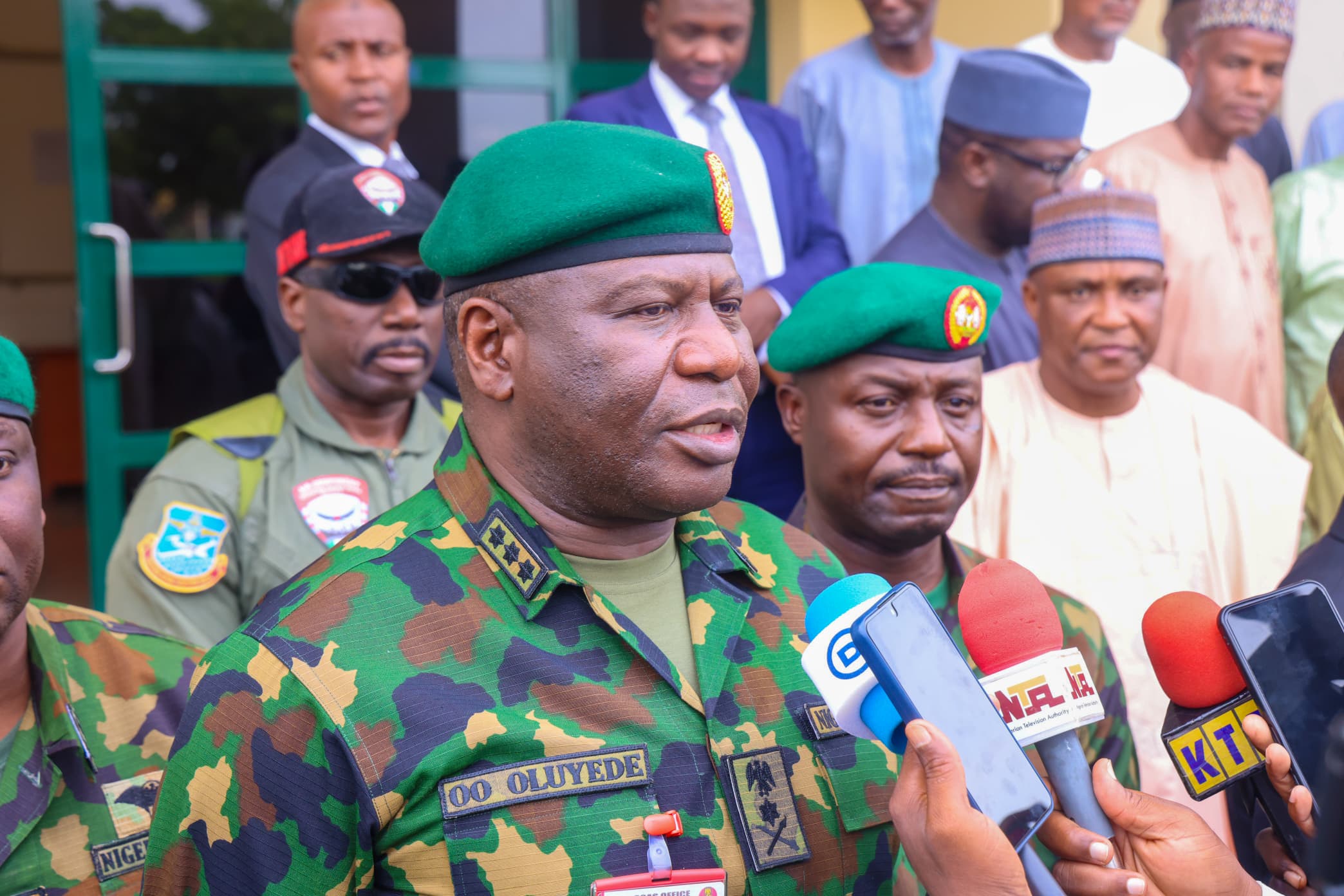
    The Nigerian Army have continued their operational onslaught against terrorists, kidnappers and other criminal elements across the country, recording significant successes between 17 and 19 September 2025. In one of theE key breakthroughs, troops of Operation WHIRL STROKE (OPWS) arrested a high-profile member of the notorious and wanted criminal gang led by AKIKI UTIVI, popularly known as Full Fire. The suspect, identified as Saauwan Wuaiyolna, was apprehended at Takum Junction in Wukari LGA of Benue State while attempting to monitor troops’ activities in furtherance of his nefarious operations. A motorcycle and sundry exhibits were recovered from him.

    In Enugu State, troops of 103 Battalion, in collaboration with the Nigerian Police and Neighborhood Watch, arrested a wanted notorious suspect, Chukwuepre Gideon, in Mmaku community of Awgu LGA. Items recovered during the raid included one motorcycle, one laptop, three unidentified flags, four empty cartridges, eight batteries and inverter casings.

    Troops also intensified counter-terrorism operations in the North-East. In Damboa LGA of Borno State, troops of 19 Battalion, supported by Civilian JTF and other volunteers, engaged ISWAP/JAS terrorists, neutralizing one and destroying their logistics structures. Two kidnapped victims were rescued during the operation. In a Similarly operation in Bama LGA, five ISWAP/JAS family members comprising one woman and four children surrendered to troops of 202 Battalion. Elsewhere in Konduga LGA, troops of 222 Battalion ambushed and neutralized two terrorists following CCTV surveillance.

    Meanwhile, in Zamfara State, troops of 1 Brigade neutralized one terrorist and recovered an AK-47 rifle in Anka LGA, while in another patrol recovered three rustled camels from terrorists attempting to move livestock around Bakura axis. In Kaduna State, troops of Operation FANSAN YAMMA neutralized two terrorists at Ankwa in Kachia LGA, recovering two AK-47 rifles, a motorcycle and a mobile phone.

    Troops also dealt decisive blows to kidnappers across several locations. In Abuja, troops of Army Headquarters Garrison, working with DSS and Police Anti-Kidnap Squad, neutralized three kidnappers in Kurudu high ground and rescued one victim, while two AK-47 rifles and ammunition were seized. Similarly, in Delta State, troops of 181 Amphibious Battalion neutralized two suspected kidnappers in Ika North LGA, recovering one AK-47 rifle, magazines and 42 rounds of ammunition.

    In the South-East, troops of 34 Artillery Brigade neutralized two IPOB/ESN criminals in Imo State during clearance operations, recovering a locally fabricated gun, radios, IED-making materials and Biafra insignia. Meanwhile, in Plateau State, troops of Operation ENDURING PEACE arrested 15 suspects responsible for burning huts in Qua’anpan LGA. The suspects were found in possession of 15 fabricated rifles, 105 cartridges, and other dangerous weapons.

    On the anti-crude oil theft front, troops recorded multiple interceptions. In Imo State, troops discovered over 6,500 litres of illegally refined products and dismantled cooking drums and receivers in Ohaji Egbema LGA. Similarly, in Delta State, three suspected oil bunkerers were arrested in Ethiope East LGA, with petroleum products, drums and a tricycle seized.

    Troops also engaged criminal cultists and miscreants. In Warri South LGA of Delta State, one cultist linked to kidnapping was arrested, while another was neutralized and one pump-action rifle was recovered. In Cross River State, eight suspected miscreants were arrested in Obubura LGA following an ambush on troops, with clearance operations ongoing in the forests.

    Overall, between 17 and 19 September 2025, troops arrested over 30 suspects, neutralized at least 13 terrorists and criminals, rescued three kidnapped victims, secured the surrender of five terrorist family members, and recovered a cache of weapons including five AK-47 rifles, one pump-action rifle, one locally fabricated gun, magazines, assorted ammunition, 15 fabricated rifles, motorcycles, mobile phones, and other incriminating items.

    The Nigerian Army remains committed to creating a safer environment that will boost agricultural activities in line with the Federal Government’s commitment to food security.

  • Insecurity Tops Agenda as Stakeholders Meet at Lagos-Ogun PCVE Forum

    Insecurity Tops Agenda as Stakeholders Meet at Lagos-Ogun PCVE Forum

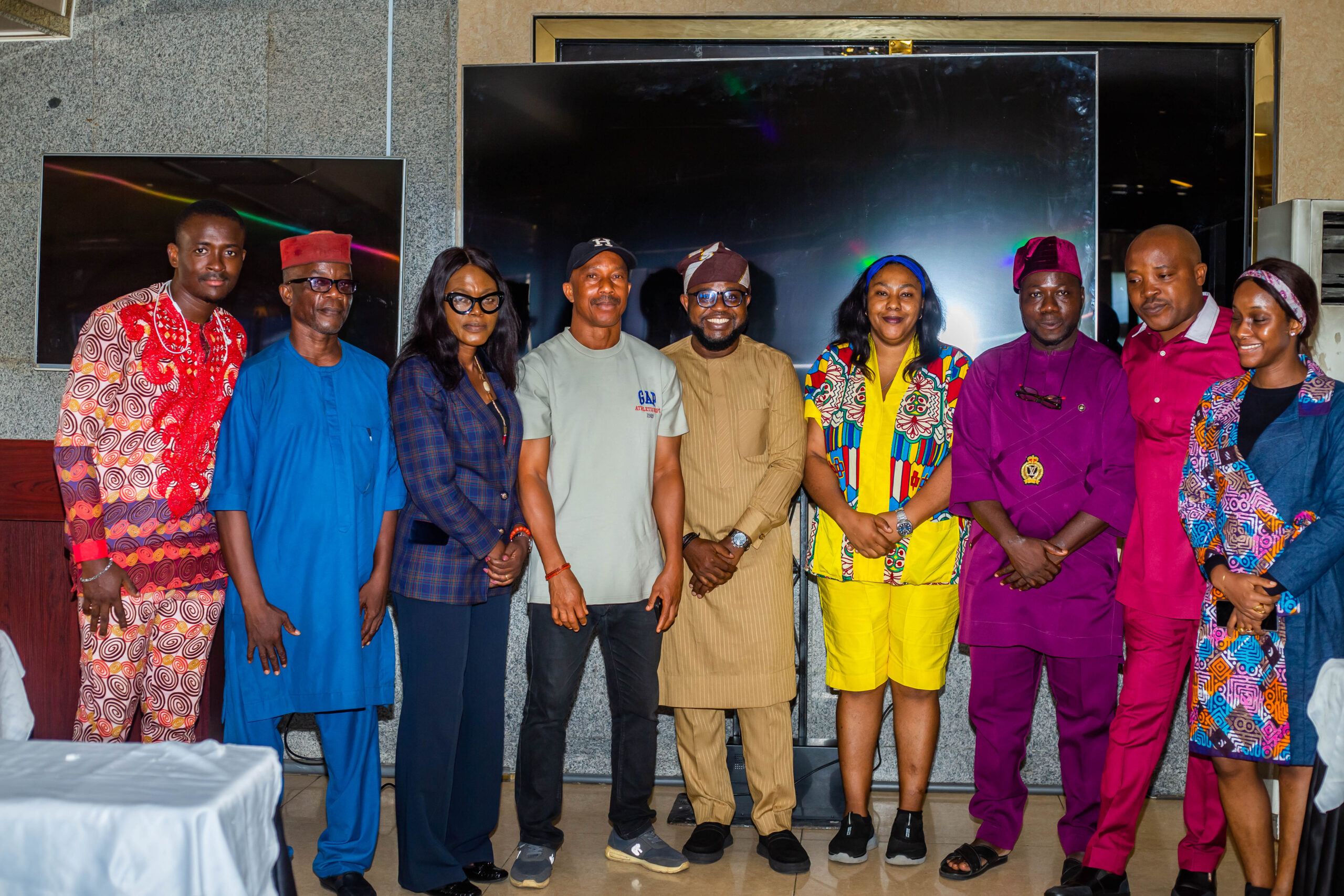
    Key stakeholders from civil society, media, and security advocacy groups on Friday, September 19, 2025, converged at BWC Hotel, Victoria Island, Lagos, for the Lagos and Ogun Preventing and Countering Violent Extremism (PCVE) Sensitization and Engagement Forum, organized by the Partnership Against Violent Extremism (PAVE) Network.

    The forum, which brought together representatives of Media Against Violent Extremism (MAVE), journalists, civil society organizations, and policy advocates, sought to deepen collaboration on addressing the root causes of violent extremism in Nigeria while promoting peace and security in the Southwest region.

    Senator Iroegbu, media consultant and coordinator for PAVE Network, underscored that violent extremism in Nigeria is largely a developmental issue driven by poverty, lack of education, unemployment, and governance gaps. According to him, violent extremism thrives where grievances remain unaddressed and where communities suffer from underdevelopment.

    “Extremism itself is not always negative; it becomes dangerous when it turns violent and forceful. Most of the foot soldiers of violent extremism are ignorant and unemployed. That is why this forum is not just a talk show but a platform to identify peculiar issues in the Southwest, foster synergy, and push for people-driven solutions,” he said.

    He further stressed that Nigeria is experiencing an “asymmetric conflict” where combatants blend into society, making it difficult for conventional security forces to tackle. “Security is local,” he added, urging communities to revive traditional systems of collective vigilance and neighborliness.

    Mrs. Precious Igbonwelundu, Assistant News Editor at *The Nation* newspaper, identified ethno-religious strife, land grabbing, cultism, thuggery, and porous borders as major threats in the Southwest. She emphasized the role of journalists in amplifying voices of peace, cautioning against sensational reporting that could escalate tensions.

    Prince Awofeso Rasheed, CEO of Children and Community Protection Network and Vice Chairman of PAVE Lagos chapter, lamented the proliferation of arms since the civil war, weak data systems, and poor government response to insecurity. He called for education, sensitization, and curriculum reforms to reorient younger generations away from divisive ideologies.

    Also speaking, Evelyn Usman, Senior Correspondent of *Vanguard* newspaper, warned that the media, if not careful, could inflame violence through sensational reportage. She urged journalists to strike a balance between national interest and public accountability while highlighting the plight of victims rather than glorifying perpetrators.

    The forum concluded with a consensus that preventing and countering violent extremism requires a whole-of-society approach, with citizens, the media, civil society, and government working hand-in-hand to detect early warning signs and avert escalation.

    PAVE Network, a national civil society platform, reaffirmed its commitment to promoting peace, tolerance, and understanding through collaborative engagements across Nigeria.

  • Tinubu And The New Dawn In Ogoni — By Prince Austin Kabari

    Tinubu And The New Dawn In Ogoni — By Prince Austin Kabari

    On November 10, 1995, Nigeria etched one of the darkest chapters in its history when Ken Saro-Wiwa and eight other Ogoni leaders, now remembered as the “Ogoni Nine”, were executed after a sham trial. Their only crime was the audacity to demand justice, dignity, and protection for their land against decades of oil exploitation and environmental destruction.

    That execution, carried out under General Sani Abacha’s regime, reverberated across the globe, symbolising not just the silencing of dissent but also the lethal indifference of the Nigerian state to environmental justice and human rights. For nearly 30 years, the shadow of that injustice has loomed large over Ogoniland.

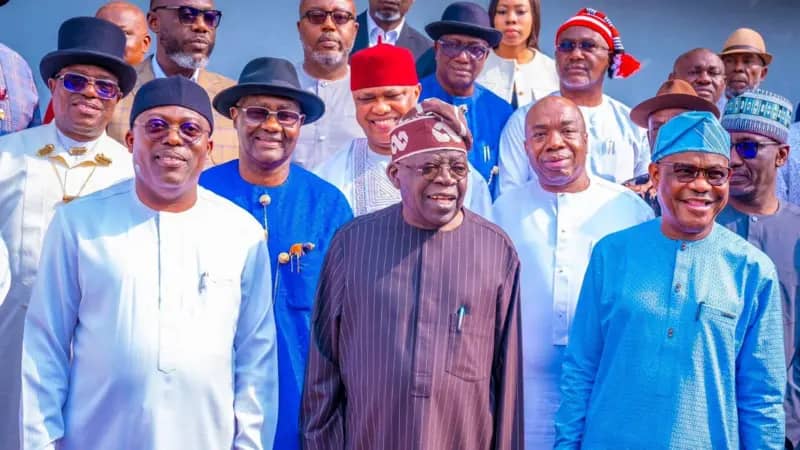
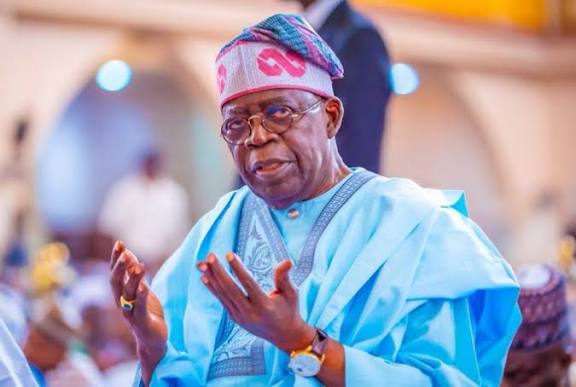
    But today, there is a glimmer of hope. Under President Bola Ahmed Tinubu, and with the determined efforts of National Security Adviser Nuhu Ribadu, building on earlier, incomplete initiatives, Nigeria has begun to take meaningful steps to atone for the past and chart a new path of reconciliation, remediation, and renewal in Ogoni.

    The modern Ogoni movement began in 1990 when Ken Saro-Wiwa and the Movement for the Survival of the Ogoni People (MOSOP) launched the Ogoni Bill of Rights, demanding environmental protection, resource control, and political inclusion. Their calls gained global resonance, and on January 4, 1993, over 300,000 Ogoni staged a peaceful protest against Shell’s operations, an unprecedented grassroots mobilisation now remembered as “Ogoni Day.” The protest forced Shell to suspend operations but triggered a brutal military crackdown. Violence escalated, culminating in the murder of four Ogoni leaders in 1994, followed by the arrest and eventual execution of Saro-Wiwa and his colleagues.

    The killings silenced lives but not the movement. They left a moral scar that successive governments struggled to heal. Ogoni communities and leaders continued to demand remediation, inclusion, and justice, while the state offered intermittent initiatives. President Olusegun Obasanjo convened the Oputa Panel and established the Ogoni Reconciliation Committee under Rev. Father Mathew Hassan Kukah, but the outcomes were limited.

    President Goodluck Jonathan took a bold step by commissioning the United Nations Environment Programme (UNEP) to assess Ogoniland’s damage. The 2011 UNEP Report was damning: drinking water with benzene contamination up to 900 times above World Health Organisation safety standards, farmland destroyed, groundwater poisoned. It called for an initial $1 billion clean-up, lasting up to 30 years. Jonathan also launched the Hydrocarbon Pollution Remediation Project (HYPREP), but the agency lacked the authority to drive meaningful change.

    President Muhammadu Buhari later expanded HYPREP and initiated cleanup projects. Still, bureaucracy, slow implementation, and limited community trust meant progress fell far short of expectations. To many Ogonis, government promises seemed like hollow words, deepening scepticism. Three decades after the martyrdom of the Ogoni Thirteen, Ogoniland remained a symbol of neglect, exploitation, and environmental injustice.

    It is against this backdrop that the current efforts under President Tinubu stand out. In January this year, Tinubu invited Ogoni stakeholders to the Presidential Villa, a symbolic but powerful gesture. More importantly, he tasked National Security Adviser Nuhu Ribadu with building consensus, signalling a break from the past. Instead of imposing decisions from Abuja, Ribadu established the Ogoni Dialogue Committee, chaired by Professor Don Baridam, which has since held town halls across Ogoni communities, amplifying voices that were previously ignored.

    Unlike previous half-measures, dialogue has been matched with action. The administration has launched the Federal University of Environment and Technology in Ogoni, the first of its kind in Africa, dedicated to environmental sciences and sustainability. More than a university, it stands as a symbol of federal commitment to addressing decades of ecological injustice.

    Work has also commenced on the Ogoni Industrial Park to diversify the local economy, reduce dependence on oil, and create job opportunities. Long-stalled projects, such as the East-West Road, which is vital for regional integration, are finally moving forward, alongside renewed investment in healthcare, education, and basic infrastructure.

    Symbolism has also been central. President Tinubu’s decision to grant a presidential pardon to the Ogoni Nine, coupled with posthumous national honours, represents one of the most significant gestures of reconciliation in Nigeria’s history. For the first time, the Nigerian state has openly acknowledged the injustice of 1995 and honoured the sacrifices of the Ogoni martyrs. While such actions cannot erase the pain of the past, they offer a long-awaited moral atonement. Equally significant, leaders such as Ledum Mitee, who carried forward the struggle for justice, have been recognised for their contributions, reinforcing the sense that the state is at last listening.

    What distinguishes the Tinubu administration’s approach is its blend of symbolism and substance. Past governments made lofty promises but failed to follow through, alienating the very people they sought to placate. Today, dialogue, concrete projects, and acts of justice are working together to rebuild trust. The direct involvement of the NSA in monitoring progress, including site visits and accountability measures, provides added credibility. The Ogoni Dialogue Committee’s forthcoming report, capturing community aspirations, environmental concerns, and demands for resource management, sets the stage for structured negotiations between Ogoni leaders and the federal government.

    For the first time in 30 years, the Ogoni people have reasons to believe that their struggle may not have been in vain. This is not to claim that all of Ogoniland’s problems are solved, far from it. The environmental cleanup remains incomplete, health risks persist, and scepticism lingers after decades of unfulfilled promises. Yet there is momentum, and if sustained, it could mark a decisive turning point. The Ogoni story, once synonymous with suffering, may become a narrative of resilience, renewal, and justice.

    The lesson from Ogoniland is larger than Ogoniland itself. It is a mirror for Nigeria. If the state can confront past wrongs, embrace dialogue, and invest in inclusive development, peace and prosperity become possible even in regions scarred by exploitation. Ogoni could serve as a model for other oil-rich but impoverished communities across Africa, proving that justice and development can co-exist when governments listen and act.

    The ghosts of November 1995 will always haunt Nigeria, but they need not define its future. With sincerity, transparency, and sustained commitment, the efforts of President Tinubu and NSA Ribadu can transform Ogoni from a symbol of martyrdom into a beacon of justice and hope. The question that has haunted the people, whether theirs is a flash in the pan or the long march to freedom, may finally find its answer. For the first time in a generation, Ogoni can see hope on the horizon.

    Prince Kabari, a Public Affairs Analyst writes from Abuja

  • Nigeria Fights Back Against Banditry And Insecurity — By Senator Iroegbu

    Nigeria Fights Back Against Banditry And Insecurity — By Senator Iroegbu

    Kidnapping and banditry remain among Nigeria’s most pressing security challenges. From Zamfara to Kaduna and down to the Southeast, this scourge has disrupted lives, displaced communities, and drained the economy through ransom payments. Despite the grim headlines, recent coordinated security efforts are producing measurable results, offering cautious optimism for citizens, policymakers, and the international community alike.

    In a democracy that thrives on dissent and scrutiny, pushbacks from groups like SBM Intelligence and the Northern Elders Forum (NEF) should be expected. Their critiques of recent incidents highlight the persistence of the problem and the human costs that statistics alone cannot capture. Still, challenges do not erase progress: security is rarely perfect; successes are incremental and often fragile. What matters is whether Nigeria is moving forward in terms of security. In many respects, it is.

    In late August, the Office of the National Security Adviser (ONSA) announced the rescue of 128 hostages in Zamfara State—an achievement echoed elsewhere. According to the Defence Headquarters, security forces in 2024 killed over 3,100 terrorists, arrested 2,500 suspects, and freed more than 1,600 kidnapped victims. Likewise, the Nigeria Police Force reported rescuing 1,581 hostages and arresting over 30,000 suspects for various offences.

    Between May 2023 and early 2025, National Security Adviser (NSA) Nuhu Ribadu disclosed that more than 13,500 terrorists and armed criminals were neutralised, while over 124,000 insurgents and their families surrendered. Additionally, more than 11,000 individuals were rescued from captivity, and nearly 3,843 illegal refineries—key to the funding of insurgent and criminal activities—were dismantled nationwide. Collectively, these numbers underscore a shift from defensive responses to proactive operations, with a new focus on dismantling networks of violence.

    One of the most innovative tools in this effort is the Multi-Agency Anti-Kidnap Fusion Cell (MAAKFC), established under ONSA and its National Counter Terrorism Centre (NCTC) in partnership with the UK’s National Crime Agency (NCA). The cell pools intelligence, coordinates rescue missions, and tracks financial flows sustaining kidnapping syndicates. Since its launch in late 2024, officials report an 80% success rate in anti-kidnapping operations.

    This initiative reflects an understanding that kidnapping in Nigeria has morphed into a sophisticated criminal economy, sometimes linked to terrorist financing. MAAKFC integrates military, police, intelligence, and judicial actors into a single platform. Beyond rescuing victims, its mandate is to dismantle the economic and operational infrastructure of kidnapping.
    Concrete results are evident in communities that once epitomised Nigeria’s insecurity. Southern Kaduna, long plagued by cycles of killings and abductions, is experiencing relative calm. Zamfara, under siege by bandit warlords, has begun stabilising. In the Southeast, where “unknown gunmen” once paralysed daily life through violence and sit-at-home orders, a fragile normalcy is returning.

    However, the North West remains the hardest hit. Banditry has killed more than 12,000 people and displaced entire farming communities. Still, gains are also visible here. The arrest of the Ansaru terrorist kingpins: Mahmud Muhammad Usman, the self-styled “Emir of Ansaru,” and his deputy Mahmud al-Nigeri (Malam Mahmuda)—and the elimination of notorious warlords such as Ali Kachalla, Halilu Sububu, and Boderi, alongside the surrender of others under non-kinetic initiatives like the “Kaduna Model,” has reduced mass abductions. While isolated attacks continue, the frequency and scale of kidnappings have declined.

    Yet, optimism must be tempered with realism. According to SBM Intelligence, Nigerians paid at least ₦2.57 billion in ransoms between July 2024 and June 2025, while abductors demanded as much as ₦48 billion. During this period, nearly 5,000 people were kidnapped, and over 760 were killed in related violence. These figures underscore the ongoing challenges and the need for continued vigilance and action.

    The NEF recently drew attention to deadly incidents. These include the massacre of 27 worshippers in a Kaduna mosque, the execution of 35 abductees in Zamfara despite ransom payments, and raids in Kauru and Kudan LGAs. Their call for a state of emergency in Northern Nigeria underscores the severity of the crisis and the urgent need for action.

    Critics are right to argue that one spectacular failure can erase the confidence built by 19 successful operations, and security gains remain uneven and vulnerable to reversal. Furthermore, the emergence of new groups, such as Lakurawa, demonstrates the fluidity and adaptability of criminal enterprises.

    Progress in Nigeria’s fight against kidnapping and banditry is undeniable, but it remains insufficient. To consolidate these gains, security operations must be sustained, and a broader focus on addressing root causes is also necessary. Security agencies should strengthen coordination and intelligence sharing by fully leveraging platforms like the MAAKFC. Otherwise, turf rivalries between agencies risk undermining years of hard-won progress and must be firmly addressed.

    Equally vital is community engagement, as local communities are the first line of defence. Gaining their trust relies on the security forces’ accountability, transparency, and respect for human rights. Simultaneously, addressing underlying drivers—poverty, youth unemployment, porous borders, and governance deficits—is essential. Otherwise, military victories will remain temporary.

    International partnerships also play a critical role. The UK-supported MAAKFC demonstrates the value of global collaboration. Building on this, Nigeria should seek to expand such cooperative frameworks with ECOWAS, the African Union, and other strategic partners. Ultimately, only robust security, community trust, structural reforms, and international cooperation can ensure that progress translates into lasting peace and stability.

    Nigeria’s battle against kidnapping and banditry is far from over. The pain of victims’ families and the ransom economy underscore the scale of the challenge, yet dismissing recent progress would be unfair. For the first time in years, momentum is building: thousands of hostages have been freed, major warlords have been eliminated, and coordinated institutions are emerging.

    The road ahead requires patience, vigilance, and collective responsibility. Security cannot be left solely to the government; it is everyone’s business, and each citizen has a role in ensuring the safety of our communities. To transform fragile gains into lasting stability, Nigeria must implement coordinated strategies, foster community involvement, and undertake structural reforms.

    Amidst the turmoil, there is hope. Our task is to turn hope into resilience, and resilience into peace. The strength of the Nigerian people—their ability to endure and strive for a better future—remains a source of inspiration in these challenging times.

    Iroegbu, a journalist and security and public affairs analyst, writes from Abuja.

  • FOU Zone A Decorates 186 Newly Promoted Officers, Shuaibu Urges Integrity In Service

    FOU Zone A Decorates 186 Newly Promoted Officers, Shuaibu Urges Integrity In Service

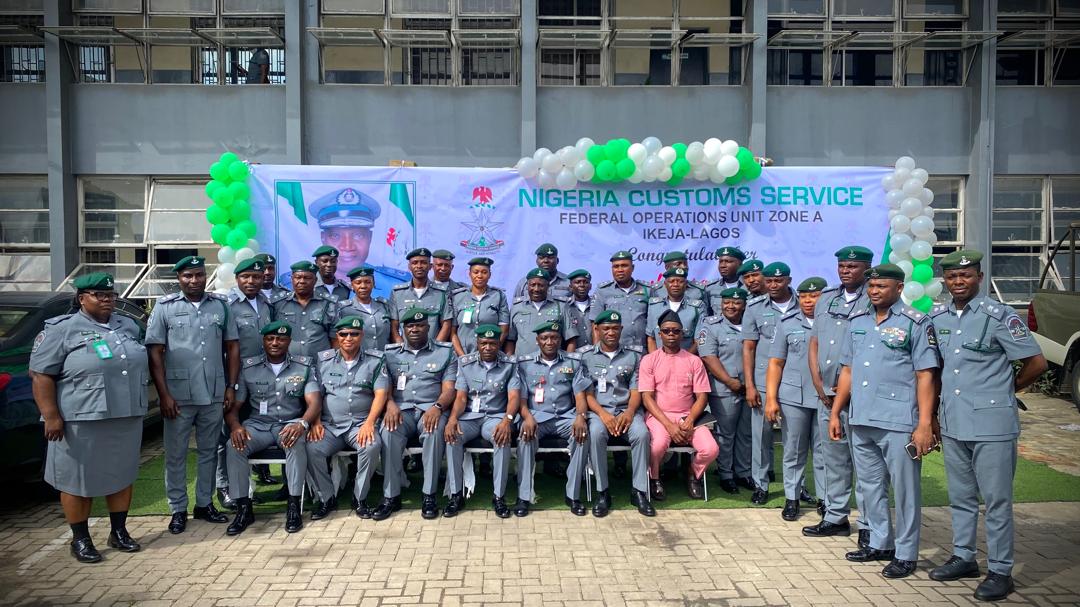
    The Federal Operations Unit (FOU), Zone A, of the Nigeria Customs Service (NCS), on Wednesday, decorated 186 newly promoted officers in a colourful ceremony held at its headquarters in Ikeja, Lagos.

    The event, attended by officers, family members, and stakeholders, was described as a significant milestone in the history of the Unit. Comptroller Mohammed Shuaibu, who presided over the ceremony, congratulated the officers and reminded them that their elevation was both a reward for hard work and a call to greater responsibility.

    “These promotions are not just titles conferred; they are a reflection of your commitment to excellence, your patriotism, and your steadfast service to the Nigeria Customs Service and to our great nation,” Shuaibu said.

    Charging the officers to lead with humility and integrity, he noted: “True leadership is not about titles or positions; it is about service, empathy, and dedication to a cause greater than oneself.” He urged them to serve as mentors and role models to their colleagues while upholding the highest standards of professionalism.

    For those who were not promoted, the Comptroller offered words of encouragement. “Promotion is not a race; it is a journey. Continue to serve with commitment and integrity. Be patient and persistent. Your time will come,” he assured.

    During the exercise, a total of 186 officers of the Unit were promoted, including seven to Deputy Comptroller of Customs, six to Assistant Comptroller, 22 to Chief Superintendent, 27 to Superintendent, 23 to Deputy Superintendent, 42 to Assistant Superintendent I, 48 to Assistant Superintendent II, and 11 to Inspector of Customs.

    The promotions formed part of a nationwide exercise approved during the 63rd Regular Meeting of the NCS Board, chaired by the Minister of Finance and Coordinating Minister of the Economy, Mr. Wale Edun, which elevated 3,312 senior officers and an additional 202 junior officers at a later management meeting.

    In his closing remarks, Shuaibu reminded the officers that “promotion is not the end of the road, it is a checkpoint on the long path of service,” stressing that greater challenges and opportunities lie ahead for them to contribute to national development.

    The ceremony ended with prayers and expressions of goodwill for the officers’ continued success.

  • Comptroller Frank Onyeka Celebrates Promotions of his officers, Calls for Renewed Commitment at Tin-Can Island Command

    Comptroller Frank Onyeka Celebrates Promotions of his officers, Calls for Renewed Commitment at Tin-Can Island Command

    The Tin Can Island Port Command of the Nigeria Customs Service (NCS) on Wednesday held a colourful decoration ceremony for 187 officers recently promoted, drawing officers, family members, friends, and journalists to the Command’s conference hall.

    The ceremony, presided over by the Customs Area Controller (CAC), Comptroller Frank Okechukwu Onyeka, featured the decoration of officers ranging from Deputy Comptrollers to junior ranks. Comptroller Onyeka was assisted by Comptroller Joseph Anani of the PTML Command, Comptroller Istifanus Musa, and other senior officers, with family members also participating.

    Speaking at the event, Comptroller Onyeka congratulated the newly promoted officers and urged them to justify the confidence reposed in them. “To those whom much is given, much is expected,” he said, adding that about 87 percent of officers from the Command who sat for the promotion examination were successful.

    The promotion exercise, approved by the Customs Board, saw a total of 3,312 senior officers elevated across various ranks nationwide, from Comptroller of Customs to Assistant Superintendent of Customs II.

    Highlighting the Command’s performance, Comptroller Onyeka disclosed that Tin Can Island Command generated over ₦159 billion in August 2025, attributing the feat to the Unified Customs Management System, codenamed *B’Odogwu*. “*B’Odogwu* has come to stay as it has served us all well,” he noted.

    In a show of empathy, the CAC encouraged officers who were not promoted to remain hopeful. “I joined the Service in 1991, and some of my squad mates are now Assistant Comptroller-Generals of Customs while I remain a Comptroller. Yet, I am grateful to God for where I am,” he said.

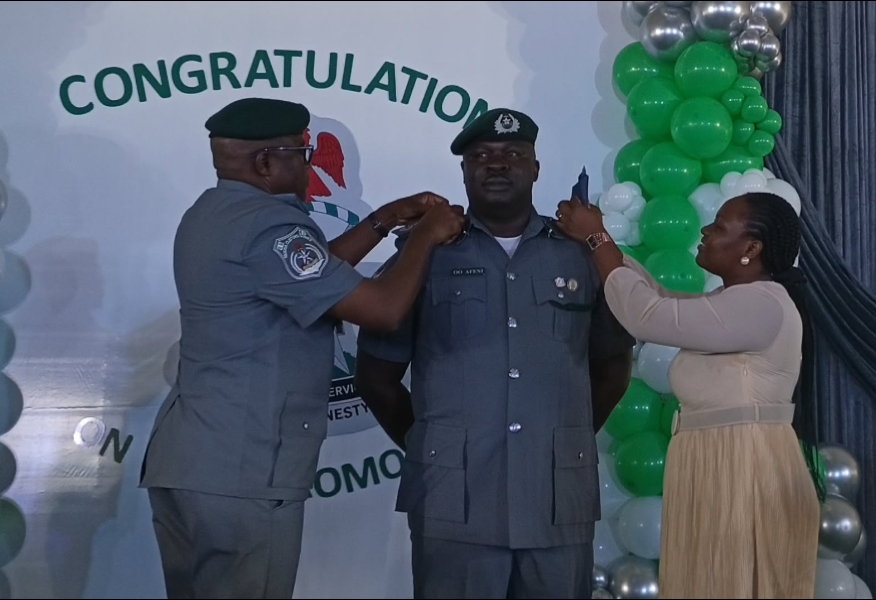
    The event reached its highlight with the decoration of Deputy Comptroller Olisa Alumona, followed by other promoted officers. Guests and attendees were later treated to food and refreshments to round off the lively occasion.

  • Fidelity Bank Extends GAIM 6 Promo, Ups Total Cash Rewards to ₦189 Million

    Fidelity Bank Extends GAIM 6 Promo, Ups Total Cash Rewards to ₦189 Million

    Fidelity Bank Plc, a leading financial institution, has announced a three-month extension of its flagship savings campaign, the Get Alert in Millions (GAIM) Season 6 promo, now set to run until 30 November 2025. In a bold move to further excite and reward customers, the bank has also increased the total cash rewards from ₦159 million to a record ₦189 million.

    The announcement follows overwhelming feedback from customers and prospects who requested more time to participate in the campaign. Originally launched in November 2024 with a nine-month timeline ending in August 2025, the promo has now been extended with full regulatory approval.

    Speaking to journalists, Osita Ede, Divisional Head, Product Development at Fidelity Bank Plc, stated, “Our decision to extend the GAIM 6 campaign is borne out of the feedback we received from our customers and prospects. They asked for more opportunities to benefit from the promo, and we listened. With management and regulatory consent, we’re thrilled to keep the excitement going for another three months.”

    As part of the ongoing campaign, Fidelity Bank recently celebrated 20 customers nationwide, each receiving ₦1 million after being selected in the 7th and 8th monthly draws. Winners are chosen through electronic draws supervised by the Federal Competition and Consumer Protection Commission (FCCPC) and other regulatory bodies to ensure transparency and fairness.
    “We are delighted to welcome our newest beneficiaries and commend their loyalty. A million Naira is a life-changing amount, and we encourage them to make the most of it.

    One standout feature of GAIM is our financial advisory support at the Fidelity SME Hub, designed to help recipients grow their rewards,” commented Ede on the latest batch of recipients.

    With over ₦30 million still up for grabs in the remaining monthly draws, and ₦2 million, ₦5 million, and ₦10 million earmarked for the second runner-up, first runner-up, and grand prize recipient respectively in the final draw, Fidelity Bank is calling on all Nigerians to open and fund their Fidelity Savings Accounts for a chance to be selected.

    Through GAIM 6, Fidelity Bank continues to champion financial empowerment, reward customer loyalty, and promote a savings culture across Nigeria — staying true to its mission to help individuals grow, inspire businesses to thrive, and empower economies to prosper.

    Ranked among the best banks in Nigeria, Fidelity Bank Plc is a full-fledged Commercial Deposit Money Bank serving over 9.1 million customers through digital banking channels, its 255 business offices in Nigeria and United Kingdom subsidiary, FidBank UK Limited.

    The Bank is a recipient of multiple local and international Awards, including the 2024 Excellence in Digital Transformation & MSME Banking Award by BusinessDay Banks and Financial Institutions (BAFI) Awards; the 2024 Most Innovative Mobile Banking Application award for its Fidelity Mobile App by Global Business Outlook, and the 2024 Most Innovative Investment Banking Service Provider award by Global Brands Magazine.

    Additionally, the Bank was recognized as the Best Bank for SMEs in Nigeria by the Euromoney Awards for Excellence and as the Export Financing Bank of the Year by the BusinessDay Banks and Financial Institutions (BAFI) Awards.

  • DCs Afeni, Oguntase, Ogundeyi, ACs Attah, Oloyede Among 239 Senior Officers Decorated In Customs Zone ‘A’ Promotion Exercise

    DCs Afeni, Oguntase, Ogundeyi, ACs Attah, Oloyede Among 239 Senior Officers Decorated In Customs Zone ‘A’ Promotion Exercise

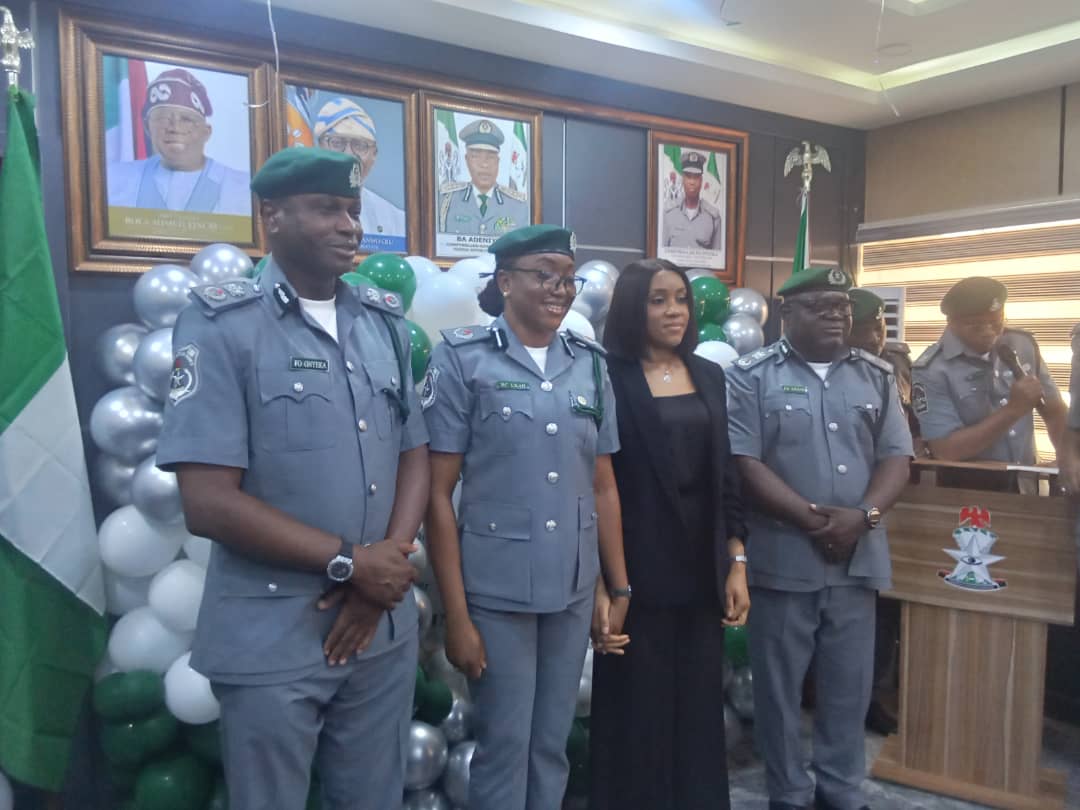
    The Zone ‘A’ Command of the Nigeria Customs Service (NCS) on Tuesday decorated 239 senior officers recently elevated to new ranks, in a ceremony held under the leadership of Assistant Comptroller-General (ACG) M. Babandede.

    The promotions, approved by the Comptroller-General of Customs, Bashir Adewale Adeniyi, saw 18 officers rise to the prestigious rank of Comptroller, 102 to Deputy Comptroller, and 119 to Assistant Comptroller.

    In his address, ACG Babandede commended the officers for their dedication and patriotic service, stressing that the achievement reflected the vision of the Comptroller-General to build a world-class Customs Service through consolidation, collaboration, and innovation.

    “Today’s ceremony represents more than just a change in rank. It symbolizes the Service’s confidence in your ability to lead, your proven track record of integrity, and your readiness to shoulder greater responsibilities in service to our nation,” Babandede said.

    He reminded the officers that their new positions carried enormous responsibilities, particularly as the Service navigates complex global trade dynamics, evolving security threats, and technological changes.

    “Junior officers will look to you for guidance and inspiration. True leadership is measured not by the authority you wield, but by the positive impact you have on others. Mentor younger officers, share your knowledge generously, and create an environment where excellence can flourish,” he added.

    The ACG also acknowledged the contributions of the families of the newly promoted officers, noting that their sacrifices had been instrumental in supporting the officers’ careers.

    Babandede urged the officers not to see promotion as an end but as a checkpoint in their journey of service. He expressed confidence that with leaders of such calibre, the Nigeria Customs Service would continue to exceed expectations and set new standards of excellence in public service.

error: Content is protected !!