Author: Dodo Elias Denen

  • Frank Meke Rises as ATICA Crowns Tourism Media Icon in Lagos

    Frank Meke Rises as ATICA Crowns Tourism Media Icon in Lagos

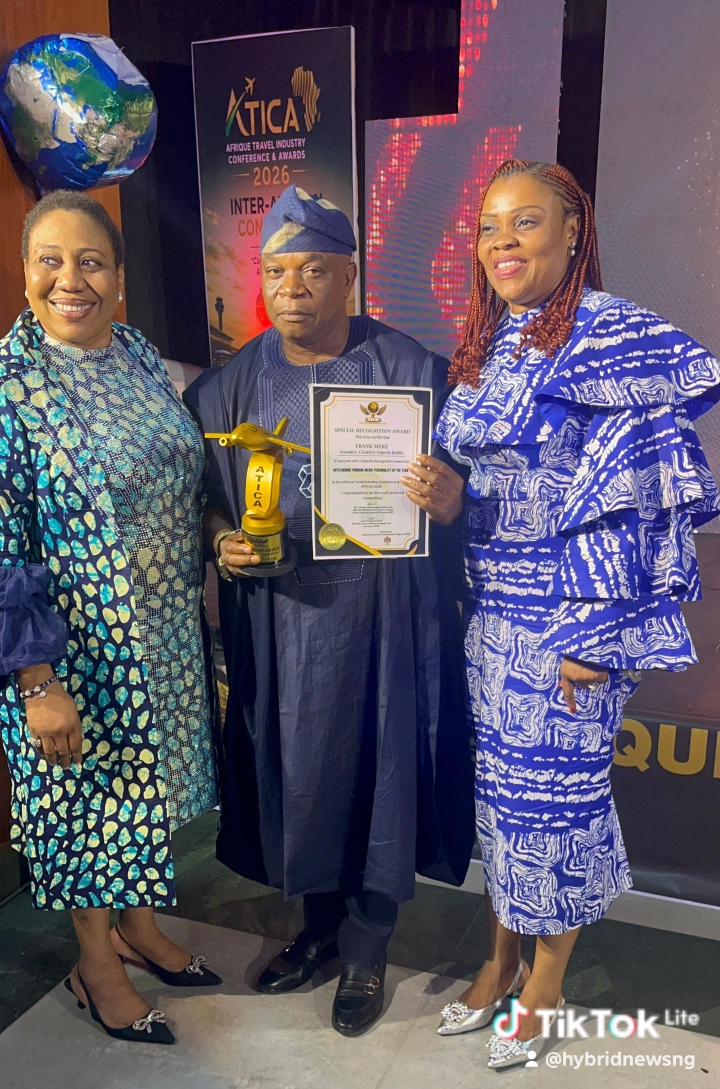
    It was an evening marked by vibrant music and a rich display of Africa’s dynamic culture showcasing the tourism and hospitality sector, as Frank Meke, a veteran tourism journalist and founder, Cre8tive 9JA Radio, with over three decades of experience in promoting African travel and tourism industry to the world was honored with the Outstanding Tourism Media Personality of the year award at the Afrique Travel Industry Conference & Awards (ATICA) held in lagos last weekend. ATICA is a premier pan Africa Cultural tourism and travel platform dedicated to celebrating excellence, fostering partnerships, and shaping the future of travel and tourism across the African continent.

    Founded by Ambassador Emmanuel Ossai (Emios), ATICA aims to showcase the vast potential of Africa’s tourism and hospitality industries to the global travel market. With a vision for an Inter-African connection, connecting Africans and the world to the hug tourism potentials in the continent. The event was themed “Unlocking Africa’s Tourism Potentials through Collaborations.

    In her remarks, the Chief Executive Officer of Global Links and Chairman of the ATICA Board of Trustees, Pastor Mrs. Chinyere Umeasiegbu, popularly known as Pastor Chi, emphasized that ATICA represents a convergence of vision, purpose, and responsibility for the future of Africa’s tourism ecosystem.

    “The theme speaks directly to our current reality and what is required of us,” she stated. “Africa is abundantly blessed our culture, people, heritage, and landscapes. However, potential, no matter how vast, must be activated through collaboration.”

    Delivering a keynote lecture titled “Tourism as a Route Expansion Driver,” the Managing Director of Topaz Travels & Tours Limited, Mrs. Susan Akporaiye, highlighted the critical role of strategic partnerships in advancing Africa’s tourism future. A former President of the National Association of Nigeria Travel Agencies (NANTA), she stressed the importance of policy direction and continental integration.

    Akporaiye advocated for a unified African identity on the global stage, noting her consistent practice of identifying simply as “African” at international engagements. She further underscored the need for visa liberalization across the continent, comparable to the Schengen model, to facilitate seamless travel for Africans.

    She also emphasized the importance of infrastructure development particularly rail, road, and maritime connectivity as well as the implementation of the Single African Air Transport Market (SAATM). Launched in 2018, SAATM aims to create a unified air transport market across Africa by liberalizing civil aviation, enhancing competition, and improving connectivity, thereby boosting intra-African trade and tourism in line with the 1999 Yamoussoukro Decision.

    Reflecting on the future of the sector, Akporaiye noted that Africa’s diversity often perceived as a challenge should instead be embraced as a defining strength. She maintained that with determination and collective will, tourism could significantly contribute to economic growth across the continent.

    Also speaking at the event, the Head of Marketing for the Namibia Tourism Board, Charmaine Matheus, presented Namibia as a premier tourism destination, describing it as “the shining diamond of Africa.” She highlighted key attractions, including Etosha National Park, renowned for its accessibility and abundant wildlife, including the Big Five; Sossusvlei, famous for its striking red sand dunes, including the iconic “Big Daddy”; and the Fish River Canyon, Africa’s largest canyon and a major hiking destination.

    Matheus also spotlighted the Namib Desert, widely regarded as the world’s oldest desert, where the Atlantic Ocean meets vast arid landscapes. Visitors to Namibia, she noted, can also engage with indigenous communities and experience their unique cultural heritage.

    Providing additional context, she explained that Namibia, with a population of approximately three million people and a landmass of 824,292 square kilometres, ranks as the 34th largest country globally.

    The country enjoys around 300 days of sunshine annually, with a rainy season from January to June and a dry season from July to December. In 2024, Namibia recorded over 1.4 million tourist arrivals, with tourism remaining a major contributor to its economy.

    Among other honourees was His Excellency, Mr. Walde Ndevashiya, High Commissioner of Namibia to Nigeria, with concurrent accreditation to Cameroon and Chad, and Permanent Representative to ECOWAS.

    The 2026 edition of ATICA was supported by key sponsors, including the Namibia High Commission to Nigeria and FlyPro, an AI-powered travel technology company that provides a comprehensive travel companion platform.

    The application enables users to check visa eligibility, understand entry requirements, store travel documents, generate AI-tailored itineraries, and connect with travel agents for bookings. Additional sponsors included Passport Monie, Bertab Journeys Limited, Between Travels & Tours Limited, and the Universal School of Aviation.
  • Matheus Ignites Interest in Namibia with Stunning Tourism Showcase

    Matheus Ignites Interest in Namibia with Stunning Tourism Showcase

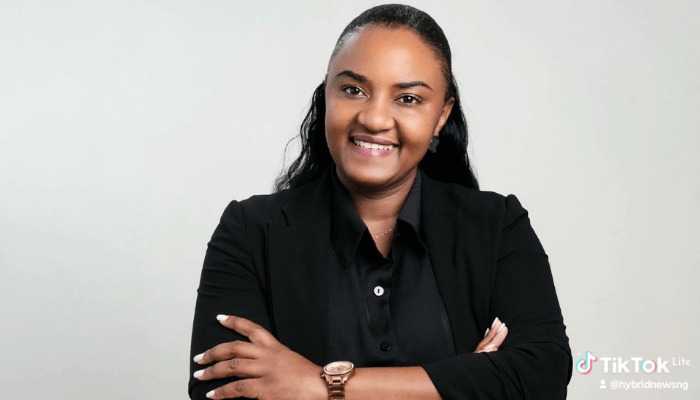
    The Head of Marketing for the Namibia Tourism Board (NTB), Charmaine Matheus have highlighted some major tourist attraction site to visit in Namibia. She gave the insights during the Afrique Travel Industry Conference & Award (ATICA) that was recently held at the Lagos Oriental Hotel, Victoria Island, Lagos.

    Charmaine Matheus who presented the Namibia Tourism Package, stated that the country is the “The Shinning Diamond of African,” Matheus highlighted some tourism site to visit in Namibia like the Etosha National Park: The most accessible games reserve in South Africa, as the park is known for having an abundance of wildlife animals including Africa’s big five like Lions, Rhinoceros, Leopard, African Bush Elephants and Buffaloes.

    Another site highlighted was the Sossuslei: One of the foremost tourist attraction spots in Namibia. The amazing collection of red dunes in the southern part of the Namib desert, with a lovely sight to behold. The site allows for climbing up the Dunes including the highest one: ‘Big daddy’ to get a more amazing view of the other Dunes.

    Another is the Fish River Canyon, the largest canyon in Africa and one of the most visited tourist attractions in Namibia. It consists of two Canyons: the upper canyon and the lower canyon. The very rugged terrain makes it a very popular hiking location in Southern Africa.

    Also is the Namib Desert is the oldest desert in the world where the ocean meets desert. This desert stretches along the Atlantic coasts of South Africa, Namibia and Angola. Here, you can meet some of Namibia’s indigenous tribes and learn a little about their way of life. Charmaine Matheus has served in this senior executive role since joining the board in November 2022 and has also served in acting CEO capacities, including as of early 2026.

    The Country has a population of three million people and a square kilometer of 824,292 (roughly 318,261 miles) regarded as the vast Southern African nation ranked as the 34th largest country in the world. Namibia has a total of 300 sun shine days, with it raining season ranging from January – June, and dry season from July – December. According to available data in 2024, a total of 1,444,174 tourist arrived the country for tourism which is the major contributor to Namibia economy.

    The event was also marked with some award presentation to some deserving individuals who have contributed to the tourism sector like the High Commissioner of Namibia, His Excellence, Mr. Walde Natangwe Ndevashiya, who is also the Concurrent accreditation to Cameroon and Chad, and the Permanent Representative of ECOWAS.

    Frank Meke, a veteran tourism journalist with over three decades of experience in promoting African travel and tourism industry to the world was honored with the Outstanding Tourism Media Personality of the year award Best Tourism.

    The 2026 edition of ATICA was sponsored by the Namibia High Commission to Nigeria, FlyPro, AI-powered travel technology company providing a comprehensive travel companion app in Nogueira. The company helps users check visa eligibility, understand entry requirements, store documents, build AI-tailored itineraries, and connect with agents for bookings. Other sponsors include: Passport Monie, Bertab Journeys Limited, Between Travels & Tours Limited, and the Universal School of Aviation.

    Founded by Ambassador Emmanuel Ossai (Emios), ATICA aims to showcase the vast potential of Africa’s tourism and hospitality industries to the global travel market. With a vision for an Inter-African connection, connecting Africans and the world to the hug tourism potentials in the continent. The event was themed “Unlocking Africa’s Tourism Potentials through Collaborations.

    Speaking at the event, the Chief Executive Officer of Global Links and the Board of Trustee Chairman of ATICA, Pators Mrs. Chinyere Umeasiegbu, well known as Pastor Chi, said that the ATICA is an alignment of vision, purpose and responsibility for the future of Africa’s travel and tourism ecosystem.

    “The theme speaks directly to where we are and what is required of us. Africa is abundantly blessed, our culture, our people, our heritage, our landscapes. But potentials, no matter how rich, must be activated through collaborations,” she said.

    Furthermore, the Managing Director of Topaz Travels & Tours Limited, Mrs. Susan Akporaiye, who is also the previous President of the National Association of Nigeria Travel Agencies (NANTA), delivered a Powerful Lecture titled “Tourism as a route expansion driver.”

    In her, she spoke on the role of strategic partnership for African Tourism Future, highlighting the need for strong policies that reflects direction. Mrs. Susan who is passionate about African said, “I use to say, I am a Pro-African person, I met my colleague somewhere and I decided to take that slogan at an event, and he asked me, where are you from, and I answered that I am a African. So, whenever you see me at an international event and when they ask me where I am from, I usually answer that I am an African.

    She further emphasized on African Free Visa policy that can allow African’s travel within the continent like the Schengen Visa, while stating that African countries need to connect the continent by rail, road and water. Mrs. Susan Akporaiye highlighted the need for the Single African Air Transport Market (SAATM), an African Initiative launched in 2018 to create a single, unified air transport market across the continent, liberalizing civil aviation and encouraging competition. The SAATM initiative is aimed at boosting intra-African trade, tourism, and connectivity by removing market access restriction and implementing the 1999 Yamoussoukro.

    The Former NANTA President, provided a summary on Tourism in African, stating that with the willing power and determination, African tourism can boost the African Economy. “The baseline for the Future of African tourism is the willingness and determination. There is so much uncertainty in African tourism as a result of culture. Our diversity of African that many think is our weakness is our strength and the reason why African Tourism stands out,” she said.

  • INTERPOL Tracks Fugitive Financier To Cotonou Over Lagos Killings

    INTERPOL Tracks Fugitive Financier To Cotonou Over Lagos Killings

    The long arm of international policing has caught up with a fleeing Lagos businessman, as INTERPOL operatives arrested an alleged fugitive in Cotonou, Benin Republic, over a string of violent crimes that had unsettled parts of the state.

    The suspect, Hammed Tajudeen Akanbi, 38, was formally handed over to the police at Zone 2 Command Headquarters, Onikan, Lagos, following his arrest on April 15 after months of coordinated tracking across borders.

    Authorities said Akanbi had been declared wanted on February 19 in connection with multiple criminal allegations, including the killings of Prince Ademola Akinloye and Sheriff Ishola Salami in separate but related incidents.

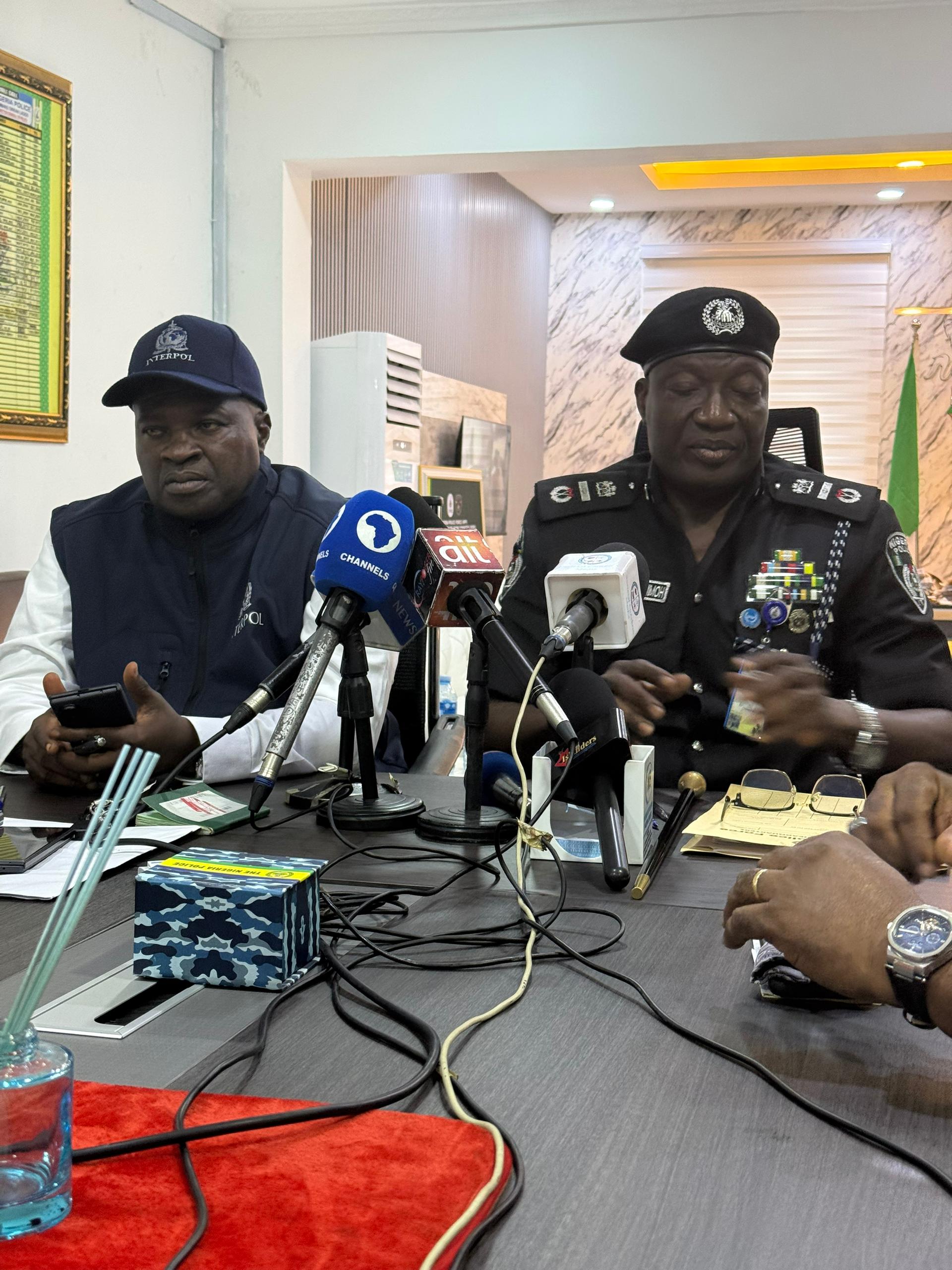
    Addressing journalists at the zonal headquarters, Assistant Inspector General of Police in charge of Zone 2, Olohundare Moshood Jimoh, disclosed that the suspect was apprehended in a hotel in Cotonou after sustained intelligence-driven operations led by INTERPOL.

    Jimoh revealed that the suspect had allegedly moved across different countries in a bid to evade arrest since being declared wanted, complicating earlier investigative efforts by local law enforcement.

    He noted that the arrest followed a directive from the Inspector General of Police to reopen and conclude investigations into the killings and other linked cases that had generated anxiety in the Eti-Osa axis of Lagos.

    Describing the matter as a complex web of violent crimes, the AIG said the case involved multiple murders, attempted killings and destruction of property spanning several years, with Akanbi allegedly playing a central coordinating role.

    According to him, preliminary findings indicated that some arrested accomplices had confessed to carrying out attacks on the instructions of the suspect, who was also accused of financing the operations and deploying assailants to targeted locations, including the Ajiran community.

    Police authorities disclosed that Sheriff Ishola Salami was murdered on April 18, 2023, while Prince Ademola Akinloye was killed on August 26, 2024, in incidents investigators described as coordinated and premeditated.

    Jimoh maintained that earlier investigations by successive Lagos Commissioners of Police yielded critical leads, while fresh evidence later emerged linking the suspect more directly to the crimes.

    He cautioned against misinformation and attempts to politicise the case, assuring that the Nigeria Police Force would pursue justice diligently and ensure that all those implicated are prosecuted in accordance with the law.

    The AIG further appealed to victims and members of the public with relevant information, including cases of property destruction, attempted murder or criminal interference, to come forward to aid ongoing investigations.

    Also speaking, Commissioner of Police, INTERPOL, Fidelis Ogarabe, said the arrest was made possible through strong international collaboration, with authorities in Benin Republic providing full cooperation throughout the operation.

    Ogarabe added that items recovered from the suspect, including travel documents, mobile phones and a luxury vehicle, are expected to provide further insight as investigators deepen efforts to unravel the full scope of the alleged criminal network.

  • Wema Bank Meets Central Bank of Nigeria’s Recapitalisation; Retains National Banking License

    Wema Bank Meets Central Bank of Nigeria’s Recapitalisation; Retains National Banking License

    Wema Bank, Nigeria’s oldest indigenous national bank and pioneer of Africa’s first fully digital bank, ALAT, has successfully met and surpassed the Central Bank of Nigeria’s (CBN) recapitalisation requirements, reaffirming its status as a National bank. This achievement represents a critical milestone in the Bank’s growth journey, reflecting its ability to meet regulatory expectations and its deliberate strategy to scale sustainably, strengthen its balance sheet, and reinforce its position within Nigeria’s banking sector.

    The milestone follows the Bank’s successful completion of a ₦150 billion Rights Issue and an additional ₦50 billion special placement in 2025, bringing its Total Qualifying Capital to ₦264.7 billion, well above the regulatory minimum. This achievement was concluded six months ahead of the CBN’s stipulated deadline, further reinforcing the Bank’s strong financial position, shareholder confidence, and long-term growth trajectory.

    Earlier in April 2026, the Central Bank of Nigeria also formally confirmed that Wema Bank, alongside 32 other financial institutions across international, national, and regional categories, had successfully concluded the recapitalisation process. Notably, Wema stands among only ten national banks that met and surpassed the minimum required capital threshold, thereby sustaining its national banking license.

    This milestone not only affirms regulatory compliance but also signals a new phase of accelerated growth for the Bank; one defined by stronger capital base, increased capacity to support customers, and a reinforced position within Nigeria’s competitive banking landscape.

    Commenting on the milestone, the Managing Director/Chief Executive Officer of Wema Bank, Moruf Oseni, stated, “The successful completion of our recapitalisation exercise is a defining moment for Wema Bank. It is a strong validation of our strategy, our performance, and the enduring confidence our shareholders and stakeholders have in our vision. We have not only met the CBN’s requirements; we have exceeded them, reinforcing our position as a National Bank with the scale, strength, and stability to compete and lead.”

    In March 2024, the Central Bank of Nigeria announced the recapitalisation programme requiring all national banks to maintain a minimum capital base of ₦200 billion. The initiative was designed to strengthen the resilience of financial institutions, enhance their capacity to absorb economic shocks, and position them to drive sustainable economic growth.

    In response, Wema Bank embarked on a strategic capital raise through the stock market, successfully strengthening its shareholder base and securing the required capital through strong participation from existing investors. The ₦150 billion Rights Issue, which opened on April 14, 2025, and closed on May 21, 2025, marked a significant step in this journey. This was subsequently complemented by a ₦50 billion special placement later in the year, ensuring the Bank not only met but exceeded the regulatory threshold well ahead of schedule.

    For Wema Bank, this journey is a testament to its transformation. After regaining its national license in 2015, the Bank has consistently demonstrated financial discipline and strategic foresight. By raising the necessary capital primarily from existing shareholders, the Bank has underscored a deep-seated mutual trust between the institution and its investors.

    Speaking further on what this achievement means for the Bank’s future and its customers, Oseni added: “This milestone strengthens our ability to compete at scale, deepen our market presence, and deliver more value to our customers across Nigeria through improved access to credit, enhanced digital banking experiences, and innovative financial solutions. It positions us to play an even bigger role in powering Nigeria’s economy while continuing to deliver sustainable value to all our stakeholders.

    Looking ahead, we remain focused on deepening our market presence, driving customer-centric innovation, and strengthening our role as a catalyst for growth across retail, SME, and corporate segments. This is not just about retaining our license; it is about building a bigger, stronger, and more impactful Wema Bank.”

    The successful conclusion of the recapitalisation process underscores Wema Bank’s financial strength, disciplined execution, and unwavering commitment to regulatory compliance as it continues to expand its footprint across Nigeria. With a significantly strengthened capital base, the Bank is now positioned to do more – support more customers, enable more businesses, and unlock more opportunities across every segment it serves.

    As it enters this new phase, Wema Bank is not only reaffirming its status as a National Bank; it is stepping forward with greater scale, sharper ambition, and a clear intent to lead. The Bank remains firmly committed to powering progress, driving innovation through ALAT, and delivering sustained value; powering a future of possibilities for all its stakeholders.

  • Crackdown Deepens as Cult Link Shooting Incident Expose Security Threats

    Crackdown Deepens as Cult Link Shooting Incident Expose Security Threats

    The Ogun State Police Command has intensified its offensive against crime, arresting four suspects and recovering firearms and ammunition in a series of coordinated operations across Mowe, Sagamu and Odeda.

    The operations, driven by intelligence and proactive policing, highlight a renewed push by the Command to dismantle criminal networks and curb the proliferation of illegal arms within the state.

    In Mowe, operatives of the Division acted swiftly on a tip off from a concerned resident, leading to the arrest of a 36 year old suspect loitering under suspicious circumstances around the bus stop axis.

    A search conducted on the suspect uncovered a locally made pistol, an expended cartridge and charms concealed in his possession, raising further suspicion about his activities.

    During interrogation, the suspect reportedly confessed to membership of the Eiye confraternity, adding a cult dimension to the unfolding investigation.

    Meanwhile, along the Sagamu Ogijo corridor, operatives of the Quick Response Squad intercepted a motorcycle rider during a routine stop and search operation.

    The suspect was found in possession of a locally made firearm loaded with nine cartridges and was unable to provide a credible explanation, leading to his immediate arrest.

    In a similar operation at the same axis, another suspect was apprehended with a double barrel gun and eight cartridges, further underscoring the scale of illegal arms circulation within the area.

    In Odeda, a separate incident involving a local vigilante member resulted in the arrest of a suspect after a firearm was accidentally discharged, injuring three persons at the Sawmill area of Osiele.

    The injured victims were promptly treated and are reported to be in stable condition, while the firearm used in the incident was recovered through a joint effort with local security partners.

    All suspects have been transferred to the State Criminal Investigation Department for further investigation, as the Commissioner of Police, Bode Ojajuni, reaffirmed the Command’s resolve to sustain pressure on criminal elements and urged residents to remain vigilant and report suspicious activities.

  • Operation Delta Sentinel Exposes Massive Crude Theft Ring Across Niger Delta

    Operation Delta Sentinel Exposes Massive Crude Theft Ring Across Niger Delta

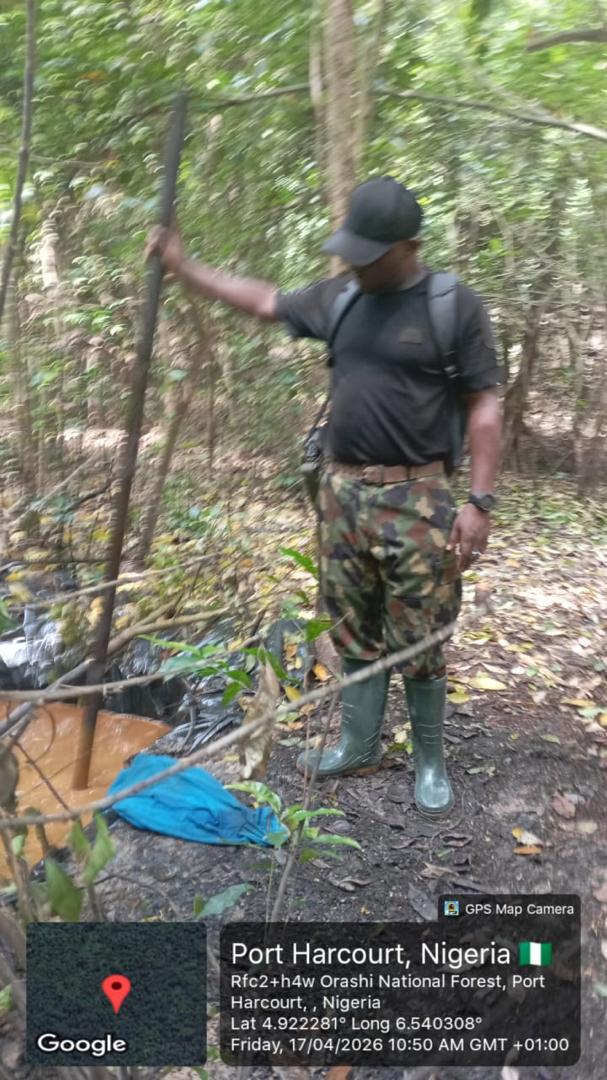
    The Nigerian Navy has recorded a significant operational breakthrough under Operation Delta Sentinel, dismantling an extensive illegal oil refining and storage network spread across Rivers, Bayelsa and Delta states in a sweeping crackdown valued at over ₦600 million.

    The coordinated operations, executed on April 17, 2026, underscored the Navy’s renewed offensive against crude oil theft and economic sabotage, targeting entrenched criminal infrastructure across multiple operational corridors in the Niger Delta.

    In Rivers State, naval personnel attached to Nigerian Navy Ship SOROH launched a precision deployment along the Rivers Bayelsa boundary, focusing on the Egboama and Ogbogolo axis in Ahoada West Local Government Area following credible intelligence.

    Despite the swampy terrain and logistical challenges, the anti crude oil theft team carried out a synchronised land and water assault, exposing a network of illegal refining camps concealed within the creeks.

    The operation led to the discovery of multiple refining installations, including dugout pits, makeshift ovens, reservoirs and storage units used for sustained illicit petroleum processing activities.

    A detailed assessment revealed approximately 103,000 litres of suspected stolen crude oil alongside 190,000 litres of illegally refined Automotive Gas Oil, pointing to the scale and sophistication of the dismantled operation.

    Using prevailing market estimates, the crude oil haul was valued at over ₦91 million, while the refined products were estimated at more than ₦342 million, bringing the total value of seizures in the Rivers axis alone to over ₦433 million.

    In a related offensive in Delta State, personnel of Nigerian Navy Ship DELTA uncovered a concealed crude oil storage facility at Bennett Island, linked to a buried pipeline system fitted with improvised hoses for siphoning.

    The site contained about 78,000 litres of suspected stolen crude oil valued at approximately ₦69 million, further exposing the interconnected web of illegal bunkering activities operating across state lines.

    All illegal installations were dismantled on site in line with operational protocols, while suspects fled upon sighting naval operatives, reinforcing the urgency of sustained surveillance and rapid response.

    Commending the operation, the Chief of the Naval Staff, Vice Admiral Idi Abbas, tasked the Commander Task Group, Rear Admiral Suleiman Ibrahim, to intensify the offensive and ensure the complete dismantling of criminal syndicates threatening the nation’s economic lifelines.

  • Cult Gang Storm Ends As Police Strike In Ilaro

    Cult Gang Storm Ends As Police Strike In Ilaro

    Operatives of the Ilaro Division of the Ogun State Police Command have dismantled a suspected cult network in a swift operation that led to the arrest of four suspects linked to assault, armed robbery and unlawful possession of firearms.

    The suspects, identified as Samson John, 25; Olufowora Michael, 28; Odeh Samuel Ejeh, 25; and Olajide Jeremiah, 28, were apprehended following a distress report lodged at the division, triggering an immediate tactical response by the police.

    Police authorities disclosed that the incident dates back to April 16, 2026, when the complainant reported that earlier in the day, at about 1pm, a gang led by one of the suspects stormed his residence in Ilaro and launched a violent attack.

    The attackers reportedly assaulted the victim, issued threats with dangerous weapons including an axe, and forcefully dispossessed him of his mobile device, identified as an iPhone 14 Pro Max, before fleeing the scene.

    Acting on credible intelligence and deploying rapid response strategies, the police tracked down the suspects and effected their arrest in a coordinated operation that underscored growing vigilance within the command.

    A search conducted on the suspects led to the recovery of a locally made pistol, an axe, suspected traditional charms, and the stolen iPhone, all of which have been secured as exhibits in the ongoing investigation.

    The Police Public Relations Officer, DSP Oluseyi Babaseyi, confirmed the development, noting that the operation reflects the command’s renewed resolve to clamp down on cultism and violent crimes across Ogun communities.

    Further investigations have since been escalated to the State Criminal Investigation Department, where the suspects are currently in custody as detectives intensify efforts to apprehend other fleeing members of the gang.

    Commending the operatives for their professionalism, the Commissioner of Police, Bode Ojajuni, reaffirmed the command’s zero tolerance for criminality and vowed that perpetrators of violent acts would face the full weight of the law.

    The Ogun State Police Command urged residents to remain alert and cooperative, stressing the importance of timely intelligence in crime prevention, while reiterating its commitment to safeguarding lives and property across the state.

  • Musawa Backs NANTA Training Vision Targets Global Standard For Travel Industry

    Musawa Backs NANTA Training Vision Targets Global Standard For Travel Industry

    The Minister of Art, Culture, Tourism and the Creative Industry, Hannatu Musawa, has called for a stronger private sector–driven push to reshape Nigeria’s global image and drive economic growth beyond oil.

    She commended the country’s travel professionals for already serving as its unofficial diplomats around the world.

    Speaking at the 50th anniversary and Annual General Meeting of the National Association of Nigerian Travel Agencies, the minister framed the industry as central to Nigeria’s long-term economic diversification, aligning with the vision of President Bola Ahmed Tinubu.

    She praised travel operators for sustaining Nigeria’s presence at global platforms such as the World Travel Market London, often without government backing, describing their role as critical to projecting the country’s identity and influence abroad.

    Musawa’s message carried a clear policy direction: government alone cannot drive tourism growth, and deeper collaboration with the private sector is now essential.

    She expressed her ministry’s readiness to expand partnerships with industry players, noting that sustainable development in tourism depends on shared responsibility and long-term investment rather than state funding alone.

    A major highlight of her address was the endorsement of NANTA’s plan to establish a professional training institute, which she said could evolve into a globally recognised certification hub for travel and tourism.

    According to the minister, building human capacity is key to transforming Nigeria into a competitive destination, capable of attracting international visitors while exporting its culture and creative assets.

    She also tied tourism growth to a broader narrative shift about Nigeria, arguing that increased global exposure would counter negative stereotypes and amplify the country’s strengths.

    By encouraging diaspora engagement and promoting Nigeria as a destination, she said the industry could reshape perceptions and position the country as a cultural and economic powerhouse.

    Looking ahead, Musawa urged the association to seize its golden jubilee as a turning point, signalling a transition from national relevance to global leadership.

    She pledged that her ministry would work closely with industry stakeholders to deliver tangible initiatives before 2027, insisting that with the right strategy, Nigeria’s travel sector can become a major driver of jobs, investment and international influence over the next five decades.

  • Banking The Economy That Actually Exists

    Banking The Economy That Actually Exists

    There is a version of the Nigerian economy that the banking sector has always served well. It is the economy of salaried professionals, corporate treasurers, documented collateral, and monthly pay cycles. It is the economy that fits neatly into conventional credit models, standard account structures, and the risk frameworks that Nigerian banking inherited from its colonial and post independence institutional architecture. That economy is real, and serving it matters.

    There is another version. It is the economy of the cooperative chairwoman in Ogun whose members pool contributions weekly. The textile trader in Balogun who turns inventory four times a month but has never had a formal credit history. The agro dealer in Kaduna whose working capital needs spike in planting season and collapse in the dry months. The artisan in Aba whose business has been profitable for fifteen years, but whose collateral is her workshop and her reputation. This economy is also real. It is, by most measures, larger than the first; and for most of Nigerian banking history, the sector was not designed to serve it.

    The gap is not a matter of intention. It is a matter of architecture. Conventional banking products were designed around a specific customer profile: formally employed, predictable monthly income, assets that could be valued and pledged, credit history held in a bureau. Nigerians who fit that template, whether men or women, whether in Lagos or Kano, were served well. Those who did not, regardless of how productive their economic activity, were structurally underserved. They were not refused service. The products simply did not fit the shape of their lives.

    The numbers confirm what anyone who has spent time in a Nigerian market already knows. According to the 2023 EFInA report, 26 per cent of Nigerian adults remain financially excluded. The World Bank’s surveys of Nigerian SMEs consistently identify access to finance as the single largest constraint on business growth, particularly among enterprises operating in the informal and semi formal sectors.

    These are not idle businesses. They are enterprises generating real output and real employment, operating in a financial blind spot that the banking sector created not through malice but through product design.

    A small number of institutions have begun to close that gap by building differently. Union Bank of Nigeria is one of them.
    Through alpher, the bank’s financial proposition designed specifically for underserved market segments, Union Bank disbursed over ₦150 million in cash flow loans to entrepreneurs in a single three month window in 2025. The underwriting methodology behind alpher was built for businesses whose income flows through market associations and cooperative structures rather than through conventional payroll. These are businesses that traditional credit scoring cannot see, not because they are risky but because the scoring model was never calibrated for them.

    Through alpher partnerships, the bank extended more than ₦106 million in discounted credit to seventy one businesses operating in market clusters that had previously sat outside the formal banking system. Its financial literacy outreach through alpher reached over 230 individuals in targeted sessions, and a parallel programme supported fifty nine previously unbanked entrepreneurs with micro grants and account opening.

    The significance of these numbers is less in their volume and more in their method. alpher represents a decision to redesign the product rather than wait for the customer to fit the existing one. That is a meaningful institutional choice, because it requires a different kind of underwriting capability, a different kind of relationship management, and a different kind of patience than conventional retail or SME banking demands.

    What makes Union Bank’s work on financial inclusion credible is that the institutional culture behind it is itself built on inclusion. Forty-five per cent of the bank’s board is female, exceeding the Central Bank of Nigeria’s thirty per cent governance threshold by fifteen percentage points.

    The Managing Director and Chief Executive Officer, Mrs Yetunde B. Oni, leads an institution whose most recent graduate intake was sixty per cent female. The bank offers five month fully paid maternity leave, among the longest in the Nigerian banking sector, alongside ten day fully paid paternity leave, formalised adoption and surrogacy leave, and the CareCube crèche facility at the head office. These are not separate from the bank’s external inclusion work.

    They are the internal architecture that makes it possible. An institution that invests in the breadth of its own talent base develops a broader product imagination than one that does not.

    The honest assessment is that the Nigerian banking sector as a whole has a considerable distance still to cover. The informal and semi formal economy remains the largest segment of Nigerian economic activity, and it remains the least well served by formal financial institutions.

    The products available to this segment are still too few, still too expensive in many cases, and still too narrowly distributed. Closing the gap will require more institutions to make the same architectural choice that the early movers have made: to build for the economy that actually exists, not for the economy that conventional banking assumed it was serving.

    As Union Bank enters its 109th year, the inclusion question is not peripheral to its institutional story. It is central to it. A bank that has been present in Nigeria since 1917 has watched the country’s economic structure change repeatedly. The cooperative economies of the North, the trading networks of the South West, the manufacturing clusters of the South East, and the digital enterprises of Lagos each demand different financial products and different engagement models. The institutions that build for that diversity will be the ones that remain relevant. The ones that do not will find that the economy they were designed to serve is no longer the economy they need to serve.

    Nigeria’s productive economy is broader, more diverse, and more resilient than any single customer profile can capture. The banking sector’s next chapter will be defined by which institutions recognised that earliest and built accordingly.
    Union Bank of Nigeria has started. The work continues.

  • Nigeria South Africa Forge Strategic Pact To Tackle Maritime Threats

    Nigeria South Africa Forge Strategic Pact To Tackle Maritime Threats

    The Nigerian Navy and the South African Navy have taken a decisive step towards deeper military cooperation, concluding their maiden Naval Staff Talks with a clear resolve to strengthen maritime security across Africa.

    The high-level engagement, held at Naval Base Simon’s Town in Cape Town from April 12 to 18, 2026, marked a significant milestone in bilateral naval relations between the two regional powers.

    At the heart of the talks was a shared commitment to build a robust framework for cooperation aimed at protecting maritime interests and ensuring safer sea lanes within the continent’s waters.

    The Nigerian delegation was led by the Flag Officer Commanding Western Naval Command, Rear Admiral Abubakar Mustapha, while Rear Admiral S. Makhanya headed the South African team.

    The initiative, endorsed by the Chief of the Naval Staff, Vice Admiral Idi Abbas, and his South African counterpart, Vice Admiral Monde Lobese, underscores a renewed push to align strategic maritime priorities.

    Deliberations focused on critical areas including maritime domain awareness, joint training exercises, operational collaboration and capacity development.

    Both navies expressed concern over persistent maritime threats such as piracy, illegal fishing and transnational organised crime, agreeing that collective action remains the most effective response.

    The talks also paved the way for practical outcomes expected to enhance coordinated naval operations and intelligence sharing between the two countries.

    As part of the programme, the Nigerian delegation toured key South African maritime institutions, gaining insights into advancements in naval technology, research and historical preservation.

    The partnership is set to gain further momentum as the South African Navy prepares to participate in the Nigerian Navy’s 70th anniversary celebrations in June 2026, where agreements from the talks are expected to be refined and expanded.

error: Content is protected !!