Author: Dodo Elias Denen

  • NATOP Expands Footprint in South West With Landmark Oyo Chapter Inauguration

    NATOP Expands Footprint in South West With Landmark Oyo Chapter Inauguration

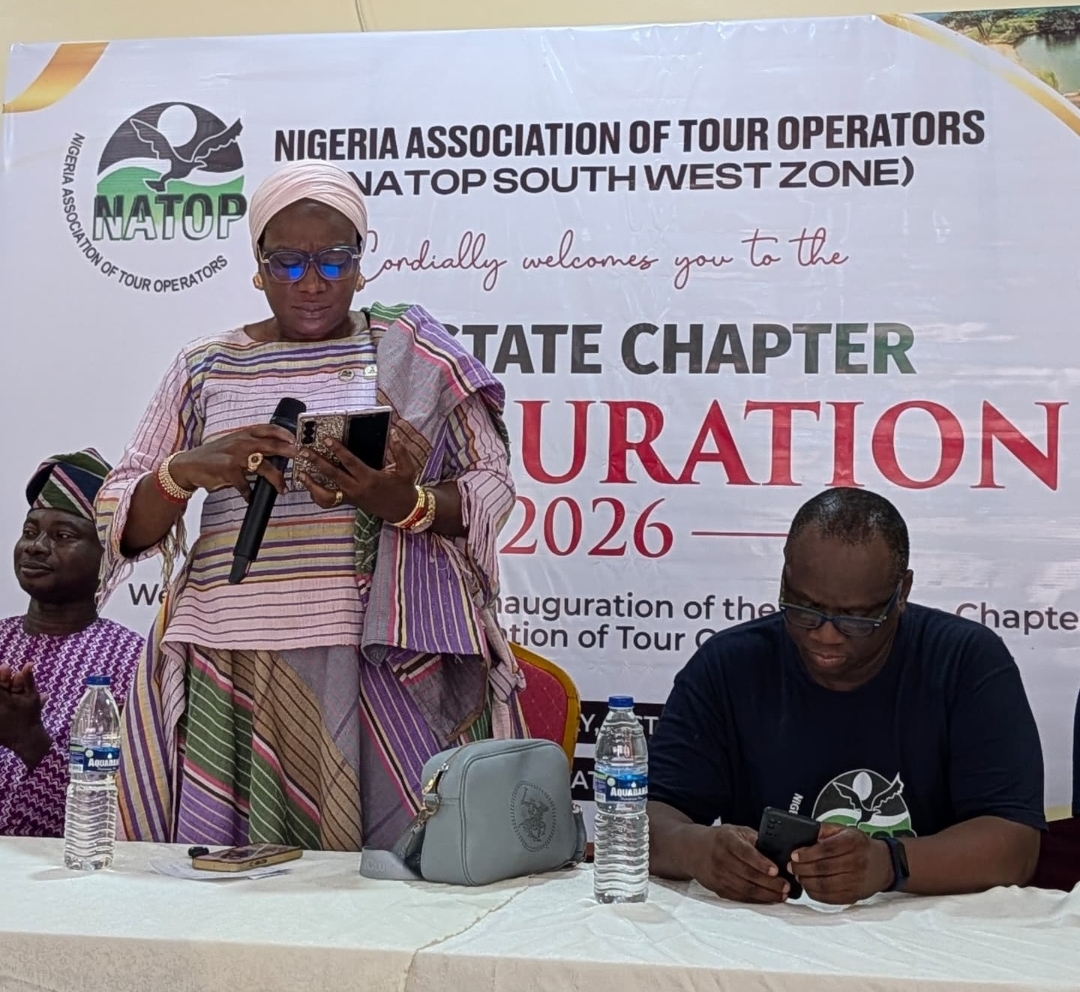
    The Nigeria Association of Tour Operators (NATOP) led by the President, Hajia Bolaji Mustapha and the Vice President of South West Zone Mr. Anago Osho, has inaugurated the Ibadan chapter of the association. This was done on May 21, 2026. This milestone marks the first inauguration of its kind in the history of the association, and it stands as a remarkable achievement for NATOP South West Zone.

    This success, Anago said, would not have been possible without the encouragement, cooperation, and unwavering support the of the National President, Hajia Bolaji Mustapha. He thanked her for her visionary leadership and steadfast commitment to the growth of NATOP.

    He said: “I also extend my heartfelt gratitude to Dr. Tunji Akib, Welfare Director, NATOP South West Zone, and Mrs. Doris Godson, Lagos State Coordinator, for their dedication and support throughout the process. Special appreciation goes to Mr. Ayo of Flyzone Tourism for his immense contribution towards the success of the event.

    “I equally acknowledge and appreciate Mrs. Tobiloba Bamisaye, Membership Secretary, South West Zone; Alhaja Taiwo Mufuliat Omokunmi (Alhaja Mahib); and Michael Balogun for their valuable support and encouragement. My sincere appreciation also goes to Mahogany Hotel and Suites, Jericho, Ibadan, for hosting this historic occasion.”

  • Ogun Customs Intercept Military Uniforms, N260 Million Cannabis in Major Idiroko Bust

    Ogun Customs Intercept Military Uniforms, N260 Million Cannabis in Major Idiroko Bust

    The Nigeria Customs Service Ogun I Area Command has intercepted a major shipment of illicit drugs and military uniforms along the Idiroko border corridor in Ogun State, exposing what authorities described as a dangerous criminal operation with serious security implications.

    The command said the seizure involved cannabis products valued at N259.68 million alongside several military camouflage items allegedly meant for unlawful use.

    The Acting Customs Area Controller, Deputy Comptroller of Customs Oladapo Afeni, disclosed the development during a press briefing held at the command headquarters in Idiroko.

    Afeni explained that operatives acted on intelligence reports before intercepting a luxury bus without a registration number moving through the border route.

    According to him, officers subjected the vehicle to a comprehensive search which uncovered concealed military uniforms and large quantities of synthetic cannabis.

    He warned that the unauthorised possession of military uniforms remained a serious national security concern because criminal elements often disguise as security personnel to evade checks and perpetrate crimes.

    The Customs boss stated that the interception reflected the command’s renewed determination to dismantle smuggling syndicates and criminal networks operating around the border communities.

    A breakdown of the recovered items showed that officers seized 197 camouflage trousers and shorts hidden inside unmarked cartons.

    The seizure also included five camouflage two piece sets, 32 mixed camouflage undergarments and 32 camouflage tops suspected to be intended for illegal distribution.

    Afeni further disclosed that operatives recovered 154 packs of synthetic cannabis indica commonly called Canadian loud as well as seven parcels of Colorado.

    He stressed that intelligence driven operations and stronger collaboration among security agencies had continued to improve the fight against smuggling and transnational crimes.

    The Customs controller appealed to residents of border communities to support law enforcement agencies with timely and credible information capable of exposing criminal activities.

    “Through dedication and stronger synergy with sister agencies, we are committed to tackling the dual threats of smuggling and insecurity head on,” Afeni stated.

    Receiving the seized drugs, the Deputy Commander of Narcotics, National Drug Law Enforcement Agency Idiroko Special Area Command, Ganiyu Adeyoye, described the operation as a significant breakthrough.

    Adeyoye noted that the involvement of suspects in the case would aid investigations and ensure that all individuals linked to the illegal shipment are prosecuted in accordance with the law.

  • Africa Day: Arome Seeks Value Reorientation to Tackle Insecurity

    Africa Day: Arome Seeks Value Reorientation to Tackle Insecurity

    Chidinma Iroegbu

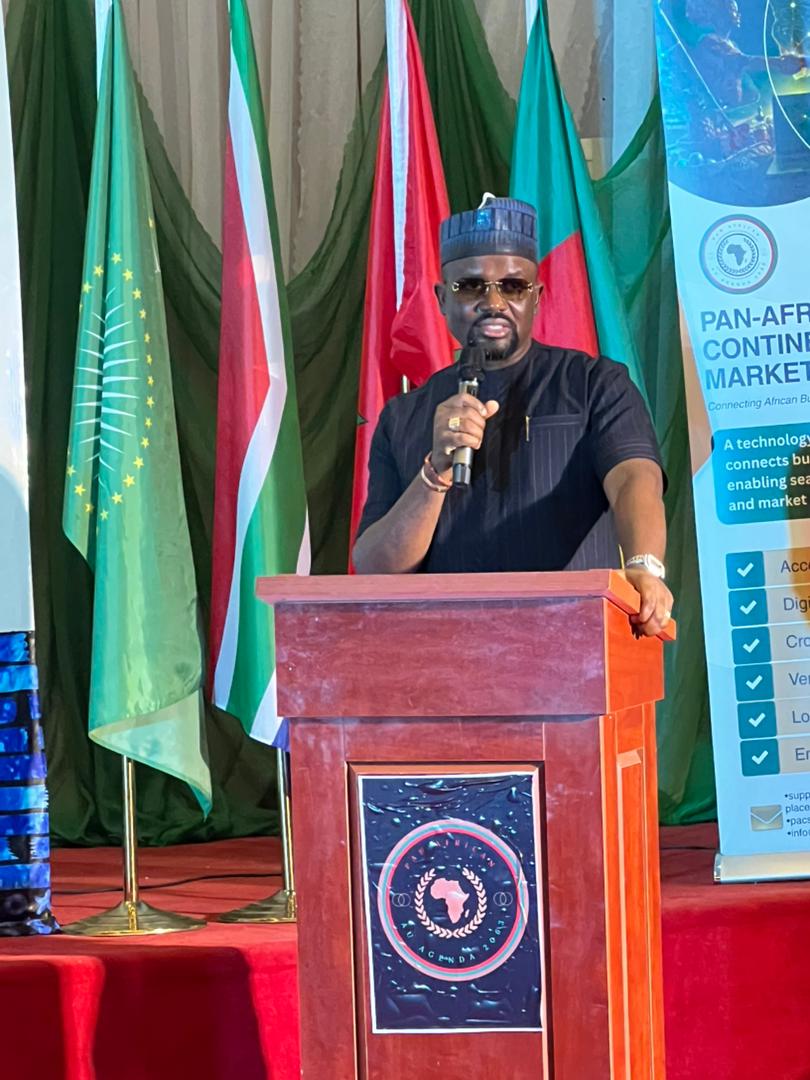
    Vice President of Infrastructure, Special Duties, Partnerships and Industrial Relations of the Pan-African AU Agenda 2063 Diplomatic Mission, Arch. Felix Arome, has called for value reorientation and discipline across Africa as part of efforts to address insecurity, banditry and social unrest on the continent.

    Arome spoke during the Africa Day 2026 celebration in Abuja, where he said poor moral upbringing and negative indoctrination have contributed to rising violence and intolerance in many African societies.

    He warned that insecurity often begins with harmful beliefs developed from childhood, stressing that many young people grow up normalising violence against those with opposing views.

    “When you talk about peace and silencing the guns, they don’t understand what you are talking about,” Arome said.

    The Pan-African official stated that Africa’s progress depends on responsible leadership, discipline and stronger community values capable of promoting peaceful coexistence.

    He urged parents and elders to demonstrate good conduct in everyday activities, including obedience to traffic rules and respect for public order.

    According to him, children imitate the actions of adults, adding that weak moral standards among leaders and parents contribute to confusion and poor social behaviour among youths.

    Arome also advised Africans against judging others based on stereotypes, saying understanding different cultures and backgrounds is necessary for unity and cooperation.

    Drawing from his recent experience in Addis Ababa, Ethiopia, he said he observed high levels of discipline and orderliness despite economic and fuel challenges facing residents.

    He further called for sustained dialogue and engagement among African countries, particularly between Nigerians and South Africans, noting that constructive conversations would help strengthen unity and promote lasting peace across the continent.

  • NIWA Acting MD Warns Boat Operators on Safety Ahead of Eid-el-Kabir, Urges Calm Over Supreme Court Judgment

    NIWA Acting MD Warns Boat Operators on Safety Ahead of Eid-el-Kabir, Urges Calm Over Supreme Court Judgment

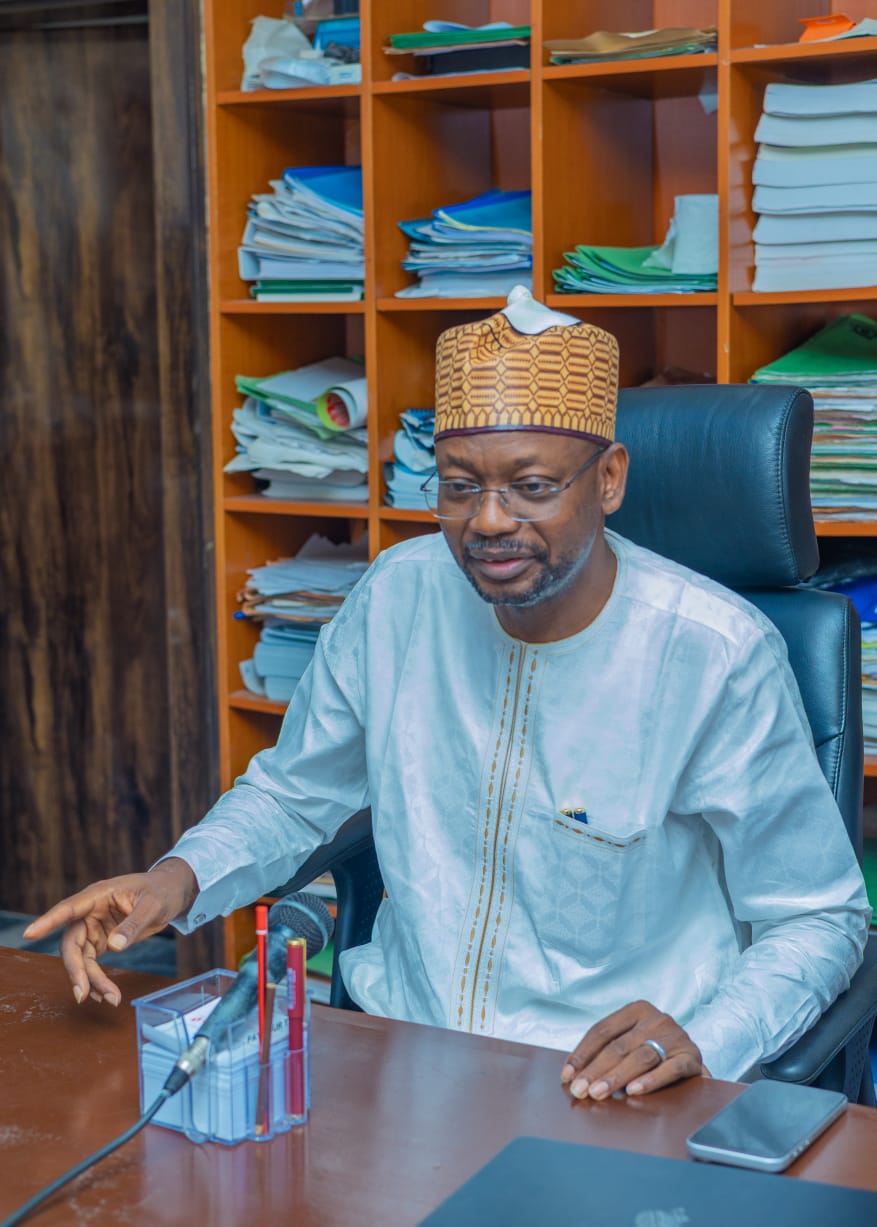
    The Acting Managing Director and Chief Executive Officer of the National Inland Waterways Authority (NIWA), Umar Yusuf Girei, has issued a stern warning to boat operators across the country to strictly adhere to waterways safety regulations during the forthcoming Eid-el-Kabir celebrations.

    Girei gave the warning during an exclusive interview with journalists at the NIWA headquarters in Lokoja, noting that festive periods often witness increased movement on the inland waterways, particularly within riverine communities.

    According to him, compliance with safety measures during the Sallah season remains non-negotiable.

    He stressed that overloading of boats would not be tolerated, while the use of life jackets by all passengers and operators remains compulsory. He also warned against night travel, alcohol consumption by operators, and disregard for weather advisories.

    “No overload, wearing of life jackets is mandatory, no night travel, no alcohol, and operators must ensure proper weather checks before embarking on any journey,” he stated.

    The NIWA Acting MD further disclosed that enforcement teams, in collaboration with relevant security agencies, would be deployed across jetties nationwide to ensure strict compliance with safety regulations.

    He warned that violators risk arrest, seizure of vessels, and prosecution.

    Girei also urged passengers to avoid boarding overloaded boats, vessels without adequate life jackets, or boats attempting to operate at night.

    While extending Eid-el-Kabir greetings to Muslim faithful, he appealed to community and religious leaders to help amplify waterways safety awareness during sermons and public gatherings.

    Meanwhile, the NIWA boss advised stakeholders and clients of the Authority not to panic over the recent Supreme Court judgment concerning aspects of the NIWA Act.

    He explained that the apex court upheld the Authority’s statutory responsibilities relating to inland waterways navigation, safety regulation, channel management, river infrastructure development, and the promotion of inland waterways transportation as contained in Sections 10 and 11 of the NIWA Act.

    According to him, Sections 12 and 13 of the Act, which deal with land matters unrelated to maritime activities, were voided by the Supreme Court only to the extent of their inconsistency with the Constitution.

    Girei therefore urged all stakeholders to remain calm, law-abiding, and await an official statement from NIWA after the Authority obtains the Certified True Copy of the judgment from the Supreme Court.

  • Hannatu Musawa Oath Ignites Tourism Power Battle Over NIHOTOUR Induction

    Hannatu Musawa Oath Ignites Tourism Power Battle Over NIHOTOUR Induction

    I will not begrudge anyone overwhelmed by bitterness over the successful induction of industry professionals last week in Abuja by the National Institute for Hospitality and Tourism (NIHOTOUR). What remains remarkable is that Nigeria’s Minister of Art, Culture, Tourism and the Creative Economy, Hannatu Musa Musawa, publicly swore an oath to protect and serve tourism and hospitality professionals in Nigeria. She stood up to be counted.

    The Permanent Secretary, Abdulkarim Ozi Ibrahim, also willingly took the oath. No one held a gun to his head, nor was anyone forced into the process.

    Industry elder and long-time leader of the Institute of Tourism Practitioners of Nigeria (ITPN), Chief Abiodun Odunsanwo, was represented at the ceremony. Nigeria’s foremost tourism resort investor, Wanle Akinboboye, also took the oath of induction.

    Likewise, Nigeria’s celebrated cultural tourism administrator and enigmatic figure, Segun Runsewe, accepted induction as a Fellow of NIHOTOUR through a representative. He gave his consent without hesitation.

    President of the Nigeria Tourism Journalists Association, Okorie Uguru, also swore to uphold the expectations of the NIHOTOUR Act by promoting proper understanding and compliance within the tourism industry. He earned that recognition.

    The elegant President of the National Association of Nigerian Tour Operators (NATOP), Mrs. Bolaji Mustapha, was visibly present as she was inducted as a Senior Member of NIHOTOUR.

    Mustapha, who also serves as National Treasurer of the Federation of Tourism Associations of Nigeria (FTAN), remains one of the notable voices in the industry. Equally distinguished is Nkereuwem Onung, immediate past President of FTAN, Special Adviser on Culture to Umo Eno, and Chairman of the Board of Trustees of NATOP. On that day, he was inducted as a Fellow of the institute and appointed Chairman of the Sector Skills Council.

    Ironically, FTAN, in its shawarma-style statement, described some of us as “cronies” of the Director-General of NIHOTOUR, Abisoye Fagade. Interesting choice of words.

    I often wonder about FTAN’s communication style. The organisation frequently struggles to express its position in clear and simple terms. More importantly, a body registered as a federation should understand the importance of communicating in a way that helps its independent member associations grasp how critical issues may affect their businesses positively or negatively.

    The use of the word “cronies” got me thinking. According to historical references, the word derives from the Greek *khronios*, meaning a long-standing friend or companion. It was later popularised among students at Cambridge University in the 17th century to describe close associates before politicians later gave it negative political connotations associated with favouritism and patronage.

    Ironically, FTAN itself is essentially a federation of associates, colleagues, and long-time friends within the tourism ecosystem. Yet, out of apparent bitterness, it labelled some of us “cronies” simply because we supported government efforts aimed at strengthening professionalism and ethical standards within the industry.

    As industry practitioners and members of various associations, it is disappointing for FTAN’s leadership to imply that our support for what is fundamentally a national project amounts to a desperate search for power or personal gain.

    Is Wanle Akinboboye seeking power? A man who has spent decades investing in and promoting tourism in Nigeria? Is Nkereuwem Onung seeking office because he accepted to serve Nigeria pro bono as Chairman of the Sector Skills Council? A respected tourism logistics expert, banker, and adviser to a state governor? These accusations are bewildering.

    It is tragic that a federation founded on friendship, collaboration, and shared aspirations could turn against its own members. FTAN was created as an umbrella body where independent groups with common objectives could work together to make Nigeria a preferred cultural tourism destination. To suddenly reduce colleagues and professionals to “cronies” suggests a troubling belief that everyone is available for purchase or political manipulation.

    Perhaps the current leadership of the federation has forgotten its own history. FTAN itself is, in many ways, “Cronies Incorporated” — and no pun is intended. Those of us who witnessed the birth and registration of the federation know that it was built on long-standing professional relationships and mutual respect among stakeholders.

    Munzali Dantata, once a leader within FTAN and a member of the National Association of Nigeria Travel Agencies (NANTA), became Director-General of NIHOTOUR on merit, not because he was anyone’s crony.

    Similarly, Edem Duke, another former FTAN President, served as Minister of Tourism under former President Goodluck Jonathan. Whether one considers his tenure successful or not, he did not become minister because of cronyism.

    Nura Kangiwa, who once served as FTAN North-West Vice President, also became Director-General of NIHOTOUR on merit. Ironically, the same NIHOTOUR Act introduced during his leadership is now being challenged by a section of the federation’s current leadership.

    Now, let us examine the so-called “cronies” within the federation itself — the organisations applauded for allegedly boycotting the NIHOTOUR induction.

    According to checks cited by critics, some associations within FTAN reportedly face registration and compliance concerns. Questions have been raised about the corporate status of organisations such as the Nigeria Hotels Association (NHA), Nigeria Autosports Association, Hotel and Personnel Services Employers Association, Hotel Owners Forum Abuja, Culture and Tourism Associations of Nigeria, Guild of Nigerian Dance Practitioners, and others.

    While associations like NANTA and NATOP reportedly remain properly registered and recognised, critics argue that concerns over the status of some other member bodies justify calls for a broader audit of private sector tourism organisations and even a review of the election that produced the current FTAN leadership.

    Ultimately, the bigger question remains: does this controversy not further justify the need to properly audit and strengthen private sector tourism associations in Nigeria?

  • Nestlé for Good Summit Drives New Conversation on Food Sustainability and Economic Growth

    Nestlé for Good Summit Drives New Conversation on Food Sustainability and Economic Growth

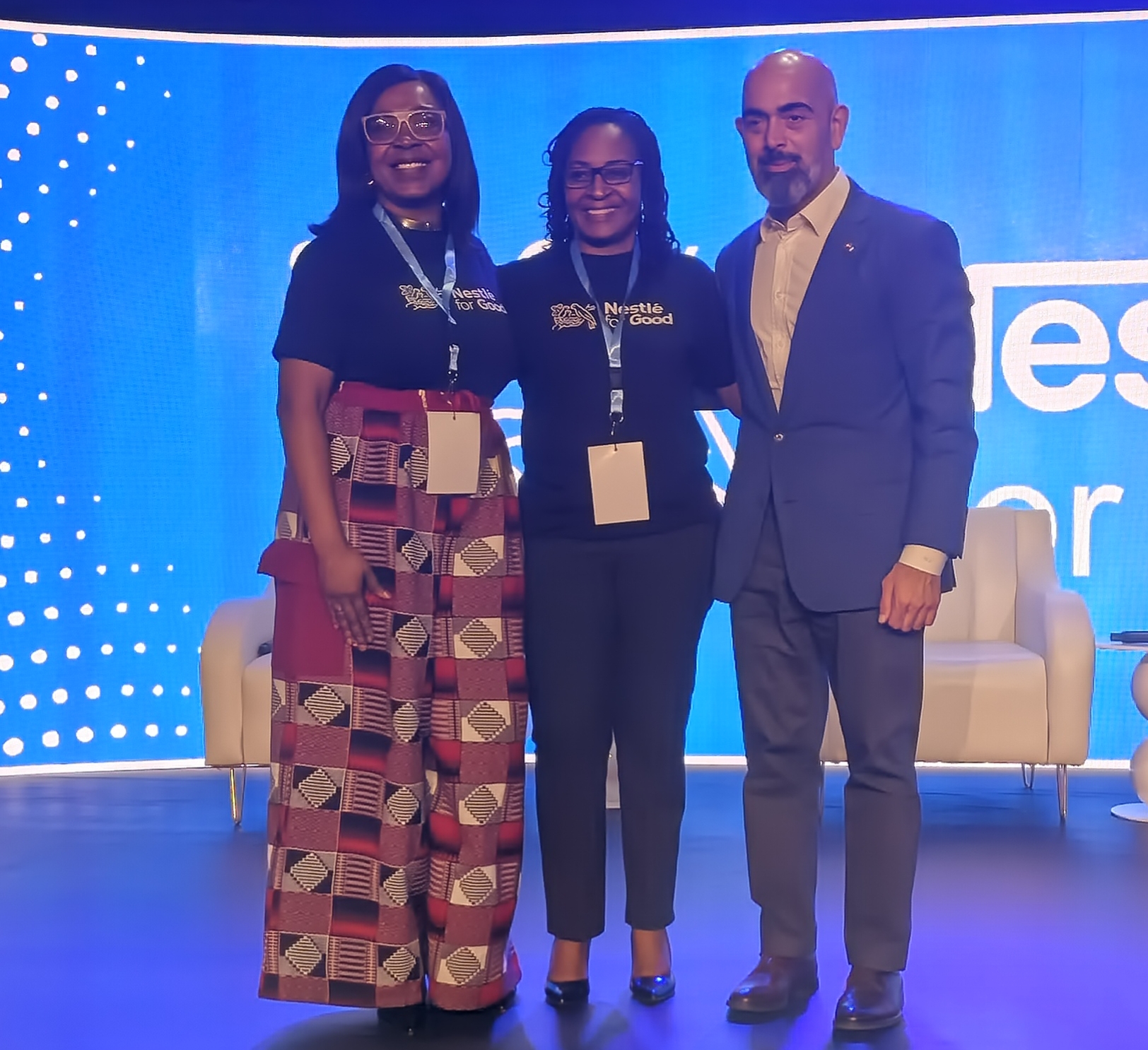
    Stakeholders across government, healthcare, academia, civil society, development agencies and the private sector on Thursday gathered in Lagos for the 2026 Nestlé for Good Summit, where calls intensified for a complete transformation of Nigeria’s food and health systems.

    The summit moved beyond traditional nutrition conversations as participants advocated integrated solutions linking agriculture, public health, environmental sustainability, economic inclusion and community resilience.

    Convened by Nestlé Nigeria Plc, the event became a major policy and development platform focused on the future of food systems and sustainable livelihoods in Nigeria.

    Discussions centred on how stronger collaboration among public institutions, private organisations and development partners can improve nutrition outcomes while strengthening supply chains and protecting the environment.

    Participants argued that Nigeria’s food security crisis can no longer be addressed through isolated interventions, insisting that coordinated reforms are urgently required across multiple sectors.

    The summit also examined how climate challenges, inflationary pressures and weak food distribution systems continue to threaten household nutrition and economic stability.

    During a fireside session, the Head of Corporate Communications, Public Affairs and Sustainability for Central and West Africa at Nestlé, Patricia Ekaba, described the Nestlé for Good initiative as a strategic movement designed to deepen social impact and transparency.

    She explained that the campaign reflects the company’s commitment to communities, nutrition, environmental responsibility and sustainable development beyond commercial interests.

    According to her, the initiative aligns with Nestlé’s Creating Shared Value model, which seeks to connect business growth with measurable social and environmental progress.

    Ekaba noted that the programme has continued to amplify real life stories of individuals and communities positively impacted through Nestlé interventions across West Africa.

    She cited examples from Côte d’Ivoire and Ghana where beneficiaries reportedly regained economic stability, dignity and renewed confidence through livelihood support programmes.

    She stressed that the company’s long running interventions should not be mistaken for short term philanthropy, describing them instead as structured investments in sustainable development.

    The Managing Director and Chief Executive Officer of Nestlé Nigeria Plc, Wassim Elhusseini, broadened the conversation by emphasising the importance of systems thinking in tackling nutrition challenges.

    Elhusseini said nutrition outcomes are directly tied to the efficiency and sustainability of entire food ecosystems rather than products alone.

    According to him, food security begins from the farm level and extends through processing, distribution, environmental management and household accessibility.

    He disclosed that Nestlé’s interventions in regenerative agriculture, youth empowerment, water conservation and circular production systems are aimed at building resilient communities.

    The summit also drew strong policy perspectives from the Lagos State Government, particularly on the need to guarantee affordable and accessible nutrition for vulnerable populations.

    In her keynote address, the Lagos State Commissioner for Commerce, Cooperative, Trade and Investment, Mrs. Folashade Ambrose Medebem, stressed that food systems must simultaneously deliver availability, affordability and accessibility.

    She warned that food security efforts would remain ineffective if nutritious food remains beyond the reach of millions of households struggling with rising living costs.

    Ambrose Medebem called for stronger alignment between policy frameworks, investment flows and market systems to support long term national food security objectives.

    She maintained that collaboration between government institutions and private investors remains critical to sustainable economic and nutrition reforms.

    On the agricultural front, Agric Services Manager at Nestlé Nigeria Plc, Edwin Aguda, disclosed that the company’s grains programme in Northern Nigeria is helping integrate smallholder farmers into formal supply chains.

    Aguda revealed that more than 18,000 farmers are currently participating in the initiative, with projections to expand the number to 25,000 by 2027.

    He described the programme as a strategic intervention aimed at improving rural livelihoods while boosting local food production capacity.

    Participants at the summit noted that strengthening local agriculture remains essential to reducing Nigeria’s dependence on food imports and volatile international supply chains.

    Environmental sustainability also featured prominently during the summit as experts highlighted growing concerns around waste management and climate resilience.

    Sustainability Manager at Nestlé Nigeria Plc, Chinwe Obi, said sustainability initiatives are now embedded within the company’s operational strategy.

    She disclosed that Nestlé Nigeria has incorporated 50 per cent recycled plastics into its water bottle production process as part of efforts to reduce environmental pollution.

    Obi further revealed that the Food and Beverage Recycling Alliance has expanded significantly from four organisations to approximately 43 participating bodies.

    According to her, the alliance has recovered over 400,000 tonnes of plastic waste since 2019 through coordinated recycling interventions and partnerships.

    The summit’s technical panel session shifted attention toward growing public health concerns linked to malnutrition and changing dietary patterns across Nigeria.

    The session, themed “Nutrition Across the Life Stages: Closing Nutrition Gaps Through Coordinated Approach,” examined the increasing burden of both undernutrition and lifestyle related diseases.

    Programme Team Lead at the Nutrition Society of Nigeria, Amaka Nwaora, raised alarm over rising cases of anaemia among women and stunted growth among children.

    Health experts at the summit also warned that obesity, diabetes and hypertension are rapidly increasing due to poor dietary habits and weakened food systems.

    Panelists argued that Nigeria is currently battling a dangerous double burden involving both undernutrition and non communicable diseases.

    They identified weak policy implementation, fragmented institutional coordination and inadequate financing as major obstacles affecting national nutrition programmes.

    Beyond food and health discussions, the summit highlighted the importance of human capital development and economic empowerment initiatives.

    Several beneficiaries shared testimonies of transformation through skills acquisition, entrepreneurship support and vocational training programmes.

    A trader, Titilayo Abene, explained how financial literacy training strengthened her business confidence and improved her economic independence.

    A dairy sector beneficiary also narrated how structured support programmes helped stabilise rural value chains and household income generation.

    Another participant who graduated from the Nestlé Technical Training Centre recounted how an 18 month programme enhanced technical expertise, leadership capacity and industrial sustainability knowledge.

    The trainee also spoke about gaining international exposure in Switzerland with specialised training focused on emissions reduction and sustainable industrial practices.

    The summit eventually concluded with a strong consensus that Nigeria’s food and nutrition challenges demand integrated and long term systems reforms.

    Stakeholders collectively called for improved policy execution, sustainable financing mechanisms and stronger public private partnerships to accelerate development.

    They identified investments in maternal and child nutrition, climate smart agriculture, youth empowerment and environmental sustainability as critical pillars for Nigeria’s future growth and resilience.

  • Africa Hospitality Leaders Gather in Lagos for Landmark Hotel Managers Conference

    Africa Hospitality Leaders Gather in Lagos for Landmark Hotel Managers Conference

    In medieval times, gatekeepers were entrusted with protecting city entrances from external threats and ensuring that only authorized individuals gained access. In today’s hospitality industry, hotel professionals occupy a similar strategic position as the first point of contact between a nation and its visitors. Their attitude, conduct, and service delivery often shape the first impression tourists have about a destination, making them critical stakeholders in defining a country’s image and visitor experience.

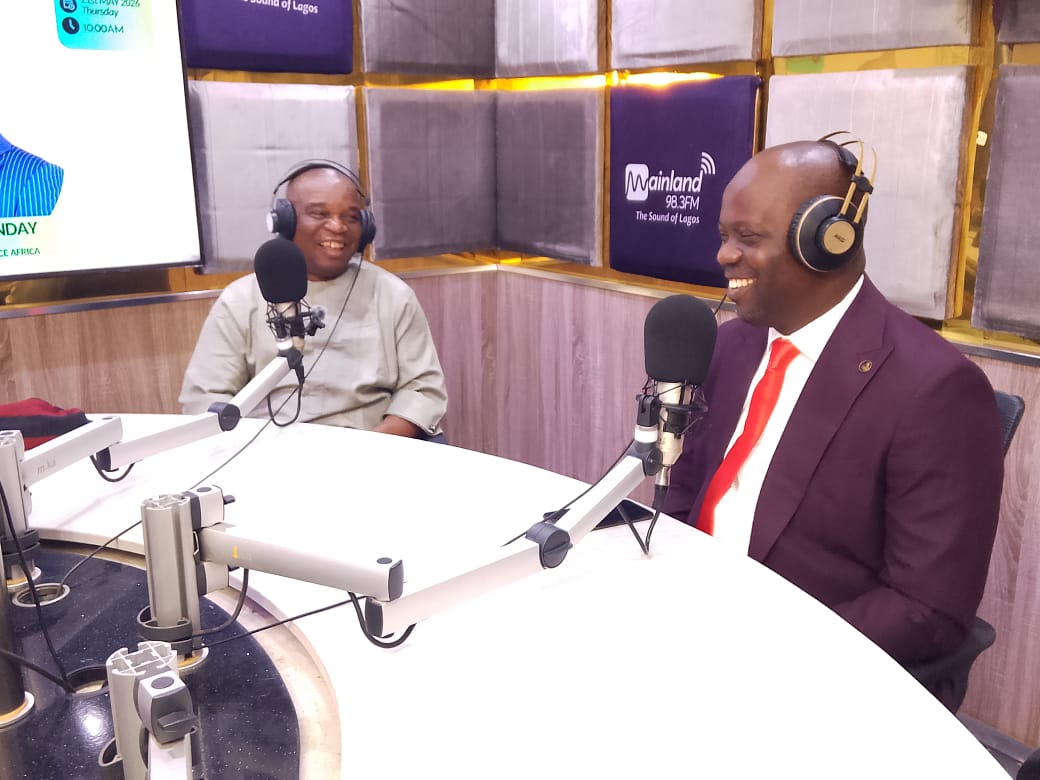
    For Olugbenga Sunday, Convener of the Hotel Managers Conference Africa, hospitality gatekeeping extends far beyond customer service; it represents a transformative force capable of reshaping Africa’s tourism and hospitality narrative.

    Speaking on *Villa Square*, a special segment of *Cr8tive 9ja*, the popular weekly tourism and cultural magazine programme aired every Thursday on Mainland 98.3 FM Lagos and anchored by renowned tourism journalist Frank Meke alongside Bunmi Bade Adeniji, Sunday emphasized the indispensable role of hospitality in the tourism value chain across Africa.

    According to him, the hospitality sector significantly influences tourists’ experiences and ultimately determines how destinations are perceived globally.

    “When we discuss tourism at the national level, we must prioritize the hospitality sector because of the critical role it plays in shaping the overall tourism experience. Hospitality professionals serve as the interface between a country and its visitors, and their service delivery greatly influences tourists’ perceptions and the image of the nation,” he stated.

    The Hotel Managers Conference Africa, regarded as the continent’s largest gathering of hotel managers and hospitality professionals, is scheduled to hold from July 11 to 12 at Lagos Continental Hotel. This year’s edition marks the eighth outing of the conference since its establishment.

    Founded in 2016 in Akwa Ibom State, the conference experienced a temporary disruption during the COVID-19 pandemic but has since grown into a leading platform promoting innovation, professionalism, and service excellence within Africa’s hospitality industry.

    Sunday explained that the conference was created to equip hotel operators and managers with global best practices while fostering collaboration across the sector.

    “The conference features workshops, networking opportunities, and extensive discussions on guest experience, which remains at the heart of hospitality,” he said.

    “You cannot talk about hospitality without discussing guest experience. Guest experience is about service delivery, how you make customers feel, and the lasting impression guests leave with after interacting with your brand.”

    The two-day conference will feature keynote presentations, panel discussions, workshops, and networking sessions designed to elevate hotel service delivery across Africa to international standards.

    Beyond its business objectives, Sunday noted that the conference seeks to create sustainable impact by raising service standards, strengthening industry capacity, and building a legacy for future generations of hospitality professionals. Participants will also engage with leading stakeholders, hospitality executives, and hotel managers from across the continent.

    Among the distinguished speakers expected at the event are Wasiu Adeyemo Babalola, Nigeria’s first Professor of Hotel Management and Tourism and an academic at Atiba University; Karl Hala; Ahmed Raza; Justina Ovat; and Martin Bredenoord, among other industry experts.

    The conference has also attracted support from major corporate stakeholders, including [OPay]. According to Sunday, the fintech company is working towards developing payment infrastructure solutions that will better integrate the hospitality industry into its platform. He noted that such partnerships would help address payment-related challenges within the sector while improving operational efficiency for hospitality businesses.

    Speaking further on the industry’s growth trajectory, Sunday expressed optimism about the future of hospitality in Nigeria and across Africa.

    “When you look at the Nigerian hospitality landscape today, you can clearly see remarkable progress in areas such as manpower development, service delivery, and culinary excellence. Lagos, for instance, hosts several leading international hospitality brands, reflecting the significant growth taking place within the sector.

    “Local brands are also making remarkable strides. Africa is steadily redefining its tourism and hospitality narrative by embracing its culture, heritage, and indigenous cuisine as key drivers of global appeal.”

    As Africa’s tourism industry continues to evolve, the Hotel Managers Conference Africa aims to remain a strategic platform for innovation, professional development, and service excellence, further reinforcing the continent’s emergence as a formidable force in global hospitality.

  • Naval Base Epe Distributes 1000 Exercise Books, Mosquito Nets to Lagos Community

    Naval Base Epe Distributes 1000 Exercise Books, Mosquito Nets to Lagos Community


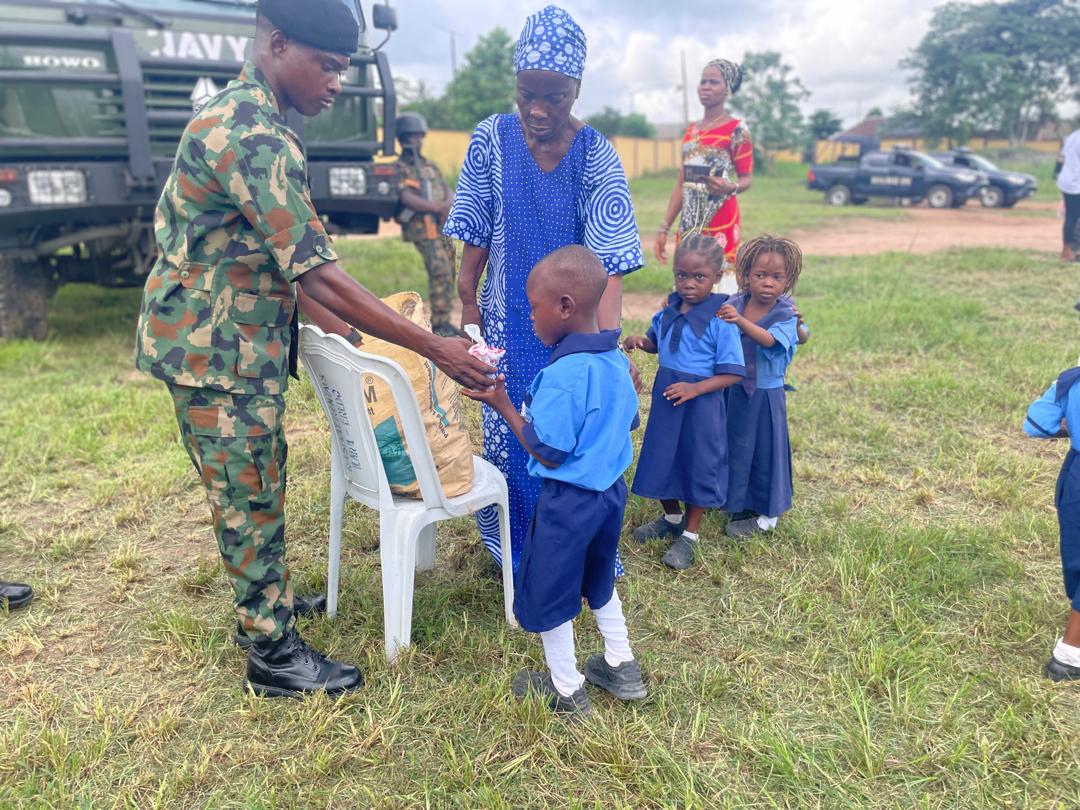
    The Nigerian Navy marked its 70th anniversary with action on Wednesday, May 21, 2026, as Naval Base Epe launched a combined educational and medical outreach at Universal Primary School, Ilara, Eredo LCDA, Epe, Lagos State, putting free learning materials and health supplies directly into the hands of pupils and families in one of Lagos’s underserved coastal communities.

    Commanding the occasion, Navy Captain Levi Deyin, Flag Commander of Naval Base Epe, told guests that the exercise was a deliberate expression of the Navy’s twin mandate, maritime security and community welfare, describing civil-military cooperation as a force multiplier for national development.

    A total of 1,000 customised exercise books, 150 customised school bags, 200 treated mosquito nets and assorted writing materials were distributed to beneficiaries drawn from the Ilara community, with Captain Deyin framing the haul as a direct response to the documented hardships facing pupils and low-income families within the base’s area of operations.

    Captain Deyin declared that education and healthcare are the two most critical pillars of national development, stressing that no nation can sustain peace, productivity or growth without investing simultaneously in the minds and bodies of its people, particularly the young and the vulnerable.

    The commander singled out the Ilara community and Epe residents broadly for praise, crediting their consistent cooperation and peaceful relationship with Naval Base Epe as a key enabler of the base’s operational effectiveness and community outreach calendar.

    Volunteers from the school and surrounding community were publicly commended for their logistical support, with Captain Deyin acknowledging that the colour and success of the programme owed substantially to the organisers and invited guests who gave their time without compensation.

    Captain Deyin urged every beneficiary to treat the distributed items not as gifts but as tools, reminding the audience that health is wealth and that education remains the surest key to unlocking future opportunities in an increasingly competitive national economy.

    The Naval Base Epe commander gave an unequivocal commitment that people-oriented programmes of this kind would be sustained and expanded, saying the base would continue strengthening its bond with host communities through targeted, evidence-based humanitarian interventions.

    Speaking on behalf of the Chief of the Naval Staff, Vice Admiral Idi Abbas, and the Flag Officer Commanding Western Naval Command, Rear Admiral Abubakar Mustapha, Captain Deyin thanked all officers, ratings, guests and community members whose presence and participation gave the anniversary commemoration its full significance.

    The 70th anniversary outreach at Epe underscores a broader Nigerian Navy strategic posture that positions the service not merely as a combat and patrol force but as an active partner in grassroots development, a doctrine the Navy has branded Onward Together and which Wednesday’s Ilara event gave tangible, community-level form.

  • Nigeria Makes History as NFVCB Earns WHO Recognition Over Tough Tobacco Rules in Entertainment

    Nigeria Makes History as NFVCB Earns WHO Recognition Over Tough Tobacco Rules in Entertainment

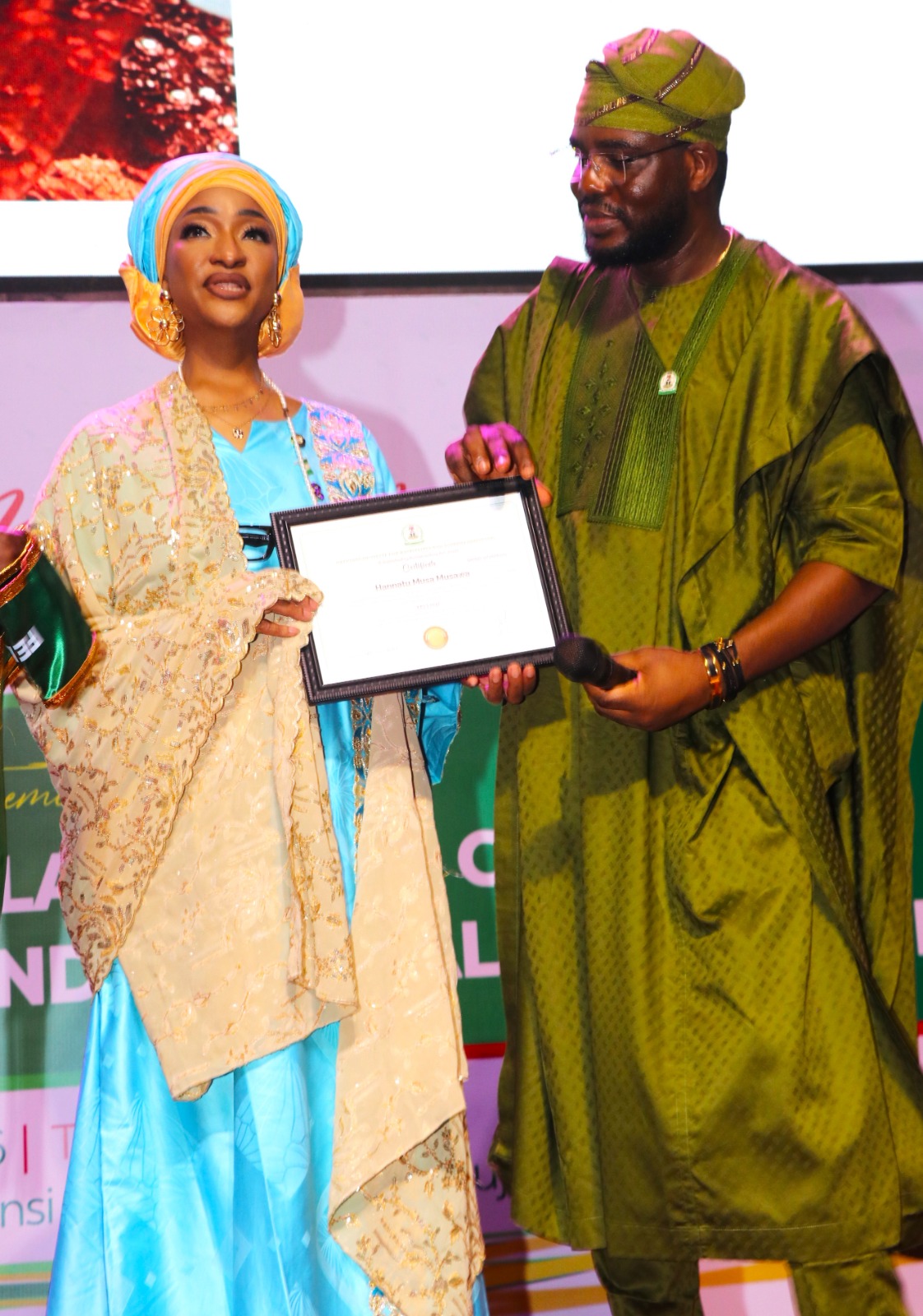
    The National Film and Video Censors Board (NFVCB) has been honoured with the World Health Organization (WHO) Director-General’s Special Award, African Region, receiving a Certificate of Appreciation for its outstanding contributions to tobacco control advocacy and the promotion of responsible media content in Nigeria.

    The NFVCB is the only institution among the five-person African Region winners unveiled as part of the activities commemorating World No Tobacco Day.

    This recognition by the DG of the WHO, Dr. Tedros Adhanom Ghebreyesus, acknowledges the Board’s leadership in regulating the depiction and promotion of tobacco and nicotine products in Nigerian films, music videos, skits, and other audiovisual content, particularly those accessible to young audiences.

    The WHO Director-General’s Awards are presented annually ahead of World No Tobacco Day on May 31 to honour individuals and organizations across WHO’s six regions for exceptional work in advancing the implementation of the WHO Framework Convention on Tobacco Control (WHO FCTC)
    NFVCB is being recognized for its landmark 2024 regulations prohibiting the promotion, and glamourization of tobacco and nicotine products in entertainment content.

    The regulations require that any necessary depiction of tobacco use in films and videos must carry health warnings, receive the highest classification rating, and be restricted to audiences aged 18 years and above. The regulations also mandate producers to place a disclaimer and disclose any relationship with the tobacco and nicotine industry while prohibiting tobacco brand display and product placement in entertainment content.

    The policy aligns with the implementation guidelines of Article 13 of the WHO FCTC on tobacco depiction in entertainment media. With the introduction of the regulations, Nigeria became the first country in Africa and only the second globally to establish such comprehensive safeguards against the glamorization of tobacco use on screen.

    Research and WHO guidance have consistently shown that the portrayal of tobacco use in entertainment media normalizes smoking behaviour and increases the likelihood of tobacco uptake among young people. Through clear regulatory standards, the Board is helping to reduce exposure to pro-tobacco imagery while promoting socially responsible storytelling within Nigeria’s creative industry.

    The recognition also aligns with the 8-Point Agenda of the Honourable Minister of Art, Culture, Tourism and the Creative Economy, Barrister Hannatu Musa Musawa, aimed at strengthening policy frameworks, promoting responsible creative content, preserving cultural values, and positioning Nigeria as Africa’s creative capital by 2030.

    Speaking on the recognition, the Executive Director and Chief Executive Officer of the NFVCB, Dr.Shaibu Husseini, described the award as a validation of the Board’s efforts toward promoting responsible storytelling and safeguarding public interest through effective content regulation.

    “This award is a validation of the work we have done with the Nigerian creative industry to promote responsible storytelling. The goal has never been to censor art, but to ensure that our films do not inadvertently market products that are harmful to public health,” he stated.

    Dr. Husseini reaffirmed the Board’s commitment to supporting initiatives that promote healthy societal values, protect children and vulnerable audiences, and strengthen the positive influence of Nigeria’s entertainment industry globally.

    The ED also expressed appreciation to the Federal Ministry of Art, Culture, Tourism and the Creative Economy, filmmakers, producers, and advocacy partners, especially Corporate Accountability and Public Participation Africa (CAPPA), National Tobacco Control Alliance (NTCA), and Campaign for Tobacco-Free Kids (CTFK), for their collaboration in advancing the policy.

    The Board stated that it would continue to strengthen enforcement of the regulations, expand public education and stakeholder engagement, and deepen collaboration with WHO, the WHO FCTC Secretariat, and relevant stakeholders in promoting responsible entertainment content and public health protection.

  • Tourism Industry Leaders Unite for Peace as Crisis Threatens Nigeria Creative Economy — Frank Meke

    Tourism Industry Leaders Unite for Peace as Crisis Threatens Nigeria Creative Economy — Frank Meke

    Thursday, May 14, offered yet another profound insight into the frailty of man and the imperfections that often define human conduct. It was a moment to reflect on how bitterness and malice can be elevated into an art form, defended through the prisms of ignorance, ego, and the absence of humility.

    It was also a day that revealed silence as a powerful instrument of peace, a selfless willingness to suppress ego, bury vindictiveness, and even bear the weight of unjust accusations, all in pursuit of meekness, gentleness, integrity, and harmony.

    For close to ten months, the once vibrant and promising cultural tourism environment in Nigeria has descended into toxicity. What should have been a thriving ecosystem of collaboration became a theatre of manipulation, malicious narratives, and intolerant attacks directed at individuals and ideas perceived not to align with certain vested interests.

    Within this atmosphere, the industry suffered deep institutional and reputational divisions. Friendships and alliances were deliberately fractured, while falsehoods and mischief gained dangerous legitimacy. A disturbing culture of intimidation emerged, championed by forces determined to dominate the sector through fear, influence, and divisive tendencies.

    Gradually, the industry appeared split into two ideological camps, those expected to bow to the dictates of entrenched interests, and those guided by independent thought, conscience, and conviction.

    It became a vicious battle, not just professional but deeply personal and spiritual, one that has negatively impacted individual growth and institutional development alike. Turning policy disagreements into campaigns of personal hostility can never be mistaken for visionary leadership. Such conduct is vain, immature, opaque, and dangerously destructive, like Humpty Dumpty placed recklessly behind the wheel, determined to crash into everything within sight.

    Yet, on this significant day, seated within the office of the Honourable Minister of Culture, Tourism and Creative Economy, Hannatu Musa Musawa, were men and a woman considered worthy enough to pursue the elusive peace the sector has desperately lacked over the past several months.

    At the centre of this peace initiative stood a young and emerging industry leader who believes sincerely that peace remains the greatest catalyst for progress. Yinka Folami, a persuasive and thoughtful voice of his generation, demonstrated courage where many so-called elders hesitated. It was he, not the highly celebrated but conveniently absent “elders”, who convened the meeting.

    Working closely with him was Kabir Masanawa, Director General of the Katsina History and Culture Bureau, former leader within the Tourism Federation, and an unwavering advocate for peace and reconciliation.

    As Pope Leo XIV recently observed, peace cannot simply be decreed; it must be embraced, nurtured, and lived. It is a gift from God that unfolds through patience, sincerity, and collective commitment.

    Gathered in agreement to listen, engage, and seek common ground were Minister Hannatu Musa Musawa; Permanent Secretary Abdulkarim Ozi Ibrahim; Nkereweum Onung; Samson Aturu; Badaki Aliyu; Mustapha Mohammed; and Elder Abiodun Odunsanwo. None of us present were strangers to the challenges confronting the industry.

    Minister Hannatu Musa Musawa appeared optimistic and deeply reflective. Though her remarks were brief, they carried remarkable clarity. She spoke passionately about the need for a peaceful industry where dialogue must be driven by truth, responsibility, and national interest rather than division and hostility.

    She encouraged open interventions, and Yinka Folami laid a firm intellectual and moral foundation for reconciliation within the sector. Carefully and thoughtfully, he outlined the dangers of a private sector body remaining perpetually at war with government institutions. He argued that the ongoing disagreement surrounding the regulatory initiatives of National Institute for Hospitality and Tourism should not be reduced to personality conflicts or emotional confrontations.

    Government, he stressed, should be constructively engaged and supported. Where grey areas exist, they should be addressed through dialogue aimed at preserving peace and advancing the growth of the industry.

    During introductions, the Minister encouraged me to speak frankly, perhaps inspired by my name. I appreciated the opportunity to emphasize the importance of objective and fearless reportage within the sector. I reflected on my long-standing reportorial journey covering ministers appointed under both military and democratic administrations since 1999. It would, indeed, amount to a painful stain on that legacy if stakeholders failed to sit together and resolve their differences through dialogue.

    Nkereweum Onung offered a rich historical perspective on the value of peaceful engagement with government during his tenure, advocating the need to sustain that culture of mature collaboration.

    Samson Aturu also spoke strongly in favour of peace, while Elder Abiodun Odunsanwo echoed similar sentiments. Mustapha Mohammed immersed himself fully in the engagement, evidently aligning with the conciliatory spirit championed by his president, Yinka Folami.

    The President of FTAN spoke extensively, outlining grievances and perceived shortcomings concerning the leadership of NIHOTOUR. However, he was repeatedly reminded to focus on issues rather than personalities.

    The Permanent Secretary acknowledged awareness of the tensions within the sector and admitted that, as someone relatively new within the system, he would work diligently toward achieving lasting reconciliation.

    In her concluding remarks, the Honourable Minister delivered perhaps the most touching message of the day. She reminded everyone that those entrusted with public service deserve support and encouragement. Where disagreements arise, she insisted, the national interest must always prevail above personal sentiments.

    Her appeal for reconciliation carried genuine sincerity capable of softening even the hardest of hearts, especially among those who sincerely desire the growth and global relevance of Nigeria’s cultural tourism sector.

    I left that meeting deeply appreciative of Yinka Folami, who travelled to Abuja simply to advocate for peace. I also left with renewed respect for Hannatu Musa Musawa, a latter-day apostle of reconciliation within the industry, and for everyone who came to the table genuinely seeking a new beginning rooted in sincerity, patriotism, and the fear of God rather than the fear of men.

    In my own little corner, I remain committed to building a coalition of peacemakers, a place where even the most difficult and unforgiving souls may yet discover restoration, healing, and peace of mind.

    Nigeria is greater than the forces of mischief and malicious manipulation.

    Nigeria’s cultural tourism economy must survive.

error: Content is protected !!