Author: Dodo Elias Denen

  • GSS Gboko, Father O’Connell Win 26th MILO Central Conference Titles

    GSS Gboko, Father O’Connell Win 26th MILO Central Conference Titles

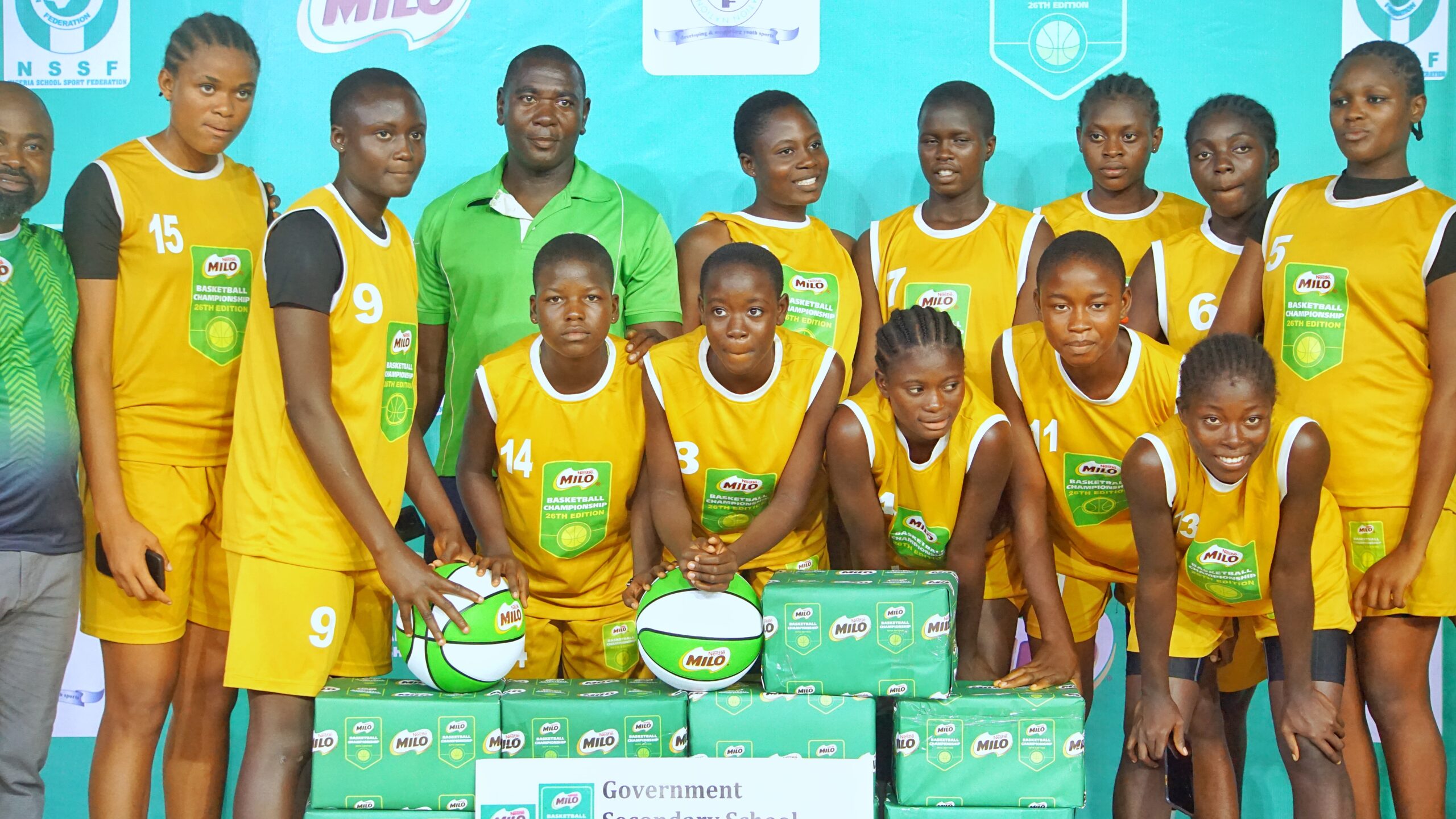
    The 26th edition of the MILO Basketball Championship continued with the successful conclusion of the Central Conference regional finals, where Government Secondary School, Gboko, Benue State, and Father O’Connell Science College, Niger State, emerged champions in the girls’ and boys’ categories respectively.

    For 26 years, MILO has remained committed to youth development through school sports, using basketball as a platform to inspire discipline, teamwork, resilience and confidence among young people. Through the championship, MILO continues to create opportunities for students across Nigeria to discover their potential, build character and pursue excellence both on and off the court.

    This year, over 13,000 schools applied to participate in the MILO Basketball Championship nationwide, reflecting the continued growth and relevance of the platform. At the Central Conference regional finals, seven schools competed for a place at the National Finals. Government Secondary School, Gboko, won the girls’ category with a 63–31 victory over Nigeria Defence Academy Staff Secondary School, Kaduna State, while Father O’Connell Science College, Niger State, won the boys’ category after a hard-fought 56–53 win over Government Secondary School, Gwarinpa Life Camp, Abuja.

    The opening remarks were delivered by the MILO Sports Marketing Manager, Mrs. Funmilola Oyewole, on behalf of the Category Manager, Mr. Gilbert Tweneboah-Koduah. In his address, Mr. Tweneboah-Koduah highlighted the role of the championship in inspiring young athletes to pursue excellence beyond the game.

    “Every game played at this championship reminds us of the courage, determination, and promise that exist in our young people. These students are not only competing for medals; they are learning to believe in themselves, to work as a team, and to rise above challenges. At MILO, we are proud to continue supporting a platform that helps young people turn their passion into purpose,” he said.

    Friday Victoria Ada of Government Secondary School, Gboko, Benue State, was named the Most Valuable Player in the girls’ category. Wearing jersey number 13, she contributed 25 points out of her team’s 63 points, playing a key role in their victory.

    In the boys’ category, Idris Mohamed of Father O’Connell College, Niger State, was named Most Valuable Player. Wearing jersey number 5, he delivered an impressive performance, contributing 20 points out of his team’s 56 points.

    The Central Conference is the second of four regional conferences in the 26th MILO Basketball Championship. With the Savannah and Central Conferences now concluded, the championship will move to the Atlantic Conference, where nine schools each in the boys’ and girls’ categories will compete for a chance to join the race to the National Finals.

    At the Savannah Conference, Government Secondary School, Zing, Taraba State, emerged champions in the girls’ category, while Family Support Programme School, Katsina State, won the boys’ category. Together with the Central Conference champions, they form part of the growing list of regional winners heading towards the grand finale.

    The event was attended by dignitaries from FCT ministries, as well as representatives from NSSF, NCSF and FIBA.

    The winning teams from the Central Conference will advance to the National Finals, scheduled to hold in Lagos on July 2, 2026, where they will compete with other regional champions for the ultimate title.

  • Maritime Experts Gather In Lagos For Major Seminar On Customs Revolution, Marine Economy Growth

    Maritime Experts Gather In Lagos For Major Seminar On Customs Revolution, Marine Economy Growth

    About three years and few months into the life of the present administration, senior maritime journalists are to unveil a book which captures the performance indices in customs operations and general maritime development.

    Part of the book presentation is a seminar with a topic titled ‘3 Years After Marine & Blue Economy Ministry, How Far, How Well?. This paper will be deliered by the Honourable Minister of Marine and Blue Economy, Dr. Adegboyega Oyetola.

    The book is about the comprehensive examination of the Nigeria Customs Service (NCS) in both revenue generation, anti-smuggling operations and transformation within the country’s broader economic and trade architecture.

    The book also places particular emphasis on the reform trajectory and institutional performance under the leadership of Bashir Adewale Adeniyi MFR as well as the maritime agencies, while situating these developments within the wider policy direction of the administration of Bola Ahmed Tinubu.

    It presents a timely contribution to ongoing national conversations around revenue optimization, trade facilitation efficiency and institutional accountability.

    The book equally captures activities in the Ministry of Marine and Blue Economy since its creation in 2023.

    In particular focus are its agencies, including the Nigerian Ports Authority (NPA), Nigerian Maritime Administration & Safety Agency (NIMASA), Nigerian Shippers’ Council (NSC), Council for the Regulation of Freight Forwarding in Nigeria (CRFFN), the National Inland Waterways Authority (NIWA) and the Maritime Academy of Nigeria (MAN).

    The book which is authored by two maritime journalists, Chief Timothy Okorocha and Mr Francis Ugwoke, and titled “Customs Operational Revolution and Maritime Development Under President Tinubu’ is billed for presentation on June 18, at Shoregate Hotels, 29 Joel Ogunnaike Street, GRA-Ikeja, Ikeja, Lagos, (opposite Lagos Marriott Hotel) by 10 am.

    Okorocha and Ugwoke have covered the sector for decades, ranging from when they were Maritime Correspondents in Daily Times and Thisday Newspapers respectively to when they established their own industry publications.

    The book unveils in many ways the trade facilitation efforts of the present crop of leaders in the Customs Service under Adeniyi.

    It also unearths the value addition of the Customs Service in revenue generation more than ever before, placing the organization in a top-notch position to be reckoned with and coming after the heavily relied upon oil sector.

    Similarly, the book highlights the narratives as far as key developments are concerned in the core maritime sector with emphasis on accolades recorded in the country’s good outing when she returned to the Category C Seat of the International Maritime Organisation (IMO) after close to a decade.

    The return, the book notes, would not have been possible if not for the successes in the piracy war in both nation’s territorial waters and the Gulf of Guinea (GoG), a development that has made it possible for Nigeria to challenge attempts by multinational shipping lines/conference liners to impose war risk surcharges, among others on cargoes destined for Nigeria

    The book also points to different weaknesses, challenges in customs operations, maritime development efforts and what experts insist must be addressed going forward.

    Okorocha who is the Publisher/Editor-In-Chief of THIS PAGE NEWSPAPER based in Lagos, was the former Daily Times Bureau Chief in charge of the six South/South states, with Headquarter in Port Harcourt. At one time, he also served as the Newspaper’s Acting City Editor at its Kakawa office in Lagos.

    He holds an Advanced Diploma in Journalism from the Times Journalism Institute (TJI) Lagos, a Post Graduate Diploma (PGD) in Financial Management, and a Masters in Business Administration (MBA) from the University of Calabar.

    Ugwoke is the Managing Director of Sea Visions & Services Limited (Publisher of Shipping Day Online/Magazine), and was the Chief Maritime Correspondent, Regional Editor (South East), Group News Editor and Online Editor at different times for Thisday Newspapers. While working in Thisday Newspaper, he won the first Best Maritime Reporter Award in 1997 organised by the Maritime Media Limited (Publisher of Shipping World Magazine). He holds Advanced Diploma in Journalism from Times Journalism Institute (TJI) and Bachelor of Arts Degree in English from Nnamdi Azikiwe University (NAU).

    As part of the seminar, the Comptroller General of Customs, Bashir Adewale Adeniyi, Managing Director of Nigerian Ports Authority (NPA), Dr. Abubakar Dantsoho, the Director General of Nigerian Maritime Administration & Safety Agency (NIMASA), Dr. Dayo Modereola and the Executive Secretary/CEO, Nigerian Shippers’ Council, Dr. Pius Akutah, are all expected to deliver papers on different topics covering strides and challenges in their organisations in the past three years and few months of the present administration.

  • NIWA Boss Girei Raises Alarm On Flooding, Pollution Threat Across Nigerian Cities

    NIWA Boss Girei Raises Alarm On Flooding, Pollution Threat Across Nigerian Cities

    The Acting Managing Director/Chief Executive Officer of the National Inland Waterways Authority (NIWA), Umar Yusuf Girei, has reaffirmed the agency’s commitment to maintaining clean, safe and sustainable inland waterways as Nigeria joins the global community to mark the 2026 World Environment Day.

    The celebration, themed “Urbanisation and Climate Change: Building Resilient Cities for a Sustainable Future,” draws attention to the environmental challenges accompanying rapid urban growth and climate change impacts.

    In a statement delivered at NIWA Headquarters in Lokoja, Girei extended greetings to cities across the country, noting that urban areas are increasingly expanding around waterways which continue to serve as vital centres of commerce, culture and economic activity.

    He, however, warned that urbanisation places significant strain on the environment, leading to challenges such as rising temperatures, flooding and erosion, all of which require urgent and coordinated response measures.

    According to him, NIWA views inland waterways as natural infrastructure for building urban resilience, explaining that properly managed rivers and channels help mitigate flooding by serving as drainage pathways, while also offering a cleaner, low-carbon option for transporting goods and passengers.

    Girei reiterated the Authority’s commitment to responsible dredging, protection of riverbanks, and sustained efforts to keep waterways free from pollution and indiscriminate waste disposal.

    He also stressed that government cannot shoulder the responsibility alone, urging Nigerians to contribute by disposing of waste properly, planting trees along riverbanks, reporting illegal dredging and encroachment activities, and supporting environmental protection initiatives.

    He further encouraged greater adoption of water transportation as a safer and more sustainable alternative to road transport across the country.

  • Rainy Season WABOTAN NIWA LASWA Intensify Campaign for Safer Nigerian Waterways

    Rainy Season WABOTAN NIWA LASWA Intensify Campaign for Safer Nigerian Waterways

    The President of the Waterfront Boat Owners and Transporters Association of Nigeria (WABOTAN), Mr. Tope Fajemirokun, has commended the National Inland Waterways Authority (NIWA) and the Lagos State Waterways Authority (LASWA) for their continued collaboration in ensuring safer and more secure waterways across the country.

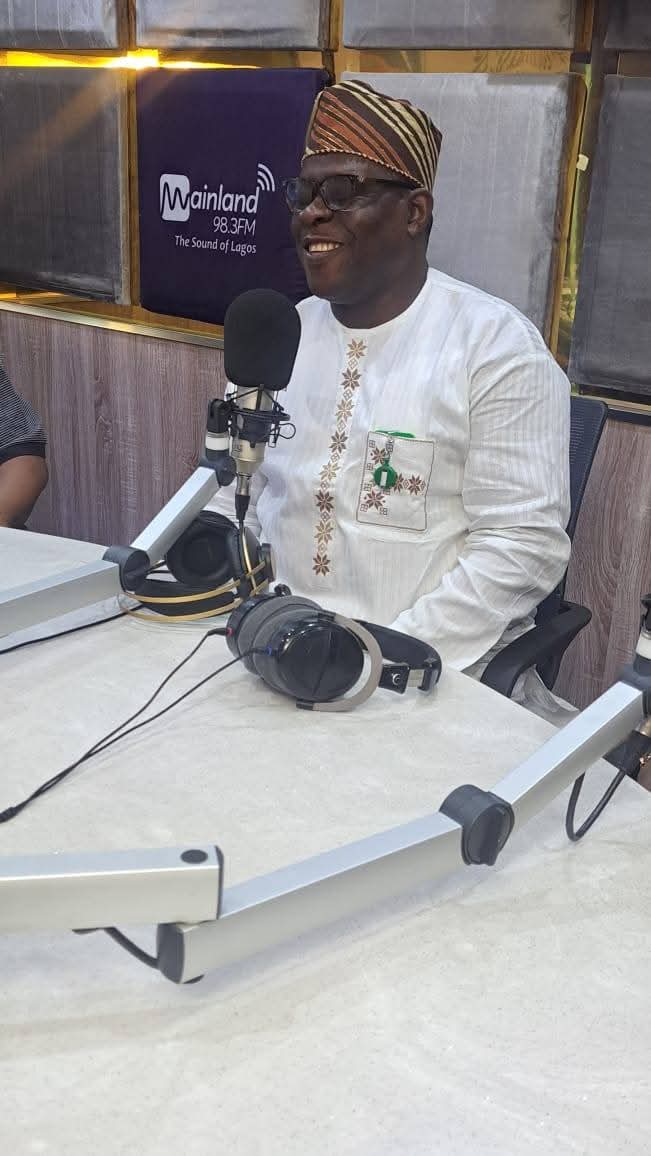
    Speaking on Villa Square, a special segment of Cr8tive Naija the popular weekly tourism and cultural magazine programme aired every Thursday on Mainland 98.3 FM Lagos and anchored by veteran tourism journalist Frank Meke alongside Bunmi Bade Adeniji—Fajemirokun highlighted the association’s efforts to promote safety awareness among boat operators and passengers ahead of the rainy season. He also expressed appreciation to NIWA and LASWA for their commitment to maintaining safety standards on Nigeria’s waterways.

    According to Fajemirokun, rising fuel prices have significantly affected the operations of boat owners and transporters. He noted that the increase in fuel costs, coupled with prevailing economic challenges, has made it difficult for operators to acquire new boats and expand their businesses. “When you are in business, you must continue to improve and invest in it despite the challenges,” he said.

    Fajemirokun further outlined several initiatives undertaken by WABOTAN to educate its members on safety practices ahead of the rainy season. “Since the beginning of the year, we have been educating our members on safety measures. We have conducted two safety induction programmes this year and are currently planning another one before August. With the support of my friend and brother, Frank Meke, the programme will bring together stakeholders, the media, and regulatory agencies to further strengthen safety awareness,” he stated.

    The WABOTAN President noted that the association has implemented several safety measures in preparation for the rainy season and acknowledged the efforts of regulatory authorities in sensitizing operators and passengers. “A few months ago, LASWA invested significantly in clearing water hyacinth from Lagos waterways. Water hyacinth is a fast-growing aquatic plant that obstructs navigation and poses safety risks on waterways,” he explained.

    Fajemirokun said WABOTAN has enjoyed strong cooperation from both LASWA and NIWA in promoting safety and regulatory compliance across the sector. “We have received tremendous support from LASWA and NIWA, and we are working closely with them. However, we remain particularly concerned about Rivers and Bayelsa States, where incidents on the waterways tend to increase during the rainy season due to their proximity to the Atlantic Ocean. With NIWA’s support, we are intensifying sensitization efforts in those states and across other parts of the country,” he said.

    He added that several states are establishing their own waterway authorities and commended NIWA for providing guidance and support in that regard.

    Speaking on the need to phase out unsafe banana and wooden boats, Fajemirokun called for greater government intervention and financial support for operators seeking to invest in safer and more modern vessels.

    “The government needs to come to our aid, just as the Lagos State Government has been doing. Eliminating banana and wooden boats will be easier if government provides the necessary support and investment. State governments should also invest more in water transportation to ensure that Nigerians can fully benefit from the opportunities offered by the waterways,” he said.

    He further urged government authorities to take a more active role in developing the water transportation sector, noting that the high cost of water travel discourages many commuters. “The cost of water transportation remains high. For example, a commuter travelling from Badagry to CMS may spend about ₦5,000 each way, amounting to ₦10,000 daily on transportation alone. This is one of the major factors discouraging passengers from using the waterways. That is why we are appealing to government at all levels to invest more in the sector,” he added.

    Also speaking on the programme, veteran maritime journalist Frank Meke acknowledged government efforts but stressed that more needs to be done to unlock the full potential of Nigeria’s water transportation system.

    “Our roads are heavily congested. As we speak, Apapa remains gridlocked. Imagine the impact if government invested more in water transportation. Sometimes, there appears to be more lip service than concrete action. The blue economy holds enormous potential. Look at the investments and sacrifices being made by associations like WABOTAN to strengthen the sector. Government agencies should demonstrate a similar level of commitment,” Meke said.

    He also expressed concern about states such as Kwara, Niger, Benue, and Taraba, where waterways could serve as a more affordable and efficient means of transporting agricultural produce.

    According to him, many farmers in these states need reliable and cost-effective transportation options to move their goods to market, making water transportation a viable alternative. Meke called on the government to declare a state of emergency in the water transportation sector, emphasizing the need for alternative modes of transportation beyond road networks.

    “Nigerians need efficient alternatives to road transport, and WABOTAN has played a significant role in advancing the sector. Government should provide soft loans to boat operators to enable them to acquire modern vessels. Investment should not be limited to boats alone; there is also a need for continuous training of boat captains, crew members, and even passengers. As the rainy season approaches, we must prepare adequately for emergencies,” he stated.

    Fajemirokun concluded by urging all boat operators to prioritize safety at all times and ensure that passengers wear life jackets before embarking on any journey. “Safety must always come first. Boat operators and passengers should never neglect the use of life jackets, regardless of the distance of the journey,” he advised.

  • Imo Youth Leader Cries Out To IGP Over Alleged Assassination Plot, Police Intimidation

    Imo Youth Leader Cries Out To IGP Over Alleged Assassination Plot, Police Intimidation

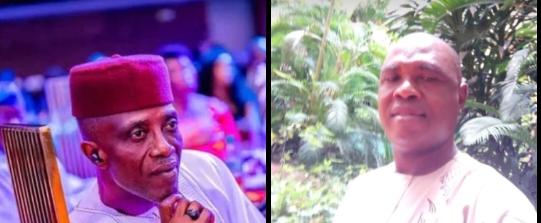
    The President of Ukwuinyi Youth Forum, Nnanano in Nkwerre Local Government Area of Imo State, Mr. Joel Chigbo Chinasa Nwosu has cried out, calling on the Inspector General of Police to urgently save his life from those who have conspired to eliminate him at all cost for his refusal to do what he described as “their selfish and corrupt bidding.”

    Speaking with journalists in Lagos on Thursday, Nwosu said his problem began after he succeeded Mr. Chidi Onuchukwu to become the new President of the Youth Forum. Onuchukwu had held the position for years.

    According to him “since assuming office, I have faced continuous opposition and interference from Mr. Chidi Onuchukwu and his sponsors. Mr. Onuchukwu led the youth organization for over sixteen years. Since my emergence as Youth President, he has consistently interfered with the administration of the Youth Forum, making it difficult for me to discharge my responsibilities.

    “Much of this hostility appears linked to political interests ahead of the 2027 elections. Rather than allow the elected youth leadership to function independently, certain individuals have sought to undermine my administration through intimidation and violence.”

    Nwosu said that the situation escalated on 4th April 2026, when Mr. Chidi Onuchukwu allegedly incited Messrs Chidiebere Azode, Uchechukwu Azode, and Chijoke Azode to physically attack him in the village, alleging that he was severely beaten and publicly humiliated.

    “I reported the assault to the village authorities seeking redress. Instead of condemning the assailants, Mr. Onuchukwu reportedly defended them and stated that they could use “whatever means available” to fight me in order to secure what he called their rights. This emboldened them to continue threatening me.

    “Three days later, I reported the matter to the State CID, Owerri. The suspects were arrested, but before I arrived to make my statement, they had been released. While I was still at the station, they called me to say they were at home drinking beer and boasting that I was wasting my money because they had “the police and the judiciary in their palms.”

    Sequel to this, “I was forced to limit my duties as youth leader, as they vowed to stop at nothing to bring me down.

    “The influence wielded by Mr. Onuchukwu and his sponsors has made it difficult to obtain justice within the community. They openly claim connections to persons in government and assert that nothing can be done to them.”

    He disclosed that attempts to seek redress through community channels have been frustrated as he was fined one goat and three other items by the village authorities, allegedly on the instructions of these powerful individuals.

    “Having exhausted local remedies, I sought redress in court to enforce my fundamental rights and to restrain further attacks. Since then, I have been subjected to further intimidation and harassment, including phone calls from individuals claiming to be law enforcement officers.

    In spite of Suit No. FHC/OW/FHR/45/2026 he filed at the Federal High Court, Owerri seeking enforcement of his fundamental rights following the violent attack on him, he has continued to be threatened and in his words, “my greatest concern arose on 2nd June 2026. One “Mr. Ola,” claiming to be from the Tiger Base Unit, Owerri, called me on 0803 794 2447 and instructed me to report to Tiger Base regarding “my case.” When I asked which case, he mentioned the “Nkwerre Country Club” incident of 28th April 2025.

    Throwing light on the incident, Nwosu said “on that date, I had gone to Nkwerre Country Club for dinner when armed men raided the venue and detained several persons, including myself and my predecessor, Mr. Chidi Onuchukwu, who was already there. About eight of us were taken to the defunct Tiger Base, Owerri, on the grounds that a group intended to commit a crime at the club. The next day, dignitaries from Nkwerre, including the Chief of Staff to the Imo State Governor, Barr. Sir Nnamdi Anyaehie; Nze Chinasa Nwaneri; Hon. Barr. Chisom Ojukwu, Member representing Nkwerre State Constituency; and the management of Nkwerre Country Club, intervened. We were released unconditionally.

    “It has been over a year since that incident, and the police have never invited me or the others involved. I believe this sudden call is an attempt to use the police and Tiger Base to intimidate me, particularly as Mr. Onuchukwu and “Ola” are now reportedly close, with Mr. Onuchukwu suspected to have government backing.”

    The visibly worried Nwosu said that another caller who identified himself as “Omini,” the IPO, also contacted him. “I requested an official written invitation stating the reason and location, so my lawyers could accompany me, given the documented human rights concerns associated with Tiger Base. These calls have caused me significant distress and appear to intimidate me for pursuing justice through lawful means.

    “I now live in fear of being framed, abducted, or made to disappear without my family’s knowledge. I am a law-abiding Nigerian citizen committed to equity and fairness.”

    In a letter written to the IGP which was dated 4th June, 2026 Joel Chigbo Chinasa Nwosu has respectfully requested that the Nigeria Police Force investigate and take appropriate action on the assault committed against him on 4th April 2026, the alleged role of Mr. Chidi Onuchukwu and others in inciting and enabling the assault.

    He also requested that Police should put an end to the continuous harassment, intimidation, and threats directed at him while the identity and conduct of individuals claiming to be officers of the Tiger Base Unit, Owerri, who have contacted him should be properly investigated.

    Meanwhile, when “Ola” (Asst. Commissioner of Police Oladimeji Odeyeyiwa) of Tiger Base was contacted on phone at about 11.30am on Friday by Editor-in-Chief of Atlanticnewsonline on behalf of other journalists, the officer initially said he did not know anything about the case but at the same time disclosed that Nwosu had a case with him. He said that he granted Nwosu bail but he refused to show up with his lawyer.

    When asked to explain the nature of case and date of incident, ACP Oladimeji angrily declined to comment further and dropped the call.

    The challenges facing Nwosu got escalated on the 5th of May, 2026 when the Secretary of the Home branch of Ukwuinyi Village Meeting wrote him a letter of suspension from his position as the Youth President for purportedly “double crossing and undermining the will of the village.”

    However, in a twist of fate, the National President of the Ukwuinyi Village Meeting, Engr. Ken Nwaneri in a letter dated 6th May, 2026 nullified the suspension as the home branch of the town meeting acted beyond its powers.

    The President’s letter holds that the “home branch being a subordinate unit, lacks the jurisdiction to suspend a duly elected national officer of Ukwuinyi Village Meeting. Consequently, any action taken in this regard is null, void and without effect,” the President said.

    In spite of this step by the President, Nwosu said his safety is still not guaranteed as Onuchukwu and his collaborators feel that they have not benefitted from donations sent by the community’s indigenes in the Diaspora towards empowering the youths.
  • Fear Across Communities Deepens as Nigerians Receive Urgent Message to Expose Terror Networks

    Fear Across Communities Deepens as Nigerians Receive Urgent Message to Expose Terror Networks

    Nigerians have been urged to unite against terrorism by remaining vigilant, rejecting divisive narratives, and supporting communities affected by insecurity.

    In a message shared under the campaign hashtag #UniteAgainstTerror, Nigerians, were urged to promptly report suspicious activities rather than ignore potential security threats.

    The campaign also encouraged citizens to reject rhetoric capable of creating division, both online and offline, stressing the importance of national cohesion in confronting terrorism and other security challenges.

    The campaign further called on Nigerians to stand in solidarity with communities affected by acts of terror, emphasising that victims of insecurity are part of the nation’s collective family and deserve support and empathy.

    Additionally, citizens were charged to demand accountability from both leaders and individuals, noting that collective responsibility remains essential in promoting peace, security, and national unity.

    The message, which was amplified through the hashtags #NigeriaSecurity, #PeaceCrushesTerror, and #PeaceAndUnity, reinforced the call for a united front against terrorism across the country.

  • Smile Communications Launches New, Improved Device,  Data Offers

    Smile Communications Launches New, Improved Device, Data Offers

    Nigeria’s leading 4G LTE broadband service provider, Smile Communications has announced the launch of significantly improved device and data offers, reaffirming its commitment to delivering superior value and an exceptional internet experience to its customers.

    This latest enhancement follows months of extensive consumer feedback, deep consumer insights, and comprehensive trade engagement across Smile’s markets. In response to what customers value most — affordability, flexibility, and more data — Smile has re-engineered its existing device propositions while also introducing new, more accessible entry options for new customers.

    As part of the improvements, Smile’s SMiFi device, previously available at ₦25,000 with 10GB data, has now been upgraded to offer 100GB data at the same price point. In addition, customers who purchase the improved SMiFi will enjoy a 100% bonus on all Smile Mini and Smile Midi recharges for six months after activation.

    Similarly, the Smile Router offer has been significantly enhanced. The Router, which previously retailed at ₦50,000 with 60GB data, now comes with an Unlimited plan of 250GB data (Fair Usage Policy at 3Mbps) at the same price. Customers will also receive a 50% bonus on all Smile Mini and Smile Midi plan recharges for six months after activation.

    Speaking on the new offers, ‘Goke Olaleye, Head of Marketing Operations at Smile Communications emphasized that the enhancements are rooted in its commitment to listening closely to its customers and continuously evolving its propositions to reflect their needs.

    “These improved offers are our way of delivering more value without increasing costs, while also lowering the entry barrier for new customers who want a reliable, high-quality internet experience,” the company stated. “At Smile, we understand what true value means, and we are committed to enabling more Nigerians to enjoy a better digital life.”

    With these refreshed device and data offerings, Smile continues to strengthen its position as a customer-centric brand, focused on innovation, affordability, and delivering the best broadband experience for homes, businesses, and individuals across Nigeria.

    For more information on Smile’s new and improved offers, customers can visit any Smile customer centers nationwide or log on to www.smile.com.ng.

  • History Will Judge Us Says Fadina as ATPN Leadership Tussle Takes Dramatic Turn

    History Will Judge Us Says Fadina as ATPN Leadership Tussle Takes Dramatic Turn

    My attention has been drawn to a rather dramatic press statement credited to the National Publicity Secretary, Dr. Piriye Kiyaramo, in which he declared that “Fadina is history” and advised me to “lick my wounds quietly.”

    Ordinarily, I would have ignored such theatrical commentary. However, when fiction begins to masquerade as fact and propaganda attempts to replace due process, silence can easily be mistaken for consent.

    First, history is not an insult.
    Every institution stands on the shoulders of its history. If indeed I am “history,” then I am proud to be part of the chapter that helped shape ATPN’s identity, credibility, and relevance within Nigeria’s tourism industry.

    Ironically, those who dismiss history often end up becoming its footnotes.

    What is most surprising is not the language used, but the timing. While issues concerning the leadership and governance of ATPN remain contentious and subject to legal scrutiny, some individuals have chosen to conduct a public coronation ceremony before the final whistle of the match has been blown.

    In law, there is a principle that no person should appoint himself judge in his own cause. Yet what we are witnessing is a remarkable attempt to announce conclusions while the questions remain unresolved. The public deserves facts, not slogans.

    The stakeholders of ATPN deserve transparency, not political poetry.
    The tourism industry deserves leadership, not media dramatization.

    To suggest that a matter under dispute has been conclusively settled through press releases is akin to publishing the judgment before the court has sat. No amount of publicity can substitute for legitimacy. No number of headlines can replace due process.

    The statement further asks stakeholders to recognize an “Acting President.” While individuals are entitled to their opinions, titles within professional associations derive their validity from constitutional provisions, lawful procedures, and institutional legitimacy, not from press conferences or repeated declarations.

    A title announced loudly does not automatically become a fact. A microphone is not a court order. A press release is not a judgment.
    And propaganda is not governance.
    I find it particularly amusing that while some individuals urge me to “move on,” they continue to dedicate substantial energy, time, and media space discussing my person.

    If I am truly irrelevant as claimed, then their continued obsession raises an interesting question: why does “history” still occupy so much of their present? The ATPN I know and have served deserves better than division, personal attacks, and sensational headlines. Our members deserve professional discourse rooted in respect, integrity, and constitutional order.

    Therefore, I urge all members, partners, tourism operators, government agencies, and stakeholders to remain calm, patient, and focused on the larger interests of the industry while all outstanding issues are addressed through appropriate institutional and legal channels.

    At the end of the day, institutions endure because of principles, not personalities.

    Truth requires no publicity campaign. Legitimacy requires no propaganda. And history, contrary to what some may think, has a habit of delivering the final verdict.

  • Ex-IGP’s Others Unveil Egbetokun Conference Centre Built By AIG Jimoh

    Ex-IGP’s Others Unveil Egbetokun Conference Centre Built By AIG Jimoh

    By Odita Sunday

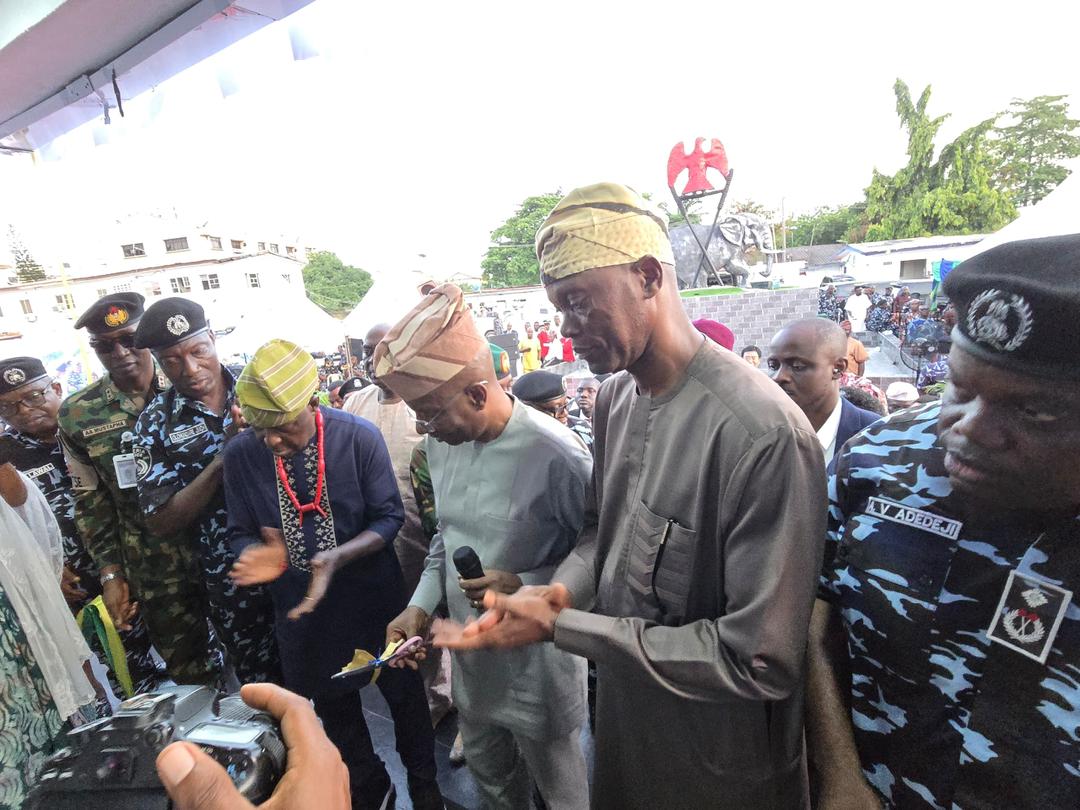
    In a rare iconic event, former Inspector-General of Police, Mike Mbama Okiro on Friday unveiled a new ultra modern conference centre named after his colleague and immediate past IGP Kayode Egbetokun.

    The historic edifice was built by the Assistant Inspector-General of Police, Olohundare Jimoh Moshood.

    The ceremony attracted senior police officers, diplomats, traditional rulers, retired security chiefs and other prominent stakeholders in Lagos.

    The project, commissioned sitting on the command headquarters, was named after former Inspector General of Police, Kayode Egbetokun, in recognition of his contributions to policing reforms and institutional development within the Force.

    The event marked another major infrastructure milestone for the Zone 2 Police Command under the leadership of Assistant Inspector General of Police, Olohundare Jimoh, a cop well known for his dogged crime fighting and police infrastructure developmental strides.

    Addressing guests at the ceremony, Jimoh described the facility as a strategic investment aimed at improving operational coordination, administrative efficiency and professional engagement within the command structure.

    He said the conference centre represents a new phase in the drive to modernise policing operations and strengthen institutional capacity across the Lagos command.

    According to him, the decision to immortalise Egbetokun through the project was informed by his commitment to transformational leadership and sustained reforms within the police force.

    Jimoh noted that the unveiling of the facility was not merely the commissioning of a building, but a celebration of leadership, institutional growth and long term policing development.

    The AIG also commended senior officers, stakeholders and members of the public whose support and contributions ensured the successful completion of the project.

    In his remarks, Lagos State Commissioner of Police, Fatai Tijani, represented by Deputy Commissioner of Police Operations, Adesina Lawal, described the project as a landmark achievement for the command.

    He explained that the facility was designed to enhance personnel welfare, improve administrative effectiveness and provide a conducive environment for strategic policing engagements.

    Tijani recalled that the foundation for the project was laid on November 7, 2025, by Egbetokun during his tenure as Inspector General of Police.

    He praised the former police chief for championing infrastructure development and supporting reforms targeted at repositioning commands nationwide for greater efficiency.

    The police commissioner urged officers and personnel to maintain the facility properly and ensure it continues to reflect professionalism, discipline and dedication to service.

    Former Inspector General of Police, Kayode Egbetokun, who formally commissioned the centre, expressed satisfaction at returning to inaugurate the same project whose foundation he personally laid while in office.

    Egbetokun described the edifice as a legacy project built on continuity, institutional vision and leadership.

    According to him, the conference centre represents more than a physical structure, stressing that it symbolises commitment to excellence and enduring reforms within the Nigeria Police Force.

    The former IGP also reflected on his years of service in Lagos, recalling how reorientation programmes introduced during his time in the command contributed to improving police discipline and strengthening public confidence.

    He recounted how his disappointment in 2019, when his appointment as Lagos Commissioner of Police was reversed before assumption of office, eventually became a turning point in his career.

    Egbetokun said the experience reinforced his belief that setbacks often serve as pathways to greater opportunities and responsibilities.

    He advised younger officers to remain committed to professionalism, patience, integrity and hard work, insisting that dedication to service would ultimately produce rewarding outcomes.

    The former police chief further expressed optimism that the new conference centre would become a hub for strategic security discussions, innovative policing ideas and professional collaborations capable of strengthening law enforcement in Nigeria.

    Several retired senior police officers who attended the ceremony delivered goodwill messages, commending the leadership of the command for sustaining infrastructure growth and institutional reforms.

    The event also featured inspection of the facility and the official unveiling of the commemorative plaque amid applause from guests and stakeholders present at the gathering.

  • Nigeria Film Industry Set for Major Transformation as NFVCB Intensifies Anti Smoking Campaign

    Nigeria Film Industry Set for Major Transformation as NFVCB Intensifies Anti Smoking Campaign

    For years, the Nigerian film industry has come under criticism for the portrayal and glamorization of illicit behaviours, particularly smoking in movies, a practice that runs contrary to the global anti-tobacco advocacy championed by the World Health Organization (WHO).

    Leading the campaign against the promotion of smoking in films in Nigeria is the Executive Director of the Nigerian Film and Video Censors Board (NFVCB), Dr. Shaibu Husseini, whose administration has intensified regulatory efforts within the industry.

    The month of May is globally recognised as World No Tobacco Month, culminating in the annual observance of World No Tobacco Day by the WHO to raise awareness about the dangers associated with smoking and tobacco consumption.

    The global health body has repeatedly warned that tobacco imagery in films and entertainment media contributes significantly to smoking initiation among young people. As part of the WHO Framework Convention on Tobacco Control (WHO FCTC), policies were introduced to discourage tobacco depictions in films and television programmes worldwide.

    Speaking on Villa Square, a special segment of Cr8tive Naija the weekly tourism and cultural magazine programme aired every Thursday on Mainland 98.3 FM Lagos and anchored by renowned tourism journalist Frank Meke alongside Bunmi Bade Adeniji, Dr. Husseini highlighted some of the ethical reforms and developmental milestones achieved by the NFVCB under his leadership.

    According to him, Nigeria’s creative and film industry remains a major contributor to the nation’s Gross Domestic Product (GDP).

    “The creative and film industry contributes immensely to the nation’s GDP. We regularly provide data to the National Bureau of Statistics (NBS), and each time new data is compiled, we discover that even more people have gained employment within the industry. On an average film production set, there are usually between 20 and 30 people working. In addition, films screened in cinemas generate tax revenue for the government. This demonstrates that the industry is a major driver of the economy,” he said.

    Dr. Husseini stressed that more deliberate efforts are needed to further reposition the Nigerian film industry through improved infrastructure and supportive government policies. He commended the Honourable Minister of Art, Culture, Tourism and the Creative Economy, Hannatu Musa Musawa, for maintaining an open-door policy and supporting the board’s initiatives.

    “For us at the NFVCB, the Minister has always been receptive to our ideas. When I approached her on the need to expand film distribution through the establishment of community cinemas and the introduction of licensing waivers to encourage participation, she approved the proposal without delay,” he stated.

    The NFVCB boss also urged the government to prioritise infrastructure development, policy reforms, and industry incentives rather than direct financial intervention for filmmakers.

    “The government does not necessarily need to provide funding for filmmakers. Even during my years as a journalist covering film and culture, I consistently advocated for creating the right environment for filmmakers to thrive rather than merely giving out funds. Filmmakers can source funding independently, but after production, the major challenge becomes distribution. Without proper distribution infrastructure, films cannot effectively reach audiences. Therefore, our focus should be on policies and structures that can sustainably support the industry,” he explained.

    Speaking further on the special recognition awarded to Nigeria by the African Regional Office of the World Health Organization over the regulation of tobacco imagery in films, Dr. Husseini disclosed that tobacco control efforts within the industry had suffered significant setbacks before his appointment as Executive Director, despite the adoption of a tobacco control policy in 2014.

    “When I assumed office, I realised that although several sectors had implemented tobacco control regulations, the film industry was still being used to promote smoking. Even in Hollywood, there had already been growing concerns about the harmful effects of smoking, with reports linking exposure to smoking scenes to serious health complications, including cancer. We decided to take decisive action to ensure that smoking is neither promoted nor glamorised in Nigerian films, especially because young people are highly impressionable and may adopt such habits.

    “Where smoking scenes are included for educational, historical, or corrective purposes, they are permitted, but they must carry health warnings and appropriate disclaimers. We also engaged stakeholders and consulted with the Minister before the policy was officially gazetted,” he added.

    Dr. Husseini revealed that the anti-tobacco policy drew international attention from the WHO and contributed significantly to the recognition Nigeria recently received. According to him, Nigeria has become the first African country and the third country globally to achieve such progress in curbing tobacco promotion within the film industry.

    He also emphasised the importance of film classification and audience rating systems, urging filmmakers and stakeholders to consistently submit their productions for proper classification and approval.

    In addition, he advocated the deliberate recreation of movie locations and film sets as tourism products, noting that such initiatives could boost tourism revenue while strengthening collaboration between the tourism and creative industries.

    Reflecting on his aspirations for the NFVCB, Dr. Husseini underscored the need for a dedicated research centre for Nigeria’s film industry.

    “It has always been my desire to establish a research centre for the industry and bridge the gap between academia and industry practitioners. One major challenge we currently face is the absence of a dedicated research centre and reliable industry data,” he said.

    The WHO’s anti-tobacco movie policy is closely linked to Article 13 of the WHO Framework Convention on Tobacco Control, which addresses tobacco advertising, promotion, and sponsorship. The organisation classifies tobacco imagery in films as a form of indirect advertising because it normalises smoking and socially promotes tobacco use through entertainment media.

error: Content is protected !!