Author: Dodo Elias Denen

  • Nigerian Navy Pushes Medical Services Autonomy To Boost Troop Welfare, Force Readiness

    Nigerian Navy Pushes Medical Services Autonomy To Boost Troop Welfare, Force Readiness

    The Nigerian Navy has unveiled an ambitious roadmap to strengthen its healthcare system as part of broader efforts to improve operational readiness, personnel welfare and long-term sustainability across the Service.

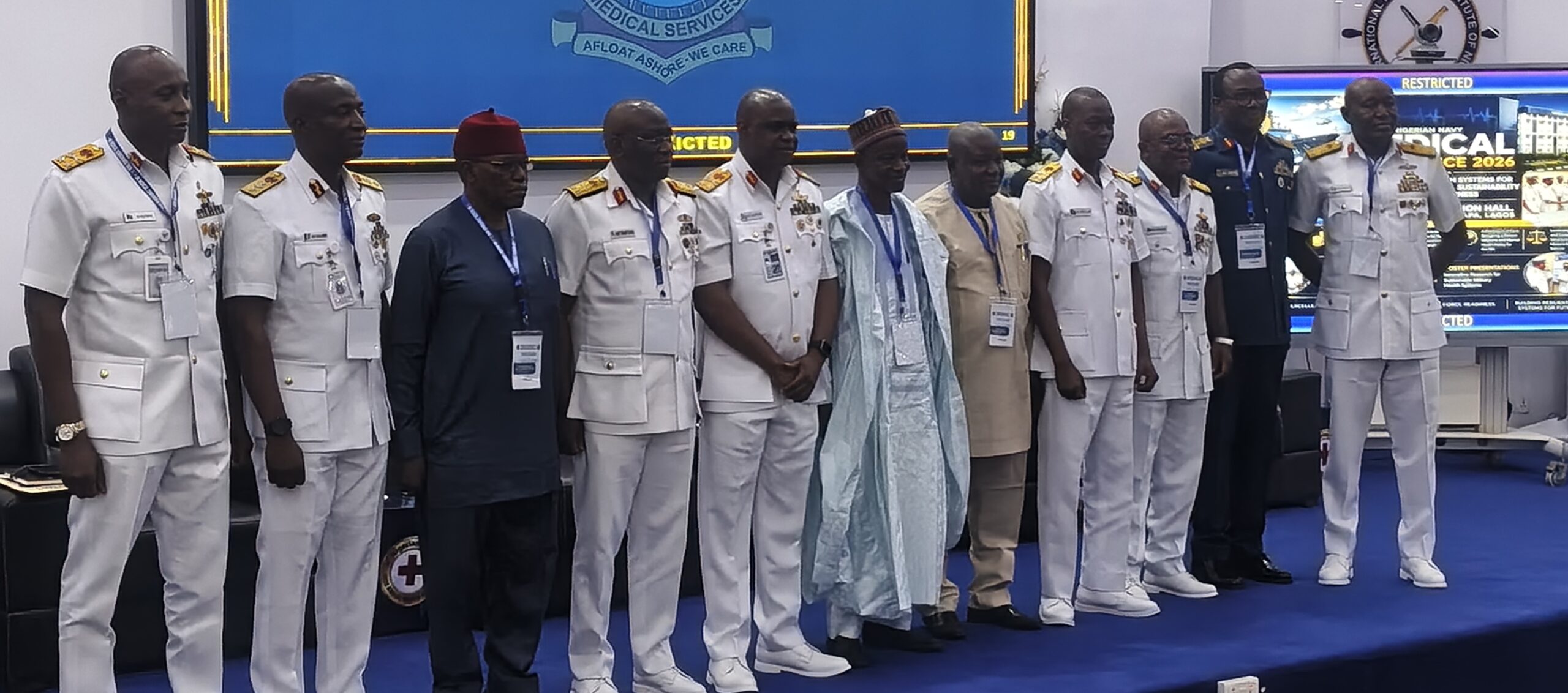
    Speaking at the 2026 Nigerian Navy Annual Medical Conference held at the IMION Auditorium, NNS Quorra, Lagos, the Chief of the Naval Staff, Vice Admiral Idi Abbas, represented by the Chief of Policy and Plans, Rear Admiral Olatunde Olodude, underscored the strategic importance of military healthcare to naval operations.

    He noted that while the Navy’s primary responsibility remains the protection of Nigeria’s maritime domain, the effectiveness of every mission ultimately depends on the health and resilience of personnel.

    According to him, combat readiness is inseparable from medical readiness, making healthcare a critical pillar of operational success and national security.

    The naval chief said the conference was approved without hesitation because the wellbeing of officers, ratings and their families directly influences morale, productivity and mission effectiveness.

    He recalled that as the Nigerian Navy marked its 70th anniversary, the Service had recorded remarkable growth not only in fleet expansion and maritime security operations but also in medical infrastructure and manpower development.

    Tracing the evolution of naval healthcare, he stated that the medical service had grown from two modest sickbays established decades ago into a nationwide network of hospitals, medical centres and specialist facilities equipped to handle complex medical and surgical procedures.

    He added that the Nigerian Navy Medical Services had attained standards comparable to global best practices but acknowledged the need for continuous reforms to sustain progress and close existing gaps.

    The conference, themed “Strengthening the Nigerian Navy Health System for Operational Excellence, Sustainability and Force Readiness,” was designed to generate practical solutions to emerging healthcare challenges within the military environment.

    Vice Admiral Abbas highlighted ongoing investments, including the construction of the Nigerian Navy Reference Hospital in Abuja and the expansion of the Nigerian Navy Reference Hospital in Ojo, Lagos.

    He expressed confidence that the projects would significantly improve access to specialist healthcare services for personnel and their dependants while enhancing the Navy’s overall medical capacity.

    The Chief of Naval Staff tasked participants to develop actionable recommendations on institutional restructuring, healthcare financing, manpower retention and mental health support.

    He stressed the need for innovative funding models capable of sustaining world-class healthcare delivery without imposing excessive financial pressure on the Service.

    Particular attention, he said, should be given to strategies aimed at reducing the growing attrition rate among medical personnel through improved career satisfaction and professional development opportunities.

    He also called for the formulation of a comprehensive veterans and mental health policy that addresses operational stress, post-traumatic stress disorder and burnout among healthcare professionals and serving personnel.

    Earlier, the Director of Medical Services, Surgeon Commodore M.J. Salihu, described the conference as a landmark gathering of healthcare experts, military leaders, researchers and policymakers committed to advancing military medicine.

    Salihu disclosed that the Nigerian Navy Medical Services had expanded from two sickbays in 1963 to a robust healthcare network comprising reference hospitals, hospitals, medical centres, a medical training school and numerous shore based and afloat medical facilities.

    According to him, the medical branch currently boasts 356 officers, including 64 consultants, alongside 2,633 medical ratings deployed across the country.

    He said the growth has enabled the Navy to provide quality healthcare not only to serving personnel and their families but also to civilians within areas of operation.

    The Director of Medical Services noted that the conference would examine key issues such as institutional autonomy, sustainable health financing, workforce retention, veterans welfare, ethical leadership and psychological wellbeing.

    He described a strong healthcare system as a strategic force multiplier that directly contributes to combat effectiveness, mission success and national security.

    A major highlight of the conference was the vigorous debate on granting greater autonomy to the Nigerian Navy Medical Services.

    The Flag Officer Commanding Western Naval Command, Rear Admiral Abubakar Mustapha, argued that enhanced autonomy would improve efficiency, strengthen accountability and provide medical institutions with the resources needed to meet growing demands.

    He advocated legislation that would grant military medical services direct budgetary access, similar to specialised commands within the Armed Forces, while maintaining strong oversight mechanisms.

    Mustapha said greater financial independence would enable hospitals to upgrade facilities, support specialist training and reduce pressures that often affect healthcare delivery.

    Drawing comparisons with leading military medical institutions abroad, he maintained that autonomy remains critical to building a resilient and responsive healthcare system.

    Also contributing to the discussion, the Commander of the Maritime Guard Command at the Nigerian Maritime Administration and Safety Agency, Commodore Reginald Adoki, said the Navy’s medical branch had long surpassed the benchmarks required for institutional independence.

    He observed that the expansion of facilities, specialist manpower and healthcare responsibilities over the past two decades had strengthened the case for elevating the medical service into a fully recognised branch within the Navy structure.

    Adoki, however, urged stakeholders to carefully consider the nomenclature and organisational implications of such reforms to ensure alignment with naval traditions and administrative realities.

    The Chief of Administration at Naval Headquarters, Rear Admiral Jonathan Mamman, expressed support for greater autonomy but insisted that the medical branch must first strengthen its internal structure.

    He called for the establishment of specialised directorates covering areas such as aviation medicine, pharmaceutical sciences, nursing services and occupational health to support a more comprehensive institutional framework.

    Mamman maintained that the medical service had reached a stage where it could evolve into a stronger and more independent professional branch capable of driving healthcare innovation across the Navy.

    Participants agreed that the future effectiveness of the Nigerian Navy would depend not only on ships and weapons but also on a resilient healthcare system capable of protecting the physical and mental wellbeing of personnel.

    As deliberations continue, expectations remain high that the conference will produce far-reaching recommendations capable of transforming military healthcare, improving force readiness and positioning the Nigerian Navy Medical Services among the leading military health systems in Africa.
  • Hidden Rice, Illicit Drugs, Tyres: Ogun Customs Uncovers N4.6bn Contraband Haul

    Hidden Rice, Illicit Drugs, Tyres: Ogun Customs Uncovers N4.6bn Contraband Haul

    The Ogun I Area Command of the Nigeria Customs Service (NCS) has intensified its crackdown on smuggling, recording major seizures worth over N4.6 billion while significantly boosting government revenue in the second quarter of 2026.

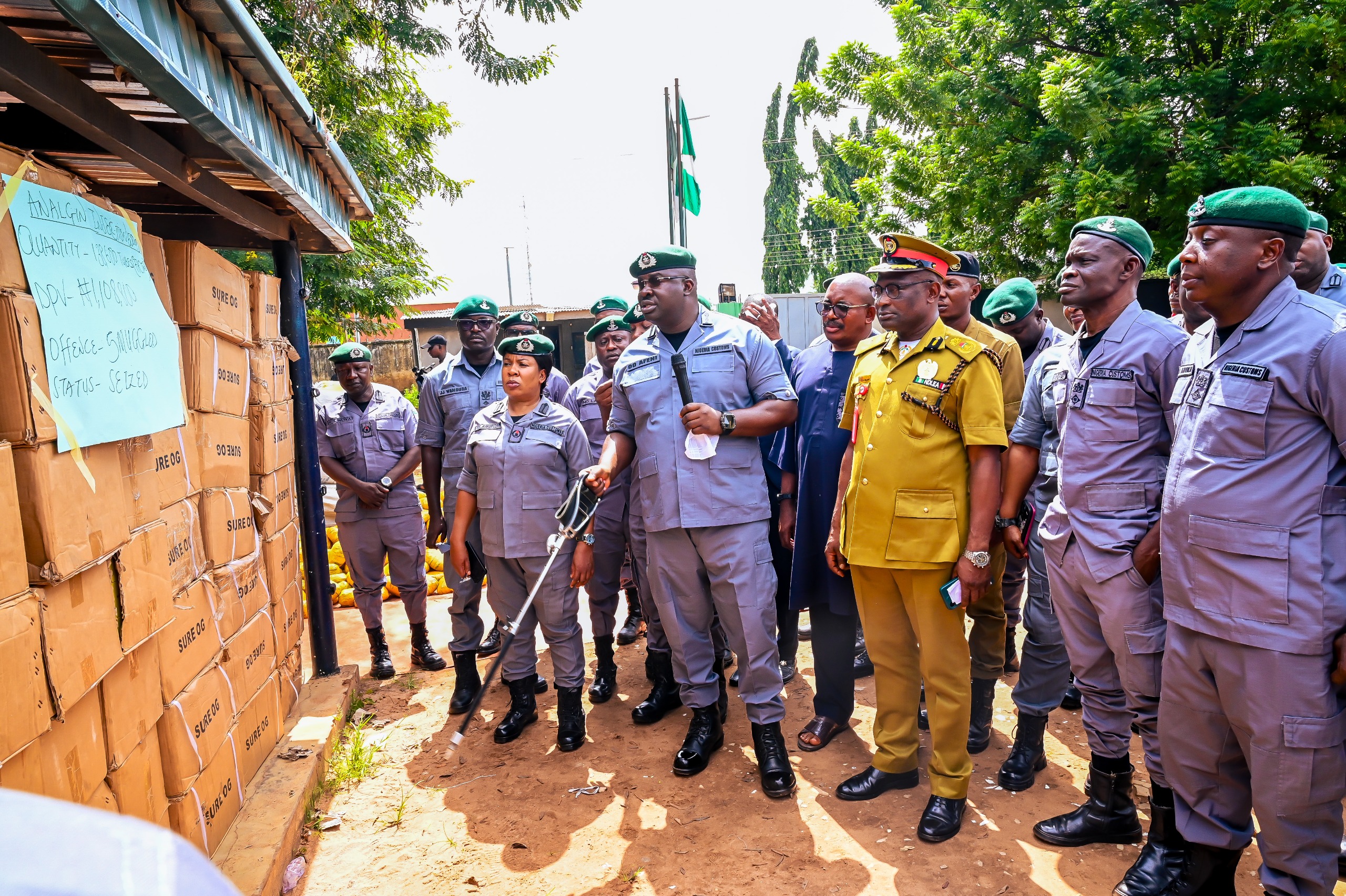
    Addressing journalists at Idiroko on Wednesday, the Acting Customs Area Controller, Deputy Comptroller Oladapo Afeni, said the command’s operations between April 1 and June 23 reflected a renewed commitment to border security, trade facilitation and economic protection.

    Afeni disclosed that the command generated N259.3 million from baggage assessments, auction sales of perishable items, petroleum products and other statutory charges during the review period.

    The figure represents a sharp increase from the N76.8 million collected during the corresponding period in 2025, translating to a revenue growth of 238 percent.

    According to him, the improvement was driven by stricter compliance enforcement, enhanced monitoring of import and export activities, and greater adherence by traders to established customs regulations.

    Beyond revenue generation, the command intensified anti-smuggling operations across key border corridors in Ogun State, leading to the interception of prohibited goods and dangerous substances capable of harming lives and undermining the economy.

    In total, Customs recorded 146 seizures during the period, including foreign parboiled rice, cannabis, petroleum products, footwear, second-hand clothing, used tyres, pharmaceuticals and other contraband items.

    One of the most notable interceptions occurred on June 3 when Customs operatives stopped a truck disguised with a “For Sale” inscription along the Ijebu-Ode axis. A detailed inspection revealed 2,427 smuggled pneumatic tyres hidden inside the vehicle.

    Afeni noted that the seizure was particularly important because the influx of substandard and used tyres poses serious risks to motorists, often contributing to road accidents, tyre blowouts and avoidable fatalities on Nigerian highways.

    Another major operation was carried out on June 16 along the Itori-Wasimi-Abeokuta route, where officers intercepted a truck loaded with 113 bags of foreign rice concealed beneath bags of cement.

    The driver reportedly ignored orders to stop and allegedly attempted to endanger officers by driving aggressively before he was eventually apprehended. Investigations are ongoing ahead of prosecution.

    In a separate operation, Customs intercepted another truck carrying 630 bags of foreign rice along the Afamin-Igbogila axis, reinforcing concerns over the continued smuggling of food products through illegal border routes.

    Afeni warned that unchecked importation of foreign rice and other prohibited goods threatens local industries, discourages domestic investment and weakens efforts to create jobs for thousands of young Nigerians.

    The command’s seizure profile also included 2,807 bags of foreign rice, 9,482 parcels of cannabis sativa, 62 sacks of raw marijuana, 16,525 litres of Premium Motor Spirit, 475 litres of diesel, 7,642 pairs of footwear, 63 sacks of sugar and 73 bales of used clothing.

    Other items intercepted were imported flour, frozen products, fertiliser, a used vehicle and tramadol tablets, all brought into the country in violation of extant laws and border regulations.

    The cumulative Duty Paid Value of the seized goods stood at N4.63 billion, underscoring the scale of economic sabotage Customs officers are confronting daily along the border.

    On export trade, the command recorded a significant turnaround, facilitating the movement of 20,972 metric tonnes of export commodities with a Free on Board value exceeding N1.04 billion. Exported products included white talc, crushed thermal coal and compressed natural gas products.

    Afeni described the development as a positive signal for non-oil exports and cross-border trade, especially as the command recorded no export activity during the same period in 2025.

    The controller also highlighted the importance of coordinated border security operations involving Customs, the Nigeria Police Force, the Department of State Services, the Nigeria Immigration Service, the National Drug Law Enforcement Agency, the Nigeria Security and Civil Defence Corps and their counterparts in the Republic of Benin.

    As part of ongoing inter-agency collaboration, the command handed over 6,981 parcels of cannabis and 62 sacks of raw marijuana to the NDLEA, while consignments of Analgin injections and tramadol tablets were transferred to NAFDAC for further investigation and regulatory action.

    Afeni stressed that behind every seizure lies a larger public interest. He noted that the fight against smuggling is not merely about confiscating goods but about protecting legitimate businesses, safeguarding public health, preserving jobs, reducing criminal activities and ensuring that Nigeria’s borders do not become channels for dangerous products capable of endangering communities.

    He therefore called on border residents, traders and stakeholders to support Customs through intelligence sharing and compliance with trade regulations, describing collective vigilance as essential to national economic growth and security.

  • Nigerian Navy Assures Stronger Media Collaboration As DECAN Calls For Wider Operational Access

    Nigerian Navy Assures Stronger Media Collaboration As DECAN Calls For Wider Operational Access

    The Defence Correspondents Association of Nigeria (DECAN) has called for stronger institutional collaboration with the Nigerian Navy, urging greater opportunities for journalists to be embedded in naval operations, exercises and strategic maritime engagements to enhance accurate and informed security reporting.

    According to a statement signed by Matthew Abi, Public Relations Officer of the Defence Correspondents Association of Nigeria (DECAN). The appeal was made on Tuesday during a courtesy visit by the newly elected DECAN executive members to the Directorate of Naval Information in Abuja.

    Leading the delegation, DECAN President, Odita Sunday, said the visit was aimed at strengthening the long-standing relationship between defence correspondents and the Nigerian Navy while deepening cooperation in national security communication.

    Odita said defence correspondents play a vital role in bridging the information gap between the military and the public, noting that many of the Navy’s operational achievements often receive limited attention because journalists have insufficient access to military activities.

    He urged the Navy to sustain and expand journalist-embedding programmes, particularly for Abuja-based correspondents, stressing that such opportunities provided first-hand insight into the realities and challenges faced by military personnel during operations.

    Drawing from his personal experience, he recalled participating in several naval and multinational exercises, including Exercise Farauta, Exercise Prosperity in the Benin Republic, Obangame Express and naval vessel reception missions.

    “These exposures have helped me appreciate the military more because I have seen what they go through. It becomes easier to report accurately and responsibly when you understand the realities on the ground,” he said.

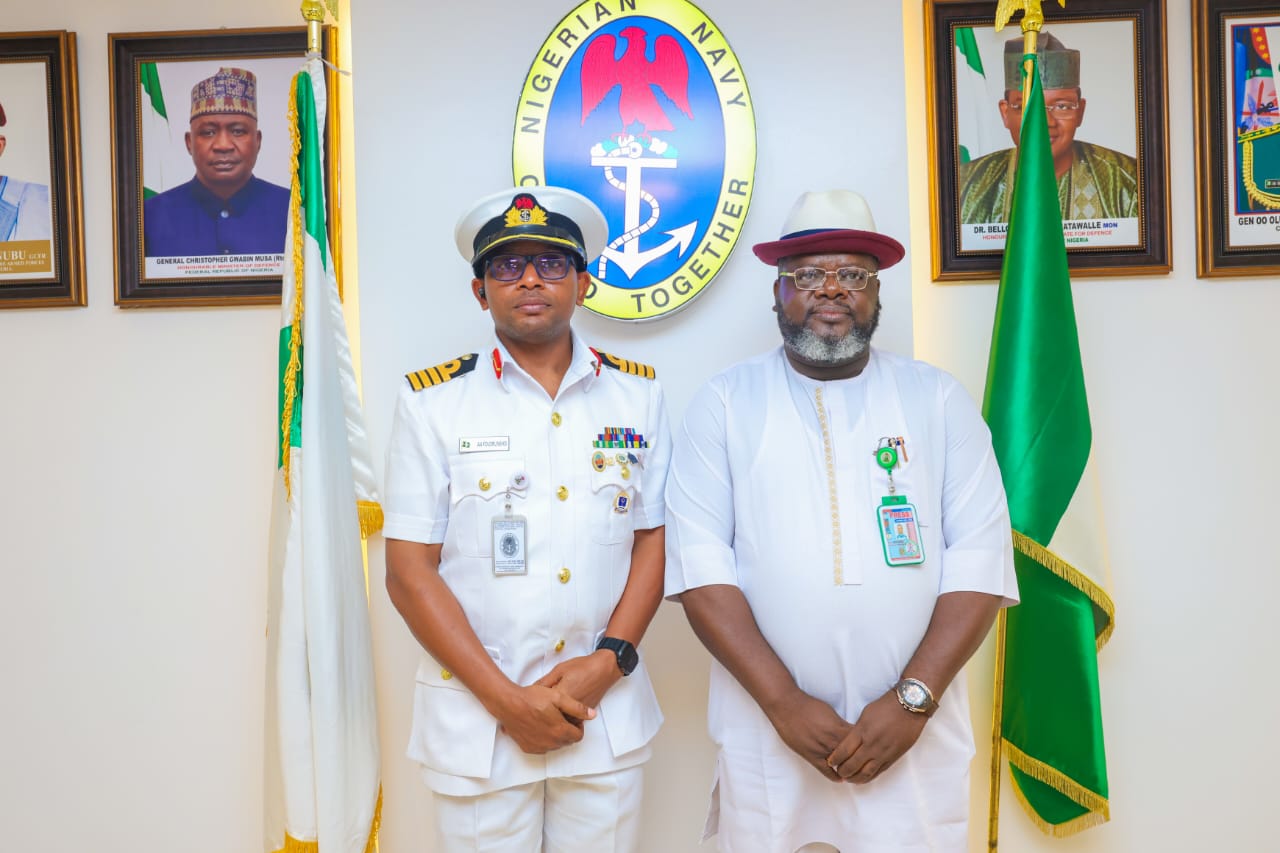
    Responding, the Director of Naval Information, Navy Captain Abiodun Folorunsho, congratulated the newly elected DECAN executives and described defence correspondents as indispensable partners in shaping public understanding of military operations.

    He commended their professionalism and reaffirmed the Navy’s commitment to maintaining a productive working relationship with the media.

    Folorunsho noted that the Navy had previously embedded journalists in maritime exercises and multinational operations, and acknowledged concerns about broader participation.

    He assured that efforts would be made to improve inclusiveness, especially as the Navy prepares for upcoming regional maritime engagements involving several West African countries.

    Folorunsho also disclosed plans to strengthen informal engagement with journalists through periodic interactions and encouraged reporters to seek clarification whenever concerns arise.

  • Fidelity Bank Empowers Exporters To Unlock AfCFTA Opportunities with EMP 19

    Fidelity Bank Empowers Exporters To Unlock AfCFTA Opportunities with EMP 19

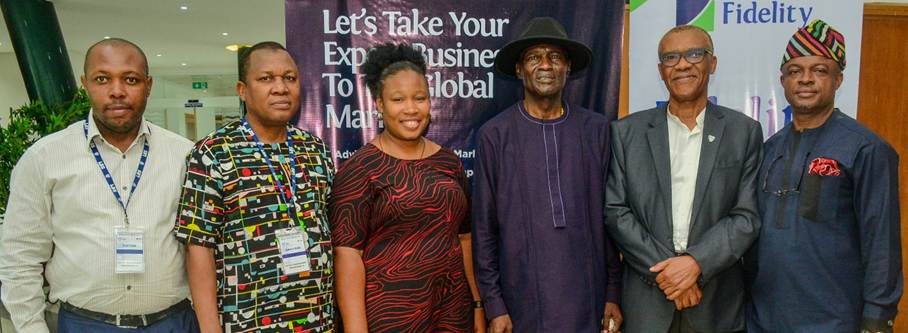
    Fidelity Bank Plc has reaffirmed its commitment to supporting Nigeria’s economic diversification agenda through capacity building and export development, as it hosted the 19th edition of its Export Management Programme (EMP) at the Lagos Business School (LBS), Ajah, Lagos recently.

    Tagged EMP 19, the programme is an intense hands-on export management workshop, organized as a partnership between Fidelity Bank, Lagos Business School and Nigerian Export Promotion Council, brought together entrepreneurs, professionals, regulators and aspiring exporters for intensive training designed to equip participants with the knowledge, skills and networks required to compete successfully in international markets.

    Speaking at the closing ceremony, Divisional Head, Export and Agriculture, Fidelity Bank Plc, Isaiah Ndukwe, said the bank remains focused on empowering Nigerian businesses to leverage emerging opportunities under the African Continental Free Trade Area (AfCFTA) and expand the country’s non-oil export base.

    “At Fidelity Bank, we recognize that capacity building is critical to unlocking Nigeria’s export potential. Through the Export Management Programme, we are equipping businesses with practical knowledge, market intelligence and strategic insights required to compete successfully in regional and global markets,” Ndukwe said.

    “As AfCFTA continues to open new frontiers for trade across Africa, our goal is to ensure that Nigerian exporters are adequately prepared to seize these opportunities and contribute meaningfully to the country’s economic diversification agenda,” he added.

    Nwalor further noted that the bank remains committed to providing exporters with the financial solutions, advisory support and strategic partnerships necessary to expand their businesses beyond Nigeria’s borders.

    Also speaking, Director of the Export Management Programme at Lagos Business School, Professor Frank Ojadi, highlighted the need for continuous capacity development as international trade continues to evolve.

    “The export market is always evolving. There are changes in policies, improvements in processes and increasing interest from businesses. These developments make it necessary to build the capabilities of our people to compete effectively in export markets,” Ojadi said.

    According to him, this year’s programme placed significant emphasis on AfCFTA, exposing participants to both the fundamentals and practical aspects of leveraging the continental trade agreement for business growth.

    “Many businesses are still learning how to take advantage of AfCFTA. Through this programme, participants gained practical insights that will help them navigate opportunities across African markets and beyond,” he added.

    In his remarks, Senior Fellow and Head of the Department of Organisational Behaviour and Human Resources Management at Lagos Business School, Dr. Uche Attoh, emphasized the importance of negotiation and dispute resolution skills in international trade.

    “It is negotiation that enables businesses to establish deals, while arbitration helps resolve disputes when they arise. Once participants understand the principles, they can apply them in any business environment, whether in Africa, Europe or America,” Attoh said.

    Participants described the programme as impactful and transformative. Assistant Director at the Nigerian Shippers’ Council, Obinna Oforum, said the training strengthened his resolve to become an “export champion”.

    Similarly, Chief Superintendent of Customs, Orji Samuel, praised Fidelity Bank and Lagos Business School for subsidizing the programme and creating an enabling platform for practical learning, noting that the knowledge gained would help participants navigate export challenges and unlock new business opportunities.

    The Export Management Programme is Fidelity Bank’s flagship capacity-building initiative aimed at developing export-ready businesses and professionals capable of driving Nigeria’s non-oil export growth. Through strategic partnerships and targeted interventions, the Bank continues to play a leading role in supporting businesses, facilitating trade and creating pathways for sustainable economic development.

    Ranked among the best banks in Nigeria, Fidelity Bank Plc is a full-fledged Commercial Deposit Money Bank serving more than 10 million customers through digital banking channels, its 255 business offices in Nigeria and United Kingdom subsidiary, FidBank UK Limited.

    The Bank is a recipient of multiple local and international awards, including the 2025 Development Bank of Nigeria (DBN) Innovation Award for MSME support; Best Retail and SME Bank Award from Independent Newspapers; Best Bank for Export & Trade Finance and Most Innovative Bank of the Year at the 2025 BusinessDay Banks and Financial Institutions (BAFI) Awards; and Nigeria’s Best Private Bank at the 2025 Euromoney Awards. The Bank also received the inaugural Most Improved Commercial Bank of the Year award by Nairametrics, the SME Bank of the Year award by NewsDirect, and the Straight-Through Processing (STP) Excellence Award by Citi Group, in addition to recognition by Global Brands Magazine for Excellence in Community Empowerment.

  • NIWA Backs Major Waterways Clean Up Initiative to Enhance Navigation Safety, Blue Economy

    NIWA Backs Major Waterways Clean Up Initiative to Enhance Navigation Safety, Blue Economy

    In a landmark move aimed at addressing the growing environmental challenges confronting Nigeria’s inland waterways, a multisectorial indigenous Environmental company, Parts Central Limited has been mandated to provide strategic oversight and implementation support for a comprehensive clean-up initiative designed to restore the nation’s waterways and to enhance their economic potential. The project, initiated during the administration of the immediate past Managing Director of the National Inland Waterways Authority (NIWA), Asiwaju Bola Oyebamiji, represents a major step towards achieving a cleaner, safer, and more investment-friendly inland waterways ecosystem in Nigeria.

    The initiative is expected to tackle the persistent problems of waste pollution, indiscriminate dumping of refuse, oil spillage and environmental degradation across Nigeria’s vast inland waterways through a structured and sustainable approach.

    The project will delibrately identify major sources of pollution, facilitate systematic waste removal, and promote innovative waste-to-wealth solutions capable of creating employment opportunities for communities situated along the waterways.

    Beyond environmental restoration, the project is designed to improve navigational safety by removing obstacles that hinder the smooth movement of vessels and other watercraft. It is also expected to support the conservation of aquatic resources, strengthen the fisheries value chain, and contribute significantly to the realization of the Federal Government’s Renewed Hope Agenda of President Bola Ahmed Tinubu for the Marine and Blue Economy sector.

    As part of its broader objectives, the initiative seeks to reposition Nigeria’s inland waterways as attractive destinations for local and foreign investment by promoting environmental sustainability and enhancing the overall efficiency of water transportation.

    Stakeholders believe that cleaner waterways will stimulate economic activities, encourage tourism, boost commerce, and unlock the enormous untapped potential within the nation’s blue economy.

    Speaking on the forthcoming rollout of the project, the Managing Director of the PartCentral, Henry Olaoluwa Onifade, assured Nigerians that every aspect of the programme would be professionally executed to deliver lasting results. He noted that the initiative marks a historic intervention in the management of Nigeria’s inland waterways and reaffirmed the commitment of the project team to ensuring transparency, sustainability, and measurable environmental impact.

    Onifade further called on government agencies, private sector operators, host communities, environmental groups, and all stakeholders within the maritime sector to support the initiative, stressing that collective participation would be crucial to its success. He expressed confidence that with sustained collaboration, Nigeria would soon witness cleaner, safer, and more productive inland waterways, setting a new benchmark for environmental stewardship and waterway management in the country.

  • Tension at UNN Over Arrest of Teachers Following PDP Campaign Engagement in Nsukka

    Tension at UNN Over Arrest of Teachers Following PDP Campaign Engagement in Nsukka

    Three teachers of the University of Nigeria Secondary School, Nsukka, Mr. Lawrence Oko, popularly known as “Uncle Law,” Mr. Oko, a Civic Education teacher; and Hon. Chinedu Ezenwa, were reportedly arrested by security personnel of the University for alleged political meeting involving members of the Peoples Democratic Party (PDP) in the state.

    The incident allegedly occurred on the evening of June 15, 2026, shortly after PDP campaign officials concluded an engagement ahead of the June 20 Enugu North Senatorial District by-election.

    According to sources, the PDP candidate in the election, Dr. Nestor Ezeme was accompanied by Chief Uche Geoffrey Nnaji, the PDP governorship candidate for the 2027 election in Enugu State.

    The university management was said to be against allowing the PDP meeting within the university community.

    Witnesses claimed that UNN security personnel arrived at the venue shortly after the campaign team departed and attempted to identify those who organized the meeting. Mr. Oko, a Civic Education teacher at the school, was subsequently taken into custody by the security operatives.

    Sources further alleged that the teacher was asked to write a statement while in custody, although the content of the statement could not be independently verified as of the time of filing this report.

    Some staff members questioned the rationale behind the arrest, noting that political parties have previously visited various sections of the university community to interact with staff and students without similar incidents being reported.

    There were also claims that one of the security personnel described Chief Uche Nnaji as “an enemy of the university,” a statement that could not be independently confirmed.

    Meanwhile, another staff member, Hon. Chinedu Ezenwe, was reportedly invited to appear before the university’s security department on June 16 to provide information regarding the circumstances surrounding the invitation extended to Dr. Ezeme and his campaign team.

    Sources familiar with the matter maintained that the meeting was held outside the premises of the University of Nigeria Secondary School and that approval had been obtained from the relevant school authorities before the event took place.

    It was gathered that some security guards in the university were allegedly detailed to monitor the movement of both the PDP gubernatorial candidiate, Nnaji, and the senatorial aspirant with a view to throwing them into their undergeound cell without police involvement.

    Police sources said the plan was blown open after detectives attached to Nsukka Area Command took swift action aimed at arresting the university security men and all those involved in the clandestine plan.

    The university security men reportedly escaped narrowly and hid inside the campus while negotiations commenced with the university authority to make peace with the police.

    Some members of the university community have called for an investigation into the actions of the security personnel involved and demanded the immediate release of the teacher if no offense is established against him.

    As of the time of filing this report, the University of Nigeria management and the university’s security department had not issued an official statement on the incident.

  • Unsafe Farming Practices Fuel Rising Foodborne Diseases in Nigeria, Says Garuba

    Unsafe Farming Practices Fuel Rising Foodborne Diseases in Nigeria, Says Garuba

    Following a recent report on foodborne illnesses by the Minister of State for Health and Social Welfare, Dr. Iziaq Salako, the founder of Voice of the Farmers, Afeez Olumide Garuba, has expressed deep concern over the root causes of food poisoning in Nigeria. Garuba attributed the rising menace to a critical lack of education and awareness among local farmers regarding safe agricultural practices.

    According to the Minister, unsafe food accounts for more than 53,000 deaths annually, with an estimated 50 million people suffering from food-related diseases. These staggering figures have sparked critical concerns over current food storage practices, preservation methods, and regulatory oversight.

    ​Speaking on Villa Square, a special segment of Cr8tive 9ja, the popular weekly tourism and cultural magazine program anchored by veteran tourism journalist Frank Meke and Bunmi Bade-Adeniji on Mainland 98.3 FM, Lagos, agricultural expert Afeez Olumide Garuba stated that these numbers reflect a harsh reality confronting Nigeria’s food market. Garuba highlighted several factors driving the high fatality rate, noting that public discourse heavily favors food security over food safety.

    ​”Many people focus on food security rather than food safety,” Garuba observed.

    “When food issues make the news, the conversation is almost always about failing to achieve food security, while food safety is ignored. True food safety spans from farm to table. To achieve it, farmers, logistics providers, processors, and the government must all play their respective roles across the supply chain.”

    ​Garuba raised specific concerns regarding agricultural production, pointing to the improper application of fertilizers and chemical treatments by some farmers.

    ​”There are established guidelines for applying fertilizer to ensure a healthy crop yield,” he explained.”

    However, many farmers mishandle this process. We face significant issues with chemical residues in our food, particularly in vegetables. When fertilizers or pesticides are sprayed, there is a mandatory ‘withdrawal period’, a timeframe during which the chemicals must naturally break down before harvest.”

    ​He added, “Unfortunately, due to greed and unprofessionalism, some farmers harvest their crops prematurely and rush them to the market. Unsuspecting consumers purchase these items, unknowingly ingesting dangerous chemicals that lead to severe illness.”

    ​According to Garuba, this dangerous trend extends to livestock farming. He noted that many farmers inject livestock with medications or chemicals and fail to observe the required withdrawal periods before sale. He emphasized that farmers bear significant responsibility for these failures.

    ​”Our goal is to create robust awareness around food safety in Nigeria, moving beyond just food security. We are actively sensitizing farmers on proper storage and handling,”

    Garuba said. “A few years ago, the federal government introduced a fertilizer application guide utilizing the ‘Four Rs’: the Right source, the Right time, the Right place, and the Right rate. These principles empower farmers with essential knowledge.”

    ​Garuba also noted that improper chemical use carries economic consequences for producers. “It is not just about food poisoning; it is also about cost. When a farmer applies excessive fertilizer hoping to force rapid growth, they are indirectly losing money. Many farmers simply lack the proper training, and ultimately, it is the consumers who pay the price with their health.”

    ​He urged the government, non-governmental organizations (NGOs), and other agricultural stakeholders to collaborate on widespread educational campaigns for farmers. He also called on regulatory bodies to strictly enforce food quality standards, stressing that “food safety is everybody’s business.”

    ​Award-winning tourism journalist Frank Meke, emphasized the urgent need for structural policy adjustments and proactive government intervention.

    Meke warned that the worsening food poisoning crisis poses a severe threat to the country’s younger generations.

    ​In his final note, Garuba cautioned against an over-reliance on food imports. While recommending that the country look inward to achieve sustainability in food safety, he lamented that Nigerians often undervalue their local agricultural potential.

  • Adeniyi Commends Authors for Chronicling Customs Success, Maritime Sector Transformation

    Adeniyi Commends Authors for Chronicling Customs Success, Maritime Sector Transformation

    The Nigeria Customs Service has reaffirmed its pivotal role in national economic development, with Comptroller-General Bashir Adewale Adeniyi MFR declaring that reforms within the Service have strengthened trade facilitation, revenue generation, and maritime governance.

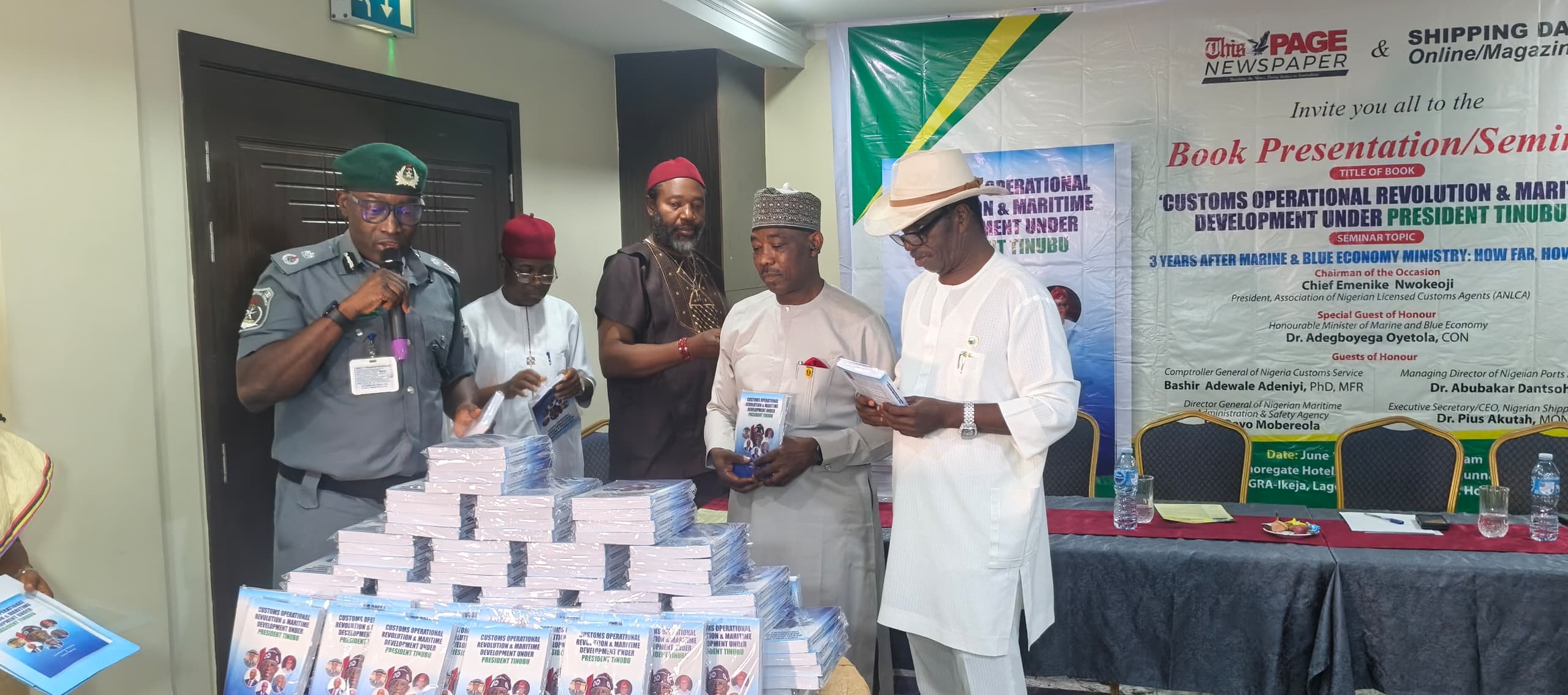
    Represented by Comptroller C.C. Nwokorie at the launch of the book “Customs Operational Revolution & Maritime Development Under President Tinubu”, Adeniyi praised the authors, Chief Timothy Okorocha and Mr. Francis Ugwoke, for their commitment to documenting vital institutional milestones.

    Adeniyi stressed the importance of knowledge and documentation, noting: “Documentation is critical to institutional growth. When reforms are properly documented, future generations can learn from them, policymakers can build upon them, and stakeholders can objectively assess their impact.” He explained that Customs’ improved revenue performance and anti-smuggling successes were anchored on six pillars: technology and automation, intelligence-led operations, stakeholder engagement, leadership and accountability, inter-agency collaboration, and trade facilitation reforms.

    Speaking further, the Customs Service boss said: “The remarkable revenue growth and anti-smuggling successes recorded by the Nigeria Customs Service under CGC Bashir Adewale Adeniyi can largely be attributed to visionary leadership, technology-driven reforms, intelligence-led enforcement, stakeholder engagement, and stronger inter-agency collaboration. Nothing gives energy to strategy like synergy.”

    In his welcome address, co-author Chief Timothy Okorocha explaining the motivation behind the book said: “Today is not merely about launching a book. It is also about reflection, documentation, and thoughtful engagement with a sector that remains central to Nigeria’s economic aspirations.” He emphasized that the work situates Customs reforms within the wider maritime ecosystem, examining the roles of agencies such as NIMASA, NPA, NSC, CRFFN, NIWA, and the Maritime Academy of Nigeria.

    Okorocha added: “We observed many important developments that deserved to be preserved beyond newspaper headlines and daily reportage. We felt strongly that there was a compelling need to document these institutional journeys—not merely as events of the moment, but as part of the enduring historical and intellectual record of our nation.”

    Cerebral Customs chief, DCG Dera Nnadi mni (Rtd), who reviewed the book escribed the work as “rich in industry content context, and a veritable reference material for scholarly engagement,” recommending it as a useful companion for customs personnel and stakeholders across the maritime sector. He emphasized that the book goes beyond reportage, documenting milestones and policy initiatives that have significantly shaped the industry in the past three years.

    His words: “Customs Operational Revolution and the Development of the Maritime Industry under President Tinubu” by Timothy Okorocha and Francis Ugwoke is a timely and consequential work that chronicles the transformation of the Nigeria Customs Service within Tinubu’s reform era. Drawing on deep institutional memory, the authors situate today’s modernization drive in a historical continuum, from colonial revenue collection to digitized enforcement — showing Customs as a pillar of Nigeria’s fiscal sustainability and trade competitiveness.

    “The book highlights the symbolic and transformative leadership of Comptroller-General Bashir Adewale Adeniyi, emphasizing reforms in meritocracy, human capital development, staff welfare, and stakeholder engagement. It underscores digital transformation as a strategic necessity, linking Customs modernization to maritime efficiency, port competitiveness, and Nigeria’s positioning in AfCFTA.

    “While celebratory in tone, the authors also invite critical reflection, noting persistent challenges such as port congestion, logistics inefficiencies, and infrastructure deficits. Ultimately, the book stands as both documentation and debate material — a reminder that Customs reform is central to Nigeria’s economic future.”

    The seminar, themed “Three Years After Marine and Blue Economy Ministry: How Far, How Well?”, invited reflection on Nigeria’s progress in harnessing maritime resources. Adeniyi described the creation of the Ministry of Marine and Blue Economy as a strategic decision by President Tinubu, aimed at unlocking Nigeria’s maritime potential for economic diversification, job creation, and sustainable development.

    Goodwill messages from industry leaders including Dr. Boniface Aniebonam, founder of NAGAFF, represented by Chief Uche Increase, Secretary of the Customs Consultative Council, Fwrd. Eugene Nweke and AREFFN President, Frank Obiekeze, praised the authors for going beyond reportage to document reforms that have “upscaled the basket of achievements” in recent years.

    The Lagos launch was hailed not only as a literary milestone but also as a call to action for sustained documentation, dialogue, and collaboration. As Adeniyi reaffirmed: “The Nigeria Customs Service remains committed to securing our borders, facilitating trade, and supporting government initiatives aimed at promoting sustainable economic growth.”

  • St. Jude Girls Secondary School, Bayelsa, and King Amakree Academy, Rivers, Win MILO Atlantic Conference Titles

    St. Jude Girls Secondary School, Bayelsa, and King Amakree Academy, Rivers, Win MILO Atlantic Conference Titles

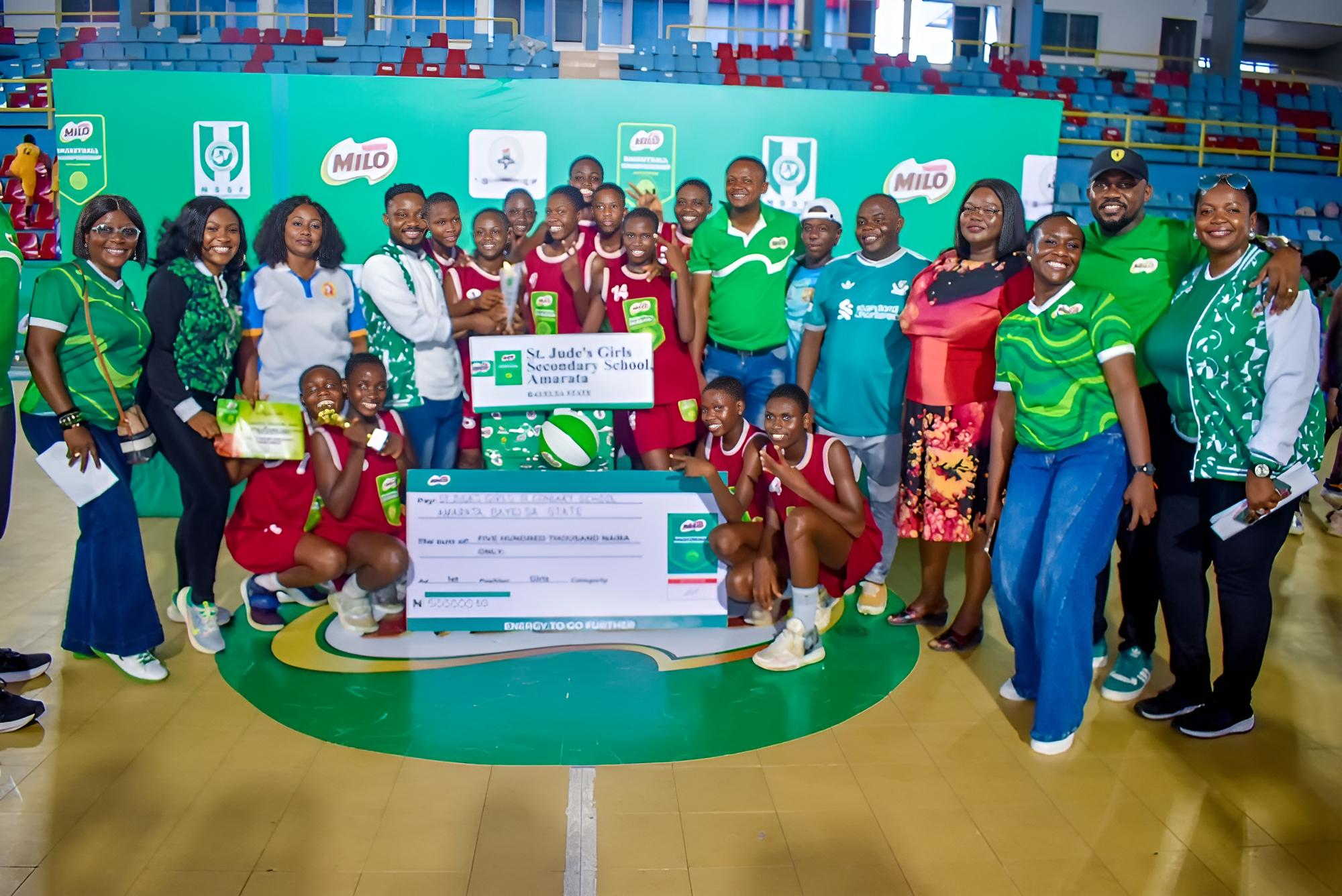
    The road to the 26th MILO Basketball Championship National Finals continued with the successful conclusion of the Atlantic Conference, the third regional conference of the championship, held at the Stephen Keshi Stadium, Asaba, Delta State, where St. Jude Girls Secondary School, Amarata, Bayelsa State, and King Amakree Academy, Rivers State, emerged champions in the girls’ and boys’ categories respectively.

    According to a statement issued by Lois Nweke, Corporate Communications and Public Affairs Specialist, St. Jude Girls Secondary School, Amarata, Bayelsa State, and King Amakree Academy, Rivers State, emerged champions of the girls’ and boys’ categories respectively at the Atlantic Conference of the 26th MILO Basketball Championship held in Asaba, Delta State.

    The statement noted that the championship continues to serve as a platform for nurturing young talents, promoting discipline, teamwork, resilience and leadership among students across Nigeria. It added that the victorious schools have secured places at the National Finals scheduled to hold on July 2, 2026, at the National Stadium, Surulere, Lagos, where they will compete against champions from other regional conferences for national honours.

    For 26 years, MILO has remained committed to youth development through school sports, using basketball as a platform to inspire discipline, teamwork, resilience and confidence among young people. This year, over 13,000 schools applied to participate in the MILO Basketball Championship nationwide, reflecting the continued growth and relevance of the platform.

    Nine schools in each category competed with passion and determination for a place at the National Finals, with only the regional champions advancing to the next stage of the competition. At the end of the contest, St. Jude Girls Secondary School emerged champions in the girls’ category after defeating Urhobo College 46–25, while King Amakree Academy secured the boys’ title with a hard-fought 47–44 victory over Urhobo College.

    The opening address was delivered by the Category Manager, MILO, Nestlé Nigeria Plc, Mr. Gilbert Tweneboah-Koduah, who highlighted the role of the championship in inspiring young athletes to pursue excellence beyond the game.

    “Every game played at this championship reminds us of the courage, determination and promise that exist in our young people. These students are not only competing for medals; they are learning to believe in themselves, to work as a team, and to rise above challenges. At MILO, we are proud to continue supporting a platform that helps young people turn their passion into purpose,” he said.

    In the girls’ category, Anthonia Obokawe of St. Jude Girls Secondary School, Amarata, Bayelsa State, was named Most Valuable Player. Wearing jersey number 4, she contributed 12 points out of her team’s 46 points, playing a key role in their victory.

    In the boys’ category, Edmund Hart of King Amakree Academy, Rivers State, was named Most Valuable Player after delivering an outstanding performance, contributing 22 points out of their team’s 47 points.

    The event was attended by dignitaries from the Delta State Ministry of Education, as well as representatives from NSSF, NCSF and FIBA.

    The journey to the 26th MILO Basketball Championship National Finals has progressed through key regional stages across the country.

    From the Savannah Conference, where Government Secondary School, Zing, Taraba State, emerged girls’ champions and Family Support Programme Secondary School, Katsina State, won the boys’ category. To the Central Conference, where Government Secondary School, Gboko, Benue State, secured the girls’ title and Father O’Connell Science College, Niger State, emerged boys’ champions. And now to the Atlantic Conference, where St. Jude Girls Secondary School, Bayelsa State, and King Amakree Academy, Rivers State, emerged champions in the girls’ and boys’ categories respectively.

    Attention now turns to the Western Conference, the final regional stage, where winning schools will secure places at the 26th MILO Basketball Championship National Finals scheduled for July 2, 2026, at the National Stadium, Surulere, Lagos.

  • Apapa Customs Records Major Anti Smuggling Victory with Massive Cannabis, Expired Drug Seizure

    Apapa Customs Records Major Anti Smuggling Victory with Massive Cannabis, Expired Drug Seizure

    The Nigeria Customs Service (NCS), Apapa Area Command, has recorded yet another significant breakthrough in its sustained fight against transnational organized crime, illicit trade, threats to national security and public health.

    According to a press release issued by Isah Sulaiman, Chief Superintendent of Customs and Public Relations Officer, Apapa Area Command, on behalf of the Customs Area Controller, Comptroller Emmanuel Oshoba, on June 16, 2026, the Nigeria Customs Service (NCS) Apapa Area Command recorded major enforcement successes with the interception of 1.81 tonnes of Cannabis Sativa, popularly known as Canadian Loud, and the seizure of two containers laden with expired pharmaceutical products valued at over ₦12.78 billion.

    The statement noted that the intelligence driven operations were carried out in collaboration with the National Drug Law Enforcement Agency (NDLEA) and other relevant security agencies as part of ongoing efforts to combat smuggling, protect public health, and safeguard Nigeria’s economy and national security.

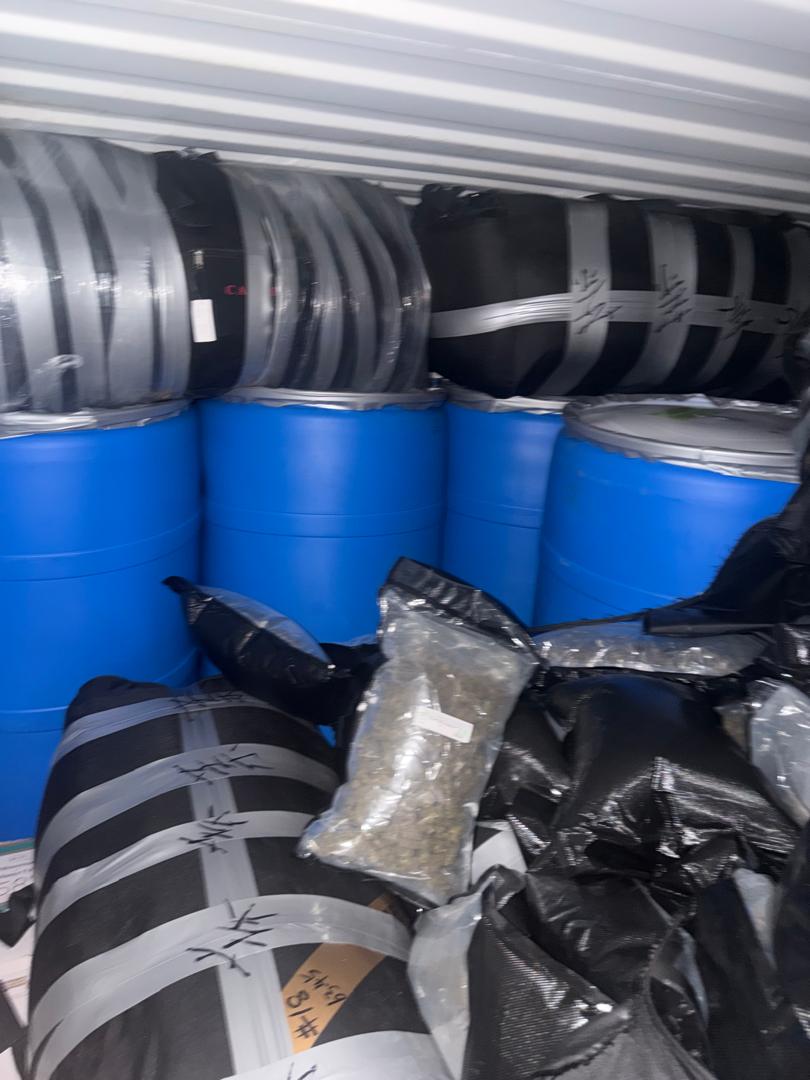
    Acting on credible, actionable intelligence and utilizing advanced risk assessment tools, officers of the Command in collaboration with the National Drugs Law Enforcement Agency (NDLEA), on Monday, 15th June 2026 at about 1200hrs successfully intercepted 1 x 40FT container with number CAAU7569127 conveying a large consignment of Cannabis Sativa, commonly known as “Canadian Loud.” The operation led to the recovery of 3,639 sachets of the illicit substance, with each sachet weighing 500 grams. This brings the total weight to approximately 1,819 kilograms (1.81 tonnes). Preliminary field tests conducted on the substance returned positive results for Cannabis Sativa.

    The drugs were cleverly concealed inside a black Toyota Nissan vehicle, a Toyota Sienna, along with several bags and drums loaded inside the container.This intelligence-driven interception highlights the Command’s enhanced capacity to detect and dismantle sophisticated smuggling networks attempting to exploit Nigeria’s maritime entry points.

    The examination was carried out in collaboration with key security and regulatory agencies.

    In a related development, the Command intercepted 2 x 40FT containers loaded with expired pharmaceutical products illegally imported into the country. Physical examination revealed that the pharmaceutical products have varied expiry date of 2021, 2022 and 2023 which the importers planned to relabel and reintroduce into the Nigerian market, posing serious health risks to unsuspecting consumers.

    The 1 x 40FT with number PCIU8771576 contained expired pharmaceuticals including Cidoxilin Capsules, Cynamine Vitamin B12 Injection and Becoline B-Complex Injection. While, 1 x 40FT container with number MRKU4961275 contained various expired medical products such as Oxytocin Injection, Mexclor Eye Drops, Avomex Tablets, Carbamazepine Tablets, Silymarin Tablets, Nystatin Tablets, Hyoscine Butylbromide Tablets.

    The seized items have a combined Duty Paid Value (DPV) of Twelve Billion, Seven Hundred and Eighty-Four Million, Four Hundred and Seventy-Nine Thousand, Three Hundred and Forty-One Naira, Seventy-Two Kobo (₦12,784,479,341.72k) only. This substantial seizure highlights the scale of the attempted economic sabotage and underscores the unwavering commitment of the Nigeria Customs Service to protecting national security, public health and the Nigerian economy through intelligence-driven enforcement operations.

    These interceptions prevented potentially harmful and ineffective medications from entering hospitals, pharmacies and homes across Nigeria.

    These successes demonstrate that the Apapa Area Command’s enforcement strategy is anchored on intelligence gathering, strategic profiling, data analysis and strong stakeholder collaboration. The Command continues to deploy modern techniques to target high-risk consignments while facilitating legitimate trade in line with the Federal Government’s Ease of Doing Business agenda.

    Commenting on the seizures, the Customs Area Controller (CAC), Apapa Area Command, Comptroller Emmanuel Oshoba warned that “unpatriotic importers and their collaborators who deliberately engage in smuggling, drug trafficking and the importation of expired pharmaceuticals are enemies of Nigeria’s progress. We have the intelligence, the technology and the resolve to identify and apprehend them. Anyone still contemplating these criminal acts should immediately desist, because the consequences will be swift, decisive and uncompromising. Apapa Port will not be used as a conduit for economic sabotage and public health endangerment.”

    Comptroller Oshoba further warns that Apapa Port and all Customs-controlled areas remain under constant surveillance. The entire Officers of the Command remain resolute in protecting the Nigerian economy, safeguarding public health and preventing criminal exploitation of the nation’s borders.

    The CAC reassures all Nigerians of the Command’s commitment to intensifying intelligence-driven operations to protect lives, secure legitimate trade and uphold national security.

error: Content is protected !!