Category: News

  • Olohundare Moshood Jimoh Defends Police Conduct, Signals Crackdown on Erring Taskforce Officers

    Olohundare Moshood Jimoh Defends Police Conduct, Signals Crackdown on Erring Taskforce Officers

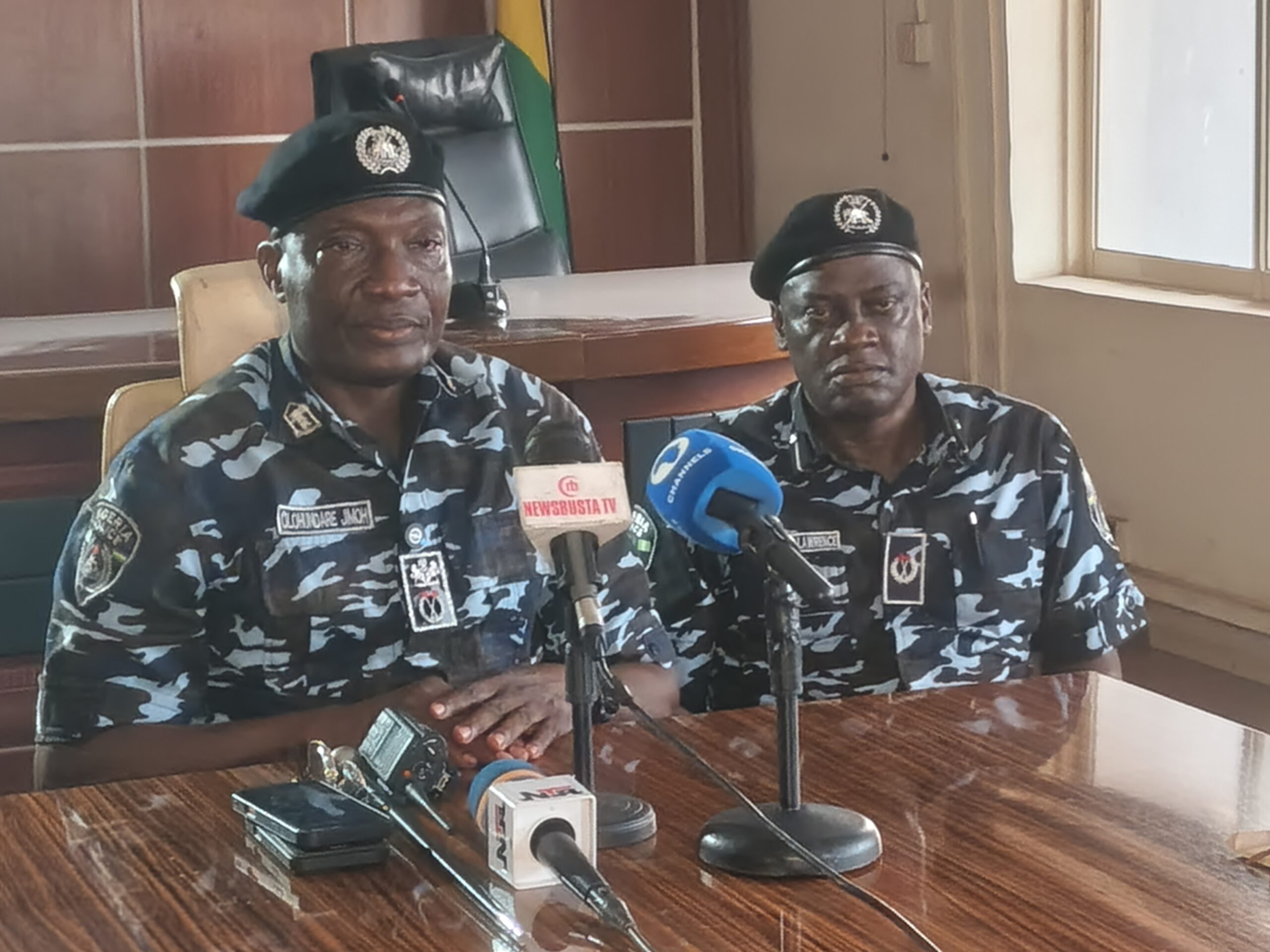
    The Commissioner of Police, Lagos State Command, CP Olohundare Moshood Jimoh, has drawn a firm line between policing and judicial authority, insisting that once a matter enters the courtroom, it exits the operational control of the police.

    Speaking against the backdrop of a viral social media controversy, the police boss disclosed that upon learning of the incident, he immediately directed his Public Relations Officer to establish contact with the individual behind Object TV, even as he maintained that due engagement remains open.

    Jimoh revealed that family members of the suspect, his wife and brother, visited his office demanding police intervention, but he made it clear that the police cannot override court processes once a suspect has been arraigned.

    According to him, the suspect was promptly charged to court the same day of arrest, where bail was granted. However, failure to meet bail conditions resulted in continued custody, a situation he stressed is entirely within judicial discretion.

    The CP was emphatic that he would not interfere with the sanctity of the court, noting that “the police action terminates where judicial processes begin,” adding that grievances must be channeled through legal representation before the court.

    Dismissing allegations of human rights violations, Jimoh stated that no evidence exists showing the suspect was assaulted or maltreated, insisting that police conduct in the matter remained within the bounds of the law.

    He reiterated that law enforcement must be guided strictly by legal provisions, stressing that no act constitutes an offence unless expressly defined by law, and procedures must be followed accordingly.

    Amid rising public scrutiny, Jimoh disclosed that he has commenced fresh training and reorientation for task force personnel, aimed at addressing complaints and reinforcing professionalism.

    While defending the unit’s operations as largely compliant, he warned that any verified misconduct would attract severe sanctions, including possible dissolution and restructuring of the entire task force.

    He further assured that erring officers would not be shielded, noting that disciplinary measures, including prosecution, remain on the table where violations are established.

    Providing insight into modern policing tactics, the CP justified the use of unmarked vehicles and covert operations, describing them as critical tools in outsmarting criminal elements who often evade conventional patrol systems.

    He explained that while marked vehicles serve as visible deterrents, undercover operations enable officers to detect and intercept crimes in real time, particularly in traffic-related and urban crime scenarios.

    Jimoh added that such strategies have contributed significantly to reducing traffic-related infractions and improving response to opportunistic crimes across Lagos.

    In a direct appeal to the public, the police chief urged Lagos residents to resist the urge to vilify law enforcement, instead advocating constructive engagement and collaboration.

    He highlighted ongoing police-youth dialogues and partnerships with civil society organisations as part of efforts to bridge trust gaps and enhance community policing.

    While acknowledging that enforcement often attracts resistance, Jimoh maintained that order and safety in a megacity like Lagos require collective responsibility and adherence to the rule of law.

    Reaffirming his openness, he invited aggrieved individuals, including the Object TV publisher, to engage with the command, stressing that the police remain committed to transparency, accountability, and the protection of all citizens.
  • Leadership change in BETECOSA Lagos as new chair targets members’ welfare

    Leadership change in BETECOSA Lagos as new chair targets members’ welfare

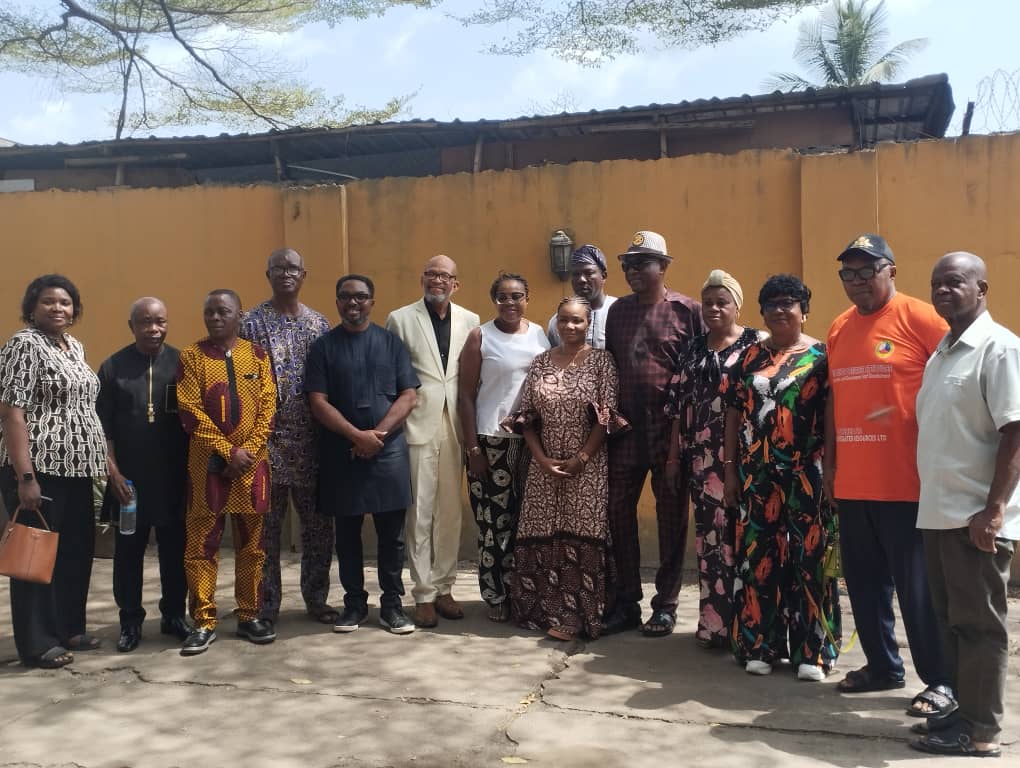
    A new leadership has emerged for the Lagos Chapter of the Benin Technical College Old Students Association, BETECOSA, with the inauguration of Sir Ralph Jakpor Karireren as chairman, who has immediately unveiled a comprehensive welfare-focused agenda aimed at strengthening members’ wellbeing and attracting younger alumni.

    Karireren, who will lead the association for the next two years, said his administration would prioritise three key policy initiatives, group life insurance, health insurance and a cooperative scheme. as a “raft” to support members, particularly the older generation.

    “Today, I have been inaugurated as the current chairman for the next two years, Lagos chapter,” he said, noting that members in their 50s, 60s and above require structured welfare support to navigate life’s challenges.

    According to him, under the proposed group life insurance policy, families of deceased members would receive a minimum of N1.5 million as benefit.

    “The second one is the HMO, to ensure members have access to medical attention nationwide even at their lowest financial moments, while the third is the cooperative, which will provide access to pooled funds for members engaged in small businesses,” he explained.

    He added that the cooperative scheme would enable members who contribute regularly to access financial support, with provisions for guarantors, stressing that contributions would determine borrowing capacity.

    Karireren further disclosed that the administration would implement the welfare programmes before embarking on an aggressive membership drive targeted at younger alumni.

    “For the younger ones, they will benefit from access to pooled funds and also from the collective experience and contacts of older members. What took us 10 years to achieve, they can achieve in less time,” he said.

    He emphasised the need for alumni to remain connected to their alma mater, urging graduates across institutions to contribute to the growth of their schools and support fellow alumni.

    Earlier, the outgoing chairman, Dr. Festus Omorusi, described the event as a formal handover and a new beginning for the association, expressing confidence in the incoming leadership to build on existing achievements.

    Omorusi highlighted key milestones recorded during his tenure, including increased membership locally and internationally, contributions to the Benin Technical College library project, and the emergence of national officers from the Lagos chapter.

    The former chairman further advised the new leadership to sustain membership growth, strengthen financial systems, prioritise welfare programmes, and deepen engagement among members.

    Also speaking, Chairman of the Electoral Committee, Mr. Monday Kanu, said the inauguration marked a significant transition, noting that the new executive was introducing key welfare initiatives such as insurance and cooperative schemes for the first time.

    He stressed the importance of attracting younger members to sustain the association, adding that deliberate efforts must be made to engage students before graduation and integrate them into the alumni network.

    On his part, Barrister Larry Ofulue described the leadership transition as necessary and in line with the association’s constitution, expressing confidence in Karireren’s capacity to take the chapter to greater heights.

    He commended the outgoing executive for fostering unity and introducing welfare initiatives despite economic challenges, noting that regular meetings and member support had improved under the previous administration.

    Stakeholders at the event unanimously expressed optimism that the new leadership would consolidate on past achievements while expanding welfare programmes and boosting membership across Lagos and beyond.

  • From Tokenism to Transformation? Umeasiegbu’s Rise Fuels Gender Equality Debate in NANTA at 50

    From Tokenism to Transformation? Umeasiegbu’s Rise Fuels Gender Equality Debate in NANTA at 50

    Gender equality and inclusivity have, over the years, evolved from being peripheral concerns to central pillars in political, corporate, and institutional discourse. As the National Association of Nigerian Travel Agencies (NANTA) approaches its 50th anniversary in April, these themes are expected to feature prominently, particularly in its forthcoming internal executive elections.

    Historically, female representation at the highest level of the association has been limited. Records indicate that only two women, Theresa OJO ( Ezeobi) and Susan Akporiaye, have served as National President. Despite the association’s long-standing legacy, its leadership marked significant milestones, breaking longstanding gender barriers within the national body.

    As NANTA reflects on five decades of growth since its establishment in 1973, the inclusion of women in key decision-making roles is no longer merely aspirational; it is imperative. True inclusivity will not only strengthen institutional governance but also mirror the association’s substantial achievements and evolving identity within Nigeria’s travel and tourism sector.

    Notably, in the past two decades of NANTA’s progress, one figure has stood out for her sustained contributions and strategic influence. Chinyere Umeasiegbu, Managing Director and Chief Executive Officer of Global Links, has played a pivotal role in shaping the association’s trajectory.

    As the first female National Deputy President of the National Association of Nigerian Travel Agencies (NANTA), Chinyere Umeasiegbu embodies a new leadership paradigm defined by innovation, resilience, and measurable impact. Widely acknowledged as a trailblazer in Nigeria’s tourism landscape, she brings more than two decades of industry experience to bear, merging corporate expertise with her vocation as a preacher to deliver a multidimensional approach to leadership, service, and community engagement. As NANTA marks its golden jubilee, the discourse on gender inclusion appears set to transition from rhetoric to tangible institutional reform.

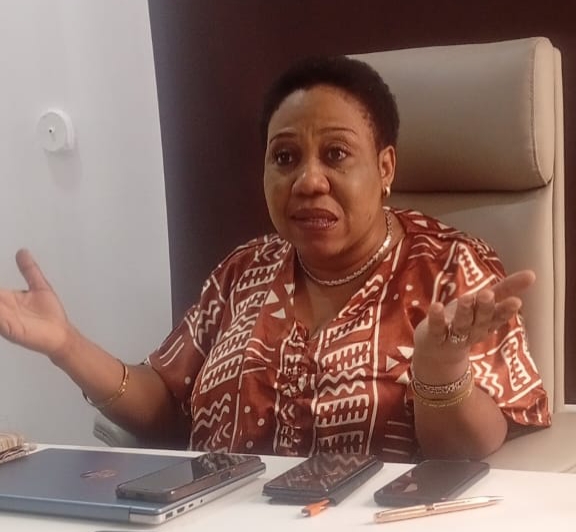
    Speaking at a recent press conference, Umeasiegbu emphasized the non-political nature of NANTA, describing it as a professional body dedicated to advancing the interests of practitioners within the travel, hospitality, and tourism sectors. Reflecting on her early exposure to the industry, she traced her roots to childhood experiences shaped by her mother’s deep involvement in travel.

    She said, “My foray into the industry began at a young age,” she said. “My mother was actively engaged in travel and often took us along. At the time, I did not realize she was the first secretary at the inaugural meeting of NATA, owing to our close family ties with Jerry Nwosu.”

    A Chevrolet Scholar and graduate of the University of Maiduguri, Borno State, Umeasiegbu was selected on merit to represent Nigeria in an academic programme in the United Kingdom. Initially trained as a banker, she later transitioned into the capital market, where she built a successful career as a stockbroker.

    She recounted her professional evolution, noting that she founded Global Links after her tenure in the banking sector. The company has since grown into a notable travel and tourism enterprise. Her journey through the capital market, she explained, was marked by rapid growth and the establishment of a strong client portfolio, including affiliations within the Shell community.

    “At the peak of my career in the capital market, I received a clear directive to step away,” she recalled. “Despite the market boom and the scale of my client portfolio, I chose to divest and hand over my accounts. That decision, though difficult, ultimately proved pivotal.”

    Umeasiegbu later found her niche in tour packaging, beginning with participation in the Federal Government-sponsored pilgrimage programme through the Lagos office. Her subsequent move to the Eastern Zone marked a turning point, as she rose from a support role to becoming a key executive within NANTA.

    Her tenure in the Eastern Zone is widely credited with revitalizing what was once considered a dormant arm of the association. Under her leadership, the zone transformed into one of the most active and innovative within NANTA, setting new benchmarks for engagement and performance.

    Building on this momentum, Umeasiegbu advanced to national leadership. In 2022, under her influence as Eastern Zone Vice President, NANTA facilitated Nigeria’s return to the World Travel Market (WTM) in London after an eight-year absence, an achievement that restored the country’s visibility on the global tourism stage. The participation earned international recognition, including a feature by the BBC in its special WTM coverage.

    Although Nigeria’s presence at WTM in 2023 fell short of expectations, with only the Lagos State Government participating alongside NANTA, the groundwork laid in the previous year underscored the association’s capacity to drive international engagement.

    Beyond global representation, Umeasiegbu has championed initiatives aimed at enhancing the economic value of NANTA membership. She introduced capacity-building programmes focused on visa processing and international market participation, equipping members with practical tools to expand their businesses. Her advocacy for global exposure and local tourism promotion has also been linked to the growing momentum of initiatives such as “Dirty December,” which highlights Nigeria’s vibrant end-of-year tourism potential. IN 2024, NANTA handed over WTM to Nigeria, and unfortunately, Nigeria didn’t show up.

    Chinyere Umeasiegbu further disclosed that her sustained advocacy has facilitated new cross-border business opportunities, particularly strengthening tourism and travel ties between Nigeria and The Gambia. She highlighted an emerging partnership involving a Nigerian transportation company that is set to operate road travel routes connecting Nigeria to Dakar, positioning the corridor as a strategic link for regional mobility and tourism growth.

    She also made a case for expanded leadership responsibility within the National Association of Nigerian Travel Agencies (NANTA), expressing her readiness to consolidate on existing innovations and drive forward new initiatives aimed at deepening the development of Nigeria’s tourism sector.

    Among such initiatives is a forward-looking concept she described as “Space Tourism”, a programme designed to introduce young Nigerians, particularly at the secondary and tertiary levels, to the intersection of space science and tourism. The initiative seeks to stimulate interest in space exploration while broadening the scope of Nigeria’s tourism narrative through education and experiential learning.

    Umeasiegbu, however, noted a critical gap in infrastructure, pointing out that Nigeria currently lacks a fully functional space centre capable of supporting such ambitions, an observation she framed as both a challenge and an opportunity for future investment and policy direction.

  • Nestlé Pure Life Named 2025 Product of the Year by LEADERSHIP Newspaper

    Nestlé Pure Life Named 2025 Product of the Year by LEADERSHIP Newspaper

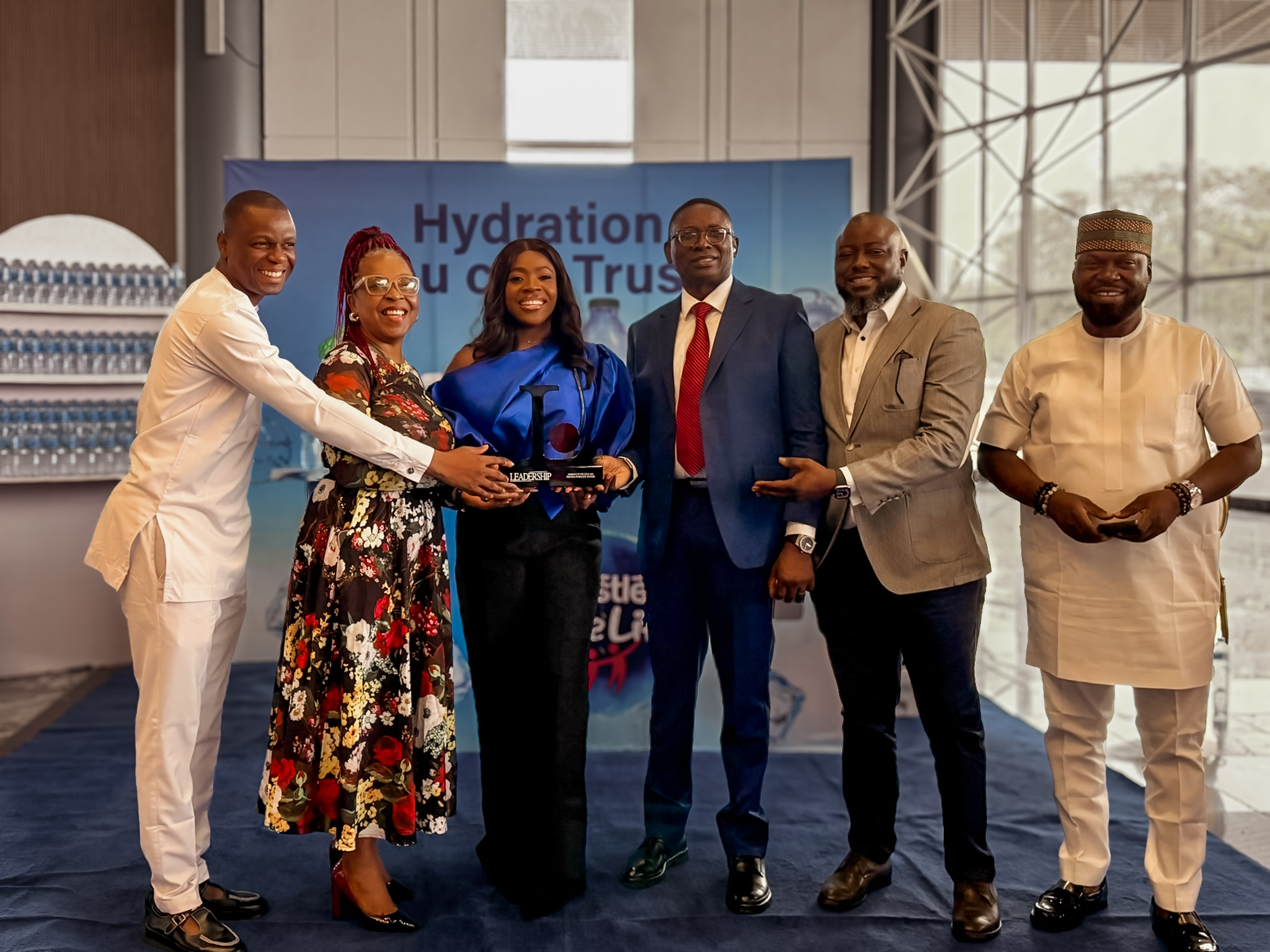
    Nestlé Pure Life has been named the 2025 Product of the Year by LEADERSHIP Newspaper, a leading media institution in West Africa. The award highlights products that set the standard for performance, innovation, and impact within their category.

    The press statement by Toju Egbebi, Corporate Affairs Manager reads that the board of editors at LEADERSHIP Newspaper, Nestlé Pure Life was recognized for its consistent delivery of safe, high-quality drinking water, its efforts in advancing sustainability, its innovative response to evolving consumer needs, and its work in raising awareness about clean water in Nigeria.

    Nestlé Pure Life ensures consistently high-quality drinking water through protective water sourcing, multi-stage purification, and essential mineral enhancement. Its focus on sustainability and innovation is demonstrated through initiatives such as the use of 50% recycled PET bottles, recyclable clear caps, and the introduction of the convenient 33cl bottle, designed to reduce water waste and meet growing on-the-go hydration needs.

    Speaking on the brand’s approach, Olutayo Olatunji, Business Executive Officer for Nestlé Waters, stated: “At the heart of everything we do lies our deep connection with consumers. This award underscores our commitment to not just delivering hydration, but providing a reliable, premium experience that our consumers can trust every day.”

    On sustainability, Victoria Uwadoka, Corporate Affairs and Sustainability Lead for Nestlé Nigeria, emphasized: “As a fast-moving consumer goods company, we remain steadfast in our commitment to caring for the planet. Through eco-friendly packaging and sustainable design, Nestlé Pure Life is taking concrete steps to reduce its environmental footprint and fulfill its sustainability commitments.”

    From the 33cl bottle to larger family-sized options, Nestlé Pure Life continues to lead the hydration category, delivering products that meet consumers’ everyday needs while upholding the highest standards of quality, safety, and sustainability.

    Nestlé Nigeria is a leading food and beverage company committed to unlocking the power of food to enhance quality of life for everyone today and for future generations. With a wide range of products, including popular brands such as NESTLÉ PURELIFE, GOLDEN MORN, MILO, MAGGI and NESCAFÉ, Nestlé Nigeria is dedicated to providing nutritious and delicious food and beverages to consumers across Nigeria.

  • From Screen Star to Box Office Titan: Toyin Abraham-Ajeyemi Bags Top Honour as Nollywood Breaks New Ground

    From Screen Star to Box Office Titan: Toyin Abraham-Ajeyemi Bags Top Honour as Nollywood Breaks New Ground

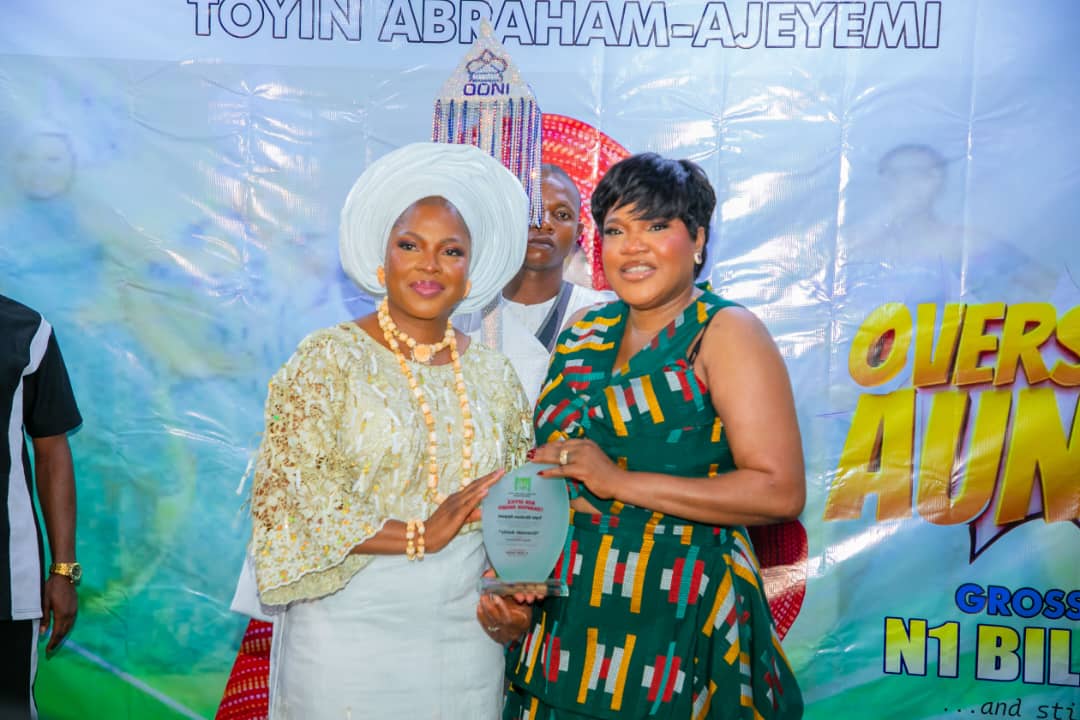
    L-R: The wife of the Oni of Ife, Olori Temitope Ogunwusi handing pose at the Box Office Champion Award organised by the National Film and Video Censors recently.

    The National Film and Video Censors Board (NFVCB) has honoured leading Nollywood actress, producer, and director, Toyin Abraham-Ajeyemi with the prestigious Box Office Champion Award, in recognition of her outstanding cinematic achievement and record-breaking performance of her film, Oversabi Aunty, at the Nigerian box office.

    Presenting the award in Lagos, the Executive Director of the NFVCB, Dr. Shaibu Husseini, described the occasion as a celebration of excellence, creativity, and the remarkable strides of Nigeria’s film industry.

    “It is my honour to welcome you all to this special occasion as we celebrate excellence, creativity, and the remarkable achievements within Nigeria’s film industry,” he stated.

    Dr. Husseini conveyed the warm regards and apologies of the Honourable Minister of Arts, Culture, Tourism and Creative Economy, Barr. Hannatu Musa Musawa, who was unavoidably absent due to an official engagement in the United Kingdom. He noted that the Minister extends her full support and congratulations to the award recipient.

    According to the signed press statement by Ogbonna Onwumere
    Director, Corporate Affairs,
    National Film and Video Censors Board. The NFVCB boss highlighted that Oversabi Auntie has achieved an extraordinary milestone, grossing over one billion naira at the Nigerian box office, a feat he described as both a personal triumph for the actress and a strong indicator of Nollywood’s growing global potential.

    “This accomplishment is not only a personal triumph but a testament to the growing strength, resilience, and global potential of Nollywood,” he said, adding that the Board remains committed to supporting a thriving film culture that contributes meaningfully to the national economy.

    Dr. Husseini also expressed profound appreciation to the wife of the Oni of Ife, Olori Temitope Ogunwusi for graciously serving as the Mother of the Day, noting that her presence added dignity and honour to the event. He further commended industry guilds and professional associations for their continued collaboration in advancing the sector.

    In a goodwill message, the National President of the Actors Guild of Nigeria (AGN), Sanusi Abubakar Yakubu, described the award as a defining moment where art, enterprise, and destiny converge.

    He praised Toyin Abraham-Ajeyemi as a trailblazer who has redefined the possibilities within Nollywood, noting that her film’s impressive ₦1.6 billion box office performance signals a shift toward a more commercially astute, globally competitive, and self-assertive Nigerian film industry.

    “Her achievement is a signal that Nigerian stories are no longer waiting for validation; they are asserting themselves and commanding global attention,” he said.

    Yakubu also commended the NFVCB for institutionalising a culture of measurable excellence, adding that the recognition would inspire filmmakers and actors to pursue higher standards of creativity and commercial success.

    Speaking at the event, Olori Temitope Ogunwusi noted that her presence underscored her deep appreciation for the film industry and the celebrant. Reflecting on the film, she remarked that Oversabi Auntie conveys an important message on parenting, emphasizing the need for closer relationships between parents and their children.

    In her response, Toyin Abraham-Ajeyemi expressed heartfelt gratitude to the NFVCB for recognising her work at such a significant milestone. She also appreciated the presence of stakeholders and specially acknowledged the Olori for honouring the occasion with her attendance.

    The event drew key stakeholders from across the creative industry, reinforcing the growing recognition of cinema as a major driver of cultural expression and economic growth in Nigeria.

  • Tradefair Tension: Traders Demand Urgent Federal Lifeline Amid Infrastructure Collapse

    Tradefair Tension: Traders Demand Urgent Federal Lifeline Amid Infrastructure Collapse

    Traders at the Lagos International Trade Fair Complex have renewed calls for a strategic partnership with the federal government, as mounting infrastructural decay and regulatory bottlenecks threaten the survival of one of West Africa’s busiest commercial hubs.

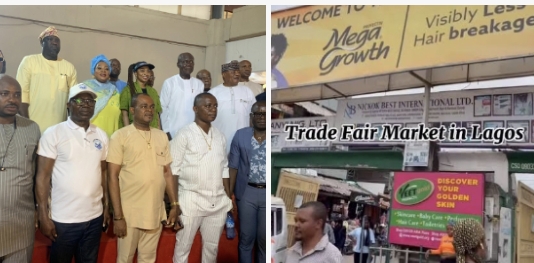
    The appeal followed a high-profile visit by the Minister of Industry, Trade and Investment, Mrs. Jumoke Oduwole, whose engagement with stakeholders exposed both the immense economic value of the complex and the deep-rooted challenges confronting operators.

    Located along the Lagos–Badagry Expressway, the Lagos International Trade Fair Complex has, over the years, evolved into a critical nerve centre for wholesale trade, linking Nigeria to key markets across the West African sub-region.

    Originally conceived as a purpose-built exhibition ground, the facility now spans about 32 hectares, housing warehouses, plazas, administrative buildings, and expansive trading spaces that accommodate thousands of businesses.

    What began as a modest, swampy expanse has, through private investment, been transformed into a thriving marketplace attracting traders from countries such as Ghana, Benin, Togo, and Niger.

    Chairman of the Board of Trustees, Mr. Okey Ezibe, recounted the remarkable journey of the complex, describing it as a testament to resilience and entrepreneurial vision driven largely by local investors since 1998.

    According to him, traders poured billions of naira into rebuilding the once-neglected facility, turning it into what he called “an enviable masterpiece” that now supports millions of livelihoods across the region.

    Despite this transformation, Ezibe lamented that government support has remained grossly inadequate, leaving traders to grapple with multiple taxation, excessive checkpoints, and persistent harassment.

    He disclosed that goods transported from ports and border points are subjected to numerous checkpoints, sometimes exceeding 20, significantly inflating the cost of doing business and, ultimately, consumer prices.

    The traders also decried the poor state of infrastructure within the complex, citing dilapidated access roads, erratic power supply, and the absence of basic amenities such as street lighting.

    They argued that despite paying billions in ground rents and levies to government agencies, there has been little to no corresponding investment in upgrading critical infrastructure.

    Further compounding their frustrations are past demolition exercises within parts of the complex, which traders said resulted in massive financial losses and weakened investor confidence, including that of foreign partners.

    Responding, the minister acknowledged the concerns and commended traders for their significant contribution to Nigeria’s economy, noting that their scale of operations belies their classification within the informal sector.

    She assured stakeholders of the federal government’s commitment to addressing regulatory inefficiencies, harmonising taxes, and improving infrastructure, while proposing quarterly consultations to ensure accountability and measurable progress.

    Oduwole also highlighted plans to position the complex as a strategic hub under the African Continental Free Trade Area framework, revealing that Nigeria is preparing to host a major intra-African trade fair in 2027.

    For many stakeholders, the visit signalled a turning point, raising cautious optimism that sustained dialogue and genuine collaboration could unlock the full economic potential of the trade fair complex and restore confidence in its future.

  • Ogun Command Rolls Out Massive Deployment Ahead Of Festive Gatherings

    Ogun Command Rolls Out Massive Deployment Ahead Of Festive Gatherings

    The Ogun State Police Command has ramped up security architecture across the state, setting in motion a sweeping operational strategy aimed at ensuring a peaceful and hitch-free Eid-el-Fitr celebration.

    In a statement issued on March 18, 2026, by the Police Public Relations Officer, DSP Oluseyi B. Babaseyi, on behalf of the Commissioner of Police, the Command said it has activated robust measures to forestall any breach of public peace during the festive period.

    The Command emphasised that the safety of residents remains paramount, noting that comprehensive protection has been extended to worship centres, critical infrastructure, and major public assets across the state.

    As part of its proactive framework, security personnel and operational assets have been strategically deployed to flashpoints and high-density locations, including Eid prayer grounds, markets, highways, and other public spaces expected to witness heavy human traffic.

    The early deployment, THISDAY gathered, is further bolstered by coordinated patrol teams, intelligence-driven surveillance, and tactical operations designed to deter criminal elements and ensure swift response to emergencies.

    Authorities disclosed that the Command has strengthened its intelligence network, leveraging actionable information to pre-empt potential threats and maintain heightened situational awareness throughout the celebration period.

    Commissioner of Police, CP Lanre Ogunlowo, congratulated Muslim faithful on the successful completion of Ramadan, urging them to sustain the virtues of peace, tolerance, and discipline imbibed during the holy month.

    He assured residents that the Command remains resolute in its constitutional mandate to protect lives and property, stressing that no effort would be spared in maintaining law and order before, during, and after the festivities.

    The police boss also called for public cooperation, urging citizens to remain vigilant and promptly report suspicious movements or activities to security agencies.

    Residents were advised to utilise the Command’s emergency channels, including the toll-free Gateway Shield complaints line (0800 000 9111) and other dedicated hotlines, as part of a collective effort to guarantee a secure and incident-free Eid-el-Fitr celebration across Ogun State.

  • Lagos Gridlock Fears Rise as Customs Agents Reject ‘Phantom Talks’ Over Tariff Hike

    Lagos Gridlock Fears Rise as Customs Agents Reject ‘Phantom Talks’ Over Tariff Hike

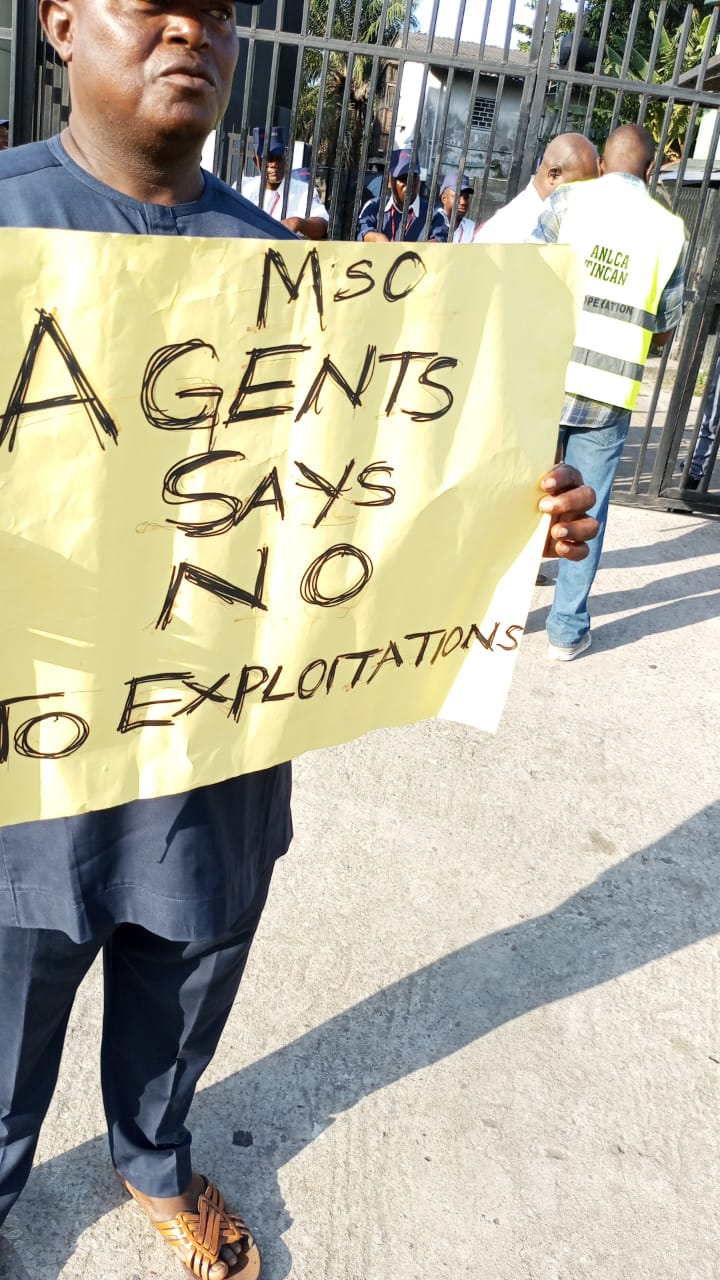
    Tension has escalated across Lagos ports as freight forwarders and customs agents resumed a coordinated withdrawal of services, insisting they were never invited to any meaningful dialogue over the controversial hike in shipping charges.

    The protest, which resurfaced after over three months of stalled expectations, is directed at shipping companies accused of imposing what operators describe as arbitrary and illegal tariff increases, further straining an already fragile maritime ecosystem.

    Contrary to claims by the Nigerian Shippers’ Council (NSC), aggrieved agents maintained that no genuine engagement had taken place, dismissing assertions that they had resisted dialogue as “misleading and unfounded.”

    Executive Secretary of the NSC, Dr. Pius Ukeyima Akutah, had during a media briefing urged protesters to embrace dialogue, describing it as a more effective and civilised dispute resolution mechanism than what he termed a “bottled anger approach.”

    His remarks came amid heightened tension at the Lagos port corridor, where protesting agents picketed the offices of Mediterranean Shipping Company (MSC), grounding activities and drawing attention to the deepening crisis.

    Akutah warned that sustained industrial unrest could cripple port operations, disrupt trade flows, and ultimately inflict broader economic consequences on the nation, even as he condemned attempts to block regulatory access to affected facilities.

    He further recalled that the Council had previously intervened during an earlier protest, compelling MSC to temporarily suspend the disputed charges to allow room for negotiations, while reiterating the agency’s commitment to restoring balance in the sector.

    But leaders of the aggrieved agents have pushed back strongly. Key figures within the Association of Nigerian Licensed Customs Agents (ANLCA) insisted that the so-called dialogue never materialised beyond a failed attempt.

    National Publicity Secretary of ANLCA, Mr. Emmanuel Onyeme, revealed that the only invitation extended to the association, via a February 23, 2026 letter, ended abruptly when the scheduled meeting was cancelled due to the absence of the NSC boss.

    Onyeme alleged that since then, neither the Council nor the shipping companies had made any effort to reconvene talks, accusing regulators of tacit alignment with operators allegedly exploiting Nigerian importers without improving service delivery.

    Echoing similar sentiments, other ANLCA leaders described the recent call for dialogue as belated and insincere, noting that the Executive Secretary’s appearance at the protest venue after months of silence only deepened distrust among stakeholders.

    The agents have vowed to sustain the protest until the charges are reversed to previous rates, insisting that any future engagement must begin with a rollback and be anchored on a transparent, properly convened stakeholders’ forum.

    They further argued that while terminal operators often justify price adjustments through value-added services, shipping companies have failed to demonstrate any measurable improvements to warrant the current increases, thereby fuelling industry-wide resentment.

  • Fidelity Bank’s Masterclasses Set Stage for Women’s Financial Breakthrough

    Fidelity Bank’s Masterclasses Set Stage for Women’s Financial Breakthrough

    In commemoration of International Women’s Day 2026, Fidelity Bank Plc has announced a series of masterclasses and support initiatives designed to help women build practical, income generating skills, strengthen professional visibility, and accelerate career growth throughout March 2026.

    The activities are being delivered under the bank’s women focused proposition, HerFidelity, and align with the “Give to Gain” theme guiding this year’s programme of engagements.

    On March 18, 2026, HerFidelity hosted a “Give to Gain” masterclass focused on communication and presentation. The session offered practical guidance on audience engagement, event moderation, confidence-building, and personal branding, with a strong focus on women looking to improve their public speaking and professional presence.

    A second event, the Gele Masterclass scheduled for March 30, 2026, will provide hands-on training in gele tying. HerFidelity is positioning the session as a celebration of cultural expression and a marketable skill women can turn into a source of income.

    In addition to the masterclasses, the bank will provide professional headshot sessions to help participants update their personal and professional profiles.

    “At Fidelity Bank, we believe that empowering women economically creates an impact that extends beyond the individual. It strengthens families, grows businesses, and uplifts communities. That is why we have designed an elaborate plan to upskill women throughout this month. We want women to leave these sessions with practical tools they can apply immediately, whether that is speaking confidently in public, building a stronger personal brand, or learning a skill that can generate income,” said Ugochi Osinigwe, Divisional Head, Small and Medium-scale Enterprises Banking, Fidelity Bank Plc.

    Earlier this month, the bank reaffirmed its commitment to women’s economic empowerment with the signing of strategic MoUs with partner organisations at the launch of its “Give Her Power” initiative on March 5, 2026. The collaborations, anchored on the bank’s HerFidelity Apprenticeship Programme, are designed to expand access to vocational training, business support, and sustainable enterprise opportunities for women across multiple sectors.

    As part of the initiative, Fidelity Bank is distributing 1,000 sewing and grinding machines to empower women-led microbusinesses across Nigeria.

    Ranked among the best banks in Nigeria, Fidelity Bank Plc is a full-fledged Commercial Deposit Money Bank serving over 10 million customers through digital banking channels, its 255 business offices in Nigeria and United Kingdom subsidiary, FidBank UK Limited.

    The Bank is a recipient of multiple local and international Awards, including the 2024 Excellence in Digital Transformation & MSME Banking Award by BusinessDay Banks and Financial Institutions (BAFI) Awards; the 2024 Most Innovative Mobile Banking Application award for its Fidelity Mobile App by Global Business Outlook, and the 2024 Most Innovative Investment Banking Service Provider award by Global Brands Magazine. Additionally, the Bank was recognized as the Best Bank for SMEs in Nigeria by the Euromoney Awards for Excellence and as the Export Financing Bank of the Year by the BusinessDay Banks and Financial Institutions (BAFI) Awards.

  • Where Nigeria’s Last Elephants Roam: Inside the Untamed World of Omo Forest

    Where Nigeria’s Last Elephants Roam: Inside the Untamed World of Omo Forest


    Deep within the lush green heart of Omo Forest Reserve, one of Nigeria’s most ecologically significant landscapes, lies a silent battle for survival between nature’s last giants and the growing footprint of humanity. My journey into this remarkable sanctuary as part of a media expedition organized by FRANK MEKE revealed a world where conservationists, communities, and wildlife struggle daily to keep a fragile ecosystem alive.

    The expedition, coordinated by tourism advocate and journalist Frank Meke, took our diverse team of media professionals deep into the forest corridor of Ogun State. The mission was simple but profound: to see Nigeria beyond the newsroom, to feel, touch, and experience the country’s natural treasures firsthand while amplifying their stories to the world.

    Reaching the remote Erin Camp conservation base was itself an adventure. From J4, a gateway community within the forest belt, our team travelled for nearly two hours on motorcycles along rugged, muddy trails cutting through dense vegetation and timber settlements. The journey, costing about ₦25,000 per person, was both thrilling and revealing, exposing the logistical challenges of accessing one of Nigeria’s most important conservation landscapes.

    The Omo Forest Reserve spans approximately 130,000 hectares, making it one of the largest protected forest ecosystems in southwestern Nigeria. Yet only about 35,000 hectares of that vast area currently serves as the core conservation zone for wildlife, particularly forest elephants, one of the rarest species in the region.

    According to Emmanuel Olabode, the Ogun Forest Elephant Initiative, managed by Nigerian Conservation Foundation in partnership with the Ogun State Ministry of Forestry, was created to protect one of the last remaining populations of forest elephants in Nigeria and possibly West Africa.

    “Forest elephants here are thriving,” Olabode explained during our interactive session at the conservation centre. Early population studies conducted between 2016 and 2017 estimated about 33 elephants within the forest. However, subsequent observations during migration periods revealed that the number had been underestimated. Today, experts believe the forest is home to between 50 and 70 elephants, moving quietly in small family groups through the thick rainforest canopy.

    Unlike the large herds of savanna elephants that roam in hundreds across African plains, forest elephants move in tight family clusters of four to twelve individuals. The bulls usually wander alone, joining the groups only during breeding periods. Their secretive lifestyle and dense forest habitat make accurate population monitoring extremely difficult.

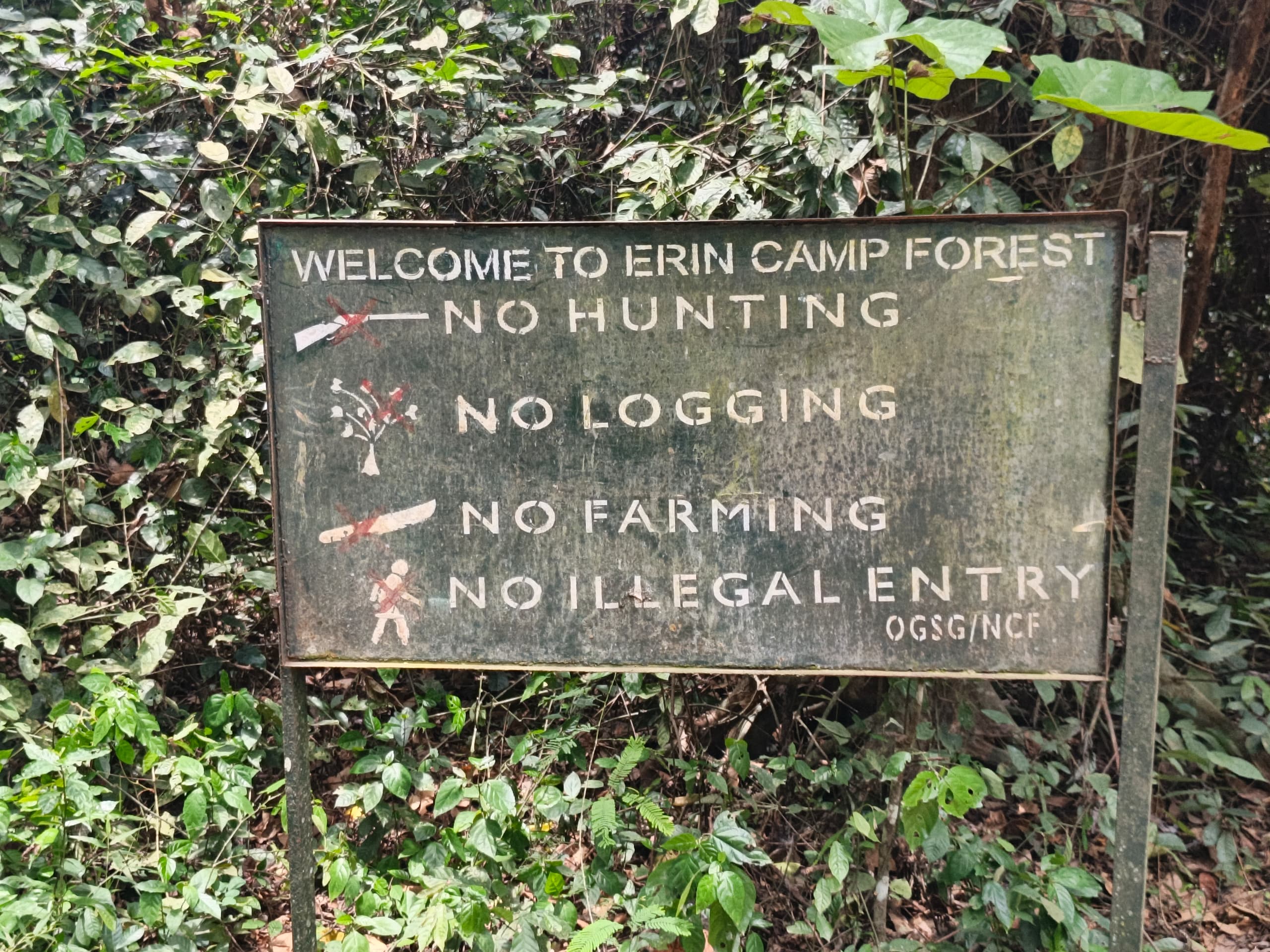
    But protecting these giants is far from easy. One of the most pressing threats confronting conservationists in Omo is the growing human–elephant conflict. As farming settlements expand deeper into the forest, farmers often plant crops within what is historically known to be elephant territory. When elephants raid these farms in search of food, tensions rise between humans and wildlife.

    Encroachment remains a major challenge. Large sections of the reserve are steadily shrinking as settlers clear land for agriculture and housing. While some timber extraction is legally permitted under state licenses, Olabode warned that extensive logging near conservation zones could increase stress on elephants and disrupt their natural migration routes.

    Ironically, within the same forest lies a globally recognized research enclave, the Omo Strict Nature Reserve, managed by the Forestry Research Institute of Nigeria. In this strictly protected zone, logging, farming, and commercial activities are completely prohibited, allowing scientists to study untouched tropical biodiversity.

    Beyond wildlife conservation, Omo Forest holds immense potential for eco-tourism. The reserve features adventure sites such as Bitu Hill, a towering elevation nearly 300 meters high where visitors can catch rare phone signals from the middle of the rainforest. The serene River Omo also offers opportunities for kayaking, sport fishing, and nature exploration if properly developed.

    Despite its immense natural wealth, awareness about Omo Forest remains alarmingly low. Security concerns on Nigerian highways, poor road infrastructure, and limited tourism facilities discourage visitors who might otherwise explore the sanctuary’s breathtaking landscapes and wildlife.

    Our expedition team, comprising Hyacinth Nwafor, alongside Odogwu Nonso, Daisy Yirmal, Modupe Akinyosoye, Adeola Adedeji Adijat, Rasaq Adejare, Emmanuel Gbadagon, Ayinbu Esther, Kuseju Pelumni, Dennis Chukwuebuka, Semir Adeniji Adele, Alex Appah, Cynthia Amaka, Dooshima Aku, Lanre Okanlawn, Ipole Loveth, Alausa Honourable, Okorie Uguni, Brown Iwari, Deji Ogunsola, Abimbola Otu, Olamide Agemo, Innocent Orok and others, set out to uncover the stories hidden within the vast wilderness of Omo.

    Frank Meke believes Nigeria must begin to see conservation as a viable economic engine rather than an environmental luxury. Through eco-tourism, he argues, destinations like Omo could attract researchers, adventure seekers, and global tourists, generating revenue for the state while preserving biodiversity for future generations.

    Standing in the quiet shadows of towering trees at Erin Camp, the message became clear: Omo Forest is more than just a reserve, it is a living sanctuary, a climate shield, and a priceless heritage. If protected and properly developed through collaboration between state authorities, federal institutions, conservation NGOs, and local communities, this hidden kingdom in Ogun State could become one of Africa’s most remarkable conservation success stories.