Category: News

  • Freight Forwarders Dig In Against ‘unilateral’ Shipping Fees

    Freight Forwarders Dig In Against ‘unilateral’ Shipping Fees

    The crisis rocking Nigeria’s maritime sector deepened at the weekend as the Association of Nigerian Licensed Customs Agents (ANLCA), Western Zone, alongside the Association of Professional Freight Forwarders and Logistics of Nigeria (APFFLON), openly faulted the handling of shipping charges by the Nigerian Shippers’ Council (NSC), accusing the regulator of reneging on a critical agreement.

    In a strongly worded statement signed by ANLCA’s National Publicity Secretary, Emmanuel C. Onyeme, the group lamented that the Council had failed to honour its commitment, made three months ago, to suspend the proposed increase in shipping charges pending broad-based stakeholder consultations.

    Rather than uphold that agreement, the stakeholders alleged that the NSC had tacitly allowed shipping companies to proceed with the implementation of the controversial charges without prior engagement, a move they described as a breach of trust and a blow to transparency within the port system.

    The situation, they said, was further muddied by an unsigned statement circulating on social media, purportedly issued by the Council, announcing a suspension of the charges. The release, which emerged during a public holiday, was neither formally communicated to key stakeholders nor acknowledged by shipping firms.

    Shipping companies, according to the stakeholders, have since denied receiving any official directive, thereby continuing with the implementation of the charges and compounding confusion across the maritime value chain.

    This development, industry players warned, has significantly eroded confidence in the leadership of the NSC and triggered the second phase of service withdrawal by freight forwarders, raising fears of a looming operational paralysis at the nation’s seaports.

    As part of their resolutions, the freight forwarders declared that the ongoing withdrawal of services and picketing of shipping companies would persist until clarity, accountability and proper communication are restored.

    They also issued a firm three-day ultimatum to the NSC, spanning March 23 to 25, to convene a comprehensive stakeholders’ meeting, warning that failure to comply would result in a total shutdown of port operations nationwide.

    In a bid to avert escalation, the groups called for the urgent intervention of the Minister of Marine and Blue Economy, Adegboyega Oyetola, urging him to restore order and facilitate constructive dialogue among all parties.

    While reiterating their commitment to port stability, the stakeholders stressed that they were not opposed to legitimate adjustments in shipping charges, but insisted that due process, transparency and inclusive engagement must be upheld to protect the integrity of Nigeria’s maritime sector.

  • Seizures, Surge, and Strategy: The Inside Story of Afeni’s Stunning Customs Overhaul

    Seizures, Surge, and Strategy: The Inside Story of Afeni’s Stunning Customs Overhaul

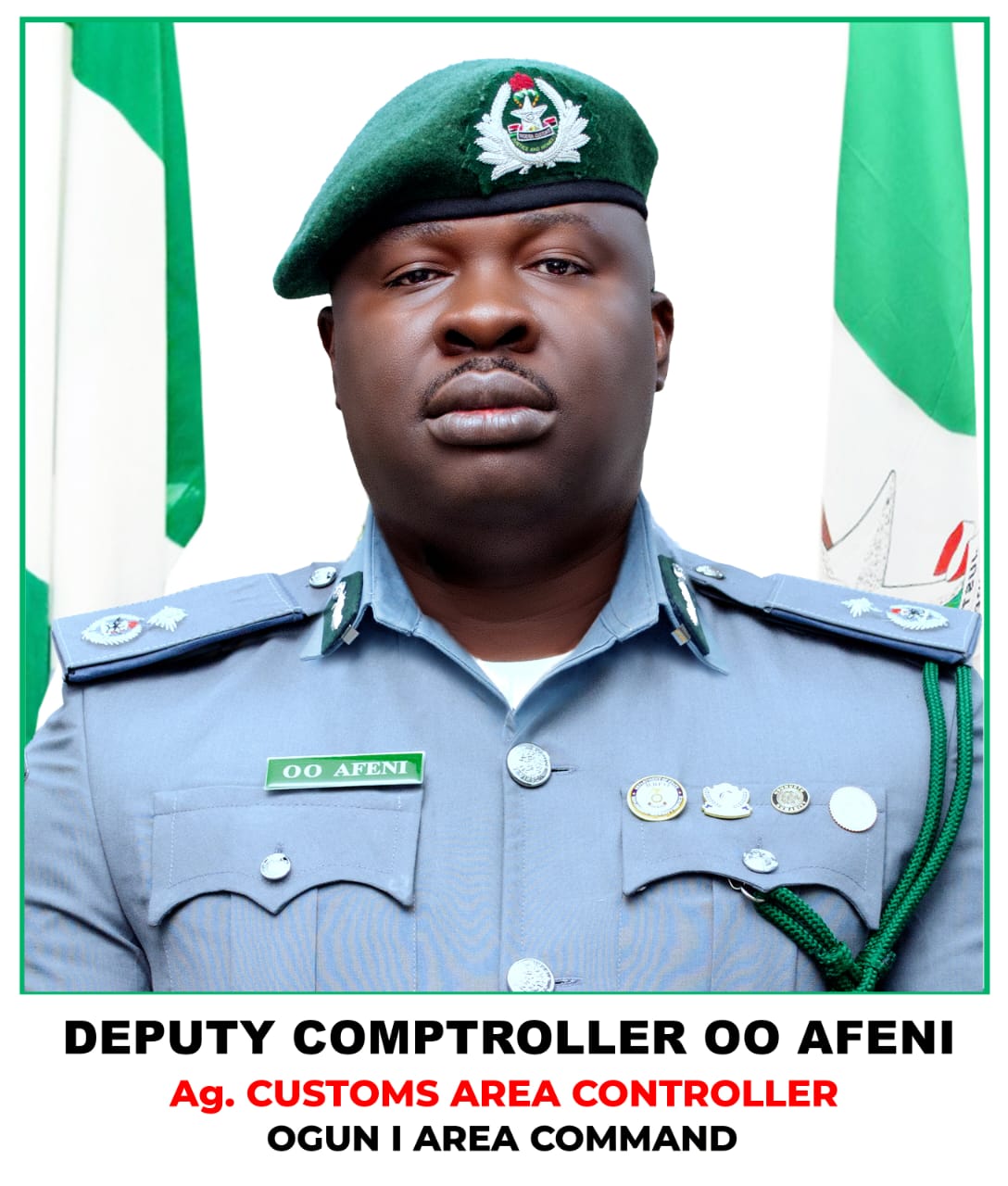
    When Deputy Comptroller Olukayode Afeni assumed duty as Acting Customs Area Controller of Ogun I Command of the Nigeria Customs Service (NCS) in December 2025, the Idiroko border was synonymous with smuggling and illicit trade. Within 11 days record time, Afeni stunned observers by intercepting contraband with a duty paid value of ₦2.006 billion, the highest ever recorded in such a short period in the command’s history.

    Since then, enforcement has only intensified. Between February and March 2026, the command seized prohibited goods valued at ₦1.35 billion, ranging from petroleum products to agricultural contraband. Afeni explained during a press briefing: “These seizures are not just statistics; they are a clear message to economic saboteurs that Ogun I is no longer a safe corridor for illicit trade.”

    It is noteworthy that the revenue growth and compliance trajectory of the Command did not escape his midas touch. Thus, Afeni’s enforcement drive has translated directly into revenue gains. The command generated ₦285,652,469 in revenue during the first quarter of 2026, surpassing the ₦259,265,495 collected in the same period of 2025. This represents a 1,082% growth year-on-year, driven by enhanced baggage assessments and auction sales of seized petroleum products.

    Speaking on the development, Afeni said: “Our revenue growth is proof that compliance is being embraced. Traders now understand that Ogun I is a command where rules are enforced firmly but fairly.”

    His less than four months has also catapulted significant export revival of the second busiest land border in the South West geo-economic zone. Perhaps the most striking achievement under Afeni’s leadership is the revival of export trade at Idiroko. For the first time in years, the command recorded 95 metric tons of export goods with a Free on Board (FOB) value of ₦305,749,264.05. This marks a dramatic turnaround from 2025, when export activity was virtually nonexistent.

    Afeni emphasized: “We are not only shutting the door on smuggling; we are opening legitimate pathways for Nigerian exporters.” Observers and analysts are of the consensus that Ogun I is now a gateway for economic growth; thanks to the leadership vision of the Comptroller General of Customs, Bashir Adewale Adeniyi MFR, PhD; in identifying result oriented gentlemen officers including DC Afeni.

    There is no doubt that Adeniyi’s strategic administration has been vindicated by Afeni’s performance. By appointing officers who embody loyalty, competence, and resilience, Adeniyi has demonstrated that the NCS has a ready pool of leaders capable of steering even the most complex and bigger commands.

    At Afeni’s recent takeover ceremony, he had pledged: “It is a great honour to assume the leadership of Ogun I. I am fully aware of its strategic importance, and I will strengthen border security while promoting legitimate trade.”

    Afeni’s Ogun I Command is now a case study in how strategic leadership can deliver both enforcement and facilitation. His record of discipline, integrity, and professionalism has not only transformed Idiroko but also strengthened Nigeria’s economy.

    It is worth repeating that Afeni has redefined border management, proving that with vision and resilience, a command can become both a fortress against smuggling and a gateway for legitimate trade.

    Beyond Afeni, perhaps the bigger credit goes to the CGC and his management who not have proven that they possess the requisite searchlight for identifying capable and dependable frontlines men, but for also trusting the right winning team fit for driving its general and specific agenda.

    Strong leadership cannot be more constructive, especially as the Adeniyi led management is also confronted with the demand for an early search for leadership succession and openings across major area commands, as the months progresses. On a final note, Adeniyi has proved beyond doubt that the NCS possesses a ready pool of competent officers capable of leading even the most complex commands such as Apapa, Tin Can, PTML, Onne, or MMIA Lagos; as time goes on.

    Afeni’s performance is a case study in this doctrine of faith and strategic based actions , showing that with the right leadership, any command can be transformed into a hub of compliance and economic growth.

    The Ogun 1 Command new sheriff has not just managed a border the best way borders can get; he has redefined it. And in doing so, he has set a gold standard for enforcement, compliance, and trade growth: one that will resonate across the NCS and the national economy for years to come.

  • Why Scrapping the Task Force Could Reignite Lawlessness

    Why Scrapping the Task Force Could Reignite Lawlessness

    A concerned Lagosian has formally appealed to the Commissioner of Police, Lagos State Command, Olohundare Moshood Jimoh, urging him to reconsider any move to disband the Lagos State Task Force, describing the unit as a critical pillar of urban order and traffic discipline.

    The appeal, prompted by circulating reports suggesting a possible disbandment, followed unsuccessful attempts to reach the police chief directly, with the writer opting to present a firsthand account of the Task Force’s impact in restoring sanity to troubled areas.

    At the centre of the intervention is the Daleko Market Bridge inward Mushin, a once notorious flashpoint for traffic violations, where motorists routinely flouted one-way rules and executed illegal U-turns with brazen disregard for safety and order.

    Before the Task Force’s sustained presence, the axis was plagued by chaos, with frequent accidents and near-daily incidents of reckless driving that endangered both motorists and pedestrians.

    The situation, the petitioner noted, reached a tragic peak just months ago when a dispatch rider lost his life after being struck by a vehicle making an illegal turn near the Ladipo Auto Spare Parts Market, an avoidable incident emblematic of the lawlessness that prevailed.

    Worse still, in the absence of enforcement officers, particularly during early hours, criminal elements commonly referred to as “Area Boys” reportedly seized control of the corridor, orchestrating traffic violations while extorting motorists sums exceeding ₦1,000 per passage.

    Order, however, began to return following a direct petition to the Chairman of the Lagos State Task Force, Adetayo Akerele, whose prompt response led to decisive enforcement actions that restored discipline where conventional policing had struggled.

    The writer commended the Task Force’s swift intervention, noting that their consistent presence has significantly curbed infractions and reinstated confidence among law-abiding residents and commuters in the axis.

    Against this backdrop, the petitioner warned that disbanding the Task Force would amount to a dangerous reversal, potentially reopening the door to traffic anarchy and the resurgence of informal cartels exploiting regulatory gaps.

    Rather than dissolution, the appeal advocates targeted reforms, including enhanced professional training, stricter internal disciplinary mechanisms, and sustained operational deployment to consolidate existing gains.

    In conclusion, the writer stressed that Lagos must not sacrifice a functional enforcement structure on the altar of isolated infractions, urging the police hierarchy to uphold the supremacy of the law and preserve a system that continues to serve as a deterrent against disorder.

  • Mentorship That Matters: Old Boys Celebrate NIMASA DG’s Generational Impact

    Mentorship That Matters: Old Boys Celebrate NIMASA DG’s Generational Impact

    The Director General of the Nigerian Maritime Administration and Safety Agency (NIMASA), Dr. Dayo Mobereola has been honoured with an Award of Recognition by his alma mater, St. Patrick’s Grammar School, Ibadan in appreciation of his impactful mentorship and commitment to the development of younger generations.

    The recognition was conferred during the school’s 64th Founders’ Day celebration held in Ibadan, where the DG joined other alumni and stakeholders to celebrate the institution’s enduring legacy of excellence.

    Commenting on the award, Dr. Mobereola expressed profound appreciation to the school’s management and the Old Boys’ Association for the honour, noting that the recognition holds deep personal significance.

    He reflected on his formative years at the school saying “attending the 64th Founders’ Day of St. Patrick’s Grammar School, Ibadan, brought back a flood of nostalgic memories.

    “Fifty years after walking through those gates where many of my formative years were shaped, I remain deeply grateful for the friendships, guidance from teachers, and the bond of classmates. I also wish to sincerely appreciate the Old Boys’ Association for the recognition accorded me this year. I do not take this honour for granted” the DG said.

    He reiterated his commitment to mentoring younger people saying “I remain committed to serving as a role model to the younger generation and to mentoring young men as they navigate their own paths.”

    He further encouraged the students to remain focused, disciplined, and committed to excellence, emphasizing the importance of mentorship and positive role models in achieving success.

  • From Silence to Spotlight: Media Partnership Drives NANTA’s 50-Year Evolution

    From Silence to Spotlight: Media Partnership Drives NANTA’s 50-Year Evolution

    The relationship between the media and institutions has long been shaped by influence, visibility, and mutual reinforcement. Maxwell McCombs and Donald Shaw’s Agenda-Setting Theory provides a useful framework for understanding this dynamic, asserting that while the media may not determine what people think, it plays a decisive role in shaping what they think about. Through deliberate coverage and prioritization of issues, the media defines public discourse and directs attention toward sectors of national importance, including travel and tourism.

    As the National Association of Nigerian Travel Agencies (NANTA) prepares to celebrate its Golden Jubilee, this framework becomes particularly relevant. Over the past five decades, NANTA has evolved into a prominent voice within Nigeria’s travel and tourism ecosystem. However, its growth cannot be fully understood without recognizing the critical role of sustained media engagement. Media partnerships have amplified the association’s visibility, strengthened its advocacy, enhanced its credibility, and positioned it as a key stakeholder in both national and global tourism conversations.

    At the center of this enduring partnership are individuals who have acted as bridges between the association and the media. One of the most prominent among them is Frank Meke, a veteran tourism journalist with over three decades of experience. As Chief Executive Officer of Cr8ative 9ja Tourism Magazine Television show and host of a weekly cultural tourism program on Mainland 98.3 FM in Lagos, Meke has played a defining role in shaping NANTA’s media presence. His position as media consultant to the association reflects both his expertise and his commitment to advancing its influence.

    Meke’s contributions extend beyond routine reporting. He has been instrumental in crafting narratives around NANTA, ensuring that its policies, advocacy efforts, and achievements are effectively communicated to diverse audiences. Through strategic storytelling and consistent engagement, he has helped reposition the association within the travel market, reinforcing its authority and credibility.

    The importance of media engagement is further underscored by NANTA’s leadership. Yinka Ladipo, the association’s Financial Secretary and former Public Relations officer, has emphasized that no organization can thrive in today’s interconnected world without a strong media presence. According to him, NANTA’s longstanding relationship with media practitioners has been central to its sustained relevance and visibility.

    Ladipo, who spoke on Cre8tive 9JA on Mainland Radio 98.3 FM last Thursday, also highlighted Meke’s role as a committed advocate, noting that his contributions have ensured consistent media coverage of the association’s activities. Whether addressing successes or challenges, NANTA has maintained a transparent approach to communication. This openness has become one of its defining strengths, fostering trust and credibility among stakeholders.

    Transparency has distinguished NANTA’s media strategy indeed. Rather than concealing operational difficulties, the association has adopted a culture of openness, using media platforms to address issues candidly. This approach has reinforced its image as a responsible and accountable institution within the travel and tourism sector, while also strengthening its relationship with the public.

    The impact of media partnership on NANTA’s development is evident in several areas. One of the most significant achievements has been the rebranding of travel agents in Nigeria. Historically, travel agents were often perceived as informal operators or “touts,” lacking professional recognition. Through sustained media advocacy, this perception has shifted considerably. Today, registered travel agents under NANTA are widely regarded as trained professionals operating within a structured and regulated framework.

    Beyond perception management, the media has played a crucial role in amplifying NANTA’s advocacy on key industry issues. Challenges such as foreign exchange constraints, regulatory bottlenecks, and policy reforms have gained prominence largely due to consistent media coverage. By bringing these issues into public discourse, the media has facilitated dialogue between NANTA and relevant authorities, contributing to policy considerations that affect the travel industry.

    In recognition of this vital partnership, NANTA established the NANTA Media Hall of Fame in 2021. The initiative honors journalists who have made significant contributions to promoting the association and advancing travel journalism in Nigeria. The inaugural induction featured distinguished practitioners from print, broadcast, and online media, each recognized for their role in amplifying NANTA’s voice.

    Among the inductees are, Femi Adeshina, Former managing editor of the Sun newspapers and spokesman of Buhari government, Abel Orukpe, Franklin Ihejirika, Segun Koiki, Wole Shadare, Nosa Aituamen, Wole Oyebade, Ifeoma Okeke, and Chinedu Eze. Their contributions reflect the depth of collaboration between NANTA and the media, as well as a shared commitment to the growth of Nigeria’s travel and tourism industry.

    Frank Meke holds a unique distinction as the first recipient of the NANTA Media Hall of Fame award, conferred on December 8, 2021. This recognition acknowledges his pioneering role in bridging the gap between the association and the media. Through his efforts, NANTA has evolved into a media-friendly organization, benefiting from consistent and strategic coverage.

    The significance of the Media Hall of Fame extends beyond recognition. It serves as a structured mechanism for sustaining engagement between NANTA and travel journalists. By fostering closer ties with media professionals, the initiative ensures that the association continues to benefit from informed advisory input. Journalists, with their industry insights, often provide critical perspectives that help guide organizational decision-making.

    Further validation of Meke’s contributions has come from NANTA’s leadership. Pastor Chinyere Umeasiegbu, First National Deputy President of the association and Chief Executive Officer of Global Links & Service Limited, has commended his advisory role and dedication. She noted that his efforts have been instrumental in building a sustainable and mutually beneficial relationship between NANTA and the media.

    Meke’s influence is also evident in the evolving perception of travel professionals. Through consistent storytelling and advocacy, he has contributed to elevating the status of travel agents, presenting them as reliable and competent professionals. This shift has enhanced public trust and strengthened the overall reputation of the industry.

    On the global stage, media advocacy has played a role in positioning NANTA as a recognized travel body. A notable milestone was the association’s participation in the World Travel Market (WTM), a leading global event in the travel industry. Such visibility has contributed to Nigeria’s recognition as a significant travel market, particularly within Africa.

    Meke’s involvement in leadership transitions within NANTA further highlights his strategic importance. During the tenure of former president Susan Akporiaye, his media expertise proved invaluable in enhancing the association’s visibility. His earlier role as media consultant under Bernard Bankole and later Susan Akporiaye laid the foundation for renewed global engagement, including NANTA’s return to the World Travel Market after an eight-year absence. This achievement reaffirmed Nigeria’s position within the global travel landscape.

    As NANTA approaches its 50th anniversary, the theme of the celebration, “Embracing Our Diverse Cultural Heritage from the City of Firsts: Redefining Our Roles as Global Travel Ambassadors,” reflects both reflection and ambition. While the milestone provides an opportunity to celebrate past achievements, it also underscores the need to strengthen existing partnerships, particularly with the media.

    The Golden Jubilee is expected to showcase Nigeria’s rich cultural heritage and its potential as a driver of economic growth through tourism. However, beyond the celebrations, there is a strategic need to deepen media collaboration as a tool for sustained industry development. By leveraging media platforms effectively, NANTA can further enhance the visibility of travel professionals, attract investment, and promote Nigeria as a preferred travel destination.

    Reflecting on his recognition and contributions, Frank Meke has acknowledged the progress made while emphasizing the need for continued effort. He maintains that while accolades are appreciated, they also serve as motivation to do more. According to him, building a stronger NANTA requires collective commitment and sustained collaboration among all stakeholders.

    His perspective aligns with the broader vision of the association as it enters its next phase of development. The Golden Jubilee is not merely a celebration of longevity but also a call to action, an opportunity to redefine priorities, strengthen partnerships, and chart a path for the future. The story of NANTA’s growth over the past fifty years is inseparable from its relationship with the media. From shaping public perception to amplifying advocacy and enhancing global visibility, the media has been a cornerstone of the association’s success.
  • Unity in Faith, Strength in Service: COAS Rallies Troops at Epe FOB

    Unity in Faith, Strength in Service: COAS Rallies Troops at Epe FOB

    The Chief of Army Staff (COAS), Lieutenant General Waidi Shaibu NAM, has reaffirmed that the welfare of officers and soldiers remains the cornerstone of his leadership philosophy in tackling insecurity nationwide.

    Speaking during an Eid-el-Fitr luncheon with troops at the Forward Operating Base (FOB) in Epe, Lagos, the COAS stressed that the effectiveness of the Nigerian Army goes beyond weaponry and operational strength, hinging significantly on the morale and wellbeing of its personnel.

    Represented by the Chief of Transformation and Innovation, Major General OS Abai, he underscored a renewed commitment to improving living conditions, advancing professional development, and strengthening family support systems for troops.

    He maintained that ensuring dignity, fairness, and care for every soldier is not just a moral obligation but a strategic necessity in sustaining operational success across theatres of engagement.

    Highlighting the significance of the season, the COAS described this year’s Eid al-Fitr as uniquely symbolic, noting its rare convergence with the Christian Lenten period. According to him, the simultaneous observance of fasting and reflection by both Muslim and Christian personnel reinforces the unity and shared purpose within the Army.

    He added that despite differences in religious practices, the underlying values of sacrifice, humility, compassion, and renewal remain universal, strengthening cohesion within the ranks.

    The Army Chief also paid tribute to fallen heroes who made the ultimate sacrifice in defence of the nation, affirming that their bravery and patriotism remain permanently etched in the institution’s legacy.

    While extending Eid greetings to troops, he reiterated that national security is a collective responsibility, commending the synergy between the Army, sister Services, and other security and intelligence agencies in sustaining operational gains.

    He further expressed deep appreciation to President Bola Ahmed Tinubu for his continued support and commitment to strengthening the Armed Forces’ capacity and welfare framework.

    In his welcome remarks, the General Officer Commanding 81 Division, Major General Adebayo Babalola, described the FOB Epe as a critical operational hub vital to safeguarding lives and property across the region.

    The event, attended by senior officers and troops, featured the serving of meals by top commanders, light entertainment, and group photographs, underscoring camaraderie and shared purpose within the ranks.

  • Africapitalism in Motion: Tinubu Hails Elumelu’s Legacy of Impact

    Africapitalism in Motion: Tinubu Hails Elumelu’s Legacy of Impact

    President Bola Tinubu has congratulated economist, banker and philanthropist, Tony Elumelu, on his 62nd birthday, describing him as an African business icon and a leading advocate of enterprise on the continent.

    The Chairman of Heirs Holdings, United Bank for Africa and Transcorp, will turn 62 on March 22, 2026.

    In a statement issued on Saturday, the president commended him, for his resilience, commitment to excellence and unwavering belief in Africapitalism.

    Tinubu praised the impact of the Tony Elumelu Foundation (TEF), noting its significant role in empowering young Africans through entrepreneurship.

    He said the foundation’s entrepreneurship programme had trained about 2.5 million youths across 54 African countries and provided over 24,000 entrepreneurs with non-refundable seed capital of 5,000 dollars each.

    The President highlighted Elumelu’s continued investment in youth development as critical to Africa’s economic transformation and job creation.

    He joined family, friends and associates of the business leader in wishing him good health, strength and more success in his future endeavours.

    This is coming as TEF is rallying young entrepreneurs to power Africa’s Sustainable Development Goals (SDGs) agenda ahead of 2030.

    The Chief Executive Officer of the Tony Elumelu Foundation (TEF), Somachi Chris-Asoluka, gave the hint during a virtual media parley on Saturday.

    The media parley was held ahead of the 2026 TEF selection announcement scheduled for Sunday, March 22 to unveil the newest cohort of 3,200 young African entrepreneurs selected for this year’s TEF Entrepreneurship Programme.

    Chris-Asoluka said the foundation was prioritising entrepreneurs whose businesses actively contributed to the United Nations Sustainable Development Goals (SDGs) as part of efforts to reposition Africa for accelerated development ahead of 2030.

    While taking questions from journalists, she said the foundation’s selection framework placed strong emphasis on impact, ensuring that supported enterprises are not only profit-driven but also aligned with global development priorities.

    She said that TEF encouraged applicants to clearly demonstrate how their business ideas would contribute to the SDGs, noting that such alignment is critical to closing Africa’s development gaps.

    “We want our entrepreneurs to actively contribute to the SDGs so that by 2030, Africa will no longer lag behind, but will be able to meet and surpass these goals,” she said.

    According to her, this focus is central to the foundation’s broader mission of fostering inclusive economic growth, job creation and sustainable development across the continent.

    She said that entrepreneurs were assessed, not just on profitability and scalability, but also on their potential to drive measurable social and economic impact in areas such as education, healthcare, climate action and digital innovation.

    Chris-Asoluka said that the foundation believed Africa’s young entrepreneurs hold the key to advancing sustainable development, stressing that innovation from the private sector is essential to achieving long-term growth.

    She said that TEF remained committed to supporting early-stage entrepreneurs with training, mentorship and seed funding, while ensuring that their ventures align with the continent’s development priorities.

  • “MISREAD DIRECTIVE SPARKS UPROAR: Police Clarify ‘reduction’, Not Disbandment”

    “MISREAD DIRECTIVE SPARKS UPROAR: Police Clarify ‘reduction’, Not Disbandment”

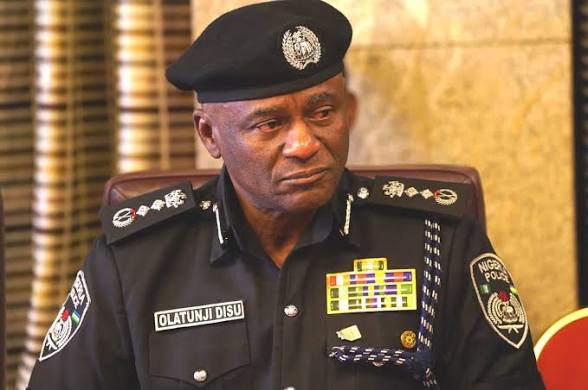
    IGP Olatunji Disu has moved to dispel widespread reports suggesting a sweeping disbandment of police tactical units across the country, describing the narrative as a distortion of his directive.

    In a clarification issued by the Force Headquarters in Abuja, the Police hierarchy said the widely circulated report misrepresented the Inspector-General’s position on the restructuring of tactical squads within state commands.

    The statement, signed by Force Spokesperson DCP Anthony Okon Placid, noted that the IGP remains acutely aware of public concerns over the conduct and proliferation of tactical teams, particularly amid growing scrutiny of their operations nationwide.

    According to the Force, rather than ordering a blanket dissolution, Disu directed a measured reduction in the number of such units to restore operational efficiency and public trust in policing.

    The IGP, described as a grassroots officer with extensive national experience, acknowledged the critical role tactical teams play in crime-fighting but expressed concern over their unchecked expansion.

    He warned that the proliferation of these squads has not only stretched manpower thin across police divisions but has also contributed to cases of misconduct due to weak supervision structures.

    To address the imbalance, the IGP ordered that tactical units at Zonal and State Command levels be streamlined to a maximum of five, while Area Commands and Divisions are to operate no more than three units each.

    The directive, the Force explained, allows for flexibility, giving Heads of formations the discretion to either merge or disband units in line with operational realities on ground.

    However, the restructuring does not affect specialised outfits established by state governments, including Rapid Response Squad in Lagos, Special Response Squad in Oyo, and Operation DOO-AKPOR in Bayelsa.

    The police leadership expressed optimism that the move would release personnel back to core policing duties at stations, improve supervision, and ultimately curb the excesses that have fueled public complaints against the Force.

  • From Losses To Oversight: Fidelity Bank Targets Broken Revenue Systems With Digital Fix

    From Losses To Oversight: Fidelity Bank Targets Broken Revenue Systems With Digital Fix

    Leading financial institution, Fidelity Bank Plc, is set to host a high-level virtual webinar focused on helping public institutions to strengthen revenue systems, improve fiscal transparency, and build smarter digital structures for collections, oversight, and accountability.

    Scheduled for Tuesday, March 24, 2026, the session, themed Digital Fiscal Transparency: Unlocking Sub-national Opportunities for International Partners, will bring together a cross-section of public sector leaders, development institutions, heads of parastatals and agencies, as well as financial experts to explore practical solutions for stronger public finance management.

    “As public institutions seek ways to improve internally generated revenue and strengthen public trust, there has been a renewed focus on fiscal transparency. This is particularly important in the face of recent macro and micro economic developments with many public sector agencies under pressure to do more with limited resources.

    “It is against this background that we have conceptualised this session with a particular focus on how digital platforms can support structured invoicing, seamless collections, payment automation, contractor disbursement transparency, real-time revenue oversight amongst other pertinent areas of revenue mobilization and administration in Nigeria”, commented Richard Madiebo, Divisional Head, Public Sector, Fidelity Bank Plc.

    The event is expected to offer timely insights into how modern revenue infrastructure can help institutions improve efficiency, drive accountability, and support better fiscal outcomes.

    The webinar will address key issues facing many public institutions today, including revenue leakages, fragmented collection channels, weak visibility into revenue performance, poor reconciliation processes, and the growing need for more transparent and technology-driven systems.

    According to Madiebo, “The webinar forms part of our commitment to provide practical solutions that support public sector transformation and stronger sub-national development. This is in line with Fidelity Bank’s mandate to help individuals to grow, businesses to thrive and economies to prosper.”

    Interested participants may register at www.fidelitybank.ng/publicsectorwebinar

  • RAPE OUTRAGE IN IJEBU-ODE: Petitioners Accuse Police Of Cover-up As Command Fires Back

    RAPE OUTRAGE IN IJEBU-ODE: Petitioners Accuse Police Of Cover-up As Command Fires Back

    A storm of controversy has erupted in Ijebu-Ode, Ogun State, following a petition by the Safer Society for Children (SSC) Foundation and the Elegant Nurses Forum (ENF), demanding justice over the alleged gang rape of a young female student.

    In the strongly worded petition dated March 22, 2026, the groups accused the Nigeria Police Force of failing in its primary duty to protect the victim, alleging further that officers compounded her ordeal through acts of misconduct.

    Specifically, the petitioners claimed that personnel at the Igbeba Police Station breached confidentiality by disclosing the victim’s identity and residential details, thereby exposing her family to intimidation.

    They further alleged that relatives of the suspects were allowed undue access, allegedly enabling attempts to pressure and induce the victim’s family into silence through threats and inducements.

    Describing the incident as more than a criminal act, the groups characterised it as a case of “institutional betrayal,” warning that such alleged lapses could erode public trust in law enforcement.

    The petition demanded the immediate investigation and prosecution of the four suspects identified as Kalu Prosper, Oche Destiny, Adamu Paul, and Adewusi Qudus, alongside any police personnel found culpable.

    They also called for adequate protection for the victim and her family, as well as sustained transparency in the handling of the case, urging Nigerians to rally against sexual violence and corruption.

    However, in a swift response, the Ogun State Police Command dismissed the allegations of misconduct, insisting that due process was strictly followed throughout the investigation.

    The Command stated that the suspects had already been charged to court, with the matter now before the judiciary, underscoring that the legal process was actively underway.

    According to the police, all critical procedures, including medical examinations, evidence gathering, and documentation, were conducted professionally, with the victim’s safety and dignity prioritised.

    Nevertheless, the Commissioner of Police has ordered an internal review into the allegations raised, assuring that any proven breach of duty would be met with decisive disciplinary action.

    While the Command urged the public to provide credible information to aid ongoing inquiries, it reaffirmed its commitment to justice, even as the unfolding developments continue to test public confidence in the system.