Category: News

  • Naval Base Epe Distributes 1000 Exercise Books, Mosquito Nets to Lagos Community

    Naval Base Epe Distributes 1000 Exercise Books, Mosquito Nets to Lagos Community


    The Nigerian Navy marked its 70th anniversary with action on Wednesday, May 21, 2026, as Naval Base Epe launched a combined educational and medical outreach at Universal Primary School, Ilara, Eredo LCDA, Epe, Lagos State, putting free learning materials and health supplies directly into the hands of pupils and families in one of Lagos’s underserved coastal communities.

    Commanding the occasion, Navy Captain Levi Deyin, Flag Commander of Naval Base Epe, told guests that the exercise was a deliberate expression of the Navy’s twin mandate, maritime security and community welfare, describing civil-military cooperation as a force multiplier for national development.

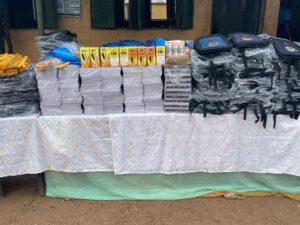
    A total of 1,000 customised exercise books, 150 customised school bags, 200 treated mosquito nets and assorted writing materials were distributed to beneficiaries drawn from the Ilara community, with Captain Deyin framing the haul as a direct response to the documented hardships facing pupils and low-income families within the base’s area of operations.

    Captain Deyin declared that education and healthcare are the two most critical pillars of national development, stressing that no nation can sustain peace, productivity or growth without investing simultaneously in the minds and bodies of its people, particularly the young and the vulnerable.

    The commander singled out the Ilara community and Epe residents broadly for praise, crediting their consistent cooperation and peaceful relationship with Naval Base Epe as a key enabler of the base’s operational effectiveness and community outreach calendar.

    Volunteers from the school and surrounding community were publicly commended for their logistical support, with Captain Deyin acknowledging that the colour and success of the programme owed substantially to the organisers and invited guests who gave their time without compensation.

    Captain Deyin urged every beneficiary to treat the distributed items not as gifts but as tools, reminding the audience that health is wealth and that education remains the surest key to unlocking future opportunities in an increasingly competitive national economy.

    The Naval Base Epe commander gave an unequivocal commitment that people-oriented programmes of this kind would be sustained and expanded, saying the base would continue strengthening its bond with host communities through targeted, evidence-based humanitarian interventions.

    Speaking on behalf of the Chief of the Naval Staff, Vice Admiral Idi Abbas, and the Flag Officer Commanding Western Naval Command, Rear Admiral Abubakar Mustapha, Captain Deyin thanked all officers, ratings, guests and community members whose presence and participation gave the anniversary commemoration its full significance.

    The 70th anniversary outreach at Epe underscores a broader Nigerian Navy strategic posture that positions the service not merely as a combat and patrol force but as an active partner in grassroots development, a doctrine the Navy has branded Onward Together and which Wednesday’s Ilara event gave tangible, community-level form.

  • Nigeria Makes History as NFVCB Earns WHO Recognition Over Tough Tobacco Rules in Entertainment

    Nigeria Makes History as NFVCB Earns WHO Recognition Over Tough Tobacco Rules in Entertainment

    The National Film and Video Censors Board (NFVCB) has been honoured with the World Health Organization (WHO) Director-General’s Special Award, African Region, receiving a Certificate of Appreciation for its outstanding contributions to tobacco control advocacy and the promotion of responsible media content in Nigeria.

    The NFVCB is the only institution among the five-person African Region winners unveiled as part of the activities commemorating World No Tobacco Day.

    This recognition by the DG of the WHO, Dr. Tedros Adhanom Ghebreyesus, acknowledges the Board’s leadership in regulating the depiction and promotion of tobacco and nicotine products in Nigerian films, music videos, skits, and other audiovisual content, particularly those accessible to young audiences.

    The WHO Director-General’s Awards are presented annually ahead of World No Tobacco Day on May 31 to honour individuals and organizations across WHO’s six regions for exceptional work in advancing the implementation of the WHO Framework Convention on Tobacco Control (WHO FCTC)
    NFVCB is being recognized for its landmark 2024 regulations prohibiting the promotion, and glamourization of tobacco and nicotine products in entertainment content.

    The regulations require that any necessary depiction of tobacco use in films and videos must carry health warnings, receive the highest classification rating, and be restricted to audiences aged 18 years and above. The regulations also mandate producers to place a disclaimer and disclose any relationship with the tobacco and nicotine industry while prohibiting tobacco brand display and product placement in entertainment content.

    The policy aligns with the implementation guidelines of Article 13 of the WHO FCTC on tobacco depiction in entertainment media. With the introduction of the regulations, Nigeria became the first country in Africa and only the second globally to establish such comprehensive safeguards against the glamorization of tobacco use on screen.

    Research and WHO guidance have consistently shown that the portrayal of tobacco use in entertainment media normalizes smoking behaviour and increases the likelihood of tobacco uptake among young people. Through clear regulatory standards, the Board is helping to reduce exposure to pro-tobacco imagery while promoting socially responsible storytelling within Nigeria’s creative industry.

    The recognition also aligns with the 8-Point Agenda of the Honourable Minister of Art, Culture, Tourism and the Creative Economy, Barrister Hannatu Musa Musawa, aimed at strengthening policy frameworks, promoting responsible creative content, preserving cultural values, and positioning Nigeria as Africa’s creative capital by 2030.

    Speaking on the recognition, the Executive Director and Chief Executive Officer of the NFVCB, Dr.Shaibu Husseini, described the award as a validation of the Board’s efforts toward promoting responsible storytelling and safeguarding public interest through effective content regulation.

    “This award is a validation of the work we have done with the Nigerian creative industry to promote responsible storytelling. The goal has never been to censor art, but to ensure that our films do not inadvertently market products that are harmful to public health,” he stated.

    Dr. Husseini reaffirmed the Board’s commitment to supporting initiatives that promote healthy societal values, protect children and vulnerable audiences, and strengthen the positive influence of Nigeria’s entertainment industry globally.

    The ED also expressed appreciation to the Federal Ministry of Art, Culture, Tourism and the Creative Economy, filmmakers, producers, and advocacy partners, especially Corporate Accountability and Public Participation Africa (CAPPA), National Tobacco Control Alliance (NTCA), and Campaign for Tobacco-Free Kids (CTFK), for their collaboration in advancing the policy.

    The Board stated that it would continue to strengthen enforcement of the regulations, expand public education and stakeholder engagement, and deepen collaboration with WHO, the WHO FCTC Secretariat, and relevant stakeholders in promoting responsible entertainment content and public health protection.

  • Tourism Industry Leaders Unite for Peace as Crisis Threatens Nigeria Creative Economy — Frank Meke

    Tourism Industry Leaders Unite for Peace as Crisis Threatens Nigeria Creative Economy — Frank Meke

    Thursday, May 14, offered yet another profound insight into the frailty of man and the imperfections that often define human conduct. It was a moment to reflect on how bitterness and malice can be elevated into an art form, defended through the prisms of ignorance, ego, and the absence of humility.

    It was also a day that revealed silence as a powerful instrument of peace, a selfless willingness to suppress ego, bury vindictiveness, and even bear the weight of unjust accusations, all in pursuit of meekness, gentleness, integrity, and harmony.

    For close to ten months, the once vibrant and promising cultural tourism environment in Nigeria has descended into toxicity. What should have been a thriving ecosystem of collaboration became a theatre of manipulation, malicious narratives, and intolerant attacks directed at individuals and ideas perceived not to align with certain vested interests.

    Within this atmosphere, the industry suffered deep institutional and reputational divisions. Friendships and alliances were deliberately fractured, while falsehoods and mischief gained dangerous legitimacy. A disturbing culture of intimidation emerged, championed by forces determined to dominate the sector through fear, influence, and divisive tendencies.

    Gradually, the industry appeared split into two ideological camps, those expected to bow to the dictates of entrenched interests, and those guided by independent thought, conscience, and conviction.

    It became a vicious battle, not just professional but deeply personal and spiritual, one that has negatively impacted individual growth and institutional development alike. Turning policy disagreements into campaigns of personal hostility can never be mistaken for visionary leadership. Such conduct is vain, immature, opaque, and dangerously destructive, like Humpty Dumpty placed recklessly behind the wheel, determined to crash into everything within sight.

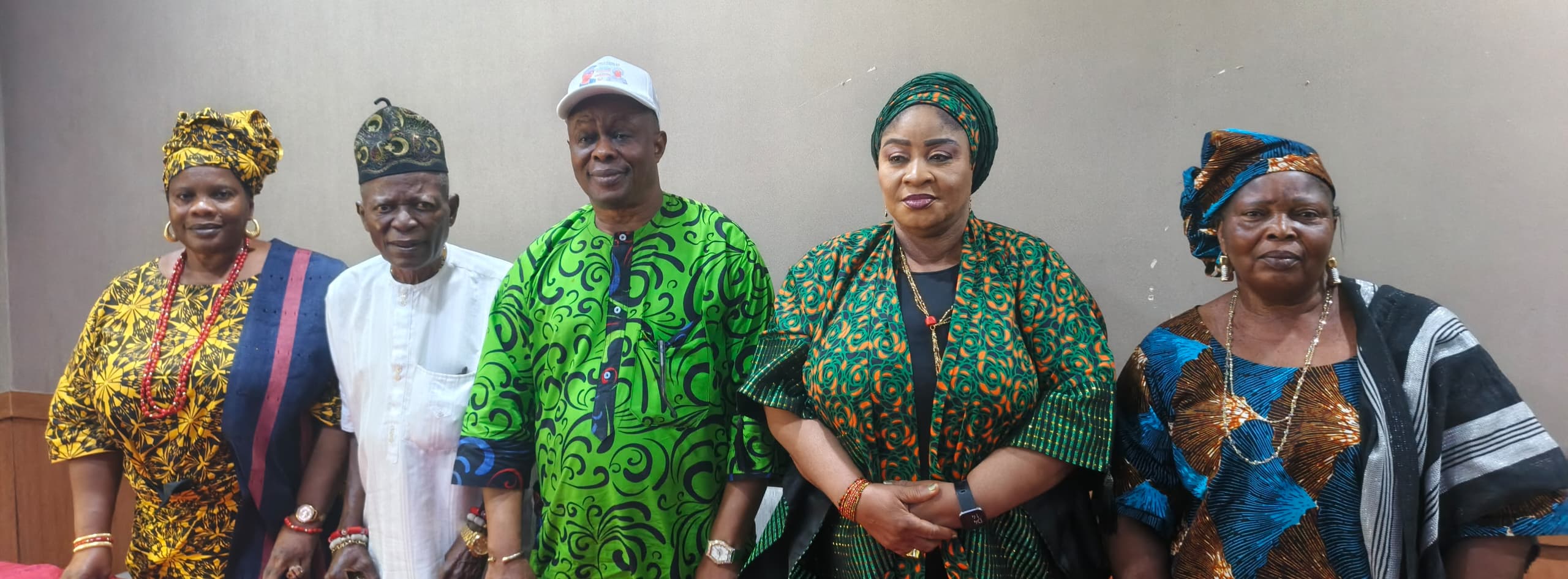
    Yet, on this significant day, seated within the office of the Honourable Minister of Culture, Tourism and Creative Economy, Hannatu Musa Musawa, were men and a woman considered worthy enough to pursue the elusive peace the sector has desperately lacked over the past several months.

    At the centre of this peace initiative stood a young and emerging industry leader who believes sincerely that peace remains the greatest catalyst for progress. Yinka Folami, a persuasive and thoughtful voice of his generation, demonstrated courage where many so-called elders hesitated. It was he, not the highly celebrated but conveniently absent “elders”, who convened the meeting.

    Working closely with him was Kabir Masanawa, Director General of the Katsina History and Culture Bureau, former leader within the Tourism Federation, and an unwavering advocate for peace and reconciliation.

    As Pope Leo XIV recently observed, peace cannot simply be decreed; it must be embraced, nurtured, and lived. It is a gift from God that unfolds through patience, sincerity, and collective commitment.

    Gathered in agreement to listen, engage, and seek common ground were Minister Hannatu Musa Musawa; Permanent Secretary Abdulkarim Ozi Ibrahim; Nkereweum Onung; Samson Aturu; Badaki Aliyu; Mustapha Mohammed; and Elder Abiodun Odunsanwo. None of us present were strangers to the challenges confronting the industry.

    Minister Hannatu Musa Musawa appeared optimistic and deeply reflective. Though her remarks were brief, they carried remarkable clarity. She spoke passionately about the need for a peaceful industry where dialogue must be driven by truth, responsibility, and national interest rather than division and hostility.

    She encouraged open interventions, and Yinka Folami laid a firm intellectual and moral foundation for reconciliation within the sector. Carefully and thoughtfully, he outlined the dangers of a private sector body remaining perpetually at war with government institutions. He argued that the ongoing disagreement surrounding the regulatory initiatives of National Institute for Hospitality and Tourism should not be reduced to personality conflicts or emotional confrontations.

    Government, he stressed, should be constructively engaged and supported. Where grey areas exist, they should be addressed through dialogue aimed at preserving peace and advancing the growth of the industry.

    During introductions, the Minister encouraged me to speak frankly, perhaps inspired by my name. I appreciated the opportunity to emphasize the importance of objective and fearless reportage within the sector. I reflected on my long-standing reportorial journey covering ministers appointed under both military and democratic administrations since 1999. It would, indeed, amount to a painful stain on that legacy if stakeholders failed to sit together and resolve their differences through dialogue.

    Nkereweum Onung offered a rich historical perspective on the value of peaceful engagement with government during his tenure, advocating the need to sustain that culture of mature collaboration.

    Samson Aturu also spoke strongly in favour of peace, while Elder Abiodun Odunsanwo echoed similar sentiments. Mustapha Mohammed immersed himself fully in the engagement, evidently aligning with the conciliatory spirit championed by his president, Yinka Folami.

    The President of FTAN spoke extensively, outlining grievances and perceived shortcomings concerning the leadership of NIHOTOUR. However, he was repeatedly reminded to focus on issues rather than personalities.

    The Permanent Secretary acknowledged awareness of the tensions within the sector and admitted that, as someone relatively new within the system, he would work diligently toward achieving lasting reconciliation.

    In her concluding remarks, the Honourable Minister delivered perhaps the most touching message of the day. She reminded everyone that those entrusted with public service deserve support and encouragement. Where disagreements arise, she insisted, the national interest must always prevail above personal sentiments.

    Her appeal for reconciliation carried genuine sincerity capable of softening even the hardest of hearts, especially among those who sincerely desire the growth and global relevance of Nigeria’s cultural tourism sector.

    I left that meeting deeply appreciative of Yinka Folami, who travelled to Abuja simply to advocate for peace. I also left with renewed respect for Hannatu Musa Musawa, a latter-day apostle of reconciliation within the industry, and for everyone who came to the table genuinely seeking a new beginning rooted in sincerity, patriotism, and the fear of God rather than the fear of men.

    In my own little corner, I remain committed to building a coalition of peacemakers, a place where even the most difficult and unforgiving souls may yet discover restoration, healing, and peace of mind.

    Nigeria is greater than the forces of mischief and malicious manipulation.

    Nigeria’s cultural tourism economy must survive.

  • APC Aspirant Lanre Jim Kamal Promises Free Education Healthcare and N150000 Pension in Lagos

    APC Aspirant Lanre Jim Kamal Promises Free Education Healthcare and N150000 Pension in Lagos

    A Lagos State governorship aspirant on the platform of the All Progressives Congress (APC), Otunba Lanre Jim-Kamal, has claimed that his foreign partners are willing to invest up to $50 billion in Lagos, with a proposed focus on human capital development, healthcare, agriculture and critical infrastructure if elected in 2027..

    Speaking during a press briefing on Monday, the aspirant described the proposed investment as part of a broader economic transformation agenda aimed at strengthening social welfare, public services and urban development across the state.

    He said his administration would introduce a N150,000 monthly lifetime allowance for citizens aged 60 and above, while extending social support to nursing mothers.

    Jim-Kamal equally proposed housing support for unemployed youths as part of an expanded welfare programme, even as he outlined plans for free education at all levels, free healthcare services, mechanised agriculture, mass housing schemes, road reconstruction and improved transportation systems designed to ease congestion across Lagos.

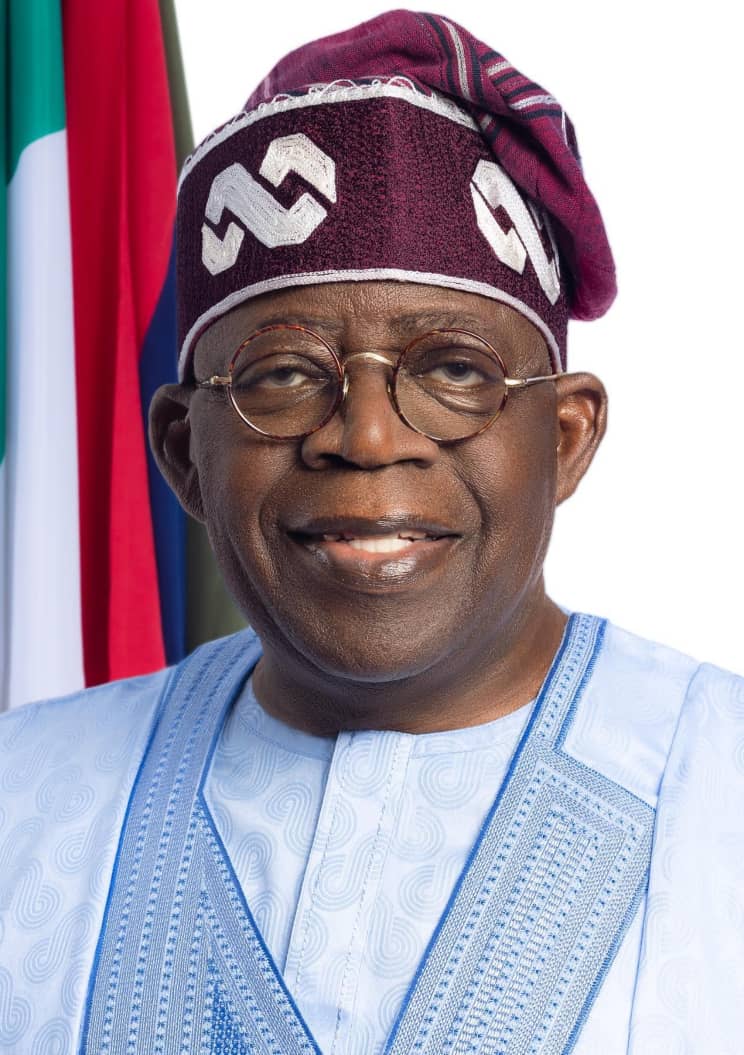
    On political leadership, he described President Bola Tinubu as “the number one democrat in Nigeria,” asserting that the President does not impose candidates within the political structure, including in Lagos State.

    Commenting on internal dynamics within the APC governorship race, he said competition among aspirants had intensified, referencing concerns over consensus arrangements which, according to him, have generated tensions among party stakeholders.

    The Lagos governorship aspirant pledged improved waste management systems and empowerment programmes targeting youths and women, alongside urban renewal initiatives intended to decongest commercial centres across the state.

    Noting the vast coastal opportunities in Lagos, he remarked that his administration would prioritise the control and optimisation of the state’s territorial waters as a major strategy for revenue generation if elected in 2027.

    He described maritime development as a central component of his economic agenda, adding that the state would seek collaboration with the Federal Government to unlock new income streams through waterways and maritime operations.

    His words: “We want to control our territorial waters, which is how we plan to generate revenue. That is the major way we want to generate income.”

  • Hannatu Musawa Leads Tourism Reform Push As NIHOTOUR Sets Professional Standards — By Frank Meke

    Hannatu Musawa Leads Tourism Reform Push As NIHOTOUR Sets Professional Standards — By Frank Meke

    Thursday, May 14th, 2026, marked a defining moment for Nigeria’s cultural tourism and hospitality economy. It was a day we awoke from slumber to embrace ethical milestones and to advance an idea long trapped in uncertainty and cultural blindness, an opportunity to align with global standards. It was, indeed, a day of record-setting significance, documenting who we are, what we do, and how we practice, on behalf of ourselves, our families, our nation, and our people.

    Strategically, the innovative ceremony took place at the Nigeria Merit House in Abuja, an edifice known for hosting national recognitions, inductions, and honours for distinguished Nigerians from all walks of life.

    It was a day when determination, grit, vision, and innovation defeated parochialism, divisiveness, and resistance to professional auditing within Nigeria’s tourism and hospitality sector.

    Nigeria’s Minister of Arts, Culture, Tourism and Creative Economy led from the front with grace and resolve, brushing aside spirited efforts by entrenched interests seeking to undermine her participation and endorsement.

    She was accompanied by the Permanent Secretary, Abdulkarim Ozi Ibrahim, newly appointed, relatively new to the sector, yet bold and resolute in his support for Nigeria’s institutional reform agenda. His presence signalled to the world that Africa’s largest economy is serious about professionalism and global competitiveness in tourism and hospitality.

    We are not unmindful that it is not yet uhuru for the industry, nor are we fully singing the Zion song. Yet, we are proud that Nigeria, through the National Institute for Hospitality and Tourism, has broken a long-standing jinx that kept the sector trapped in opacity since independence.

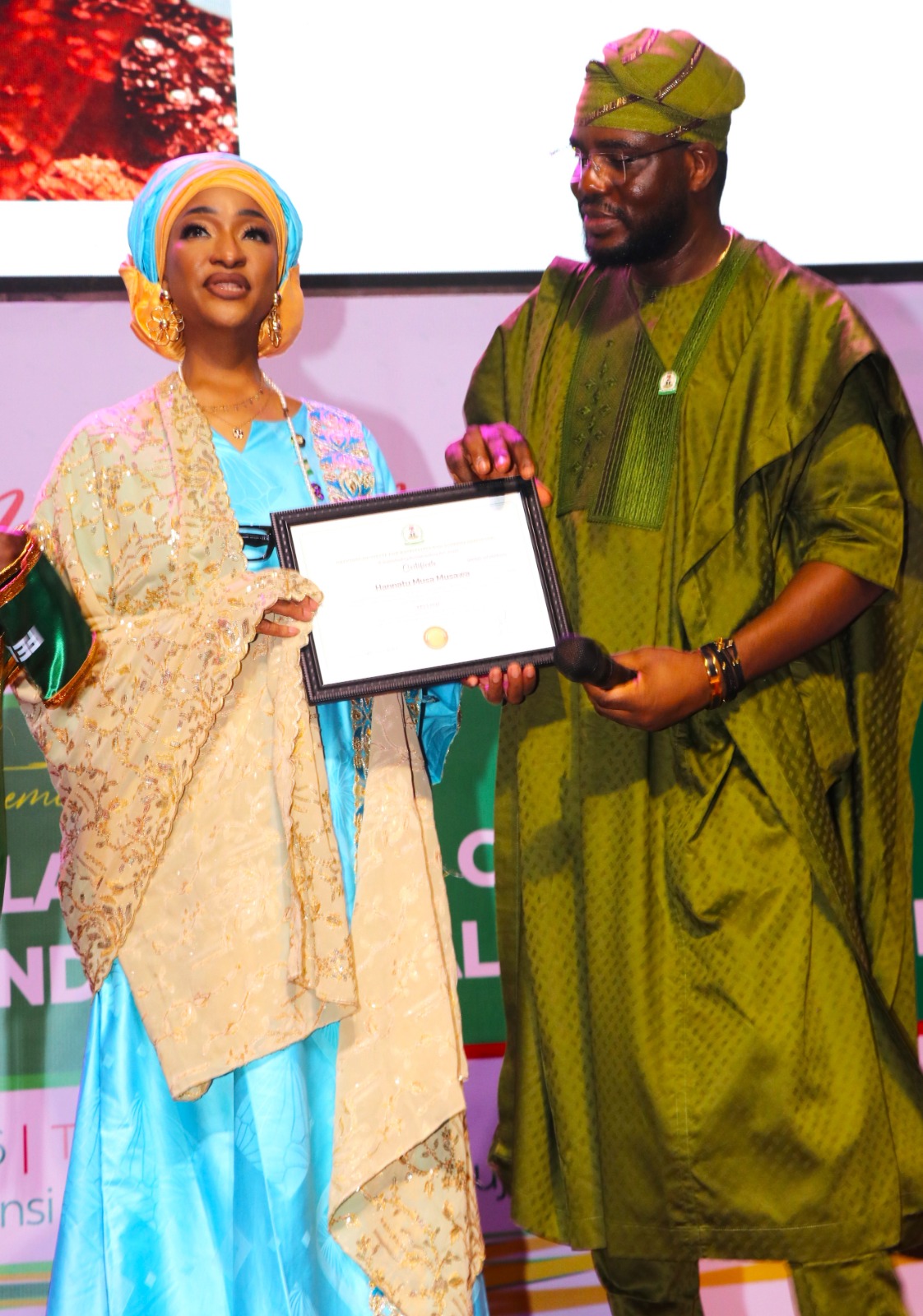
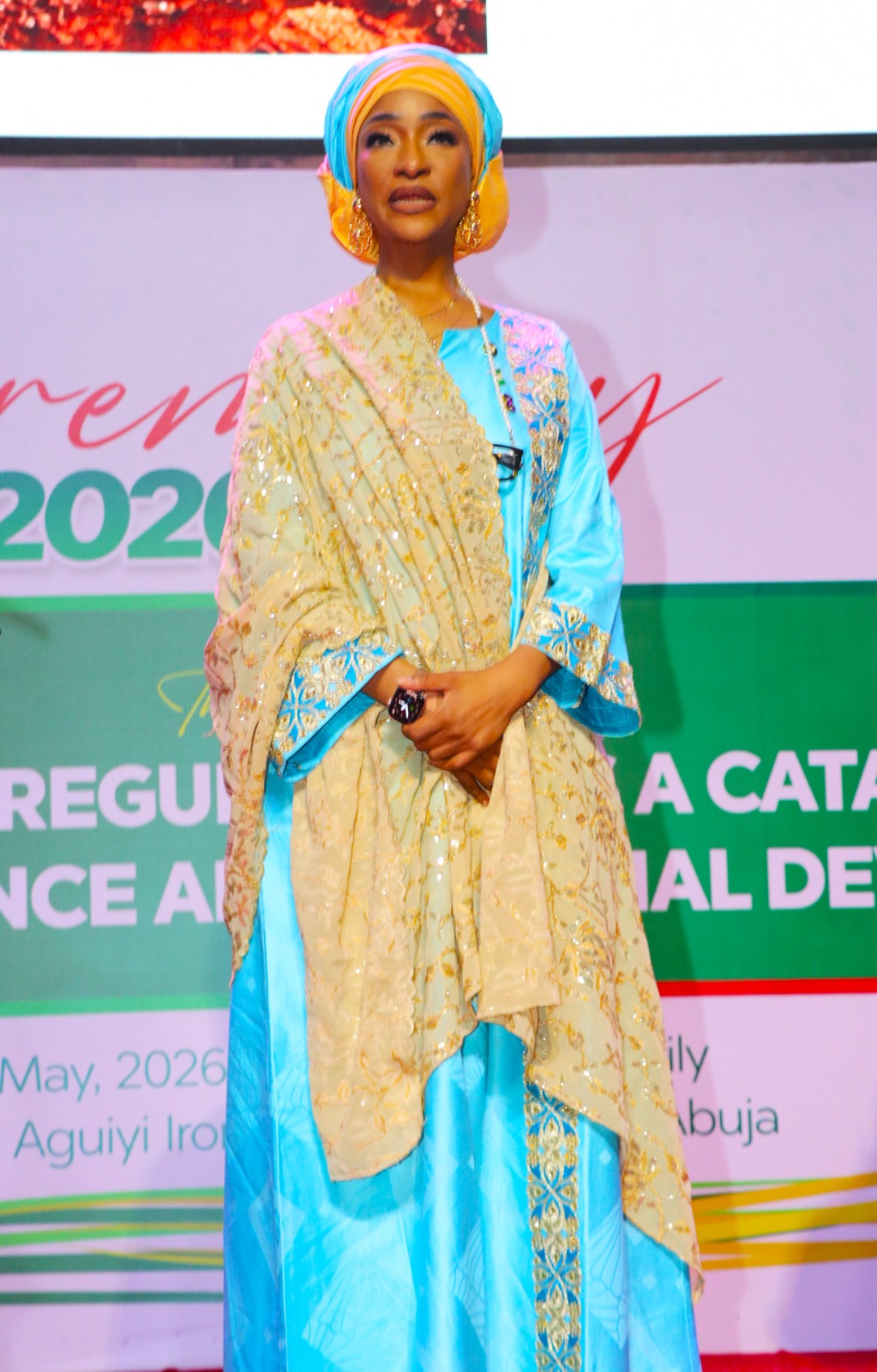
    By symbolic gesture, the Minister, Hannatu Musa Musawa, became Nigeria’s first registered inductee, taking an oath to abide by the Nigerian Hospitality, Travel and Tourism Code of Ethics and pledging to fulfil all legal and ethical obligations to the nation and its people.

    For three years, I had watched Hannatu Musa Musawa stumble and occasionally appear evasive on industry issues. But on this Thursday, she stood tall, poised, composed, and determined to be remembered as the leader who opened a new chapter of accountability and professional profiling in Nigeria’s cultural tourism ecosystem, where stakeholders must be properly identified, certified, and counted.

    “Today, I would have preferred the James Bond 007 number, but protocol and my position as a leader in this sector called me to accept this induction as 001, which I am proud to accept,” the Minister declared, her voice resonating across a fully packed hall.

    Her expression reflected confidence and fulfillment as she participated actively in the induction process, guided by the provisions of Nigerian law. It offered a renewed lens through which to evaluate a woman previously subjected to intense public scrutiny.

    She also reaffirmed her support for the often-misunderstood Director General of the National Institute for Hospitality and Tourism, Abisoye Fagade, commending his dedication and maturity despite past criticisms directed at him.

    In her remarks, she appealed to stakeholders, investors, and practitioners to work with government in sanitising the industry, stressing the need to eliminate quacks and unlicensed operators. Over the course of her brief address, she repeatedly used the word “please,” underscoring her conciliatory tone and call for cooperation.

    The Permanent Secretary, Abdulkarim Ozi Ibrahim, nodded in agreement throughout the proceedings. From my vantage point behind these leaders, I observed closely, as I often do, watching for signals that could reveal support or dissent toward this reform-driven initiative.

    Despite appearing under the weather, with a plaster on her right hand suggesting recent medical attention, the Minister remained steadfast, choosing duty over discomfort in service of the industry’s transformation.

    Also in attendance was Nigeria’s foremost legal practitioner and President of the Nigerian Bar Association, Afam Josiah Osigwe (SAN), who emphasized the importance of regulation, certification, and professionalism, noting that without these, Nigeria’s tourism sector risks losing global credibility and attractiveness.

    Retired Chief Judge of the Federal Capital Territory, Justice Ishaq Bello, also graced the occasion. As Chairman of the Hospitality, Travel and Tourism Practitioners Disciplinary Tribunal, his presence reinforced the government’s commitment to enforcing ethical standards, licensing compliance, and professional accountability.

    Director Generals of NTDA, NICO, and the National Gallery of Arts all reaffirmed the need for a structured and regulated industry where stakeholders are properly identified, certified, and accountable.

    It was indeed a momentous occasion, with the Minister personally engaging inductees, embracing women and respectfully acknowledging older male practitioners. Her humility stood out, a trait often considered rare in Nigeria’s political landscape.

    Nkereuwem Onung, Chairman of the Industry Sector Skills Council and also a Fellow of the Institute, reiterated the urgency for Nigeria to embrace structured professionalism or risk being overwhelmed by gaps in service delivery and capacity development. The former FTAN chieftain and Special Adviser to Governor Umo Eno of Akwa Ibom State on Culture, spoke on behalf of other inductees, pledging support for the initiative.

    President of the National Association of Nigeria Tour Operators (NATOP), Bolaji Mustapha, also a member of the Hospitality and Tourism Disciplinary Tribunal, received a standing ovation for her firm stance against quackery and substandard practices during her vote of thanks, signaling a renewed push for discipline and professionalism in the sector.

    The man of the moment, Abisoye Fagade, expressed gratitude to God for the success of the initiative. He reiterated that charity must begin at home, noting that deserving staff within the ministry and its agencies were among the first beneficiaries of certification and licensing.

    Indeed, the licensors must first be licensed. It is a focused reform agenda, one that seeks a win-win transformation for all stakeholders, not a parochial emotional tug-of-war driven by confusion or resistance to change.

  • Fidelity Bank Chairman Amaka Onwughalu wins “Women on Bank Boards” at AWBFA 2026

    Fidelity Bank Chairman Amaka Onwughalu wins “Women on Bank Boards” at AWBFA 2026

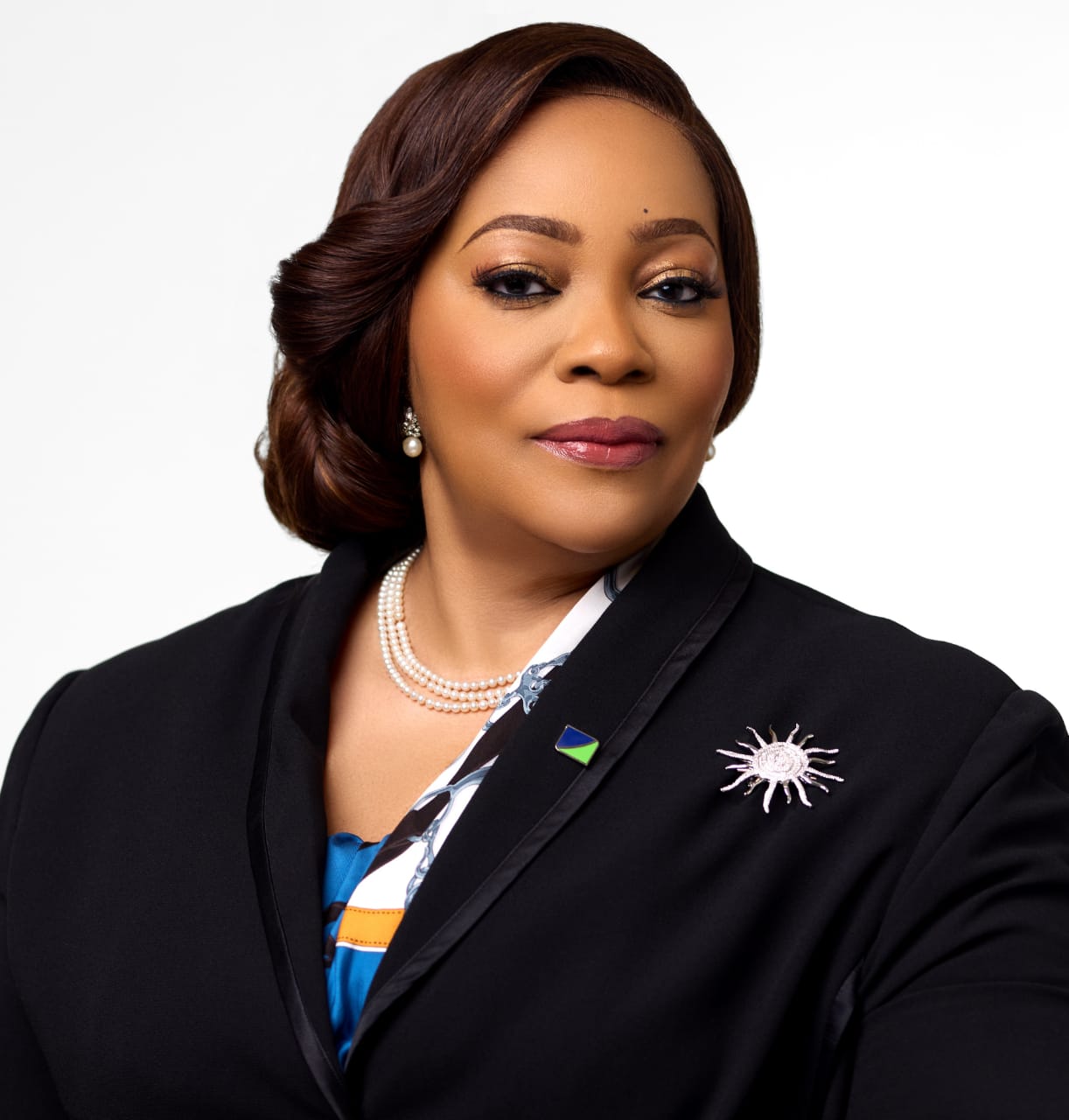
    Mrs. Amaka Onwughalu, Chairman of the Board of Directors of Fidelity Bank Plc, has emerged winner in the “Women on Bank Boards” category at the Africa Women in Banking and Finance Conference and Awards (AWBFA 2026).

    The event, themed “Redefining Women’s Leadership in African Finance”, held at the Lagos Marriott Hotel Ikeja on Friday, 8 May 2026, is a platform established to celebrate women driving leadership and impact across Africa’s financial services ecosystem. It also spotlights professionals whose contributions are often overlooked, while advancing visibility for women shaping banking and finance.

    In her acceptance remarks, delivered through Ezinwa Unuigboje, Company Secretary, Fidelity Bank Plc, Onwughalu described the recognition as a timely reminder of the role inclusion plays in strengthening board effectiveness and corporate governance.

    “This recognition matters because inclusion at board level strengthens governance,” she said, noting that when diverse perspectives are represented, “oversight is sharper, risk conversations are richer, and strategy is tested more thoroughly.”

    She added that inclusive leadership sends an important signal to the market and the next generation of leaders, emphasising that boardrooms should reflect “competence, experience, and the society the financial system serves.”

    For Fidelity Bank, the Chairman linked the award to the institution’s governance priorities and growth trajectory. She noted that strong governance aligns with the bank’s consolidation of “key milestones in capital strengthening, international expansion, and sustained business growth.”

    She also highlighted the wider benefits for the Nigerian banking industry, noting that inclusive boards support stability and trust, improve decision quality, and help institutions remain responsive to customers, communities, and an evolving regulatory environment. She said the honour was accepted “with gratitude, and with renewed commitment to champion inclusive leadership at the highest level.”

    Organisers have positioned AWBFA 2026 as more than a conference, describing it as a movement focused on celebrating excellence, driving inclusion, and strengthening leadership pipelines for women across Africa’s financial ecosystem.

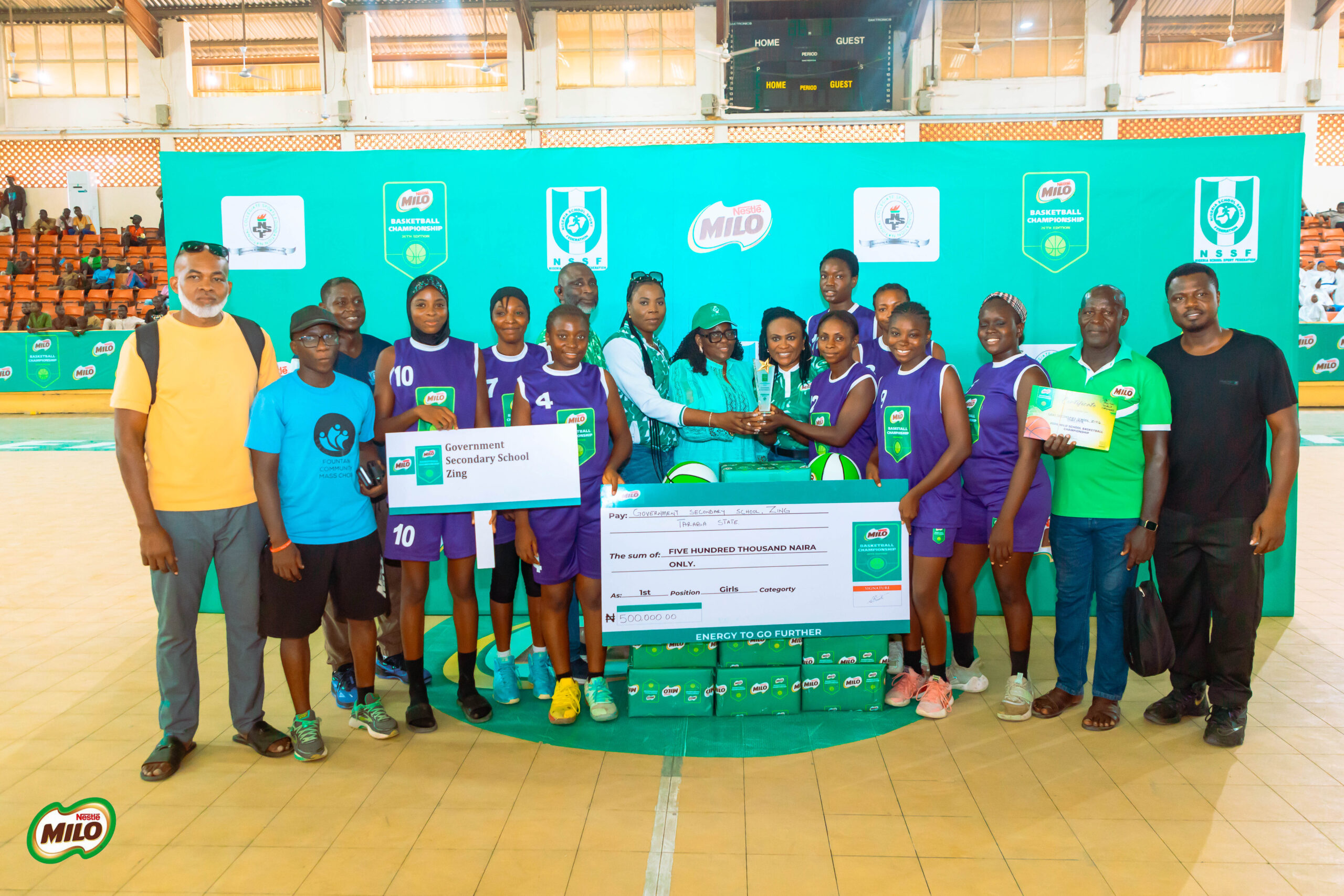
  • Government Secondary School Zing Taraba and Family Support Programme, Katsina Emerge Winners at the Savannah Conference Finals as the 26th Milo Basketball Championship Begins

    Government Secondary School Zing Taraba and Family Support Programme, Katsina Emerge Winners at the Savannah Conference Finals as the 26th Milo Basketball Championship Begins

    The 26th edition of the Milo Basketball Championship officially began with the successful conclusion of the Savannah Conference regional finals at the Sanni Abacha Indoor Sports Hall in Kano.

    The opening address was delivered by Mrs. Opeyemi Jaiyeola, Category Development Manager, on behalf of Mr. Gilbert Tweneboah, Category Manager. In his speech, he reflected on the journey of the initiative, noting that, “Since 1999, what started with fewer than 500 schools has grown into a national movement, now engaging over 12,000 schools annually. This growth is not by chance. It’s a result of dedication, consistency, and the belief that every child deserves the opportunity to discover their strength and reach their full potential.”

    According to the press release by Lois Nweke, Corporate Communications and Public Affairs Specialist. The girls’ final saw a competitive contest between Government Secondary School Zing, Taraba State, and Government Girls College Unity School, Bauchi. After a hard-fought game, Zing triumphed with a 53–43 scoreline. Happy Sylvester of Zing was named the Most Valuable Player (MVP), delivering a standout performance with 38 points.

    In the boys’ final, Family Support Programme, Katsina secured a narrow 64–63 win over Government Secondary School Numan, Adamawa State. Friday Emmanuel of Katsina was named the MVP of the boys’ category, contributing 22 crucial points to his team’s victory.

    The event was attended by dignitaries from the Kano State Ministry of Education, Ministry of Youth and Sports, media representatives, Olympic Commission representatives, and key partners, including NSSF, NCSF, and FIBA.

    As the tournament progresses, attention now shifts to the Central Region Finals, which will take place at the Indoor Sports Hall of Mogadishu Barracks. Teams from the Central Region will compete for the chance to represent their region at the National Finals in Lagos this July.

  • How DC Afeni Is Redefining Border Security At Idiroko With Massive Smuggling Busts

    How DC Afeni Is Redefining Border Security At Idiroko With Massive Smuggling Busts

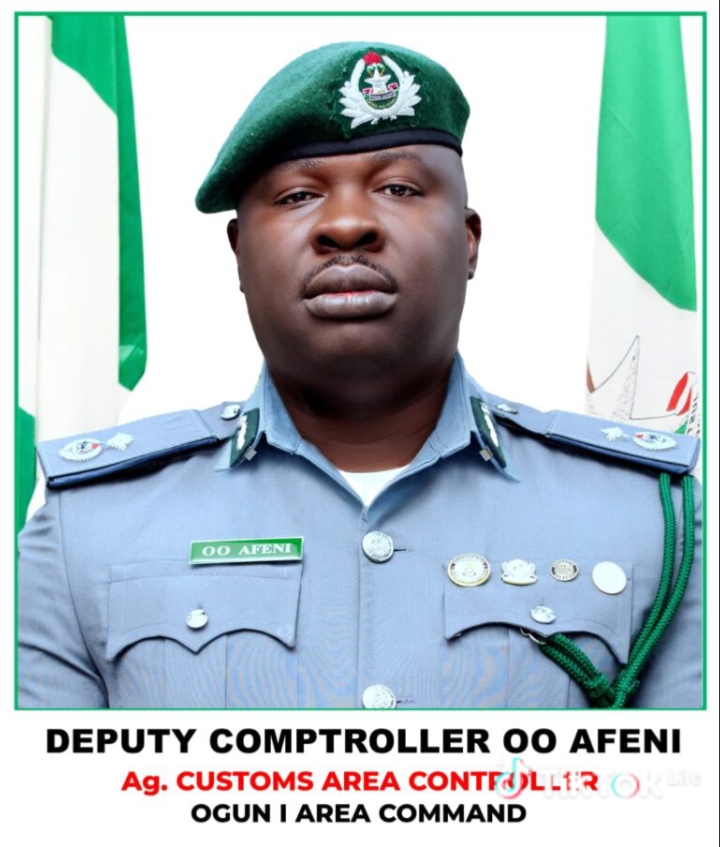
    Along Nigeria’s notoriously porous western frontier, where smuggling networks have historically thrived on geography, weak border controls and entrenched informal trade, a quiet but consequential transformation appears to be unfolding at the Ogun I Area Command of the Nigeria Customs Service (NCS). At the centre of this shift is Deputy Comptroller Oladapo Afeni, whose leadership at the Idiroko border command is increasingly attracting attention for its operational intensity, intelligence-led enforcement and visible results.

    In just 41 days, the Command intercepted contraband valued at N6.77 billion, a figure that speaks not only to the scale of illicit commerce along the border corridor but also to the renewed aggression of Customs operations under Afeni.

    Yet beyond the statistics lies a broader story — one about institutional renewal, generational leadership and the emergence of a new crop of Customs officers increasingly equipped to reposition the Service for modern border management.

    Beyond Seizures: The Afeni Template

    For decades, the Idiroko border has symbolised both opportunity and vulnerability. While legitimate trade flows between Nigeria and the Republic of Benin sustain economic activities, the corridor has equally served as a major artery for narcotics, foreign rice, fuel diversion, counterfeit medicines and illicit wildlife trafficking.

    What appears different under Afeni is the operational philosophy.

    Rather than relying solely on conventional border patrols, the Ogun I Command has leaned into intelligence gathering, strategic surveillance and coordinated enforcement. The result has been a rapid succession of seizures that cut across multiple high-risk sectors.

    The headline interception – 10,126 parcels of cannabis indica weighing 4,627 kilograms and valued at over N5 billion – underscored the Command’s seriousness in tackling narcotics trafficking.

    From January to date, the Command reportedly intercepted over 26,000 parcels of cannabis sativa and indica combined, reinforcing concerns that the Idiroko corridor remains a critical route for transnational drug networks.

    But Afeni’s intervention extends beyond drugs.

    Under his watch, Customs operatives seized 1,759 bags of foreign parboiled rice, 14,550 litres of Premium Motor Spirit (PMS), thousands of kegs of smuggled vegetable oil, expired food items, counterfeit pharmaceuticals and even six live pangolins – one of the world’s most trafficked endangered species.

    Such seizures reflect a broader understanding of border security: that smuggling is not merely an economic crime, but one with public health, environmental and national security implications.

    A New Generation Of Customs Leadership

    Afeni’s performance also highlights a wider institutional reality within the Nigeria Customs Service – the emergence of younger, technologically adaptive and strategically minded officers capable of driving reforms.

    Under the leadership of the Comptroller-General of Customs, Dr. Bashir Adewale Adeniyi MFR, the Service has increasingly embraced digital surveillance, geospatial intelligence and data-driven enforcement mechanisms.

    The deployment of such tools at commands like Ogun I signals a transition from manpower-heavy operations to smarter, intelligence-based border management.

    This matters because the nature of smuggling itself is evolving.

    Criminal syndicates now operate sophisticated supply chains spanning multiple countries, exploiting porous routes, digital communication and regional market imbalances. Countering such networks requires officers who understand both enforcement and technology — a profile increasingly visible among the Service’s emerging leadership cadre.

    Afeni represents this transition.

    His approach at Idiroko reflects a blend of operational firmness, inter-agency collaboration and strategic adaptability — qualities many observers argue will define the next phase of Customs administration.

    Even amid intensified anti-smuggling operations, Ogun I Command generated ₦125.43 million in revenue through baggage assessment and auctioned petroleum products while facilitating exports valued at over ₦1 billion Free on Board (FOB).

    This balance between enforcement and trade facilitation reinforces an important truth about modern Customs operations: success is no longer measured solely by seizures, but by the ability to secure borders while enabling lawful commerce.

    For the Nigeria Customs Service, the story unfolding at Idiroko may ultimately represent something bigger than one officer’s achievements.

    It may well be an early signal that a new generation of Customs leadership is emerging – one better positioned, technologically prepared and operationally disciplined to take the Service to greater heights in an era of increasingly complex border threats.

  • Nollywood Expansion Drives NFVCB To Record 304 Film Classifications In Four Months

    Nollywood Expansion Drives NFVCB To Record 304 Film Classifications In Four Months

    The National Film and Video Censors Board (NFVCB) has approved and classified a total of 304 films between January and April 2026, reflecting sustained growth in Nigeria’s film industry and reaffirming the Board’s commitment to effective regulation of the sector.

    The figure represents an increase over the 267 films classified within the corresponding period in 2025. In the first four months of 2025, the Board classified 25 films in January, 58 in February, 114 in March and 70 in April. According to the 2026 classification statistics, January recorded the highest number of approved films with 102 classifications, followed by 83 in February, 77 in March and 42 in April.

    The language distribution of the 304 films classified during the review period shows English language productions leading with 201 films, followed by Igbo with 44 films, Yoruba with 42, Hindi with 9, Hausa with 5 and Bini with 3. Further analysis of the classification categories indicates that the majority of the films fell within the “15” and “18” age ratings, reflecting prevailing themes and creative trends in contemporary film productions. The classification distribution is as follows: G: 10 films, PG: 16 films, 12/12A:18 films, 15:157 films, and 18:103 films.

    Commenting on the performance, the Director, Film Censorship and Classification, Deborah Malgwi, reaffirmed commitment of the Board to promoting responsible storytelling, professionalism and the continued growth of the Nigerian film industry in line with national values and international best practices.

    She further noted that the increase in film classification activities underscores the resilience and expanding capacity of Nigeria’s creative industry, particularly in local content production and distribution.

    Malgwi further reminded filmmakers that film classification remains a critical regulatory mechanism designed to protect children and vulnerable audiences from unsuitable content while also providing necessary viewing guidance to parents, guardians and the general public.

    She also commended filmmakers, producers and stakeholders across the value chain for their continued cooperation and compliance with the Board’s regulatory framework.

  • NIHOTOUR Inducts Tourism Professionals As FG Pushes Global Hospitality Standards

    NIHOTOUR Inducts Tourism Professionals As FG Pushes Global Hospitality Standards

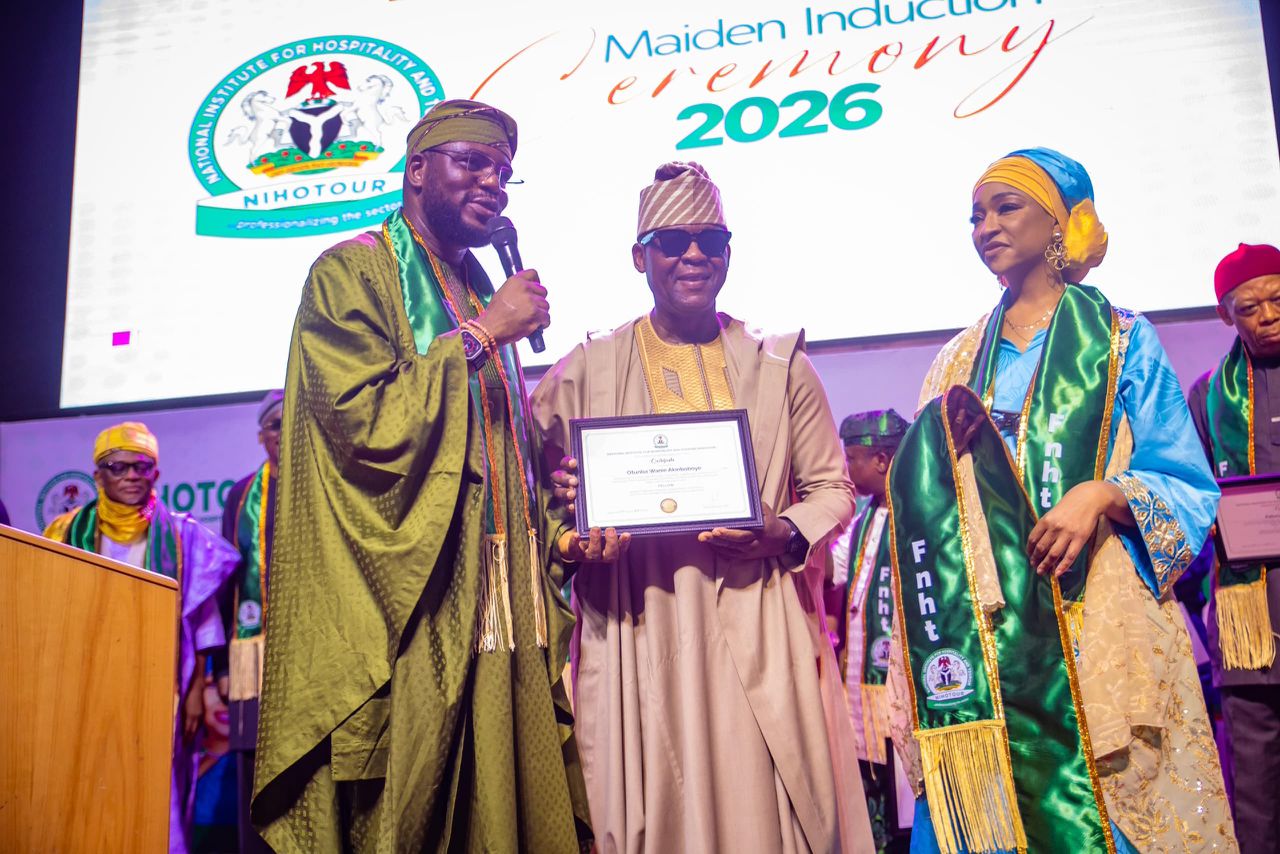
    The Federal Government has reaffirmed its commitment to building a globally competitive hospitality, travel and tourism ecosystem, as key stakeholders across government, the private sector and industry institutions rallied strong support for the National Institute for Hospitality and Tourism (NIHOTOUR) at the Sectoral Personnel, Practitioners, Operators and Institutions Registration, Induction, Fellowship Conferment and Inauguration of the Governing Boards of the Hospitality and Tourism Sector Skills Council of Nigeria (HTSSCN), held in Abuja.

    According to the press release by the Management
    National Institute for Hospitality and Tourism (NIHOTOUR)
    Abuja, Nigeria.
    The landmark event, held at Merit House, Maitama, Abuja on Thursday, May 14, 2026, brought together top government officials, regulators, tourism operators, development partners, hospitality professionals, cultural institutions and industry leaders in what many described as a defining moment in the institutional transformation and professionalization of Nigeria’s tourism and hospitality industry.

    The ceremony featured the induction of registered hospitality and tourism professionals, conferment of Fellowship honours on distinguished Nigerians, and inauguration of the Governing Boards — Board of Trustees and Board of Directors — of the Hospitality and Tourism Sector Skills Council of Nigeria (HTSSCN).

    Presiding over the event, the Honourable Minister of Art, Culture, Tourism and the Creative Economy, Hannatu Musa Musawa, described the initiative as a transformational intervention aimed at strengthening professionalism, regulation, accountability, standards and global competitiveness within the hospitality and tourism ecosystem.

    According to the Minister, no sector can attain sustainable growth without structure, standards, institutional coordination and skilled professionals.

    “The tourism and hospitality industry remains one of the fastest-growing sectors globally, contributing significantly to employment generation, foreign exchange earnings, cultural diplomacy and national development. Nigeria possesses extraordinary cultural diversity, heritage assets, creative talent and natural tourism destinations, but to unlock this immense potential, professionalism, accountability, standardisation and competence must remain central to our national strategy,” she stated.

    The Minister further noted that the NIHOTOUR Establishment Act has significantly strengthened the Institute’s mandate beyond training, positioning NIHOTOUR as a critical regulatory, certification and standards authority for hospitality, tourism and travel practitioners in Nigeria.

    She emphasized that sustainable sector growth can only be achieved through stronger collaboration between government institutions, the private sector, operators, training institutions and development partners.

    In his keynote remarks, the Director General/Chief Executive Officer of NIHOTOUR, Dr. Abisoye Fagade, described the event as a historic turning point in the formalization and institutional strengthening of Nigeria’s tourism and hospitality sector.

    According to him, the induction of registered practitioners, conferment of fellowship honours and inauguration of the Governing Boards of the Hospitality and Tourism Sector Skills Council of Nigeria collectively represent a new era of competence, professional recognition, institutional governance and sector-wide coordination.

    “Today, we are not merely gathering for ceremony. We are laying the foundation for a more structured, respected, innovative and globally competitive hospitality and tourism industry. Regulation and standardization are no longer optional; they are economic necessities if Nigeria truly intends to compete globally,” he stated.

    Dr. Fagade reiterated that NIHOTOUR is deliberately repositioning itself not merely as a regulator, but as a facilitator, enabler and strategic institutional partner focused on workforce development, competency-based certification, industry collaboration and sustainable sector growth under the Renewed Hope Agenda of President Bola Ahmed Tinubu, GCFR.

    A major highlight of the event was the inauguration of the Governing Boards of the Hospitality and Tourism Sector Skills Council of Nigeria (HTSSCN), an employer-led institutional platform designed to bridge the gap between workforce competencies and industry expectations.

    The Council is expected to drive competency standards, curriculum enhancement, accreditation systems, labour market intelligence, workforce development, industry partnerships and globally aligned professional certification frameworks for the sector.

    In a strong institutional endorsement of NIHOTOUR’s reform agenda, the President of the Nigerian Bar Association (NBA), Mazi Afam Osigwe, stressed that effective regulation remains the only sustainable pathway for scaling the hospitality and tourism industry in Nigeria.

    He emphasized that every globally respected industry is built on enforceable standards, institutional discipline, professional licensing and accountability systems, noting that the absence of regulation weakens investor confidence, reduces service quality and limits international competitiveness.

    According to him, NIHOTOUR’s ongoing reforms and institutional frameworks represent a timely and necessary intervention capable of repositioning Nigeria’s tourism and hospitality industry for sustainable growth and global relevance.

    The event also received strong endorsements from sister agencies and sector leaders.

    The Executive Secretary/CEO of the National Institute for Cultural Orientation (NICO), Biodun Ajiboye, highlighted the economic value of culture as a strategic national asset capable of driving tourism growth, strengthening national identity and creating employment opportunities when professionally structured and effectively managed.

    Similarly, the Director General of the Nigerian Tourism Development Authority (NTDA), Olayiwola Awakan, commended NIHOTOUR’s leadership for advancing competence, ethics and continuous professional development across the tourism value chain, noting that stronger standards would significantly improve service delivery and investor confidence.

    Also speaking, the Director General of the National Gallery of Art (NGA), Ahmed Bashir Sodangi, emphasized the importance of harnessing creativity, culture and innovation as strategic economic assets capable of boosting tourism traffic, expanding opportunities for young Nigerians and strengthening Nigeria’s global cultural influence.

    A major highlight of the ceremony was the conferment of Fellowship honours on distinguished Nigerians in recognition of their exceptional contributions to public service, tourism development, cultural advancement, institutional leadership and national growth.

    Among those honoured were the Honourable Minister, Hannatu Musa Musawa; Director General/CEO, NIHOTOUR, Dr. Abisoye Fagade; Permanent Secretary, Federal Ministry of Art, Culture, Tourism and Creative Economy, Ibrahim Abdulkarim Ozi; Director General, NTDA, Olayiwola Awakan; Executive Secretary/CEO, NICO, Biodun Ajiboye; Director General of the Nigerian Civil Aviation Authority (NCAA), Chris Ona Najomo; former Director General, Nigerian Tourism Development Corporation (NTDC), Segun Runsewe; tourism expert, Onung Nkereuwem; former Vice Chancellor, Ahmadu Bello University, Ishaq Bello; former Director General, Nigerian Tourism Development Corporation (NTDC), Folorunsho Coker; former Minister of Information and Culture, Lai Mohammed; former Vice Chancellor, Ahmadu Bello University, Abba Bello; media entrepreneur, Roosevelt Ogbonna; veteran tourism administrator, Wanie Akinboboye; industry stakeholder, Ahmed Nasser Abubakar; business leader, Tajudeen Owoyemi; Hon. Mukhtar Muhammad; hospitality entrepreneur, Kola Adewale; former Director General of NIHOTOUR, Nura Sani Kangiwa; and aviation and tourism stakeholder, Ado Sanusi, alongside other eminent Nigerians and institutional leaders.

    The ceremony also witnessed the induction of registered hospitality and tourism professionals across fellowship, senior membership and membership categories, further reinforcing the Federal Government’s determination to institutionalize professionalism, ethical practice, competency-based certification and globally accepted operational standards within the industry.

    Stakeholders unanimously commended NIHOTOUR for its bold reforms, strategic leadership and renewed commitment to repositioning Nigeria’s hospitality and tourism sector as a major contributor to economic diversification, job creation, cultural diplomacy and sustainable national development.

    With this landmark initiative, the Federal Government has once again demonstrated its resolve to unlock the enormous economic potential of tourism, hospitality, culture and the creative economy as critical drivers of prosperity, national pride and inclusive growth under the Renewed Hope Agenda.