Category: News

  • History Will Judge Us Says Fadina as ATPN Leadership Tussle Takes Dramatic Turn

    History Will Judge Us Says Fadina as ATPN Leadership Tussle Takes Dramatic Turn

    My attention has been drawn to a rather dramatic press statement credited to the National Publicity Secretary, Dr. Piriye Kiyaramo, in which he declared that “Fadina is history” and advised me to “lick my wounds quietly.”

    Ordinarily, I would have ignored such theatrical commentary. However, when fiction begins to masquerade as fact and propaganda attempts to replace due process, silence can easily be mistaken for consent.

    First, history is not an insult.
    Every institution stands on the shoulders of its history. If indeed I am “history,” then I am proud to be part of the chapter that helped shape ATPN’s identity, credibility, and relevance within Nigeria’s tourism industry.

    Ironically, those who dismiss history often end up becoming its footnotes.

    What is most surprising is not the language used, but the timing. While issues concerning the leadership and governance of ATPN remain contentious and subject to legal scrutiny, some individuals have chosen to conduct a public coronation ceremony before the final whistle of the match has been blown.

    In law, there is a principle that no person should appoint himself judge in his own cause. Yet what we are witnessing is a remarkable attempt to announce conclusions while the questions remain unresolved. The public deserves facts, not slogans.

    The stakeholders of ATPN deserve transparency, not political poetry.
    The tourism industry deserves leadership, not media dramatization.

    To suggest that a matter under dispute has been conclusively settled through press releases is akin to publishing the judgment before the court has sat. No amount of publicity can substitute for legitimacy. No number of headlines can replace due process.

    The statement further asks stakeholders to recognize an “Acting President.” While individuals are entitled to their opinions, titles within professional associations derive their validity from constitutional provisions, lawful procedures, and institutional legitimacy, not from press conferences or repeated declarations.

    A title announced loudly does not automatically become a fact. A microphone is not a court order. A press release is not a judgment.
    And propaganda is not governance.
    I find it particularly amusing that while some individuals urge me to “move on,” they continue to dedicate substantial energy, time, and media space discussing my person.

    If I am truly irrelevant as claimed, then their continued obsession raises an interesting question: why does “history” still occupy so much of their present? The ATPN I know and have served deserves better than division, personal attacks, and sensational headlines. Our members deserve professional discourse rooted in respect, integrity, and constitutional order.

    Therefore, I urge all members, partners, tourism operators, government agencies, and stakeholders to remain calm, patient, and focused on the larger interests of the industry while all outstanding issues are addressed through appropriate institutional and legal channels.

    At the end of the day, institutions endure because of principles, not personalities.

    Truth requires no publicity campaign. Legitimacy requires no propaganda. And history, contrary to what some may think, has a habit of delivering the final verdict.

  • Ex-IGP’s Others Unveil Egbetokun Conference Centre Built By AIG Jimoh

    Ex-IGP’s Others Unveil Egbetokun Conference Centre Built By AIG Jimoh

    By Odita Sunday

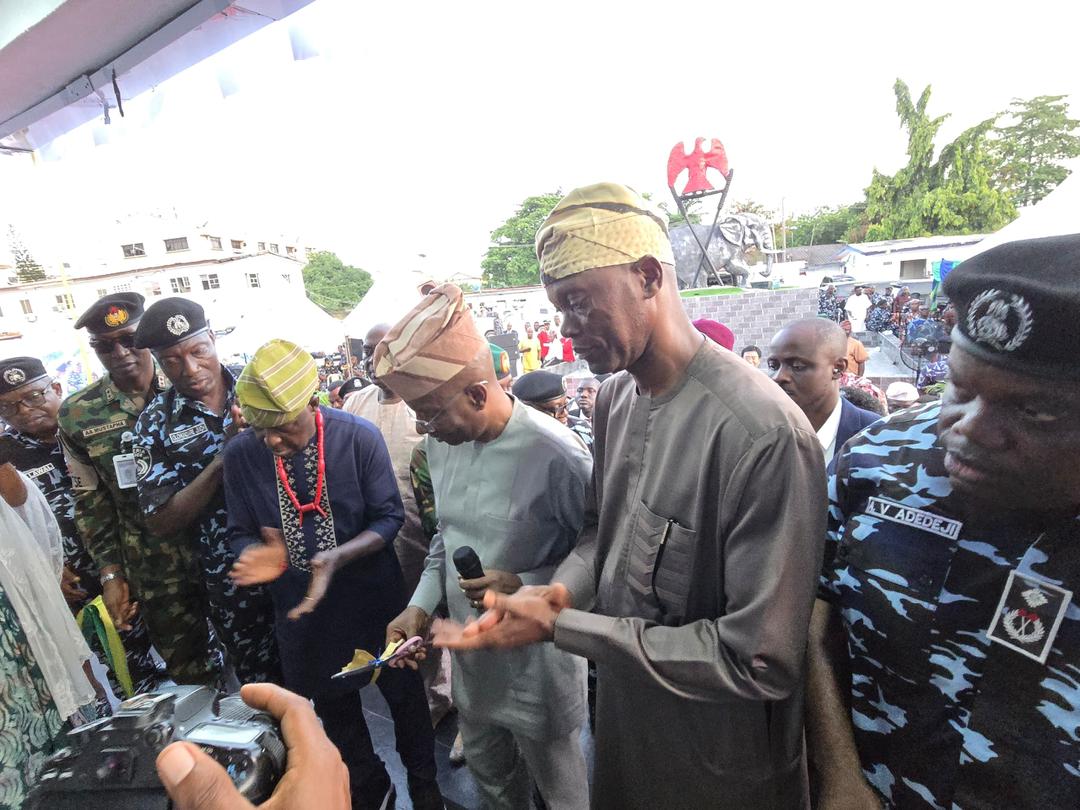
    In a rare iconic event, former Inspector-General of Police, Mike Mbama Okiro on Friday unveiled a new ultra modern conference centre named after his colleague and immediate past IGP Kayode Egbetokun.

    The historic edifice was built by the Assistant Inspector-General of Police, Olohundare Jimoh Moshood.

    The ceremony attracted senior police officers, diplomats, traditional rulers, retired security chiefs and other prominent stakeholders in Lagos.

    The project, commissioned sitting on the command headquarters, was named after former Inspector General of Police, Kayode Egbetokun, in recognition of his contributions to policing reforms and institutional development within the Force.

    The event marked another major infrastructure milestone for the Zone 2 Police Command under the leadership of Assistant Inspector General of Police, Olohundare Jimoh, a cop well known for his dogged crime fighting and police infrastructure developmental strides.

    Addressing guests at the ceremony, Jimoh described the facility as a strategic investment aimed at improving operational coordination, administrative efficiency and professional engagement within the command structure.

    He said the conference centre represents a new phase in the drive to modernise policing operations and strengthen institutional capacity across the Lagos command.

    According to him, the decision to immortalise Egbetokun through the project was informed by his commitment to transformational leadership and sustained reforms within the police force.

    Jimoh noted that the unveiling of the facility was not merely the commissioning of a building, but a celebration of leadership, institutional growth and long term policing development.

    The AIG also commended senior officers, stakeholders and members of the public whose support and contributions ensured the successful completion of the project.

    In his remarks, Lagos State Commissioner of Police, Fatai Tijani, represented by Deputy Commissioner of Police Operations, Adesina Lawal, described the project as a landmark achievement for the command.

    He explained that the facility was designed to enhance personnel welfare, improve administrative effectiveness and provide a conducive environment for strategic policing engagements.

    Tijani recalled that the foundation for the project was laid on November 7, 2025, by Egbetokun during his tenure as Inspector General of Police.

    He praised the former police chief for championing infrastructure development and supporting reforms targeted at repositioning commands nationwide for greater efficiency.

    The police commissioner urged officers and personnel to maintain the facility properly and ensure it continues to reflect professionalism, discipline and dedication to service.

    Former Inspector General of Police, Kayode Egbetokun, who formally commissioned the centre, expressed satisfaction at returning to inaugurate the same project whose foundation he personally laid while in office.

    Egbetokun described the edifice as a legacy project built on continuity, institutional vision and leadership.

    According to him, the conference centre represents more than a physical structure, stressing that it symbolises commitment to excellence and enduring reforms within the Nigeria Police Force.

    The former IGP also reflected on his years of service in Lagos, recalling how reorientation programmes introduced during his time in the command contributed to improving police discipline and strengthening public confidence.

    He recounted how his disappointment in 2019, when his appointment as Lagos Commissioner of Police was reversed before assumption of office, eventually became a turning point in his career.

    Egbetokun said the experience reinforced his belief that setbacks often serve as pathways to greater opportunities and responsibilities.

    He advised younger officers to remain committed to professionalism, patience, integrity and hard work, insisting that dedication to service would ultimately produce rewarding outcomes.

    The former police chief further expressed optimism that the new conference centre would become a hub for strategic security discussions, innovative policing ideas and professional collaborations capable of strengthening law enforcement in Nigeria.

    Several retired senior police officers who attended the ceremony delivered goodwill messages, commending the leadership of the command for sustaining infrastructure growth and institutional reforms.

    The event also featured inspection of the facility and the official unveiling of the commemorative plaque amid applause from guests and stakeholders present at the gathering.

  • Nigeria Film Industry Set for Major Transformation as NFVCB Intensifies Anti Smoking Campaign

    Nigeria Film Industry Set for Major Transformation as NFVCB Intensifies Anti Smoking Campaign

    For years, the Nigerian film industry has come under criticism for the portrayal and glamorization of illicit behaviours, particularly smoking in movies, a practice that runs contrary to the global anti-tobacco advocacy championed by the World Health Organization (WHO).

    Leading the campaign against the promotion of smoking in films in Nigeria is the Executive Director of the Nigerian Film and Video Censors Board (NFVCB), Dr. Shaibu Husseini, whose administration has intensified regulatory efforts within the industry.

    The month of May is globally recognised as World No Tobacco Month, culminating in the annual observance of World No Tobacco Day by the WHO to raise awareness about the dangers associated with smoking and tobacco consumption.

    The global health body has repeatedly warned that tobacco imagery in films and entertainment media contributes significantly to smoking initiation among young people. As part of the WHO Framework Convention on Tobacco Control (WHO FCTC), policies were introduced to discourage tobacco depictions in films and television programmes worldwide.

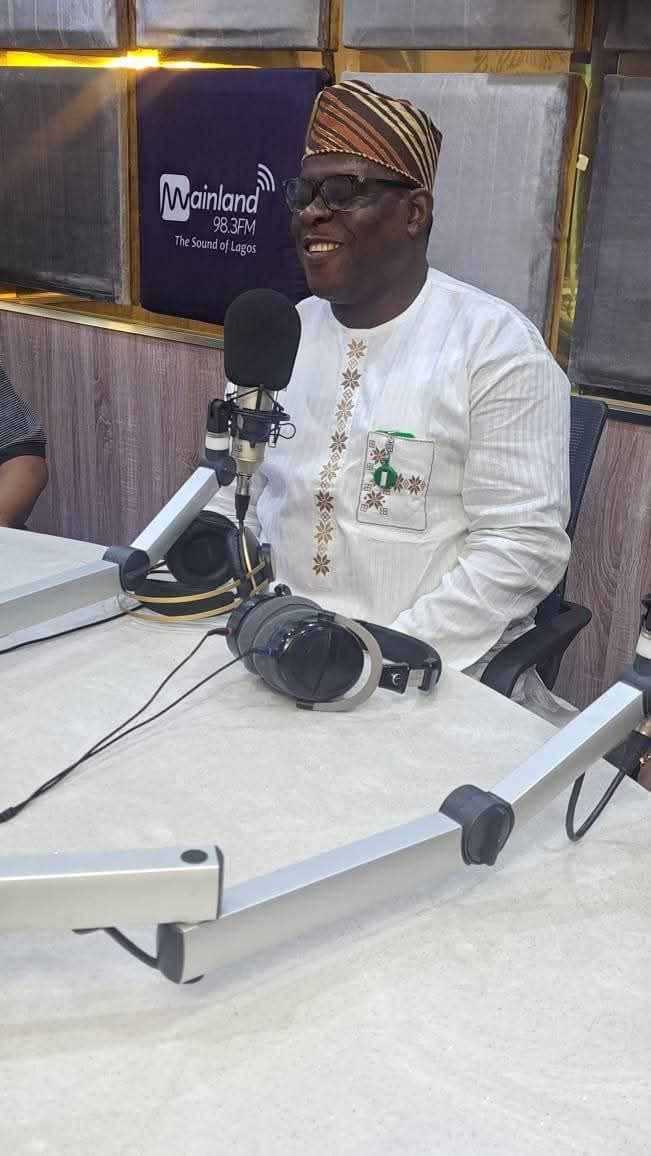
    Speaking on Villa Square, a special segment of Cr8tive Naija the weekly tourism and cultural magazine programme aired every Thursday on Mainland 98.3 FM Lagos and anchored by renowned tourism journalist Frank Meke alongside Bunmi Bade Adeniji, Dr. Husseini highlighted some of the ethical reforms and developmental milestones achieved by the NFVCB under his leadership.

    According to him, Nigeria’s creative and film industry remains a major contributor to the nation’s Gross Domestic Product (GDP).

    “The creative and film industry contributes immensely to the nation’s GDP. We regularly provide data to the National Bureau of Statistics (NBS), and each time new data is compiled, we discover that even more people have gained employment within the industry. On an average film production set, there are usually between 20 and 30 people working. In addition, films screened in cinemas generate tax revenue for the government. This demonstrates that the industry is a major driver of the economy,” he said.

    Dr. Husseini stressed that more deliberate efforts are needed to further reposition the Nigerian film industry through improved infrastructure and supportive government policies. He commended the Honourable Minister of Art, Culture, Tourism and the Creative Economy, Hannatu Musa Musawa, for maintaining an open-door policy and supporting the board’s initiatives.

    “For us at the NFVCB, the Minister has always been receptive to our ideas. When I approached her on the need to expand film distribution through the establishment of community cinemas and the introduction of licensing waivers to encourage participation, she approved the proposal without delay,” he stated.

    The NFVCB boss also urged the government to prioritise infrastructure development, policy reforms, and industry incentives rather than direct financial intervention for filmmakers.

    “The government does not necessarily need to provide funding for filmmakers. Even during my years as a journalist covering film and culture, I consistently advocated for creating the right environment for filmmakers to thrive rather than merely giving out funds. Filmmakers can source funding independently, but after production, the major challenge becomes distribution. Without proper distribution infrastructure, films cannot effectively reach audiences. Therefore, our focus should be on policies and structures that can sustainably support the industry,” he explained.

    Speaking further on the special recognition awarded to Nigeria by the African Regional Office of the World Health Organization over the regulation of tobacco imagery in films, Dr. Husseini disclosed that tobacco control efforts within the industry had suffered significant setbacks before his appointment as Executive Director, despite the adoption of a tobacco control policy in 2014.

    “When I assumed office, I realised that although several sectors had implemented tobacco control regulations, the film industry was still being used to promote smoking. Even in Hollywood, there had already been growing concerns about the harmful effects of smoking, with reports linking exposure to smoking scenes to serious health complications, including cancer. We decided to take decisive action to ensure that smoking is neither promoted nor glamorised in Nigerian films, especially because young people are highly impressionable and may adopt such habits.

    “Where smoking scenes are included for educational, historical, or corrective purposes, they are permitted, but they must carry health warnings and appropriate disclaimers. We also engaged stakeholders and consulted with the Minister before the policy was officially gazetted,” he added.

    Dr. Husseini revealed that the anti-tobacco policy drew international attention from the WHO and contributed significantly to the recognition Nigeria recently received. According to him, Nigeria has become the first African country and the third country globally to achieve such progress in curbing tobacco promotion within the film industry.

    He also emphasised the importance of film classification and audience rating systems, urging filmmakers and stakeholders to consistently submit their productions for proper classification and approval.

    In addition, he advocated the deliberate recreation of movie locations and film sets as tourism products, noting that such initiatives could boost tourism revenue while strengthening collaboration between the tourism and creative industries.

    Reflecting on his aspirations for the NFVCB, Dr. Husseini underscored the need for a dedicated research centre for Nigeria’s film industry.

    “It has always been my desire to establish a research centre for the industry and bridge the gap between academia and industry practitioners. One major challenge we currently face is the absence of a dedicated research centre and reliable industry data,” he said.

    The WHO’s anti-tobacco movie policy is closely linked to Article 13 of the WHO Framework Convention on Tobacco Control, which addresses tobacco advertising, promotion, and sponsorship. The organisation classifies tobacco imagery in films as a form of indirect advertising because it normalises smoking and socially promotes tobacco use through entertainment media.

  • NATOP Expands Footprint in South West With Landmark Oyo Chapter Inauguration

    NATOP Expands Footprint in South West With Landmark Oyo Chapter Inauguration

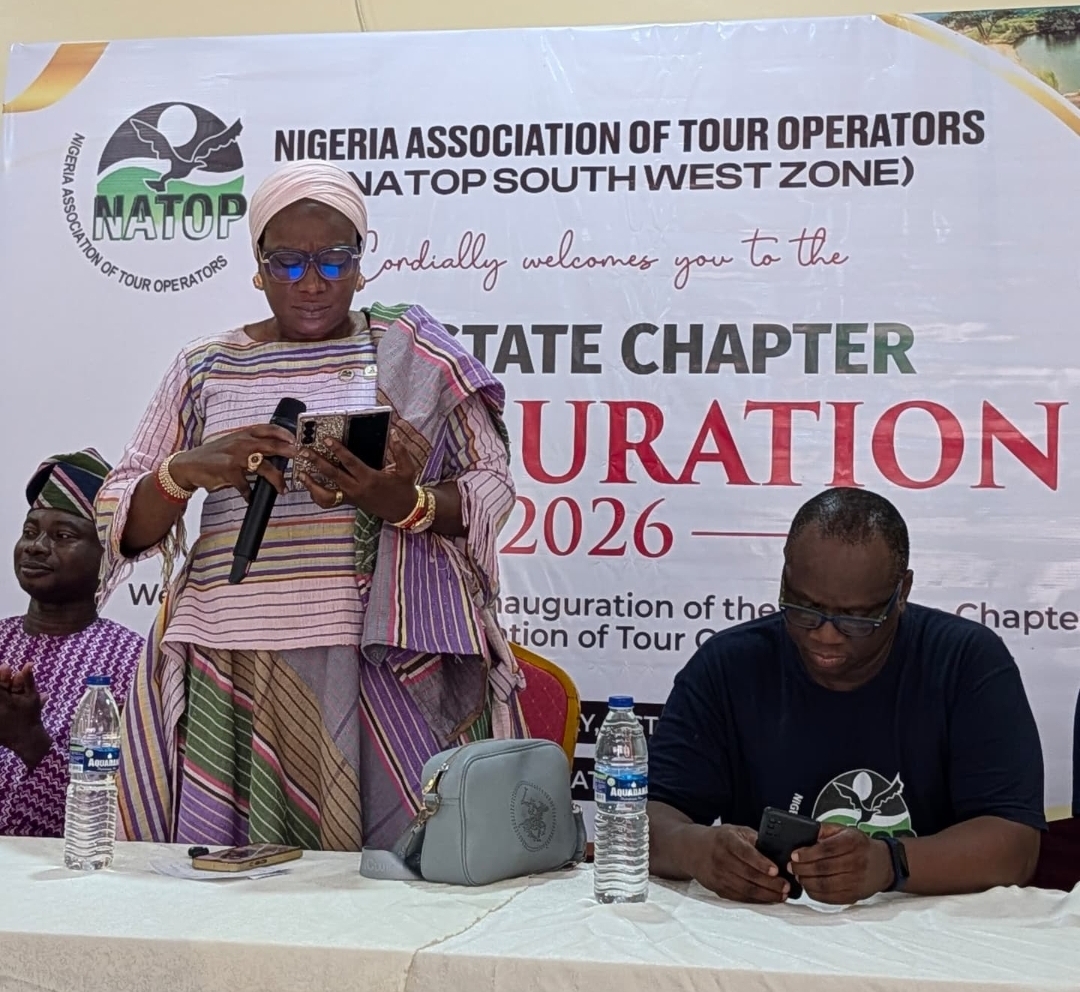
    The Nigeria Association of Tour Operators (NATOP) led by the President, Hajia Bolaji Mustapha and the Vice President of South West Zone Mr. Anago Osho, has inaugurated the Ibadan chapter of the association. This was done on May 21, 2026. This milestone marks the first inauguration of its kind in the history of the association, and it stands as a remarkable achievement for NATOP South West Zone.

    This success, Anago said, would not have been possible without the encouragement, cooperation, and unwavering support the of the National President, Hajia Bolaji Mustapha. He thanked her for her visionary leadership and steadfast commitment to the growth of NATOP.

    He said: “I also extend my heartfelt gratitude to Dr. Tunji Akib, Welfare Director, NATOP South West Zone, and Mrs. Doris Godson, Lagos State Coordinator, for their dedication and support throughout the process. Special appreciation goes to Mr. Ayo of Flyzone Tourism for his immense contribution towards the success of the event.

    “I equally acknowledge and appreciate Mrs. Tobiloba Bamisaye, Membership Secretary, South West Zone; Alhaja Taiwo Mufuliat Omokunmi (Alhaja Mahib); and Michael Balogun for their valuable support and encouragement. My sincere appreciation also goes to Mahogany Hotel and Suites, Jericho, Ibadan, for hosting this historic occasion.”

  • Ogun Customs Intercept Military Uniforms, N260 Million Cannabis in Major Idiroko Bust

    Ogun Customs Intercept Military Uniforms, N260 Million Cannabis in Major Idiroko Bust

    The Nigeria Customs Service Ogun I Area Command has intercepted a major shipment of illicit drugs and military uniforms along the Idiroko border corridor in Ogun State, exposing what authorities described as a dangerous criminal operation with serious security implications.

    The command said the seizure involved cannabis products valued at N259.68 million alongside several military camouflage items allegedly meant for unlawful use.

    The Acting Customs Area Controller, Deputy Comptroller of Customs Oladapo Afeni, disclosed the development during a press briefing held at the command headquarters in Idiroko.

    Afeni explained that operatives acted on intelligence reports before intercepting a luxury bus without a registration number moving through the border route.

    According to him, officers subjected the vehicle to a comprehensive search which uncovered concealed military uniforms and large quantities of synthetic cannabis.

    He warned that the unauthorised possession of military uniforms remained a serious national security concern because criminal elements often disguise as security personnel to evade checks and perpetrate crimes.

    The Customs boss stated that the interception reflected the command’s renewed determination to dismantle smuggling syndicates and criminal networks operating around the border communities.

    A breakdown of the recovered items showed that officers seized 197 camouflage trousers and shorts hidden inside unmarked cartons.

    The seizure also included five camouflage two piece sets, 32 mixed camouflage undergarments and 32 camouflage tops suspected to be intended for illegal distribution.

    Afeni further disclosed that operatives recovered 154 packs of synthetic cannabis indica commonly called Canadian loud as well as seven parcels of Colorado.

    He stressed that intelligence driven operations and stronger collaboration among security agencies had continued to improve the fight against smuggling and transnational crimes.

    The Customs controller appealed to residents of border communities to support law enforcement agencies with timely and credible information capable of exposing criminal activities.

    “Through dedication and stronger synergy with sister agencies, we are committed to tackling the dual threats of smuggling and insecurity head on,” Afeni stated.

    Receiving the seized drugs, the Deputy Commander of Narcotics, National Drug Law Enforcement Agency Idiroko Special Area Command, Ganiyu Adeyoye, described the operation as a significant breakthrough.

    Adeyoye noted that the involvement of suspects in the case would aid investigations and ensure that all individuals linked to the illegal shipment are prosecuted in accordance with the law.

  • Africa Day: Arome Seeks Value Reorientation to Tackle Insecurity

    Africa Day: Arome Seeks Value Reorientation to Tackle Insecurity

    Chidinma Iroegbu

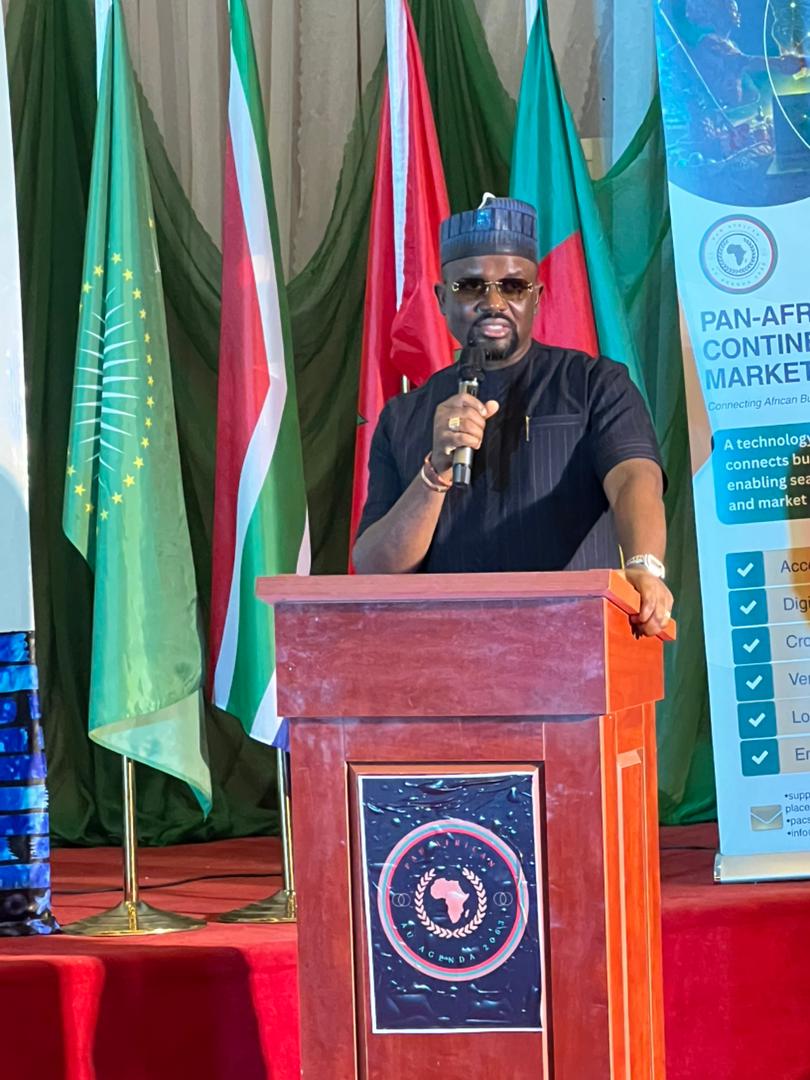
    Vice President of Infrastructure, Special Duties, Partnerships and Industrial Relations of the Pan-African AU Agenda 2063 Diplomatic Mission, Arch. Felix Arome, has called for value reorientation and discipline across Africa as part of efforts to address insecurity, banditry and social unrest on the continent.

    Arome spoke during the Africa Day 2026 celebration in Abuja, where he said poor moral upbringing and negative indoctrination have contributed to rising violence and intolerance in many African societies.

    He warned that insecurity often begins with harmful beliefs developed from childhood, stressing that many young people grow up normalising violence against those with opposing views.

    “When you talk about peace and silencing the guns, they don’t understand what you are talking about,” Arome said.

    The Pan-African official stated that Africa’s progress depends on responsible leadership, discipline and stronger community values capable of promoting peaceful coexistence.

    He urged parents and elders to demonstrate good conduct in everyday activities, including obedience to traffic rules and respect for public order.

    According to him, children imitate the actions of adults, adding that weak moral standards among leaders and parents contribute to confusion and poor social behaviour among youths.

    Arome also advised Africans against judging others based on stereotypes, saying understanding different cultures and backgrounds is necessary for unity and cooperation.

    Drawing from his recent experience in Addis Ababa, Ethiopia, he said he observed high levels of discipline and orderliness despite economic and fuel challenges facing residents.

    He further called for sustained dialogue and engagement among African countries, particularly between Nigerians and South Africans, noting that constructive conversations would help strengthen unity and promote lasting peace across the continent.

  • NIWA Acting MD Warns Boat Operators on Safety Ahead of Eid-el-Kabir, Urges Calm Over Supreme Court Judgment

    NIWA Acting MD Warns Boat Operators on Safety Ahead of Eid-el-Kabir, Urges Calm Over Supreme Court Judgment

    The Acting Managing Director and Chief Executive Officer of the National Inland Waterways Authority (NIWA), Umar Yusuf Girei, has issued a stern warning to boat operators across the country to strictly adhere to waterways safety regulations during the forthcoming Eid-el-Kabir celebrations.

    Girei gave the warning during an exclusive interview with journalists at the NIWA headquarters in Lokoja, noting that festive periods often witness increased movement on the inland waterways, particularly within riverine communities.

    According to him, compliance with safety measures during the Sallah season remains non-negotiable.

    He stressed that overloading of boats would not be tolerated, while the use of life jackets by all passengers and operators remains compulsory. He also warned against night travel, alcohol consumption by operators, and disregard for weather advisories.

    “No overload, wearing of life jackets is mandatory, no night travel, no alcohol, and operators must ensure proper weather checks before embarking on any journey,” he stated.

    The NIWA Acting MD further disclosed that enforcement teams, in collaboration with relevant security agencies, would be deployed across jetties nationwide to ensure strict compliance with safety regulations.

    He warned that violators risk arrest, seizure of vessels, and prosecution.

    Girei also urged passengers to avoid boarding overloaded boats, vessels without adequate life jackets, or boats attempting to operate at night.

    While extending Eid-el-Kabir greetings to Muslim faithful, he appealed to community and religious leaders to help amplify waterways safety awareness during sermons and public gatherings.

    Meanwhile, the NIWA boss advised stakeholders and clients of the Authority not to panic over the recent Supreme Court judgment concerning aspects of the NIWA Act.

    He explained that the apex court upheld the Authority’s statutory responsibilities relating to inland waterways navigation, safety regulation, channel management, river infrastructure development, and the promotion of inland waterways transportation as contained in Sections 10 and 11 of the NIWA Act.

    According to him, Sections 12 and 13 of the Act, which deal with land matters unrelated to maritime activities, were voided by the Supreme Court only to the extent of their inconsistency with the Constitution.

    Girei therefore urged all stakeholders to remain calm, law-abiding, and await an official statement from NIWA after the Authority obtains the Certified True Copy of the judgment from the Supreme Court.

  • Hannatu Musawa Oath Ignites Tourism Power Battle Over NIHOTOUR Induction

    Hannatu Musawa Oath Ignites Tourism Power Battle Over NIHOTOUR Induction

    I will not begrudge anyone overwhelmed by bitterness over the successful induction of industry professionals last week in Abuja by the National Institute for Hospitality and Tourism (NIHOTOUR). What remains remarkable is that Nigeria’s Minister of Art, Culture, Tourism and the Creative Economy, Hannatu Musa Musawa, publicly swore an oath to protect and serve tourism and hospitality professionals in Nigeria. She stood up to be counted.

    The Permanent Secretary, Abdulkarim Ozi Ibrahim, also willingly took the oath. No one held a gun to his head, nor was anyone forced into the process.

    Industry elder and long-time leader of the Institute of Tourism Practitioners of Nigeria (ITPN), Chief Abiodun Odunsanwo, was represented at the ceremony. Nigeria’s foremost tourism resort investor, Wanle Akinboboye, also took the oath of induction.

    Likewise, Nigeria’s celebrated cultural tourism administrator and enigmatic figure, Segun Runsewe, accepted induction as a Fellow of NIHOTOUR through a representative. He gave his consent without hesitation.

    President of the Nigeria Tourism Journalists Association, Okorie Uguru, also swore to uphold the expectations of the NIHOTOUR Act by promoting proper understanding and compliance within the tourism industry. He earned that recognition.

    The elegant President of the National Association of Nigerian Tour Operators (NATOP), Mrs. Bolaji Mustapha, was visibly present as she was inducted as a Senior Member of NIHOTOUR.

    Mustapha, who also serves as National Treasurer of the Federation of Tourism Associations of Nigeria (FTAN), remains one of the notable voices in the industry. Equally distinguished is Nkereuwem Onung, immediate past President of FTAN, Special Adviser on Culture to Umo Eno, and Chairman of the Board of Trustees of NATOP. On that day, he was inducted as a Fellow of the institute and appointed Chairman of the Sector Skills Council.

    Ironically, FTAN, in its shawarma-style statement, described some of us as “cronies” of the Director-General of NIHOTOUR, Abisoye Fagade. Interesting choice of words.

    I often wonder about FTAN’s communication style. The organisation frequently struggles to express its position in clear and simple terms. More importantly, a body registered as a federation should understand the importance of communicating in a way that helps its independent member associations grasp how critical issues may affect their businesses positively or negatively.

    The use of the word “cronies” got me thinking. According to historical references, the word derives from the Greek *khronios*, meaning a long-standing friend or companion. It was later popularised among students at Cambridge University in the 17th century to describe close associates before politicians later gave it negative political connotations associated with favouritism and patronage.

    Ironically, FTAN itself is essentially a federation of associates, colleagues, and long-time friends within the tourism ecosystem. Yet, out of apparent bitterness, it labelled some of us “cronies” simply because we supported government efforts aimed at strengthening professionalism and ethical standards within the industry.

    As industry practitioners and members of various associations, it is disappointing for FTAN’s leadership to imply that our support for what is fundamentally a national project amounts to a desperate search for power or personal gain.

    Is Wanle Akinboboye seeking power? A man who has spent decades investing in and promoting tourism in Nigeria? Is Nkereuwem Onung seeking office because he accepted to serve Nigeria pro bono as Chairman of the Sector Skills Council? A respected tourism logistics expert, banker, and adviser to a state governor? These accusations are bewildering.

    It is tragic that a federation founded on friendship, collaboration, and shared aspirations could turn against its own members. FTAN was created as an umbrella body where independent groups with common objectives could work together to make Nigeria a preferred cultural tourism destination. To suddenly reduce colleagues and professionals to “cronies” suggests a troubling belief that everyone is available for purchase or political manipulation.

    Perhaps the current leadership of the federation has forgotten its own history. FTAN itself is, in many ways, “Cronies Incorporated” — and no pun is intended. Those of us who witnessed the birth and registration of the federation know that it was built on long-standing professional relationships and mutual respect among stakeholders.

    Munzali Dantata, once a leader within FTAN and a member of the National Association of Nigeria Travel Agencies (NANTA), became Director-General of NIHOTOUR on merit, not because he was anyone’s crony.

    Similarly, Edem Duke, another former FTAN President, served as Minister of Tourism under former President Goodluck Jonathan. Whether one considers his tenure successful or not, he did not become minister because of cronyism.

    Nura Kangiwa, who once served as FTAN North-West Vice President, also became Director-General of NIHOTOUR on merit. Ironically, the same NIHOTOUR Act introduced during his leadership is now being challenged by a section of the federation’s current leadership.

    Now, let us examine the so-called “cronies” within the federation itself — the organisations applauded for allegedly boycotting the NIHOTOUR induction.

    According to checks cited by critics, some associations within FTAN reportedly face registration and compliance concerns. Questions have been raised about the corporate status of organisations such as the Nigeria Hotels Association (NHA), Nigeria Autosports Association, Hotel and Personnel Services Employers Association, Hotel Owners Forum Abuja, Culture and Tourism Associations of Nigeria, Guild of Nigerian Dance Practitioners, and others.

    While associations like NANTA and NATOP reportedly remain properly registered and recognised, critics argue that concerns over the status of some other member bodies justify calls for a broader audit of private sector tourism organisations and even a review of the election that produced the current FTAN leadership.

    Ultimately, the bigger question remains: does this controversy not further justify the need to properly audit and strengthen private sector tourism associations in Nigeria?

  • Nestlé for Good Summit Drives New Conversation on Food Sustainability and Economic Growth

    Nestlé for Good Summit Drives New Conversation on Food Sustainability and Economic Growth

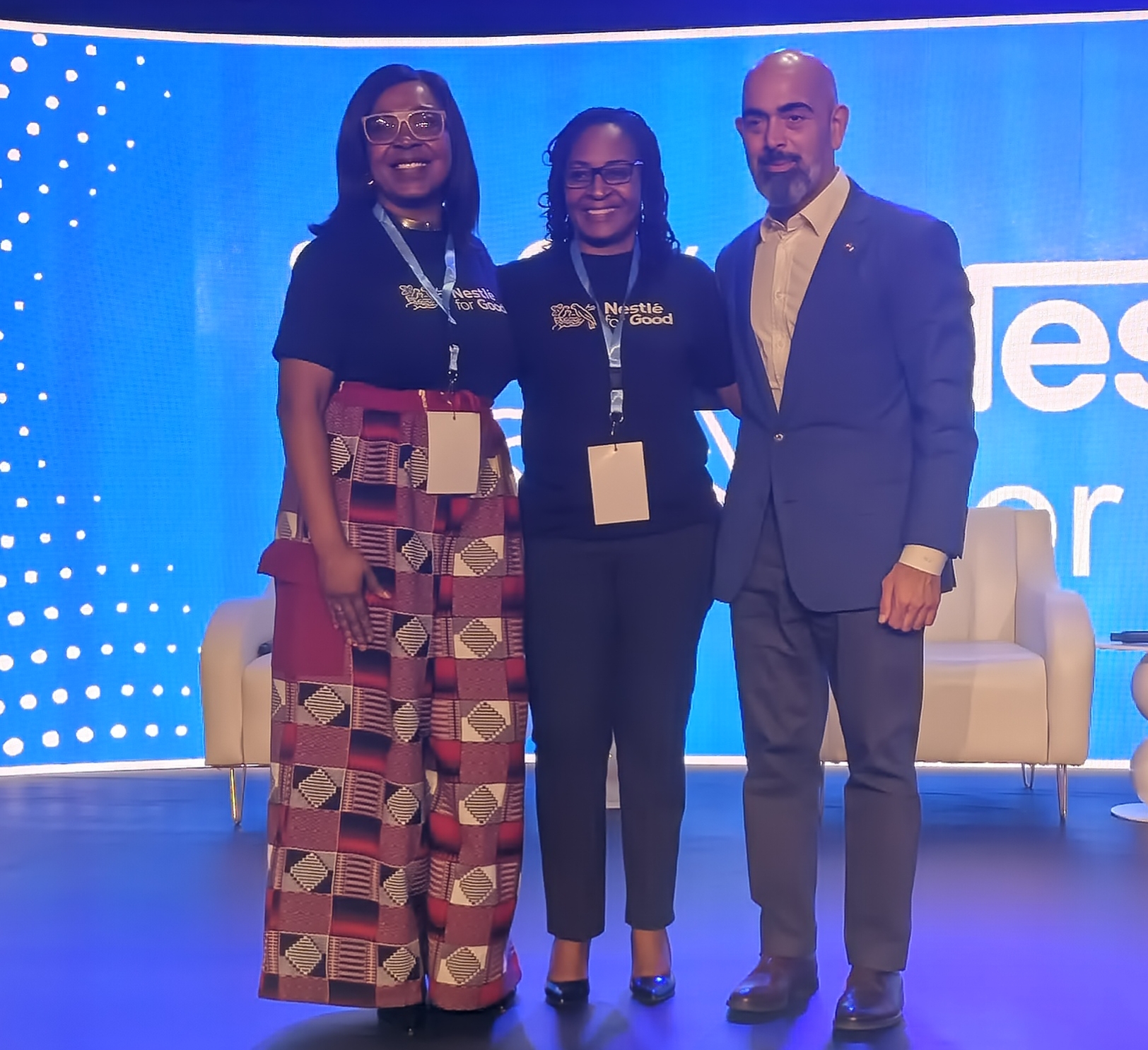
    Stakeholders across government, healthcare, academia, civil society, development agencies and the private sector on Thursday gathered in Lagos for the 2026 Nestlé for Good Summit, where calls intensified for a complete transformation of Nigeria’s food and health systems.

    The summit moved beyond traditional nutrition conversations as participants advocated integrated solutions linking agriculture, public health, environmental sustainability, economic inclusion and community resilience.

    Convened by Nestlé Nigeria Plc, the event became a major policy and development platform focused on the future of food systems and sustainable livelihoods in Nigeria.

    Discussions centred on how stronger collaboration among public institutions, private organisations and development partners can improve nutrition outcomes while strengthening supply chains and protecting the environment.

    Participants argued that Nigeria’s food security crisis can no longer be addressed through isolated interventions, insisting that coordinated reforms are urgently required across multiple sectors.

    The summit also examined how climate challenges, inflationary pressures and weak food distribution systems continue to threaten household nutrition and economic stability.

    During a fireside session, the Head of Corporate Communications, Public Affairs and Sustainability for Central and West Africa at Nestlé, Patricia Ekaba, described the Nestlé for Good initiative as a strategic movement designed to deepen social impact and transparency.

    She explained that the campaign reflects the company’s commitment to communities, nutrition, environmental responsibility and sustainable development beyond commercial interests.

    According to her, the initiative aligns with Nestlé’s Creating Shared Value model, which seeks to connect business growth with measurable social and environmental progress.

    Ekaba noted that the programme has continued to amplify real life stories of individuals and communities positively impacted through Nestlé interventions across West Africa.

    She cited examples from Côte d’Ivoire and Ghana where beneficiaries reportedly regained economic stability, dignity and renewed confidence through livelihood support programmes.

    She stressed that the company’s long running interventions should not be mistaken for short term philanthropy, describing them instead as structured investments in sustainable development.

    The Managing Director and Chief Executive Officer of Nestlé Nigeria Plc, Wassim Elhusseini, broadened the conversation by emphasising the importance of systems thinking in tackling nutrition challenges.

    Elhusseini said nutrition outcomes are directly tied to the efficiency and sustainability of entire food ecosystems rather than products alone.

    According to him, food security begins from the farm level and extends through processing, distribution, environmental management and household accessibility.

    He disclosed that Nestlé’s interventions in regenerative agriculture, youth empowerment, water conservation and circular production systems are aimed at building resilient communities.

    The summit also drew strong policy perspectives from the Lagos State Government, particularly on the need to guarantee affordable and accessible nutrition for vulnerable populations.

    In her keynote address, the Lagos State Commissioner for Commerce, Cooperative, Trade and Investment, Mrs. Folashade Ambrose Medebem, stressed that food systems must simultaneously deliver availability, affordability and accessibility.

    She warned that food security efforts would remain ineffective if nutritious food remains beyond the reach of millions of households struggling with rising living costs.

    Ambrose Medebem called for stronger alignment between policy frameworks, investment flows and market systems to support long term national food security objectives.

    She maintained that collaboration between government institutions and private investors remains critical to sustainable economic and nutrition reforms.

    On the agricultural front, Agric Services Manager at Nestlé Nigeria Plc, Edwin Aguda, disclosed that the company’s grains programme in Northern Nigeria is helping integrate smallholder farmers into formal supply chains.

    Aguda revealed that more than 18,000 farmers are currently participating in the initiative, with projections to expand the number to 25,000 by 2027.

    He described the programme as a strategic intervention aimed at improving rural livelihoods while boosting local food production capacity.

    Participants at the summit noted that strengthening local agriculture remains essential to reducing Nigeria’s dependence on food imports and volatile international supply chains.

    Environmental sustainability also featured prominently during the summit as experts highlighted growing concerns around waste management and climate resilience.

    Sustainability Manager at Nestlé Nigeria Plc, Chinwe Obi, said sustainability initiatives are now embedded within the company’s operational strategy.

    She disclosed that Nestlé Nigeria has incorporated 50 per cent recycled plastics into its water bottle production process as part of efforts to reduce environmental pollution.

    Obi further revealed that the Food and Beverage Recycling Alliance has expanded significantly from four organisations to approximately 43 participating bodies.

    According to her, the alliance has recovered over 400,000 tonnes of plastic waste since 2019 through coordinated recycling interventions and partnerships.

    The summit’s technical panel session shifted attention toward growing public health concerns linked to malnutrition and changing dietary patterns across Nigeria.

    The session, themed “Nutrition Across the Life Stages: Closing Nutrition Gaps Through Coordinated Approach,” examined the increasing burden of both undernutrition and lifestyle related diseases.

    Programme Team Lead at the Nutrition Society of Nigeria, Amaka Nwaora, raised alarm over rising cases of anaemia among women and stunted growth among children.

    Health experts at the summit also warned that obesity, diabetes and hypertension are rapidly increasing due to poor dietary habits and weakened food systems.

    Panelists argued that Nigeria is currently battling a dangerous double burden involving both undernutrition and non communicable diseases.

    They identified weak policy implementation, fragmented institutional coordination and inadequate financing as major obstacles affecting national nutrition programmes.

    Beyond food and health discussions, the summit highlighted the importance of human capital development and economic empowerment initiatives.

    Several beneficiaries shared testimonies of transformation through skills acquisition, entrepreneurship support and vocational training programmes.

    A trader, Titilayo Abene, explained how financial literacy training strengthened her business confidence and improved her economic independence.

    A dairy sector beneficiary also narrated how structured support programmes helped stabilise rural value chains and household income generation.

    Another participant who graduated from the Nestlé Technical Training Centre recounted how an 18 month programme enhanced technical expertise, leadership capacity and industrial sustainability knowledge.

    The trainee also spoke about gaining international exposure in Switzerland with specialised training focused on emissions reduction and sustainable industrial practices.

    The summit eventually concluded with a strong consensus that Nigeria’s food and nutrition challenges demand integrated and long term systems reforms.

    Stakeholders collectively called for improved policy execution, sustainable financing mechanisms and stronger public private partnerships to accelerate development.

    They identified investments in maternal and child nutrition, climate smart agriculture, youth empowerment and environmental sustainability as critical pillars for Nigeria’s future growth and resilience.
  • Africa Hospitality Leaders Gather in Lagos for Landmark Hotel Managers Conference

    Africa Hospitality Leaders Gather in Lagos for Landmark Hotel Managers Conference

    In medieval times, gatekeepers were entrusted with protecting city entrances from external threats and ensuring that only authorized individuals gained access. In today’s hospitality industry, hotel professionals occupy a similar strategic position as the first point of contact between a nation and its visitors. Their attitude, conduct, and service delivery often shape the first impression tourists have about a destination, making them critical stakeholders in defining a country’s image and visitor experience.

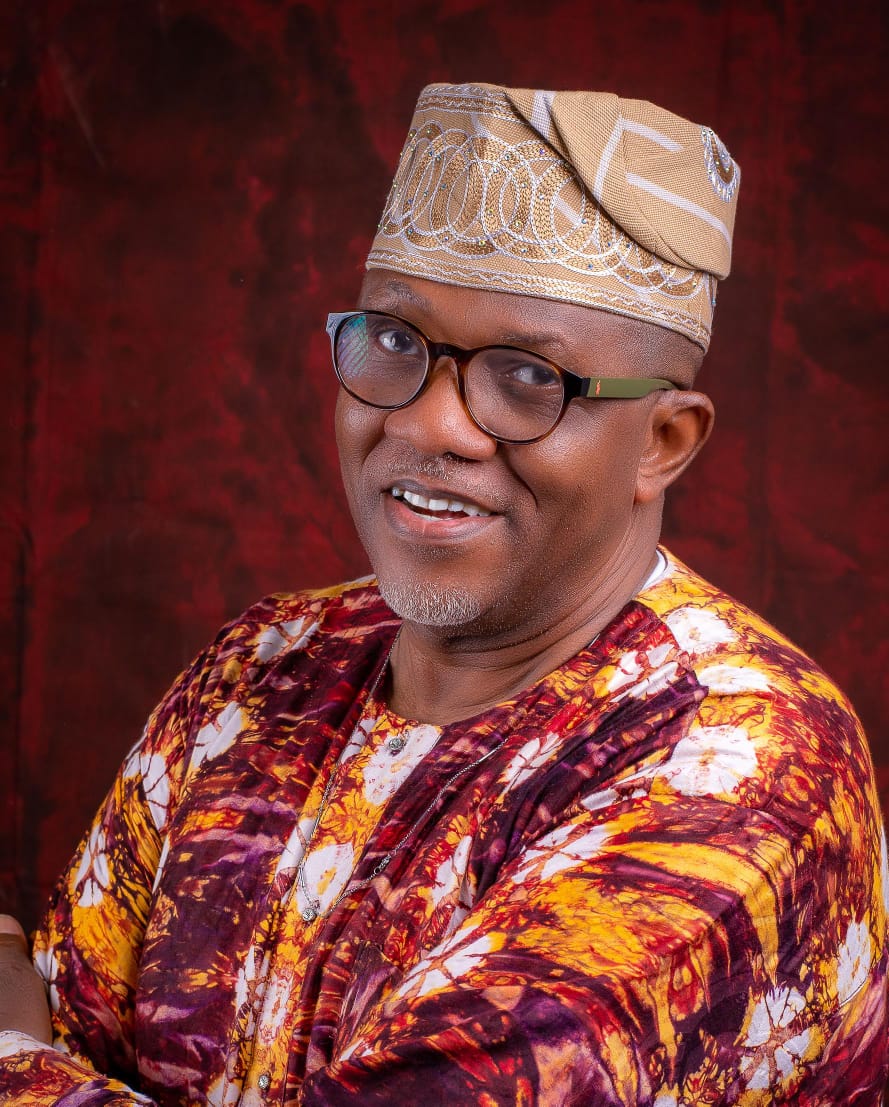
    For Olugbenga Sunday, Convener of the Hotel Managers Conference Africa, hospitality gatekeeping extends far beyond customer service; it represents a transformative force capable of reshaping Africa’s tourism and hospitality narrative.

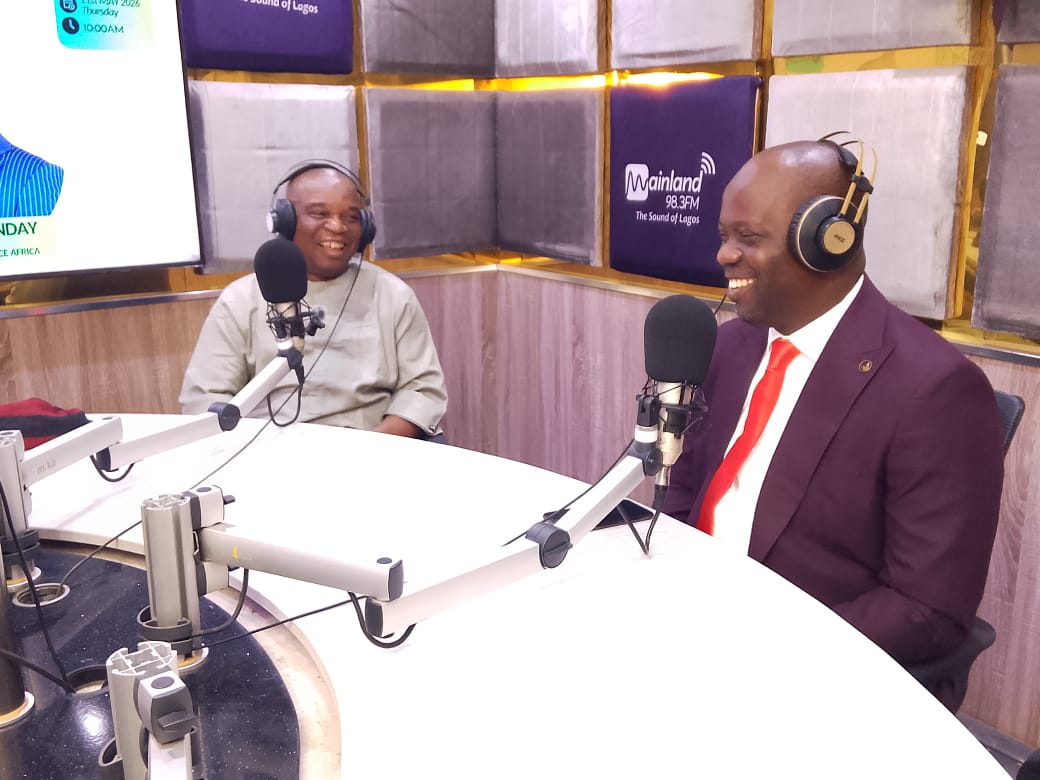
    Speaking on *Villa Square*, a special segment of *Cr8tive 9ja*, the popular weekly tourism and cultural magazine programme aired every Thursday on Mainland 98.3 FM Lagos and anchored by renowned tourism journalist Frank Meke alongside Bunmi Bade Adeniji, Sunday emphasized the indispensable role of hospitality in the tourism value chain across Africa.

    According to him, the hospitality sector significantly influences tourists’ experiences and ultimately determines how destinations are perceived globally.

    “When we discuss tourism at the national level, we must prioritize the hospitality sector because of the critical role it plays in shaping the overall tourism experience. Hospitality professionals serve as the interface between a country and its visitors, and their service delivery greatly influences tourists’ perceptions and the image of the nation,” he stated.

    The Hotel Managers Conference Africa, regarded as the continent’s largest gathering of hotel managers and hospitality professionals, is scheduled to hold from July 11 to 12 at Lagos Continental Hotel. This year’s edition marks the eighth outing of the conference since its establishment.

    Founded in 2016 in Akwa Ibom State, the conference experienced a temporary disruption during the COVID-19 pandemic but has since grown into a leading platform promoting innovation, professionalism, and service excellence within Africa’s hospitality industry.

    Sunday explained that the conference was created to equip hotel operators and managers with global best practices while fostering collaboration across the sector.

    “The conference features workshops, networking opportunities, and extensive discussions on guest experience, which remains at the heart of hospitality,” he said.

    “You cannot talk about hospitality without discussing guest experience. Guest experience is about service delivery, how you make customers feel, and the lasting impression guests leave with after interacting with your brand.”

    The two-day conference will feature keynote presentations, panel discussions, workshops, and networking sessions designed to elevate hotel service delivery across Africa to international standards.

    Beyond its business objectives, Sunday noted that the conference seeks to create sustainable impact by raising service standards, strengthening industry capacity, and building a legacy for future generations of hospitality professionals. Participants will also engage with leading stakeholders, hospitality executives, and hotel managers from across the continent.

    Among the distinguished speakers expected at the event are Wasiu Adeyemo Babalola, Nigeria’s first Professor of Hotel Management and Tourism and an academic at Atiba University; Karl Hala; Ahmed Raza; Justina Ovat; and Martin Bredenoord, among other industry experts.

    The conference has also attracted support from major corporate stakeholders, including [OPay]. According to Sunday, the fintech company is working towards developing payment infrastructure solutions that will better integrate the hospitality industry into its platform. He noted that such partnerships would help address payment-related challenges within the sector while improving operational efficiency for hospitality businesses.

    Speaking further on the industry’s growth trajectory, Sunday expressed optimism about the future of hospitality in Nigeria and across Africa.

    “When you look at the Nigerian hospitality landscape today, you can clearly see remarkable progress in areas such as manpower development, service delivery, and culinary excellence. Lagos, for instance, hosts several leading international hospitality brands, reflecting the significant growth taking place within the sector.

    “Local brands are also making remarkable strides. Africa is steadily redefining its tourism and hospitality narrative by embracing its culture, heritage, and indigenous cuisine as key drivers of global appeal.”

    As Africa’s tourism industry continues to evolve, the Hotel Managers Conference Africa aims to remain a strategic platform for innovation, professional development, and service excellence, further reinforcing the continent’s emergence as a formidable force in global hospitality.