Category: News

  • ReachOut Nigeria Targets 100m Rhapsody Copies Across 774 LGAs

    ReachOut Nigeria Targets 100m Rhapsody Copies Across 774 LGAs

    ReachOut Nigeria with Rhapsody of Realities has unveiled plans to distribute 100 million copies of the devotional across Nigeria’s 774 Local Government Areas as the initiative marks its 20th edition.

    The 2026 campaign, themed “Celebrating 20 Years of Impact, Taking Rhapsody to Every Man’s World,” is scheduled to run throughout October and coincides with Nigeria’s 66th Independence Anniversary.

    The organisers said the campaign would reach adults, youths, teenagers, children and people with accessibility needs in cities, towns, villages and hinterlands, with activities designed to extend the reach of the devotional across different segments of society.

    ReachOut Nigeria began in 2007 with the stated objective of spreading the message of God’s Word while encouraging hope and patriotism. Over the years, the initiative has expanded to include humanitarian and community development projects.

    According to the organisers, such interventions have included potable water projects, support for schools and libraries, healthcare initiatives, renovation of public institutions and other community-based projects.

    At the centre of the campaign is Rhapsody of Realities, authored by Rev. Dr. Chris Oyakhilome, which the organisers said is available in 8,123 languages and more than 4,000 dialects. The devotional is distributed in print, digital, audio, Braille and Sign Language formats, alongside editions for adults, teenagers and children.

    For the 20th edition, ReachOut Nigeria said it is targeting 1,009 Nigerian languages, with 650 already represented in print. The programme will also provide 200 boreholes in 200 communities, in addition to other community development projects.

    The October programme will feature 10 dimensions of impact, including crusades, church growth, community transformation, reading outreaches, street expressions, conferences and exhibitions, concerts and praise experiences, sports and games, the ReachOut Community of Practice and ReachOut to Schools.

    Activities planned for the month include school and community outreaches, reading campaigns, carnivals, floats, processions, concerts, sports and youth programmes, professional outreaches, conferences and exhibitions. The programme will also feature a National Day of Prayer and 31 consecutive days of the ReachOut Nigeria Live Show.

    The 20th edition will culminate in a ReachOut Nigeria Symposium on October 30, where the organisers are expected to highlight the campaign’s two-decade journey, community initiatives, innovations and reported stories of impact. The organisers said the campaign is designed to take Rhapsody of Realities into offices, shops, schools, barracks, communities and public transportation systems across the country.

  • Nigeria At 66: AMBO Media Highlights Signs Of Economic Recovery

    Nigeria At 66: AMBO Media Highlights Signs Of Economic Recovery

    As Nigeria marks its 66th Independence Anniversary, the Asiwaju Munirudeen Bola Oyebamiji (AMBO) Media Fronts has congratulated Nigerians at home and abroad, celebrating the resilience, courage and enduring faith of our people in the Nigerian project.

    The journey of the last 66 years has undoubtedly been turbulent and, at different periods, chaotic. The nation has passed through political upheavals, economic difficulties, insecurity, military interventions and other challenges that have tested our collective resolve. Yet, through all these difficulties, Nigeria has survived and continued to evolve

    Today, there are compelling signs on the horizon that the future can be steadier, stronger and more prosperous for our country.

    The AMBO Media Fronts believes that the Renewed Hope Agenda of President Bola Ahmed Tinubu represents an assurance that when a government is resolute and determined to lift its people out of poverty, rebuild the economy and leave a legacy of prosperity for the incoming generation, the results of such determination will ultimately be reflected in the wellbeing of citizens, notwithstanding the difficulties that may accompany necessary reforms.

    We acknowledge that some of the economic policies of the Federal Government have imposed significant hardships on citizens. The removal of fuel subsidy, for instance, has contributed to higher living costs and transportation expenses. However, it has also significantly altered the revenue profile of the federation, creating substantially more resources for the three tiers of government.

    In Osun State, the impact of the Renewed Hope Agenda is becoming increasingly visible, even though the effects of some economic policies continue to weigh heavily on the people. For instance, the Federation Allocation to Osun State for July was in the region of ₦17 billion, compared with about ₦4 billion before the removal of fuel subsidy in 2023. This represents an increase of approximately 350 per cent.

    Ordinarily, such a substantial increase in available public resources should translate into greater succour for the people through improved education, healthcare, social security services, infrastructure and a more efficient transportation system, provided the resources are properly and transparently channelled.

    The Federal Government has also taken specific steps to cushion the effects of the reforms on Nigerians in Osun State. In 2023, the Federal Government provided palliatives worth ₦15 billion to Osun State, including a ₦2 billion grant for the purchase of CNG buses, to cushion the effects of fuel subsidy removal on citizens. It is believed that a solid and effective public transportation system built around these buses would not only provide cheaper transportation for the people of Osun but could also encourage commercial transport operators to gradually adopt the CNG regime for their vehicles.

    The Federal Government also refunded the state government arrears of personnel taxes due from federal government staff working in Osun State. The repayment, put at around ₦8 billion, provided additional resources to the state government for the implementation of its programmes.

    The Tinubu-led Federal Government is also undertaking major road projects in Osun State, with the projects cited at a combined value of over ₦300 billion. These include the Osogbo–Iwo–Ibadan Road, the reconstruction of the Gbongan–Osogbo Road, and the Ilesa–Ife–Ibadan corridor. The Federal Government has also approved the construction of the Ilobu–Ogbomoso Road, which, when completed, will further improve connectivity, facilitate the movement of people and goods and open up new economic opportunities for communities across Osun State.

    These investments are important because road infrastructure is not merely about transportation. Good roads connect farmers to markets, businesses to consumers, workers to places of employment and communities to economic opportunities.

    The Tinubu administration has also, through the implementation of the Zonal Intervention Projects (ZIPs), popularly known as constituency projects, funded projects facilitated by federal legislators from Osun State to the tune of approximately ₦10 billion in the last three years. These interventions include road construction, renovation of school buildings and facilities, installation of solar-powered street lights and other community-based projects.

    Such projects bring the presence of the Federal Government directly to communities and have contributed to improving basic infrastructure and the living conditions of beneficiaries.

    The Federal Government, through institutions such as the Tertiary Education Trust Fund (TETFund) and the Universal Basic Education Commission (UBEC), has also supported public universities, polytechnics, colleges of education and basic education infrastructure in Osun State with interventions running into ₦12 billion since 2023.

    The NELFUND student loan scheme has equally expanded access to financial support for over 50,000 Osun students in tertiary institutions, including students in the 11 technical colleges owned by the state. These interventions demonstrate that the Federal Government’s education reforms are not limited to Abuja but are reaching institutions and students across the states.

    In the area of housing, the Federal Ministry of Housing and Urban Development has completed and handed over 24 housing units constructed under the National Housing Programme to the University of Ilesa. This intervention is part of the Tinubu-led government effort to improve staff welfare and strengthen institutional development. The Federal Housing Authority is equally making frantic efforts in ensuring Osun people benefit adequately in the federal government’s plan to provide 154,800 housing units to Nigerian citizens.

    This year’s October 1 celebration, therefore, is not one being marked in a vacuum. It provides an opportunity to reflect on the challenges of the past 66 years, acknowledge the difficulties confronting citizens today, and equally recognise tangible interventions being undertaken by the Federal Government across Nigeria and, specifically, in Osun State.

    The journey to national prosperity is never without challenges. What matters is the ability of leadership to remain focused, make difficult decisions, correct mistakes where necessary and ensure that the gains of reform ultimately translate into better lives for the people. The AMBO Media Fronts therefore calls on Nigerians to remain hopeful and committed to the Nigerian project. We believe that with sustained reforms, prudent management of resources, greater accountability and continued investments in infrastructure, education, healthcare, agriculture, industry and human capital, Nigeria can realise its enormous potential.

    We equally believe that as citizens continue to pray for and support the administration of President Bola Ahmed Tinubu, more dividends of democracy and development will come the way of Nigerians, including the people of Osun State.

    On behalf of our Principal and APC Governorship Candidate in the 2026 Election in Osun, Asiwaju Munirudeen Bola Oyebamiji (AMBO), we once again felicitate with the people of Osun State and Nigerians across the world on the occasion of Nigeria’s 66th Independence Anniversary.

  • Smile Opens The Door To Affordable Broadband With New SMiFi Offer

    Smile Opens The Door To Affordable Broadband With New SMiFi Offer

    Smile Communications Nigeria has announced the launch of its new ₦12,000 Smile SMiFi, a move designed to make reliable, high-speed internet more accessible to Nigerians seeking affordable connectivity without compromising on quality.

    The new Smile SMiFi comes bundled with 20GB of data upon activation, giving customers everything they need to get connected immediately. Beyond the initial bundle, customers will also enjoy 100% bonus data on every Smile MINI and Smile MIDI plan for six months, effectively doubling the value of every qualifying recharge throughout the promotional period.

    The offer reinforces Smile’s commitment to expanding digital access by lowering the entry barrier for first-time broadband users, students, young professionals, small business owners and families looking for dependable internet on the move.

    Speaking on the launch, ‘Goke Olaleye, Head of Marketing Operations at Smile Communications Nigeria, said the offer reflects the company’s continued focus on delivering practical solutions that respond to the realities of today’s consumers.

    “Access to quality internet should not be reserved for a few. We understand that many Nigerians want reliable connectivity but are also mindful of their budgets. With the new ₦12,000 Smile SMiFi, we’ve created an entry point that combines affordability with exceptional value, allowing even more people to experience the Smile network.”

    Designed for mobility and convenience, the Smile SMiFi allows users to stay connected whether at home, in the office, on campus or while travelling. The compact device supports multiple connected devices simultaneously, making it suitable for everyday browsing, online learning, remote work, social media, video calls and entertainment.

    The additional six-month 100% bonus data benefit further rewards customers by ensuring they continue to receive more value long after purchasing the device.

    The launch forms part of Smile’s broader commitment to making broadband services simpler, more affordable and more rewarding for Nigerians, while encouraging greater digital inclusion across the country.

    The ₦12,000 Smile SMiFi is now available at Smile Shops and authorized sales channels nationwide.

    For more information about the offer, consumers are advised to visit www.smile.com.ng or any Smile Shop nearest to you.

  • COAS Shaibu Boosts Digital Education With Ogun Computer Lab

    COAS Shaibu Boosts Digital Education With Ogun Computer Lab

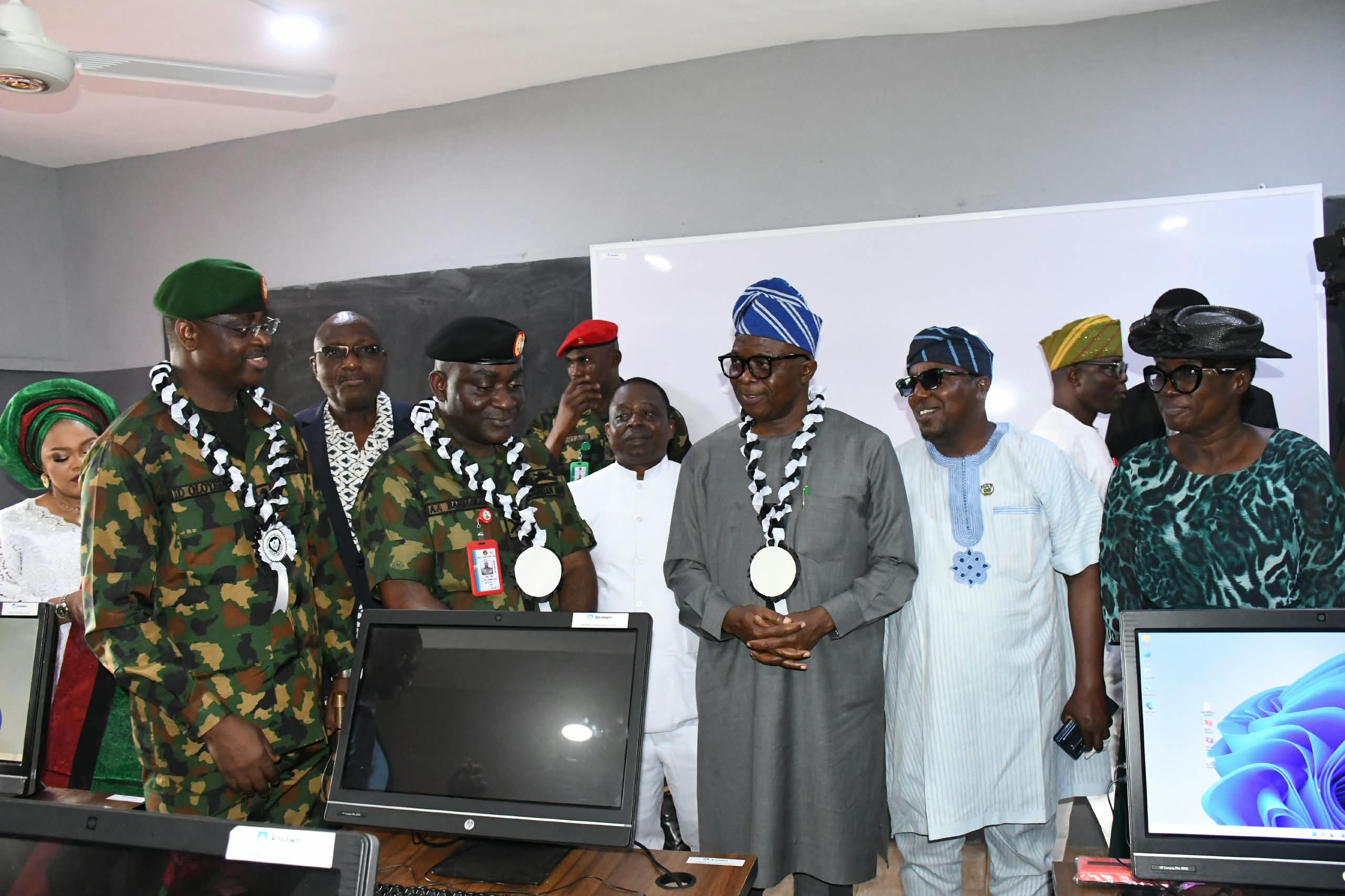
    The Chief of Army Staff, Lt. Gen. Waidi Shaibu, has commissioned a fully furnished 30 seat computer laboratory at Agunbiade Victory High School, Magbon, Abeokuta, Ogun State, under the Nigerian Army’s Civil Military Cooperation Special Intervention Project.

    The facility, equipped with high speed internet access and a solar power system, is designed to expand students’ access to digital learning, research and technology driven education.

    Represented at the commissioning by the General Officer Commanding, 81 Division Nigerian Army, Maj. Gen. Adebayo Abdulrahman Babalola, the COAS said the intervention was timely and significant to the educational development of students in the school and adjoining communities.

    Shaibu said the project would provide a conducive environment for teaching, learning, research and innovation, while improving computer literacy and digital skills among beneficiaries.

    He urged the school management, community leaders and other stakeholders to take ownership of the facility, stressing the need for adequate security, routine maintenance and responsible use to ensure its sustainability.

    According to him, the impact of the project should extend beyond the physical infrastructure by promoting knowledge sharing, creating opportunities and contributing to the development of a more productive and technologically empowered community.

    The project benefactor, Maj. Gen. Ismail Dapo Oloyede, expressed appreciation to God and the Chief of Army Staff for supporting an initiative aimed at giving back to his alma mater.

    Oloyede said Agunbiade Victory High School played an important role in shaping his life through the values, discipline and education he received there. He expressed optimism that the computer laboratory would become a platform for learning, creativity, innovation and personal development.

    The Chief of Civil Military Affairs, Maj. Gen. Mohammed Etsu IndagI, said the intervention reflected the Nigerian Army’s commitment to strengthening its relationship with host communities.

    Indagi explained that the COAS CIMIC Special Intervention Project was designed to honour senior military officers, particularly Major Generals, in recognition of their service to the nation and the communities that contributed to their development. He said projects under the scheme cover education, healthcare, potable water, roads, bridges and other community needs.

    He added that the 30 seat laboratory, supported by solar power and high speed internet, would enable students to develop computer skills, access digital educational resources, conduct research and build confidence in using technology. The renewable energy component, he said, would also provide a dependable power source for the facility.

    The Ogun State Commissioner for Education, Prof. Abayomi Arigbabu, commended the intervention, saying contributions from corporate organisations, individuals and old students were helping to revitalise education in the state. He described the provision of computers, internet access and solar power as a deliberate effort to ensure that the school kept pace with modern educational requirements.

    The ceremony was attended by serving and retired senior military officers, officials of the Ogun State Ministry of Education, traditional rulers, members of the Old Students Association, teachers and students. The event featured goodwill messages, cultural performances, commissioning and unveiling of a commemorative plaque, as well as group photographs.

  • Nigeria Customs Records Landmark Wildlife Operation, Repatriates Gorilla to Congo

    Nigeria Customs Records Landmark Wildlife Operation, Repatriates Gorilla to Congo

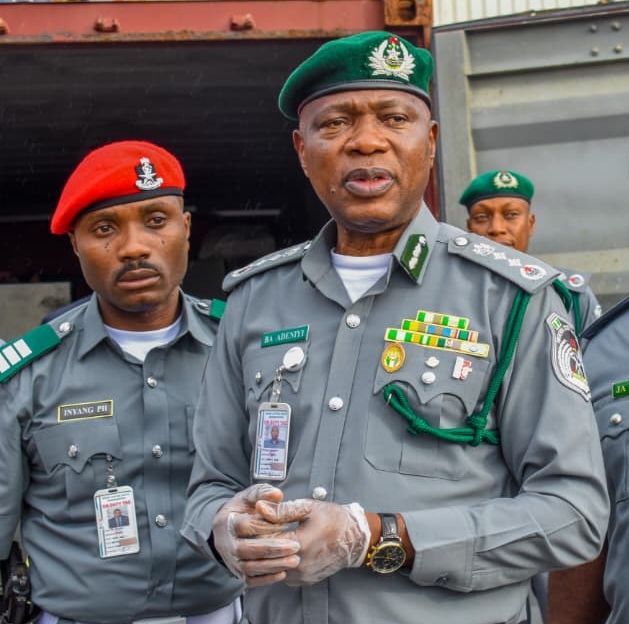
    The Nigeria Customs Service (NCS) has repatriated Bili, a rescued female baby gorilla, to the Republic of Congo following a landmark international wildlife operation that spanned interception, rescue, rehabilitation and safe return.

    The operation, conducted from September 22 to 28, 2026, was coordinated by the NCS Special Wildlife Office (SWO) under the Customs Intelligence Unit (CIU), with Bili departing through the Murtala Muhammed International Airport, Lagos.

    The Service described the exercise as its first full cycle international wildlife operation, marking a significant step in Nigeria’s enforcement of international obligations against wildlife trafficking and the protection of endangered species.

    Bili was rescued by Customs officers in August 2023 during an enforcement operation targeting illegal wildlife trafficking. She was subsequently transferred to the care of the Pandrillus Foundation in Calabar, Cross River State, where she underwent rehabilitation.

    Following a DNA test that established Bili’s origin as the Republic of Congo, arrangements were made for her return to the country. She was transported from Calabar to Lagos before being airlifted to Congo by DHL at no cost to the operation.

    Bili travelled with a caregiver and veterinary doctor to ensure her welfare throughout the journey. Her repatriation was supported by the CITES Management Authority under the Federal Ministry of Environment, in accordance with the Convention on International Trade in Endangered Species of Wild Fauna and Flora (CITES).

    The gorilla is listed under Appendix I of CITES, which provides the highest level of international protection for species threatened with extinction. Nigeria’s participation in the convention places obligations on relevant authorities to combat illegal trade in protected wildlife.

    The Customs Service said Bili’s return demonstrated the importance of cooperation among enforcement agencies, conservation organisations and international partners in tackling wildlife trafficking and ensuring rescued animals receive appropriate care.

    The operation also comes against the backdrop of intensified wildlife enforcement by the Service. Between January and September 2026, the Special Wildlife Office and Customs Area Commands recorded 22 wildlife seizures, rescued 699 live animals and arrested 11 suspects.

    The seizures during the period included 220 kilogrammes of pangolin scales, 48 elephant tusks and 219.05 kilogrammes of worked ivory. Enforcement operations were recorded in Ogun, Kano, Borno, Yobe, Calabar, Taraba, Kaduna and Lagos, among other locations.

    Other rescued or intercepted species included pangolins, primates, lion cubs, hyenas, crowned cranes, tortoises, gorillas and chimpanzees. In September alone, Customs officers also intercepted 440 African mud turtles and 90 ostrich chicks as part of ongoing efforts to curb the illegal wildlife trade.

    The Comptroller General of Customs, Bashir Adewale Adeniyi, and his management team commended the Pandrillus Foundation, DHL, Focused Conservation, the Aspinall Wildlife Trust, the CITES Desk of the Federal Ministry of Environment and the Government of the Republic of Congo for their support. The Service urged members of the public to report suspected cases of illegal wildlife trafficking to the nearest Customs formation, stressing that its mandate extends beyond revenue collection to include national security and environmental protection.

  • Seme Customs Automates Passenger Baggage Clearance, Targets Faster Border Processing

    Seme Customs Automates Passenger Baggage Clearance, Targets Faster Border Processing

    The Nigeria Customs Service (NCS), Seme Area Command, has commenced the full deployment of the Simplified Declaration for Passenger Baggage Import system to ease clearance, improve transparency and strengthen revenue collection at the border.

    The digital initiative is part of the Service’s broader customs modernisation programme aimed at facilitating legitimate travel and cross-border trade through technology-driven processes.

    Under the new system, passengers can initiate baggage declarations using mobile devices or complete the process at designated digital kiosks provided by the Command.

    The system applies standardised and pre-programmed assessment tables to declared personal goods, allowing applicable duties to be calculated automatically. Upon payment, receipts are also generated electronically.

    The digital process is expected to reduce manual intervention and discretionary assessment while giving passengers greater clarity and predictability in the clearance of dutiable baggage.

    The Seme Area Command said the impact of the system was already being reflected in passenger clearance times, with average baggage clearance turnaround now standing at less than five minutes since the commencement of the deployment.

    Within the first few days of implementation, the Command also generated ₦10,340,260.02 from passenger baggage declarations.

    The revenue represents duties collected through the automated process and provides a direct channel for the remittance of applicable customs revenue to the Federation Account.

    The Command, however, stressed that improved facilitation would not come at the expense of border security or compliance with customs laws and regulations.

    It said the digital baggage declaration system was being implemented alongside enhanced risk management and intelligence-led enforcement to detect attempts to conceal commercial quantities of restricted or prohibited goods as passenger baggage.

    According to the Command, the combination of digital processing and targeted enforcement would enable Customs to distinguish legitimate passenger movements from activities requiring regulatory or enforcement intervention.

    The initiative is also expected to improve the experience of passengers and cross-border traders by reducing avoidable delays while strengthening transparency in the assessment and payment of customs duties.

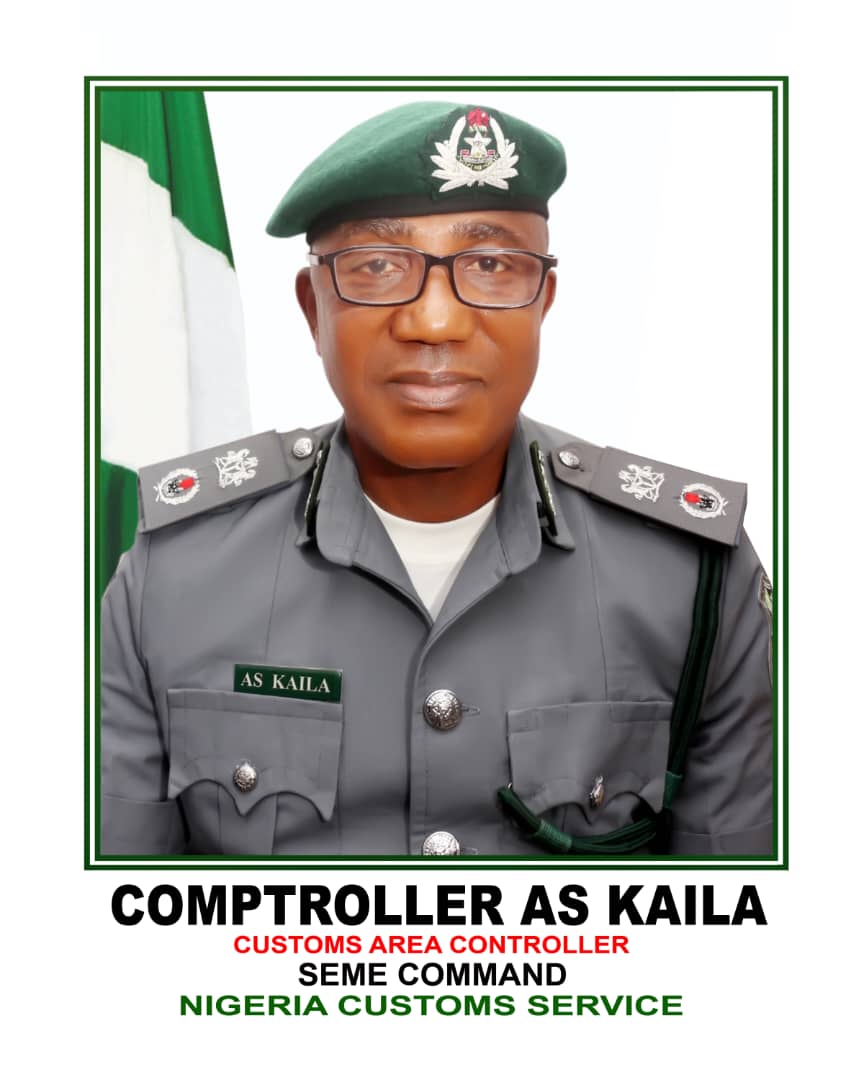
    The Customs Area Controller, Seme Area Command, Comptroller Abdullahi Kaila, said the deployment was consistent with the commitment of the Comptroller General of Customs, Bashir Adewale Adeniyi, to technology, innovation, trade facilitation, transparency and accountability in customs administration.

    Kaila urged passengers, cross-border traders and other members of the trading community to take advantage of the simplified declaration platform and comply with applicable customs requirements.

    He assured legitimate travellers and businesses operating through the Seme border corridor of continued facilitation, while noting that the Command would sustain collaboration with sister agencies and relevant stakeholders to protect national security, support lawful commerce and curb cross-border illicit trade.

  • Pivot Nigeria 2026: Uwadoka, RMD, Eze Seek Citizen Action To Rebuild Nigeria’s Reputation

    Pivot Nigeria 2026: Uwadoka, RMD, Eze Seek Citizen Action To Rebuild Nigeria’s Reputation

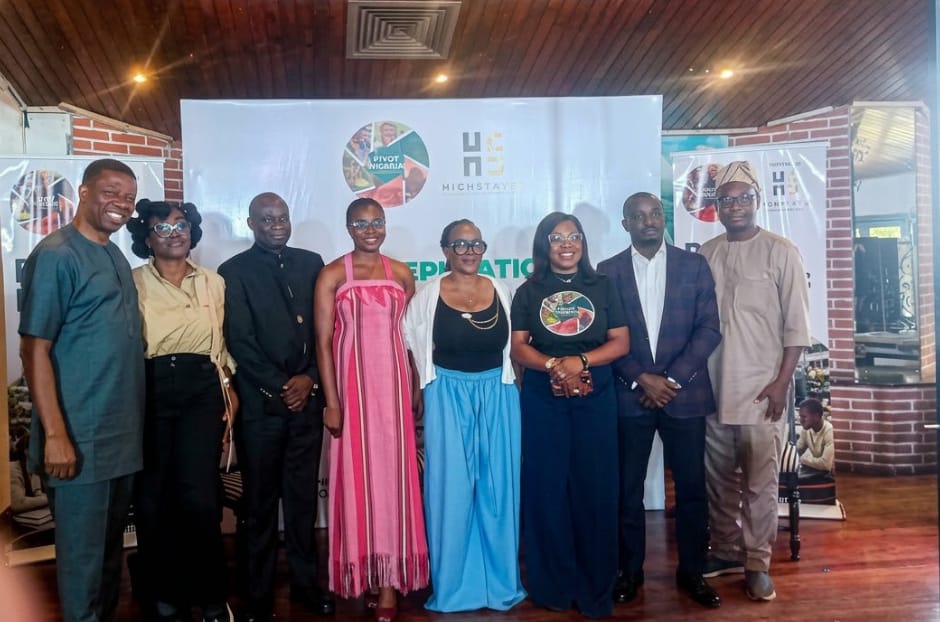
    The second edition of the Pivot Nigeria Conference has called for collective action by citizens, government, businesses, institutions and the media to strengthen Nigeria’s reputation and promote a more balanced national narrative.

    The conference, held on Tuesday at La Scala, MUSON Centre, Lagos, focused on the theme, “The Reputation Dividend: Who Pays for Nigeria’s Perception?”

    The gathering brought together stakeholders from the creative industry, media, communications and corporate sectors to examine the relationship between Nigeria’s reputation, public trust, economic opportunities and national development.

    Convener of Pivot Nigeria and Lead Consultant at HighStakes PR Professionals, Victoria Uwadoka, said reputation should not be viewed as a superficial concept, stressing that it was closely linked to trust, credibility and long-term sustainability.

    Uwadoka said individuals, organisations and nations depend on reputation as a foundation for building relationships, attracting opportunities and sustaining confidence.

    She said the conversation was particularly significant as Nigeria prepares to commemorate its 66th Independence Anniversary on October 1, noting that the country gained independence from Britain on October 1, 1960.

    According to her, responsibility for Nigeria’s reputation should not rest solely with government, as citizens, businesses, institutions and media organisations also influence how the country is perceived.

    “There is a lot about us that is great. We have made progress in so many ways,” she said, urging Nigerians to recognise their collective responsibility in shaping the country they desire.

    Uwadoka argued that Nigeria’s age should be considered alongside what the country had achieved, learnt and built over the years.

    She noted that while Nigeria had developed policies and institutional frameworks across several sectors, sustained implementation remained necessary to translate those initiatives into tangible benefits for citizens.

    The convener said efforts to improve Nigeria’s reputation must begin from within, with citizens developing greater confidence in their abilities while creating products, services and solutions capable of competing internationally.

    She also urged government to create an enabling environment through sound policies, infrastructure and other conditions that would allow citizens and businesses to thrive.

    “Trust is also an infrastructure. Perception is an infrastructure,” Uwadoka said, stressing the need to deliberately strengthen both as part of Nigeria’s development process.

    She called on the media to tell more balanced Nigerian stories by reporting the country’s challenges alongside its achievements, rather than presenting a one-sided narrative.

    Uwadoka said Pivot Nigeria was established to examine how Nigerians perceive themselves and how such perceptions influence the way the country is experienced by others.

    “If you say you’re a lion, behave like a lion,” she said, urging Nigerians to demonstrate through their conduct the values associated with the country’s description as the “Giant of Africa.”

    She challenged citizens to examine their individual conduct, including professionalism, punctuality, discipline, ethics and respect, noting that every Nigerian contributes to the country’s reputation through everyday interactions.

    “When people meet me, I am the Nigeria that they meet,” she said, urging citizens to recognise the impact of their personal conduct on the country’s wider image.

    Veteran actor and filmmaker, Richard Mofe-Damijo, popularly known as RMD, said Nigerians should distinguish between honestly acknowledging the country’s challenges and condemning Nigeria without contributing to solutions.

    Mofe-Damijo said efforts to reframe Nigeria’s image should not involve ignoring its problems, but should encourage citizens to confront challenges and pursue practical solutions.

    He urged Nigerians to see themselves as ambassadors of the country, arguing that nation-building required citizens to take responsibility for the kind of society they wanted to create.

    The actor cited the international growth of Afrobeats and the achievements of Nigerian entrepreneurs as examples of how local talent, enterprise and persistence could influence global perceptions of Nigeria.

    He also called for greater accountability in public leadership, saying citizens have a responsibility to demand accountability from those entrusted with public office.

    On Nigeria’s 66 years of independence, Mofe-Damijo described the country as a work in progress, stressing that its age should reinforce the need for patience, consistency and deliberate nation-building.

    Also speaking, Head, Corporate Affairs and Sustainability, Rite Foods Limited, Ekuma Eze, said changing Nigeria’s narrative required a paradigm shift that should begin from the family and extend to institutions and wider society.

    Eze urged Nigerian companies to build to international standards rather than being constrained by perceptions surrounding locally made products, saying globally competitive businesses could attract investment, create employment and contribute to economic growth.

    He added that citizens must identify areas where they could make meaningful contributions to national development, stressing that sustainable progress could not depend solely on solutions coming from outside the country.

    The Pivot Nigeria 2026 conference consequently placed Nigeria’s reputation within the wider context of citizenship, leadership, business, media, culture and national development, with participants emphasising the need to combine honest storytelling with measurable action.

  • NATOP Marks World Tourism Day With AI Training, Destination Tours

    NATOP Marks World Tourism Day With AI Training, Destination Tours

    The Nigeria Association of Tour Operators (NATOP) marked the 2026 World Tourism Day with activities which capture capacity building, technology, destination promotion and domestic tourism, and celebration.

    In the South West Zone, close to 200 tour operators gathered at Ziba Beach Resort, Lagos, for a special training focused on Artificial Intelligence and its application in tourism, equipping operators with digital tools to improve their businesses and destination marketing.

    In Abuja, the FCT and Northern Zone, in collaboration with Naija Adventurers, staged a colourful Tourism Awareness Walk and Hike to the Centre of Nigeria.

    The celebration also spread to the South-South Zone, where members marked the day with a destination tour, alongside activities to commemorate with the world tourism day celebrations.

    In line with the theme for this year’s WTD celebration: ‘Digital agenda and artificial intelligence to redesign tourism’ the NATOP training on AI and application in tour operation at Ziba Beach Resort Lagos saw a large turnout of the members of the association.
    NATOP President addressing the members

    The President of the association, Hajia Bolaji Mustapha explained that the idea for the location and training was to train members on how to do tour business, to know how to promote tourism digitally, using different AI tool and everything so that they will grow their businesses.

    She said: “we follow the theme and, you know, blend with the old situation. Let’s do the training so that we attach it to the World Tourism Day with the theme that we have achieved something and also celebrate.”

    She said the training will go a long way in helping the tour operators do greater content to digitally tell destination stories using AI, and also using the tool for expression.

    Mustapha also explained why the association chose Ziba Beach Resort: “We always attach World Tourism Day to a tourism site. And definitely, if you look at this whole area and this community, that’s why we see that Ziba is a tourism site. We want to explore and of course. The resort newly launched its third phase. So, we will use this opportunity to look at their rooms, look at how we can sell this destination, to showcase it that the resort is actually in Nigeria, not Zanzibar. By using the place, we would kill two birds with one stones.

    “As tour operators who are willing to tell the good story of our Nigeria, we need to bring ourselves up to the speed, align with the digital revolution. Let everybody go digital. Because we also see the content creators are taking our business, we want to align it with what they do. We are the ones that understand the business and we’ll be able to tell the story better, so that anybody coming to Nigeria will be able to discover Nigeria with the experts.”

    Also commenting on the celebration, the NATOP Vice President South West and chairman of the WTD Organizing Committee for the zone, Mrs. Wonuola Olatunde-Lamidi explained why NATOP South West’s usage of the 2026 WTD for training. She said many of the members still have a lot to learn about the tour business, and that some do not understand the foundation of the business, including how to create packages hence the need for the training.

    Mrs. Olatunde-Lamidi spoke further: “Many don’t understand the foundation of what it is to create a tour package. And when you have people that are not well-trained in an industry, the industry will not grow. The kind of people that you also have will not have enough earning power to do many things. And because this is an industry that I have been in for 16 years, I run Diamonds and Pearls Travels with my husband. And I’ve seen Diamonds and Pearls Travels metamorphose into a company where people don’t just look at us as travel agents. We have become a Destination Management Company (DMC). We have become a trusted brand. We have become a company that when we talk about a destination, people want to go to that destination because of how we have portrayed the destination. And you may not realize that, as tour operators, you can actually decide where people go. You can make people go to a particular destination by marketing it, by letting them know the benefits of that destination.”

    The tour operators had opportunity to tour the resort and unwind during the programme.

  • Coker, Asika Lead Call For AI Driven Tourism Transformation

    Coker, Asika Lead Call For AI Driven Tourism Transformation

    The former Director General of the Nigeria Tourism Development Authority (NTDA), and other tourism stakeholders have called for improved Artificial Intelligence regulations and its transformation for sustainable growth in Nigeria’s tourism and travel sector.

    The call was in sequel to the recent technical network glitch involving the Nigeria Centre for Disease Control (NCDC) and the Nigeria International Travel Portal (NITP), which disrupted travel operations and left thousands of inbound and outbound passengers stranded at airports worldwide.

    The incident, which reportedly prevented passengers from boarding flights bound for Nigeria, has renewed concerns over the country’s reliance on digital systems and highlighted the need for stronger technological infrastructure, effective regulation and improved AI integration to ensure seamless travel operations and enhance the tourism experience.

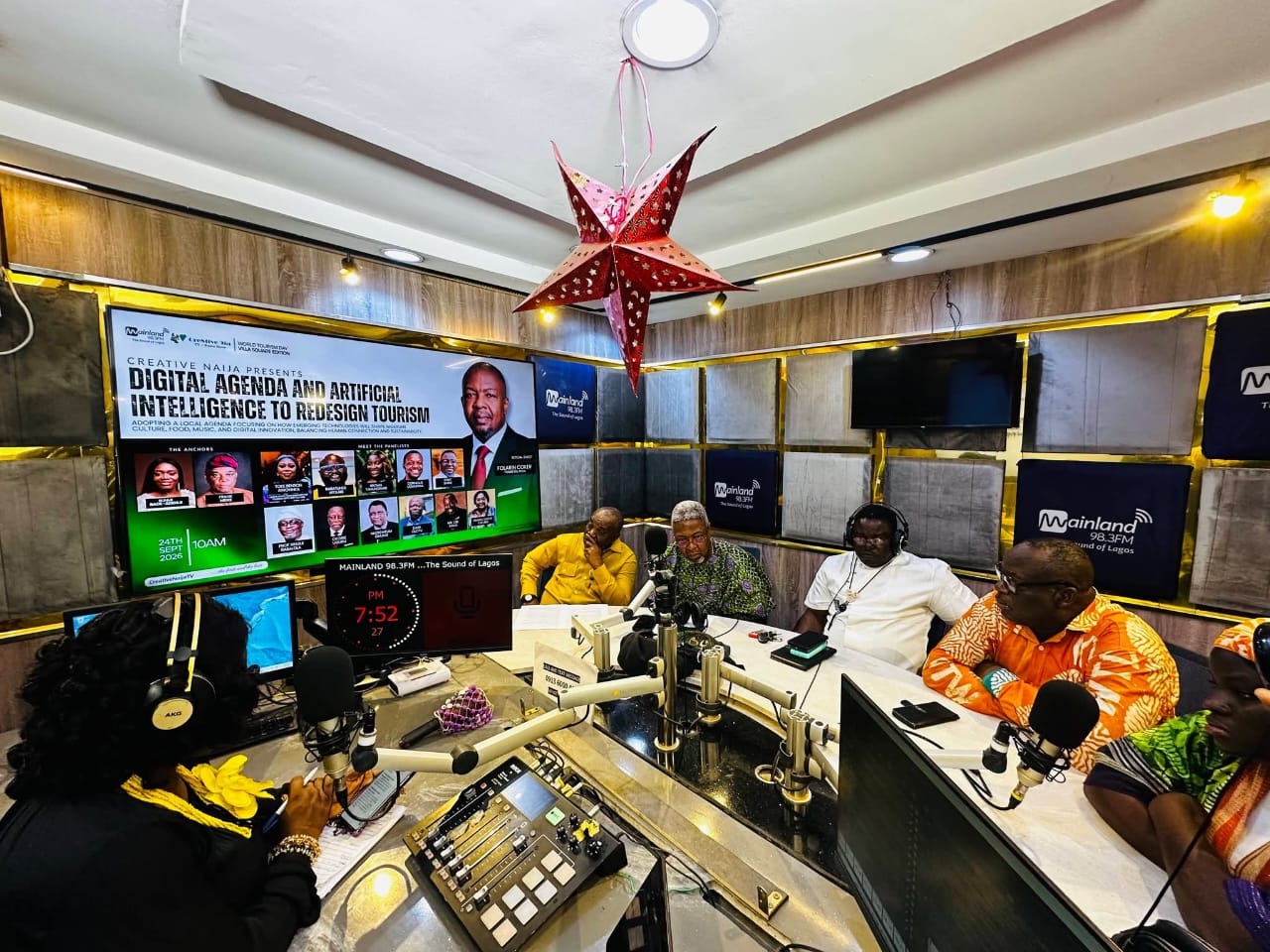
    Speaking on *Villa Square*, a special segment of *Cre8tive 9Ja*, a weekly tourism and culture magazine programme hosted by veteran tourism journalist Frank Meke and Bunmi Bade-Adeniji on Mainland 98.3 FM, Lagos, former Director-General of the Nigeria Tourism Development Authority (NTDA), Folarin Coker, said Nigeria should not confuse digitisation with transformation.

    “We should not confuse digitisation with transformation. Putting a broken process online is not reform,” Coker said.

    He noted that the country’s ambition should be to make travel easier, improve the productivity of tourism businesses and ensure better management of destinations.

    Coker said there was a need to deconstruct the existing system and create an ecosystem in which the necessary structures work effectively before AI is deployed to deepen the passenger experience.

    According to him, AI can improve various aspects of travel, including the embassy and visa processes, flight bookings, pricing, arrival experiences, transportation and cultural engagement.

    “Artificial Intelligence and technology are being mistaken for true development. It is not about another app or website, but about fixing the things that need to be fixed and setting the standards,” he said.

    Also speaking, the Managing Director of Global Links Service, Pastor Chinyere Umeasiegbu, said airline operators were often responsible for flight disruptions.

    She urged airline operators to address the recurring issue of flight cancellations, stressing the need for sustainable reforms that do not rely solely on Artificial Intelligence.

    Umeasiegbu also called for improved communication between airlines and passengers, advising travellers to take screenshots of messages relating to flight delays and submit them to the appropriate authorities when necessary.

    Coker further stated that the government must address fundamental infrastructure challenges, including roads and security, while establishing standards for globally competitive hotel services rather than relying on AI as a substitute for broader development.

    “A digitally driven tourism agenda is what most people are using. However, we have a gifted cultural expression that can help amplify our tourism agenda, from music, fashion and food to medical tourism,” he said.

    He stressed the need for government to make Nigeria’s tourism experience more accessible by providing the necessary infrastructure and ensuring that tourism products and destinations are easily bookable without technological disruptions.

    The Director-General of the National Council for Arts and Culture (NCAC), Obi Asika, disclosed that the council had established a Council for Creative Technology and would soon publish a digital roadmap outlining how Artificial Intelligence could be incorporated into the arts and culture sector.

    “We need to enrich Artificial Intelligence with the elements of our culture, our history and our content. We need to do this and put the necessary systems in place because, if we don’t, Artificial Intelligence might not be able to see us,” Asika said.

    He explained that the concern was partly linked to the data and content used to train AI systems, noting that African and Black tourism and cultural knowledge needed greater representation.

    On the role of AI in food tourism and promoting Nigerian cuisine globally, Chef Shine said the technology could be used to properly document and promote the country’s culinary heritage.

    “It is important for us to use AI to document our food properly. AI will not take over our food, nor will AI cook the food,” he said.

    “This is the best time to discuss the digital agenda and Artificial Intelligence. We need to use AI to document our food and monetise our cuisine,” he added.

    Speaking on the use of AI in promoting Nigeria as a tourism destination, travel and tourism journalist Okorie Uhuru said the technology was already transforming the way destinations and tourism products were marketed.

    “The old order of doing things, like packaging a destination tour and marketing tourism, has faded because of Artificial Intelligence. AI has helped us market our tourism to a global audience,” he said.

    Uhuru urged tourism stakeholders and individuals to adapt to the technology in order to remain competitive.

    “As individuals, you have to make an effort to align with AI to sell your tourism product; otherwise, you will be left behind,” he said.

    Professor Wasui Babalola called on the government to develop policies that would help translate technological advancement into economic value.

    He said the digital transformation process must retain a human element if it is to contribute meaningfully to the development of Nigeria’s tourism sector.

    “The knowledge of the digital process should be given with a human element, and that is when our tourism would improve,” Babalola said.

  • EX MIYE EBIMO: Team A Wins As FOC Commissions FOB FORMOSO Barber Shop

    EX MIYE EBIMO: Team A Wins As FOC Commissions FOB FORMOSO Barber Shop

    …Team A emerges overall winner as participating units, sister agencies showcase combat readiness

    The Chief of the Naval Staff (CNS), Vice Admiral Idi Abbas, has formally declared the Central Naval Command (CNC) Intra-Command Maritime Tactical Live Firing Exercise, codenamed EX MIYE EBIMO, closed, describing it as a significant demonstration of the Nigerian Navy’s continued commitment to maintaining a well-trained, disciplined and operationally ready fighting force.

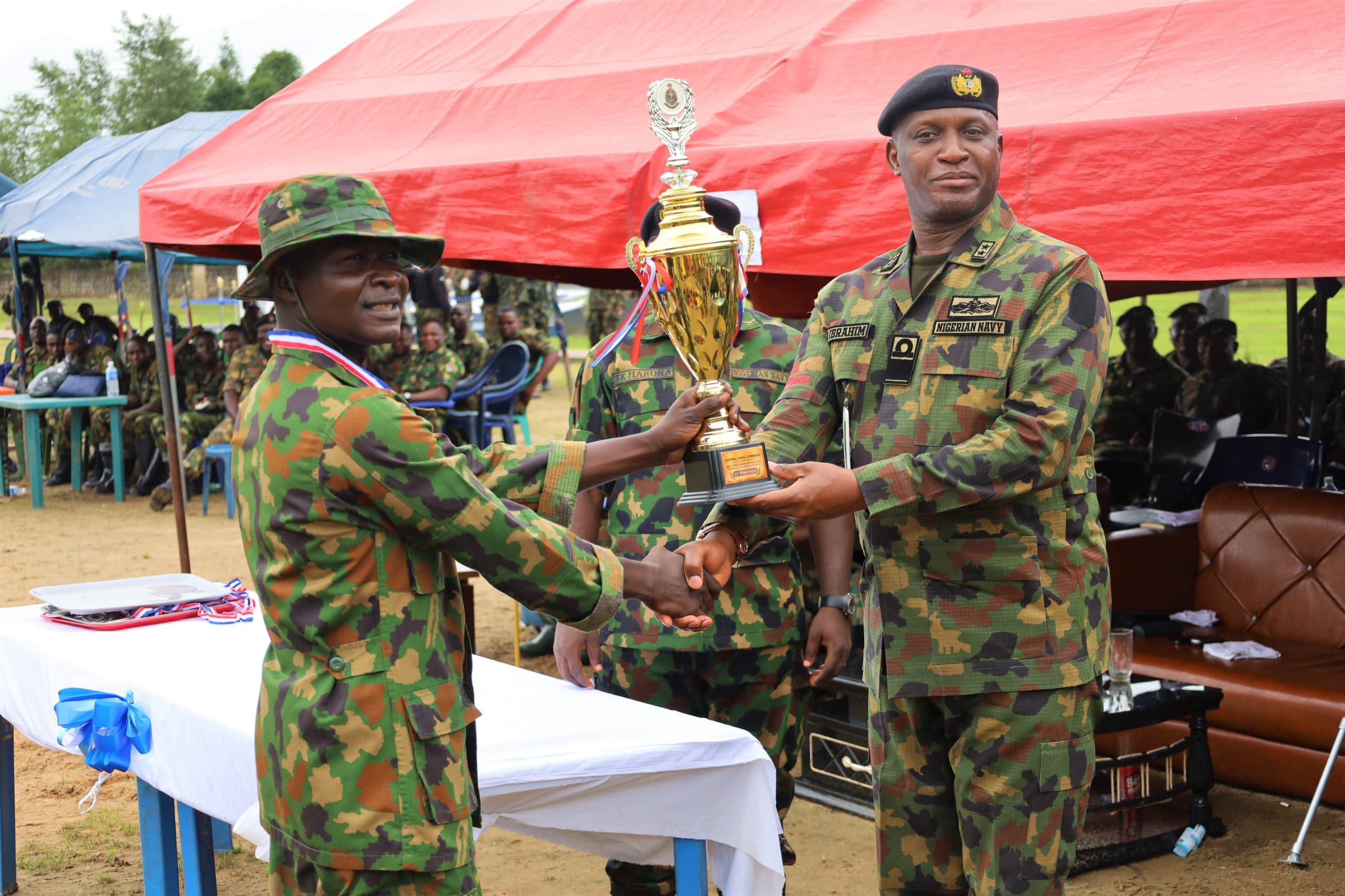
    Vice Admiral Abbas, who was represented at the closing ceremony by the Flag Officer Commanding Central Naval Command, Rear Admiral Suleiman Ibrahim CTG 26.1, stressed that “readiness is not achieved through a single exercise; it is built through continuous training, discipline, teamwork, professionalism and constant learning.”

    The ceremony held at Forward Operating Base (FOB) FORMOSO, where the two-day exercise took place from 23 to 24 September 2026.

    The CNS said the value of any live-firing exercise goes beyond the successful discharge of weapons, adding that “the ultimate objective is to develop combat effectiveness, tactical confidence, teamwork and operational readiness.”

    He charged personnel to carry the experience gained into actual maritime operations, particularly in surveillance, patrols, protection of critical national maritime infrastructure and response to threats within the area of responsibility.

    Vice Admiral Abbas also called for a comprehensive post-exercise review to identify strengths, shortcomings and lessons observed, directing that appropriate remedial measures be pursued where gaps are identified.

    He commended Rear Admiral Ibrahim and his planning team for the initiative and coordination that brought the exercise to a successful conclusion, just as he appreciated the Commanding Officer and personnel of FOB FORMOSO for providing the necessary support and facilities for the conduct of the exercise.

    The CNS further acknowledged the contributions of all participating units, formations, ships, boats, instructors, safety personnel, medical personnel, range staff and other supporting elements, noting that “the success recorded today is a product of collective effort.”

    Vice Admiral Abbas particularly acknowledged the participation of the Air Arm of the Nigerian Navy and its pilots, whose aerial support and professionalism contributed significantly to the success of the exercise.

    He praised the pilots for their precision, coordination and courage, noting that their involvement underscored the importance of joint and intra-command cooperation in maritime operations.

    The display was not only a spectacular showcase of naval aviation capability but also a testament to the excellence that defines the Naval Air Station under the command of Commander IC Amauche.

    He also appreciated the cooperation and support of host communities and other relevant stakeholders, emphasising that effective maritime security cannot be achieved by military action alone but requires constructive engagement with local communities, government institutions, sister services, security agencies and other stakeholders.

    Participating units and sister agencies were divided into five teams for the competition. At the end of the fiercely contested exercise, Team A emerged as the overall winner.

    The highpoint of the ceremony was the presentation of medals to teams that came tops in the exercise, while the FOC presented trophies to teams that distinguished themselves in other areas of merit.

    The exercise featured a series of demanding tactical drills, including assault operations, beach landing and the neutralising of an adversary camp. These drills tested the combat readiness, coordination and tactical competence of participating personnel under realistic operational conditions.

    Personnel displayed commendable levels of discipline, professionalism, courage and commitment throughout the two-day event.

    In his closing remarks, Rear Admiral Ibrahim described the exercise as “another important milestone” in the Command’s continuous efforts to enhance the operational readiness, tactical competence and combat effectiveness of personnel and units under the Central Naval Command.

    He noted that the exercise exposed participants to realistic operational situations, enabling the Command to evaluate critical aspects of its capabilities, including command and control, weapons handling, coordination and the effective employment of resources in a maritime environment.

    “Training exercises such as this are essential because they enable us to identify capability gaps in a controlled environment before personnel are required to confront similar challenges during actual operations,” the FOC stated.

    He commended the exercise planning and control teams, participating units, instructors, range safety personnel, medical personnel and support staff for their contributions to the overall success of the exercise, while urging commanders at all levels to ensure that lessons identified are properly documented, analysed and incorporated into subsequent training and operational planning.

    Rear Admiral Ibrahim also emphasised the importance of safety in all training and operational activities, particularly the employment of live ammunition, which he said demands the highest standards of discipline, concentration and strict compliance with established safety procedures.

    On the sidelines of the exercise, the FOC commissioned a newly built barber’s shop at FOB FORMOSO.

    Speaking at the commissioning, Rear Admiral Ibrahim said the project was “beyond a barber’s shop,” noting that the Commanding Officer of FOB FORMOSO, Navy Captain SK Haruna, had translated the Chief of the Naval Staff’s Strategic Directives and the FOC’s Command Tenets, particularly the infrastructural drive and welfare of personnel into reality.

    He praised the Commanding Officer for his initiative and commitment to improving the welfare and working environment of personnel at the Base, urging other commanders to emulate the gesture.

    The closing ceremony was attended by senior officers, commanders, participating troops and support staff, as well as representatives of host communities.

    With the successful conclusion of EX MIYE EBIMO, the Central Naval Command reaffirmed its commitment to sustaining a high state of readiness in view of its strategic importance within the maritime environment of the Central Naval Command.

error: Content is protected !!