Author: Dodo Elias Denen

  • Nigerians To Get More Palliatives As Chris Okafor Opens October With Food Donations

    Nigerians To Get More Palliatives As Chris Okafor Opens October With Food Donations

    Dr Chris Okafor, founder and senior pastor of the Grace Nation Church International, Lagos says he is set to give away food items to at least 5,000 Nigerians when the church holds it’s thanksgiving service this Sunday — October, 5, 2025.

    Dr. Okafor made the announcement during the grand finale of the church’s yearly flagship programme, “Not My Head, Not My Blood,” held last Sunday.

    He stated that the gesture aims to ease the hardship caused by the removal of fuel subsidy by the Nigerian government since 2023. According to him, the donation is also a fulfillment of Jesus’ charge to Christians to be their brothers’ keepers.

    “At least 5,000 Nigerians will get bags of rice, and other kinds of support next Sunday when Grace Nation will be holding it’s thanksgiving service,” Dr Okafor told his congregation last Sunday.

    “The gesture which is now a regular practise here not only aims to ease the hardship our people are facing in the present time, it is also to fulfill Jesus’ charge to us as christians to be our brothers’ keepers,” he said.

    This initiative is the third of its kind since the beginning of the year, courtesy of the Chris Okafor Humanity Foundation (COHF) in collaboration with the Grace Nation Church International.

    The foundation has been instrumental in providing assistance to the poor, orphans, widows, and the underprivileged, including scholarships, skill acquisition programmes, water provision, and road rehabilitation projects around the church’s immediate environment.

    Dr. Okafor has encouraged church members to participate in the exercise, highlighting the spiritual rewards of such acts of kindness.

    “Jesus taught us the importance of giving, and loving our neighbours as ourselves. In the scriptures in Luke 6:38, Mark 12:31 and Matthew 25: 35-45, Jesus showed us, His followers the way to go.

    “So, by also joining me in offering this support to the needy in our midst, we will not only be fulfilling this commandment, but drawing from the blessings attached,” he added.

    With this initiative, Dr. Okafor continues to make a positive impact on the lives of Nigerians.

  • Star Power Meets Community Spirit at Wazobia FM’s “Heart Waka” in Ajegunle

    Star Power Meets Community Spirit at Wazobia FM’s “Heart Waka” in Ajegunle

    Wazobia FM has marked this year’s World Heart Day with a special Heart Walk in Ajegunle, Lagos.

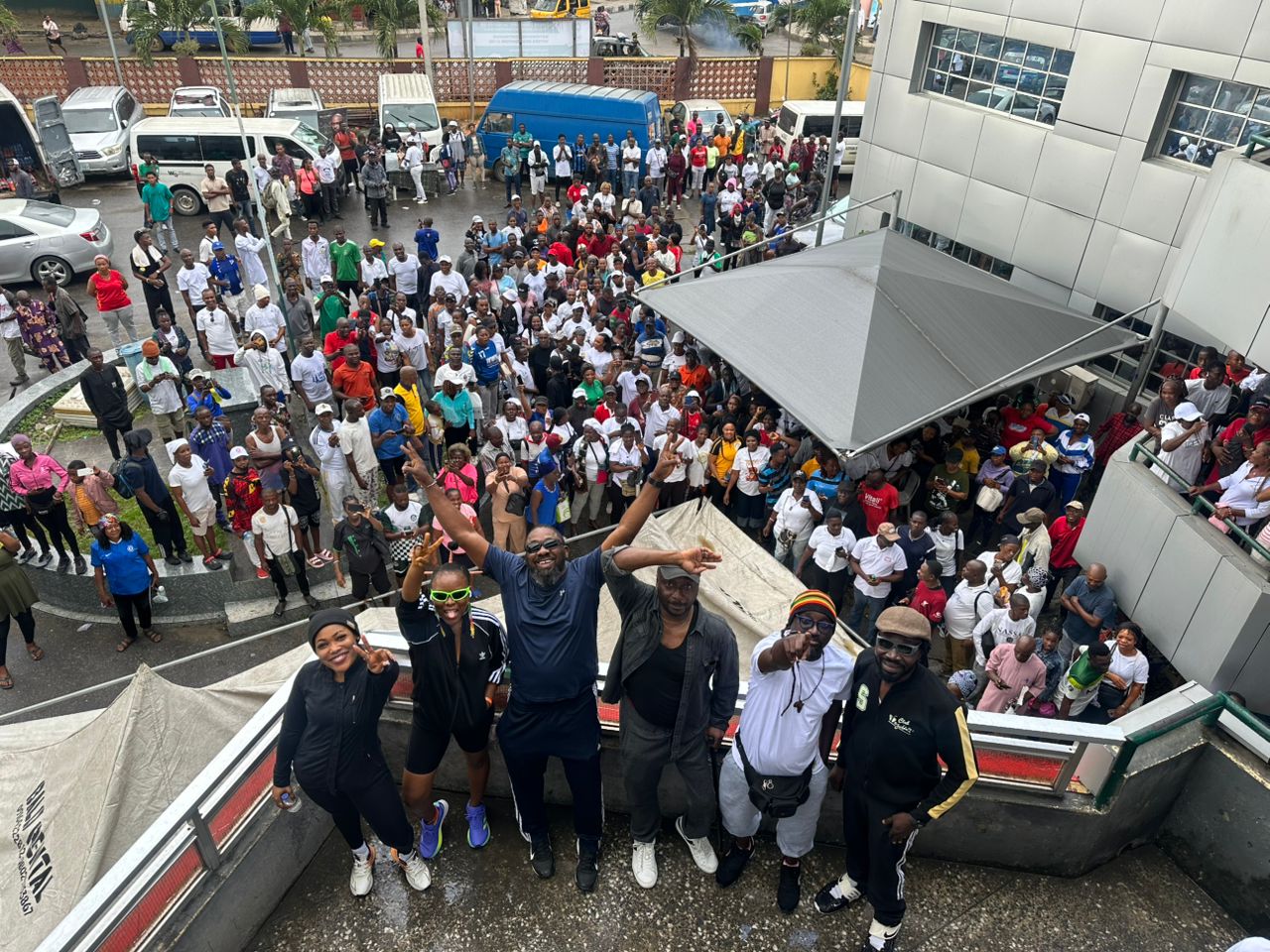
    The event, tagged Heart Waka for Life, took place on Saturday, September 27, 2025, drawing a massive crowd of fans, celebrities, and well-wishers.

    The walk kicked off at the Ajeromi Ifelodun Local Government Area headquarters as early as 7 a.m.

    Participants marched through the community to Maracana Stadium, where fitness activities were held to promote healthier living.

    Executive Chairman of Ajeromi Ifelodun, Hon. Olalekan Olu Akindipe, popularly known as LampHolder, joined the walk side by side with residents.

    He described the event as an important step toward building stronger, healthier lifestyles in the community.

    The energy of the walk was further boosted by Wazobia FM presenters, who brought their on-air charisma to the streets.

    They were joined by top celebrities including Korexx, Cute Abiola, Aproko Doctor, Kemen, Kaffy, Kenny Blaq, and Broda Shaggi, while Mr Macaroni and Gossip Loaded offered their support online.

    At a press briefing ahead of the event, the General Manager for Wazobia FM, Cool FM, Nigeria Info FM, and Kids FM, Femi Obong-Daniels, explained that the Heart Walk was designed to get everyone in the Local Government involved in fitness and health awareness.

    Program Managers of the stations and some On-Air Personalities also stressed the benefits of regular walking, highlighting its role in preventing heart disease, improving cardiovascular fitness, and boosting energy levels.

    Sponsors, including Wazobia Beauty and Cosmetics, applauded the initiative as a notable contribution to public health.

    World Heart Day is observed globally to raise awareness about cardiovascular diseases, which remain the leading cause of death worldwide.

    By taking the campaign to Ajegunle, Wazobia FM says it hopes to inspire more Nigerians to take charge of their heart health through simple lifestyle choices like walking and exercise.

    For many residents and fans who joined the Heart Waka, it was more than a walk, it was a movement, blending fun, fitness, and community spirit in the heart of Ajegunle.

  • ₦5 Million in Grants Offered to 20 Startups in Africa’s Flagship Islamic Finance Competition

    ₦5 Million in Grants Offered to 20 Startups in Africa’s Flagship Islamic Finance Competition

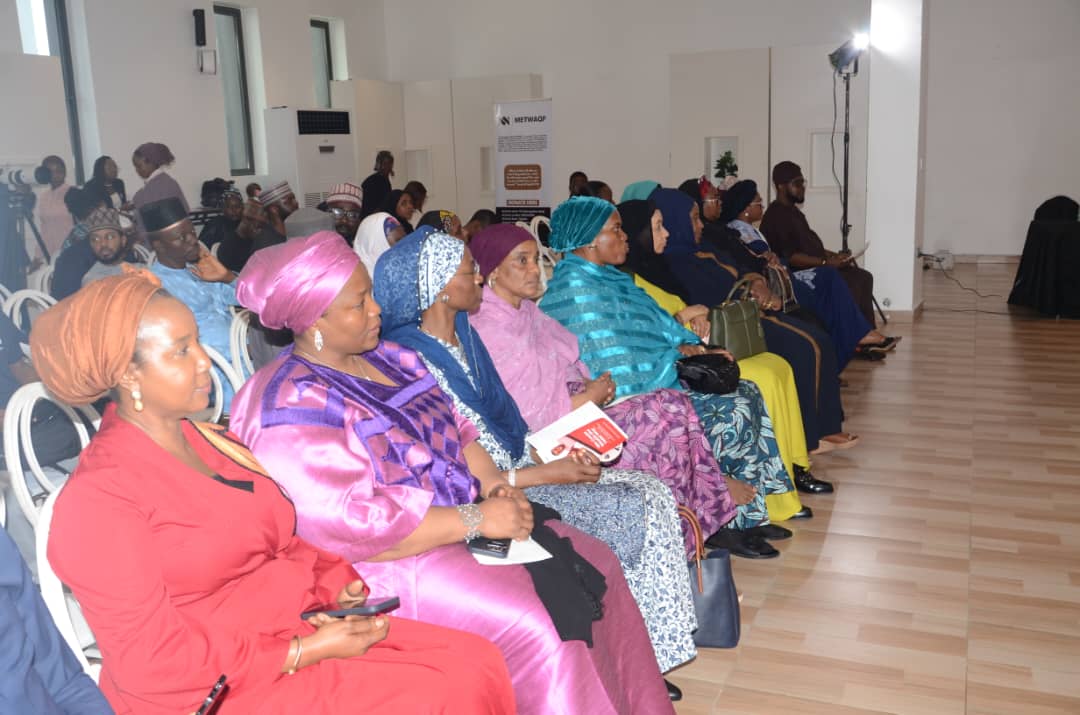
    The 2025 African International Conference on Islamic Finance (AICIF) Pitch Competition has highlighted 20 promising startups competing for ₦5 million in grant funding, as Africa seeks to foster a new generation of ethical, impact-driven enterprises.

    The competition, held in Abuja on Saturday as a precursor to the 7th AICIF in November, attracted over 200 applicants from across Africa before narrowing down to 20 finalists — 10 focused on tech innovations and 10 on social impact.

    According to Hajia Ummahani Ahmad Amin, the Convener of AICIF in Nigeria and Managing Partner of Metropolitan Law Firm, the event is more than just a contest.

    “Today, we celebrate creativity, resilience, and the power of ideas. These young entrepreneurs are not just pitching businesses; they are presenting the future of Africa. The solutions here have the potential to create jobs, reshape industries, and drive social impact,” she told participants.

    The startups, ranging from halal-tech solutions to ethical investment platforms, were assessed by a panel of judges on innovation, scalability, and alignment with Islamic finance principles.

    Mr Abdulkadir Abbas, Director at the Securities and Exchange Commission (SEC), who attended the event, described the quality of pitches as impressive.

    “The passion, commitment, and innovation displayed are remarkable. It will be a tough task for the judges to choose winners. What we are witnessing here is the very essence of ethical entrepreneurship,” Abbas said.

    The SEC’s involvement in the competition reflects its growing support for the non-interest finance sector. Abbas explained that the regulator has frameworks in place that enable small businesses to access funds through crowdfunding and other Sharia-compliant investment products.

    Managing Director of Metropolitan Skills Ltd, Ms Yinlaifa Edolo, stressed that the competition aims to empower young entrepreneurs with ethical tools for building sustainable enterprises.
    “This grant is not about loans or debts. It is about giving startups breathing space to innovate, scale, and build businesses aligned with fairness and social responsibility,” she said.

    For Mr Abimbola Ajinibi, Associate Director at the First Trustees, the focus on SMEs is critical.
    “Small businesses are the backbone of Africa’s economy. But they often lack access to affordable capital. By using halal finance instruments like Waqf, Sukuk, and ethical crowdfunding, we can help them grow without the burden of exploitative interest rates,” he said.

    One of the finalists, speaking after his pitch, described the opportunity as “life-changing.”
    “Access to funding is the biggest barrier for startups like ours. This competition doesn’t just give us money; it gives us visibility, mentorship, and credibility,” he said.

    Since its inception in 2018, AICIF has evolved into Africa’s premier platform for Islamic finance, bringing together government officials, regulators, academics, and entrepreneurs. The pitch competition, now in its 7th edition, underscores the conference’s mission to mainstream halal and ethical finance while inspiring innovation that serves communities.

    The judges deliberate, and the finalists await the announcement of winners. The atmosphere is charged with hope that some of Africa’s boldest innovators will soon scale their ideas into enterprises capable of transforming the continent’s financial and social landscape.

  • Unity Bank Shareholders Approve Merger With Providus Bank

    Unity Bank Shareholders Approve Merger With Providus Bank

    Shareholders of Unity Bank Plc have approved the proposed merger with Providus Bank Limited, marking a major milestone in the business combination of the two financial institutions.

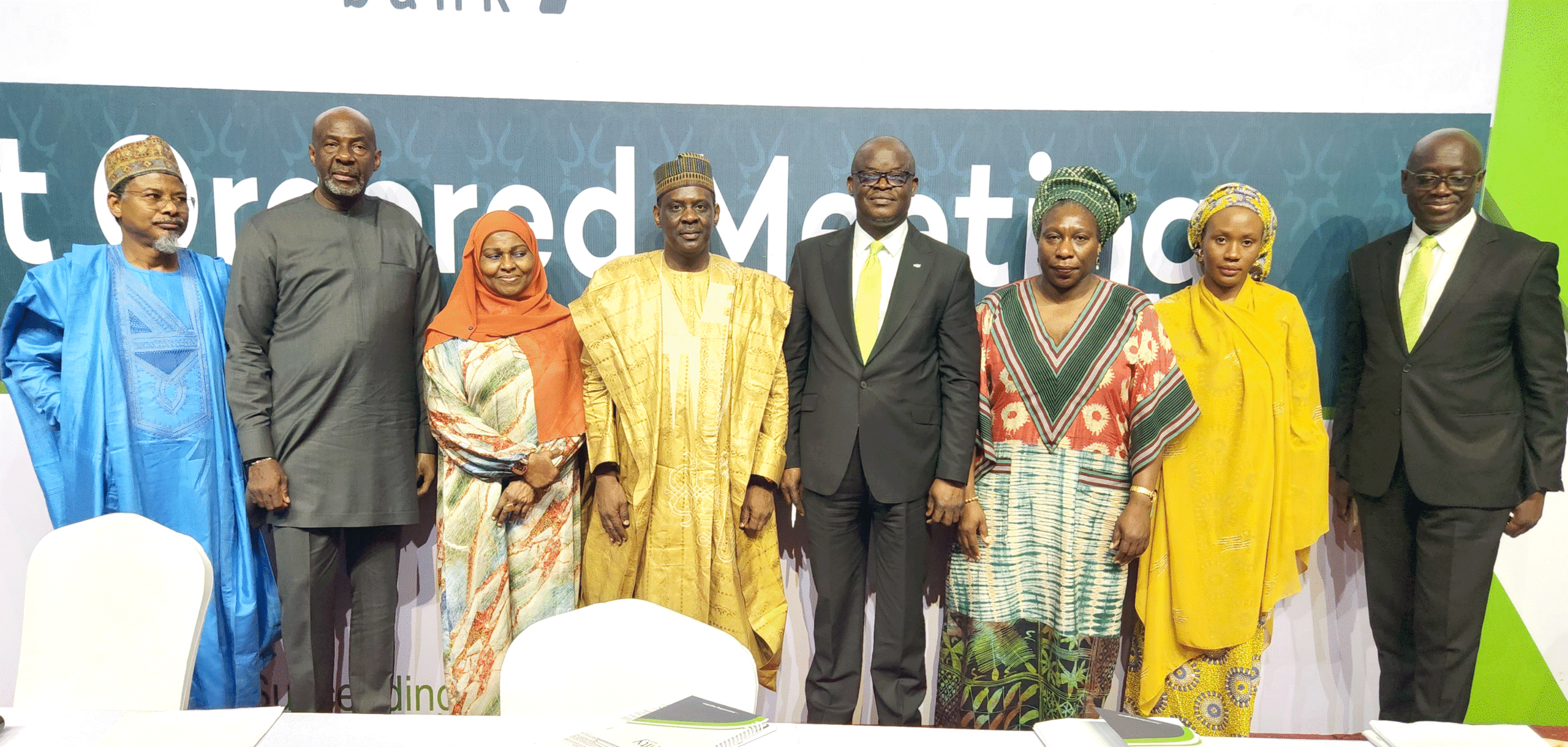
    At the Court-Ordered Meeting held on September 26, 2025, at the OOPL Hotel in Abeokuta, Ogun State, 295 shareholders participated and deliberated on all items in the Scheme of Merger. Of these, 293 shareholders representing 99.32% of total shareholding (₦4.4 billion in value) voted in favour of the resolutions, while 2 shareholders representing 0.68% voted against.

    As part of the Scheme Consideration, Unity Bank shareholders will receive ₦3.18 per share or be allotted 18 ordinary shares of ₦0.50 each in Providus Bank Limited (credited as fully paid) for every 17 ordinary shares of Unity Bank Plc held. Upon completion, Unity Bank’s entire share capital will be cancelled, and the Bank dissolved without winding up, while Providus Bank Limited will retain its certificate of incorporation as the enlarged bank.

    Speaking on the development, Chairman of Unity Bank Plc, Hafiz Mohammed Bashir, said: “This approval by our shareholders is a strong vote of confidence in the merger and what it represents for the future. By joining forces with Providus Bank, we are creating a stronger, more competitive, and more resilient institution that will deliver long-term value to our customers, shareholders, and the Nigerian economy.”

    He stated that the new name of the enlarged entity shall be Providus-Unity Bank (PUB) to reflect the core loyalty present in the vast northern market.

    The Chairman clarified to the shareholders during the Court-ordered meeting that the NGX lifted the suspension of trading of Unity Bank shares on the floor of The Exchange on 25th September 2025, with a remarkable crossing of 4.004Billion units of AMCON shares (representing 34% of issued shares of Unity Bank Plc) to an existing shareholder of Unity Bank and not to Providus Bank.

    Shareholders also authorised the Bank’s Directors and Solicitors/Transaction Advisers to seek the necessary Court orders and take all required actions to give full effect to the Scheme.

    Analysts commend the shareholders for endorsing the merger to pave the way for the emergence of a financial powerhouse anchored on strong market positioning with the capacity to take on the competition on the strength of both traditional and modern digital Banking.

  • Bill Gates Presents 2025 Plan to Save Millions of Children’s Lives at Goalkeepers Event

    Bill Gates Presents 2025 Plan to Save Millions of Children’s Lives at Goalkeepers Event

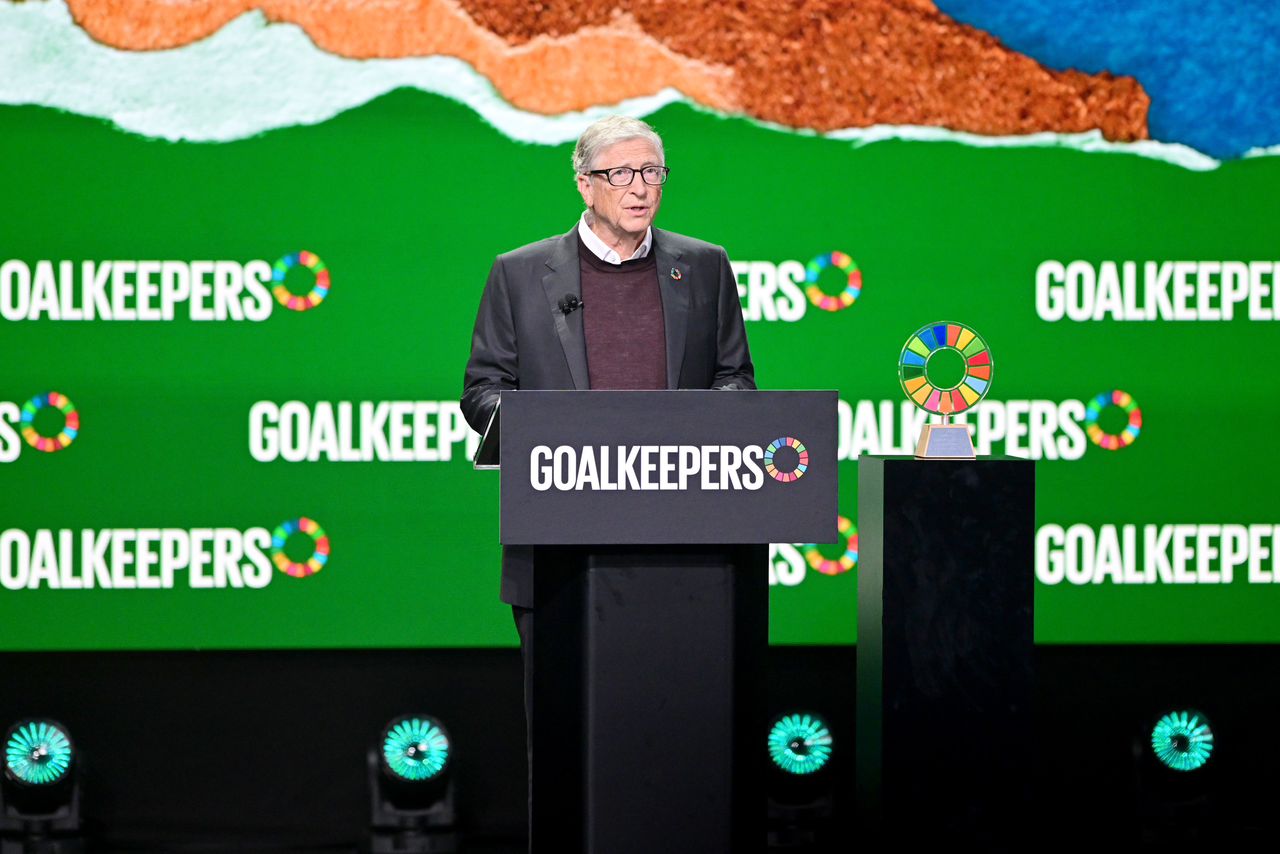
    Chair of the Bill & Melinda Gates Foundation, Bill Gates, has called on global leaders to make bold choices that could save millions of children’s lives and consign some of the world’s deadliest diseases to history by 2045.

    Speaking before an audience of more than 1,000 policymakers, philanthropists, private sector leaders, and community advocates at the 2025 Goalkeepers event, Gates warned that the world was “at a crossroads” as health aid faces historic cuts.

    “Humanity is at a crossroads. With millions of children’s lives on the line, global leaders have a once-in-a-generation chance to do something extraordinary,” Gates said. “The choices they make now—whether to go forward with proposed steep cuts to health aid or to give the world’s children the chance they deserve to live a healthy life—will determine what kind of future we leave the next generation.”

    According to the Institute for Health Metrics and Evaluation (IHME), global development assistance for health fell by 21 percent between 2024 and 2025, sinking to its lowest point in 15 years. The cuts threaten decades of progress that saw child mortality halved since 2000.

    To counter the decline, Gates announced a $912 million pledge by the Gates Foundation to the Global Fund’s 2026–2028 replenishment drive. Since its inception in 2002, the Global Fund has saved more than 70 million lives, cut deaths from AIDS, tuberculosis, and malaria by over 60 percent, and strengthened global health security.

    Gates laid out a roadmap which, if followed, could halve child deaths again over the next 20 years. The plan includes renewed investments in proven initiatives like the Global Fund and Gavi, prioritization of primary healthcare, and investment in breakthrough innovations.

    Some of the innovations highlighted include single-dose malaria treatments, long-acting HIV drugs, maternal vaccines against respiratory illnesses, and the use of artificial intelligence to deliver medicines more effectively and cheaply.

    “What’s happening to the health of the world’s children is worse than most people realize, but our long-term prospects are better than most people can imagine,” Gates said.

    The Goalkeepers event also celebrated global leaders and advocates making strides in child survival and health equity. Spanish Prime Minister Pedro Sánchez received the 2025 Global Goalkeeper Award for expanding Spain’s support for the Global Fund and Gavi, while several “Goalkeepers Champions” from around the world were recognized, including Nigerian actress Osas Ighodaro for her malaria advocacy.

    The event, co-hosted by musician Jon Batiste and actress Olivia Wilde, carried the theme *“We Can’t Stop at Almost”*, underscoring the urgency of finishing the work on preventable child deaths.

    ### Looking Ahead

    Later this year, Goalkeepers will expand to the Middle East for the first time, with a major convening set for December 8 in Abu Dhabi. The Gates Foundation will also release its 2025 Goalkeepers Report, focused on how leaders’ decisions in the coming months will shape the future of global child health.

    Earlier in the year, Gates announced plans to give away virtually all of his wealth, pledging $200 billion over the next two decades to advance progress in maternal and child health, eradicate deadly infectious diseases, and lift millions out of poverty.

  • Group Hails Tinubu’s Economic Reforms As Nigeria Records 4.23% GDP Growth

    Group Hails Tinubu’s Economic Reforms As Nigeria Records 4.23% GDP Growth

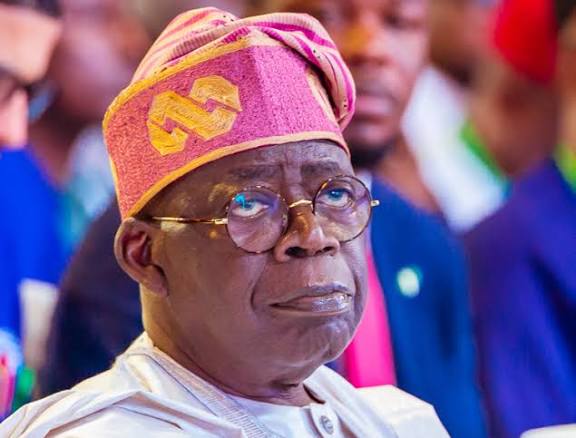
    A pro-development group has commended President Bola Ahmed Tinubu for what it described as “bold and pragmatic” economic reforms that have placed Nigeria on the path of recovery and growth, citing the latest figures from the National Bureau of Statistics (NBS).

    According to the NBS, Nigeria’s Gross Domestic Product (GDP) expanded by 4.23 percent in the second quarter of 2025, compared with 3.48 percent recorded in the same period of 2024. The group said the performance reflects the impact of far-reaching reforms introduced by the Tinubu administration.

    Before May 2023, when President Tinubu assumed office, the group noted that the economy was “haemorrhaging,” weighed down by unsustainable fuel subsidy payments, multiple foreign exchange rates that encouraged arbitrage, dwindling reserves, and a widening fiscal deficit.

    It stated that the removal of petrol subsidy, unification of the forex market, fiscal consolidation measures, and social intervention programmes have since begun to yield results, despite the initial pain they caused Nigerians.

    Among the gains highlighted were improvements in GDP growth, which rose to N100.73 trillion in aggregate, compared with N84.48 trillion in 2024; an increase in external reserves to $42 billion; and six consecutive months of declining inflation, with projections for single-digit inflation by 2026.

    The group further pointed out that the agriculture sector grew by 2.82 percent in Q2 2025, boosted by mechanisation and the National Agricultural Development Fund (NADF), while the industrial sector surged by 7.45 percent, up from 3.72 percent the previous year.

    Manufactured goods exports were said to have grown by 173 percent, pushing Nigeria’s trade surplus to over N10 trillion in the first half of the year. Infrastructure projects such as the Lagos–Calabar Coastal Highway and the $3.02 billion Port Harcourt–Maiduguri Eastern Rail Line were also cited as key drivers of industrial and trade growth.

    On social protection, the group said over N330 billion had been disbursed through the Conditional Cash Transfer programme to 8.1 million households, while the Nigerian Education Loan Fund (NELFUND) had supported more than 400,000 students with loans worth N80 billion.

    Commending the administration’s “Poverty Exit Plan” championed by Vice President Kashim Shettima, the group expressed optimism that between 40 and 50 million Nigerians could be lifted out of multidimensional poverty in the next decade.

    The statement urged citizens to support the government’s efforts, warning against what it described as “divisive distractions.”

    “Nigeria is not just recovering—it is rising,” the group declared.

  • NACOLM Commandant, NAFDAC Director Advocate Closer Collaboration with 81 Division

    NACOLM Commandant, NAFDAC Director Advocate Closer Collaboration with 81 Division

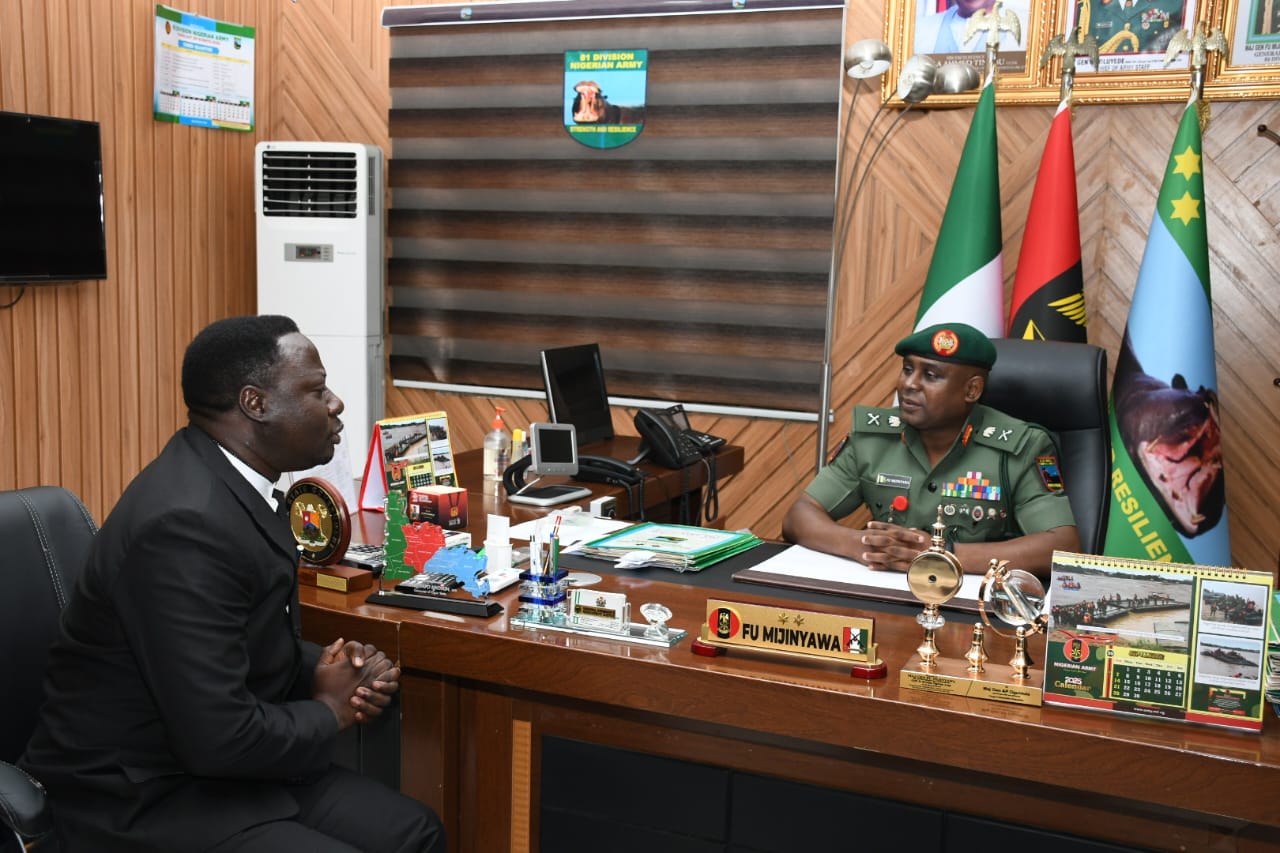
    The General Officer Commanding (GOC) 81 Division of the Nigerian Army, Major General Farouk Mijinyawa, on Tuesday received courtesy visits from the Commandant of the Nigerian Army College of Logistics and Management (NACOLM), Major General AC Adetoba, and the Director of Investigation and Enforcement, National Agency for Food and Drug Administration and Control (NAFDAC), Mr. Martins Iluyomade.

    The visits, which took place at the Division’s Headquarters on Kofo Abayomi Street, Victoria Island, Lagos, on September 23, 2025, focused on strengthening collaboration and consolidating existing partnerships.

    During his visit, Major General Adetoba explained that his tour formed part of a familiarization exercise with units and formations within the Division’s Area of Responsibility (AOR). He emphasized the importance of sustaining synergy with the Division, noting that the College’s successes have been made possible by such support.

    Responding, the GOC congratulated the Commandant on his appointment and assured him of the Division’s continuous backing, particularly in facilitating training activities and exercises geared towards the College’s mandate.

    In a related development, Mr. Iluyomade, who also chairs the Federal Task Force on Fake Drugs and Unwholesome Processed Foods, visited with his management team. He highlighted the critical need for military support to enhance NAFDAC’s operations, stressing that the Army’s involvement would significantly strengthen the agency’s enforcement capacity.

    Major General Mijinyawa, in his response, pledged the Division’s support, underlining the Nigerian Army’s readiness to collaborate with relevant agencies to ensure food and drug safety as well as national security. He further reiterated that such inter-agency cooperation is vital to building a stronger and more efficient security framework.

    Both visits ended with a mutual commitment to deepen collaboration in pursuit of shared national objectives.

  • CHIEMELIE EZEOBI: Global Leaders Spotlight Partnerships as Key to Advancing SDGs at Goalkeepers 2025

    CHIEMELIE EZEOBI: Global Leaders Spotlight Partnerships as Key to Advancing SDGs at Goalkeepers 2025

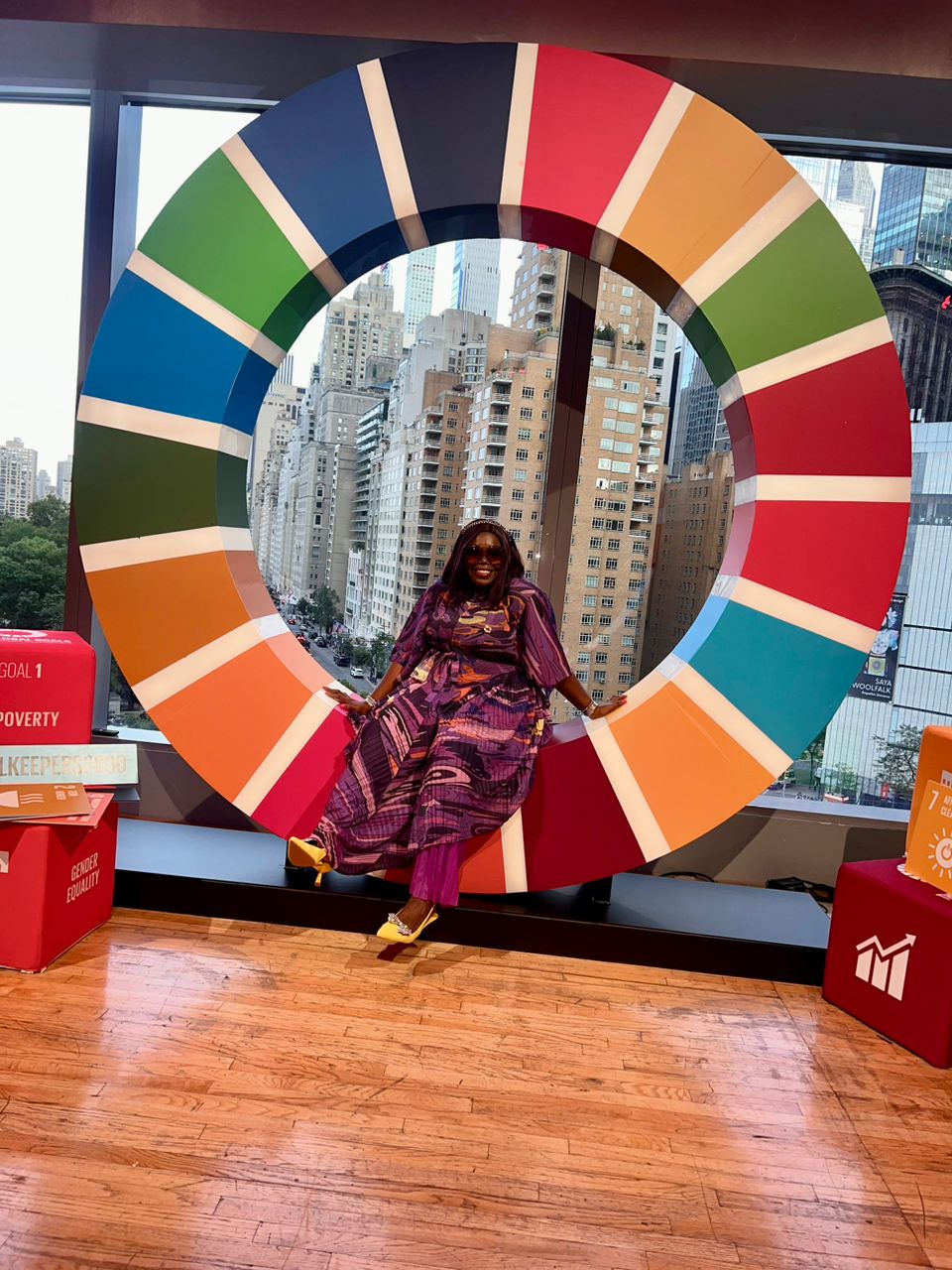
    New York played host to the 2025 edition of Goalkeepers, where world leaders, changemakers, and development partners underscored the critical role of collaboration in achieving the United Nations Sustainable Development Goals (SDGs).

    Held under the theme *“We Can’t Stop at Almost,”* the gathering emphasised the urgency of sustaining progress, particularly in child health (SDG 3). Speakers highlighted that true breakthroughs in reducing preventable child deaths hinge on interconnected goals such as Zero Hunger (SDG 2), Quality Education (SDG 4), Gender Equality (SDG 5), and Clean Water and Sanitation (SDG 6).

    At the heart of this year’s conversations was SDG 17, which focuses on *Partnerships for the Goals.* Stakeholders stressed that governments, the private sector, civil society, and communities must work hand-in-hand to mobilise investments, scale innovations, and accelerate action across sectors.

    A Goalkeeper delegate noted that partnerships remain central to driving impact. “Our role within Goal 17 is to strengthen collaborations, amplify innovations, and mobilise resources for lasting change. With stronger alliances, we can accelerate progress, end preventable child deaths, and secure a healthier future for children worldwide,” the delegate said.

    The 2025 spotlight reaffirmed that advancing the SDGs is a collective responsibility that requires unwavering commitment to inclusive partnerships and global solidarity.

  • COWA Ogun I Chapter Extends Support to Idiroko Hospital and Customs Medical Center

    COWA Ogun I Chapter Extends Support to Idiroko Hospital and Customs Medical Center

    The Customs Officers’ Wives Association (COWA), Ogun I Command Chapter, led by its Chairperson, Mrs. Fausat Otunla, today, carried out a remarkable Corporate Social Responsibility (CSR) initiative with visits to the General Hospital, Idiroko, and the Customs Medical Center, Idiroko.

    This was disclosed in an official statement endorsed by DSC Zakari Chado, Public Relations Officer
    Ogun 1 Area Command.

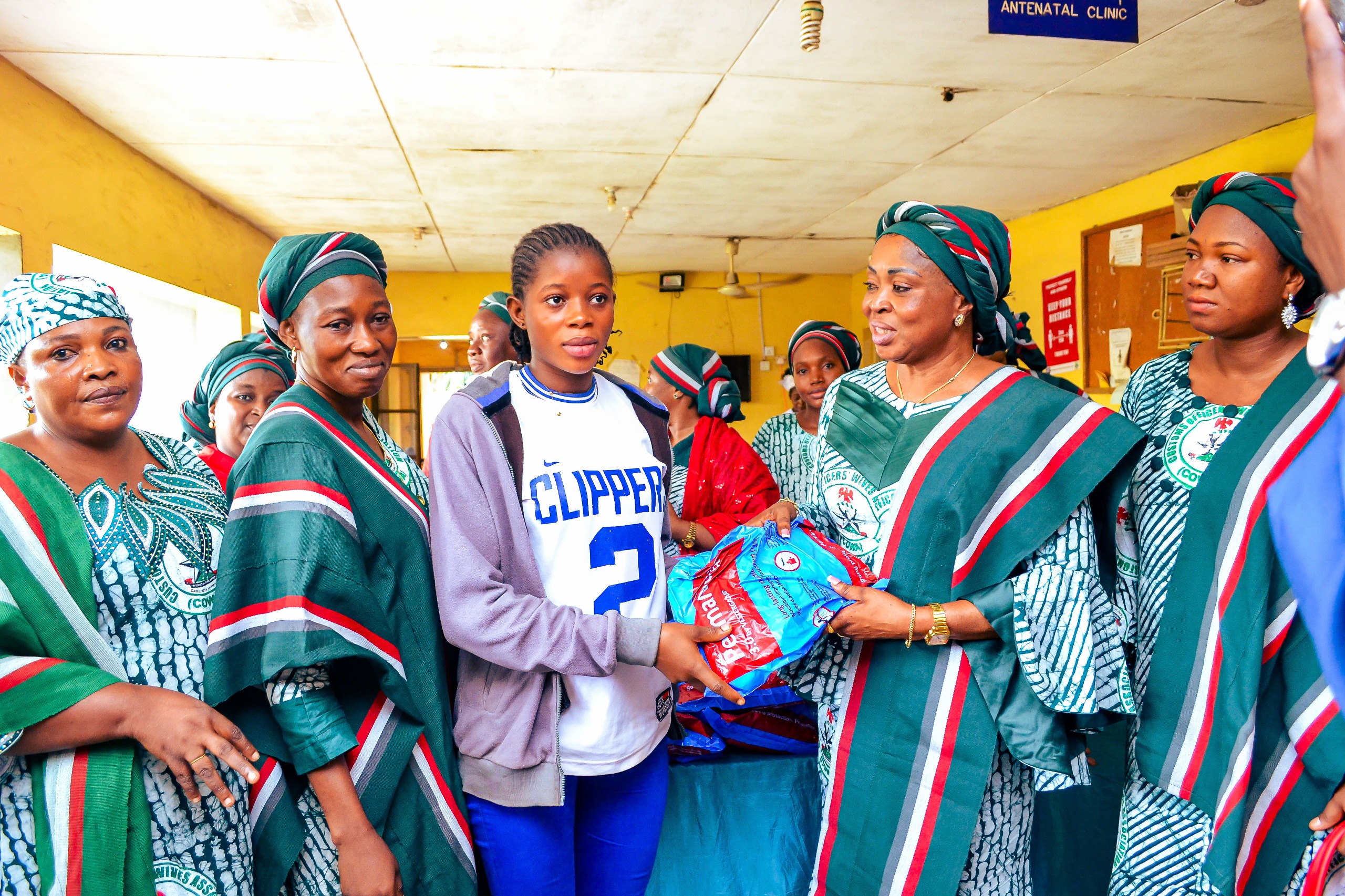
    At the General Hospital, the COWA team was warmly received by the Chief Medical Director, Dr. Kilanko Margaret, alongside the Chief Matron and other members of staff. The executives and members of the association were taken on a guided tour of the hospital wards, where patients and pregnant women attending antenatal clinics were presented with a large quantity of mosquito nets. In addition, the association donated 50 pieces of bed sheets to the hospital.

    Speaking on behalf of the hospital management, Dr. Kilanko expressed profound gratitude for the benevolence of COWA, noting that the donations will go a long way in improving patient welfare. She also assured the association of the hospital’s readiness to extend medical outreach to COWA members and their spouses. In a show of appreciation, a representative of the pregnant women, Mrs. Sodiq Ola thanked COWA for the thoughtful gifts and offered prayers for the continued success and well-being of the association.

    In a similar gesture at the Customs Medical Center, Idiroko, COWA also donated mosquito nets and customized bed sheets. The items were received with great appreciation by Superintendent of Customs (SC) Dr. Abdulmalik Zakariyyah on behalf of the medical staff, who conveyed their heartfelt thanks to the association for the kind and impactful support.

    While speaking during the exercise, Mrs. Fausat Otunla emphasized that the initiative was part of COWA’s commitment to community development and the well-being of families within and around Idiroko. She reiterated the association’s resolve to continually support health institutions and enhance the living conditions of the people. “This CSR activity once again underscores the compassionate vision of COWA and its contribution to the health and welfare of communities”, She stated.

  • France and Allies Recognise Palestine: Symbolic Act or Diplomatic Turning Point? — By Senator Iroegbu

    France and Allies Recognise Palestine: Symbolic Act or Diplomatic Turning Point? — By Senator Iroegbu

    On September 22, 2025, French President Emmanuel Macron addressed the United Nations General Assembly in New York and formally recognised the State of Palestine. Coming after similar moves by the United Kingdom, Canada, Spain, Belgium, and others, the announcement has been hailed in some quarters as a historic step toward justice. To others, it is reckless diplomacy that rewards violence and undermines security.

    Macron’s words were deliberate and forceful. “The time has come to free the hostages, to stop the bombings, to end the massacres, to seize peace before it slips away forever. One life is worth one life.” He framed recognition as both a moral duty and a strategic necessity—an attempt to salvage the dying two-state solution and re-anchor diplomacy in a conflict where Gaza’s two million residents face starvation, disease, and despair. France, alongside its allies, is betting that moral clarity, backed by aid, diplomacy, and multilateral engagement, can tilt the balance toward peace.

    But Israel sees it differently. Foreign Minister Gideon Saar branded the recognition “dangerous,” warning it indirectly legitimises Hamas. The fear in Tel Aviv is that unilateral recognition undermines Israel’s security, emboldens extremists, and weakens the negotiation table. Israel has even threatened to annex more of the West Bank—a move that could escalate the crisis rather than calm it.

    Macron, however, insists recognition is a blow against Hamas and a victory for moderates willing to pursue peace. He outlined a three-phase plan: an immediate ceasefire and hostage release; stabilisation and reconstruction of Gaza under a transitional Palestinian administration with international backing; and final-status negotiations on borders, security, and Jerusalem, paving the way for a sovereign Palestinian state alongside Israel.

    Supporters of the move argue that recognition empowers the Palestinian Authority, aligns Arab and European states, and injects urgency into stalled talks. Critics counter that it bypasses genuine negotiations, creates false hope for civilians who need governance rather than gestures, and risks deepening instability. The truth lies somewhere between symbolism and substance.

    France’s recognition of Palestine could become the spark that revives the two-state solution—or it could prove another diplomatic mirage. The direction it takes will depend not on speeches in New York, but on the hard work of building peace, disarming extremists, and delivering justice on the ground. That requires genuine commitment from all parties: Israel must embrace compromise rather than endless war; Palestinian leaders must prove they can govern responsibly; and the international community—including Africa—must move beyond rhetoric to sustained action.

    Recognition without enforcement risks being an empty gesture. But recognition combined with resources, security guarantees, and political will could become a turning point. History is replete with moments where bold declarations changed the course of nations. The question is whether September 22, 2025, will be remembered as such a moment—or as another chapter of missed opportunities.

    And that is where Africa must decide its role. Will we applaud Europe’s boldness, or will we step forward to influence the peace process, while pressing the world to pay equal attention to our own conflicts and quests for justice?

    France has chosen its path, declaring: “The time has come.” The challenge for Africa is whether we will echo those words not just for Palestine, but for ourselves as well.

    So what should Africans make of this moment?

    Nigeria and much of Africa have long sympathised with the Palestinian struggle, shaped by our own histories of colonialism, apartheid, and contested nationhood. Our leaders have consistently expressed solidarity with Palestine in international forums, often framing it as a moral duty tied to our own liberation struggles. Yet we also understand the perils of hollow recognition. Diplomatic statements do not feed hungry children, disarm militias, or rebuild shattered institutions. Without enforceable guarantees for security, humanitarian access, and accountable governance, recognition risks becoming another headline that fades while people in Gaza bury their dead.

    Still, dismissing France’s move as mere symbolism misses the point. Recognition can shift international momentum, embolden moderates, and force hard questions: Is the global community finally willing to back words with resources, enforcement, and courage? Or is this just another cycle of lofty declarations while ground realities worsen?

    For Africa, the Israeli-Palestinian conflict is not a remote issue. It has ripple effects on our own security and diplomacy. Across the continent, sectarian tensions often flare in response to events in the Middle East, sometimes spilling into violence in our streets. At the same time, Africa has its own unhealed conflicts—from Sudan to the Sahel, from the Horn of Africa to the Great Lakes region—where questions of recognition, self-determination, and sovereignty echo eerily with Palestine’s plight. If France and its partners can push for justice in Gaza, why does the world remain so indifferent to African conflicts that displace millions?

    This is where Africa must resist the temptation of passive applause. Too often, the continent stands by on the sidelines, cheering global powers while having little say in shaping the outcomes. Recognition of Palestine should prompt a different response. Africa can leverage its collective diplomatic weight within the UN, the African Union, and regional blocs to insist that any peace plan in the Middle East reflects lessons from our own experiences with post-conflict reconstruction, power-sharing, and reconciliation.

    For instance, Africa has pioneered peacekeeping and transitional justice models that could inform Gaza’s stabilisation. The African Union Mission in Somalia (AMISOM), despite its flaws, demonstrated how regional actors can take the lead in containing extremist threats while laying the groundwork for governance. Truth and reconciliation processes in South Africa, Sierra Leone, and Rwanda remind us that peace is not only about territory or borders, but about confronting trauma, restoring dignity, and building inclusive institutions.

    More importantly, Africa must ask uncomfortable but necessary questions: If Europe can recognise Palestine as a moral imperative, why can’t Africa demand equal urgency in resolving its own crises? Why should Darfur, Eastern Congo, or the Lake Chad Basin continue to fester in silence while Palestine commands the world’s conscience?

    _Iroegbu is the Convener of the Geopolitics Series, a platform that analyses global issues from an African context._

error: Content is protected !!