Author: Dodo Elias Denen

  • New Commander, New Era? NIMASA Strengthens Maritime Security Architecture with Adoki’s Appointment

    New Commander, New Era? NIMASA Strengthens Maritime Security Architecture with Adoki’s Appointment

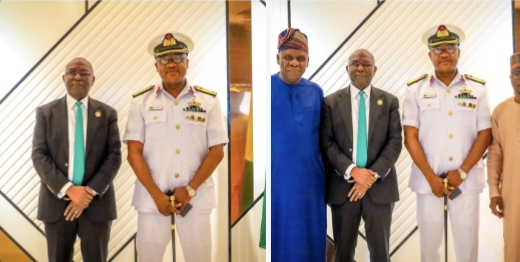
    The Chief of the Naval Staff, Vice Admiral Idi Abbas has approved the appointment of Commodore Reginald Odeodi Adoki as the Commander of the Maritime Guard Command at the Nigerian Maritime Administration and Safety Agency (NIMASA). Commodore Adoki takes over from Commodore H.C Oriekeze who has been redeployed.

    According to a statement signed by the Deputy Director/Head, Public Relations, Mr. Osagie Edward, FNIPR. Commodore Adoki, a principal Warfare Officer specializing in communication and intelligence brings onboard 25 years experience in the Nigerian Navy covering training, staff and operations. As a seaman, he has commanded NNS Andoni, NNS Kyanwa and NNS Kada. It was under his command that NNS Kada under took her maiden voyage, sailing from the country of build (the United Arab Emirates) into Nigeria.

    He was commissioned into the Nigerian Navy in 2000 with a BSc in Mathematics. He has since earned a Masters in International Law and Diplomacy from the University of Lagos and an M.Sc in Terrorism, Security and Policing at University of Leicester, England. He is currently pursuing a Ph.D in Defence and Security Studies at the National Defence Academy (NDA). He is a highly decorated officer with several medals for distinguished service.

    Welcoming the new MGC Commander to the Agency, the Director General, Dr Dayo Mobereola expressed confidence in Adoki’s addition to the team emphasising that it will further strengthen the nation’s maritime security architecture given his vast experience in the industry.

    The Maritime Guard Command domiciled in NIMASA was established as part of the resolutions of the Memorandum of Understanding (MoU) with the Nigerian Navy to assist NIMASA strengthen operational efficiency in Nigeria’s territorial waters especially through enforcement of security, safety and other maritime regulations.

  • From Barracks to Palace: Maj Gen Babalola Blends Military Oversight with Royal Diplomacy in Epe

    From Barracks to Palace: Maj Gen Babalola Blends Military Oversight with Royal Diplomacy in Epe

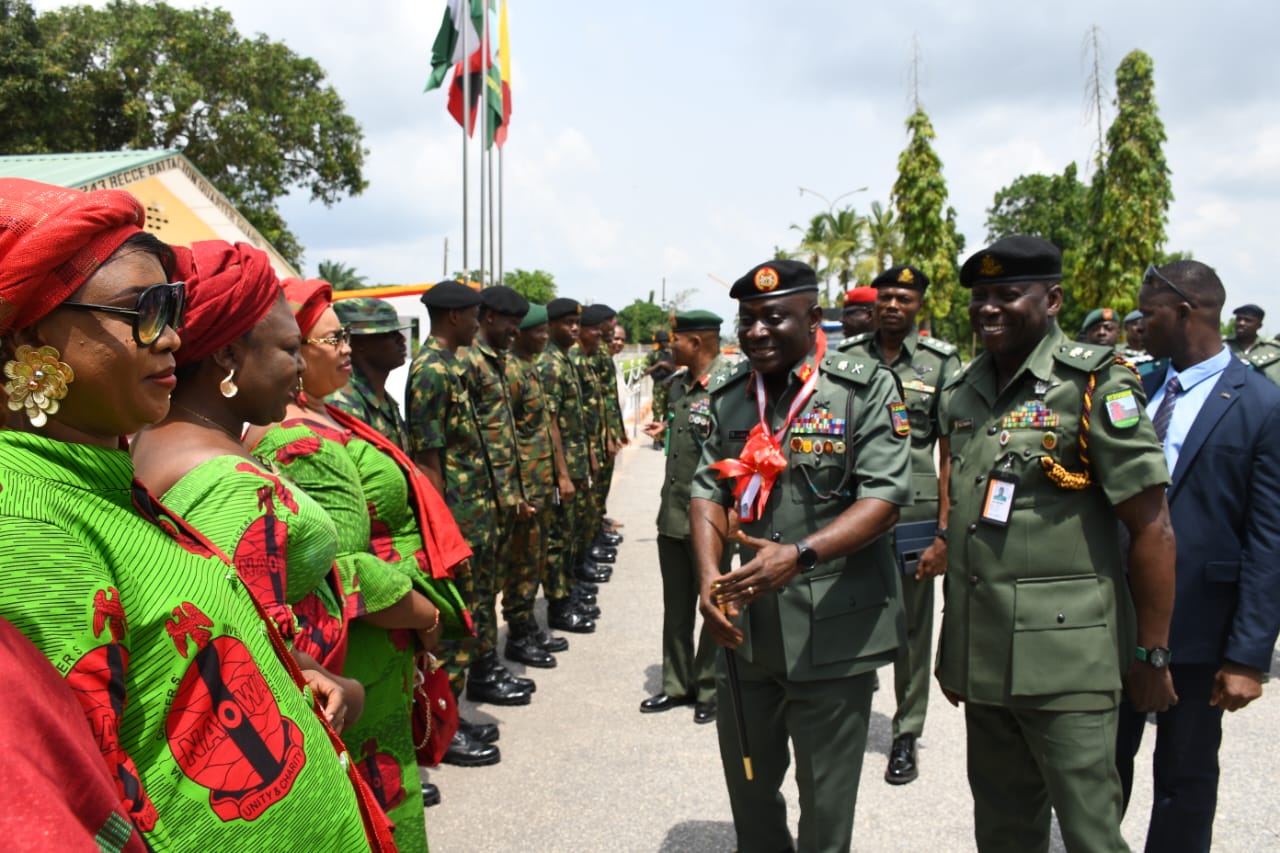
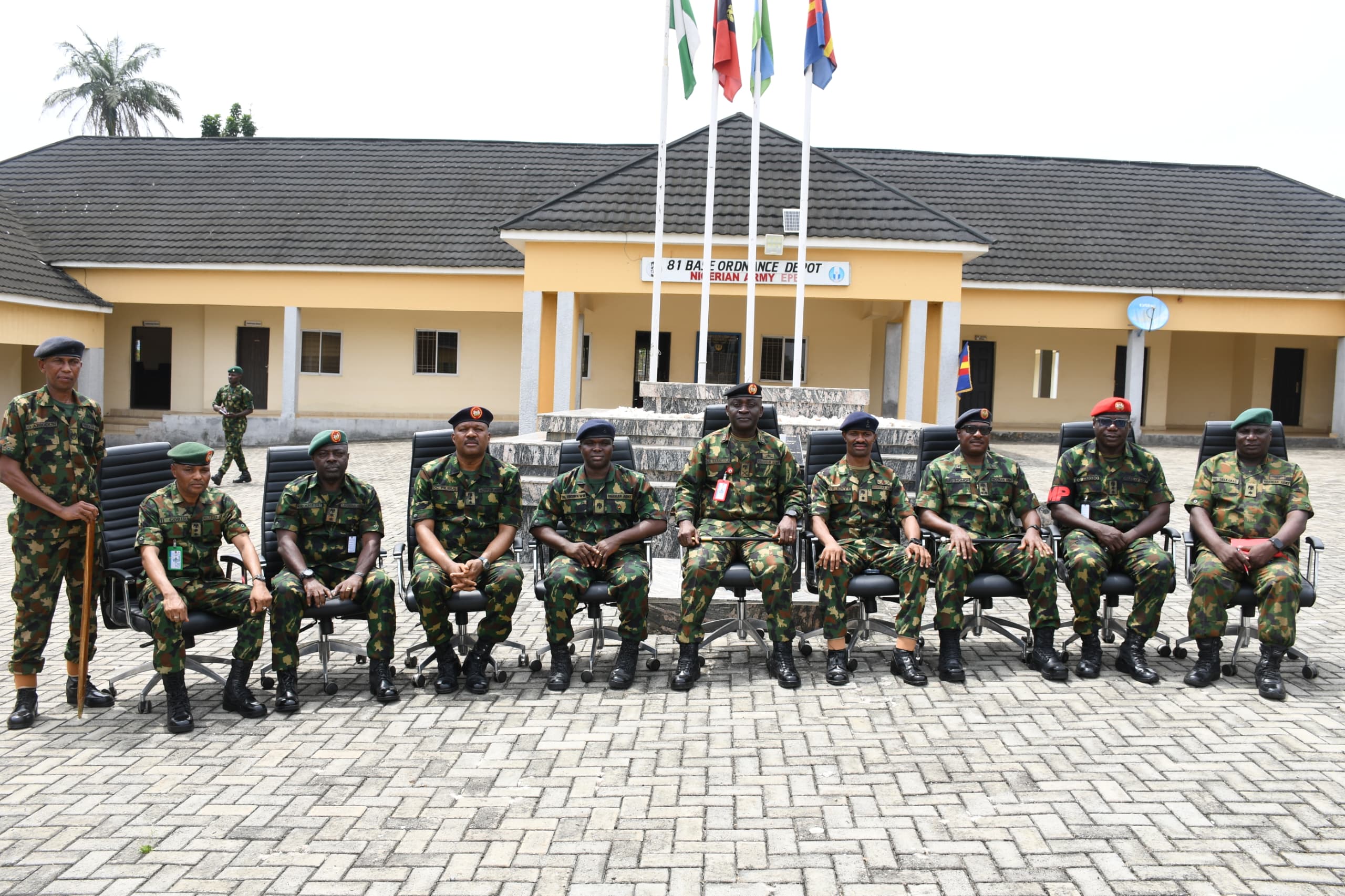
    In continuation of his ongoing familiarization tour of formations and units within 81 Division Area of Responsibility, on 18 February 2026, the General Officer Commanding (GOC), 81 Division, Major General Adebayo Babalola visited the Nigerian Army Ordinance School(NAOS), 25 Support Engineer Regiment (SER) and 81 Base Ordnance Depot (BOD) and also pays homage to the Oloja of Epe.

    According to a statement by Lieutenant Colonel Musa Yahaya, Acting Deputy Director of Army Public Relations, 81 Division Nigerian Army “Upon arrival at Epe, the GOC proceeded to the NAOS and was received by the Commandant, Maj Gen AJ Aliyu who congratulated him on his appointment as the 26th GOC 81 Division and wished him a successful tour of duty. The GOC thanked the Commandant for the reception and sought his support and cooperation.

    Thereafter, the GOC proceeded to 25 SER where he was briefed by the Commanding Officer, Lieutenant Colonel ST Enye, on the achievements, challenges, and future prospects of the unit. The visit to the Regiment concluded with the significant planting of trees by the GOC.

    At 81 BOD, the GOC was received by the Acting Commanding Officer, Major OL Okonkwo, who also briefed on the activities of the unit. The GOC was subsequently conducted on a tour of the Base Ordnance Depot stores before addressing a combined troops of 25 SER and 81 BOD.

    During his address to officers and soldiers of both units, the GOC stated that his visit was to familiarize himself with the units and also deliver the goodwill message of the Chief of Army Staff following his recent assumption of command as the General Officer Commanding 81 Division.

    He emphasised that he had already been briefed by the Commanding Officers on the challenges facing the Cantonment and assured the troops that necessary steps would be taken to address them. He further enjoined the personnel to remain disciplined and professional, stressing that good soldiers must always obey laid-down rules and regulations.

    He however warned troops to desist from any form of illegal activities, emphasizing that anyone found culpable would be decisively dealt with. He added that he would not hesitate to hold commanders accountable if they failed to discipline erring personnel under their command.

    Maj Gen Babalola GOC used the opportunity of his visit to pay homage to His Royal Majesty, Kamorudeen Animashaun, the Oloja of Epe and paramount ruler of Epe Kingdom, where he expressed appreciation for the monarch’s continuous support and hospitality to Nigerian Army units within Epe. He appealed to the kingdom to sustain its cooperation with the Division in the collective effort to enhance security in Lagos State.

    Responding, His Royal Majesty, thanked the GOC for the visit and assured that the kingdom would continue to work closely with the Division towards the successful discharge of its constitutional responsibilities of safeguarding lives and property across its Area of Responsibility.

    The GOC was accompanied on the visit by some formation commanders and staff officers of the Division.

  • From Idiroko Border To Murtala Muhammed International Airport: How Comptroller Godwin Otunla Turned Every Posting Into A Power Move

    From Idiroko Border To Murtala Muhammed International Airport: How Comptroller Godwin Otunla Turned Every Posting Into A Power Move

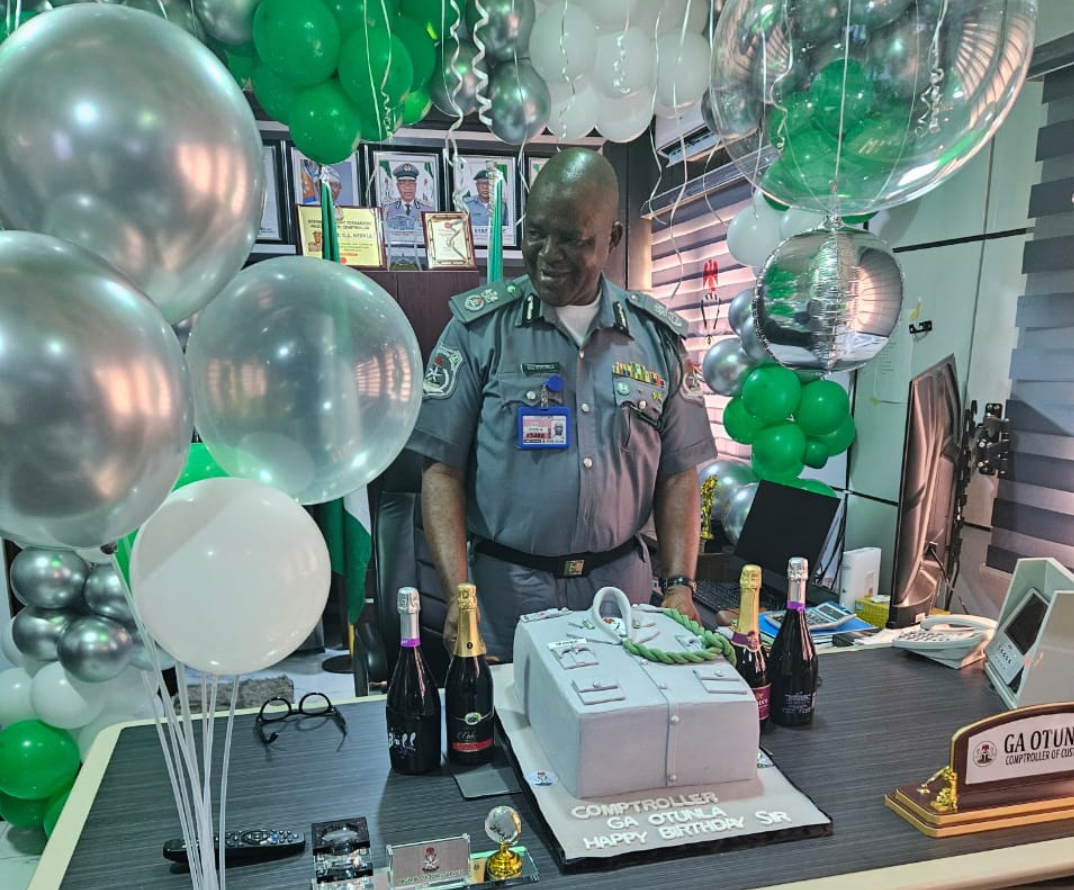
    Comptroller Godwin Otunla clocks another year today, and within the hierarchy of the Nigeria Customs Service, the celebration resonates beyond routine birthday wishes. It is a moment to reflect on a distinguished career that has traversed some of the Service’s most sensitive formations, from the rugged terrain of the Idiroko Border to the bustling international gateway of the Murtala Muhammed International Airport Command.

    Otunla’s transfer from Idiroko to MMIA was widely viewed as a strategic redeployment, a call to higher responsibility. At Idiroko, a corridor long challenged by smuggling and cross-border infractions, he earned commendation for tightening surveillance architecture, boosting enforcement efficiency and fostering synergy with sister agencies.

    Under his watch, the border command recorded notable operational discipline and improved compliance levels, reinforcing the Customs mandate of revenue protection and national security. Officers who served with him recall a leader who combined firmness with fairness, insisting on accountability while encouraging professional growth.

    His redeployment to the MMIA Command marked yet another defining chapter. At Nigeria’s premier aviation gateway, where trade facilitation intersects with global passenger traffic, Otunla has reportedly maintained a delicate balance between strict enforcement and seamless clearance processes. Industry stakeholders speak of renewed confidence, anchored on transparency and structured engagement.

    Beyond operational metrics, his tenure has been characterised by a deliberate push for professionalism. Observers note that he prioritises intelligence-driven operations and encourages officers to align with evolving global best practices in customs administration.

    Colleagues often describe Otunla as methodical and unassuming, a strategist who prefers results to rhetoric. His leadership style reflects a deep understanding of the Service’s dual obligation: to safeguard the economy while enabling legitimate trade.

    For many within the Service, his career progression mirrors institutional trust earned over time. Moving from a land border command to an international airport formation underscores confidence in his capacity to manage complex logistics, high-value cargo streams and sensitive international engagements.

    As he celebrates his birthday today, tributes highlight not just his achievements but his consistency. In an era where public institutions face heightened scrutiny, Otunla’s record of steady performance stands as a quiet affirmation of competence and discipline.

    Friends and associates also point to his mentorship culture. Younger officers under his supervision often speak of his accessibility and insistence on ethical conduct, values that continue to shape the next generation of customs professionals.

    Indeed, as Comptroller Godwin Otunla marks another milestone, the narrative is less about the years and more about impact. From Idiroko’s borderlines to the international corridors of MMIA, his footprints echo as testament to strategic leadership in service of the nation.

  • Arms, Drugs & Elections: Afeni’s Iron Grip Fortifies Nigeria’s Frontline Under Nigeria Customs Service

    Arms, Drugs & Elections: Afeni’s Iron Grip Fortifies Nigeria’s Frontline Under Nigeria Customs Service

    When Deputy Comptroller Olukayode Oladapo Afeni assumed duty as Acting Customs Area Controller of Ogun I Command barely six weeks ago, few could have predicted the sweeping changes that would follow.

    Today, the Command stands as a fortress of vigilance, a hub of professionalism, and a frontline shield against the twin threats of economic sabotage and national insecurity.

    Afeni’s arrival has not only doubled enforcement efficiency but also recalibrated the delicate balance between trade facilitation and national security. His leadership style, proudly adjudged firm yet courteous, uncompromising yet professional has quickly distinguished Ogun I Command as a model of the Nigeria Customs Service’s mandate under the leadership of the Comptroller General, Bashir Adewale Adeniyi, MFR.

    Perhaps, a distinct itemization of the scorecard under the following subheads would help create a better clarity of the issues under review.

    There is no denying that the atmosphere at Idiroko and across Ogun’s border corridors has shifted dramatically. Smugglers who once operated with impunity along the Imeko and Ipokia axes now find themselves outmaneuvered. Afeni’s deep knowledge of the terrain, coupled with intelligence-driven operations, has forced many economic saboteurs to retreat beyond the jurisdiction of the Command.

    Independent investigations reveal that most smugglers are based in Benin Republic, exploiting Nigeria as a dumping ground for narcotics, arms, used vehicles, foreign parboiled rice, and second-hand clothing. It is an uncontenstable fact that Afeni has drawn a red line against these illicit flows, declaring that compliance is non-negotiable and that threats will not be conceded to. There is no gainsaying that this stance has been manifestly evident in the past few weeks.

    Perhaps the most telling achievement of Afeni’s tenure is the Command’s unprecedented success in narcotics interception. In January alone, Ogun I Command seized more than 4,260 parcels of cannabis sativa and indica, surpassing the 2,700 bags of foreign parboiled rice intercepted in the same period.

    This shift is significant. For decades, rice smuggling dominated headlines, but Afeni’s focus on narcotics reflects a deeper understanding of their corrosive impact on society. “Drugs are central to criminality,” he explained, noting their role in fueling violence, addiction, and youth vulnerability.

    Without fear or favour, one can say that the NCS vigilance through Afeni has even eclipsed the efforts of the National Drug Law Enforcement Agency (NDLEA) at Idiroko, which struggles with inadequate facilities.

    Arms, Instability, and Elections
    Afeni’s heightened enforcement posture is not without context. With political instability in neighboring Benin Republic and Nigeria’s upcoming elections, the Command has intensified scrutiny of imports to prevent arms and ammunition from slipping through.

    “We are more vigilant to prevent arms and narcotics smuggling into the country,” Afeni told reporters recently, underscoring the Command’s dual responsibility of safeguarding Nigeria’s economy while protecting its security architecture.

    There is no doubt that the challenges remain daunting. Smugglers are resourceful, exploiting porous borders and light-weight packaging of narcotics to evade detection. The ready market among Nigerian youths makes the trade lucrative, while the geography of Ogun State, with its sprawling border communities, demands relentless policing.

    Yet Afeni has refused to lower standards. Professionalism remains paramount, and officers are reminded that courtesy must never compromise compliance. His insistence on discipline has earned respect within the Service and admiration from traditional rulers who see Customs as both enforcer and partner.

    Afeni’s vision extends beyond seizures and enforcement. He has pledged constant engagement with communities and traditional institutions to educate them on the dangers of smuggling. By sharpening the Command’s corporate social responsibility (CSR), he hopes to foster cooperation and reduce the allure of smuggling among border residents.

    Again, one can say without fear of favour that this outreach is critical. Smuggling thrives not only on porous borders but also on community complicity. Afeni’s approach of combining enforcement with education signals a long-term strategy to weaken smuggling networks at their roots.

    Afeni’s leadership style is defined by unremitting focus and respect for rules of engagement. He has proved his mettle as a competent administrator of men, materials, and resources. Under his watch, Ogun I Command has become a frontline shield against threats to Nigeria’s economy and security.

    His message remains clear and unequivocal, that there will be no letting down, no compromise, and no negotiation with smugglers. In the words of one observer, “Afeni has turned Ogun I Command into a red zone for economic saboteurs.”

    Despite his short stint so far, one can say with justification that Deputy Comptroller Afeni’s impactful, going tenure at Ogun I Command is a story of vigilance, discipline, and uncompromising adherence to standards. His achievements, particularly in narcotics and arms interception have positioned the Command as a bulwark against threats to Nigeria’s stability.

    While above challenges remain, but Afeni’s iron resolve suggests that smugglers will find no easy passage through Ogun’s borders. For Nigeria Customs Service, his example is a reminder that professionalism, vigilance, and community engagement are the true pillars of enforcement.
  • Soldier First in Action — Welfare, Readiness and Reform Take Centre Stage in Topo Barracks

    Soldier First in Action — Welfare, Readiness and Reform Take Centre Stage in Topo Barracks

    The General Officer Commanding (GOC) 81 Division of the Nigerian Army, Adebayo Babalola, has charged officers and soldiers deployed in Badagry to remain disciplined, professional and law-abiding in the discharge of their constitutional responsibilities.

    Speaking during an operational and familiarisation visit to the 243 Recce Battalion parade ground in Badagry, Lagos, the GOC addressed a cross-section of troops drawn from 243 Recce Battalion and 15 Field Engineering Regiment, urging them to uphold the core values of the Nigerian Army at all times.

    He explained that the visit formed part of his ongoing operational and administrative tour of units under his command, aimed at assessing readiness, boosting morale and strengthening regimental cohesion. From the briefings presented by the Commanding Officers, he said he was impressed by the level of professionalism displayed and encouraged the troops to sustain the momentum.

    Babalola noted that the Nigerian Army was undergoing far-reaching transformations designed to enhance operational effectiveness and personnel welfare. He urged patience and renewed commitment, assuring troops that improvements in conditions of service were underway.

    Reinforcing the Chief of Army Staff’s “Soldier First Culture,” he emphasised that the welfare and wellbeing of soldiers and their families would remain paramount under his watch. He reminded the troops that discipline remains the bedrock of military excellence.

    The GOC stressed that as troops continue operations across various theatres nationwide, firmness against terrorists and criminal elements must be matched with strict adherence to rules of engagement. He warned against harassment or molestation of law-abiding civilians, underscoring the Army’s responsibility to protect the populace.

    At the 243 Recce Battalion, the GOC commissioned a newly constructed bus stop at the unit’s main gate, an initiative of the Commanding Officer. He also performed a symbolic tree-planting exercise, inspected armoured vehicles and visited the Battalion Medical Centre, where he interacted with personnel receiving treatment.

    Earlier, at the 15 Field Engineer Regiment, Topo Barracks, he received operational briefings and toured critical facilities, including the medical centre and the newly constructed Nigerian Army Officers’ Wives Association (NAOWA) Crèche, Nursery and Primary School.

    In a solemn highlight of the visit, the GOC paid a condolence call at the palace of the late Akran of Badagry Kingdom, De Wheno Aholu Menu Toyi I, who died recently at the age of 89. He described the monarch as a bridge-builder and custodian of culture who championed peace and tourism in the kingdom.

    On behalf of the Chief of Army Staff, Waidi Shaibu, Babalola extended heartfelt condolences to the royal family and the people of Badagry, while appreciating the community’s continued support and hospitality to military formations stationed in the area. He was accompanied on the visit by formation commanders and senior staff officers of the Division.

  • From Revenue Drive To Trade Enablement: Why Tin Can’s Paperless Push Has Stakeholders Watching Closely

    From Revenue Drive To Trade Enablement: Why Tin Can’s Paperless Push Has Stakeholders Watching Closely

    The proposed rollout of paperless customs operations slated for the second quarter of 2026 took centre stage yesterday as the Area Controller of the Tin-Can Island Command of the Nigeria Customs Service, Comptroller Frank Onyeka, engaged senior maritime journalists on the command’s level of preparedness and reform strategy.

    At the interactive session held at the command, Onyeka said the media was the first of several critical stakeholders to be engaged ahead of the transition, underscoring the role of informed reportage in shaping understanding and confidence around the new regime.

    Reflecting on his stewardship so far, the Area Controller acknowledged the support of the maritime press, noting that constructive engagement had helped stabilise operations since his assumption of duty. He appealed for sustained collaboration to ensure the success of the paperless initiative.

    Reviewing performance, Onyeka disclosed that the Tin-Can Island Command generated over N609 billion in 2025, pointing to a steady rise in monthly collections. January 2025 revenue of about N116 billion, he said, rose to N145 billion in January 2026, representing an increase of nearly N30 billion.

    Going forward, Onyeka said the command intends to “do things differently,” stressing that its identity would be anchored on trade facilitation rather than bureaucratic bottlenecks. “We want to be known as a trade enabler,” he declared, adding that the ultimate goal was to release containers seamlessly without physical interface.

    He attributed the reform momentum to the Comptroller-General of Customs, Bashir Adewale Adeniyi, whom he described as a quiet but firm pillar behind ongoing modernisation efforts. Onyeka pledged full alignment with the Comptroller-General’s objectives, insisting that he wanted to be known as “a trade facilitator personified.”

    While acknowledging potential network challenges, the Area Controller expressed confidence in the capacity and professionalism of officers at the command, describing them as disciplined and forward-looking. He dismissed fears that the paperless system could be easily circumvented, saying Customs officers now operate under global best practices and digital accountability frameworks.

    On congestion concerns, Onyeka explained that the paperless process would be driven by accurate online declarations. Once data is properly uploaded and scanned images are clear, consignments would be released promptly, with one-stop interventions applied only where discrepancies are detected.

    He clarified that the command’s focus is on collecting “collectible revenue” rather than pursuing maximum revenue at the expense of trade, aligning the approach with the economic philosophy of the Bola Tinubu administration. However, he warned that consignments flagged by risk management systems would still be subjected to full examination.

    Onyeka assured stakeholders that national security would not be compromised, noting that Customs remains alert to high-risk trade routes and sources of uncustomed goods. He added that engagements with sister agencies at the Tin-Can Island Port would be intensified to shorten clearance timelines, reduce cargo dwell time and ensure that the paperless promise translates into tangible gains for Nigerian trade.

  • Badagry Under Watch: 250 Bags of Smuggled Rice Seized in Navy–Customs Power Play

    Badagry Under Watch: 250 Bags of Smuggled Rice Seized in Navy–Customs Power Play

    The Nigerian Navy on Tuesday recorded another decisive strike against cross-border smuggling as it formally handed over 250 bags of seized foreign parboiled rice to the Nigeria Customs Service, reinforcing its support for economic security enforcement.

    The handover was carried out by the Nigerian Navy Forward Operating Base (FOB) Badagry following a series of targeted anti-smuggling operations along Nigeria’s coastal and border corridors.

    The seized items comprised 250 bags of foreign parboiled rice, each weighing 50 kilograms, intercepted during routine and intelligence-driven patrols aimed at disrupting illicit trade routes.

    In line with established naval Standard Operating Procedures, the items were transferred to the Nigeria Customs Service’s Western Marine Command for further investigation and appropriate legal action.

    Naval authorities said the operation underscores the service’s commitment to supporting civil authorities in combating smuggling and other transnational economic crimes that undermine local production and national revenue.

    Since assuming office, the Chief of the Naval Staff, Idi Abbas, has consistently pushed a vision of a modern, agile and professional navy working seamlessly with sister agencies to secure Nigeria’s maritime domain.

    That strategic direction, officials noted, has translated into sustained operational pressure on smugglers, particularly in flashpoint areas such as Badagry and its adjoining waterways.

    The FOB Badagry command said its ongoing operations are focused on curbing economic sabotage, denying criminal networks safe passage, and strengthening inter-agency collaboration.

    The Nigerian Navy reiterated that it remains resolute in protecting Nigeria’s maritime and border areas as part of broader national security and economic stability objectives.

    The handover was signed off by Navy Captain Omotayo, Commanding Officer of Nigerian Navy FOB Badagry, marking another milestone in the Navy–Customs partnership against smuggling.

  • Inside Lagos Meeting That Could Redefine Nigeria’s Tax Future

    Inside Lagos Meeting That Could Redefine Nigeria’s Tax Future

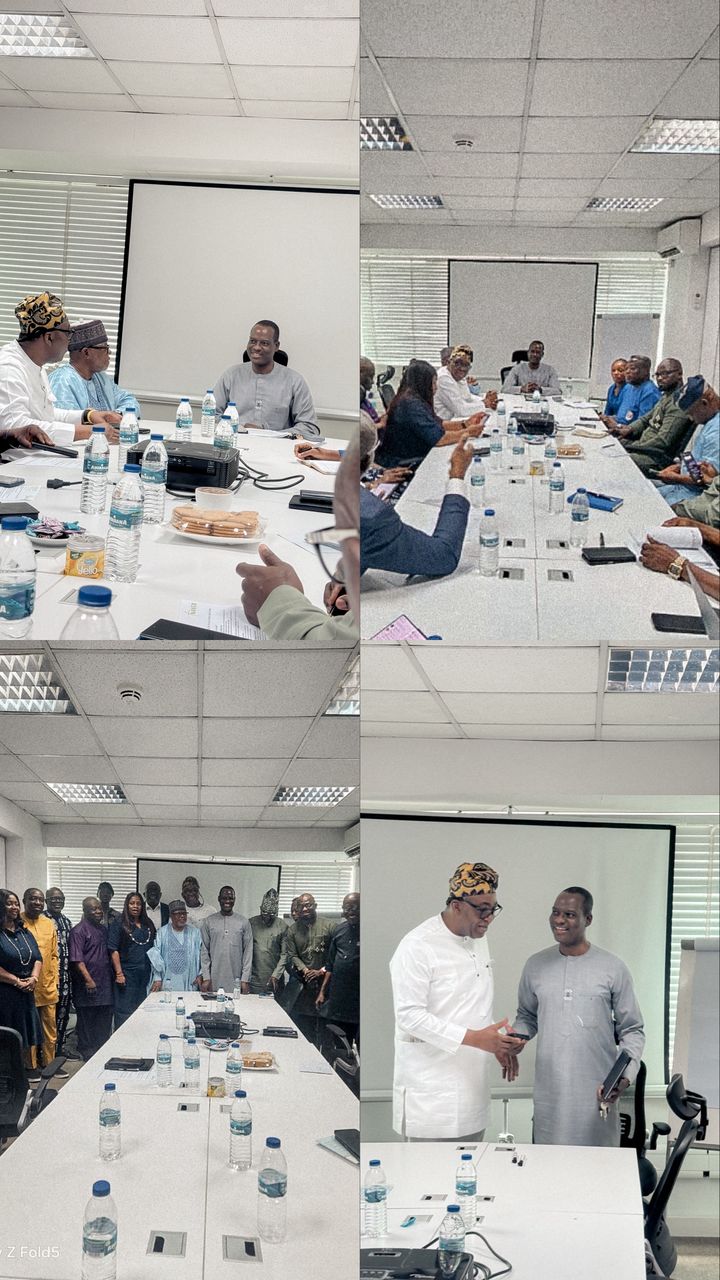
    The Chairman of the Presidential Committee on Fiscal Policy and Tax Reforms, Taiwo Oyedele, has expressed optimism that Nigeria’s ongoing tax reforms will achieve lasting success through sustained engagement with key industry stakeholders, like the National Association of Nigeria Travel Agencies (NANTA).

    Speaking in Lagos on Monday while receiving a NANTA delegation led by its President, Yinka Folami, Oyedele emphasized that continuous education, dialogue, and strategic interface with industry associations are critical to the success of tax reforms in Nigeria.

    According to him, engagement with structured and influential trade groups such as NANTA will help bridge information gaps and deepen understanding within the tax ecosystem.

    “Our committee has met with several multi-layered organizations, including airlines. To be honest, we were not fully aware of the depth and strategic role of your association as a critical solution driver in the tax reform process. From what we have done here today, opening another frontier of understanding and bridging information gaps, I am optimistic that our tax reforms will be successful,” Oyedele stated.

    He advised NANTA’s leadership to sensitise its over 3,500 members on the importance of proper documentation of account turnover and banking records to avoid tax liabilities arising from discrepancies.

    “To avoid unnecessary tax liabilities, records must be properly kept and tidied up,” he warned, adding that the committee would continue to engage NANTA to clarify grey areas within the downstream aviation tax ecosystem.

    Oyedele further assured the association that, schedule permitting, he would honour its invitation to attend NANTA’s 50th Anniversary and Annual General Meeting slated for April in Ibadan, describing the meeting as another strategic window to engage a strong community within the tax reform ecosystem.

    In his remarks, NANTA President, Yinka Folami, explained that members of the association are concerned about the burden of multiple taxation within the travel trade sector. He appealed for clearer interpretation of levies and taxes embedded in airline tickets, noting that such charges are often attributed to travel professionals and, in some instances, subjected to double taxation.

    Folami stressed that while NANTA supports government tax policies and broader national development efforts, its members require clarity on tax obligations. He called for sustained engagement between the Presidential Committee and relevant agencies, particularly the Nigerian Revenue Service (NRS, former FIRS), to address challenges confronting travel agencies.

    “We are in support of government tax policies and have consistently championed Nigeria-centric initiatives to drive reforms in the downstream aviation sector. Our presence here today underscores our commitment to building a knowledge-based and sustainable relationship with government, especially on tax reforms and implementation,” Folami said.

    The NANTA delegation included Chairman of the Board of Trustees, Alhaji Aminu Agoha; Lagos Zone BOT member, Daisi Olotu; Bankole Bernard; Chima Ihe; Mike Otubu; Yinka Ladipo (Financial Secretary); Lola Adewole (PRO); Yinka Olapade (Vice President, Lagos); Kunle Oluwole; Chinwe Eluchie, Mayowa Phillips; among others. The courtesy visit evolved into an extensive tax policy review session.

    Folami also formally presented a letter inviting Oyedele to serve as Speaker at the association’s fifth anniversary in Ibadan, where he is expected to further enlighten members, particularly operators involved in religious tourism such as Hajj and Umrah on the gains and workability of the new tax laws.

    Meanwhile, NANTA’s Electoral Committee has announced the results of the Lagos Zonal elections, with most immediate past executives returned unopposed.

    Re-elected officers include Yinka Olapade as Vice President; Chinwe Eluche as Zonal Secretary; Enai Biboere Glory as Treasurer (first term); and Fatai Moshood Abiola as Financial Secretary (first term). Toyin Ojo emerged as Zonal Internal Auditor for a second term, while Yewande Philip Ogunbiyi was returned unopposed as Publicity Secretary for a second term.

    The Lagos elections were conducted and supervised by Mrs. Bimbo Durosimi Etti and Daisi Olotu, members of the Zone’s Board of Trustees, with Dr. Dagunduro Olatokunbo representing the National Executive Council as observer.

    Zonal elections are conducted across the association’s six zonal structures ahead of every elective Annual General Meeting. Results from other zones are expected to be announced in due course by their respective electoral committees.

  • Unity Is the New Arsenal: A Defining Moment at Army Headquarters WASA

    Unity Is the New Arsenal: A Defining Moment at Army Headquarters WASA

    The Honourable Minister of Defence, General Christopher Musa (Rtd), OFR has underscored national unity as a decisive solution to Nigeria’s contemporary security challenges, commending the Nigerian Army for exemplifying cohesion, professionalism and patriotism in action.

    According to a statement by Colonel Appolonia Anele, Acting Director of Army Public Relations, the Minister made the remarks on Saturday, 14 February 2026, during the Army Headquarters Departments and Commands West African Social Activities (WASA) 2025, held at the Army Headquarters Garrison Parade Ground, Mogadishu Cantonment, Abuja.

    Represented by the Senior Special Assistant on Special Duties, Major General Henry Wesley (Rtd), the Minister described the Nigerian Army as a microcosm of the Nigerian state, an institution where ethnic, cultural and religious diversity converges under one national identity. He noted that at a time when Nigeria confronts complex and evolving security threats, unity remains the most potent strategic asset in safeguarding national peace and stability.

    According to him, the Army’s sustained commitment to discipline, professionalism and collective purpose reinforces national integration and demonstrates that diversity, when effectively harnessed, becomes a strength rather than a fault line. He praised the Service for its unwavering role in defending the nation’s sovereignty, supporting civil authorities, upholding the rule of law and protecting citizens across all regions.

    The Chief of Army Staff (COAS), Lieutenant General Waidi Shaibu, who served as Chief Host, reiterated that WASA is more than a cultural event. It is a deliberate morale-building and unifying platform embedded within the Robust Administration pillar of his Command Philosophy. He emphasized that fostering esprit de corps, inclusiveness and shared identity among personnel directly enhances operational effectiveness.

    The COAS noted that deliberate welfare policies, institutional reforms and strengthened support structures are being implemented to entrench the Soldier First Culture, ensuring that personnel remain motivated, combat-ready and resilient, while their families receive adequate support. He affirmed that a united and well-motivated force is better positioned to confront terrorism, insurgency, banditry and other emerging security threats.

    Addressing contemporary security realities, the Army Chief reaffirmed the Nigerian Army’s resolve to work collaboratively with sister services and other security agencies to consolidate gains and restore lasting peace nationwide. He expressed profound appreciation to the President and Commander-in-Chief, President Bola Ahmed Tinubu GCFR, the Honourable Minister of Defence and the Chief of Defence Staff for their strategic direction and steadfast support.

    In his welcome address, the Commander, Army Headquarters Garrison, Major General Maxwell Dangana, highlighted WASA as a vital instrument for strengthening bonds among officers, soldiers and their families. He explained that the celebration of Nigeria’s diverse cultural heritage through traditional dances and performances reinforces mutual respect, shared identity and national cohesion, values essential to overcoming security challenges.

    He further disclosed that the Army Headquarters Departments and Commands recorded notable operational, administrative and logistics successes in 2025, alongside sustained training activities in line with the COAS’ directives and the Nigerian Army’s operational priorities. As the Service advances into 2026, he assured the COAS of personnel’s renewed dedication, discipline and responsiveness in service to the nation.

    The colourful event featured traditional cultural displays, beating of the retreat and the ceremonial lighting of the bonfire, symbolizing unity, continuity and collective resolve in defence of Nigeria.

  • Nollywood on Notice: NFVCB Strengthens Film Oversight as MultiChoice Talent Factory Enters the Picture

    Nollywood on Notice: NFVCB Strengthens Film Oversight as MultiChoice Talent Factory Enters the Picture

    The Executive Director/CEO of the National Film and Video Censors Board (NFVCB), Dr. Shaibu Husseini, has reaffirmed the Federal Government’s commitment to fostering a regulatory environment that balances creative freedom with cultural sensitivity as he hosted students of the MultiChoice Talent Factory (MTF) Acting Academy at the Board’s Lagos office on Wednesday, February 11, 2026.

    According to an official press statement issued and duly signed by the National Film and Video Censors Board, through its Corporate Affairs Unit, the announcement was released in Lagos, Nigeria. The visit, led by the Academy Director, Ms. Akaoma Onyeonoru, formed part of an industry excursion designed to expose the next generation of Nollywood actors to the mechanics of film regulation, governance, and ethical compliance.

    Welcoming the delegation, Dr. Husseini described the engagement as timely, stressing that the future of Nollywood depends not only on creative excellence but also on regulatory discipline and cultural responsibility. He reiterated that no film should be distributed or exhibited in Nigeria without proper classification, stressing that the Board is set to intensify enforcement, particularly on digital platforms.

    He disclosed that the NFVCB is working towards removing unclassified Nigerian films on digital platforms inline with the mandate of the Board and its Memorandum of Understanding with the platforms. Filmmakers were therefore urged to comply with classification requirements as it is done in even developed societies, noting that steps have been taken in the present dispension, to ensure that registration and approvals are speedily granted when submissions meet regulatory standards. He emphasised that the entire process can now be completed online, eliminating the need for physical visits.

    Dr. Husseini also revealed that the Board is reintroducing online classification mechanisms and deploying the Magpie verification system to enhance transparency, tracking, and compliance within the industry.

    Addressing critical industry concerns, the NFVCB boss underscored the importance of clear disclaimers in fiction films and ongoing efforts to control the promotion and the glamorisation of tobacco, narcotics use and ritual practices on screen. He stated that at no time did the Board ban money rituals in movies. Rather what the Board expects is that movies with such themes must be followed with appropriate disclaimer and corresponding consequences for the depiction.

    He clarified that while festival films not intended for public distribution may not require classification, any film released to the general public must undergo the statutory process. Documentary films as he noted, must maintain factual accuracy and may require classification depending on their distribution scope.

    On emerging trends, Dr. Husseini stated that Artificial Intelligence (AI) in film production must be transparently disclosed, with appropriate indemnities executed before distribution.

    Beyond regulation, the Executive Director outlined plans to deepen industry development through stakeholder workshops, monetisation training, and legal compliance sessions.

    He further revealed that the Board is exploring lower-cost licensing options for smaller cinema operators, while ensuring safeguards to prevent abuse.
    He also reiterated his vision to establish a film and video library dedicated to preserving Nigeria’s film and video heritage for future generations.

    During the visit, students toured the NFVCB archives and preview facilities, where classification exercises are conducted. The Board’s Head of Media Literacy, Mrs. Chioma Obasi, briefed them on nationwide school outreach programmes aimed at educating young audiences on film ratings and the distinction between fiction and reality.

    The session concluded with an interactive engagement during which students posed questions on licensing, censorship processes, and career pathways within the regulatory ecosystem.

    Dr. Husseini expressed his desire to be remembered for fostering a regulatory environment that balances creative freedom with cultural sensitivity, while strengthening institutional capacity and staff welfare.

    The visit ended on a celebratory note, with the students expressing appreciation for the Board’s hospitality. Tokens of appreciation were exchanged between the Acting Academy and the NFVCB leadership.

error: Content is protected !!