Author: Dodo Elias Denen

  • NICA Confers Fellowship on Polaris, Union Bank CEOs, Kayode Lawal, Yetunde Oni, and Other Financial Sector Leaders

    NICA Confers Fellowship on Polaris, Union Bank CEOs, Kayode Lawal, Yetunde Oni, and Other Financial Sector Leaders

    The National Institute of Credit Administration (NICA) has conferred its prestigious Fellowship on the Managing Director/Chief Executive Officer of Polaris Bank, Kayode Lawal, alongside other distinguished leaders across Nigeria’s financial and corporate landscape, at an investiture ceremony held at the Muson Centre, Lagos.

    Also honoured at the ceremony was the Managing Director/CEO of Union Bank, Yetunde Oni, in recognition of her contributions to institutional governance and financial sector advancement.

    Similarly, Mrs. Olushola Momoh, Vice Chairman of Channels Television, was conferred with the Professional Fellowship in recognition of her leadership contributions and professional impact.

    In addition, the Founder of Xpress Payment Solutions Ltd, Dr. Awa Ibraheem, received an Honorary Fellowship Award, recognising his strategic influence and impactful contributions to Nigeria’s payments ecosystem and financial innovation landscape.

    The Fellowship represents the Institute’s highest professional distinction and is awarded to individuals whose leadership has significantly strengthened Nigeria’s credit environment, institutional governance frameworks, and financial system integrity.
    The ceremony brought together senior financial sector executives, policymakers, regulators, and distinguished guests to celebrate excellence in credit administration and professional practice.

    In their remarks, representatives of the Institute emphasised the importance of visionary leadership in sustaining economic growth and strengthening responsible credit culture across the financial ecosystem.

    “Mr. Kayode Lawal embodies the values of professional excellence, integrity, and strategic leadership that the Institute seeks to promote.

    His contributions to strengthening financial discipline and institutional governance make him deserving of this distinguished honour,” a representative of the Institute stated.

    The recognition further reinforces Mr. Lawal’s deepened distinction within Nigeria’s professional financial leadership community.

    He was previously conferred with the Fellowship of the Chartered Institute of Bankers of Nigeria (CIBN) at the Institute’s Fellowship Investiture Ceremony held in November 2025, at the Banquet Hall of the Wole Soyinka Centre for Culture and the Creative Arts, National Theatre, Iganmu, Lagos.

    At the sideline of the event, Mr. Lawal expressed appreciation to the Institute and reaffirmed his commitment to advancing professional standards within Nigeria’s financial sector.

    “This recognition is deeply appreciated and serves as encouragement to continue promoting responsible financial practice, institutional integrity, and sustainable growth across the banking and credit ecosystem,” he stated.

    Polaris Bank described the recognition as a proud milestone reflecting the institution’s enduring commitment to professionalism, innovation, and ethical leadership.

    The investiture featured formal proceedings, goodwill messages from industry leaders, and recognition of excellence across Nigeria’s credit management and financial services profession.

  • FOC Western Naval Command Moves To Fortify Civil–Military Synergy In Lagos

    FOC Western Naval Command Moves To Fortify Civil–Military Synergy In Lagos

    The Flag Officer Commanding (FOC), Western Naval Command (WNC), Rear Admiral Abdullahi Abubakar Mustapha, GSS, paid a courtesy visit to the Chairman SIFAX Group, Dr. Taiwo Afolabi, CON, as part of ongoing efforts to strengthen civil-military collaboration and enhance strategic partnership within the maritime domain.

    During the visit, Rear Admiral Mustapha highlighted the critical role of inter-agency and public-private cooperation in sustaining maritime security within the Western Naval Command’s Area of Responsibility. He emphasized that the Nigerian Navy remains resolute in safeguarding Nigeria’s territorial waters, ensuring safe navigation, and protecting critical national infrastructure that supports economic growth.

    The FOC further noted that robust collaboration with corporate leaders and industry stakeholders is essential to addressing emerging security challenges, particularly in the areas of port operations, offshore installations, and maritime trade corridors.

    In his response, the Chairman SIFAX Group represented by the Group Coordinating Director, Mrs Wummi Eniola Jegede expressed appreciation for the visit and commended the Western Naval Command for its unwavering commitment to securing the nation’s maritime environment. She reaffirmed her organization’s readiness to sustain cooperation with the Nigerian Navy in areas of mutual interest, especially those that promote operational efficiency, safety, and national development.

    The courtesy visit concluded with an exchange of souvenirs and group photographs.

  • Defence Chiefs Back NAFRC Initiative To Arm Officers With Post-Service Survival

    Defence Chiefs Back NAFRC Initiative To Arm Officers With Post-Service Survival

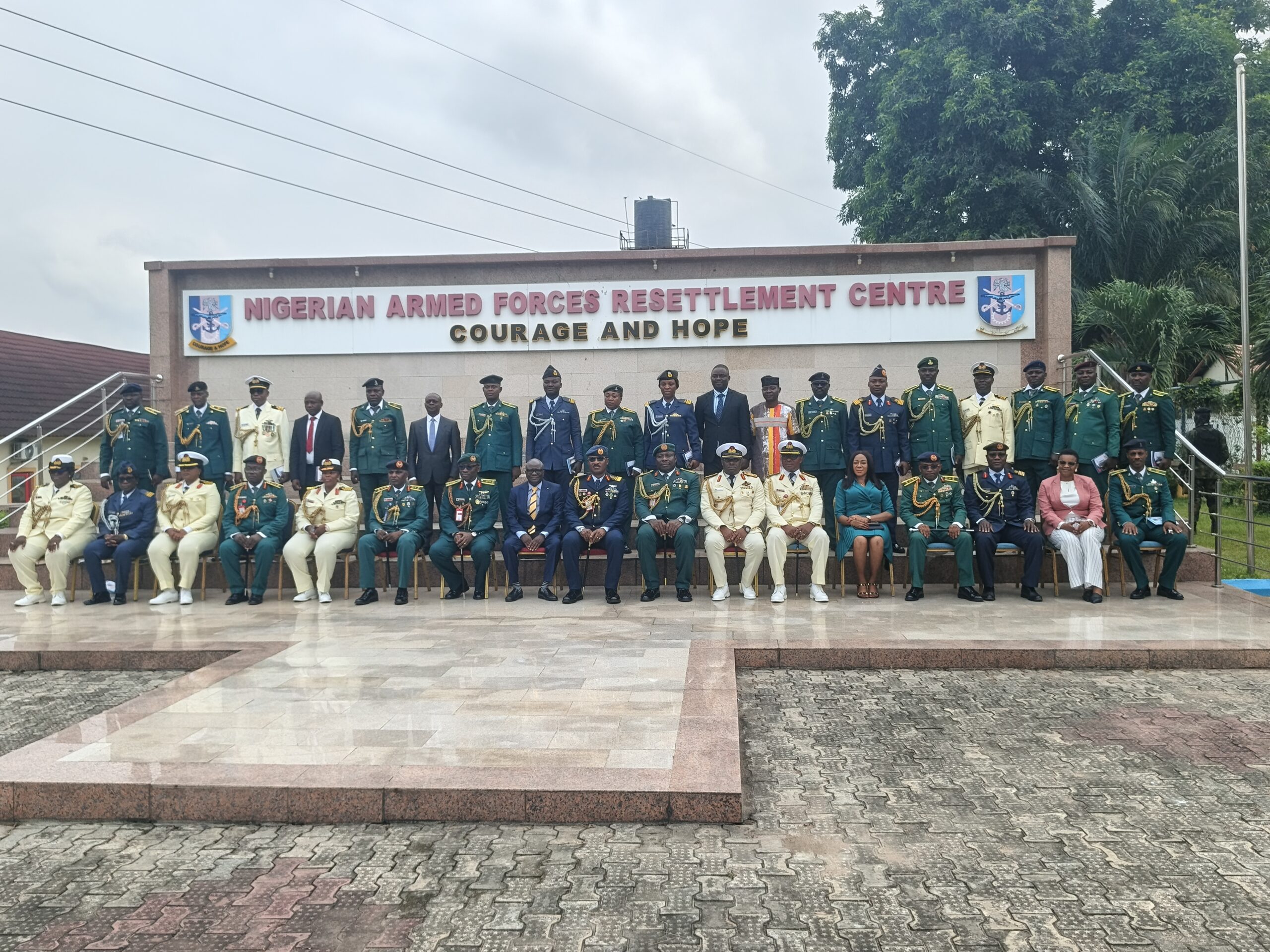
    The Commandant of the Nigerian Armed Forces Resettlement Centre (NAFRC), Oshodi, Air Vice Marshal Nnaemeka Ignatius Ilo, on Tuesday formally inaugurated the Mid and Senior Level Officers’ Entrepreneurship and Management Course 17/2026, urging participants to begin early preparation for life after active service. The ceremony, held at the Centre’s Resource Complex, marked the commencement of the first quarterly edition of the programme for 2026.

    Addressing the 40 nominated officers, Ilo described their selection as both an honour and a responsibility, stressing that the course was designed to equip them with the mindset, discipline and strategic skills required to thrive in the civilian business environment. Though not a pre-retirement programme, he noted that the training would help officers confront the initial challenges of post-service life with confidence and foresight.

    The Commandant underscored the Centre’s longstanding mandate in resettlement training, revealing that over 49,000 senior non-commissioned officers had benefitted from pre-discharge programmes, with 724 participants currently undergoing Course 1/2026. According to him, many alumni now run successful small and medium-scale enterprises across the country.

    He explained that the extension of entrepreneurship training to officers still in service followed the approval of the Defence Headquarters in collaboration with the Empretec Nigeria Foundation, a private-sector initiative linked to the United Nations Conference on Trade and Development. So far, over 312 senior officers from the Armed Forces and other security agencies have participated in the programme.

    Ilo reminded participants that entrepreneurship demands more than bright ideas, noting that strategic management, adaptability, financial literacy and resilience were critical ingredients for sustainable success. Quoting former Chief of Air Staff, Sadique Baba Abubakar, he declared: “The race to success has no finish line,” adding that the officers’ journey had only just begun.

    He expressed appreciation to the Chief of Defence Staff, General Olufemi Oluyede, the Service Chiefs and heads of defence agencies for approving the nominations, and extended gratitude to the Minister of Defence and President Bola Ahmed Tinubu for sustaining institutional support for capacity-building initiatives within the Armed Forces.

    In a symbolic moment, the Commandant invoked his authority to formally inaugurate the participants “singly and collectively” as members of Course 17/2026, drawing applause from senior officers and guests in attendance.

    Earlier, the Director of Training, Brigadier General Isang Akpaumontia, disclosed that the Centre received 23 nominations for the Mid-Level and 17 for the Senior-Level course, drawn from Defence Headquarters, the Defence Intelligence Agency, Defence Space Administration and the three Services. He announced that the programme, previously held twice yearly, would now run quarterly to widen access and deepen impact.

    Akpaumontia detailed the curriculum structure, which commenced with agricultural management and entrepreneurship modules covering crop and animal production. Participants are scheduled for strategic study tours to Spectra Industries, Agege; the Nigerian Conservation Centre, Lekki; Commint Buka, Surulere; and an international excursion to Songhai Farms in Porto-Novo, Benin Republic, initiatives jointly facilitated by NAFRC and Empretec.

    In her goodwill message, delivered by Dr. Lemmy Omololu, Director at Empretec Nigeria Foundation, Dr. Mrs. Onari Duke congratulated the new Commandant and reaffirmed the foundation’s commitment to strengthening leadership and enterprise capacity among officers. She described retirement not as an end, but a new beginning capable of unlocking value creation, employment generation and national development, urging participants to embrace the course with curiosity, discipline and purpose.

  • 11 YEARS AFTER, JUSTICE ROARS: NAPTIP Nails Ilutitun ‘Baby Factory’ Socialites, Court Orders Jail, Asset Forfeiture

    11 YEARS AFTER, JUSTICE ROARS: NAPTIP Nails Ilutitun ‘Baby Factory’ Socialites, Court Orders Jail, Asset Forfeiture

    Justice finally caught up with a high-profile couple who operated a clandestine baby factory in Ilutitun, Ondo State, as the National Agency for the Prohibition of Trafficking in Persons (NAPTIP) secured a historic conviction after 11 years of painstaking prosecution.

    Addressing journalists in Lagos, the Lagos Zonal Commander of the agency, Mrs. Comfort Agboko, speaking on behalf of the Director-General, Binta Adamu Bello, described the judgment as a watershed in Nigeria’s anti-human trafficking fight and a stern warning that no offender, regardless of status, is beyond the reach of the law.

    The convicts, Ogundeji Happiness Ayodele and Prince Ogundeji Abiodun, both described as prominent socialites, were sentenced on February 26, 2026, to 14 years imprisonment without option of fine by the Federal High Court sitting in Akure, Ondo State.

    Trial Judge, F.A. Olubanjo, convicted the couple on a 10-count charge bordering on unlawful detention and deprivation of personal liberty, offences punishable under Section 19(c) of the Trafficking in Persons (Prohibition) Law Enforcement and Administration Act, 2003.

    Beyond the prison terms, the court delivered what Agboko termed a “double-barrel judgment.” Eight vehicles, two bungalows, and N4 million recovered during investigation were forfeited to the Federal Government through NAPTIP. Other assets are to be auctioned, with N1 million each awarded to three victims who testified during the trial.

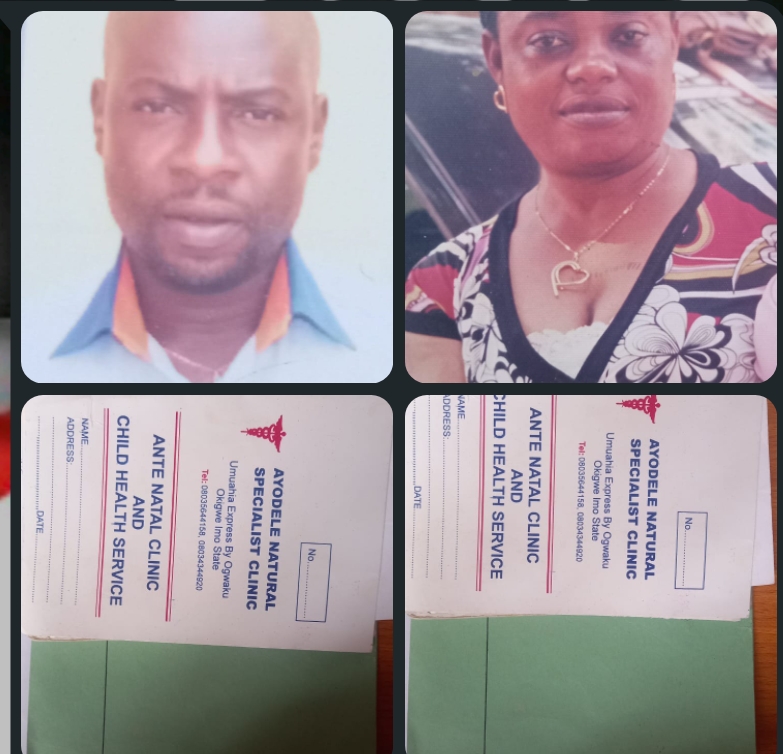
    The case, which began in January 2014 following a referral by the Nigeria Immigration Service, exposed a grim operation at No. 10 Sarajo Street, Ilutitun, where underage pregnant girls were detained against their will until delivery, after which their babies were sold to the highest bidders.

    Investigations led to the recovery of hospital cards, luxury vehicles, cash stashed in a car trunk, residential properties, and other assets suspected to be proceeds of crime. A court order secured in May 2014 enabled authorities to seal and attach the properties pending the conclusion of trial.

    Agboko, however, admitted that prosecuting trafficking cases in Nigeria remains arduous. With no designated courts for such offences, cases often restart afresh when judges are transferred, prolonging trauma for victims and stretching prosecutorial resources. “It takes determination,” she said, noting that some prosecutors attend court up to 20 consecutive times on a single case.

    She reiterated the agency’s zero-tolerance stance on corruption within its ranks. According to her, any officer found complicit would not only be dismissed but prosecuted. She also dismissed allegations of misconduct in victim handling, insisting that NAPTIP operates shelters staffed with caregivers, nurses and counsellors, and forbids any officer from taking victims into private homes.

    While acknowledging progress in public awareness, Agboko called for the establishment of special courts dedicated to human trafficking cases, arguing that the specialised nature of such crimes demands swift and focused adjudication. She urged parents to take responsibility for their children and warned against pushing young people into exploitation under economic pressure.

    Declaring the conviction a deterrent to criminal networks nationwide, NAPTIP pledged to intensify its enforcement and sensitisation campaigns. “No matter how long it takes,” Agboko stressed, “perpetrators will face the full wrath of the law.”

  • Strategic Synergy Takes Centre Stage as Sea Power Meets Air Supremacy

    Strategic Synergy Takes Centre Stage as Sea Power Meets Air Supremacy

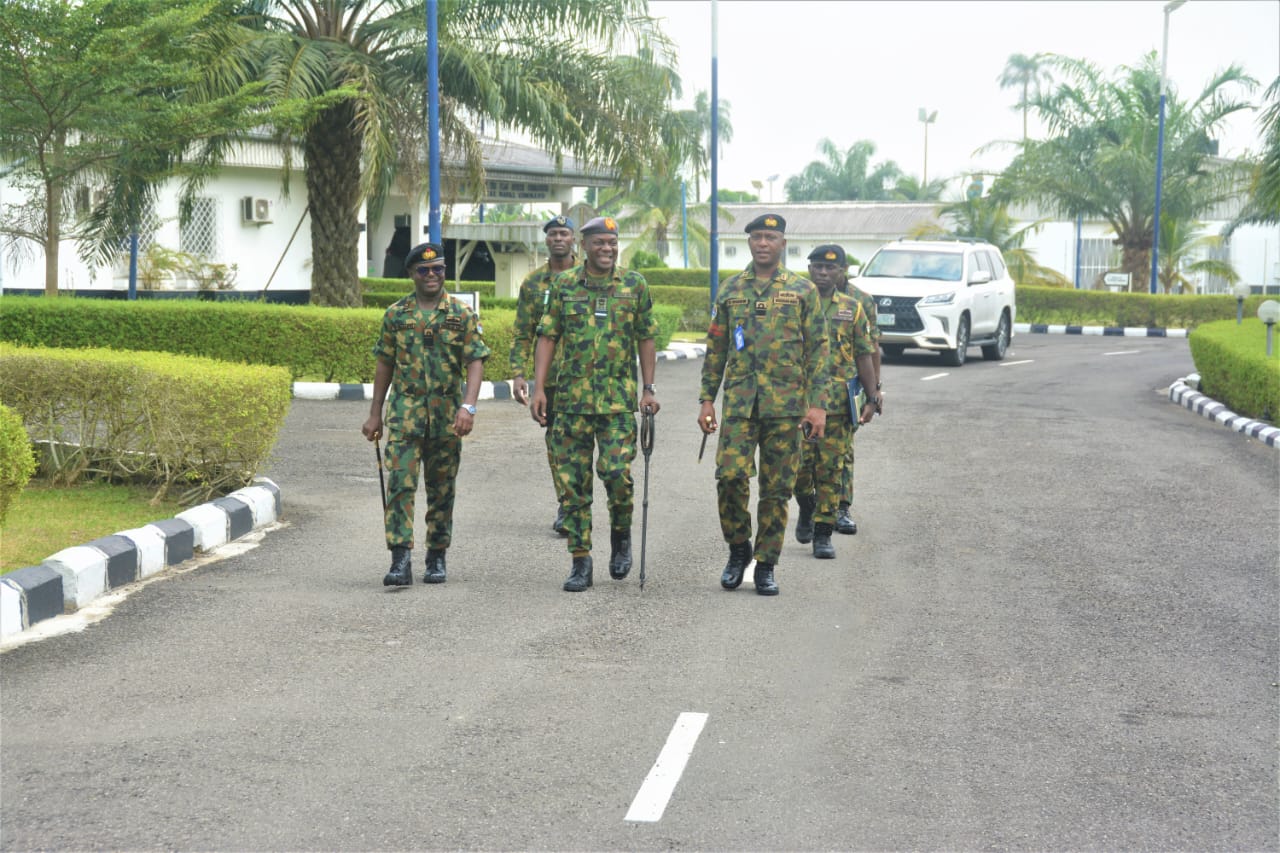
    The Flag Officer Commanding (FOC), Central Naval Command (CNC), Rear Admiral Suleiman Ibrahim, has reiterated the importance of joint warfare and strategic synergy among Nigeria’s Armed Forces to safeguard the nation’s territorial integrity.

    ​Rear Admiral Ibrahim made these remarks while hosting the Commandant of the Airforce War College Nigeria (AFWCN), Air Vice Marshal GA Mbaka, and participants of the college’s “Operational Visit 1” at the Headquarters Central Naval Command in Yenagoa.
    ​
    ​Welcoming the delegation, Rear Admiral Ibrahim congratulated the Commandant on the college’s ability to attract participants from across the continent. He described the diverse enrollment as a “great milestone” that would significantly broaden the strategic thinking of the participants.

    ​The FOC noted that the visit aligns with the Chief of the Naval Staff Vice Admiral Idi Abbas’ Strategic Guidance and Leadership Ethos, emphasizing that modern security challenges require a unified approach.

    ​”The Nigerian Constitution mandates the Armed Forces to defend our territorial integrity, specifically through joint warfare,” Rear Admiral Ibrahim stated. “With global unrest on the rise, participants must take this course seriously, as it exposes them to the strategic level of thinking required for national defense.”
    ​
    ​In his response, Air Vice Marshal GA Mbaka expressed his delight in leading the AFWCN team to the Command. He commended the Central Naval Command for its recent operational successes, specifically highlighting the institutionalization of a new Emergency Plan and the high volume of arrests involving oil thieves and illegal vessels.
    ​”I want to congratulate the CNC on its multiple achievements,” AVM Mbaka said, thanking the FOC for the “resourceful brief and warm reception.”

    ​The visit featured a comprehensive briefing on the operations of the Central Naval Command followed by a robust interactive session between the naval officers and the visiting scholars.

    ​Concluding the visit, the AFWCN team assured the FOC that a copy of the strategic paper developed from the insights gained during the visit would be shared with the CNC to further enhance operational synergy.

  • Retired But Resounding: Shuaibu Salutes Adeniyi’s Leadership, Predicts New Era At Idiroko

    Retired But Resounding: Shuaibu Salutes Adeniyi’s Leadership, Predicts New Era At Idiroko

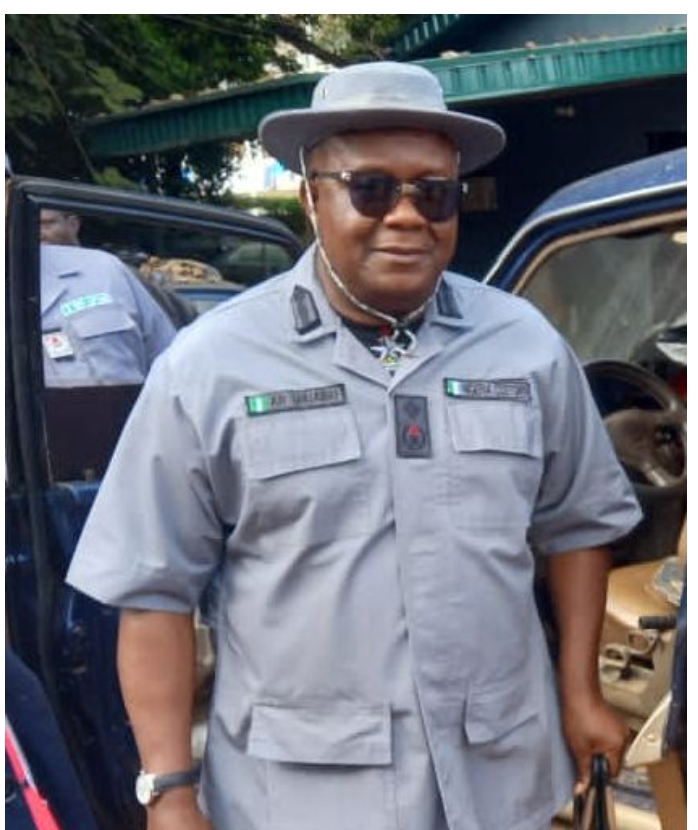
    Immediate past Assistant Comptroller-General in charge of Enforcement, Investigation and Inspections, Ahmadu Bello Shuaibu, has thrown his weight behind the appointment of Deputy Comptroller Oladapo Afeni as Customs Area Controller, Ogun I Command, Idiroko, describing the decision as both strategic and timely.

    Shuaibu reserved special praise for the Comptroller-General of Customs, Bashir Adewale Adeniyi, whom he commended for what he called an uncanny ability to deploy “the best brains” to sensitive commands when it matters most.

    In Afeni, he said, the Service has found “a round peg in a round hole,” insisting that the new helmsman possesses the operational depth and institutional memory required to manage the complexities of the Idiroko border corridor.

    Recalling their years of close collaboration, Shuaibu noted that Afeni was a key figure during his tenure as Coordinator of the Comptroller-General’s Strike Force, as well as at the Federal Operations Unit (FOU) Zone B, Kaduna, where anti-smuggling operations were prosecuted with intensity.

    According to him, Afeni understands the anti-smuggling playbook “inside-out,” with a firm grasp of enforcement protocols and field intelligence gathering, attributes he said would prove decisive in Ogun I Command.

    The retired anti-smuggling chief reiterated a doctrine he championed while in office: that no enforcement operation should come at the cost of human life. For him, the ultimate measure of operational success is zero casualty, for officers and civilians alike.

    Drawing from his own experience as a former Area Controller at Idiroko, Shuaibu argued that restraint, strategy and intelligence must override brute force. Rather than violent confrontations, he advocated discreet monitoring and strategic interception of smuggled goods after delivery to warehouses.

    However, he drew a firm line on narcotics and arms trafficking, stressing that both remain non-negotiable threats demanding absolute zero tolerance and coordinated enforcement efforts.

    He described Afeni’s posting to Idiroko as a bold recalibration that could eventually position him for greater responsibilities within the Lagos operational hub, citing his prior exposure to terminal operations during their time on the CG’s Strike Force in Lagos.

    Reflecting on his final assignment as ACG, Enforcement, Shuaibu disclosed that he chaired a special committee that reviewed cases of dismissed and suspended officers, leading to the recall or conversion to retirement of 53 personnel upon approval by the Comptroller-General. Now retired, he said he feels fulfilled and grateful, thanking Adeniyi for steering the Nigeria Customs Service on what he termed a path of steady growth and institutional reform.

  • Tin-Can Customs: How NCS Turned Gridlock Into A ₦1.57 Trillion Breakthrough

    Tin-Can Customs: How NCS Turned Gridlock Into A ₦1.57 Trillion Breakthrough

    Tin-Can Island Port has long been a paradox. From been Nigeria’s second busiest seaport, a vital artery for trade, yet been trailed with the dubious reputation for its notorious for bottlenecks, overlapping alerts, and clearance delays that frustrate importers and exporters alike.

    For decades, the port has been described as a “flashpoint of surprises” where efficiency often collides with entrenched inefficiencies. But that was the picture some years back. But in the past five to six years there has been some gradual shift towards positive attitude. It is even more so in the past one year, under the leadership of Comptroller Frank Okechukwu Onyeka, the Customs Area Controller (CAC), as the narrative has continued to shift in radical dimension. It can safely be said that what was once a symbol of gridlock is gradually becoming a showcase of reform, resilience, and revenue breakthroughs.

    The Burden of Bottlenecks

    Tin-Can Island has historically been plagued by multiple alerts from different units, inconsistent enforcement, and overlapping agency interventions. Importers often complained of clearance delays stretching into weeks, while freight forwarders lamented the “human interface” that bred rent-seeking and slowed trade.

    When Onyeka assumed office nine months ago, despite the great job his predecessor did to raise the bar of compliance and impressive work culture change that resulted significant scorecards across board, skepticism was still rife. His predecessor, DCG Dera Nnadi, had set a high bar, and many wondered if Onyeka could sustain the momentum. His response was modest yet firm: “It’s by God’s grace, and through the cooperation of our stakeholders. We will build on the foundation laid and raise the bar of performance.”

    Digital Leap: Paperless Customs

    One of Onyeka’s boldest initiatives has been the push for a paperless clearance regime. At a recent media parley, he unveiled the One-Stop-Shop (OSS) platform designed to harmonize processes and reduce human interface. “We are determined to accelerate trade and strengthen transparency. The era of fragmented documentation is ending,” he declared.

    The results are already visible. In January 2026, Tin-Can Customs generated ₦145.9 billion, a sharp rise from ₦116.4 billion in January 2025. Onyeka attributed this leap to improved efficiency and digital adoption. “Our officers are embracing e-transactions, and the results are evident in both revenue and facilitation,” he said.

    Revenue Breakthroughs

    Tin-Can Island Customs has not only met but surpassed its 2025 revenue target of ₦1.52 trillion, raking in ₦1.57 trillion. Onyeka lauded his officers for their “unalloyed commitment and unwavering zeal” in meeting the Comptroller General’s tripod policy thrust: revenue generation, anti-smuggling, and trade facilitation.

    He emphasized that the Command’s success was not just about numbers but about credibility. “Revenue is important, but it must be earned through legitimate trade. Our enforcement is not to stifle business but to protect the economy,” he explained.

    Voices From The Port

    Stakeholders confirm that reforms are biting. Clearing agents note that the OSS platform has reduced clearance time. “We used to spend days chasing alerts from different desks. Now, clearance is faster, though there are still hiccups,” said one freight forwarder. Importers have echoed similar sentiments.

    “The paperless system reduces opportunities for rent-seeking. It’s not perfect yet, but it’s a step in the right direction,” noted a Lagos-based trader.

    Terminal operators also acknowledge improved collaboration. “Customs is more open to dialogue now. Issues are resolved quicker, and that helps us plan better,” said a senior official at one of Tin-Can’s terminals.

    Smuggling Wars And Enforcement

    Tin-Can remains a hotspot for ingenious smuggling attempts, from concealed compartments in vehicles to mislabeled goods. Onyeka’s command has recorded significant seizures, ranging from narcotics to arms. Confident ans assertive, Onyeka says: “Smugglers are becoming more sophisticated, but so are we. Intelligence-driven enforcement is our weapon of choice.”

    These seizures not only protect Nigeria’s economy but also underscore Tin-Can’s role as a frontline in the fight against illicit trade.

    The Human Angle: Customs Care
    Beyond technology and enforcement, Onyeka, riding on the CGC’s leadership vision has emphasized officer welfare and stakeholder engagement. His Customs Care Initiative seeks to humanize enforcement, offering support to officers and outreach to port users. “Morale is critical. A motivated officer delivers better service, and a satisfied stakeholder complies more willingly,” he explained.

    It must be mentioned that training and capacity building have also been prioritized. Officers are being equipped to handle modern trade complexities, ensuring that reforms are not just policy statements but lived realities.

    A Port In Transition
    Tin-Can Island Port remains a crucible of Nigeria’s trade challenges. Yet, under Comptroller Frank Onyeka, bottlenecks are giving way to breakthroughs. With rising revenue, digital reforms, and a renewed focus on collaboration, the Command is scripting a new chapter in Nigeria’s port story, one where efficiency and enforcement walk hand in hand.

    The journey is far from complete. But for now, Tin-Can Customs stands as a testament to what determined leadership, stakeholder cooperation, and digital innovation can achieve in Nigeria’s maritime sector.

  • NESCAFÉ Deepens Everyday Access With New Presence At Ojo Bus Terminal, Ibadan

    NESCAFÉ Deepens Everyday Access With New Presence At Ojo Bus Terminal, Ibadan

    Before sunrise at Ojo Bus Terminal in Ibadan, engines warm up and journeys begin. Commuters move quickly, drivers prepare for long hours on the road, and traders set the tone for the day ahead. It is within this rhythm of urgency and ambition that NESCAFÉ is deepening its everyday presence.

    According to a statement signed by the Corporate Affairs Manager Nestlé Nigeria PLC, Toju Egbebi, as Nigeria’s leading coffee brand, NESCAFÉ has introduced a new kiosk at Ojo Bus Terminal in Ibadan, Oyo State, bringing its signature blend of taste and momentum to helping Nigerians start strong and finish strong.

    In Nigeria, the day often begins in motion, at bus parks, markets and commercial centres where ambition meets urgency. By bringing NESCAFÉ closer to commuters, drivers and traders within the terminal environment, the brand is embedding itself directly into the pulse of daily life.

    “Having NESCAFÉ available right here in the terminal has added real value to the daily experience of commuters and operators,” said Adisa Olumide, Manager at the Bus Terminal. “Passengers can now access quality coffee just steps away from their departure points, without leaving the park. The feedback has been positive, especially around the rich taste and the prompt service, which fits perfectly into the fast pace of this environment.”

    For NESCAFÉ, the Ojo Bus Terminal kiosk is not simply a new touchpoint, but a natural extension of its long-standing presence in homes, workplaces and communities across Nigeria.

    “For us at Nestlé Professional, this initiative reflects our continued commitment to delivering quality beverage solutions to Nigerians wherever they are, even on the go,” said Ibraheem Awelenje, Nestlé Professional Channels Manager. “NESCAFÉ has always been about empowering strong starts, and this activation strengthens that connection in a meaningful and accessible way.”

    The kiosk currently serves NESCAFÉ 3-in-1 Original and NESCAFÉ Classic, with plans to expand the offering to include MILO, ensuring a wider range of options that resonate with the surrounding community. Operations are conducted in line with Nestlé Professional’s food safety and hygiene standards.

    “This launch demonstrates how NESCAFÉ continues to strengthen its presence in everyday, high-traffic locations,” said Jean-Pierre Duplan, Category Manager for Coffee. “By situating a kiosk at Ojo Bus Terminal, we are bringing the brand closer to Nigerians with busy routines and reinforcing our commitment to helping them start strong and finish strong.”

    Beyond accessibility, the kiosk builds on Nestlé’s long-term commitment to entrepreneurship through its My Own Business (MYOWBU) scheme. Operated by a local entrepreneur who has been part of the MYOWBU ecosystem for over ten years, the kiosk has created two direct jobs, one operator and one attendant, with ongoing training provided in hygiene practices and business management.

    “After ten years as an attendant, my dedication has turned into ownership through the NESCAFÉ kiosk initiative,” said the kiosk operator. “This kiosk is not just a business for me; it is a new chapter.”

    Sustainability considerations are integrated into daily operations. The kiosk uses recyclable cups, and operators are trained on responsible waste management practices, including proper disposal of materials and encouraging customers to do the same.

    At Ojo Bus Terminal, where journeys begin long before sunrise, NESCAFÉ is doing more than serving coffee. It is fuelling the drive, resilience and ambition that power Nigeria’s mornings one cup at a time.

    Nestlé Nigeria is a leading food and beverage company committed to unlocking the power of food to enhance quality of life for everyone today and for future generations. With a wide range of products, including popular brands such as NESTLÉ PURELIFE, GOLDEN MORN, MILO, MAGGI and NESCAFÉ, Nestlé Nigeria is dedicated to providing nutritious and delicious food and beverages to consumers across Nigeria.

  • Federal Ministry of Art, Culture, Tourism and Creative Economy Directs Immediate Implementation of NIHOTOUR Act 2022 and Regulations 2025

    Federal Ministry of Art, Culture, Tourism and Creative Economy Directs Immediate Implementation of NIHOTOUR Act 2022 and Regulations 2025

    The Federal Ministry of Art, Culture, Tourism and Creative Economy has directed the immediate and full implementation of the NIHOTOUR Act 2022 and the NIHOTOUR Regulations 2025 by the National Institute for Hospitality and Tourism (NIHOTOUR).

    According to a press statement formally endorsed by the Permanent Secretary of the Federal Ministry of Art, Culture, Tourism and Creative Economy, Abuja, the directive was issued with immediate effect, underscoring the Ministry’s resolve to ensure full compliance with the newly activated regulatory framework.

    The directive was conveyed in a letter dated February 26, 2028, signed by the Honourable Minister of Art, Culture, Tourism and Creative Economy, Hannatu Musa Musawa, mandating the Director-General of NIHOTOUR, Abisoye Fagade, to proceed with immediate implementation in accordance with the powers conferred on the Institute by its Establishment Act and subsidiary Regulations.

    The Honourable Minister emphasized that effective regulation of personnel and operators within the hospitality, travel, and tourism sectors is critical to repositioning the industry as a structured, professional, and globally competitive contributor to Nigeria’s economy.

    According to the Minister: “The regulation of personnel and operators within the hospitality, travel and tourism sectors, as specified in the Act, is essential to enhancing professionalism, service quality, consumer protection, and sustainable industry growth. This regulatory framework establishes minimum standards for skills, ethics, safety, and operations. It will strengthen public confidence, improve competitiveness, and align the sector with national and international best practices.”

    The Ministry further reaffirmed that implementation of the NIHOTOUR Act 2022 and Regulations 2025 represents a strategic milestone in strengthening institutional governance, standardizing training and certification, ensuring compliance with operational standards, and fostering investor confidence across the tourism value chain.

    NIHOTOUR has been directed to formally communicate this mandate to all departments, stakeholders, operators, and practitioners under its regulatory purview to ensure full and immediate compliance.

    The Federal Ministry remains committed to building a vibrant, well-regulated, and globally competitive hospitality and tourism industry that reflects Nigeria’s rich cultural heritage while driving sustainable economic growth.

    For media inquiries, please contact:
    Department of Public Communications
    Federal Ministry of Art, Culture, Tourism and Creative Economy
    Abuja, Nigeria

  • Simultaneous, Strategic, Significant: 541 Officers Rise As Ogun Police Recalibrates Operational Power

    Simultaneous, Strategic, Significant: 541 Officers Rise As Ogun Police Recalibrates Operational Power

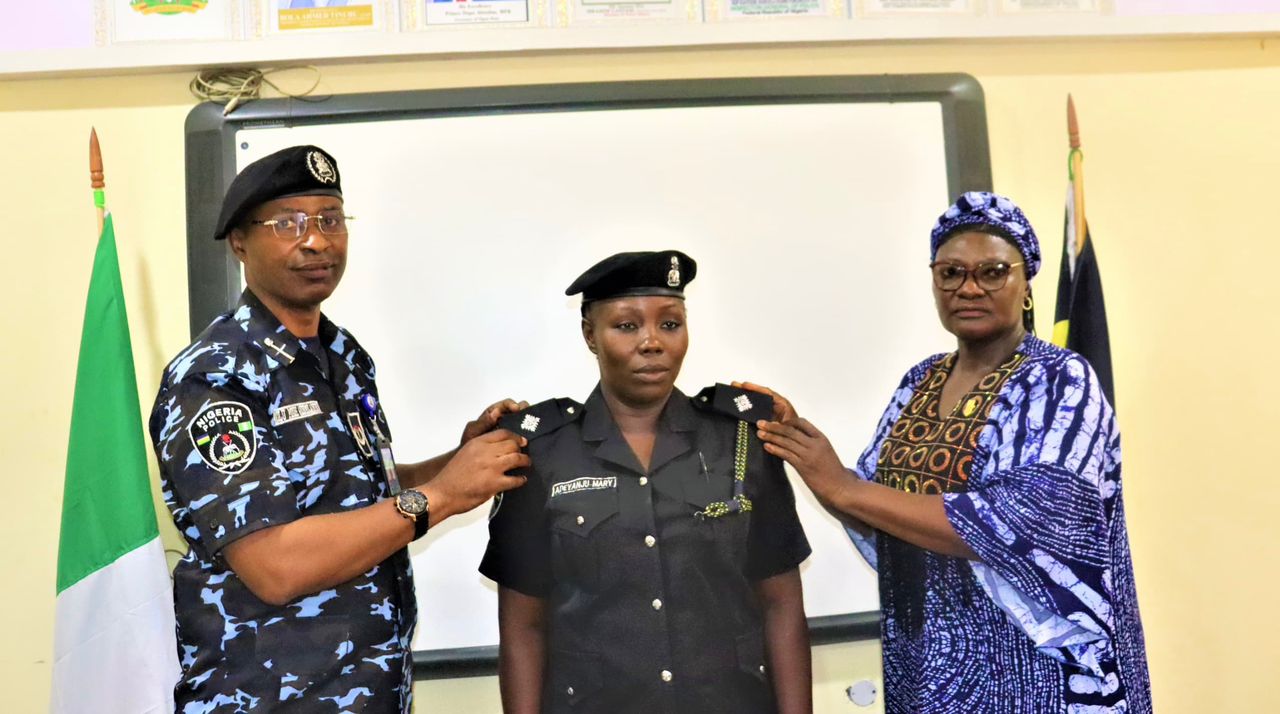
    The Commissioner of Police, Ogun State Command, CP Lanre Ogunlowo, PhD, presided over a seamless decoration exercise marking the formal elevation of 541 officers to the prestigious rank of Assistant Superintendent of Police (ASP).

    According to a press statement issued by DSP Oluseyi B. Babaseyi, the Police Public Relations Officer of Ogun State.

    The ceremony was carried out concurrently at the Command Headquarters, Area Commands, Divisions, and other formations across Ogun State, reflecting meticulous planning and coordination. This promotion recognizes the officers’ outstanding performance, discipline, and dedication to duty, and underscores the Nigeria Police Force’s unwavering commitment to merit and institutional integrity.

    The elevation strengthens the Command’s leadership structure, enhances operational capacity, and symbolizes recognition of hard work alongside a renewed call to higher responsibility and service.

    CP Lanre Ogunlowo Ph.D also expressed appreciation to the families of the promoted officers for their support and sacrifices. He charged the newly elevated ASPs to uphold higher standards of discipline, professionalism, and accountability, urging them to intensify intelligence-led policing to maintain the safety and security of Ogun State.

error: Content is protected !!