Category: News

  • Celebrating Journalistic Brilliance: Hybrid News NG Editor, Hyacinth Nwafor, Wins NMCA 2025 Award for Crime Reporting Excellence

    Celebrating Journalistic Brilliance: Hybrid News NG Editor, Hyacinth Nwafor, Wins NMCA 2025 Award for Crime Reporting Excellence

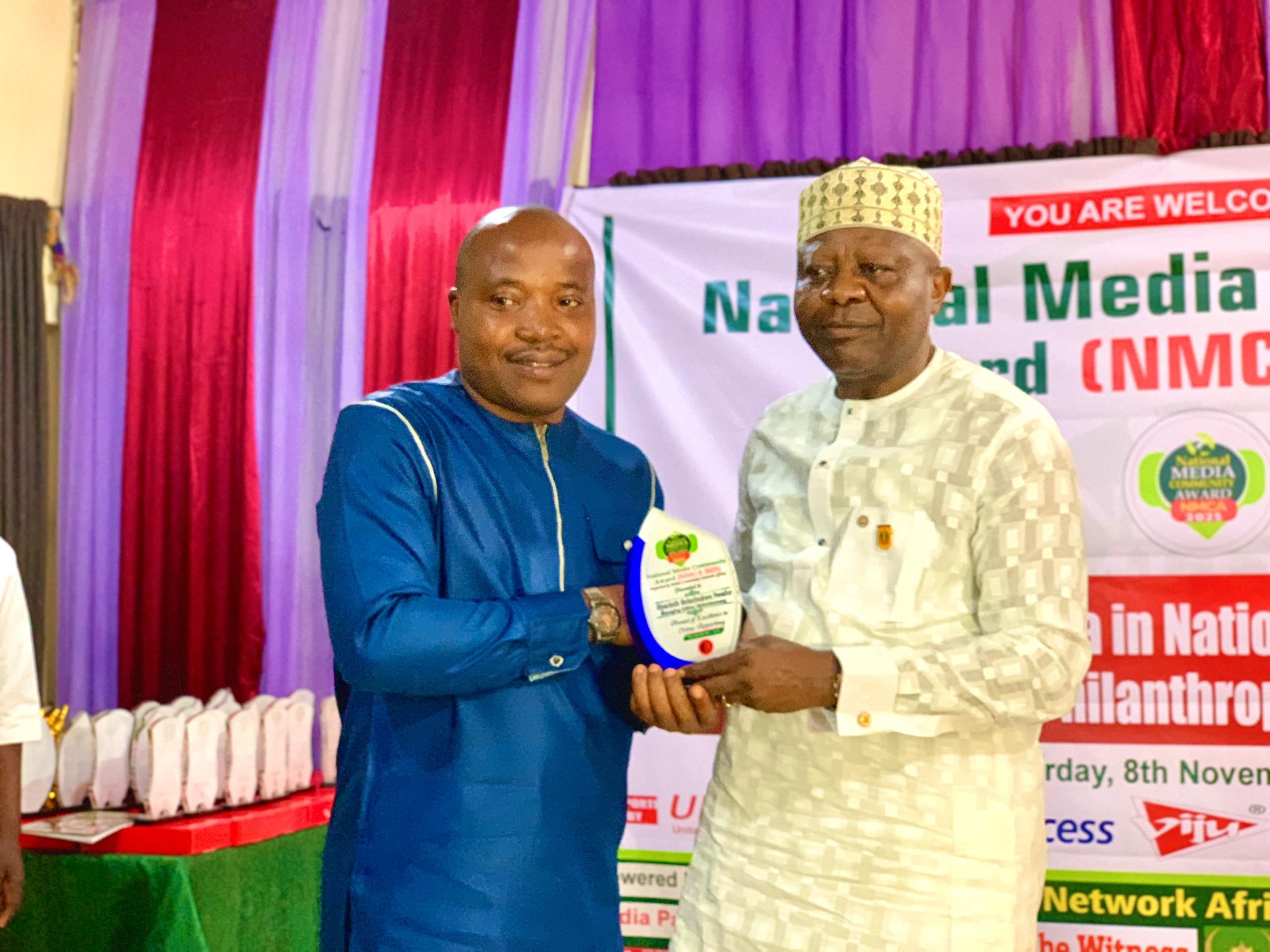
    The Managing Editor of Hybrid News Nigeria, Mr. Hyacinth Nwafor, has been conferred with the Award of Excellence in Crime Reporting at the prestigious National Media Community Award (NMCA) 2025, held at the NERDC Conference Centre, Agidingbi, Ikeja, Lagos.

    The annual event, organized by the Media Community Network Africa (MCNA) in collaboration with Daily Pride Communications, celebrates distinguished personalities across the media, government, and public sectors who have made outstanding contributions to national development through responsible journalism and communication.

    According to the organizers, this year’s edition focused on “The Media as a Catalyst for National Unity, Security, and Socio-Economic Growth,” highlighting the indispensable role of journalists in building a more informed and cohesive society.

    In a letter addressed to Mr. Nwafor, the NMCA Award Screening Committee noted: “With profound respect and professional admiration, the Governing Council, Advisory Board, and Award Screening Committee of the Media Community Network Africa are delighted to honour Mr. Hyacinth Nwafor with the Award of Excellence in Crime Reporting. His investigative depth, objectivity, and consistency in holding institutions accountable reflect the courage and professionalism that the NMCA seeks to celebrate.”

    In his acceptance remarks, Mr. Hyacinth Nwafor expressed gratitude to the organizers for the recognition, describing it as both humbling and inspiring.

    “I am deeply honoured and profoundly humbled to receive this award. This recognition is not just a personal achievement, but a reflection of the collective support, trust, and encouragement I have received from so many remarkable individuals along the way.”

    He extended special appreciation to Assistant Inspector General of Police, Zone 2 Command, AIG Fayoade Adegoke, for his unwavering leadership and mentorship, which he said have inspired excellence, discipline, and dedication among media professionals.

    Reflecting on the significance of being honoured during his lifetime, Nwafor stated: “It is truly a thing of great joy to be celebrated and recognized while still alive. Too often, we wait until people are gone before acknowledging their impact. Honouring people in their lifetime when they can feel and share in that joy is one of the purest forms of gratitude. It reminds us that our efforts are not in vain, that our voices matter, and that our labour of love for our nation and humanity is seen.”

    Mr. Nwafor also used the occasion to draw national attention to the plight of journalists across Nigeria, stressing the need for stronger welfare systems and institutional protection.

    “Journalists are the conscience of society. They tell the stories that shape nations, hold power accountable, and give voice to the voiceless. Yet, many suffer in silence, dying in poverty, battling health challenges without support, and working without safety nets or shelter,” he lamented.

    He urged the Federal Government and relevant authorities to prioritize journalist welfare, including healthcare, housing, and safety, adding that a society that neglects its storytellers risks losing its moral compass.

    “Journalists should not only be remembered in times of crisis or celebrated posthumously. They deserve to live honourably, work safely, and age gracefully. Recognition should translate into real-life impact,” Nwafor emphasized.

    In his closing remarks, the Hybrid News NG editor reiterated his unwavering commitment to truth, fairness, and justice, describing the award as a call to action rather than a destination.

    “As we celebrate today, let this award serve as a reminder that recognition is not just about applause or trophies, but about building a system that values human lives, integrity, and service. This honour renews my dedication to the truth, to humanity, and to the noble calling of journalism. Together, we can build a better, fairer, and more compassionate society.”

    The National Media Community Award (NMCA) has grown to become one of Nigeria’s most respected platforms for recognizing excellence in journalism and communication. The annual event honours professionals and institutions that promote ethical media practice, integrity, and impactful storytelling across the nation.
  • “Detty December” Calling: Musawa’s Lagos Tourism Ambition Unfolds — Frank Meke

    “Detty December” Calling: Musawa’s Lagos Tourism Ambition Unfolds — Frank Meke

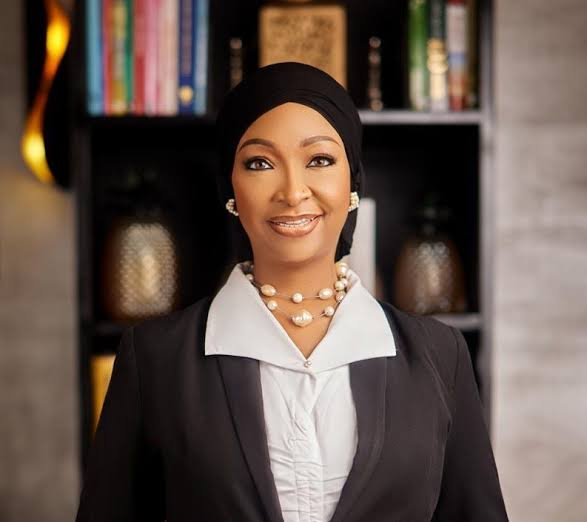
    Nigeria’s Minister of Culture, Tourism and Creative Economy, Hannatu Musa Musawa, is once again courting controversy. The Katsina-born minister, whose tenure has so far been marked by bold optics, unconvincing outings, and a seeming desire to outshine her contemporaries in government, has announced plans to inaugurate a Federal Task Force to “secure Lagos from traffic congestion and crowd control failings.” According to her, the initiative allegedly approved by the Federal Executive Council aims to reposition Lagos, the “City of Aquatic Splendour,” as Nigeria’s premier tourism destination.

    Musawa, who is no stranger to political theatrics, told State House correspondents that the Lagos State Government had failed to adequately address concerns about crowd control and event safety. She went further to claim that the city’s persistent traffic congestion and alleged safety lapses had “sparked calls” for improved regulation of large public gatherings.

    To the uncritical observer, Hannatu’s statement might sound like a well-meaning intervention. But a deeper look at Lagos’ verifiable records in security management, traffic control, and tourism development exposes what appears to be another episode of political showmanship.

    In recent years, Lagos has successfully hosted the Inter-Ferry and Boat Conference, the first electronic boat race in Africa, and countless large-scale entertainment and trade events. Incidents of carjacking and related crimes have declined, nightlife has rebounded, and the hospitality sector continues to thrive with massive patronage. Commerce, culture, and creativity pulse through the veins of the city a hub that generates billions in daily economic activity.

    At the Ministry of Tourism, Arts and Culture, Commissioner Toke Benson-Awoyinka has been a visible and tireless advocate for innovation and collaboration, constantly engaging investors and addressing stakeholder concerns. Lagos’ traffic management has gone digital, and while challenges persist, the response of its traffic control agencies to emergencies has been impressive. The city’s intermodal transport system connecting road, rail, and waterways remains a model for other urban centres, including Musawa’s home state of Katsina.

    Yes, accidents and security infractions do occur occasionally, as they do in global tourism hubs. But for the Minister to “snitch” on Lagos and propose a federal task force to “rescue” it reeks of political bitterness and misplaced rivalry.

    Initially, I had intended to ignore Musawa’s latest antics. But repeated calls and messages from concerned industry stakeholders drew my attention to her sweeping indictment of Lagos a state that has consistently served as Nigeria’s tourism and creative capital. Her proposal, frankly, reflects intellectual laziness and a poor grasp of sustainable tourism strategy.

    It is doubtful that the Federal Executive Council truly approved such a wasteful and ill-conceived proposal. If it did, then perhaps it was merely to keep the minister occupied with yet another exercise in futility. Why Lagos, and not Katsina? One wonders.

    Similarly, the supposed initiative by the Obi Asika-led National Council for Arts and Culture (NCAC) to “manage Nigeria’s festive season brand” seems equally uninspired. While festivals, concerts, and cultural events undoubtedly form part of our tourism ecosystem, it is misguided to cherry-pick a few and market them as a national brand. That responsibility more appropriately lies with the Nigerian Tourism Development Authority (NTDA) the agency with the mandate and technical depth to curate and market Nigeria’s tourism calendar.

    If Musawa is truly interested in advancing Nigeria’s cultural and creative economy, she should start by mapping out the strengths and overlapping mandates of the twelve or so agencies under her ministry. Collaboration not competition, should drive her leadership philosophy.

    Properly aligned and strategically coordinated, these agencies could create measurable jobs, attract investments, and generate wealth while repositioning Nigeria’s cultural tourism industry for global recognition.

    Unfortunately, Musawa seems more enamoured with newspaper headlines than with tangible reforms. Her obsession with optics wrapped in the “Renewed Hope Agenda” slogan betrays a shallow understanding of Nigeria’s diverse tourism assets and their immense potential.

    Her Federal Task Force on Tourism and Event Safety is, therefore, a desperate and unnecessary move one that reveals more about political insecurity than policy innovation.

    In truth, Hannatu Musawa’s so-called “Detty December” proposal is dead on arrival.
    Eko (Lagos) no be for show.

  • ‘Total Victory Is Non-Negotiable’  COAS Shaibu Charges Troops During Maiduguri Visit

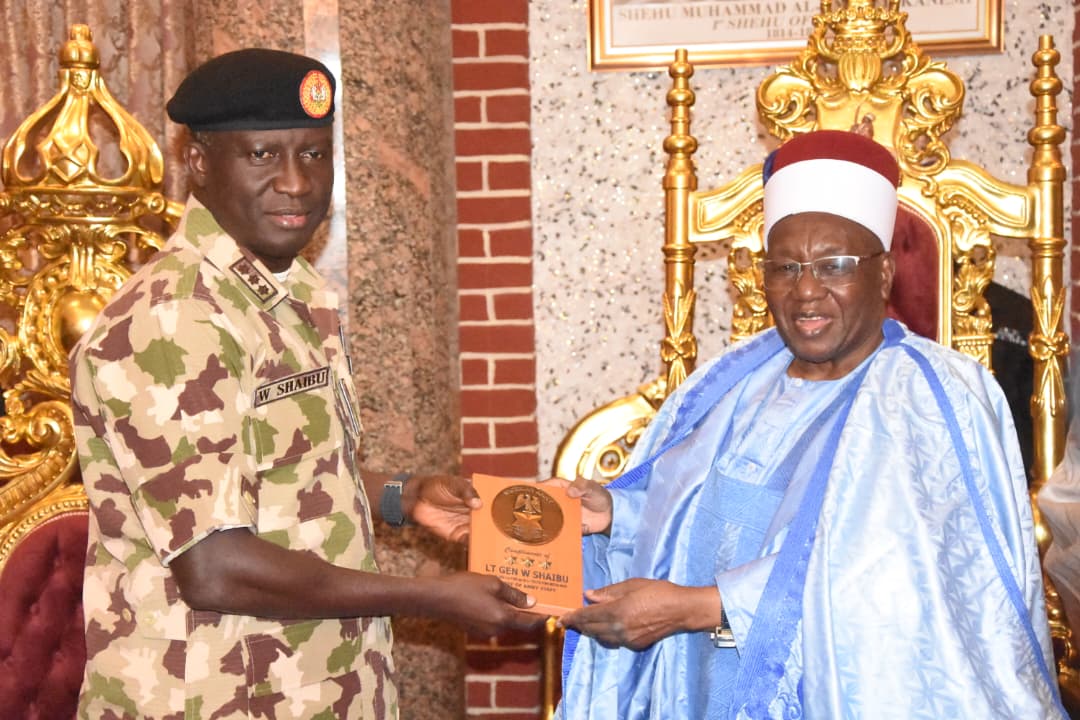
    ‘Total Victory Is Non-Negotiable’ COAS Shaibu Charges Troops During Maiduguri Visit

    In a bold demonstration of renewed strategic resolve to stamp out insurgency and restore enduring peace to the North East, the Chief of Army Staff (COAS), Lieutenant General Waidi Shaibu, Nigerian Army Medal, today 6 November 2025, embarked on his maiden operational visit to the Joint Task Force (JTF) North East (NE), Operation HADIN KAI (OPHK) Theatre, Maiduguri, Borno State.

    According to a statement by Lieutenant Colonel Appolonia Anele, Acting Director of Army Public Relations, the visit, in line with the directive of the President, Commander-in-Chief of the Armed Forces, Federal Republic of Nigeria, His Excellency President Bola Ahmed Tinubu, GCFR, underscores the Nigerian Army’s reinvigorated drive to consolidate on the gains made in the counterterrorism and counterinsurgency operations towards total annihilation of terrorists in the NE.

    Addressing troops at the Maimalari Military Cantonment, Lieutenant General Shaibu charged the trooos to sustain relentless pressure on the remnants of insurgents until total victory is achieved. He emphasized the imperative of decisively dealing with the insurgents to ensure normalcy in the region, while creating enabling atmosphere for socio-economic recovery and normalcy across the North East.

    The Army Chief, who was on ground to assess the operational readiness of formations and units, reaffirmed his unwavering commitment to providing the necessary platforms, logistics and welfare incentives to enhance troop morale and combat efficiency. He pledged to uphold and strengthen the Soldier-First concept of his predecessor, ensuring the welfare of troops remain too priority, as he emphasized fairness, justice, professionalism and the strategic deployment of competent personnel to mission-critical assignments.

    According to him, “The Nigerian Army under my command will leave no stone unturned, we will pursue this fight with renewed energy, clear focus and absolute dedication to end this menace once and for all.” he averred.

    The COAS also paid a courtesy visit to His Royal Highness, the Shehu of Borno, Alhaji (Dr) Abubakar Ibn Umar Garbai Al-Amin Elkanemi, CFR, where he solicited continued prayers, intelligence support and cooperation from traditional institutions and citizens to complement ongoing military operations. He further assured the royal father of the Army’s capability and resolve to restore enduring peace and stability across Borno State and the wider North East corridor.

    In his remarks, the Shehu of Borno commended the Nigerian Army for its gallantry, sacrifices, and humanitarian interventions, particularly during the flooding incidents, which he noted, the humanitarian services rendered can never be forgotten by the people. He lauded the Army’s efforts in restoring normalcy in the state, noting that no single Local Government Area in the state is presently under the control of terrorist elements. The monarch further pledged continued support through credible intelligence sharing and moral backing to ensure the total defeat of insurgency.

    Highlights of the visit included an operational briefing at the Theatre Command Headquarters, commissioning of the Heroes Transit Accommodation at Maimalari Cantonment, groundbreaking ceremony for the construction of 4 x 30-family Corporal and Below quarters, inspection of combat platforms and visits to wounded-in-action personnel at the 7 Division Military Hospital and Services, as well as frontline troops deployed at Bama and adjoining sectors.

    The visit marks a new phase in the Nigerian Army’s counterinsurgency posture, reflecting the COAS’s determination to recalibrate operational strategies and strengthen the force’s combat effectiveness towards restoring peace and stability in the region.

  • Wema Bank Drives Digital Transformation with Hackaholics 6.0 Innovation Tour Across Nigeria

    Wema Bank Drives Digital Transformation with Hackaholics 6.0 Innovation Tour Across Nigeria

    Wema Bank, Nigeria’s most innovative bank and pioneer of Africa’s first fully digital bank, ALAT, has continued to deepen its commitment to youth innovation and entrepreneurship with Hackaholics 6.0, its flagship campus ideathon. This year, the Hackaholics train has toured four Nigeria cities from the Federal University of Technology, Akure (FUTA) and Ahmadu Bello University (ABU), Zaria, to the University of Ibadan (UI) and Purple Academy, Lagos, bringing together some of the brightest young minds in Sub-Saharan Africa to create transformative solutions to real-world problems.

    With over 3,000 entries submitted so far, at each location, hundreds of students and young entrepreneurs gathered to receive industry-led masterclasses, and develop ideas aimed at solving challenges in the ecosystem. For four days in each location, participants were immersed in the full Hackaholics experience, from ideation to mentorship to pitch readiness, culminating in high-energy final pitches where the best ideas emerged. In every location, three Ideathon winning teams; including one women-led group and two Hackathon teams walked away with invitations to compete at the Hackaholics 6.0 Grand Finale. These teams now stand a chance to scale their solutions with the backing of Wema Bank’s innovation ecosystem.

    Speaking on the initiative, MD/CEO Wema Bank, Plc, Moruf Oseni, said, “Hackaholics has always been about more than technology. It is about empowering young people to think differently, create boldly, and contribute solutions that can move our industry and nation forward. The level of talent and creativity we have witnessed so far further reinforces why we continue to invest in this programme. The innovative ideas and solutions coming out of the participants have the power to shape the future of financial services and beyond, and we are excited to see them come to life.”

    Since its launch in 2019, Hackaholics has grown into a cornerstone of youth engagement and innovation in Nigeria. With over 12,000 applicants from 15 schools, and a total of over $300,000 disbursed in funding, including ₦75 million awarded to women-led teams between 2023 and 2024, the program has consistently delivered on its mission to create a vibrant ecosystem where students, innovators, and early-stage founders can collaborate, learn, and grow while building long-term relationships with Wema Bank.

    As the Hackaholics 6.0 train continues its journey to more cities before the Grand Finale, Wema Bank remains committed to empowering the next generation of Nigerian innovators. Students and young entrepreneurs are encouraged to visit https://hackaholics.wemabank.com/ for more information on how to participate and submit their entries.

  • Growth Through Authenticity: UBA Business Series Experts Share Winning Secrets for Entrepreneurs

    Growth Through Authenticity: UBA Business Series Experts Share Winning Secrets for Entrepreneurs

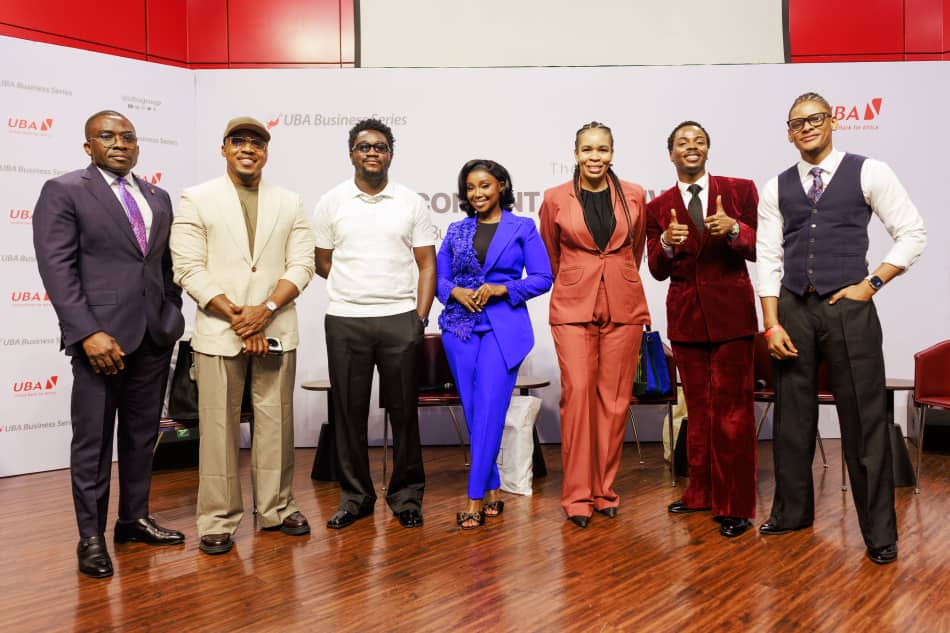
    Africa’s Global Bank, United Bank for Africa (UBA) Plc, hosted another enlightening edition of the UBA Business Series, bringing together some of Africa’s most dynamic digital entrepreneurs and influencers to discuss the secrets behind building impactful online communities.

    This edition of the Business Series, which had the theme, “Content that Converts: Building Influence and Driving Growth Through Strategic Marketing,” was held at the Tony Elumelu Amphitheatre in UBA Head Office, Marina, Lagos on Thursday.

    The very engaging session, shed light on how authenticity, consistency, and passion remain true cornerstones of success in the ever-evolving digital landscape, while the content creators shared first-hand experiences from their journeys across diverse industries and markets.

    UBA’s Group Head, Digital Banking, Kayode Olubiyi, who welcomed participants and the panellists to the session, reaffirmed the bank’s commitment to empowering entrepreneurs across Africa through knowledge-sharing and capacity-building initiatives such as the Business Series.

    He emphasised that the quarterly event continues to serve as vital avenues for supporting innovation and entrepreneurship, equipping individuals with practical insights to grow their brands and businesses in a competitive digital economy.

    In his keynote address, the Managing Director/CEO at Nitro 121, Dr. Lampe Omoyele, who said that “You can create something out of what appears to be nothing,” gave insight on key trends to develop content that creates Impact.

    He noted that content creation should go beyond aesthetics or trends to focus on value, purpose, and agility as he pointed out that creators who aim to make a difference must develop a clear personal brand identity and remain consistent in delivering messages that resonate with their audience.

    The panel session featured an impressive line-up of digital entrepreneurs and content creators, including Digital Creator and Actor, Elozonam Ogbolu; Digital Health Educator, Chinonso Egemba (Aproko Doctor); Kenyan Actress and Media Entrepreneur, Catherine Kamau; Content Creator, Nasiru Lawal (Nasboi) and Digital Influencer, Enioluwa Adeoluwa, who was also the moderator of the event.

    Growth is very important, says Nasiru Lawal. “For the younger creators here, my best advice is this: please prioritise your growth. As a creator, the moment you become famous, you no longer move at your own pace; you move at the people’s pace. It is therefore important to ensure you grow consistently and then overtime, the recognition and the money begins to roll in.”

    Elozonam Ogbolu who agreed with Lawal, had this to say: “Content creators have to engage their audience with proper storytelling, because brands are always out to carefully choose their creators. For the brands, you must pick your influencer or ambassador very deliberately and work together over time to grow. That is when you will see a proper return on investment.

    In his submission, Chinonso Egemba, said, “If you’re building a business or doing content creation, treat content creation as a business. When you treat it as a business, it needs proper structure. Otherwise, it won’t last. If you don’t put structure in place, you’ll end up responsible for everything, and that leads to burnout. You have to build structure, because if you want longevity, structure is very essential.

    For Catherine Kamau, it is important for content creators to find a balance and stay close to their community. “What I realized is I have a community that keeps me grounded, and that’s family. When you get famous, you tend to forget where you come from, you know, social media is an illusion and you start assuming that it is your real family until bad things happen to you. So please remember the real people in your life, because fame can get to your head, but those are not the people who are going to have your back when things go south.”

    The creators while sharing their diverse experiences, they collectively emphasized that building a personal brand should take precedence over chasing financial gain. They also underscored the importance of originality, urging young creators to find their unique niche rather than replicating what others have done.

    UBA’s Group Head of Marketing and Corporate Communications, Alero Ladipo, who commended panellists for taking time to share their useful insights at the event, took time to celebrate the UBA Management for organising conversations like this which according to her, ‘remain impactful and will impact not just the individual customers, but also the economies at large.”

    United Bank for Africa is one of the largest employers in the financial sector on the African continent, with 25,000 employees group wide and serving over 45 million customers globally. Operating in twenty African countries and the United Kingdom, the United States of America, France and the United Arab Emirates, UBA provides retail, commercial and institutional banking services, leading financial inclusion and implementing cutting edge technology.

  • Security Tightens in Anambra as DIG Benjamin Okolo Leads Police Force into Election Operations

    Security Tightens in Anambra as DIG Benjamin Okolo Leads Police Force into Election Operations

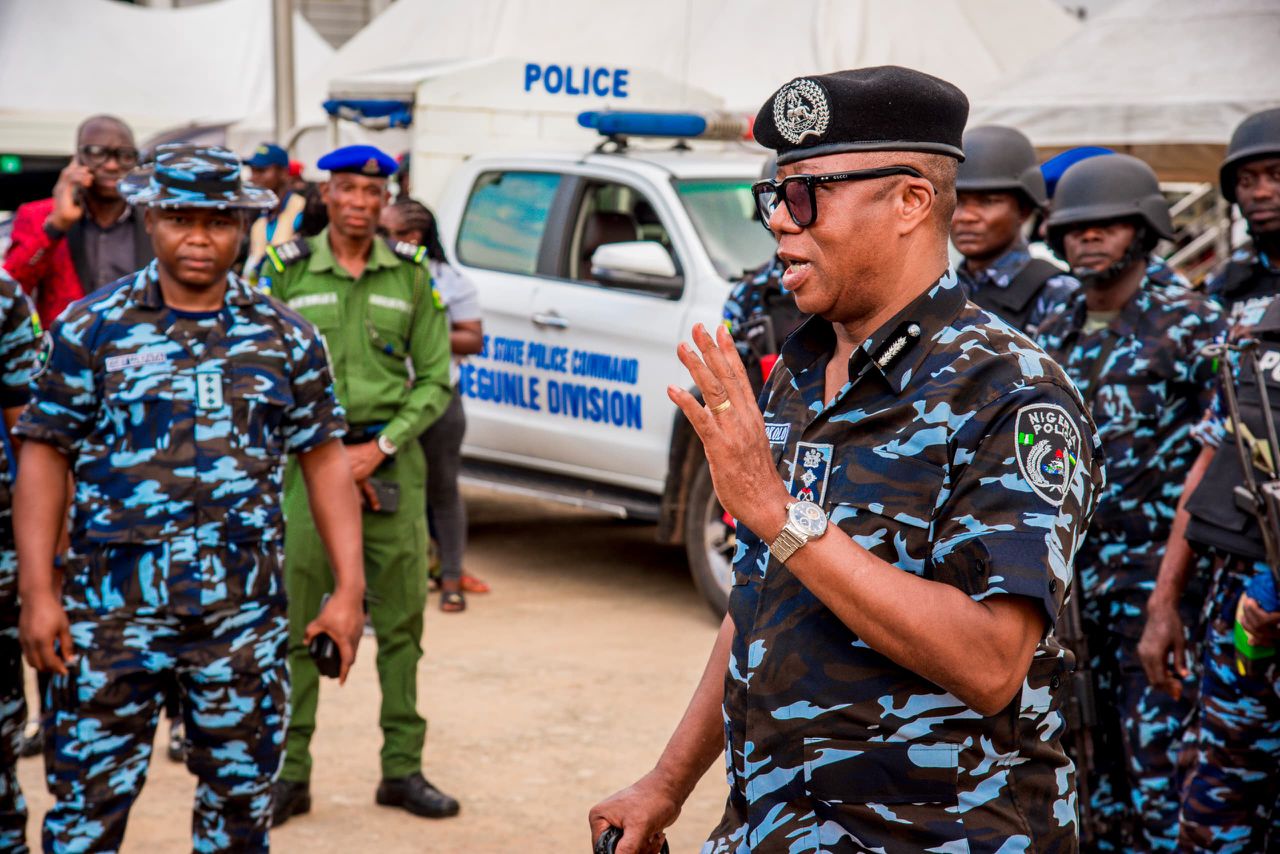
    The Nigeria Police Force has announced that Deputy Inspector General of Police (DIG) Benjamin Okolo, fdc, has officially assumed duty as the Supervisory Officer in charge of all police personnel deployed for the November 8, 2025, Anambra State Governorship Election.

    According to a statement issued by the Police Public Relations Officer, SP Ikenga Tochukwu, DIG Okolo, who represented the Inspector General of Police during preparatory engagements in the state, formally took over the role on Thursday, November 6, 2025. His appointment is part of the strategic deployment approved by the Inspector General of Police to guarantee a peaceful, credible, and professionally coordinated election.

    DIG Okolo, alongside DIG Yakubu Kwazhi, mni, the Deputy Inspector General in charge of Operations, had earlier represented the IGP during the signing of the Peace Accord by political candidates and other key stakeholders’ meetings. He will oversee the overall operational framework, coordinate field deployments, and ensure strict adherence to the Force’s Rules of Engagement throughout the election period.

    “The Nigeria Police Force remains fully committed to protecting the integrity of the electoral process, ensuring the safety of all citizens, and upholding the law in the discharge of its constitutional responsibilities,” the statement read.

    Residents of Anambra State were also urged to remain law-abiding, cooperate with security personnel, and avoid any actions capable of disrupting the electoral process.

    Assisting DIG Okolo in coordinating the election security operations are AIG Akoh Benedict Gabriel; Commissioner of Police for the Anambra Governorship Election, CP Abayomi Shogunle, PhD, fsi; Commissioners of Police deployed to the 21 Local Government Areas; and other senior officers.

    Members of the public can reach DIG Benjamin Okolo directly via 0803 329 9629 for election-related security matters.

  • Inside the Navy’s Busy Week: Boat Rescue and Crackdown on Illegal Refineries Rock Niger Delta

    Inside the Navy’s Busy Week: Boat Rescue and Crackdown on Illegal Refineries Rock Niger Delta

    The Nigerian Navy has reaffirmed its commitment to maritime safety and the fight against crude oil theft following a series of successful operations across the Niger Delta region.

    In a statement signed by Commodore A. Adams-Aliu, Director of Naval Information, the Navy disclosed that personnel of the Forward Operating Base (FOB) Bonny rescued 11 passengers from a sinking speedboat on Tuesday, November 4, 2025, along the Bonny River in Rivers State.

    According to the statement, the ill-fated boat, which departed Nembe Waterside Jetty in Port Harcourt en route to Coal Beach Jetty in Bonny Island, developed an engine fault midstream and began taking in water near the Federal Ocean Terminal, Onne.

    “The swift response of the FOB Bonny patrol team, despite heavy rainfall, prevented what could have been a major tragedy,” the statement read.

    All 11 passengers, six men and five women were rescued and taken to the Nigeria Liquefied Natural Gas (NLNG) Jetty for medical evaluation before being handed over to the Marine Police for onward reunification with their families.

    In a separate operation, the Navy intensified its anti-crude oil theft campaign with the deactivation of several illegal refining sites across four locations in Delta and Rivers States on Wednesday, November 5, 2025.

    Personnel of FOB Escravos dismantled two illegal refinery sites at Obodo Omadino Community in Warri South-West Local Government Area of Delta State. Similarly, operatives of Nigerian Navy Ship (NNS) PATHFINDER discovered and destroyed an illegal refining camp containing three cooking ovens, six reservoirs, sacks, jerrycans, and dugout pits filled with stolen crude oil and illegally refined Automotive Gas Oil (AGO) around the Bakana and Isaka general areas in Rivers State.

    Additionally, FOB Bonny personnel deactivated another active illegal refining site at Eyamba Community in Bonny Local Government Area, while the NNS DELTA patrol team destroyed a similar operation at Opumani Creek in Warri South Local Government Area of Delta State.

    The Nigerian Navy emphasized that these coordinated operations reflect the renewed strategic direction of the Chief of the Naval Staff, Vice Admiral Idi Abbas (Admiralty Medal), to enhance maritime security, protect vital national assets, and sustain lawful economic activities within Nigeria’s territorial waters.

    “The Navy remains steadfast in its mandate to curb crude oil theft, illegal bunkering, and all forms of maritime illegality,” Commodore Adams-Aliu added.

    Through these operations, the Navy continues to reinforce its role as a key guardian of Nigeria’s blue economy and national energy infrastructure.

  • Islamic Finance Positioned to Close Africa’s $170bn Infrastructure Gap as Nigeria’s Non-Interest Market Surges to ₦1.6trn

    Islamic Finance Positioned to Close Africa’s $170bn Infrastructure Gap as Nigeria’s Non-Interest Market Surges to ₦1.6trn

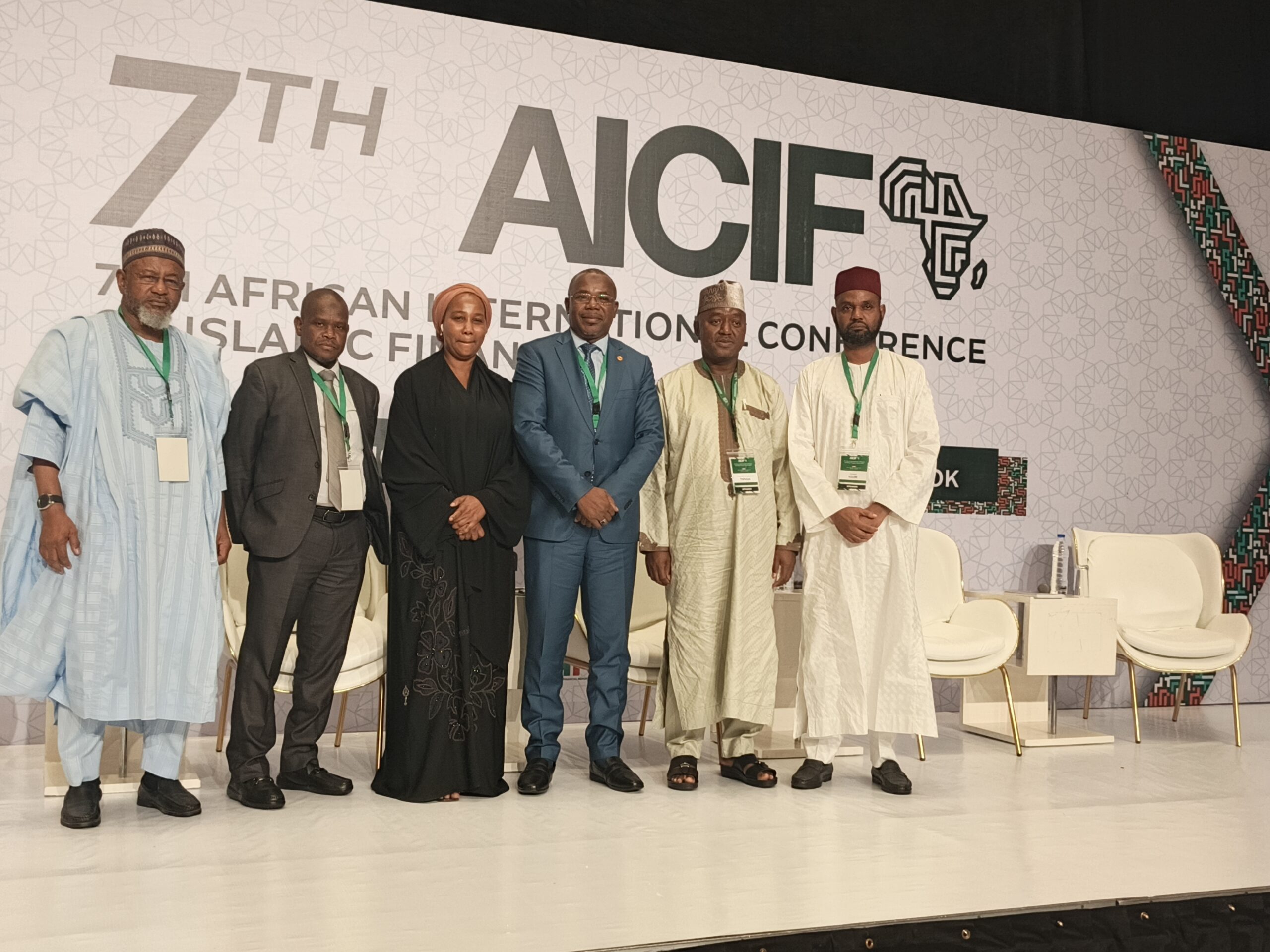
    The Chairperson of the African International Conference on Islamic Finance (AICIF), Ms. Ummahani Amin, has called for greater adoption of Islamic finance as a sustainable means of bridging Africa’s vast infrastructure financing gap, currently estimated between $130 billion and $170 billion annually.

    Speaking at the 7th edition of the African International Conference on Islamic Finance (AICIF) 2025 in Lagos, organised by Metropolitan Law Firm and Metropolitan Skills Ltd in collaboration with the Securities and Exchange Commission (SEC), Amin said that despite its progress, Africa is yet to fully tap into the catalytic potential of Islamic finance for inclusive growth and development.

    She noted that while global Islamic financial assets grew by 14.9% year-on-year to reach $3.88 trillion in 2024, Africa’s share remains marginal due to persistent challenges such as underdeveloped market infrastructure, low liquidity, and limited investor education.

    “To enable Sukuk and other Islamic financial instruments to serve as true enablers of financial intermediation and macroeconomic stability, we must first dismantle the barriers that continue to stifle their growth,” Amin said.

    Amin, who also serves as Managing Partner of Metropolitan Law Firm, emphasised the transformative role of Artificial Intelligence (AI) in reshaping ethical finance through improved compliance automation and broader financial access. However, she cautioned that technological advancement must be guided by strong ethical principles to preserve public trust.

    Highlighting the theme of this year’s conference, “Africa Emerging: A Prosperous and Inclusive Outlook,” she underscored the importance of collaboration, innovation, and knowledge-sharing as essential pathways to unlocking the continent’s inclusive prosperity.

    As part of the conference’s youth empowerment initiative, AICIF partnered with the SEC to host a startup pitch competition aimed at supporting young entrepreneurs.

    ZannyTecture Recycling Company Limited won in the Social Impact category for transforming discarded tyres and PET bottles into eco-friendly materials.

    BetaLife Health emerged winner in the Technology category for developing an AI-powered blood supply optimisation platform.

    Amin also unveiled The Metropolitan Waqf, a new initiative designed to expand educational opportunities for marginalised communities, particularly in conflict-affected regions of Nigeria.

    Meanwhile, the Director-General of the Securities and Exchange Commission (SEC), Dr. Emomotimi Agama, disclosed that Nigeria’s non-interest capital market has grown to over ₦1.6 trillion, reflecting expanding investor confidence and the success of recent regulatory reforms under the Investments and Securities Act (ISA) 2025.

    “The remarkable growth of the non-interest segment in Nigeria now valued at over ₦1.6 trillion demonstrates that when there is an enabling regulatory environment, the market responds with vigour,” Agama said.

    He revealed that Nigeria’s sovereign Sukuk programme has raised more than ₦1.4 trillion through seven issuances since 2017, funding the construction and rehabilitation of 124 key roads spanning over 5,820 kilometres nationwide.

    Agama also announced the planned issuance of a $500 million international Sukuk, describing it as the next major step in attracting ethical capital for infrastructure and economic development.

    He noted that the growing acceptance of Islamic finance across Africa particularly in countries such as Egypt, Kenya, Tanzania, Senegal, and Ghana reflects the continent’s readiness to mainstream non-interest financial instruments.

    The SEC DG commended Metropolitan Skills for its consistent role in promoting Islamic finance and revealed that key resolutions from the 2025 AICIF would contribute to shaping the Second Nigerian Capital Market Masterplan (2026–2035), as the first plan draws to a close this year.

    Agama urged stakeholders to leverage Islamic finance as a tool for ethical investment, financial inclusion, and infrastructure renewal, stressing that:

    “Prosperity without inclusion is not sustainable. Islamic finance offers us a pathway to both.”

    The Managing Director of MetropolitanSkills Limited and Coordinator of the 7th African International Conference on Islamic Finance (AICIF), Ms. Yinlaifa Edolo, has underscored the importance of inclusivity, indigenous solutions, and regulatory collaboration in advancing Islamic finance across Africa.

    Speaking at the conference, Ms. Edolo explained that MetropolitanSkills Limited, a multidisciplinary service firm specializing in capacity building, human development, event management, procurement, and general contracting is the primary convener of the annual AICIF. The firm organizes the event in partnership with Metropolitan Law Firm, its sister organization.

    According to her, this year’s edition marks a major milestone as it features, for the first time, a strategic collaboration with Nigeria’s apex capital market regulator, the Securities and Exchange Commission (SEC). She described the partnership as a significant leap that brings a new level of credibility and depth to the conference.

    “This year is a hallmark for us. For the first time in the history of AICIF, we’ve collaborated with a major institutional partner, the Securities and Exchange Commission (SEC), Nigeria. The SEC’s participation has been phenomenal, bringing the regulator’s perspective to what has always been a conversation about growth, equity, social impact, and inclusivity,” Edolo said.

    She added that the SEC’s involvement aligns with its capital market master plan and demonstrates how Islamic finance principles can be integrated into broader financial sector reforms.

    “The SEC has transformed what might have remained abstract policies into tangible actions you can see and almost feel. That’s why this collaboration means so much this year,” she stated.

    Edolo also emphasized that inclusivity lies at the heart of Islamic finance, distinguishing it from conventional systems.

    “By its very nature, Islamic finance is inclusive. It’s not discriminatory, it reaches everyone. Through instruments such as Zakat and Waqf, Islamic finance delivers social impact where conventional finance often falls short,” she explained.

    However, she cautioned against framing Islamic and conventional finance as competitors, insisting that both can coexist harmoniously within the same financial ecosystem.

    “It’s not about which one overtakes the other. The essence of inclusion is that everyone has a seat at the table. As long as there is space for both Islamic and conventional finance, people can freely choose what aligns with their conscience and beliefs,” she said.

    Offering broader advice to financial and non-financial institutions alike, Ms. Edolo urged organizations to prioritize indigenous problem-solving over imported or generic models.

    “Inclusivity is not just a slogan. When creating solutions whether products or services they must go beyond copy-and-paste approaches. Our challenges are unique, and only indigenous solutions can effectively address them,” she advised.

    She concluded by encouraging financial institutions, particularly non-interest ones, to adapt Islamic financial tools in ways that directly respond to local realities and development needs.

  • From Africa to the World: NIHOTOUR Introduces Oríkì Cultural and Culinary Festival

    From Africa to the World: NIHOTOUR Introduces Oríkì Cultural and Culinary Festival

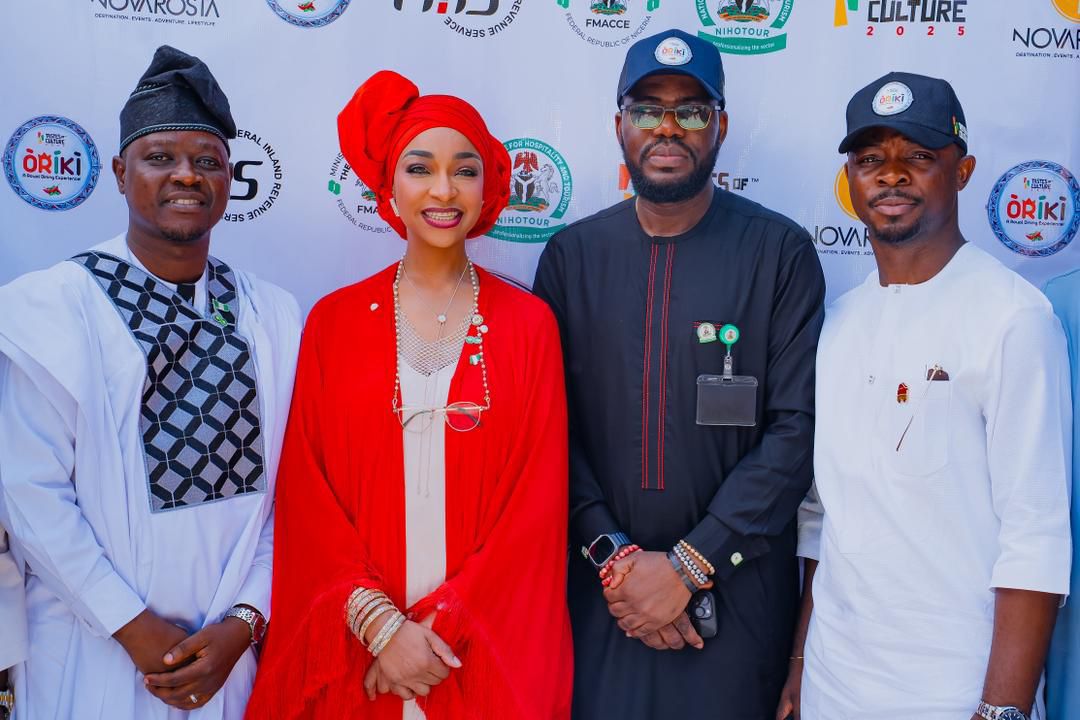
    The National Institute for Hospitality and Tourism (NIHOTOUR), in partnership with Novarosta, proudly unveiled Oríkì, a world-class cultural and culinary experience designed to showcase Nigeria’s creative excellence and position the country as a global destination for cultural tourism, gastronomy, and creative economy investment.

    The grand event, held on Saturday, December 6, 2025, at Eagle’s Square, Abuja, drew an extraordinary assembly of global partners, government dignitaries, chefs, investors, cultural ambassadors, and creative entrepreneurs from across Africa and the diaspora united under the theme: “When Culture Meets Cuisine, the World Connects.”

    A CELEBRATION OF HERITAGE, IDENTITY, AND INNOVATION

    Rooted in the timeless African art of praise poetry, Oríkì celebrates lineage, excellence, and the human spirit. While most renowned within Yoruba traditions, similar expressions like Aha Otuto (Igbo), Kirari (Hausa), and Eré (Itsekiri) reflect Nigeria’s shared cultural tapestry.

    At the Eagle’s Square showcase, Oríkì came alive through a culinary performance of taste, rhythm, and heritage blending traditional poetry, live music, and haute Nigerian cuisine. The event featured regional food pavilions, fusion gastronomy, and creative reinterpretations of indigenous recipes, offering guests a multisensory journey through Nigeria’s culture of flavour.

    THE MINISTER SPEAKS: CULINARY ART AS A BRIDGE OF UNITY

    In her special address, the Honourable Minister of Art, Culture, Tourism and Creative Economy, Barrister Hannatu Musa Musawa, commended NIHOTOUR for its innovation in blending culture and cuisine as a soft-power tool for national unity and global engagement.

    “Culinary art has the power to unite us beyond borders. Through food and culture, we discover our shared humanity, tell our stories, and connect with the world. Oríkì is a profound expression of who we are as Africans proud, creative, and united by heritage,” Barr. Hannatu Musa Musawa, Honourable Minister of Art, Culture, Tourism and Creative Economy.

    She reaffirmed the Ministry’s commitment to supporting NIHOTOUR’s efforts in advancing culinary diplomacy, creative enterprise, and cultural innovation as strategic pillars for Nigeria’s economic transformation under the Renewed Hope Agenda of President Bola Ahmed Tinubu.

    A NEW ERA OF CULTURAL DIPLOMACY AND TOURISM INVESTMENT

    In his remarks, Dr. Abisoye Fagade, Director-General of NIHOTOUR, described Oríkì as a bridge between heritage and opportunity, spotlighting the nation’s cultural assets as engines for investment and employment.

    “Through Oríkì, we are transforming Nigeria’s living traditions into global experiences connecting art, culture, and cuisine to drive prosperity and pride. This is how we make hospitality a national export,” Dr. Abisoye Fagade, Director-General, NIHOTOUR.

    The event also marked the launch of NIHOTOUR’s Cultural Gastronomy Investment Series, a platform aimed at attracting culinary investors, creative industry partners, and international collaborators to scale Nigeria’s hospitality and tourism value chain.

    ALIGNING WITH THE RENEWED HOPE AGENDA

    The Oríkì Experience is a key milestone in Nigeria’s journey to diversify its economy through culture and creativity. It aligns with NIHOTOUR’s Mission 100 Vision, a transformative agenda to build Africa’s most dynamic tourism workforce and position Nigeria as a global leader in hospitality education, cultural promotion, and creative enterprise.

    “Culture is the heartbeat of hospitality, and hospitality is the face of Nigeria. Oríkì reflects how both can unite a nation and inspire the world,” Novarosta Executive Team.

    It will interest you to know that the National Institute for Hospitality and Tourism (NIHOTOUR), established in 1987 under the Federal Ministry of Art, Culture, Tourism and Creative Economy, is Nigeria’s apex institution for professional training, certification, and research in the hospitality and tourism sector. Through strategic partnerships, NIHOTOUR is championing innovation in cultural education, culinary arts, and workforce development to project Nigeria’s heritage as a source of national pride and economic growth.

  • Democracy Non-Negotiable: No Place for Coup in Nigeria

    Democracy Non-Negotiable: No Place for Coup in Nigeria

    In recent weeks, Nigeria’s public discourse has been clouded by rumours of a foiled coup plot involving over a dozen military officers and a former governor allegedly “on the run.” While the Defence Headquarters has issued a characteristically ambiguous statement, the very persistence of these rumours—whether grounded in fact or fabricated through disinformation—demands urgent clarification: There is absolutely no place for military intervention in today’s Nigeria.

    This isn’t mere rhetoric. It’s a data-driven conclusion supported by Nigeria’s painful history, the catastrophic failures of recent military takeovers across Africa’s Sahel region, and mounting evidence of foreign-backed disinformation campaigns designed to destabilise democratic governance across the continent. While it is true that the statement from the DHQ neither confirmed nor denied the reports, the speculation has continued to spread rapidly across social media—fuelled by conspiracy theories, propaganda, and coordinated disinformation. Yet, amid the noise, one truth must be re-emphasised and declared without ambiguity: There is no place for a coup or military junta in today’s Nigeria.

    No grievance, however genuine, justifies a return to military rule. Nigeria’s democracy may be imperfect, but it remains the only framework capable of reforming itself without destroying the nation. We have already paid too high a price for the lessons of authoritarianism. The mere imagination of another coup is not only reckless but profoundly dangerous for a country still healing from decades of military misadventure.

    Between 1966 and 1999, Nigeria endured six successful coups and several failed attempts. The first, in January 1966, plunged the country into chaos, triggering a civil war that claimed over a million lives and left deep ethnic and regional scars that still shape our politics today. Those years of military interregnum—29 in total—brought suspended constitutions, curtailed freedoms, and economic mismanagement that impoverished generations.

    By 1998, Nigeria’s per capita income had declined by nearly 40 per cent from its 1980 levels, inflation had soared, and international sanctions had rendered the nation a pariah. Between 1960 and 1999, Nigeria earned more than $350 billion from oil exports, yet emerged with decrepit infrastructure, foreign debt exceeding $30 billion, and rampant poverty. Transparency International later estimated that at least $5 billion was stolen under one military regime alone.
    We cannot forget those years. Military rule did not save Nigeria—it nearly destroyed her.

    Since 1999, despite setbacks, democracy has delivered measurable progress. Nigeria has experienced seven consecutive elections and four peaceful transfers of power between parties—unprecedented in our history. Our economy has grown from $46 billion in 1999 to over $440 billion today, making Nigeria one of Africa’s largest economies. Freedom of expression and civic activism have flourished. The media is freer than ever, and civil society continues to shape national debate. These gains, however modest, are the fruits of civilian rule.

    Contrast this with recent experiences in Africa’s Sahel region, where coups have been romanticised as patriotic revolutions. In Mali, Burkina Faso, and Niger, soldiers promised stability but delivered chaos. The Armed Conflict Location & Event Data Project (ACLED) reports that violent incidents in Mali have increased by more than 150 per cent since the 2021 coup. Burkina Faso recorded over 8,000 conflict-related deaths in 2023—its bloodiest year on record. Niger, once a model of Western partnership, now faces sanctions, diplomatic isolation, and growing insecurity.

    Far from restoring order, military juntas have exacerbated corruption, restricted freedoms, and weaponised propaganda to conceal their failures. Transparency International’s indices confirm that corruption perceptions have deteriorated across all junta-led states. Freedom House now ranks every coup-affected nation as “Not Free.” The message is unmistakable: military rule breeds repression and decline, not progress.

    Equally alarming is the rise of disinformation designed to destabilise democracies like Nigeria’s. Research by the Centre for Democracy and Development (CDD) and EU DisinfoLab has uncovered coordinated online campaigns—some linked to foreign actors—spreading pro-coup sentiment across West Africa. These networks exploit legitimate frustrations over insecurity and poverty to romanticise military rule and sow distrust in civilian institutions.

    This is not patriotism; it is manipulation. Every Nigerian who forwards unverified rumours of a coup or glorifies soldiers as saviours is, knowingly or not, amplifying the work of those who wish to fracture our democracy from within.

    Let us be clear: democracy is not perfect. Citizens are frustrated by corruption, unemployment, and governance failures. However, the answer lies in deeper reform, not a return to authoritarianism. Democracy allows us to protest, vote, speak, and litigate. Military rule silences all of that. The difference between democracy and dictatorship is not perfection—it is the presence of choice.

    Even now, Nigeria’s institutions continue to evolve. The 2022 Electoral Act has improved transparency and electoral integrity. The Freedom of Information Act empowers journalists to demand accountability. The judiciary, although imperfect, is increasingly asserting its independence. These are steps forward—achievements that would vanish overnight under a military junta.

    Nigeria’s Armed Forces have repeatedly affirmed their loyalty to the Constitution. That commitment must be protected and celebrated. Civil society, the media, and citizens must also remain vigilant, resisting any attempt—real or imagined—to drag Nigeria back to the dark era of decrees and fear.

    In today’s interconnected world, a coup would not only destroy Nigeria’s fragile stability but also trigger economic collapse, diplomatic isolation, and social unrest. The Sahel’s tragedies are warning enough: the gun cannot build what only governance can.

    Nigeria’s future lies not in the barrel of a gun but in the ballot box, in civic participation, and in accountable leadership. The path of democracy is hard, but it is the only one that leads forward. For all our imperfections, democracy gives us hope, adaptability, and voice. Military rule silences all three.

    And for that reason alone, there is—and must forever be—no place for a coup in today’s Nigeria.

    Ernest Omoarelojie is the Director of Media and Communications for Hope Alive Initiative, a pro-good-governance advocate in Nigeria