Category: News

  • POWA President Tasks Nigerian Youths on Peaceful Leadership

    POWA President Tasks Nigerian Youths on Peaceful Leadership

    The National President of the Police Officers’ Wives Association (POWA), Chief Mrs. Mutiat Olufunmilola Disu, has cautioned Nigerian youths against allowing themselves to be used as instruments of political violence, warning that their future is too valuable to be sacrificed for another person’s political ambition.

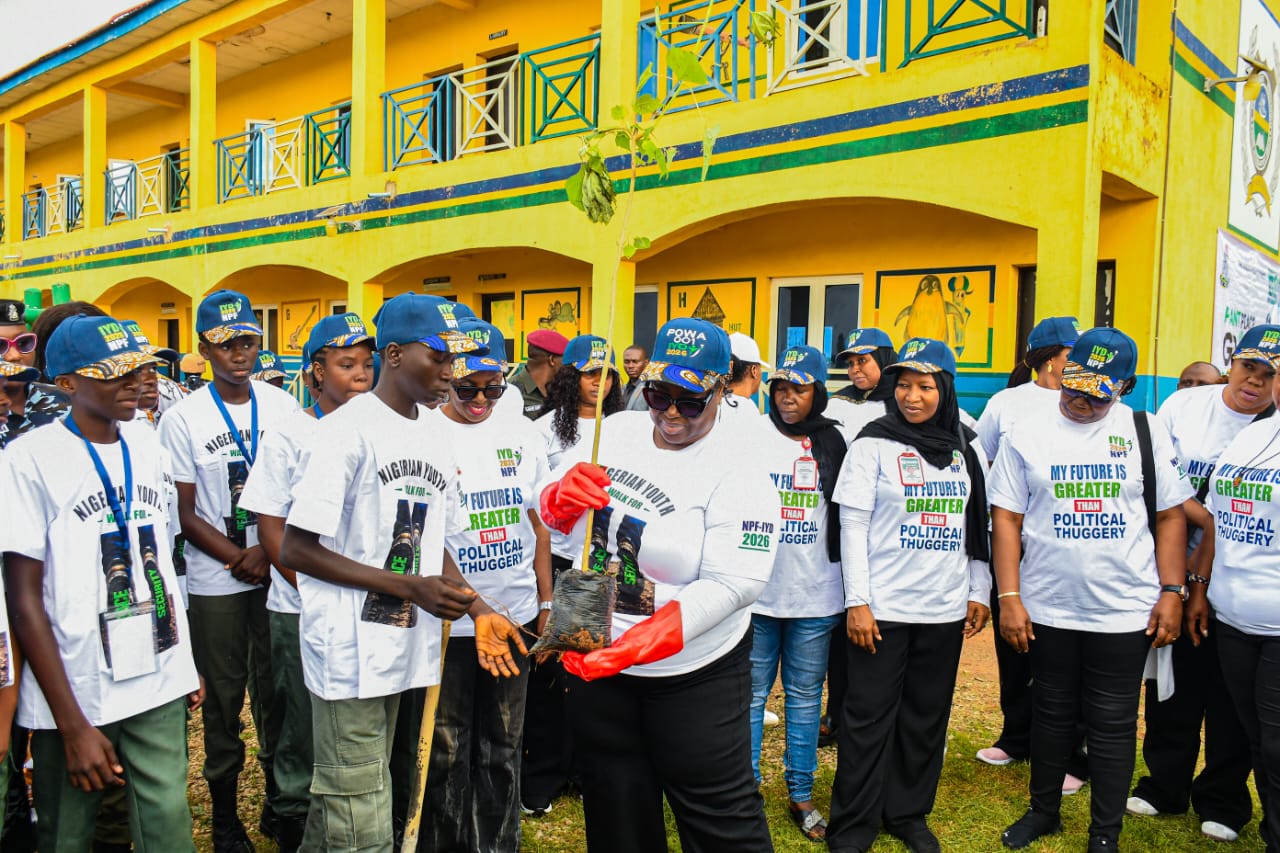
    Speaking at the International Youth Day 2026, National Youth Leadership & Security Initiative, Mrs. Disu urged young Nigerians to reject political thuggery, cultism, cybercrime, hate and violence, while encouraging them to participate actively in democracy through peaceful and responsible engagement.

    “Your future is too valuable to be rented out,” she told the youths. “Do not allow anyone to use your youth as a weapon and leave you to face the consequences alone.”

    The POWA President, who spoke from the perspective of a mother as well as a leader of an organisation closely connected to the police family, said she was particularly concerned about young people being persuaded that violence was a pathway to power or relevance.

    She urged youths to recognise that their voice, ideas, skills and votes were more powerful tools for shaping Nigeria’s future than violence.

    “You have something far more powerful: your voice, your ideas, your skills and your vote,” she said, stressing that political consciousness and participation should not be confused with violent confrontation.

    According to her, young Nigerians could disagree politically without becoming enemies, support candidates without losing themselves and participate passionately in democratic processes without resorting to violence.

    “As mothers, we want to see you come home safely,” she said, urging young people to channel their energy into education, entrepreneurship, technology, creative expression and problem-solving.

    Mrs. Disu also drew attention to the growing security implications of misinformation and irresponsible use of social media, urging young Nigerians to verify information before sharing it.

    “Think before you click; verify before you share,” she said, warning that not everything that trends online is true and that manipulated videos, false claims and misleading screenshots could trigger fear, inflame communities or damage people’s reputations.

    “Your phone is powerful. Use it to build, not to destroy,” she added.

    The POWA President said Nigeria needed a generation of young people who were prepared to lead but also understood the responsibility that came with leadership.

    She noted that although young Nigerians came from different backgrounds and circumstances, their aspirations remained broadly similar, including the desire for security, opportunity, dignity and a country where dreams could be translated into reality.

    She therefore challenged the youths to choose “purpose over pressure, service over selfishness, truth over misinformation and leadership over thuggery.”

    “Whenever anyone asks you to choose between violence and your future, remember: your future is greater than political thuggery,” she said.

    The International Youth Day 2026 programme, organised by the Nigeria Police Force as a National Youth Leadership & Security Initiative, is centred on youth leadership, responsible citizenship, innovation, entrepreneurship, digital responsibility and peaceful democratic participation. The three-day initiative ran from August 20 to 22, 2026, with activities designed to strengthen Police–Youth partnerships and promote safer communities.

  • FTAN Risks Losing Industry Support Over Leadership Style, Meke Warns

    FTAN Risks Losing Industry Support Over Leadership Style, Meke Warns

    I will, in all honesty, plead with my readers to indulge me as I make a statement which, in our society, some people may ordinarily describe as “personal.” Truly, this is my personal assessment of the President of the Federation of Tourism Associations of Nigeria (FTAN), Aliyu Badaki, and it is made without malice.

    Aliyu Badaki, in my considered view, does not appear to fully understand the demands of his office as Federation President. As I have often said, when a leader interprets every contrary contribution or position as a “personal attack,” such a leader risks running headlong into avoidable walls.

    I see a federation gradually drifting towards the cemetery, and unless there is a deliberate change of direction, FTAN could find itself in a very difficult place.

    In his rejoinder to my intervention over his so-called “advocacy” on the regulatory initiative involving the Nigerian Institute for Hospitality and Tourism (NIHOTOUR), Badaki referred to me as “one Frank Meke,” a description I find unnecessary and dismissive. We know ourselves, and I am fully aware of who I am and the role I have played in the Nigerian tourism industry.

    He also sought to dispute what he described as “facts.” But the facts remain that NIHOTOUR, over the past year, held several meetings and engagements to which he was invited, yet he allegedly declined to participate. At the same time, Badaki and his associates reportedly made frequent visits to the National Tourism Development Authority (NTDA) office, with photographic evidence of some of those engagements.

    Again, Badaki had considerable access to the office of the Honourable Minister of Arts, Culture and Tourism, Hannatu Musa Musawa, a lawyer, over several weeks. At the peace meeting convened by the President of the National Association of Nigerian Travel Agencies (NANTA), Yinka Folami, and hosted by the Minister, Badaki did not hide his disagreement with Dr Abisoye Fagade.

    Yet, at that meeting, witnessed by several stakeholders whose confidentiality I respect, he did not adequately articulate the critical aspects of the NIHOTOUR or NTDA regulatory frameworks that he claims are causing serious concerns within the industry.

    His rejoinder, which he personally signed and through which he took responsibility for his advocacy position, also failed to demonstrate where he convened a meeting involving the two agencies and the Minister and was subsequently ignored.

    I understand that FTAN may currently be struggling with suitable space to host meetings. But Badaki manages a hotel and could, in the interest of the industry, generously make one of its meeting facilities available for a properly structured stakeholder engagement involving all parties connected to the matter.

    In the same vein, he carefully sidestepped several efforts reportedly made by NIHOTOUR to engage stakeholders and seek solutions. This raises questions about whether the real objective is resolution or prolonged confrontation.

    This issue touches me personally, and I dare say for the first time that FTAN appears to have developed a serious case of mediaphobia.

    For those who may not know, the Association of Tourism Journalists is one of the critical associations within the federation and has made, and continues to make, significant contributions to the growth and development of Nigerian tourism.

    I was at head of a team when journalists and other industry stakeholders mobilised tourism practitioners and travelled to Abuja to help birth this federation more than three decades ago. I will not tell that story in this article, but perhaps I should do so soon, especially if the current leadership appears determined to lead us back to Egypt.

    On a lighter note, I find it extremely ironic for a leader who champions his advocacy through the media to turn around and suggest that he owes the media no accountability for his leadership successes or failures.

    I recently watched Badaki on TVC during a prime-time 7 a.m. broadcast interview, where the anchor even encouraged him to smile. I will leave out what preceded that moment on the set.

    For free, let us help FTAN get its advocacy right.

    The Bible, in James 1:5, teaches that anyone who lacks wisdom should ask God. There is wisdom in seeking divine direction, but there is also wisdom in seeking the contributions and support of others. A leader does not have to like everyone around him, but those people may possess the knowledge and experience necessary to help find solutions.

    I have worked around several industry leaders, past and present, in both the private and public sectors. One enduring quality of leaders who eventually succeed is their ability to build collaboration, consensus and broad-based support.

    NANTA has survived and celebrated 50 years of impactful presence and unity, not because it has been free of challenges, but because successive presidents have understood the importance of gathering the best brains available to support the association’s engagements with government and its various constituencies.

    FTAN has NANTA as a member and should, perhaps, consult it on how to build a stronger institutional presence and sustain growth.

    I have worked with about eight NANTA presidents, and whenever major challenges arose, they were willing to identify the best brains within and outside their immediate circles, irrespective of personal policy preferences, and bring them together to resolve difficult issues.

    Every NANTA president I worked with inherited a different operational environment, but they understood the importance of building internal coalitions and consensus around matters affecting the survival of the association.

    Even in relation to the NIHOTOUR regulatory framework, NANTA reportedly approached the matter through a coalition and consensus-building process.

    FTAN can seek similar strategic advice.

    Indeed, FTAN should put a hold on its current advisory spins and undertake a structured and strategic engagement, beginning with its specialised media community, to clearly identify the jurisdictional issues embedded in the relevant NTDA and NIHOTOUR legal frameworks.

    It should then engage allied and member associations and develop alternative solutions that can command wider support.

    I find it both funny and sad that FTAN would repeatedly visit NTDA, take pictures and publicise such engagements, yet allegedly fail to sit down with the agency’s leadership to thoroughly discuss the issues it claims are hurting its members.

    Limiting FTAN’s reach and operational environment to its members and the two agencies involved NTDA and NIHOTOUR also suggests a limited understanding of the wider ecosystem of the tourism industry.

    The federation must engage chambers of commerce and other institutions critical to the development of cultural and tourism enterprises.

    I am also concerned that, after about a year, FTAN has not, to my knowledge, sufficiently audited the two relevant legal frameworks and established the financial, operational and employment implications of the clauses it considers injurious to its members.

    It has also not adequately articulated its membership structure, yet it has proceeded with broad generalisations that do little to advance a focused advocacy strategy.

    In the past year, there has also been little evidence of a sustained lobbying ecosystem involving the Senate and House of Representatives committees responsible for culture and tourism.

    Has FTAN embarked on a structured campaign for transparent public hearings to review specific provisions of the relevant statutes and ensure that operators’ concerns are properly integrated into the legislative process?

    FTAN cannot run advocacy like a gunboat under the command of Nebuchadnezzar. It needs an intelligence structure and a supportive committee not necessarily composed only of “yes-sir” executive members to monitor legislative developments, track bills through readings and committee stages, and follow through on processes leading to possible amendments.

    Does FTAN have certified lawyers with legislative experience who can provide credible legal and legislative guidance? It needs professionals capable of separating genuine policy concerns from internal politics and ensuring that its advocacy remains focused on solutions.

    Advocacy is an art, not noise-making and banal postulations. Everyone can write, but not everyone is a journalist.

    Lobbying is also an art. It is not blackmail. It identifies problems, targets the right institutions, builds relationships and mobilises the right support towards consensus and solutions.

    Above all, good leaders do not look down on others. They turn opposition into opportunities for dialogue and transform critics into positive burden-bearers and partners in finding solutions.

    Nigeria’s political environment itself demonstrates that consensus-building is often achieved through persistent engagement, persuasion and coalition-building. The lesson for FTAN is simple: no institution can successfully navigate complex challenges by fighting everyone around it.

    FTAN, under its present leadership, has increasingly created an image of being quarrelsome, embittered and antagonistic towards institutions and individuals. It appears to have chosen division over collaboration and confrontation over consensus.

    The question is: who would willingly associate with a leadership perceived to thrive on blackmail and hostility rather than openness, consensus and collaboration?

    I am ready and willing to do my part to stop FTAN from becoming a shadow coffin bearer of its own legacy.

    We will not allow FTAN to die as long as God gives us breath.
  • Tourism Stakeholders Challenge FTAN Over NIHOTOUR Reform Dispute

    Tourism Stakeholders Challenge FTAN Over NIHOTOUR Reform Dispute

    To a few discerning tourism players and observers, the frequent “advisories” and “boycott” directives issued by the Aliyu Badaki-led Federation of Tourism Associations of Nigeria (FTAN) increasingly suggest that the organisation may be suffering from a serious leadership crisis.

    In barely one year of its existence, the current leadership appears to have broken the industry record for being one of the most vociferous, troubled and embittered administrations, seemingly lacking a clearly defined ecosystem for resolving industry challenges, building consensus and projecting solutions that benefit its federating bodies.

    Week in, week out, what appears to emanate from its stable are letters of caution, advisories and directives urging members to distance themselves from reforms and emerging regulatory frameworks that could, if properly implemented, strengthen the growth and survival of the tourism and hospitality sector.

    To describe this FTAN as increasingly anti-reform and resistant to industry advancement may not be an understatement. The body sometimes behaves as though it is running a Babylonian Empire built around the power and authority of its own Nebuchadnezzar.

    Within one year of this leadership, there have been numerous admonitions and red-flag directives issued to independent bodies under its supposed guidance, many of which appear to have been ignored or sidestepped by the wider industry.

    FTAN has also failed, in my view, to justify the confidence reposed in it by some industry stakeholders. Its repeated directives appear to reflect inadequate risk assessment and insufficient consideration of the wider consequences of grandstanding in an industry desperately seeking order, stability and sustainable investment.

    The frequency and tone of FTAN’s interventions increasingly smack of a leadership trapped in anxiety and decision fatigue. Its extreme warnings to members raise serious questions about whether the organisation is adequately embracing the principles of consultation, negotiation, democracy and freedom of expression that should define an industry umbrella body.

    Let us situate this within the current debate surrounding the strategic implementation of the National Institute for Hospitality and Tourism (NIHOTOUR) Act of 2022.

    Initially, FTAN opposed the implementation of the Act, citing policy gaps and, particularly, areas of overlapping mandates between NIHOTOUR and the Nigeria Tourism Development Authority Act.

    In its confrontational posture, FTAN argued that the regulatory arrangements surrounding the two institutions should effectively be discarded. Yet, it offered no compelling alternative framework and, importantly, did not appear to sufficiently consult the federating bodies whose interests it purportedly represented.

    When that approach failed to gain the desired traction, FTAN appeared to turn inward, searching for explanations and scapegoats for what could arguably be described as a lack of vision and innovation.

    The situation eventually led to an engagement with the Honourable Minister responsible for Culture and Tourism, where an industry sub-leadership convened a peace meeting aimed at resolving the disagreement surrounding NIHOTOUR.

    “Peace, Who Will Give Us Peace?” was the title of a piece I subsequently wrote following that meeting.

    Shortly after, and apparently in a renewed attempt to resolve the outstanding issues and move the industry forward, a stakeholders’ meeting was organised in Abuja with the express approval of the Honourable Minister and the Federal Government. The objective was to address concerns surrounding the NIHOTOUR Act and provide stakeholders with an opportunity to speak frankly.

    However, FTAN reportedly declined to participate.

    That decision, in my assessment, further reinforced the perception of an organisation increasingly reluctant to engage when the conversation requires open dialogue and compromise.

    Interestingly, the same stakeholders’ meeting attracted key players and leading voices across the tourism and hospitality industry. Participants openly commended NIHOTOUR for its accessibility, willingness to engage and responsiveness to issues that had previously been misunderstood or inadequately explained.

    FTAN’s numerous letters of caution and boycott directives to federating members and stakeholders have consequently created the impression of an organisation lacking the negotiation skills and institutional structures required to effectively manage disputes—whether involving government regulation, private-sector operators or industry associations.

    The NIHOTOUR stakeholders’ engagement, which was attended by representatives of the Minister and other important sectoral bodies, also exposed what appeared to be an FTAN leadership increasingly uncomfortable with new challenges and, perhaps, gradually becoming isolated from members who may not necessarily share its confrontational approach towards government.

    One significant outcome of the stakeholders’ engagement was the constitution of a national committee on the recognition and governance of industry professional bodies, chaired by Prof. Wasui Babalola, a professor of Hotel Management and Tourism, lawyer and forensic accountant.

    The Babalola Committee subsequently called on industry players, investors and associations to submit position papers to assist it in carrying out its mandate and developing recommendations capable of strengthening professional governance within the sector.

    That development appears to have generated considerable concern within the FTAN camp.

    FTAN has often argued that the industry requires systemic reform while, paradoxically, resisting aspects of the operational ecosystem designed to facilitate such reform. This contradiction raises a fundamental question: Is FTAN genuinely opposed to reform, or is it opposed to the process and individuals driving the reform?

    There is also the question of why FTAN appears uncomfortable with one of its own, Prof. Wasui Babalola playing a central role in a process aimed at strengthening governance of tourism professional bodies.

    If the federation has reservations about the committee or its leadership, the more constructive approach would be to present credible alternatives, engage with the committee and provide robust recommendations capable of improving the sector.

    Instead, its latest “cautionary” interventions appear to suggest an organisation increasingly disconnected from the choices being made by its own members, many of whom seem prepared to independently determine what is in their best interest.

    While FTAN has yet to fully subject its positions on these issues to the level of public scrutiny expected of an industry umbrella body, NIHOTOUR has repeatedly maintained that it is a creation of government established to serve Nigerian hospitality and tourism operators.

    At various engagements, NIHOTOUR has defended the law establishing it and explained its mandate and expected deliverables within the framework of its enabling legislation.

    In contrast, FTAN’s leadership has continued to avoid sustained public and media scrutiny of its position on these matters.

    The organised tourism media has, on several occasions, sought clarification from the Director-General of NIHOTOUR on contentious issues, and the institution has generally made itself available to explain its position.

    But when similar questions are directed at FTAN, a wall of silence appears to surround the organisation.

    This leaves the industry with several unanswered questions.

    What exactly is FTAN’s major concern with NIHOTOUR, the institution itself, the implementation of its enabling law, or the personality of its Director-General, Dr. Abisoye Fagade?

    And perhaps more importantly, why does FTAN appear uncomfortable with Prof. Wasui Babalola’s leadership of the committee on professional bodies’ recognition and governance?

    These are legitimate questions that an industry leadership committed to transparency, accountability and collective progress should be willing to answer.

    The tourism and hospitality industry does not need perpetual confrontation. It needs leadership capable of negotiation, consensus-building, evidence-based advocacy and constructive engagement with government and other stakeholders.

    FTAN must therefore decide whether it wants to remain trapped in a cycle of advisories, cautions and boycott threats or reposition itself as a credible, inclusive and solution-driven umbrella body capable of leading the industry into its next phase of growth.

    The industry deserves better than endless warnings. It deserves solutions.

  • ANJET Honours Radisson Group, Owoyemi For Hospitality Growth

    ANJET Honours Radisson Group, Owoyemi For Hospitality Growth

    The Association of Nigerian Journalists and Writers of Tourism (ANJET) is set to hold the 2026 annual ANJET Conference and Awards with the theme ‘Nigerian tourism industry and Tinubu administration’s immigration reforms.’ The event is billed for end of October this year will hold at Radisson Blu Hotel, Ikeja, Lagos.

    As part of the activities for this year’s conference and award, international hospitality giant, the Radisson Group and the Chairman of the Avalon Group, Chief Tajudeen Owoyemi and others will be honoured.

    ANJET President Okorie Uguru explained that the awards to both Chief Owoyemi and Radisson Group is in recognition of their contributions in the Nigerian hospitality ecosystem in the last close to 25 years. He said both Owoyemi and the Radisson Group have made so much positive the hospitality industry in Nigeria.

    On Chief Owoyemi, the ANJET President said: “For close to 25 years, Chief Tajudeen Owoyemi has quietly, but steadily influenced and shaped the Nigerian hospitality landscape with his conceptualization and building of top hospitality outfits that have helped to redefine hotels’ services and infrastructure.

    “In 2005, when there was dearth of privately owned top hospitality outfits outside Lagos and Ibadan, Chief Owoyemi changed the landscape by opening the Avalon Hotel Offa under the management Mr. Trevor Ward’s W Hospitality. Avalon Hotel became the reference point in hotel’s excellence in facilities and excellent services.”

    He said despite the massive investment and contribution to the growth of the hospitality industry in Nigeria, Chief Owoyemi always stays under the radar: “Chief Owoyemi works quietly. After Avalon, he embarked on even bigger projects, adding the Radisson Hotel, Radisson Blu Ikeja, and Park Inn by Radisson in Victoria Island, Lagos. Currently, he has other hospitality developments in the pipeline.

    “Chief Owoyemi, through his investments, has employed thousands of Nigerians and created job opportunities for others through ancillary services to these hotels.

    By investing in the country’s hospitality landscape, Chief Owoyemi has helped the profile of the Nigeria as a business and leisure destination.”

    Okorie Uguru also spoke on the contributions of the Radisson Group in Nigeria which has earned the company an award. He said Radisson Group has shown such much consistency And belief in Nigerian economy making it expand so its property portfolio in the country. He continued: “The Radisson Group made its footfall in Nigeria in 2011 when it started managing the Radisson Blu Anchorage Victoria Island, Lagos at the hotel’s inception.

    “In the last 15 years it has added Radisson Hotel and Radisson Blu Ikeja, Park Inn by Radisson Victoria Island, Park in By Radisson Abeokuta, and has about five other properties in the pipeline in Lagos, Abuja, Benin, and Aba.

    “Over the last 15 years, the Radisson Blu has shown so much loyalty to the Nigerian economy by continue to expand the number of bed spaces it is managing even during difficult economic turmoil.

    “As a means passing knowledge, Radisson Group has opened a hospitality academy to bridge the skills gap in the Nigerian hospitality industry.

    “It is for these and other positive services to Nigeria that ANJET is honouring the Radisson Group.”

    Okorie said the Radisson Group has shown so much loyalty to the Nigerian economy by continue to expand the number of bed spaces it is managing even during difficult economic turmoil.

    “As a means passing knowledge, Radisson Group has opened a hospitality academy to bridge the skills gap in the Nigerian hospitality industry.

    “It is for these and other positive services to Nigeria that ANJET is honouring the Radisson Group,” he added.

  • Army Deepens Smart Soldier Drive, Tackles PTSD, Substance Abuse

    Army Deepens Smart Soldier Drive, Tackles PTSD, Substance Abuse

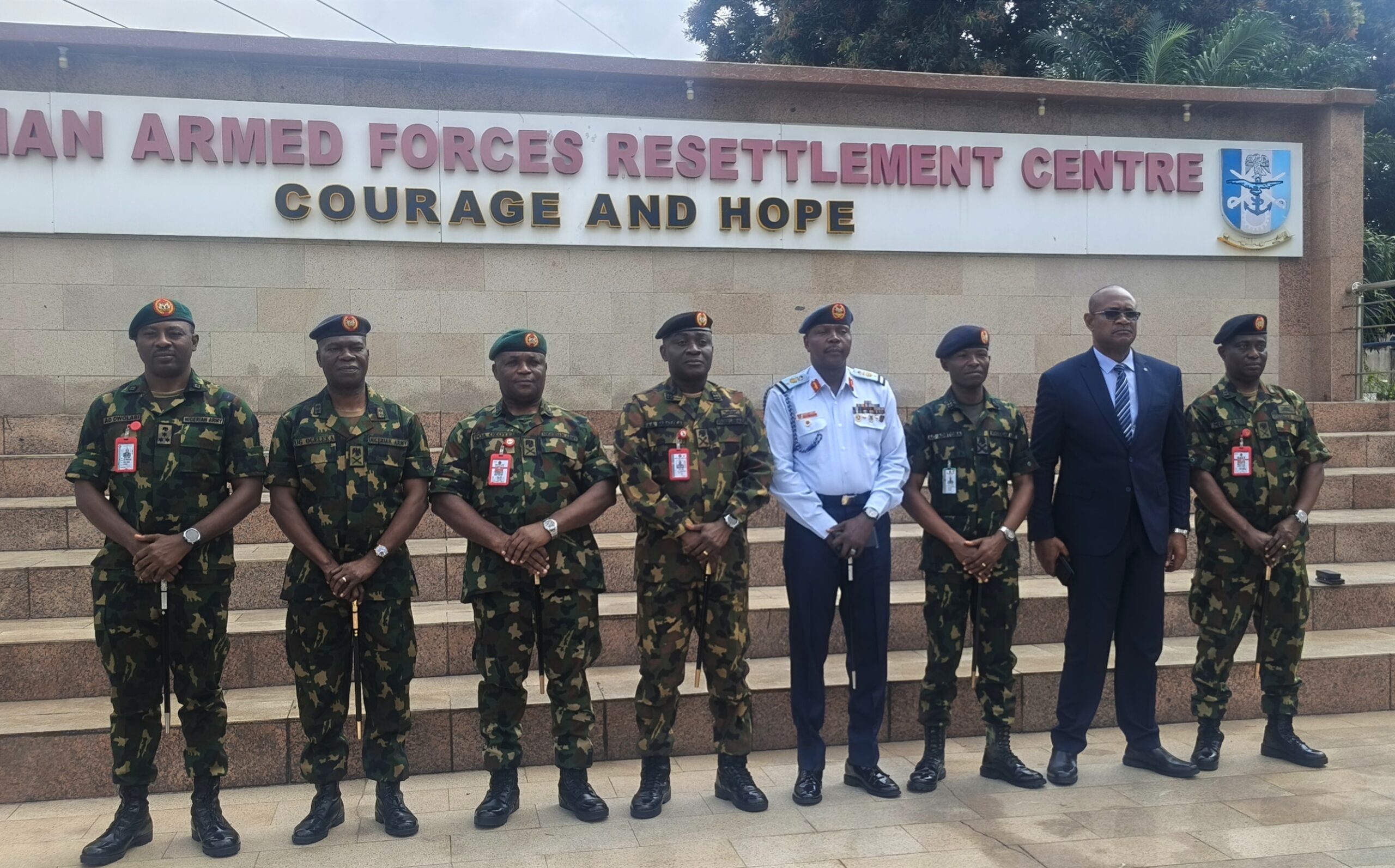
    The Nigerian Army has commenced a four day sensitisation seminar on digital transformation, the smart soldier concept, post traumatic stress disorder management and drug and substance abuse at the Nigerian Armed Forces Resettlement Centre, Oshodi, Lagos.

    The seminar, organised by the Department of Army Transformation and Innovation, is holding from August 18 to 21, 2026, at Buhari Hall, NAFRC, with participants drawn from formations, establishments and units within the 81 Division Area of Responsibility.

    Declaring the seminar open on Thursday, the Chief of Army Staff, Lieutenant General Waidi Shaibu, represented by the General Officer Commanding 81 Division, Major General Adebayo Abdulrahman Babalola, said the initiative was designed to strengthen the Nigerian Army’s technological capacity and psychological resilience.

    Shaibu said the rapidly changing security environment required deliberate investment in digital transformation, human capital development and the psychological wellbeing of troops.

    According to him, the seminar was timely because contemporary military operations were increasingly influenced by asymmetric threats, including terrorism, insurgency, militancy, banditry, piracy and the proliferation of small arms and light weapons.

    He said the Nigerian Army must continuously adapt its doctrine, training, command systems and leadership to remain effective in an operational environment shaped by rapid technological advancement and emerging cyber threats.

    The COAS noted that contemporary warfare had also witnessed the increasing application of autonomous weapon systems and other advanced technologies, making digital proficiency an essential component of military effectiveness.

    He said the Army’s digital transformation agenda was aimed at improving planning, command and control, intelligence gathering, logistics, administration and overall operational efficiency.

    Shaibu, however, stressed that technology could not replace the human dimension of military operations, noting that soldiers remained the Army’s most critical combat capability.

    He said the Army’s “Soldiers First” culture placed the welfare and wellbeing of personnel at the centre of its transformation efforts, particularly those who had been exposed to prolonged and traumatic combat operations.

    The COAS said repeated participation in counter terrorism, counter insurgency and anti banditry operations could expose troops to significant psychological pressures, with some personnel developing varying degrees of post traumatic stress disorder.

    He therefore urged participants to deepen their understanding of early recognition, intervention and management of post traumatic stress disorder, while creating supportive environments for affected personnel.

    Shaibu also described drug and substance abuse as a serious threat to military discipline, operational effectiveness and force readiness, urging participants to promote greater awareness and prevention across their formations.

    He charged participants to take the lessons from the seminar back to their respective formations, establishments and units and translate them into practical measures capable of improving professional conduct and operational effectiveness.

    Earlier, the Chief of Army Transformation and Innovation, Major General Peter Okoye, said the seminar was part of efforts to advance the COAS’s vision of building a more professional, adaptable, combat ready and resilient Nigerian Army.

    Okoye said the programme was designed to identify and address challenges affecting personnel, particularly post traumatic stress disorder and drug and substance abuse, which could undermine discipline, cohesion and operational effectiveness.

    He said the initiative was not limited to the Nigerian Army, explaining that similar efforts were being undertaken across the Nigerian Armed Forces as part of a broader drive to produce more professional military personnel.

    Okoye disclosed that about 560 participants were expected at the seminar, which brings together personnel and resource persons to examine emerging issues affecting military operations and personnel wellbeing.

    Also speaking, Babalola said the seminar was anchored on the “Soldier First” concept and focused on ensuring that personnel remained relevant to the transformation and innovation taking place within the Nigerian Army.

    He said the Army had conducted numerous operations which exposed personnel to difficult experiences, making psychological support and substance abuse prevention important elements of building resilient and adaptable soldiers.

    Babalola said attention to the welfare of soldiers, both during and after operations, remained an important intangible enabler of professional military performance.

    He added that ensuring the psychological wellbeing of personnel would strengthen their resilience, adaptability and commitment while reinforcing the Nigerian Army’s capacity to effectively discharge its constitutional responsibilities.

  • Apapa Customs Revenue Hits Record ₦28bn In One Day

    Apapa Customs Revenue Hits Record ₦28bn In One Day

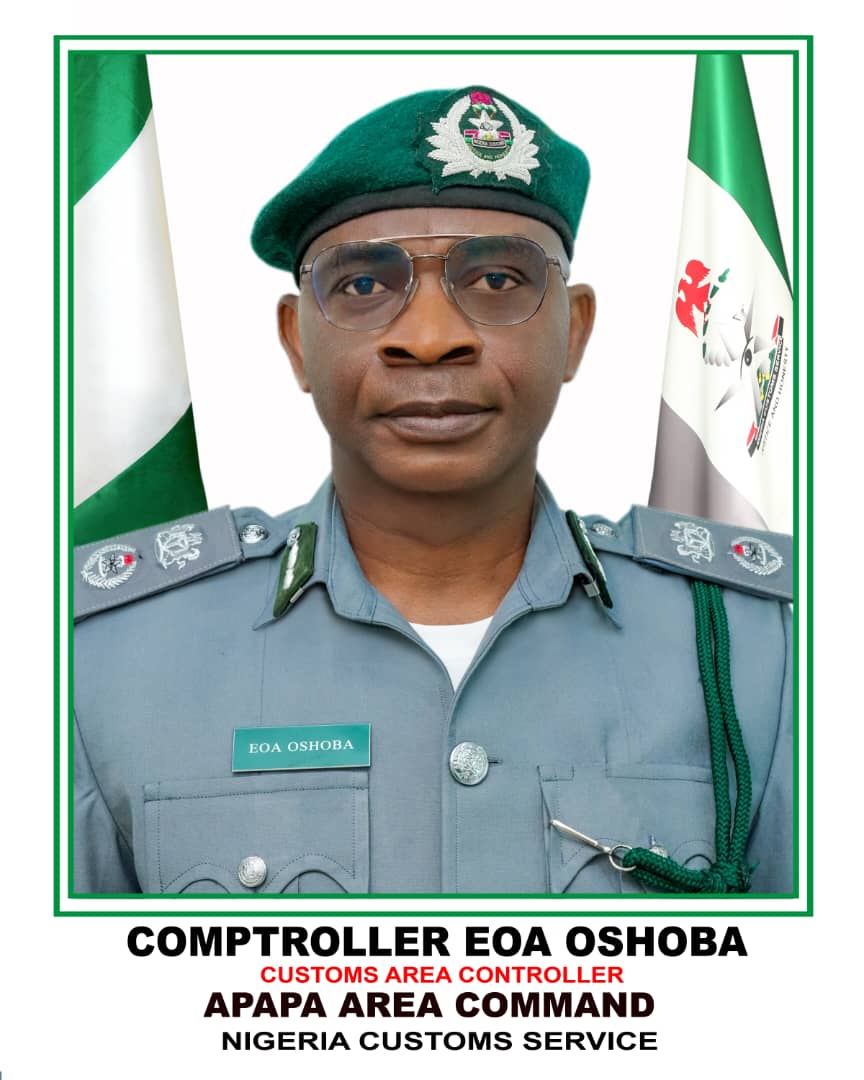
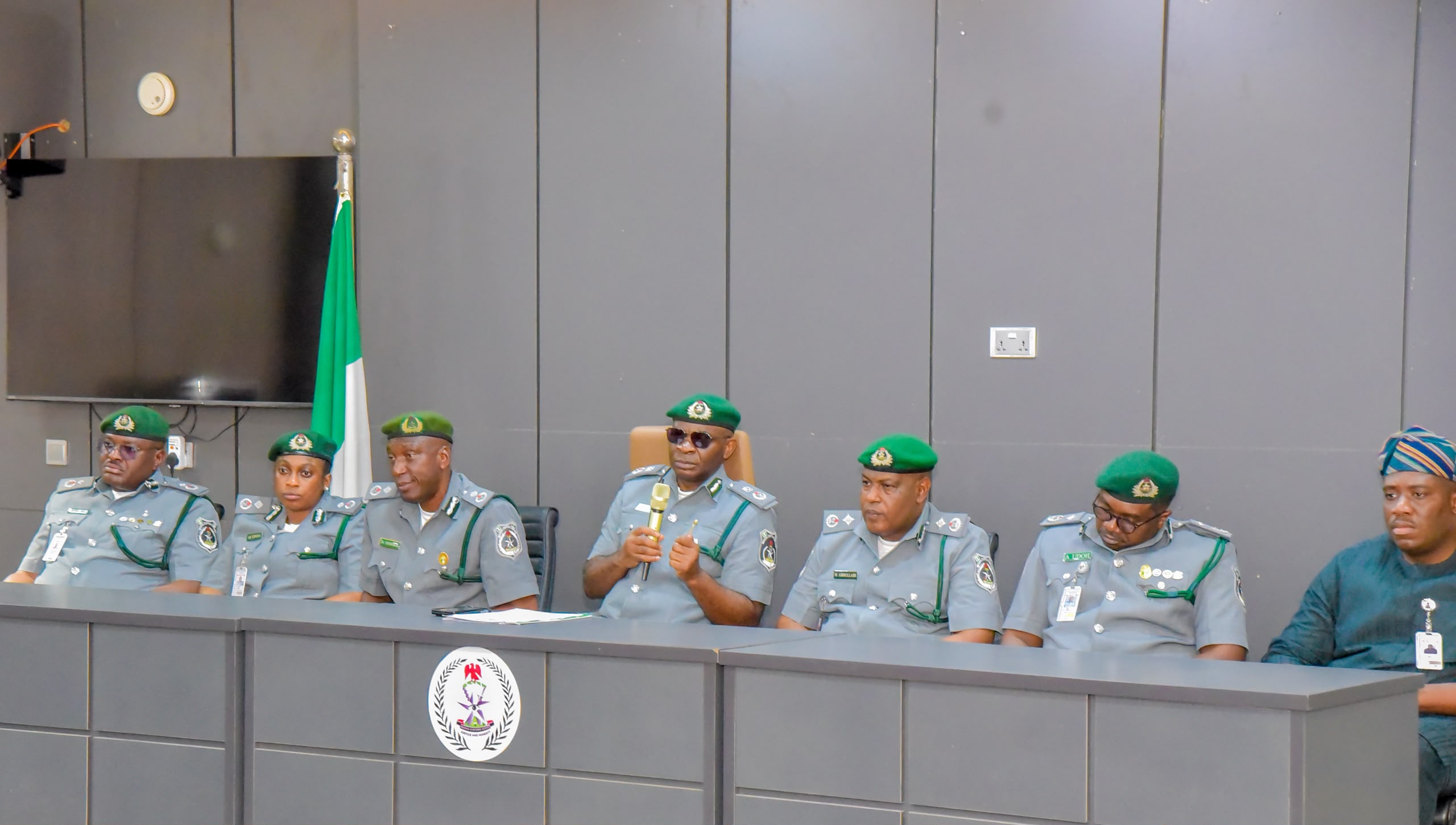
    The Nigeria Customs Service (NCS), Apapa Area Command, has recorded another historic revenue milestone, generating Twenty-Eight Billion,One Hundredand Two Million, Nine Hundred and Fourteen Naira, Sixty-One Kobo (₦28,102,000,914.61k) only within 24 hours on Tuesday, 18 August 2026, the highest single-day revenue collection ever recorded by the Command.

    According to the press statement signed by the Command’s Public Relations Officer, CSC Isah Sulaiman, the feat surpasses the previous daily record of ₦20.1 billion, achieved in September 2025, shortly after the assumption of office of the present Customs Area Controller (CAC), Comptroller Emmanuel Oshoba.

    The new record comes barely weeks after the Command achieved an unprecedented ₦323 billion monthly revenue collection in July 2026, further demonstrating the sustained impact of reforms, improved compliance, enhanced trade facilitation, intelligence-driven interventions and the increasing efficiency of digital Customs processes.

    According to Comptroller Oshoba, the achievement is not simply about figures or records, but about the contribution of the Nigeria Customs Service to the economic wellbeing of Nigerians.

    He noted that revenue generated by the Service forms part of government resources used to fund public priorities, including infrastructure, security, education, healthcare and other services that ultimately impact the lives of ordinary Nigerians.

    He therefore dedicated the milestone to the Government and people of Nigeria, while commending the Comptroller-General of Customs, Bashir Adewale Adeniyi, MFR PhD and the management team of the Service for their continued support for modernisation, automation and reforms aimed at making Customs operations more efficient, transparent and business-friendly.

    The CAC also acknowledged the cooperation of compliant importers, exporters, licensed Customs agents and other stakeholders, as well as patriotic Nigerians who have provided actionable intelligence, in achieving this feat. He stressed that every compliant transaction contributes to national development and urged stakeholders to continue supporting legitimate trade, noting that a stronger revenue base gives government greater capacity to respond to the needs of the people and create an environment where businesses can thrive.

    Comptroller Oshoba charged Officers and Men of the Command not to become complacent, but to see the record as a responsibility to do more. He emphasised that revenue collection must be achieved alongside trade facilitation, professionalism, transparency and respect for stakeholders, directing personnel to resolve legitimate disputes promptly and ensure that Customs procedures do not unnecessarily hinder lawful businesses.

    The NCS Apapa Area Command, under the leadership of Comptroller Emmanuel Oshoba, remains committed to sustaining this momentum through enhanced revenue generation, trade facilitation, professionalism and stakeholder collaboration, with the understanding that every legitimate revenue collected strengthens government’s capacity to deliver on its development priorities and improve the lives of Nigerians.

  • NIWA, Parts Central Begin Nationwide Drive To Clean Nigeria’s Waterways

    NIWA, Parts Central Begin Nationwide Drive To Clean Nigeria’s Waterways

    The National Inland Waterways Authority (NIWA) and Parts Central Limited have launched a nationwide clean up initiative aimed at restoring the cleanliness and safety of Nigeria’s inland waterways.

    The initiative, launched in Lagos on Tuesday, is designed to tackle indiscriminate waste disposal and other activities contributing to the pollution of the country’s waterways.

    Speaking at the launch, NIWA Lagos Area Manager, Engr. Sarat Braimah, described Parts Central as a strategic partner in the authority’s efforts to improve the condition of the waterways and promote safer navigation.

    Braimah said the partnership would begin in Lagos because of the state’s strategic importance to Nigeria’s economy and its extensive network of waterways.

    According to her, about one third of Lagos State is covered by water, making the waterways critical to transportation, commerce, employment and the development of the blue economy.

    She said the success of the initiative in Lagos would provide a model that could be replicated across other states as part of efforts to improve the condition of Nigeria’s inland waterways.

    Braimah said clean waterways would not only improve navigation but also create economic opportunities for young Nigerians through activities connected to the blue economy.

    She urged dredgers, boat operators, tank farm owners and waterfront operators to support the initiative and take responsibility for waste generated through their activities.

    She particularly criticised the practice of discharging domestic and industrial waste directly into waterways, noting that some waterfront owners had failed to provide appropriate waste disposal facilities.

    Braimah also raised concerns over the activities of tank farm operators around the Kirikiri axis, which she described as one of the most polluted stretches of Nigeria’s inland waterways.

    She said indiscriminate dumping had affected water quality, aquatic life and fishing activities, warning that continued pollution could undermine the economic potential of the waterways.

    The NIWA official appealed to boat operators, fishermen and other users of the waterways to cooperate with Parts Central and the authority by disposing of plastic and other waste properly.

    She also encouraged dredging operators to put appropriate measures in place to prevent contaminated water and waste from being discharged into the waterways.

    Braimah said NIWA would provide the regulatory support required to ensure that the clean up programme achieved its objectives and improved environmental standards across the waterways.

    On his part, the Managing Director of Parts Central Limited, Henry Olaoluwa Onifade, said the company would deploy waste management facilities and technology across jetties and waterfront communities.

    Onifade said passenger boats and jetties would be equipped with approved refuse bins, while larger collection bins would be installed at jetties to allow boat operators to dispose of waste when docking.

    He said the company would deploy different technologies to cover various waterfront locations, adding that the initiative was aimed at ensuring that watercraft operating on Nigeria’s inland waterways had appropriate facilities for waste disposal.

    Stakeholders at the launch included boat operators, dredgers and representatives of the Lagos State Government, among others, who expressed support for the initiative and the broader effort to protect Nigeria’s inland waterways.

  • Oshoba Leads Apapa Customs to Record ₦323bn July Revenue

    Oshoba Leads Apapa Customs to Record ₦323bn July Revenue

    The Nigeria Customs Service (NCS), Apapa Area Command, has posted an unprecedented revenue collection of ₦323 billion in July 2026, the highest monthly figure ever recorded by the Command.

    The landmark performance further underscores the strong results achieved under the leadership of Comptroller Emmanuel Oshoba, who earlier guided the Command to another record haul of ₦304 billion in October 2025.

    Comptroller Oshoba made the disclosure during the monthly meeting with Deputy Comptrollers of Terminals and Unit Heads held on Tuesday, 11 August 2026. He attributed the record collection to the combined impact of policy support, operational reforms and improved compliance across the Command.

    The Customs Area Controller specially commended the Comptroller-General of Customs, Bashir Adewale Adeniyi,MFR PhD and the Service management team for their commitment to the ongoing modernisation of the Nigeria Customs Service.

    “We recognise and acknowledge the CGC’s devotion and dedication to the modernisation project of the Nigerian Customs Service. The management team has introduced several innovations that have streamlined our activities and given us clear direction,” he said.

    Comptroller Oshoba noted that the reforms are already delivering measurable results. He highlighted the improved performance of the B’Odogwu system, which had earlier faced challenges but has since been enhanced and is now producing strong outcomes.

    He also commended the One-Stop Shop (OSS) initiative for accelerating cargo delivery time and creating a more predictable business environment that encourages legitimate importation.

    “Another important development is the Authorised Economic Operator (AEO) framework, which currently has more than 200 beneficiaries. This has positively impacted the revenue profile of the Command,” he added.

    Intelligence-driven enforcement operations, he said, have further strengthened compliance where officers and men of the Command have intensified interventions that detect false declarations and ensuring compliance with the Service valuation principles to protect national revenue.

    The CAC also specifically credited the enabling business environment created by President Bola Ahmed Tinubu, GCFR, particularly the relative stability in the foreign exchange market.

    He explained that a more predictable forex regime has allowed business operators to plan better, make informed decisions and conduct trade with greater confidence while challenging officers to examine their individual contributions beyond routine revenue generation.

    “In your Area of Responsibility, you must ask yourself, apart from the normal revenue generated by your Unit, what is your own contribution in terms of intervention? What have I added?” he asked.

    The CAC stressed the continued importance of trade facilitation and ease of doing business describing the current operating environment as more predictable and conducive to growth.

    He directed that disputes should be resolved promptly where consignments require further scrutiny, officers must follow proper documentation and the Post Clearance Audit (PCA) process.

    On stakeholder relations, Oshoba issued a clear directive, “When you interact with stakeholders, let them leave your office with hope rather than despair. As a leader, do not allow anyone who comes to you to depart feeling hopeless or depressed. Give people hope.”

    He acknowledged the valuable cooperation of stakeholders and sister agencies, noting that their support has improved compliance and restored greater sanity to the business environment. Officers, he said, must continue to build trust through professionalism, respect and collaboration.

    Comptroller Oshoba further urged personnel to uphold transparency and discipline, work smart, remain up to date with evolving digital processes and consult more experienced colleagues when necessary.

    He described effective leadership as a collective responsibility, calling on Staff Officers to support Deputy Controllers in reinforcing discipline and fostering a healthy work environment rooted in compassion, empathy, teamwork and genuine concern for the welfare of subordinates.

    The CAC called for heightened security consciousness, proper supervision, continuous in-house training and full compliance with approved procedures. He charged all Units to sustain the current momentum, deepen professional development and remain focused on productivity and service delivery.

    While commending officers of the Command and compliant stakeholders for this feat of increased revenue collection, the Area Controller advised them to see the achievement as a stepping stone to further breakthroughs to be achieved as the year 2026 winds down.

  • Ogun Customs Seizes N3.57bn Contraband, Hands Over Cannabis to NDLEA

    Ogun Customs Seizes N3.57bn Contraband, Hands Over Cannabis to NDLEA

    The Ogun I Area Command of the Nigeria Customs Service (NCS) has intercepted a large consignment of smuggled goods, including 6,035 parcels of cannabis, with a combined duty paid value of N3.57 billion.

    The Acting Controller of the Command, Deputy Comptroller Oladapo Afeni, disclosed this on Thursday during a press briefing at the command’s headquarters in Idiroko, Ogun State, where some of the seized items were displayed.

    Afeni said the seizures were part of the command’s sustained campaign against smuggling, adding that the operation was being strengthened through intelligence gathering, technology and collaboration with sister security agencies.

    He said the command had intensified its activities in line with the policy direction of the Comptroller General of Customs, Bashir Adewale Adeniyi, particularly efforts aimed at protecting local industries, strengthening food security and curbing the movement of prohibited goods across the nation’s borders.

    Among the items seized were 2,339 bags of foreign parboiled rice, 70 cartons of basmati rice, 6,035 parcels of Ghana Loud and Indica, 30 bags of foreign sugar, 100 bags of fertiliser and 11,450 litres of Premium Motor Spirit.

    Other items included 1,750 litres of PMS in drums, 30 kegs of diesel, 67 bales of secondhand clothing, 2,674 pieces of new shorts and trousers, 3,760 pieces of new tops, 85 fire extinguishers, 480 cartons of Pure Heaven drinks, 53 packages of oats and 47 cartons of cosmetics.

    The command also intercepted 36 packages of hair accessories, three packages of surgical shoes and 127 new purses, among other prohibited and improperly imported items. The total duty paid value of the seizures was put at N3,574,435,248.08.

    Afeni said the interception of cannabis and other illicit substances was particularly significant because of the wider security and social consequences associated with drug trafficking, stressing that Customs could not effectively combat the menace without cooperation from other security agencies.

    He formally handed over the seized narcotics to the Commander of the National Drug Law Enforcement Agency (NDLEA), Idiroko Special Command, for further investigation and prosecution in accordance with established procedures.

    According to him, the Ogun I Command has, from January 2026 to date, handed over 32,412 parcels of hard drugs and 92 sacks of raw cannabis sativa to the NDLEA Idiroko Special Command.

    The acting controller said the command would continue to frustrate smugglers who exploit border routes to move prohibited goods into Nigeria, warning that Customs officers would seize contraband, impound vehicles used in smuggling and ensure that suspects are subjected to the law.

    He also disclosed that the command generated N90.06 million in July 2026 from baggage assessments, auctions of perishable goods, PMS and other charges, representing part of its contribution to the government’s revenue drive.

    On exports, Afeni said the command recorded 10,110 metric tonnes of export volume during the period under review, with a Free On Board value of N2.594 billion. He identified white talc, crushed thermal coal and compressed natural gas as major contributors to the export figure.

    Afeni urged traditional rulers, youth leaders, border communities and other stakeholders to support Customs by providing credible information on suspicious activities, while calling on Nigerians to patronise locally produced goods as part of efforts to strengthen domestic industries and create employment.

    He commended officers of the Ogun I Area Command for their commitment to duty and acknowledged the support and leadership of the Comptroller General of Customs, Adeniyi, saying the service remained determined to protect Nigeria’s economy and borders from the activities of smugglers and criminal networks.

  • Smile Opens The Door To Affordable Broadband With New SMiFi Offer

    Smile Opens The Door To Affordable Broadband With New SMiFi Offer

    Smile Communications Nigeria has announced the launch of its new ₦12,000 Smile SMiFi, a move designed to make reliable, high-speed internet more accessible to Nigerians seeking affordable connectivity without compromising on quality.

    The new Smile SMiFi comes bundled with 20GB of data upon activation, giving customers everything they need to get connected immediately. Beyond the initial bundle, customers will also enjoy 100% bonus data on every Smile MINI and Smile MIDI plan for six months, effectively doubling the value of every qualifying recharge throughout the promotional period.

    The offer reinforces Smile’s commitment to expanding digital access by lowering the entry barrier for first-time broadband users, students, young professionals, small business owners and families looking for dependable internet on the move.

    Speaking on the launch, ‘Goke Olaleye, Head of Marketing Operations at Smile Communications Nigeria, said the offer reflects the company’s continued focus on delivering practical solutions that respond to the realities of today’s consumers.

    “Access to quality internet should not be reserved for a few. We understand that many Nigerians want reliable connectivity but are also mindful of their budgets. With the new ₦12,000 Smile SMiFi, we’ve created an entry point that combines affordability with exceptional value, allowing even more people to experience the Smile network.”

    Designed for mobility and convenience, the Smile SMiFi allows users to stay connected whether at home, in the office, on campus or while travelling. The compact device supports multiple connected devices simultaneously, making it suitable for everyday browsing, online learning, remote work, social media, video calls and entertainment.

    The additional six-month 100% bonus data benefit further rewards customers by ensuring they continue to receive more value long after purchasing the device.

    The launch forms part of Smile’s broader commitment to making broadband services simpler, more affordable and more rewarding for Nigerians, while encouraging greater digital inclusion across the country.

    The ₦12,000 Smile SMiFi is now available at Smile Shops and authorized sales channels nationwide.

    For more information about the offer, consumers are advised to visit www.smile.com.ng or any Smile Shop nearest to you.