Author: Dodo Elias Denen

  • “MISREAD DIRECTIVE SPARKS UPROAR: Police Clarify ‘reduction’, Not Disbandment”

    “MISREAD DIRECTIVE SPARKS UPROAR: Police Clarify ‘reduction’, Not Disbandment”

    IGP Olatunji Disu has moved to dispel widespread reports suggesting a sweeping disbandment of police tactical units across the country, describing the narrative as a distortion of his directive.

    In a clarification issued by the Force Headquarters in Abuja, the Police hierarchy said the widely circulated report misrepresented the Inspector-General’s position on the restructuring of tactical squads within state commands.

    The statement, signed by Force Spokesperson DCP Anthony Okon Placid, noted that the IGP remains acutely aware of public concerns over the conduct and proliferation of tactical teams, particularly amid growing scrutiny of their operations nationwide.

    According to the Force, rather than ordering a blanket dissolution, Disu directed a measured reduction in the number of such units to restore operational efficiency and public trust in policing.

    The IGP, described as a grassroots officer with extensive national experience, acknowledged the critical role tactical teams play in crime-fighting but expressed concern over their unchecked expansion.

    He warned that the proliferation of these squads has not only stretched manpower thin across police divisions but has also contributed to cases of misconduct due to weak supervision structures.

    To address the imbalance, the IGP ordered that tactical units at Zonal and State Command levels be streamlined to a maximum of five, while Area Commands and Divisions are to operate no more than three units each.

    The directive, the Force explained, allows for flexibility, giving Heads of formations the discretion to either merge or disband units in line with operational realities on ground.

    However, the restructuring does not affect specialised outfits established by state governments, including Rapid Response Squad in Lagos, Special Response Squad in Oyo, and Operation DOO-AKPOR in Bayelsa.

    The police leadership expressed optimism that the move would release personnel back to core policing duties at stations, improve supervision, and ultimately curb the excesses that have fueled public complaints against the Force.

  • From Losses To Oversight: Fidelity Bank Targets Broken Revenue Systems With Digital Fix

    From Losses To Oversight: Fidelity Bank Targets Broken Revenue Systems With Digital Fix

    Leading financial institution, Fidelity Bank Plc, is set to host a high-level virtual webinar focused on helping public institutions to strengthen revenue systems, improve fiscal transparency, and build smarter digital structures for collections, oversight, and accountability.

    Scheduled for Tuesday, March 24, 2026, the session, themed Digital Fiscal Transparency: Unlocking Sub-national Opportunities for International Partners, will bring together a cross-section of public sector leaders, development institutions, heads of parastatals and agencies, as well as financial experts to explore practical solutions for stronger public finance management.

    “As public institutions seek ways to improve internally generated revenue and strengthen public trust, there has been a renewed focus on fiscal transparency. This is particularly important in the face of recent macro and micro economic developments with many public sector agencies under pressure to do more with limited resources.

    “It is against this background that we have conceptualised this session with a particular focus on how digital platforms can support structured invoicing, seamless collections, payment automation, contractor disbursement transparency, real-time revenue oversight amongst other pertinent areas of revenue mobilization and administration in Nigeria”, commented Richard Madiebo, Divisional Head, Public Sector, Fidelity Bank Plc.

    The event is expected to offer timely insights into how modern revenue infrastructure can help institutions improve efficiency, drive accountability, and support better fiscal outcomes.

    The webinar will address key issues facing many public institutions today, including revenue leakages, fragmented collection channels, weak visibility into revenue performance, poor reconciliation processes, and the growing need for more transparent and technology-driven systems.

    According to Madiebo, “The webinar forms part of our commitment to provide practical solutions that support public sector transformation and stronger sub-national development. This is in line with Fidelity Bank’s mandate to help individuals to grow, businesses to thrive and economies to prosper.”

    Interested participants may register at www.fidelitybank.ng/publicsectorwebinar

  • RAPE OUTRAGE IN IJEBU-ODE: Petitioners Accuse Police Of Cover-up As Command Fires Back

    RAPE OUTRAGE IN IJEBU-ODE: Petitioners Accuse Police Of Cover-up As Command Fires Back

    A storm of controversy has erupted in Ijebu-Ode, Ogun State, following a petition by the Safer Society for Children (SSC) Foundation and the Elegant Nurses Forum (ENF), demanding justice over the alleged gang rape of a young female student.

    In the strongly worded petition dated March 22, 2026, the groups accused the Nigeria Police Force of failing in its primary duty to protect the victim, alleging further that officers compounded her ordeal through acts of misconduct.

    Specifically, the petitioners claimed that personnel at the Igbeba Police Station breached confidentiality by disclosing the victim’s identity and residential details, thereby exposing her family to intimidation.

    They further alleged that relatives of the suspects were allowed undue access, allegedly enabling attempts to pressure and induce the victim’s family into silence through threats and inducements.

    Describing the incident as more than a criminal act, the groups characterised it as a case of “institutional betrayal,” warning that such alleged lapses could erode public trust in law enforcement.

    The petition demanded the immediate investigation and prosecution of the four suspects identified as Kalu Prosper, Oche Destiny, Adamu Paul, and Adewusi Qudus, alongside any police personnel found culpable.

    They also called for adequate protection for the victim and her family, as well as sustained transparency in the handling of the case, urging Nigerians to rally against sexual violence and corruption.

    However, in a swift response, the Ogun State Police Command dismissed the allegations of misconduct, insisting that due process was strictly followed throughout the investigation.

    The Command stated that the suspects had already been charged to court, with the matter now before the judiciary, underscoring that the legal process was actively underway.

    According to the police, all critical procedures, including medical examinations, evidence gathering, and documentation, were conducted professionally, with the victim’s safety and dignity prioritised.

    Nevertheless, the Commissioner of Police has ordered an internal review into the allegations raised, assuring that any proven breach of duty would be met with decisive disciplinary action.

    While the Command urged the public to provide credible information to aid ongoing inquiries, it reaffirmed its commitment to justice, even as the unfolding developments continue to test public confidence in the system.

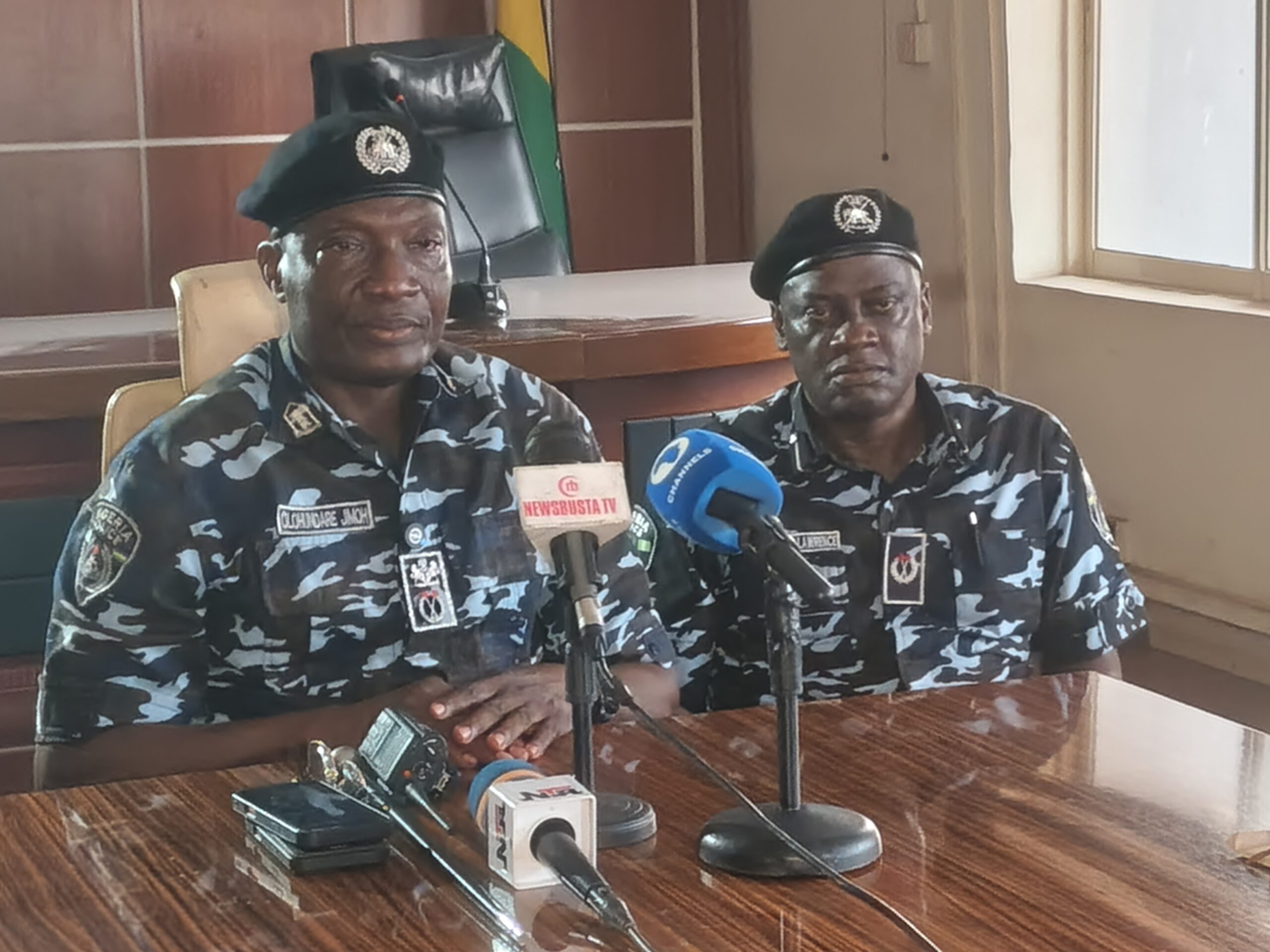
  • Olohundare Moshood Jimoh Defends Police Conduct, Signals Crackdown on Erring Taskforce Officers

    Olohundare Moshood Jimoh Defends Police Conduct, Signals Crackdown on Erring Taskforce Officers

    The Commissioner of Police, Lagos State Command, CP Olohundare Moshood Jimoh, has drawn a firm line between policing and judicial authority, insisting that once a matter enters the courtroom, it exits the operational control of the police.

    Speaking against the backdrop of a viral social media controversy, the police boss disclosed that upon learning of the incident, he immediately directed his Public Relations Officer to establish contact with the individual behind Object TV, even as he maintained that due engagement remains open.

    Jimoh revealed that family members of the suspect, his wife and brother, visited his office demanding police intervention, but he made it clear that the police cannot override court processes once a suspect has been arraigned.

    According to him, the suspect was promptly charged to court the same day of arrest, where bail was granted. However, failure to meet bail conditions resulted in continued custody, a situation he stressed is entirely within judicial discretion.

    The CP was emphatic that he would not interfere with the sanctity of the court, noting that “the police action terminates where judicial processes begin,” adding that grievances must be channeled through legal representation before the court.

    Dismissing allegations of human rights violations, Jimoh stated that no evidence exists showing the suspect was assaulted or maltreated, insisting that police conduct in the matter remained within the bounds of the law.

    He reiterated that law enforcement must be guided strictly by legal provisions, stressing that no act constitutes an offence unless expressly defined by law, and procedures must be followed accordingly.

    Amid rising public scrutiny, Jimoh disclosed that he has commenced fresh training and reorientation for task force personnel, aimed at addressing complaints and reinforcing professionalism.

    While defending the unit’s operations as largely compliant, he warned that any verified misconduct would attract severe sanctions, including possible dissolution and restructuring of the entire task force.

    He further assured that erring officers would not be shielded, noting that disciplinary measures, including prosecution, remain on the table where violations are established.

    Providing insight into modern policing tactics, the CP justified the use of unmarked vehicles and covert operations, describing them as critical tools in outsmarting criminal elements who often evade conventional patrol systems.

    He explained that while marked vehicles serve as visible deterrents, undercover operations enable officers to detect and intercept crimes in real time, particularly in traffic-related and urban crime scenarios.

    Jimoh added that such strategies have contributed significantly to reducing traffic-related infractions and improving response to opportunistic crimes across Lagos.

    In a direct appeal to the public, the police chief urged Lagos residents to resist the urge to vilify law enforcement, instead advocating constructive engagement and collaboration.

    He highlighted ongoing police-youth dialogues and partnerships with civil society organisations as part of efforts to bridge trust gaps and enhance community policing.

    While acknowledging that enforcement often attracts resistance, Jimoh maintained that order and safety in a megacity like Lagos require collective responsibility and adherence to the rule of law.

    Reaffirming his openness, he invited aggrieved individuals, including the Object TV publisher, to engage with the command, stressing that the police remain committed to transparency, accountability, and the protection of all citizens.

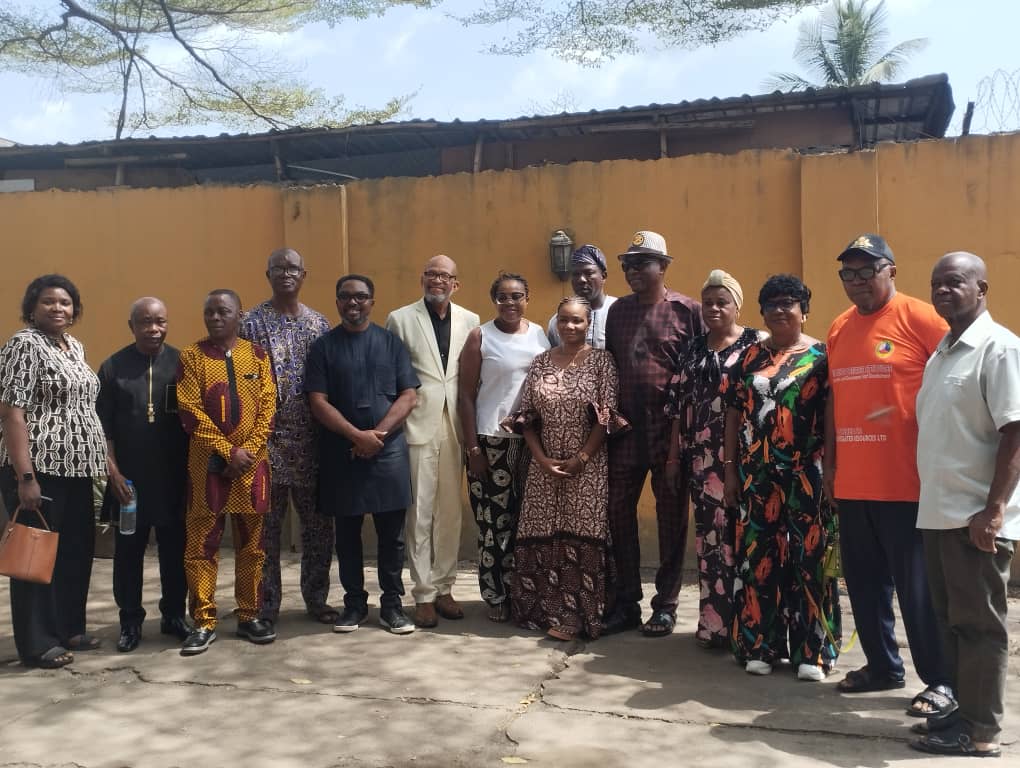
  • Leadership change in BETECOSA Lagos as new chair targets members’ welfare

    Leadership change in BETECOSA Lagos as new chair targets members’ welfare

    A new leadership has emerged for the Lagos Chapter of the Benin Technical College Old Students Association, BETECOSA, with the inauguration of Sir Ralph Jakpor Karireren as chairman, who has immediately unveiled a comprehensive welfare-focused agenda aimed at strengthening members’ wellbeing and attracting younger alumni.

    Karireren, who will lead the association for the next two years, said his administration would prioritise three key policy initiatives, group life insurance, health insurance and a cooperative scheme. as a “raft” to support members, particularly the older generation.

    “Today, I have been inaugurated as the current chairman for the next two years, Lagos chapter,” he said, noting that members in their 50s, 60s and above require structured welfare support to navigate life’s challenges.

    According to him, under the proposed group life insurance policy, families of deceased members would receive a minimum of N1.5 million as benefit.

    “The second one is the HMO, to ensure members have access to medical attention nationwide even at their lowest financial moments, while the third is the cooperative, which will provide access to pooled funds for members engaged in small businesses,” he explained.

    He added that the cooperative scheme would enable members who contribute regularly to access financial support, with provisions for guarantors, stressing that contributions would determine borrowing capacity.

    Karireren further disclosed that the administration would implement the welfare programmes before embarking on an aggressive membership drive targeted at younger alumni.

    “For the younger ones, they will benefit from access to pooled funds and also from the collective experience and contacts of older members. What took us 10 years to achieve, they can achieve in less time,” he said.

    He emphasised the need for alumni to remain connected to their alma mater, urging graduates across institutions to contribute to the growth of their schools and support fellow alumni.

    Earlier, the outgoing chairman, Dr. Festus Omorusi, described the event as a formal handover and a new beginning for the association, expressing confidence in the incoming leadership to build on existing achievements.

    Omorusi highlighted key milestones recorded during his tenure, including increased membership locally and internationally, contributions to the Benin Technical College library project, and the emergence of national officers from the Lagos chapter.

    The former chairman further advised the new leadership to sustain membership growth, strengthen financial systems, prioritise welfare programmes, and deepen engagement among members.

    Also speaking, Chairman of the Electoral Committee, Mr. Monday Kanu, said the inauguration marked a significant transition, noting that the new executive was introducing key welfare initiatives such as insurance and cooperative schemes for the first time.

    He stressed the importance of attracting younger members to sustain the association, adding that deliberate efforts must be made to engage students before graduation and integrate them into the alumni network.

    On his part, Barrister Larry Ofulue described the leadership transition as necessary and in line with the association’s constitution, expressing confidence in Karireren’s capacity to take the chapter to greater heights.

    He commended the outgoing executive for fostering unity and introducing welfare initiatives despite economic challenges, noting that regular meetings and member support had improved under the previous administration.

    Stakeholders at the event unanimously expressed optimism that the new leadership would consolidate on past achievements while expanding welfare programmes and boosting membership across Lagos and beyond.

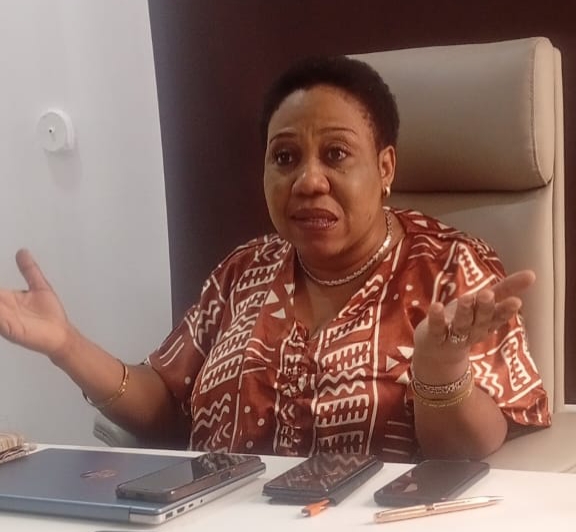
  • From Tokenism to Transformation? Umeasiegbu’s Rise Fuels Gender Equality Debate in NANTA at 50

    From Tokenism to Transformation? Umeasiegbu’s Rise Fuels Gender Equality Debate in NANTA at 50

    Gender equality and inclusivity have, over the years, evolved from being peripheral concerns to central pillars in political, corporate, and institutional discourse. As the National Association of Nigerian Travel Agencies (NANTA) approaches its 50th anniversary in April, these themes are expected to feature prominently, particularly in its forthcoming internal executive elections.

    Historically, female representation at the highest level of the association has been limited. Records indicate that only two women, Theresa OJO ( Ezeobi) and Susan Akporiaye, have served as National President. Despite the association’s long-standing legacy, its leadership marked significant milestones, breaking longstanding gender barriers within the national body.

    As NANTA reflects on five decades of growth since its establishment in 1973, the inclusion of women in key decision-making roles is no longer merely aspirational; it is imperative. True inclusivity will not only strengthen institutional governance but also mirror the association’s substantial achievements and evolving identity within Nigeria’s travel and tourism sector.

    Notably, in the past two decades of NANTA’s progress, one figure has stood out for her sustained contributions and strategic influence. Chinyere Umeasiegbu, Managing Director and Chief Executive Officer of Global Links, has played a pivotal role in shaping the association’s trajectory.

    As the first female National Deputy President of the National Association of Nigerian Travel Agencies (NANTA), Chinyere Umeasiegbu embodies a new leadership paradigm defined by innovation, resilience, and measurable impact. Widely acknowledged as a trailblazer in Nigeria’s tourism landscape, she brings more than two decades of industry experience to bear, merging corporate expertise with her vocation as a preacher to deliver a multidimensional approach to leadership, service, and community engagement. As NANTA marks its golden jubilee, the discourse on gender inclusion appears set to transition from rhetoric to tangible institutional reform.

    Speaking at a recent press conference, Umeasiegbu emphasized the non-political nature of NANTA, describing it as a professional body dedicated to advancing the interests of practitioners within the travel, hospitality, and tourism sectors. Reflecting on her early exposure to the industry, she traced her roots to childhood experiences shaped by her mother’s deep involvement in travel.

    She said, “My foray into the industry began at a young age,” she said. “My mother was actively engaged in travel and often took us along. At the time, I did not realize she was the first secretary at the inaugural meeting of NATA, owing to our close family ties with Jerry Nwosu.”

    A Chevrolet Scholar and graduate of the University of Maiduguri, Borno State, Umeasiegbu was selected on merit to represent Nigeria in an academic programme in the United Kingdom. Initially trained as a banker, she later transitioned into the capital market, where she built a successful career as a stockbroker.

    She recounted her professional evolution, noting that she founded Global Links after her tenure in the banking sector. The company has since grown into a notable travel and tourism enterprise. Her journey through the capital market, she explained, was marked by rapid growth and the establishment of a strong client portfolio, including affiliations within the Shell community.

    “At the peak of my career in the capital market, I received a clear directive to step away,” she recalled. “Despite the market boom and the scale of my client portfolio, I chose to divest and hand over my accounts. That decision, though difficult, ultimately proved pivotal.”

    Umeasiegbu later found her niche in tour packaging, beginning with participation in the Federal Government-sponsored pilgrimage programme through the Lagos office. Her subsequent move to the Eastern Zone marked a turning point, as she rose from a support role to becoming a key executive within NANTA.

    Her tenure in the Eastern Zone is widely credited with revitalizing what was once considered a dormant arm of the association. Under her leadership, the zone transformed into one of the most active and innovative within NANTA, setting new benchmarks for engagement and performance.

    Building on this momentum, Umeasiegbu advanced to national leadership. In 2022, under her influence as Eastern Zone Vice President, NANTA facilitated Nigeria’s return to the World Travel Market (WTM) in London after an eight-year absence, an achievement that restored the country’s visibility on the global tourism stage. The participation earned international recognition, including a feature by the BBC in its special WTM coverage.

    Although Nigeria’s presence at WTM in 2023 fell short of expectations, with only the Lagos State Government participating alongside NANTA, the groundwork laid in the previous year underscored the association’s capacity to drive international engagement.

    Beyond global representation, Umeasiegbu has championed initiatives aimed at enhancing the economic value of NANTA membership. She introduced capacity-building programmes focused on visa processing and international market participation, equipping members with practical tools to expand their businesses. Her advocacy for global exposure and local tourism promotion has also been linked to the growing momentum of initiatives such as “Dirty December,” which highlights Nigeria’s vibrant end-of-year tourism potential. IN 2024, NANTA handed over WTM to Nigeria, and unfortunately, Nigeria didn’t show up.

    Chinyere Umeasiegbu further disclosed that her sustained advocacy has facilitated new cross-border business opportunities, particularly strengthening tourism and travel ties between Nigeria and The Gambia. She highlighted an emerging partnership involving a Nigerian transportation company that is set to operate road travel routes connecting Nigeria to Dakar, positioning the corridor as a strategic link for regional mobility and tourism growth.

    She also made a case for expanded leadership responsibility within the National Association of Nigerian Travel Agencies (NANTA), expressing her readiness to consolidate on existing innovations and drive forward new initiatives aimed at deepening the development of Nigeria’s tourism sector.

    Among such initiatives is a forward-looking concept she described as “Space Tourism”, a programme designed to introduce young Nigerians, particularly at the secondary and tertiary levels, to the intersection of space science and tourism. The initiative seeks to stimulate interest in space exploration while broadening the scope of Nigeria’s tourism narrative through education and experiential learning.

    Umeasiegbu, however, noted a critical gap in infrastructure, pointing out that Nigeria currently lacks a fully functional space centre capable of supporting such ambitions, an observation she framed as both a challenge and an opportunity for future investment and policy direction.

  • Guide de retrait bancaire bdmbet : IBAN, BIC et titulaire du compte

    Un retrait bancaire bdmbet repose surtout sur la concordance entre le compte de jeu et les informations bancaires transmises. Avant toute demande, il faut vérifier l’IBAN, le BIC, le nom du titulaire et les règles de vérification. Cette démarche concerne uniquement les territoires autorisés : la France et les territoires français d’outre-mer sont exclus des dépôts et jeux en argent réel. Pour mieux comprendre l’environnement du bdmbet casino, avançons étape par étape.

    bdmbet

    Préparer un retrait bancaire bdmbet

    La première étape consiste à réunir des informations exactes et cohérentes. Les conditions publiées indiquent que les retraits doivent être dirigés vers un moyen de paiement personnel, généralement associé au même mode que celui utilisé pour le dépôt. Un retrait peut donc rester en attente si le compte bancaire appartient à une autre personne ou si les données ne correspondent pas au profil enregistré.

    IBAN, BIC et titulaire : les données à contrôler

    L’IBAN identifie le compte bénéficiaire, tandis que le BIC identifie l’établissement bancaire. Le nom complet du titulaire doit correspondre aux données du compte bdmbet. Il faut aussi vérifier les espaces, les chiffres et le pays indiqué : une seule erreur peut provoquer une demande de correction ou un retour des fonds.

    Le titulaire du compte bancaire doit être la même personne que le titulaire du compte de jeu. Les règles prévoient également un compte par personne, foyer, adresse IP, appareil et identité de paiement. Cette exigence vise à limiter les doublons et les opérations qui pourraient déclencher un contrôle supplémentaire.

    Délais, minimum et contrôles avant paiement

    Le retrait minimum publié est de 50 € équivalents. Avant de retirer, les dépôts doivent aussi respecter une condition de rotation de 3 fois. La plateforme annonce une revue casino pouvant aller jusqu’à 72 heures, mais le délai d’arrivée dépend ensuite de la banque et du circuit de paiement. Ce délai de revue ne constitue donc pas une garantie de réception complète.

    Élément Règle publiée
    Retrait minimum 50 € équivalents
    Rotation des dépôts 3 fois avant un retrait
    Revue du retrait casino Jusqu’à 72 heures
    Frais intermédiaires possibles Jusqu’à 16 €
    Compte dormant 10 € par mois après 12 mois, dans la limite du solde

    bdmbet : vérification, méthodes et résolution des blocages

    Une demande de retrait peut déclencher une vérification d’identité, même si le compte a déjà été utilisé auparavant. La plateforme indique que les retraits peuvent rester restreints pendant cette procédure. Il est préférable de préparer les documents avant d’envoyer une demande importante, surtout lorsque l’IBAN ou le titulaire vient d’être ajouté.

    Documents KYC et contrôle du compte bancaire

    Les justificatifs demandés peuvent comprendre une pièce d’identité valide, le nom complet, la date de naissance, l’adresse et un justificatif de domicile daté de moins de 6 mois, comme une facture ou un relevé bancaire. Dans certains cas, une selfie avec passeport ou une image masquée de carte bancaire peut être demandée.

    La politique KYC indique que l’équipe de vérification vise une réponse dans les 24 heures suivant le téléversement : validation, refus ou demande d’informations complémentaires. Une vérification de l’activité et du solde peut encore intervenir après une première approbation. Les paiements supérieurs à 3 000 € par transaction peuvent aussi faire l’objet de contrôles renforcés.

    Pour éviter les erreurs courantes, gardons cette courte séquence en tête :

    1. Vérifier que le nom du titulaire bancaire correspond exactement au profil bdmbet.
    2. Relire l’IBAN et le BIC depuis un document bancaire officiel.
    3. Confirmer que le compte bancaire ou le moyen de paiement est personnel.
    4. Contrôler le minimum de retrait et les conditions de rotation applicables.
    5. Conserver la confirmation de la demande et répondre rapidement aux demandes KYC.
    Contrôle Information publiée
    Justificatif d’adresse Document de moins de 6 mois
    Délai visé pour l’examen KYC 24 heures après l’envoi
    Seuil de contrôle renforcé Plus de 3 000 € sur 24 heures
    Plafond quotidien décrit par la politique AML Jusqu’à 3 retraits et 9 000 € au total
    Remboursement après approbation Dans les 48 heures, après une revue pouvant atteindre 7 jours ouvrés

    Les logos Visa, Mastercard, Skrill, Paysafecard, services bancaires et cryptomonnaies sont affichés publiquement, mais ils ne confirment pas qu’un moyen précis est disponible pour un résident français. Les méthodes réellement proposées, les limites et les éventuels frais doivent être vérifiés dans la caisse du compte concerné. Le bdmbet dépôt minimum varie lui aussi selon le pays et la méthode : les montants publiés vont de 2 € à 15 €.

    Le bon réflexe avant de demander un retrait

    Un retrait bancaire réussi dépend moins de la vitesse que de la cohérence des informations. Vérifiez d’abord l’éligibilité du pays, puis le titulaire, l’IBAN, le BIC, la méthode utilisée et les conditions de rotation. Enfin, prévoyez le temps de contrôle KYC et la possible intervention de la banque. Cette préparation rend la démarche plus claire et évite de confondre un délai de revue bdmbet avec le délai final de crédit sur le compte.

  • Nestlé Pure Life Named 2025 Product of the Year by LEADERSHIP Newspaper

    Nestlé Pure Life Named 2025 Product of the Year by LEADERSHIP Newspaper

    Nestlé Pure Life has been named the 2025 Product of the Year by LEADERSHIP Newspaper, a leading media institution in West Africa. The award highlights products that set the standard for performance, innovation, and impact within their category.

    The press statement by Toju Egbebi, Corporate Affairs Manager reads that the board of editors at LEADERSHIP Newspaper, Nestlé Pure Life was recognized for its consistent delivery of safe, high-quality drinking water, its efforts in advancing sustainability, its innovative response to evolving consumer needs, and its work in raising awareness about clean water in Nigeria.

    Nestlé Pure Life ensures consistently high-quality drinking water through protective water sourcing, multi-stage purification, and essential mineral enhancement. Its focus on sustainability and innovation is demonstrated through initiatives such as the use of 50% recycled PET bottles, recyclable clear caps, and the introduction of the convenient 33cl bottle, designed to reduce water waste and meet growing on-the-go hydration needs.

    Speaking on the brand’s approach, Olutayo Olatunji, Business Executive Officer for Nestlé Waters, stated: “At the heart of everything we do lies our deep connection with consumers. This award underscores our commitment to not just delivering hydration, but providing a reliable, premium experience that our consumers can trust every day.”

    On sustainability, Victoria Uwadoka, Corporate Affairs and Sustainability Lead for Nestlé Nigeria, emphasized: “As a fast-moving consumer goods company, we remain steadfast in our commitment to caring for the planet. Through eco-friendly packaging and sustainable design, Nestlé Pure Life is taking concrete steps to reduce its environmental footprint and fulfill its sustainability commitments.”

    From the 33cl bottle to larger family-sized options, Nestlé Pure Life continues to lead the hydration category, delivering products that meet consumers’ everyday needs while upholding the highest standards of quality, safety, and sustainability.

    Nestlé Nigeria is a leading food and beverage company committed to unlocking the power of food to enhance quality of life for everyone today and for future generations. With a wide range of products, including popular brands such as NESTLÉ PURELIFE, GOLDEN MORN, MILO, MAGGI and NESCAFÉ, Nestlé Nigeria is dedicated to providing nutritious and delicious food and beverages to consumers across Nigeria.

  • From Screen Star to Box Office Titan: Toyin Abraham-Ajeyemi Bags Top Honour as Nollywood Breaks New Ground

    From Screen Star to Box Office Titan: Toyin Abraham-Ajeyemi Bags Top Honour as Nollywood Breaks New Ground

    L-R: The wife of the Oni of Ife, Olori Temitope Ogunwusi handing pose at the Box Office Champion Award organised by the National Film and Video Censors recently.

    The National Film and Video Censors Board (NFVCB) has honoured leading Nollywood actress, producer, and director, Toyin Abraham-Ajeyemi with the prestigious Box Office Champion Award, in recognition of her outstanding cinematic achievement and record-breaking performance of her film, Oversabi Aunty, at the Nigerian box office.

    Presenting the award in Lagos, the Executive Director of the NFVCB, Dr. Shaibu Husseini, described the occasion as a celebration of excellence, creativity, and the remarkable strides of Nigeria’s film industry.

    “It is my honour to welcome you all to this special occasion as we celebrate excellence, creativity, and the remarkable achievements within Nigeria’s film industry,” he stated.

    Dr. Husseini conveyed the warm regards and apologies of the Honourable Minister of Arts, Culture, Tourism and Creative Economy, Barr. Hannatu Musa Musawa, who was unavoidably absent due to an official engagement in the United Kingdom. He noted that the Minister extends her full support and congratulations to the award recipient.

    According to the signed press statement by Ogbonna Onwumere
    Director, Corporate Affairs,
    National Film and Video Censors Board. The NFVCB boss highlighted that Oversabi Auntie has achieved an extraordinary milestone, grossing over one billion naira at the Nigerian box office, a feat he described as both a personal triumph for the actress and a strong indicator of Nollywood’s growing global potential.

    “This accomplishment is not only a personal triumph but a testament to the growing strength, resilience, and global potential of Nollywood,” he said, adding that the Board remains committed to supporting a thriving film culture that contributes meaningfully to the national economy.

    Dr. Husseini also expressed profound appreciation to the wife of the Oni of Ife, Olori Temitope Ogunwusi for graciously serving as the Mother of the Day, noting that her presence added dignity and honour to the event. He further commended industry guilds and professional associations for their continued collaboration in advancing the sector.

    In a goodwill message, the National President of the Actors Guild of Nigeria (AGN), Sanusi Abubakar Yakubu, described the award as a defining moment where art, enterprise, and destiny converge.

    He praised Toyin Abraham-Ajeyemi as a trailblazer who has redefined the possibilities within Nollywood, noting that her film’s impressive ₦1.6 billion box office performance signals a shift toward a more commercially astute, globally competitive, and self-assertive Nigerian film industry.

    “Her achievement is a signal that Nigerian stories are no longer waiting for validation; they are asserting themselves and commanding global attention,” he said.

    Yakubu also commended the NFVCB for institutionalising a culture of measurable excellence, adding that the recognition would inspire filmmakers and actors to pursue higher standards of creativity and commercial success.

    Speaking at the event, Olori Temitope Ogunwusi noted that her presence underscored her deep appreciation for the film industry and the celebrant. Reflecting on the film, she remarked that Oversabi Auntie conveys an important message on parenting, emphasizing the need for closer relationships between parents and their children.

    In her response, Toyin Abraham-Ajeyemi expressed heartfelt gratitude to the NFVCB for recognising her work at such a significant milestone. She also appreciated the presence of stakeholders and specially acknowledged the Olori for honouring the occasion with her attendance.

    The event drew key stakeholders from across the creative industry, reinforcing the growing recognition of cinema as a major driver of cultural expression and economic growth in Nigeria.

  • Tradefair Tension: Traders Demand Urgent Federal Lifeline Amid Infrastructure Collapse

    Tradefair Tension: Traders Demand Urgent Federal Lifeline Amid Infrastructure Collapse

    Traders at the Lagos International Trade Fair Complex have renewed calls for a strategic partnership with the federal government, as mounting infrastructural decay and regulatory bottlenecks threaten the survival of one of West Africa’s busiest commercial hubs.

    The appeal followed a high-profile visit by the Minister of Industry, Trade and Investment, Mrs. Jumoke Oduwole, whose engagement with stakeholders exposed both the immense economic value of the complex and the deep-rooted challenges confronting operators.

    Located along the Lagos–Badagry Expressway, the Lagos International Trade Fair Complex has, over the years, evolved into a critical nerve centre for wholesale trade, linking Nigeria to key markets across the West African sub-region.

    Originally conceived as a purpose-built exhibition ground, the facility now spans about 32 hectares, housing warehouses, plazas, administrative buildings, and expansive trading spaces that accommodate thousands of businesses.

    What began as a modest, swampy expanse has, through private investment, been transformed into a thriving marketplace attracting traders from countries such as Ghana, Benin, Togo, and Niger.

    Chairman of the Board of Trustees, Mr. Okey Ezibe, recounted the remarkable journey of the complex, describing it as a testament to resilience and entrepreneurial vision driven largely by local investors since 1998.

    According to him, traders poured billions of naira into rebuilding the once-neglected facility, turning it into what he called “an enviable masterpiece” that now supports millions of livelihoods across the region.

    Despite this transformation, Ezibe lamented that government support has remained grossly inadequate, leaving traders to grapple with multiple taxation, excessive checkpoints, and persistent harassment.

    He disclosed that goods transported from ports and border points are subjected to numerous checkpoints, sometimes exceeding 20, significantly inflating the cost of doing business and, ultimately, consumer prices.

    The traders also decried the poor state of infrastructure within the complex, citing dilapidated access roads, erratic power supply, and the absence of basic amenities such as street lighting.

    They argued that despite paying billions in ground rents and levies to government agencies, there has been little to no corresponding investment in upgrading critical infrastructure.

    Further compounding their frustrations are past demolition exercises within parts of the complex, which traders said resulted in massive financial losses and weakened investor confidence, including that of foreign partners.

    Responding, the minister acknowledged the concerns and commended traders for their significant contribution to Nigeria’s economy, noting that their scale of operations belies their classification within the informal sector.

    She assured stakeholders of the federal government’s commitment to addressing regulatory inefficiencies, harmonising taxes, and improving infrastructure, while proposing quarterly consultations to ensure accountability and measurable progress.

    Oduwole also highlighted plans to position the complex as a strategic hub under the African Continental Free Trade Area framework, revealing that Nigeria is preparing to host a major intra-African trade fair in 2027.

    For many stakeholders, the visit signalled a turning point, raising cautious optimism that sustained dialogue and genuine collaboration could unlock the full economic potential of the trade fair complex and restore confidence in its future.

error: Content is protected !!