Author: Dodo Elias Denen

  • Nigeria Customs Records Landmark Wildlife Operation, Repatriates Gorilla to Congo

    Nigeria Customs Records Landmark Wildlife Operation, Repatriates Gorilla to Congo

    The Nigeria Customs Service (NCS) has repatriated Bili, a rescued female baby gorilla, to the Republic of Congo following a landmark international wildlife operation that spanned interception, rescue, rehabilitation and safe return.

    The operation, conducted from September 22 to 28, 2026, was coordinated by the NCS Special Wildlife Office (SWO) under the Customs Intelligence Unit (CIU), with Bili departing through the Murtala Muhammed International Airport, Lagos.

    The Service described the exercise as its first full cycle international wildlife operation, marking a significant step in Nigeria’s enforcement of international obligations against wildlife trafficking and the protection of endangered species.

    Bili was rescued by Customs officers in August 2023 during an enforcement operation targeting illegal wildlife trafficking. She was subsequently transferred to the care of the Pandrillus Foundation in Calabar, Cross River State, where she underwent rehabilitation.

    Following a DNA test that established Bili’s origin as the Republic of Congo, arrangements were made for her return to the country. She was transported from Calabar to Lagos before being airlifted to Congo by DHL at no cost to the operation.

    Bili travelled with a caregiver and veterinary doctor to ensure her welfare throughout the journey. Her repatriation was supported by the CITES Management Authority under the Federal Ministry of Environment, in accordance with the Convention on International Trade in Endangered Species of Wild Fauna and Flora (CITES).

    The gorilla is listed under Appendix I of CITES, which provides the highest level of international protection for species threatened with extinction. Nigeria’s participation in the convention places obligations on relevant authorities to combat illegal trade in protected wildlife.

    The Customs Service said Bili’s return demonstrated the importance of cooperation among enforcement agencies, conservation organisations and international partners in tackling wildlife trafficking and ensuring rescued animals receive appropriate care.

    The operation also comes against the backdrop of intensified wildlife enforcement by the Service. Between January and September 2026, the Special Wildlife Office and Customs Area Commands recorded 22 wildlife seizures, rescued 699 live animals and arrested 11 suspects.

    The seizures during the period included 220 kilogrammes of pangolin scales, 48 elephant tusks and 219.05 kilogrammes of worked ivory. Enforcement operations were recorded in Ogun, Kano, Borno, Yobe, Calabar, Taraba, Kaduna and Lagos, among other locations.

    Other rescued or intercepted species included pangolins, primates, lion cubs, hyenas, crowned cranes, tortoises, gorillas and chimpanzees. In September alone, Customs officers also intercepted 440 African mud turtles and 90 ostrich chicks as part of ongoing efforts to curb the illegal wildlife trade.

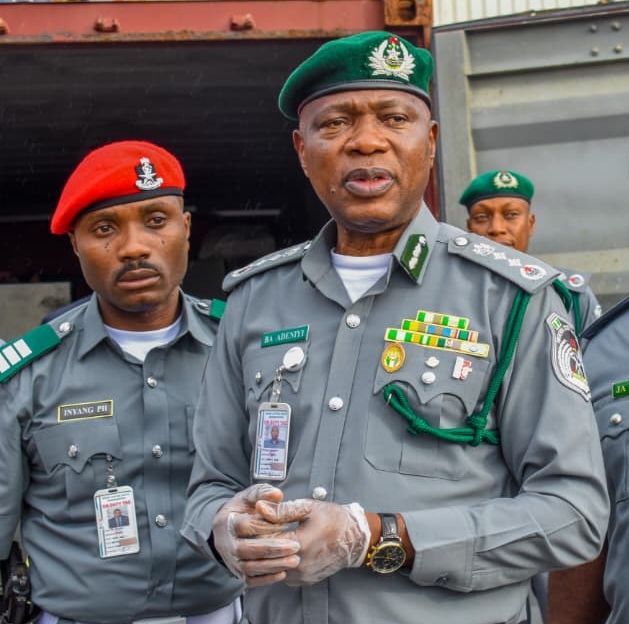
    The Comptroller General of Customs, Bashir Adewale Adeniyi, and his management team commended the Pandrillus Foundation, DHL, Focused Conservation, the Aspinall Wildlife Trust, the CITES Desk of the Federal Ministry of Environment and the Government of the Republic of Congo for their support. The Service urged members of the public to report suspected cases of illegal wildlife trafficking to the nearest Customs formation, stressing that its mandate extends beyond revenue collection to include national security and environmental protection.

  • Seme Customs Automates Passenger Baggage Clearance, Targets Faster Border Processing

    Seme Customs Automates Passenger Baggage Clearance, Targets Faster Border Processing

    The Nigeria Customs Service (NCS), Seme Area Command, has commenced the full deployment of the Simplified Declaration for Passenger Baggage Import system to ease clearance, improve transparency and strengthen revenue collection at the border.

    The digital initiative is part of the Service’s broader customs modernisation programme aimed at facilitating legitimate travel and cross-border trade through technology-driven processes.

    Under the new system, passengers can initiate baggage declarations using mobile devices or complete the process at designated digital kiosks provided by the Command.

    The system applies standardised and pre-programmed assessment tables to declared personal goods, allowing applicable duties to be calculated automatically. Upon payment, receipts are also generated electronically.

    The digital process is expected to reduce manual intervention and discretionary assessment while giving passengers greater clarity and predictability in the clearance of dutiable baggage.

    The Seme Area Command said the impact of the system was already being reflected in passenger clearance times, with average baggage clearance turnaround now standing at less than five minutes since the commencement of the deployment.

    Within the first few days of implementation, the Command also generated ₦10,340,260.02 from passenger baggage declarations.

    The revenue represents duties collected through the automated process and provides a direct channel for the remittance of applicable customs revenue to the Federation Account.

    The Command, however, stressed that improved facilitation would not come at the expense of border security or compliance with customs laws and regulations.

    It said the digital baggage declaration system was being implemented alongside enhanced risk management and intelligence-led enforcement to detect attempts to conceal commercial quantities of restricted or prohibited goods as passenger baggage.

    According to the Command, the combination of digital processing and targeted enforcement would enable Customs to distinguish legitimate passenger movements from activities requiring regulatory or enforcement intervention.

    The initiative is also expected to improve the experience of passengers and cross-border traders by reducing avoidable delays while strengthening transparency in the assessment and payment of customs duties.

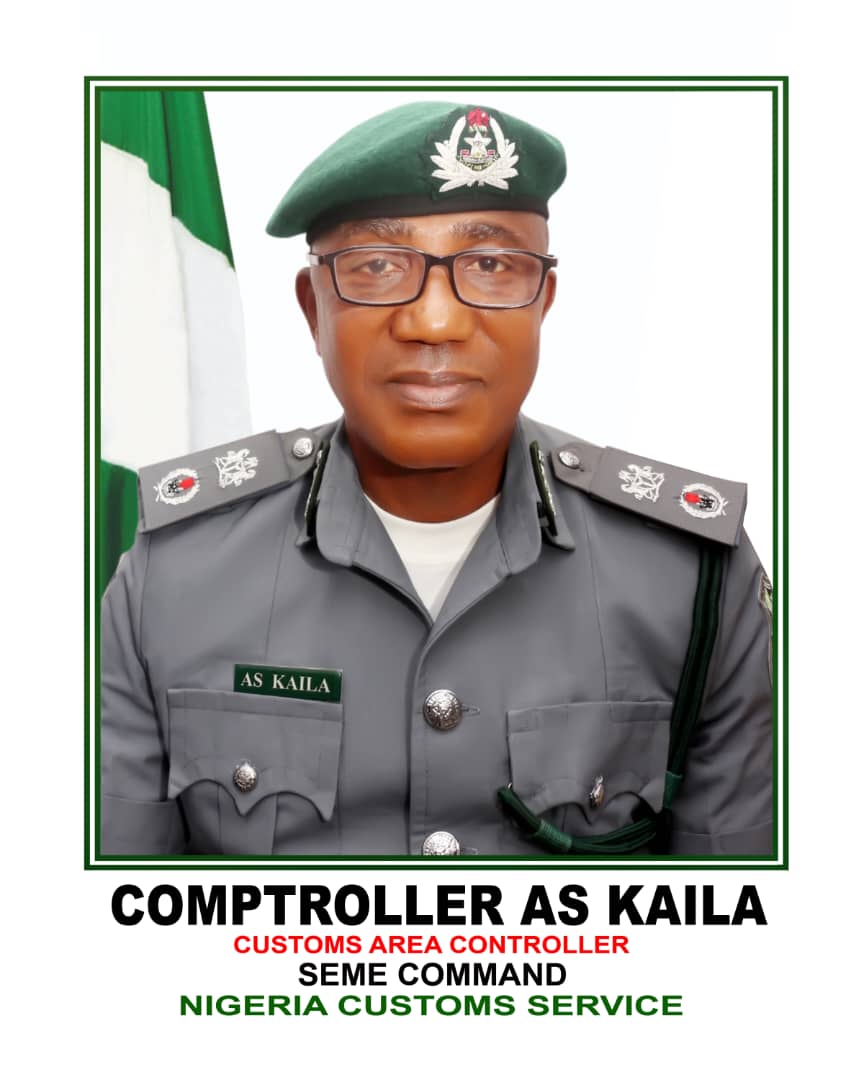
    The Customs Area Controller, Seme Area Command, Comptroller Abdullahi Kaila, said the deployment was consistent with the commitment of the Comptroller General of Customs, Bashir Adewale Adeniyi, to technology, innovation, trade facilitation, transparency and accountability in customs administration.

    Kaila urged passengers, cross-border traders and other members of the trading community to take advantage of the simplified declaration platform and comply with applicable customs requirements.

    He assured legitimate travellers and businesses operating through the Seme border corridor of continued facilitation, while noting that the Command would sustain collaboration with sister agencies and relevant stakeholders to protect national security, support lawful commerce and curb cross-border illicit trade.

  • Pivot Nigeria 2026: Uwadoka, RMD, Eze Seek Citizen Action To Rebuild Nigeria’s Reputation

    Pivot Nigeria 2026: Uwadoka, RMD, Eze Seek Citizen Action To Rebuild Nigeria’s Reputation

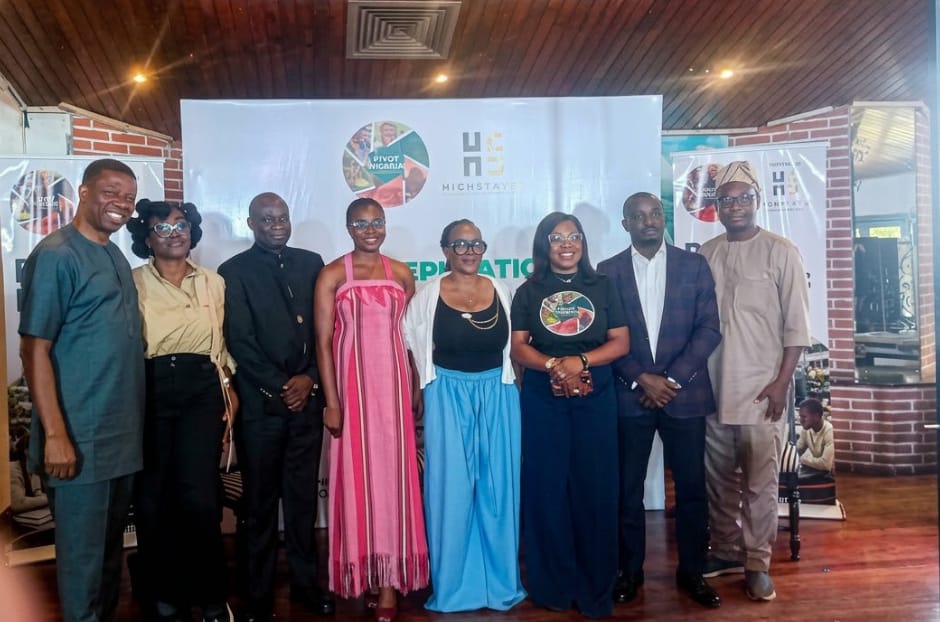
    The second edition of the Pivot Nigeria Conference has called for collective action by citizens, government, businesses, institutions and the media to strengthen Nigeria’s reputation and promote a more balanced national narrative.

    The conference, held on Tuesday at La Scala, MUSON Centre, Lagos, focused on the theme, “The Reputation Dividend: Who Pays for Nigeria’s Perception?”

    The gathering brought together stakeholders from the creative industry, media, communications and corporate sectors to examine the relationship between Nigeria’s reputation, public trust, economic opportunities and national development.

    Convener of Pivot Nigeria and Lead Consultant at HighStakes PR Professionals, Victoria Uwadoka, said reputation should not be viewed as a superficial concept, stressing that it was closely linked to trust, credibility and long-term sustainability.

    Uwadoka said individuals, organisations and nations depend on reputation as a foundation for building relationships, attracting opportunities and sustaining confidence.

    She said the conversation was particularly significant as Nigeria prepares to commemorate its 66th Independence Anniversary on October 1, noting that the country gained independence from Britain on October 1, 1960.

    According to her, responsibility for Nigeria’s reputation should not rest solely with government, as citizens, businesses, institutions and media organisations also influence how the country is perceived.

    “There is a lot about us that is great. We have made progress in so many ways,” she said, urging Nigerians to recognise their collective responsibility in shaping the country they desire.

    Uwadoka argued that Nigeria’s age should be considered alongside what the country had achieved, learnt and built over the years.

    She noted that while Nigeria had developed policies and institutional frameworks across several sectors, sustained implementation remained necessary to translate those initiatives into tangible benefits for citizens.

    The convener said efforts to improve Nigeria’s reputation must begin from within, with citizens developing greater confidence in their abilities while creating products, services and solutions capable of competing internationally.

    She also urged government to create an enabling environment through sound policies, infrastructure and other conditions that would allow citizens and businesses to thrive.

    “Trust is also an infrastructure. Perception is an infrastructure,” Uwadoka said, stressing the need to deliberately strengthen both as part of Nigeria’s development process.

    She called on the media to tell more balanced Nigerian stories by reporting the country’s challenges alongside its achievements, rather than presenting a one-sided narrative.

    Uwadoka said Pivot Nigeria was established to examine how Nigerians perceive themselves and how such perceptions influence the way the country is experienced by others.

    “If you say you’re a lion, behave like a lion,” she said, urging Nigerians to demonstrate through their conduct the values associated with the country’s description as the “Giant of Africa.”

    She challenged citizens to examine their individual conduct, including professionalism, punctuality, discipline, ethics and respect, noting that every Nigerian contributes to the country’s reputation through everyday interactions.

    “When people meet me, I am the Nigeria that they meet,” she said, urging citizens to recognise the impact of their personal conduct on the country’s wider image.

    Veteran actor and filmmaker, Richard Mofe-Damijo, popularly known as RMD, said Nigerians should distinguish between honestly acknowledging the country’s challenges and condemning Nigeria without contributing to solutions.

    Mofe-Damijo said efforts to reframe Nigeria’s image should not involve ignoring its problems, but should encourage citizens to confront challenges and pursue practical solutions.

    He urged Nigerians to see themselves as ambassadors of the country, arguing that nation-building required citizens to take responsibility for the kind of society they wanted to create.

    The actor cited the international growth of Afrobeats and the achievements of Nigerian entrepreneurs as examples of how local talent, enterprise and persistence could influence global perceptions of Nigeria.

    He also called for greater accountability in public leadership, saying citizens have a responsibility to demand accountability from those entrusted with public office.

    On Nigeria’s 66 years of independence, Mofe-Damijo described the country as a work in progress, stressing that its age should reinforce the need for patience, consistency and deliberate nation-building.

    Also speaking, Head, Corporate Affairs and Sustainability, Rite Foods Limited, Ekuma Eze, said changing Nigeria’s narrative required a paradigm shift that should begin from the family and extend to institutions and wider society.

    Eze urged Nigerian companies to build to international standards rather than being constrained by perceptions surrounding locally made products, saying globally competitive businesses could attract investment, create employment and contribute to economic growth.

    He added that citizens must identify areas where they could make meaningful contributions to national development, stressing that sustainable progress could not depend solely on solutions coming from outside the country.

    The Pivot Nigeria 2026 conference consequently placed Nigeria’s reputation within the wider context of citizenship, leadership, business, media, culture and national development, with participants emphasising the need to combine honest storytelling with measurable action.

  • NATOP Marks World Tourism Day With AI Training, Destination Tours

    NATOP Marks World Tourism Day With AI Training, Destination Tours

    The Nigeria Association of Tour Operators (NATOP) marked the 2026 World Tourism Day with activities which capture capacity building, technology, destination promotion and domestic tourism, and celebration.

    In the South West Zone, close to 200 tour operators gathered at Ziba Beach Resort, Lagos, for a special training focused on Artificial Intelligence and its application in tourism, equipping operators with digital tools to improve their businesses and destination marketing.

    In Abuja, the FCT and Northern Zone, in collaboration with Naija Adventurers, staged a colourful Tourism Awareness Walk and Hike to the Centre of Nigeria.

    The celebration also spread to the South-South Zone, where members marked the day with a destination tour, alongside activities to commemorate with the world tourism day celebrations.

    In line with the theme for this year’s WTD celebration: ‘Digital agenda and artificial intelligence to redesign tourism’ the NATOP training on AI and application in tour operation at Ziba Beach Resort Lagos saw a large turnout of the members of the association.
    NATOP President addressing the members

    The President of the association, Hajia Bolaji Mustapha explained that the idea for the location and training was to train members on how to do tour business, to know how to promote tourism digitally, using different AI tool and everything so that they will grow their businesses.

    She said: “we follow the theme and, you know, blend with the old situation. Let’s do the training so that we attach it to the World Tourism Day with the theme that we have achieved something and also celebrate.”

    She said the training will go a long way in helping the tour operators do greater content to digitally tell destination stories using AI, and also using the tool for expression.

    Mustapha also explained why the association chose Ziba Beach Resort: “We always attach World Tourism Day to a tourism site. And definitely, if you look at this whole area and this community, that’s why we see that Ziba is a tourism site. We want to explore and of course. The resort newly launched its third phase. So, we will use this opportunity to look at their rooms, look at how we can sell this destination, to showcase it that the resort is actually in Nigeria, not Zanzibar. By using the place, we would kill two birds with one stones.

    “As tour operators who are willing to tell the good story of our Nigeria, we need to bring ourselves up to the speed, align with the digital revolution. Let everybody go digital. Because we also see the content creators are taking our business, we want to align it with what they do. We are the ones that understand the business and we’ll be able to tell the story better, so that anybody coming to Nigeria will be able to discover Nigeria with the experts.”

    Also commenting on the celebration, the NATOP Vice President South West and chairman of the WTD Organizing Committee for the zone, Mrs. Wonuola Olatunde-Lamidi explained why NATOP South West’s usage of the 2026 WTD for training. She said many of the members still have a lot to learn about the tour business, and that some do not understand the foundation of the business, including how to create packages hence the need for the training.

    Mrs. Olatunde-Lamidi spoke further: “Many don’t understand the foundation of what it is to create a tour package. And when you have people that are not well-trained in an industry, the industry will not grow. The kind of people that you also have will not have enough earning power to do many things. And because this is an industry that I have been in for 16 years, I run Diamonds and Pearls Travels with my husband. And I’ve seen Diamonds and Pearls Travels metamorphose into a company where people don’t just look at us as travel agents. We have become a Destination Management Company (DMC). We have become a trusted brand. We have become a company that when we talk about a destination, people want to go to that destination because of how we have portrayed the destination. And you may not realize that, as tour operators, you can actually decide where people go. You can make people go to a particular destination by marketing it, by letting them know the benefits of that destination.”

    The tour operators had opportunity to tour the resort and unwind during the programme.

  • Coker, Asika Lead Call For AI Driven Tourism Transformation

    Coker, Asika Lead Call For AI Driven Tourism Transformation

    The former Director General of the Nigeria Tourism Development Authority (NTDA), and other tourism stakeholders have called for improved Artificial Intelligence regulations and its transformation for sustainable growth in Nigeria’s tourism and travel sector.

    The call was in sequel to the recent technical network glitch involving the Nigeria Centre for Disease Control (NCDC) and the Nigeria International Travel Portal (NITP), which disrupted travel operations and left thousands of inbound and outbound passengers stranded at airports worldwide.

    The incident, which reportedly prevented passengers from boarding flights bound for Nigeria, has renewed concerns over the country’s reliance on digital systems and highlighted the need for stronger technological infrastructure, effective regulation and improved AI integration to ensure seamless travel operations and enhance the tourism experience.

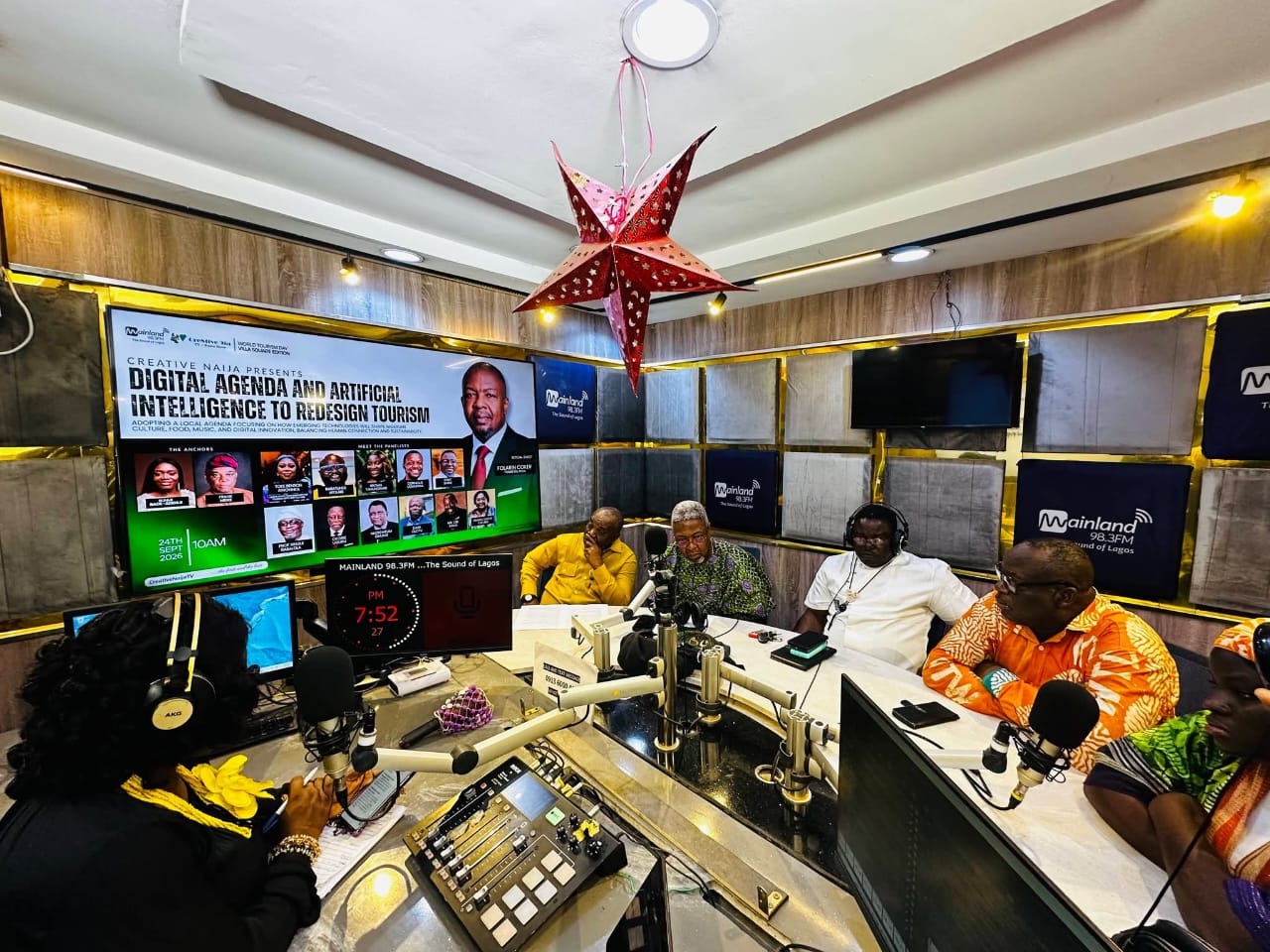
    Speaking on *Villa Square*, a special segment of *Cre8tive 9Ja*, a weekly tourism and culture magazine programme hosted by veteran tourism journalist Frank Meke and Bunmi Bade-Adeniji on Mainland 98.3 FM, Lagos, former Director-General of the Nigeria Tourism Development Authority (NTDA), Folarin Coker, said Nigeria should not confuse digitisation with transformation.

    “We should not confuse digitisation with transformation. Putting a broken process online is not reform,” Coker said.

    He noted that the country’s ambition should be to make travel easier, improve the productivity of tourism businesses and ensure better management of destinations.

    Coker said there was a need to deconstruct the existing system and create an ecosystem in which the necessary structures work effectively before AI is deployed to deepen the passenger experience.

    According to him, AI can improve various aspects of travel, including the embassy and visa processes, flight bookings, pricing, arrival experiences, transportation and cultural engagement.

    “Artificial Intelligence and technology are being mistaken for true development. It is not about another app or website, but about fixing the things that need to be fixed and setting the standards,” he said.

    Also speaking, the Managing Director of Global Links Service, Pastor Chinyere Umeasiegbu, said airline operators were often responsible for flight disruptions.

    She urged airline operators to address the recurring issue of flight cancellations, stressing the need for sustainable reforms that do not rely solely on Artificial Intelligence.

    Umeasiegbu also called for improved communication between airlines and passengers, advising travellers to take screenshots of messages relating to flight delays and submit them to the appropriate authorities when necessary.

    Coker further stated that the government must address fundamental infrastructure challenges, including roads and security, while establishing standards for globally competitive hotel services rather than relying on AI as a substitute for broader development.

    “A digitally driven tourism agenda is what most people are using. However, we have a gifted cultural expression that can help amplify our tourism agenda, from music, fashion and food to medical tourism,” he said.

    He stressed the need for government to make Nigeria’s tourism experience more accessible by providing the necessary infrastructure and ensuring that tourism products and destinations are easily bookable without technological disruptions.

    The Director-General of the National Council for Arts and Culture (NCAC), Obi Asika, disclosed that the council had established a Council for Creative Technology and would soon publish a digital roadmap outlining how Artificial Intelligence could be incorporated into the arts and culture sector.

    “We need to enrich Artificial Intelligence with the elements of our culture, our history and our content. We need to do this and put the necessary systems in place because, if we don’t, Artificial Intelligence might not be able to see us,” Asika said.

    He explained that the concern was partly linked to the data and content used to train AI systems, noting that African and Black tourism and cultural knowledge needed greater representation.

    On the role of AI in food tourism and promoting Nigerian cuisine globally, Chef Shine said the technology could be used to properly document and promote the country’s culinary heritage.

    “It is important for us to use AI to document our food properly. AI will not take over our food, nor will AI cook the food,” he said.

    “This is the best time to discuss the digital agenda and Artificial Intelligence. We need to use AI to document our food and monetise our cuisine,” he added.

    Speaking on the use of AI in promoting Nigeria as a tourism destination, travel and tourism journalist Okorie Uhuru said the technology was already transforming the way destinations and tourism products were marketed.

    “The old order of doing things, like packaging a destination tour and marketing tourism, has faded because of Artificial Intelligence. AI has helped us market our tourism to a global audience,” he said.

    Uhuru urged tourism stakeholders and individuals to adapt to the technology in order to remain competitive.

    “As individuals, you have to make an effort to align with AI to sell your tourism product; otherwise, you will be left behind,” he said.

    Professor Wasui Babalola called on the government to develop policies that would help translate technological advancement into economic value.

    He said the digital transformation process must retain a human element if it is to contribute meaningfully to the development of Nigeria’s tourism sector.

    “The knowledge of the digital process should be given with a human element, and that is when our tourism would improve,” Babalola said.

  • EX MIYE EBIMO: Team A Wins As FOC Commissions FOB FORMOSO Barber Shop

    EX MIYE EBIMO: Team A Wins As FOC Commissions FOB FORMOSO Barber Shop

    …Team A emerges overall winner as participating units, sister agencies showcase combat readiness

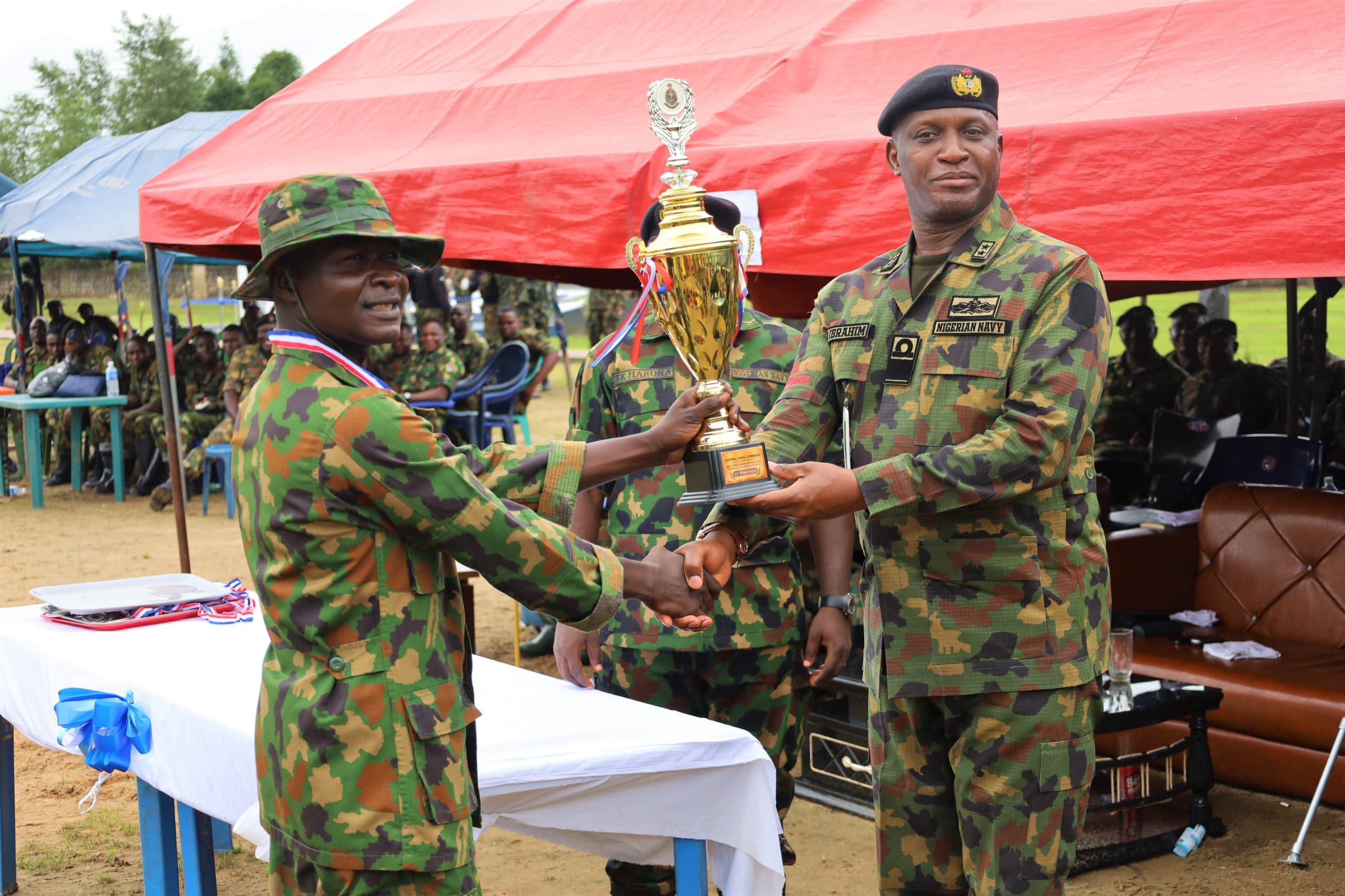
    The Chief of the Naval Staff (CNS), Vice Admiral Idi Abbas, has formally declared the Central Naval Command (CNC) Intra-Command Maritime Tactical Live Firing Exercise, codenamed EX MIYE EBIMO, closed, describing it as a significant demonstration of the Nigerian Navy’s continued commitment to maintaining a well-trained, disciplined and operationally ready fighting force.

    Vice Admiral Abbas, who was represented at the closing ceremony by the Flag Officer Commanding Central Naval Command, Rear Admiral Suleiman Ibrahim CTG 26.1, stressed that “readiness is not achieved through a single exercise; it is built through continuous training, discipline, teamwork, professionalism and constant learning.”

    The ceremony held at Forward Operating Base (FOB) FORMOSO, where the two-day exercise took place from 23 to 24 September 2026.

    The CNS said the value of any live-firing exercise goes beyond the successful discharge of weapons, adding that “the ultimate objective is to develop combat effectiveness, tactical confidence, teamwork and operational readiness.”

    He charged personnel to carry the experience gained into actual maritime operations, particularly in surveillance, patrols, protection of critical national maritime infrastructure and response to threats within the area of responsibility.

    Vice Admiral Abbas also called for a comprehensive post-exercise review to identify strengths, shortcomings and lessons observed, directing that appropriate remedial measures be pursued where gaps are identified.

    He commended Rear Admiral Ibrahim and his planning team for the initiative and coordination that brought the exercise to a successful conclusion, just as he appreciated the Commanding Officer and personnel of FOB FORMOSO for providing the necessary support and facilities for the conduct of the exercise.

    The CNS further acknowledged the contributions of all participating units, formations, ships, boats, instructors, safety personnel, medical personnel, range staff and other supporting elements, noting that “the success recorded today is a product of collective effort.”

    Vice Admiral Abbas particularly acknowledged the participation of the Air Arm of the Nigerian Navy and its pilots, whose aerial support and professionalism contributed significantly to the success of the exercise.

    He praised the pilots for their precision, coordination and courage, noting that their involvement underscored the importance of joint and intra-command cooperation in maritime operations.

    The display was not only a spectacular showcase of naval aviation capability but also a testament to the excellence that defines the Naval Air Station under the command of Commander IC Amauche.

    He also appreciated the cooperation and support of host communities and other relevant stakeholders, emphasising that effective maritime security cannot be achieved by military action alone but requires constructive engagement with local communities, government institutions, sister services, security agencies and other stakeholders.

    Participating units and sister agencies were divided into five teams for the competition. At the end of the fiercely contested exercise, Team A emerged as the overall winner.

    The highpoint of the ceremony was the presentation of medals to teams that came tops in the exercise, while the FOC presented trophies to teams that distinguished themselves in other areas of merit.

    The exercise featured a series of demanding tactical drills, including assault operations, beach landing and the neutralising of an adversary camp. These drills tested the combat readiness, coordination and tactical competence of participating personnel under realistic operational conditions.

    Personnel displayed commendable levels of discipline, professionalism, courage and commitment throughout the two-day event.

    In his closing remarks, Rear Admiral Ibrahim described the exercise as “another important milestone” in the Command’s continuous efforts to enhance the operational readiness, tactical competence and combat effectiveness of personnel and units under the Central Naval Command.

    He noted that the exercise exposed participants to realistic operational situations, enabling the Command to evaluate critical aspects of its capabilities, including command and control, weapons handling, coordination and the effective employment of resources in a maritime environment.

    “Training exercises such as this are essential because they enable us to identify capability gaps in a controlled environment before personnel are required to confront similar challenges during actual operations,” the FOC stated.

    He commended the exercise planning and control teams, participating units, instructors, range safety personnel, medical personnel and support staff for their contributions to the overall success of the exercise, while urging commanders at all levels to ensure that lessons identified are properly documented, analysed and incorporated into subsequent training and operational planning.

    Rear Admiral Ibrahim also emphasised the importance of safety in all training and operational activities, particularly the employment of live ammunition, which he said demands the highest standards of discipline, concentration and strict compliance with established safety procedures.

    On the sidelines of the exercise, the FOC commissioned a newly built barber’s shop at FOB FORMOSO.

    Speaking at the commissioning, Rear Admiral Ibrahim said the project was “beyond a barber’s shop,” noting that the Commanding Officer of FOB FORMOSO, Navy Captain SK Haruna, had translated the Chief of the Naval Staff’s Strategic Directives and the FOC’s Command Tenets, particularly the infrastructural drive and welfare of personnel into reality.

    He praised the Commanding Officer for his initiative and commitment to improving the welfare and working environment of personnel at the Base, urging other commanders to emulate the gesture.

    The closing ceremony was attended by senior officers, commanders, participating troops and support staff, as well as representatives of host communities.

    With the successful conclusion of EX MIYE EBIMO, the Central Naval Command reaffirmed its commitment to sustaining a high state of readiness in view of its strategic importance within the maritime environment of the Central Naval Command.

  • Agbara Nla Returns To Nigerian Cinemas After 33 Years, Opens October 1

    Agbara Nla Returns To Nigerian Cinemas After 33 Years, Opens October 1

    Thirty three years after the original Agbara Nla became a memorable title among Nigerian audiences, the faith based classic is returning to the big screen with Agbara Nla: The Return, scheduled to open in cinemas nationwide on October 1, 2026.

    The new production is co produced by Mount Zion Film Productions, Sozo Films and Circuits, popularly known as Circuits TV, an African virtual cinema platform, while Nile Entertainment is handling its theatrical distribution across Nigeria.

    Originally released in 1993 during the VHS era, Agbara Nla became part of the growing culture of Nigerian faith based films, taking stories centred on family, faith, spiritual conflict and Christian values into homes across the country.

    Written by Mike Bamiloye, the original film, also released in English as The Ultimate Power, established a strong connection with audiences and contributed to Mount Zion’s influence in Nigeria’s Christian film industry.

    Agbara Nla: The Return now brings the story to a new generation through a contemporary cinema production directed by brothers Damilola and Joshua Bamiloye, sons of the original writer and founder of Mount Zion Film Productions.

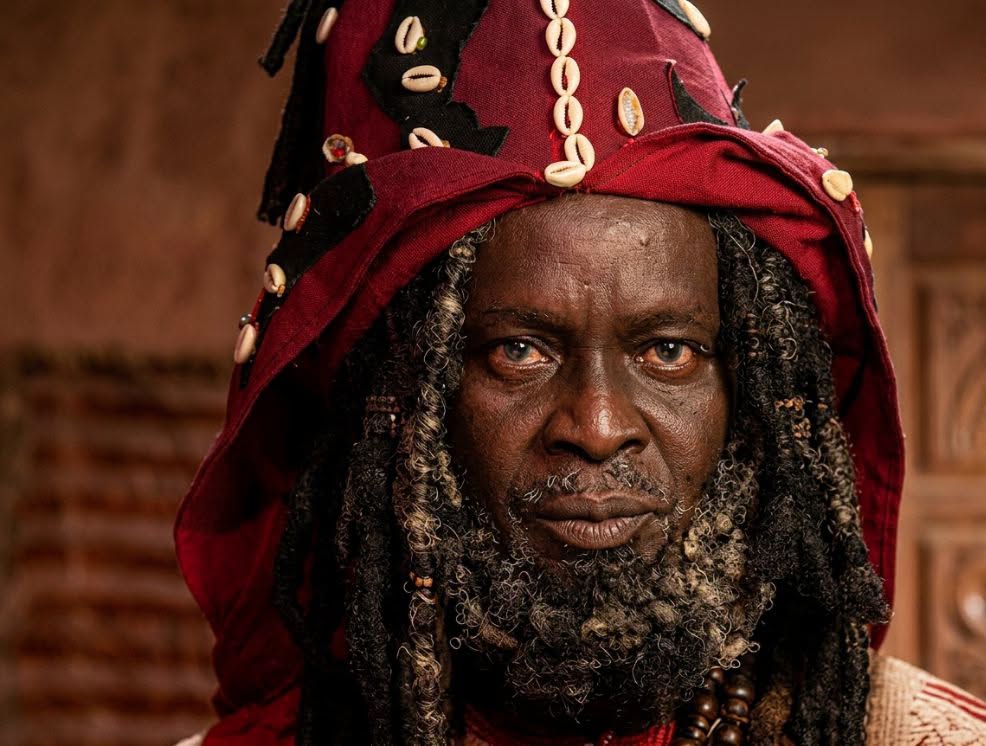
    Produced by Chris Odeh, the film features Mike Bamiloye reprising his role as Isawuru, alongside a new generation of actors including Damilola Bamiloye as Kola, Philip Olubakin as Olaboye and Aanu Kolade Abiodun as Bose.

    Set against the growing influence of occult forces in the village of Muwonleru, the film explores themes of spiritual warfare, faith, prayer and the power of God while presenting the familiar story through a contemporary cinematic experience.

    The transition from VHS to the cinema screen also represents a major change in how audiences will experience the story. While the original was watched through television broadcasts and shared VHS tapes, the new production is designed for audiences to experience collectively on the big screen.

    Head of Theatrical Distribution at Nile Entertainment, Thelma Udeze, said the film offers an opportunity to connect audiences who remember the original with younger viewers discovering the story for the first time.

    “Agbara Nla is one of those stories that already has a history with audiences,” Udeze said, noting that the journey from the VHS era to cinema creates an opportunity to connect two generations of viewers.

    Following its Nigerian cinema release on October 1, 2026, Agbara Nla: The Return is also scheduled for international theatrical release in the United States, United Kingdom and Canada, with further details expected to be announced.

  • Pivot Nigeria 2026 Opens Fresh Debate on Nigeria’s Global Reputation

    Pivot Nigeria 2026 Opens Fresh Debate on Nigeria’s Global Reputation

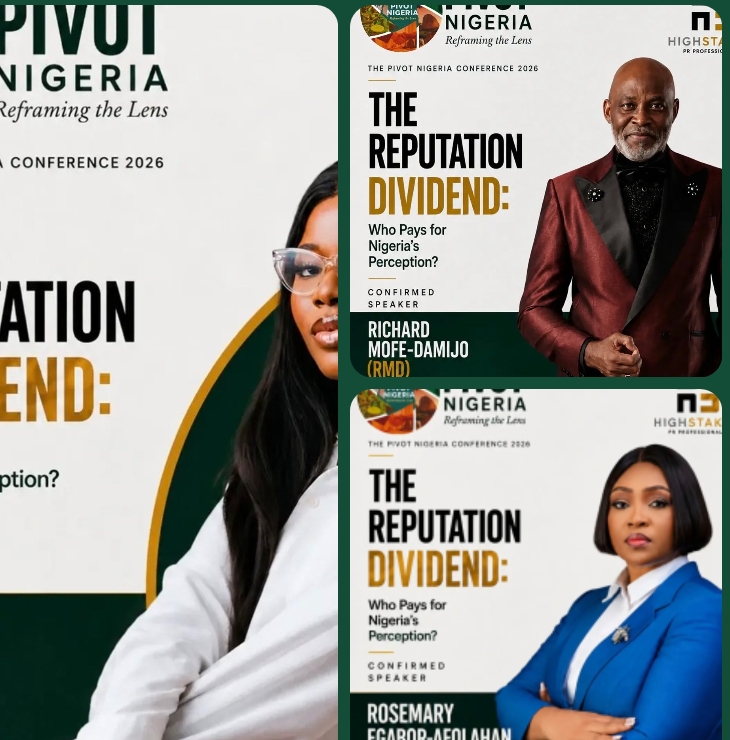
    Pivot Nigeria, a thought leadership platform focused on reframing how Nigeria is perceived, is set to hold the second edition of its annual gathering with leading voices from the creative, media and communications sectors.

    The event, scheduled for September 29, 2026, at La Scala, MUSON Centre, Lagos, will focus on the theme, “The Reputation Dividend: Who Pays for Nigeria’s Perception?”

    The platform seeks to deepen conversations around Nigeria’s image, national narratives and the factors shaping how the country is perceived locally and internationally.

    According to the organisers, the conversation is designed to challenge established narratives about Nigeria while amplifying authentic stories capable of influencing perceptions and strengthening the country’s reputation.

    Among the personalities featured at the event is veteran actor, media entrepreneur and former Delta State Commissioner for Culture and Tourism, Richard Mofe-Damijo, popularly known as RMD.

    With more than three decades of experience spanning film, television, journalism, media, public service and entrepreneurship, RMD has established a significant presence within Nigeria’s creative and cultural economy.

    He began his professional career as a journalist, writing for leading Nigerian newspapers, before venturing into publishing and establishing MISTER, described by the organisers as Nigeria’s first all gloss men’s lifestyle magazine.

    His career has also included public service, where he served as Special Adviser and later Commissioner for Culture and Tourism in Delta State, bringing his experience in the creative sector into government and policy discussions.

    RMD is also the founder of White Water Limited and RMD Productions, while his Richard Mofe-Damijo Foundation focuses on creating opportunities, building capacity and supporting emerging talents and communities through the creative and cultural industries.

    Also billed to feature is Rosemary Afolahan-Egabor, a senior executive with nearly two decades of experience across media, communications and financial services.

    A member of the founding team of News Central TV, Afolahan-Egabor has played a role in shaping the organisation’s vision, corporate strategy, market positioning, partnerships and revenue growth.

    Her professional expertise covers strategy development, sales leadership, strategic partnerships and brand positioning, with experience in building media ventures and executing campaigns across Africa.

    Strategic Communications Adviser and The Comms Avenue Co-Founder, Adedoyin Jaiyesimi, is another prominent voice expected at the gathering.

    Jaiyesimi advises organisations, senior executives and boards on reputation leadership, strategic narrative development and communication effectiveness across Africa and emerging markets.

    With more than 15 years of professional experience, she has worked with multinationals, multilaterals and African organisations, while also leading communications training and capacity development programmes.

    The organisers said Pivot Nigeria is designed to provide a platform for conversations that connect reputation, leadership, culture, communications and economic value, with the 2026 edition expected to examine who bears the consequences and benefits of Nigeria’s global perception.

    Elvis Eromosele is a seasoned Nigerian journalist, corporate communications strategist, and media entrepreneur with over two decades of expertise spanning media, public relations, and sustainability advocacy.

    As Editor of TheNumbersNG and Thinker at 1234 Perceptions Limited, he specialises in data-driven business journalism, corporate reputation management, and public policy commentary.

    Bridging analytical precision with compelling storytelling, Elvis explores the intersections of economics, technology, and society across major national platforms.

    Elvis holds a degree in Industrial Mathematics from the University of Benin and an MBA in Marketing from Lagos State University.

  • MY OBSERVATION THE EMERGING LEADERSHIP IN NCS: Policy Trust, Capacity, Fear of The Unknown, Stakeholders’ Perspectives —  Innocent Orok

    MY OBSERVATION THE EMERGING LEADERSHIP IN NCS: Policy Trust, Capacity, Fear of The Unknown, Stakeholders’ Perspectives — Innocent Orok

    The common saying that “change is the only constant phenomenon in life” is a truism. And for those who want change, they must be the change they wish to see in the world. This fact has come to stay in the Nigeria Customs Service (NCS). No doubt, skeptics until recently were uncertain about the future of the NCS, especially with the exit of senior officers who were regarded as the strong engine room of the service in the last two decades.

    It is no longer news that in the next five months, the NCS will witness a totally new order, both in management and administrative structure, where a new generation of officers will mount the rostrum after the exodus of older officers who are retiring either at age 60 or after the mandatory 35 years in service.
    It is also no longer news that the Service Management under Comptroller-General (Dr) Bashir Adewale Adeniyi, MFR, has invested heavily to train these officers both at home and abroad, and is fully prepared for the leadership transition in the NCS.

    However, since this impending leadership change, there has been so much hullabaloo about the emergence of the new NCS management, especially the fear of the unknown regarding the style, conduct and character of the officers tagged “Gen-Z officers”. Some stakeholders have alleged that they exhibit arrogance, corrupt tendencies and an unwillingness to listen to stakeholders’ complaints, while always asking for money or demanding large sums for small jobs. This alleged character mismatch is growing by the day in the minds of stakeholders, and it is very disturbing.

    “Never doubt that a small group of thoughtful, committed citizens can change the world. Indeed, it is the only thing that ever has.” — Margaret Mead.

    WHY THE CHANGE IS SACROSANCT
    Change in the NCS has become sacrosanct because leadership, especially in any government agency or organisation, is a continuum. As such, the NCS must continue to exist to carry out its statutory functions for the country. To this end, NCS management has invested sufficient resources to train young officers of the 2009/2011 sets, who are the next cadre of officers on whom the leadership baton now rests. These officers, too, are ready to take over leadership roles in the service.
    WHY THE BATON OF LEADERSHIP FALLS ON THE 2009/2011 SET OF OFFICERS
    As in one of Bob Marley’s greatest hits, “Who the cap fit, let them wear it.” By providence, the next generation of Customs leadership has fallen on the shoulders of the Deputy Comptrollers of the 2009 set and some of the 2011 set. This is not by their making or design, but by the “doctrine of necessity” and administrative providence.

    For those who have been following NCS developments over the years, there was an employment embargo placed on federal government agencies on recruitment in the 1980s. For the NCS, for more than 10 years it did not recruit, while officers were retiring in droves. It was not until 2009, under the late Abdullahi Dikko Inde as Comptroller-General of the NCS, that the jinx was broken through a major recruitment exercise of young officers into the service. That recruitment exercise produced the 2009 set of officers, and another carried out in 2011 produced the 2011 set. These officers are the ones standing in the gap to carry on the future of the Customs Service in Nigeria today.
    Even after the 2009 recruitment exercise, the then federal government policy of disparity between BSc (degree) holders and Higher National Diploma (HND) holders further balkanised service personnel into serious rank-and-structure threats. These are some of the damages that happened to the NCS and that have led to the situation it finds itself in today.

    NCS MANAGEMENT ASSURANCES OF A SMOOTH TRANSITION AND PURPOSEFUL LEADERSHIP
    To ensure that the NCS remains and maintains its status as a top-notch professional government agency, carrying out its statutory functions professionally and effectively, the present management of the service has allayed stakeholders’ fears that the new crop of officers will not perform well in carrying out the service’s mandate. Management has embarked on, and is still carrying out, intensive training programmes for officers. So much human and material resources have been deployed in both local and international training workshops to brace up the officers for the leadership challenges ahead.

    According to CGC Bashir Adewale Adeniyi, during one of the trainings of Deputy Comptrollers of Customs in Lagos recently, the officers in the last one year have been vigorously trained in all spheres of management and professional leadership roles. He expressed confidence that they will be handing over to tested, trusted and dedicated officers who will not disappoint the service and Nigerians.

    SOME TESTED YOUNG OFFICERS IN KEY POSITIONS
    To test-run their capacity, competence, patriotism and professional leadership prowess, some Deputy Comptrollers of Customs are holding key positions at both command and unit levels. Among them are:
    Deputy Comptroller Patience Ita, Acting Customs Area Controller of Ondo/Ekiti Command, who is leading with intention and guts, to stakeholders’ admiration.
    Deputy Comptroller Oladapo Afeni, Acting Customs Area Controller of one of Nigeria’s most volatile and busy borders at Ogun 1 Command, Idiroko. His performance there speaks volumes, and he is changing the narrative.

    Deputy Comptroller Nura Miko, Acting Customs Area Controller of Nigeria’s busiest RORO port at PTML Command. He is showing class and building stakeholders’ confidence. Deputy Comptroller Bolaji Adigun at KLT Command, who is diligently performing his duties with professional conduct and skills.

    Also in the performance index are DC Adamu U.U. of Kano/Jigawa Command, DC Olusola Salako of Lilypond Export Terminal, and DC Ntongha Edet of Eastern Marine Command. They are all well-groomed officers who are ready for leadership roles in the service. Even the National Public Relations Officer of the NCS, Deputy Comptroller Abdullahi Maiwada, is doing very well in image management of the service, which has won the service national and international recognition. There are several other grounded officers of both the 2009 and 2011 sets in various commands and units of the service, performing professionally and ready for leadership roles.

    CALL FOR STAKEHOLDERS’ SUPPORT FOR THE NEW LEADERSHIP OF NCS
    No doubt, the Nigeria Customs Service must evolve, and it needs its various stakeholders to carry out its statutory functions and duties effectively. To this end, all stakeholders have been given the assurance that there is nothing to fear about the emergence of the new set of officers. They therefore need their support and encouragement.

    It is a known fact that the new leadership in the NCS will be more IT-driven, as stipulated in the NCS Act 2023 and the World Customs Organization (WCO) Convention on Modernised Customs Administrations, which has to do with seamless transactions to cut down delays in trade and business transactions across borders.

    WHAT STAKEHOLDERS SHOULD DO TO CATCH UP WITH THE NEW CUSTOMS

    “Be the change that you wish to see in the world.” — Mahatma Gandhi

    Again, as the common saying goes in our local parlance, “If you want to catch a monkey, behave like a monkey,” it is my candid opinion that the various stakeholders, especially Customs-licensed agents, freight forwarders, manufacturers, etc., should up their game, especially in the areas of technology and digital services. No doubt, the new Customs will come with huge technological know-how that, if not matched by stakeholders’ knowledge, will create a dichotomy between the parties.
    The new Customs will come with new WCO tools such as Authorized Economic Operator (AEO), Time Release Study (TRS), E-Manifest, among others. If stakeholders are not in sync and in step with this new order, then there will be a disconnect between the service and stakeholders. So, instead of crying over whether the new Customs leadership will do well or not, it is left to stakeholders to match up with the changes that will emerge. The new leadership of Customs will surely come on board when the time comes.

    NEED FOR STAKEHOLDERS’ SUPPORT AND ENCOURAGEMENT FOR THE NEW EMERGING NCS

    “Yesterday I was clever, so I wanted to change the world. Today I am wise, so I am changing myself.” — Rumi

    It is my candid opinion that we should all rally round to support the new leadership of the Customs that will emerge. Whichever way we look at it, let us support them, encourage them and wish them well. Fighting them, judging them, blaming them, accusing them or suspecting them, even when they have not taken over yet, is not encouraging at all. All over the world, young people are taking over leadership positions and are doing very well. Let us give the young officers a chance. Who knows? With their training, capacity-building and leadership skills, plus Gen-Z tactics, they may turn out to be the best crop of Customs officers Nigeria deserves.

    FOOTNOTE
    Leadership is not by age, size or connection; leadership is inspired by training, determination and the ability to deliver on set goals and objectives. If you don’t try them, you cannot measure or judge them.

    “Don’t just learn, experience. Don’t just read, absorb. Don’t just change, transform. Don’t just relate, advocate. Don’t just promise, prove. Don’t just criticize, encourage. Don’t just think, ponder. Don’t just take, give. Don’t just see, feel. Don’t just dream, do. Don’t just hear, listen. Don’t just talk, act. Don’t just tell, show. Don’t just exist, live.”
    — Roy T. Bennett

    Citizen Innocent Orok
    CEO, Roam Media Group
    Publishers of Experience Times Newspaper and Roam Reporters
    Email: roamreporters@gmail.com
  • Ehingbeti Summit Pushes Coastal Fund for Blue Economy Growth

    Ehingbeti Summit Pushes Coastal Fund for Blue Economy Growth

    Experts and stakeholders at the 4th Ehingbeti Maritime Hub Summit have called for the establishment of a dedicated Coastal Resilience Fund to support coastal protection, infrastructure development and community empowerment across Nigeria.

    The call was made during the 4th Ehingbeti Maritime Hub Summit held at the Oriental Hotel, Victoria Island, Lagos on Thursday, where stakeholders examined the legal, regulatory, security and investment frameworks required to unlock Nigeria’s blue economy potential and promote sustainable coastal development.

    Delivering the keynote address, President of the Maritime Arbitrators Association of Nigeria (MAAN), Chief Jean Chiazor Anishere, SAN, said a dedicated financing mechanism was necessary to address infrastructure deficits and improve the living conditions of people in coastal communities.

    Anishere urged Nigeria to explore international financing opportunities through climate funds, development banks and multilateral organisations to scale up coastal resilience and community development.

    She said sustained investment in coastal resilience would help strengthen infrastructure, protect livelihoods and create an enabling environment for coastal communities to participate meaningfully in the emerging blue economy.

    The Learned Silk stressed that Nigeria’s blue economy must be underpinned by effective governance, noting that the country needed to establish the legal and institutional conditions required for innovation, investment and sustainable exploitation of marine resources.

    She called for a regulatory system that provides certainty and security for investors while remaining flexible enough to encourage innovation, environmentally responsible enough to protect marine resources and inclusive enough to benefit coastal populations.

    Anishere identified **security, sustainability and governance** as critical pillars for the future of Nigeria’s blue economy.

    She also advocated improved waste-management infrastructure, sustainable fishing practices, recycling education and environmental stewardship initiatives that directly benefit coastal communities.

    The keynote speaker further called for increased private-sector participation in blue tourism, resilient infrastructure and marine-based enterprises through appropriate incentives, streamlined regulations and public-private partnerships.

    Representing the Lagos State Governor, Mr. Babajide Sanwo-Olu, the Permanent Secretary, Lagos State Ministry of Tourism, Arts and Culture, **Mrs. Bopo Oyekan-Ismaila**, said the state remained committed to an inclusive approach to blue economy development.

    She noted that while Ehingbeti’s history was closely associated with Lagos Island, the state’s blue economy development agenda would encompass communities across Lagos.

    According to her, Governor Sanwo-Olu encouraged participants to collaborate and develop a communiqué capable of advancing the blue economy agenda of Lagos State.

    The Convener of the Ehingbeti Maritime Hub and Founder of the Ocean Ambassadors Foundation, **Hon. Olaitan Violet Williams**, said the Hub was established in 2023 to trace and reconnect with the historical roots of maritime activities in Lagos.

    Williams said Ehingbeti represented an important chapter in Lagos’ evolution from its early trading history to modern-day Eko.

    She identified inland waterways as one of the low-hanging fruits of Nigeria’s blue economy and called for greater investment and stronger legal protection for investors.

    According to her, Nigeria’s estimated 10,000 kilometres of waterways could not deliver their full economic potential if they remained largely unnavigable.

    The Chairman of the occasion and Chairman of the NIWA Governing Board, Alhaji Mukhtar Shehu Shagari**, represented by NIWA Board Member, Capt. Tajudeen Alao, commended the Convener for her commitment to the development of Nigeria’s marine and blue economy.

    Shagari stressed that coastal communities must remain central to the implementation of blue economy policies, while advocating an appropriate legal framework for the development of Nigeria’s littoral states.

    Representing the Flag Officer Commanding, Western Naval Command, Rear Admiral Abubakar Mustapha, Rear Admiral N.C. Okon called for stronger maritime regulation and effective enforcement of existing laws.

    Okon identified “sea blindness” as a factor limiting Nigeria’s ability to fully harness its maritime potential and stressed that collaboration among government agencies, coastal communities and development partners was essential.

    He noted that a thriving blue economy could not be sustained amid insecurity, environmental degradation, illicit activities and regulatory uncertainty.

    The Naval representative reaffirmed the Nigerian Navy’s commitment to providing the secure maritime environment required for commerce, investment and sustainable exploitation of Nigeria’s maritime resources.

    Also speaking, Chairman of the Nigerian Council of Registered Insurance Brokers (NCRIB), **Ekeoma Ezeibe**, identified insurance as a critical component of maritime and blue economy development.

    She said adequate insurance protection was necessary to safeguard maritime assets, infrastructure and businesses against the multiple risks associated with the sector.

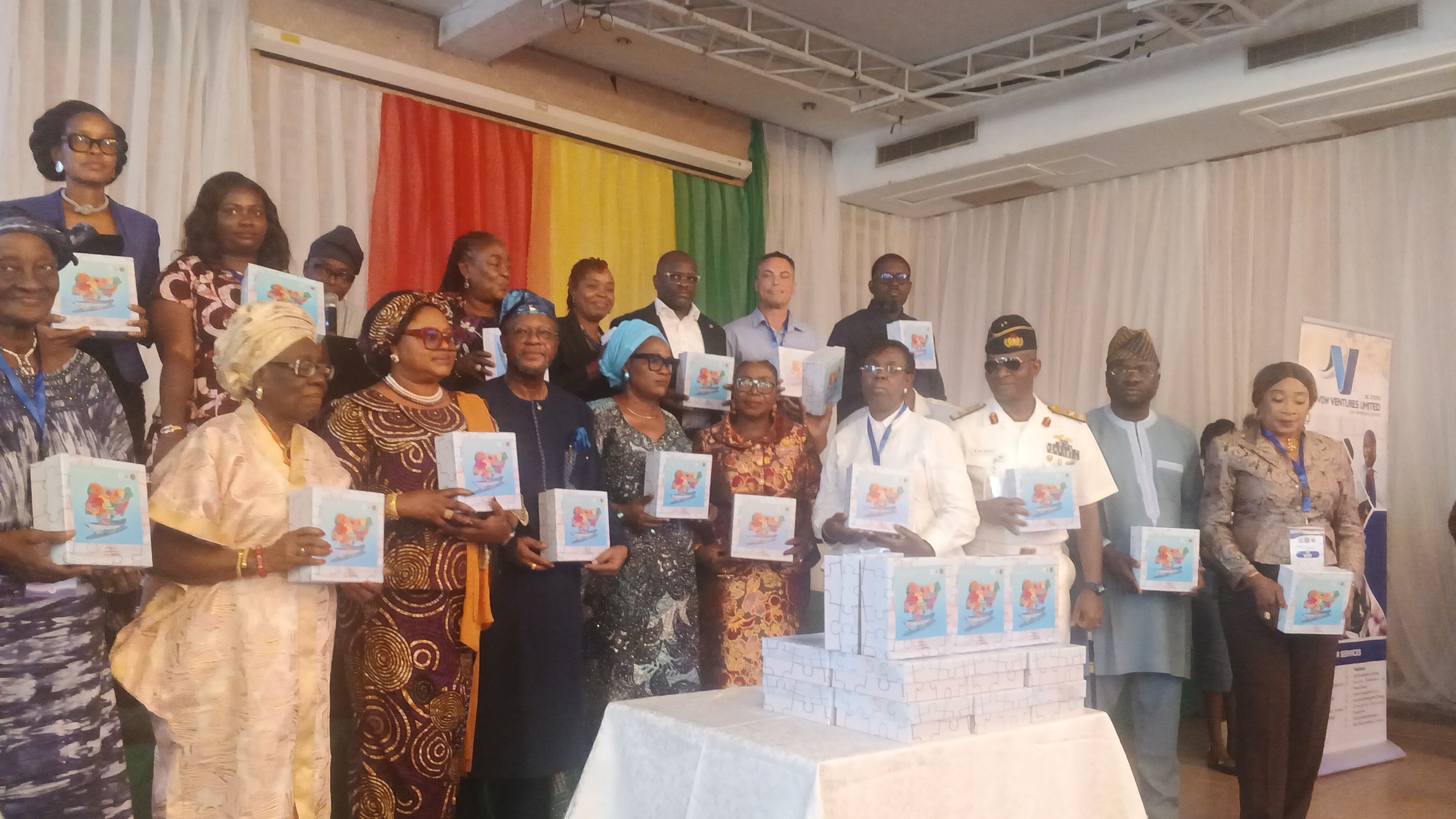
    A major highlight of the summit was the official launch of the 28 Inland Waterways Investment Jigsaw, an initiative designed to highlight viable investment opportunities across Nigeria’s inland waterways and provide a structured pathway for private-sector participation.

    The initiative is expected to support efforts to identify investment opportunities across the country’s inland waterways while encouraging greater private-sector involvement in water transportation and other marine-related businesses.

    The 4th Ehingbeti Maritime Hub Summit brought together government representatives, maritime professionals, security stakeholders, legal practitioners, insurers, traditional rulers, academics, private-sector operators and representatives of coastal communities.

    The summit reaffirmed the need for stronger regulation, maritime security, sustainable financing, infrastructure development and community inclusion as Nigeria works to translate its blue economy potential into sustainable economic and social development.

error: Content is protected !!