Category: International News

  • Afeni Targets Revenue Leakages, Records ₦683.6m Recovery at FOU Zone A

    Afeni Targets Revenue Leakages, Records ₦683.6m Recovery at FOU Zone A

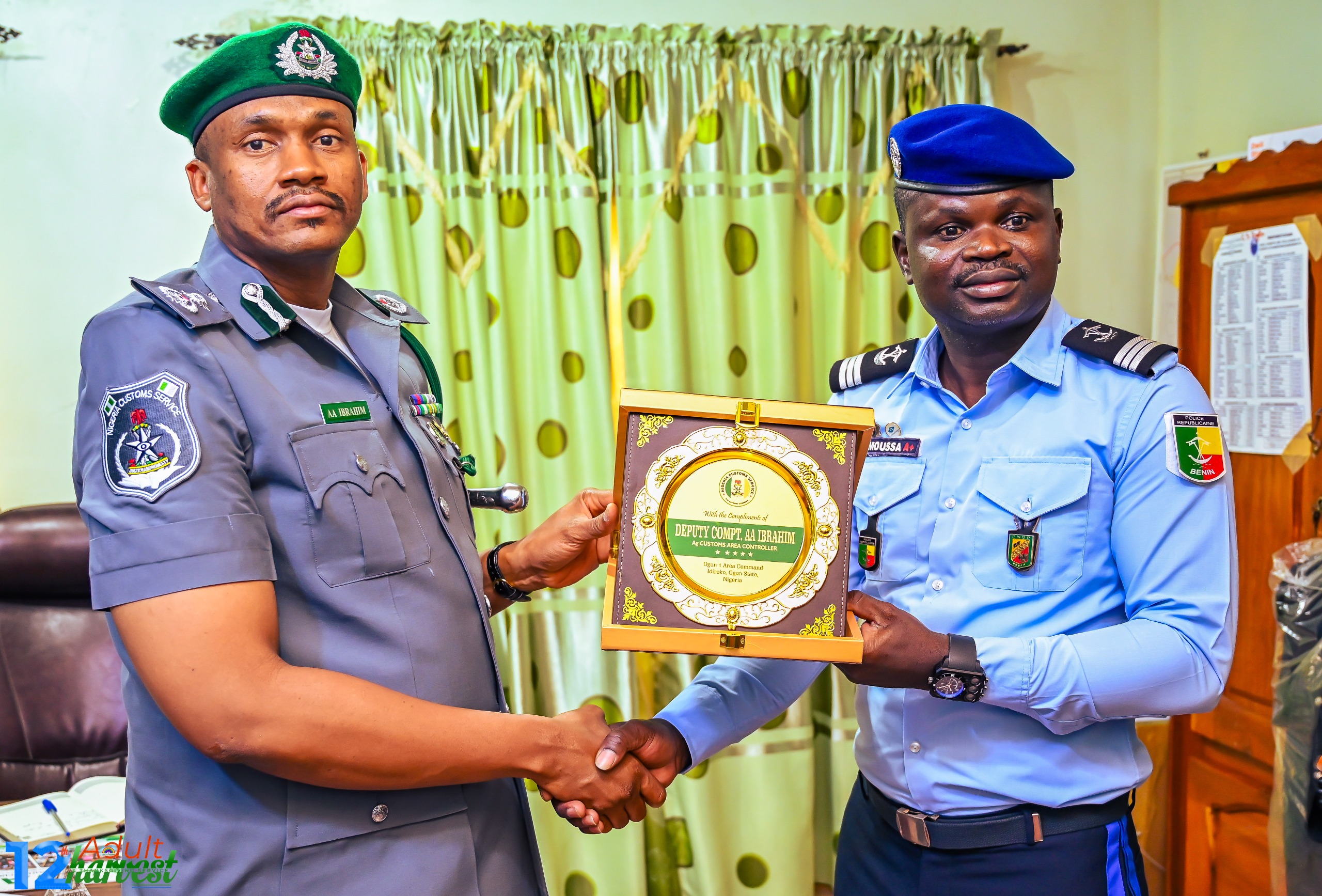
    When Deputy Comptroller Oladapo Olukayode Afeni assumed leadership of the Federal Operations Unit (FOU), Zone A, Nigeria Customs Service (NCS), expectations were already high. His reputation had preceded him, particularly his recent stewardship of the Ogun I Area Command, Idiroko, where he demonstrated an unusual capacity to combine border security, revenue mobilisation, anti-smuggling enforcement and legitimate trade facilitation.

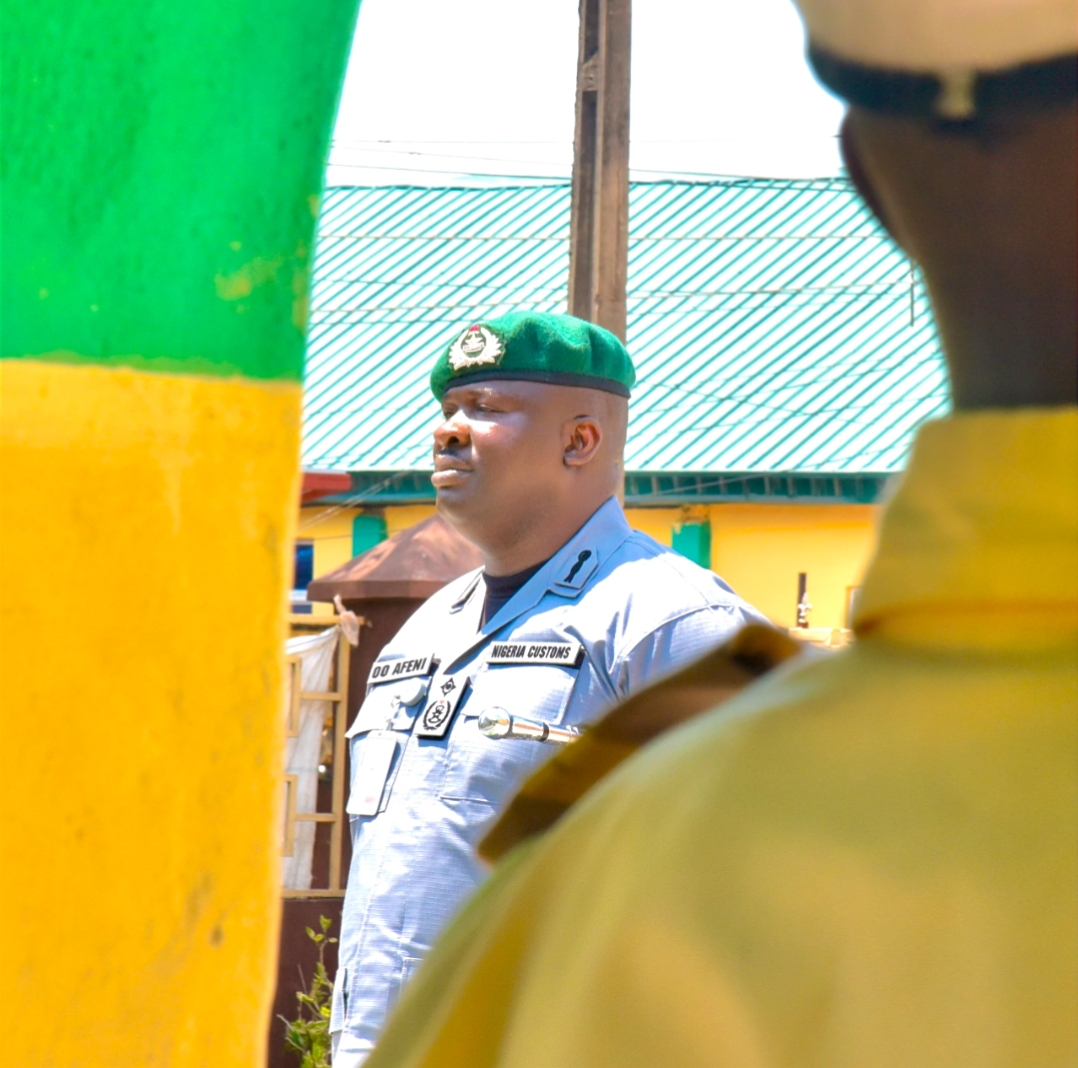
    His arrival at FOU Zone A on September 30, 2026, therefore represented more than another routine change of leadership. It brought to one of the Service’s most strategic enforcement formations an officer whose operational experience cuts across the essential responsibilities of Customs administration and whose approach to institutional performance appears firmly anchored on measurable results.

    For an officer who had taken the Idiroko Command through a remarkable operational trajectory, the challenge at FOU Zone A is considerably broader. It is not simply about maintaining the momentum of anti-smuggling operations or increasing the volume of seizures. It is about understanding the relationship between enforcement, revenue protection, compliance management, administrative efficiency and the larger economic responsibility of the Nigeria Customs Service.

    Barely four weeks into the assignment, Afeni has offered an early indication of the direction he intends to take. His maiden press briefing in Ikeja, Lagos, on November 3, 2026, provided the first comprehensive scorecard of his administration, revealing a combination of intensified enforcement and deliberate interventions to recover government revenue.

    Within the four-week period under review, FOU Zone A recorded 195 interceptions involving prohibited and restricted goods with a combined Duty Paid Value (DPV) of ₦6.194 billion. More significantly for the revenue administration conversation, the Unit recovered ₦683.661 million through intensified compliance checks, scrutiny of import declarations, correction of under-valuations and issuance of demand notices.

    The distinction between these two figures is important. While the DPV of intercepted goods reflects the economic value of the enforcement operations, the ₦683.661 million represents actual revenue recovery through interventions in the Customs compliance and assessment chain.

    Together, they offer an early indication of an administration seeking to expand the definition of operational success beyond the familiar spectacle of seizures.

    Revenue Consciousness Beyond Routine Enforcement

    Available indications suggest that Afeni is approaching his responsibility with a clear sense of direction. His recent intervention with the leadership of various entry points, including Releasing Officers and Compliance Seats, is particularly instructive.

    His warning that officers must sit up and ensure the optimisation of Customs revenue, which he insists must be jealously guarded, reveals an administration increasingly interested in the revenue implications of everyday Customs operations.

    It is a message that goes beyond routine official admonition. It speaks to a fundamental understanding that Customs revenue is not generated exclusively through the interception of smuggled goods or the recovery of duties from detected infractions.

    A substantial part of the revenue responsibility lies within the regular clearance and release processes, where classification, valuation, assessment, compliance verification and proper application of tariff regulations determine whether government receives the revenue legally due to it.

    The November 3 scorecard has now provided practical evidence of this philosophy. Afeni attributed the ₦683.661 million recovered within the reporting period to enhanced risk profiling, targeted examination of questionable declarations, teamwork and closer collaboration with relevant stakeholders.

    These interventions point to a more deliberate effort to identify and correct revenue deficiencies before they become permanent losses to government.

    Revenue leakage can occur through deliberate under-declaration, wrong classification, undervaluation, false documentation, improper concessions, non-compliance with import conditions and other irregularities that undermine the integrity of the Customs clearance system.

    Consequently, an effective Customs administrator must understand not only how to intercept prohibited consignments but also how to identify weaknesses in the revenue administration chain and ensure that every legitimate Customs obligation is properly assessed and collected.

    Afeni’s decision to draw the attention of entry-point leadership, Releasing Officers and Compliance Seats to revenue optimisation suggests an appreciation of these operational realities.

    The officers involved in the clearance process occupy critical positions in determining the accuracy of declarations, the correctness of assessments and the compliance status of consignments before release. A system in which these responsibilities are taken seriously is less vulnerable to revenue leakages.

    Afeni’s approach appears to be one of making revenue consciousness an operational culture rather than leaving it as an abstract management target.

    A Record That Precedes the New Assignment

    There are measurable indications from his previous assignment that help explain why his posting to FOU Zone A generated considerable expectations.

    At Ogun I Area Command, Afeni reported that the command generated ₦896.539 million between January and August 2026 against an assigned revenue target of ₦545.348 million.
    The command also processed 31,177 metric tonnes of exports with a Free-on-Board value of ₦4.64 billion during the period, against no recorded export activity in the corresponding period of 2025.

    These were not isolated revenue figures. They reflected an operational philosophy that recognised the economic importance of facilitating legitimate commercial activity while maintaining strict control against prohibited trade.

    The enforcement dimension was equally substantial. Between December 4, 2025 and September 29, 2026, Ogun I recorded 327 seizures with a combined Duty Paid Value of approximately ₦14.75 billion. The seizures covered foreign parboiled rice, petroleum products, illicit drugs, arms and ammunition, endangered wildlife and other prohibited items.

    Taken together, the figures presented an administration that understood the relationship between Customs revenue, border security and trade facilitation.

    They also demonstrated that enforcement need not become an obstacle to legitimate trade when officers possess the competence to distinguish compliant commercial activities from economic sabotage.

    That experience provides a useful reference point for assessing the expectations surrounding his present assignment.

    Consolidating an Established Enforcement Structure

    At FOU Zone A, Afeni inherited an established enforcement structure with a substantial performance record under his predecessor, retired Comptroller Gambo Aliyu. At the September 30 handover, Aliyu disclosed that the Unit recovered ₦3,192,511,547.52 between December 10, 2025 and September 24, 2026, representing 798 per cent of its ₦400 million annual revenue recovery target.

    The Unit also recorded 779 interceptions involving goods with a combined Duty Paid Value of ₦13.075 billion.

    These figures provide the operational baseline against which the new administration’s performance will eventually be assessed. They are achievements of the Aliyu administration and should properly be recognised as such.

    Afeni’s immediate responsibility, therefore, is to consolidate the foundation he inherited, strengthen the Unit’s operational capacity and ensure that revenue recovery becomes an even more integrated part of its enforcement and compliance activities.

    His first four-week scorecard suggests that this transition is already taking shape. The recovery of ₦683.661 million within the period is particularly significant because it demonstrates that revenue protection is receiving attention alongside the Unit’s conventional anti-smuggling responsibilities.

    It also provides an indication of the possibilities inherent in combining intelligence-led enforcement with more rigorous scrutiny of import declarations and compliance procedures.

    Four Weeks ₦6.19bn Interceptions and a Wider Security Mandate

    Beyond the revenue recovery figures, Afeni’s maiden briefing offered a revealing picture of the wider economic, public health and security implications of smuggling.

    The 195 interceptions recorded within four weeks covered narcotics, food products, petroleum products, pharmaceutical substances, used vehicles, wildlife and other restricted imports.

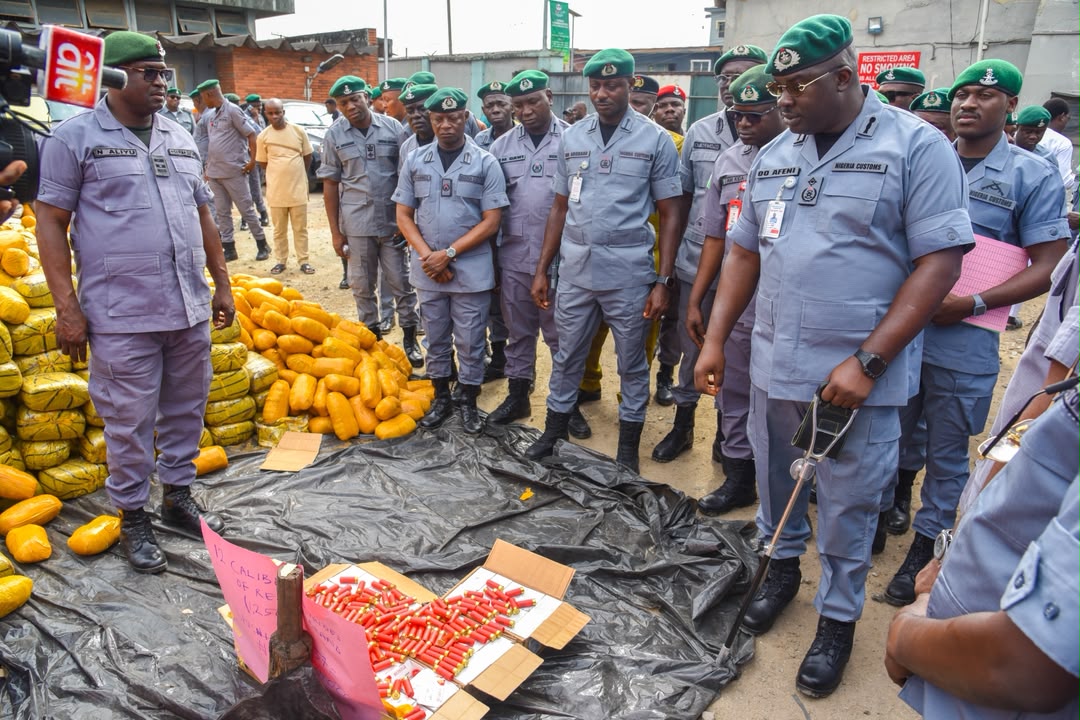
    Among the most significant were 5,986 parcels of Cannabis sativa and Cannabis indica weighing 3,407.83 kilogrammes, alongside 400 grammes of cocaine and 100 grammes of methamphetamine.

    The Unit also intercepted 57 cartons, 37 packs and six pieces of codeine syrup, as well as 1,250 rounds of 12-calibre Red Star cartridges.

    Perhaps even more alarming was the interception of 23,220 pieces of new machetes imported without the requisite End User Certificates and permits.

    Afeni raised concerns about the possible security implications of such a consignment, particularly as Nigeria approaches another electoral cycle.

    His warning that illegally imported weapons and implements could provide material support for organised political violence added a significant dimension to the Unit’s enforcement operations.

    “Election violence is rarely an isolated incident but facilitated and aided by smuggling activities like the one thwarted by our operatives,” he cautioned.

    The concern is not without operational relevance. Smuggling networks can provide access to prohibited materials that may subsequently be deployed for purposes far removed from their original commercial importation.

    The cannabis seizure also attracted particular attention from the Acting Controller, who cited the 2025 World Drug Report of the United Nations Office on Drugs and Crime (UNODC), noting that cannabis remains the most widely available and commonly used illicit drug globally, accounting for an estimated 42 per cent of drug use disorder cases worldwide.

    He warned that increasingly potent cannabis varieties, particularly the strain popularly marketed as Colorado, were destroying the prospects of young people while aggravating family disintegration, social vices and pressure on the healthcare system.

    His assessment was captured in a statement that could well become the defining philosophy of his enforcement approach: “We will not measure our success by how much we seize, but by how much harm we prevent.”

    The declaration is significant because it moves the performance conversation beyond the monetary value of intercepted merchandise to the wider consequences of preventing dangerous goods from entering the domestic economy.

    Other interceptions during the period included eight live pangolins, 21 foreign-used vehicles, 11 means of conveyance and a 40-foot container, number SEGU 5347239, containing 2,760 pieces of office chairs in completely knocked-down condition.

    The Unit also intercepted 173 cartons of imported frozen poultry products, 6,949 cartons of smuggled spaghetti, 459 bales and 39 jumbo sacks of second-hand clothing, 1,236 used tyres, 33 used rims and 8,025 litres of Premium Motor Spirit.

    Food-related seizures included 3,028 bags of 50kg imported rice, 995 bags of 25kg, 104 bags of 20kg and 207 bags of 5kg; 101 bags of imported sugar weighing 50kg each; eight bags of imported creamer powdered milk, 12 bags of grain oat products, 20 cartons of couscous and 250 cartons of Lotus sardine without NAFDAC registration numbers.

    The breadth of these interceptions underscores the expanding security, economic and public health dimensions of the smuggling challenge confronting the country.

    However, their significance for revenue administration also lies in the need to ensure that enforcement intelligence is translated into better compliance monitoring and more effective protection of legitimate government revenue.

    Intelligence, Inter-Agency Cooperation and Revenue Protection

    Afeni’s initial actions indicate that he is not approaching the assignment as an exclusively patrol-oriented responsibility.

    On October 14, he commenced a familiarisation tour of strategic security and law-enforcement agencies in Lagos, including the Police, Department of State Services, Nigerian Army’s 81 Division, NDLEA, Nigeria Immigration Service and 9 Brigade.

    The engagements were designed to strengthen intelligence sharing, information exchange and joint operations against smuggling and other trans-border crimes.

    At his maiden briefing, he reinforced the importance of this approach, identifying the NDLEA, Nigeria Police Force, DSS, Nigeria Immigration Service, Nigerian Army, National Agency for Food and Drug Administration and Control (NAFDAC) and National Environmental Standards and Regulations Enforcement Agency (NESREA) among the agencies with which the Unit sustains operational collaboration.

    He explained that seized narcotics and suspects would be handed over to the NDLEA for further investigation and prosecution, while other prohibited items would be transferred to the appropriate agencies in accordance with their statutory responsibilities.

    The Unit’s October interception of illicit drugs and pharmaceutical products valued at ₦511.4 million, subsequently handed over to NDLEA and NAFDAC for appropriate investigation and further action, provides an indication of the operational importance of these relationships.

    The rescue of eight live pangolins in two separate operations in Ogun State further demonstrates the breadth of the Unit’s enforcement responsibilities, extending beyond conventional revenue-related infractions to public health, environmental protection and national security.

    This is an important component of revenue protection. Smuggling networks do not operate independently of other criminal activities, and their operations frequently exploit weaknesses in intelligence coordination and institutional boundaries.

    By strengthening inter-agency relationships, Afeni is seeking to improve the intelligence environment within which Customs enforcement operates.

    The next institutional challenge will be ensuring that information generated through these collaborations is systematically deployed to identify recurring patterns of non-compliance, suspicious importation practices and potential revenue exposure.

    The Administrative Discipline Factor
    One of the distinguishing features of effective Customs leadership is the ability to combine firmness with professional courtesy, operational pressure with administrative fairness, and institutional discipline with stakeholder confidence.

    This is particularly important in FOU Zone A, whose enforcement responsibilities bring it into regular contact with importers, manufacturers, transport operators, Customs brokers and other commercial interests.

    An administration that is result-oriented must nevertheless understand that the pursuit of revenue must be guided by the law, established procedures and professional standards.

    Afeni’s declared commitment to firm but lawful enforcement, respect for human dignity and constructive engagement with legitimate businesses provides an important framework for this balance.

    His recent revenue-focused warning also carries an internal administrative message: officers cannot afford to treat their responsibilities as routine exercises detached from the overall performance objectives of the Service.

    Releasing Officers must be meticulous. Compliance personnel must be thorough. Officers responsible for examination, assessment and enforcement must remain professionally alert. Supervisory officers must ensure that established procedures are followed and that avoidable administrative lapses do not become opportunities for revenue loss.

    This is particularly important in a Customs environment increasingly driven by technology, data-based risk management and modern compliance procedures.

    The ₦683.661 million recovered through compliance checks and scrutiny of import declarations reinforces the argument that effective enforcement must begin with the quality of administrative processes.

    It also suggests that the ability to identify questionable declarations and correct under-valuations can be as important to revenue protection as the interception of prohibited goods.

    The Afeni administration therefore has an opportunity to deepen the relationship between operational intelligence and revenue administration, ensuring that every component of the Unit’s activities contributes to improved institutional performance.

    The Trade Facilitation Connection
    There is another important dimension to Afeni’s operational outlook. His experience at Idiroko demonstrated that border commands can contribute to economic development by facilitating legitimate exports and maintaining constructive relationships with traders and border communities.

    At FOU Zone A, that experience should prove valuable in ensuring that enforcement does not become synonymous with unnecessary delays or indiscriminate restrictions on legitimate commercial movement.

    For a country seeking to expand its non-oil exports, improve domestic industrial competitiveness and strengthen its position in regional and international trade, Customs enforcement must protect the economy without unnecessarily obstructing its productive activities.

    The distinction between legitimate trade and smuggling must therefore remain clear.

    The ability to identify suspicious consignments, act on credible intelligence, verify declarations and enforce the law without disrupting compliant businesses is a measure of professional Customs competence.

    At the November 3 briefing, Afeni assured importers, licensed Customs agents and the trading public that the Unit would continue to distinguish between legitimate trade and fraudulent practices.

    His position was that compliant businesses would receive the necessary support, while duty evasion, falsification of declarations and other economic crimes would attract firm enforcement.

    This is an important distinction for an enforcement formation whose activities can have significant implications for the movement of goods, commercial confidence and the cost of doing business.

    The objective should be to create an operating environment in which legitimate businesses are protected from unfair competition by smugglers, while government receives the revenue legally due to it.

    This is where Afeni’s grasp of the wider Customs mandate becomes particularly relevant. His operational background provides an understanding of how revenue, enforcement, administration and trade facilitation intersect rather than operate as separate institutional responsibilities.

    From Early Results to Sustainable Revenue Efficiency

    Ultimately, the success of Afeni’s administration will not be determined by the volume of warnings issued to officers or even the monetary value of seizures recorded in the newspapers.

    Neither should its assessment rest exclusively on the ₦683.661 million recovered during the first four weeks.

    The more enduring test will be whether the Unit can develop a stronger culture of compliance, reduce revenue leakages, improve the quality of enforcement intelligence, strengthen institutional coordination and protect legitimate trade.

    The four-week scorecard nevertheless offers a useful early indication of the administration’s priorities.

    The 195 interceptions with a combined DPV of ₦6.194 billion demonstrate an active enforcement posture, while the ₦683.661 million revenue recovery provides evidence of a parallel effort to strengthen Customs compliance and protect government earnings.

    The two dimensions are complementary, but their long-term value will depend on the sustainability of the processes that produced them.

    Afeni’s insistence that Customs revenue must be jealously guarded is therefore a timely reminder that revenue protection begins with professional responsibility at every point of the Customs administration chain.

    There is also a larger institutional expectation. The Comptroller-General of Customs, Bashir Adewale Adeniyi, has consistently placed emphasis on modernisation, improved revenue performance, professional standards and the protection of national economic interests.

    For Afeni, translating these priorities into practical operational outcomes at FOU Zone A will require consistency, discipline, measurable performance and the ability to carry his officers along.

    His previous record at Ogun I suggests an officer familiar with the demands of a complex Customs assignment and capable of balancing competing operational responsibilities.

    But FOU Zone A presents a different scale of responsibility. It requires a leadership disposition that can look beyond seizures, recognise the revenue implications of administrative decisions and ensure that every component of the Unit’s mandate contributes to the larger objectives of the Service.

    The emerging picture is that of a Deputy Comptroller determined to make operational efficiency, professional accountability and revenue consciousness inseparable.

    His first four weeks have produced impressive enforcement figures and a substantial revenue recovery. But the more consequential question is whether these early results can be converted into a sustainable institutional culture in which compliance becomes stronger, revenue leakages are reduced and enforcement intelligence consistently delivers economic value.

    His assignment is not simply about keeping smugglers on the run. It is about ensuring that Customs does not lose what it is legally entitled to collect, that legitimate businesses are not unnecessarily disadvantaged, and that the Service’s enforcement authority translates into measurable economic value.

    That is the larger test of Afeni’s leadership at FOU Zone A: moving beyond the seizure room to the revenue collection machinery, and ensuring that every successful enforcement operation ultimately contributes to a stronger, more accountable and economically productive Customs administration.
  • Recall Runsewe To Reposition Nigeria’s Tourism & Culture, Tinubu Urged — Frank Meke

    Recall Runsewe To Reposition Nigeria’s Tourism & Culture, Tinubu Urged — Frank Meke

    There are men who occupy public offices, and there are men who, through their passion, commitment and impact, become synonymous with the institutions they lead.

    Otunba Olusegun Runsewe, OON, belongs to the latter category.

    My friend, Nkereuwem Onung, would often offer a heartfelt prayer: “May Otunba Segun Runsewe live long.” It is more than an ordinary prayer. It reflects a deep appreciation of a man whose contributions to Nigerian tourism and culture continue to resonate with those who understand the industry’s journey and what it could have become with sustained leadership.

    To appreciate the state of Nigerian tourism today, one must revisit what Runsewe achieved between 2006 and 2013 and subsequently at the National Council for Arts and Culture (NCAC). More importantly, one must examine why President Bola Ahmed Tinubu should consider bringing his experience, institutional knowledge and leadership capacity back into the country’s tourism sector.

    Let me be clear: Nigeria has had few tourism administrators whose impact can be compared with Runsewe’s. Since his departure from the Nigerian Tourism Development Corporation (NTDC) in 2013, the industry has struggled to sustain the level of visibility, coordination and international engagement witnessed during his tenure.

    2006: HE MET A COMATOSE CORPORATION AND GAVE IT LIFE

    In August 2006, Runsewe was appointed Director-General of the Nigerian Tourism Development Corporation (NTDC), now the Nigerian Tourism Development Authority (NTDA).

    He inherited an institution that, by his assessment and that of many industry observers, had become largely inactive and disconnected from the wider tourism industry. What followed was a deliberate attempt to reposition the corporation as a visible, proactive and stakeholder-driven institution.

    His first major move was to declare a state of emergency in the corporation, signalling a departure from the old order. He introduced what he described as *practical tourism*, built around efficiency, effectiveness, professionalism and meaningful collaboration with stakeholders.

    Runsewe did not confine tourism development to government offices in Abuja. He took the message to Nigerians, engaging industry practitioners and promoting tourism as an important component of national development.

    It was during this period that the slogan *”Tourism is Life”* became a defining feature of NTDC’s public engagement.

    For Runsewe, tourism was more than festivals, ceremonies and entertainment. It was about employment, enterprise, investment, cultural preservation and economic opportunities for ordinary Nigerians.

    Under his leadership, NTDC intensified Nigeria’s participation in international tourism events and strengthened the country’s visibility as a potential destination in the African tourism market.

    HE PUT NIGERIA ON THE GLOBAL TOURISM MAP

    One of the defining features of Runsewe’s administration was Nigeria’s consistent participation in major international tourism exhibitions.

    Year after year, Nigeria maintained a presence at prominent global platforms, including:

    – FITUR, Madrid, Spain
    – ITB Berlin, Germany
    – Arabian Travel Market, Dubai
    – World Travel Market, London

    These exhibitions provided opportunities for Nigeria to engage international tour operators, investors, destination marketers and tourism organisations.

    During his tenure, NTDC reportedly received several commendation letters from international tourism event organisers, including WTM London and FITUR Spain.

    Runsewe also distinguished himself through international engagements, including addressing a World Press Conference at WTM London. His administration equally introduced initiatives such as satellite navigation technology to support tourism development in Nigeria.

    The significance of this international visibility becomes clearer when viewed against Nigeria’s subsequent challenges in maintaining a consistent presence at major global tourism exhibitions.

    Following his departure in 2013, Nigeria’s participation at WTM London reportedly suffered a prolonged interruption, with the National Association of Nigeria Travel Agencies (NANTA) subsequently investing its members’ resources in efforts to restore the country’s presence between 2022 and 2024.

    That development underscores the importance of institutional continuity and sustained government support for destination marketing.

    ABUJA CARNIVAL: A CULTURAL SPECTACLE THAT SET THE STANDARD

    Runsewe’s contributions were not limited to international exhibitions. He also played a pioneering role in the organisation of the Abuja Carnival as Chairman of its Planning Committee.

    The inaugural edition established a benchmark for the organisation and presentation of Nigeria’s cultural diversity through a major national event.

    Its organisation, cultural displays and elaborate productions helped position the carnival as an important platform for promoting Nigeria’s heritage and attracting international attention.

    The event reportedly attracted interest beyond Nigeria, including an approach from Trinidad and Tobago seeking his expertise in organising a cultural celebration in connection with the Commonwealth Heads of Government Meeting (CHOGM).

    This reflects an important aspect of Runsewe’s philosophy: Nigerian culture should not merely be celebrated internally; it should be professionally packaged and presented as a product capable of attracting international recognition and economic value.

    2010 WORLD CUP: NIGERIA STOLE THE SHOW WITHOUT PLAYING

    Nigeria’s participation at the 2010 FIFA World Cup in South Africa was not particularly memorable on the football pitch. However, the country’s cultural presence at the tournament provided another story.

    Through the Nigerian Tourism Village, an initiative championed by Runsewe, Nigeria created a cultural showcase that attracted attention at the global sporting event.

    The village provided an opportunity to project Nigerian arts, crafts, music, culture and hospitality to international visitors. The initiative reportedly received recognition at the tournament and became an important public relations achievement for the country.

    Runsewe repeated a similar cultural projection in 2018, when Nigeria showcased its arts and culture during the FIFA World Cup in Russia.

    He understood something that many policymakers often overlook: international audiences do not engage with countries through policy documents alone. They connect with their stories, food, music, cultural expressions and hospitality.

    HE BUILT SYSTEMS, NOT JUST SHOWS

    Perhaps one of Runsewe’s most significant contributions was his recognition that sustainable tourism development requires institutions, infrastructure and systems, not just festivals and public celebrations.

    During his tenure at NTDC, he introduced biometric data registration for workers in the hospitality industry, an initiative designed to improve accountability, strengthen security and address concerns about criminal activities within the sector.

    He also transformed the NTDC premises in Area 1, Garki, Abuja, into a Tourism Village, creating a more functional and visitor-friendly environment. The old secretariat was similarly repositioned into a modern working facility.

    His vision extended to tourism infrastructure, including the proposed development of a Fish House at the Argungu Fishing Village.

    These initiatives demonstrated his interest in connecting tourism promotion with practical infrastructure and institutional development.

    In recognition of his contributions, the Federal Government conferred on him the national honour of Officer of the Order of the Niger (OON). In 2011, he was also decorated as Tourism Man of the Year by Vice President Namadi Sambo, who described him as a beacon of hope for the tourism industry.

    2017: HE MOVED TO NCAC AND REPEATED THE FEAT

    When former President Muhammadu Buhari appointed Runsewe Director-General of the National Council for Arts and Culture (NCAC) in 2017, some may have considered the appointment a departure from mainstream tourism administration.

    But Runsewe approached the new assignment with the same energy and determination.

    One of his major achievements was the repositioning of the National Festival of Arts and Culture (NAFEST), which had struggled for years to achieve the level of national relevance and economic impact expected of such an important cultural platform.

    Under his leadership, NAFEST was rebranded and elevated into a major national cultural event, attracting greater interest from state governments and cultural stakeholders.

    From Kaduna to Rivers, Edo, Plateau, Ekiti and Lagos, the festival became a platform for showcasing Nigeria’s cultural diversity, promoting national unity and highlighting the economic opportunities within the creative and cultural industries.

    What had previously been criticised as an event with limited impact gradually gained wider recognition and became a programme that states actively sought to host.

    Runsewe travelled across the country, promoting cultural understanding, national cohesion and the economic relevance of Nigeria’s cultural heritage.

    His administration sought to make NAFEST more than an annual celebration. It became a platform for cultural exchange, skills development, enterprise and national integration.

    NAFEST BECAME BANKABLE, NOT JUST A FESTIVAL

    This is perhaps one of the most important aspects of Runsewe’s leadership at NCAC.

    He understood that cultural festivals must deliver economic value beyond entertainment. They must create employment, support artisans, develop skills and attract investment.

    Consider some of the initiatives introduced during his tenure:

    1. Skills Acquisition as an Economic Tool

    At NAFEST and other cultural events, particular attention was given to skills acquisition, especially for women, young people and artisans.

    At the 2017 African Arts and Crafts Expo, for instance, 2,125 participants reportedly received training in the production of Ankara bags and shoes, hand fans, beaded slippers, liquid soap, antiseptics and air fresheners.

    The objective was to transform cultural and creative skills into sustainable sources of livelihood.

    2. The Bank of Industry’s ₦300 Million MoU

    Runsewe also signed a ₦300 million Memorandum of Understanding with the Bank of Industry to facilitate access to financing for young people and artisans involved in arts and crafts.

    The initiative was designed to address one of the longstanding challenges facing creative entrepreneurs: access to affordable capital.

    It reinforced the argument that culture could become an economic asset rather than remain an activity dependent on government funding.

    3. From AFAC to INAC: Taking African Crafts Global

    He also repositioned the African Arts and Crafts Expo (AFAC), expanding its scope into the International Arts and Crafts Expo (INAC).

    The thinking was straightforward: Nigeria should not limit its cultural and creative exhibitions to African participation when it had the capacity to attract countries from across the world.

    The rebranded platform subsequently provided opportunities for international cultural exchange and participation in Abuja.

    4. The 37 Cultural Wonders of Nigeria

    Another initiative was the promotion of the 37 Cultural Wonders of Nigeria, designed to identify and showcase significant cultural attractions across the 36 states and the Federal Capital Territory.

    The idea was to give greater visibility to Nigeria’s diverse cultural assets and demonstrate their potential as tourism products.

    5. The 1,000 Palaces of Pride

    Runsewe also proposed a compendium of traditional rulers’ palaces, featuring prominent royal institutions such as the Sultan of Sokoto, Ooni of Ife, Obi of Onitsha and Alake of Egbaland.

    The concept was to recognise traditional institutions as important components of Nigeria’s cultural heritage and potential tourism attractions.

    6. Culture as Nigeria’s New Oil

    Runsewe consistently advocated the economic repositioning of culture, describing NCAC as the “Central Bank of Culture in Nigeria” and culture as the country’s next oil.

    His administration sought to introduce an entrepreneurial approach to cultural programmes, exploring opportunities in merchandising, crafts, exhibitions and other creative enterprises.

    7. COVID-19: Keeping Culture Alive

    When the COVID-19 pandemic disrupted economic activities across the world, Runsewe’s administration explored local production of face masks and hand sanitisers using locally available materials.

    NCAC also organised NAFEST 2020 in Jos, Plateau State, under the theme, “COVID-19 and Cultural Dynamism.”

    The event, which reportedly attracted representatives of 32 embassies, demonstrated an effort to sustain cultural engagement despite the difficult circumstances.

    8. The Revival of Argungu Fishing Festival

    Runsewe also championed efforts to revive the Argungu International Fishing and Cultural Festival after years of inactivity.

    The festival, widely regarded as an important symbol of cultural heritage and national unity, received renewed attention through the revival campaign.

    9. E-Library and Global Cultural Visibility

    His administration also pursued the development of an electronic library to connect Nigeria’s diverse cultural heritage with audiences in approximately 150 countries.

    The initiative reflected an understanding that digital platforms could help preserve, document and promote Nigerian culture beyond geographical boundaries.

    These initiatives illustrate the economic possibilities embedded in cultural development. Beyond dancing and drumming, culture can create jobs, support small businesses, attract investment and generate foreign exchange.

    WHY TINUBU SHOULD CONSIDER RECALLING HIM NOW

    Mr President, with all due respect, Nigeria’s tourism industry needs experienced leadership, institutional memory and a clear direction.

    Since Runsewe left NTDC in 2013, the sector has experienced several administrative changes, shifting policy priorities and challenges in sustaining international visibility.

    Government structures have evolved, ministries and agencies have undergone changes, and the private sector has increasingly taken on responsibilities in promoting Nigeria as a destination.

    Recent efforts by NANTA, NATOP and AITEC World to promote Nigeria’s tourism interests on international platforms demonstrate the commitment of private-sector practitioners.

    NANTA has invested resources in restoring Nigeria’s visibility at international tourism exhibitions, while NATOP has introduced the Nigeria Tourism Passport as a destination marketing initiative. AITEC World has also provided a platform for projecting Nigeria’s tourism and investment opportunities internationally.

    These are commendable efforts. However, the private sector cannot shoulder the entire responsibility of national destination marketing without consistent government leadership, policy support and institutional coordination.

    Nigeria needs someone who understands both tourism and culture, has experience managing national institutions, possesses international industry relationships and appreciates the economic value of cultural heritage.

    Runsewe has occupied leadership positions in both NTDC and NCAC. His experience across the two institutions gives him a unique understanding of the relationship between tourism promotion and cultural development.

    President Tinubu should therefore consider bringing him back into the national tourism leadership structure, whether through a ministerial appointment or a strategic advisory position with a clear mandate and the necessary authority to deliver.

    What could he achieve within 24 months?

    His previous record provides some indication of the possibilities:

    – Restore Nigeria’s consistent participation at WTM London, FITUR Madrid, ITB Berlin and Arabian Travel Market through properly coordinated national tourism pavilions.
    – Develop a unified national cultural tourism calendar that connects NAFEST, INAC, Abuja Carnival and Argungu Fishing Festival, giving international tour operators opportunities to package and promote these events.
    – Strengthen financing opportunities for artisans, creative entrepreneurs and cultural businesses through partnerships with the Bank of Industry, commercial banks and diaspora investors.
    – Encourage states to develop and promote their tourism destinations through competitive cultural and tourism programmes, building on the experience of NAFEST.
    – Reposition Tourism is Life as more than a promotional slogan by integrating tourism and cultural enterprise into Nigeria’s broader economic development agenda.

    Mr President, you understand the importance of identifying people who can translate vision into results. Your experience in Lagos demonstrates the value of building institutions and empowering individuals with the capacity to deliver.

    Runsewe is an experienced tourism and cultural administrator whose previous assignments offer a basis for considering him for another national responsibility.

    Nigeria’s cultural tourism potential remains enormous. With its diverse languages, festivals, historical landmarks, traditional institutions, natural attractions, creative industries and hospitality offerings, the country has considerable assets that can support a thriving tourism economy.

    The challenge is to organise, package, market and monetise these resources.

    Runsewe has spent much of his professional career advocating that very proposition.

    OTUNBA MUST LIVE LONG

    I say this with all sincerity: Otunba Segun Runsewe must live long.

    He must live long to witness a Nigeria where culture becomes a stronger pillar of the national economy.

    He must live long to see the young people he encouraged to acquire skills in Ankara bag-making, crafts and other creative enterprises grow into successful business owners and exporters.

    He must live long to see NAFEST achieve its full potential as one of Africa’s leading cultural festivals.

    He must live long to see Nigeria reclaim its place in the global tourism conversation.

    And he must live long to see the work he began in 2006 receive the institutional continuity and policy support it deserves.

    As members of the media, tourism practitioners and industry associations, including NANTA, NATOP, FTAN and AITEC, we must also learn to celebrate people who have made contributions to the industry while they are still alive and available to share their experience.

    Runsewe should not be remembered only through tributes and retrospective accounts. His experience, institutional knowledge and ideas should remain available to a sector that continues to search for sustainable direction.

    He is more than a former Director-General. He is an experienced cultural administrator, a passionate tourism advocate and a significant figure in the history of Nigeria’s tourism development.

    Mr President, consider recalling him. Give him a clear mandate. Let him help reboot Nigeria’s tourism and cultural economy.

    The industry has made its case. The opportunity for renewed leadership is here.

    Tourism is Life. And Runsewe has spent years preaching that gospel.

    #RunseweMustLiveLong #TourismIsLife #RecallRunsewe #NaijaCulture #TinubuRecallRunsewe

  • Nigeria Takes Tourism Drive to Global Market With New Passport — Frank Meke

    Nigeria Takes Tourism Drive to Global Market With New Passport — Frank Meke

    In a gathering of global tourism leaders at ExCeL London, a significant moment unfolded for Nigeria’s tourism industry.

    It was more than a speech or another product launch. It was an attempt to present Nigeria’s tourism potential to the world in a more organised, accessible and compelling manner.

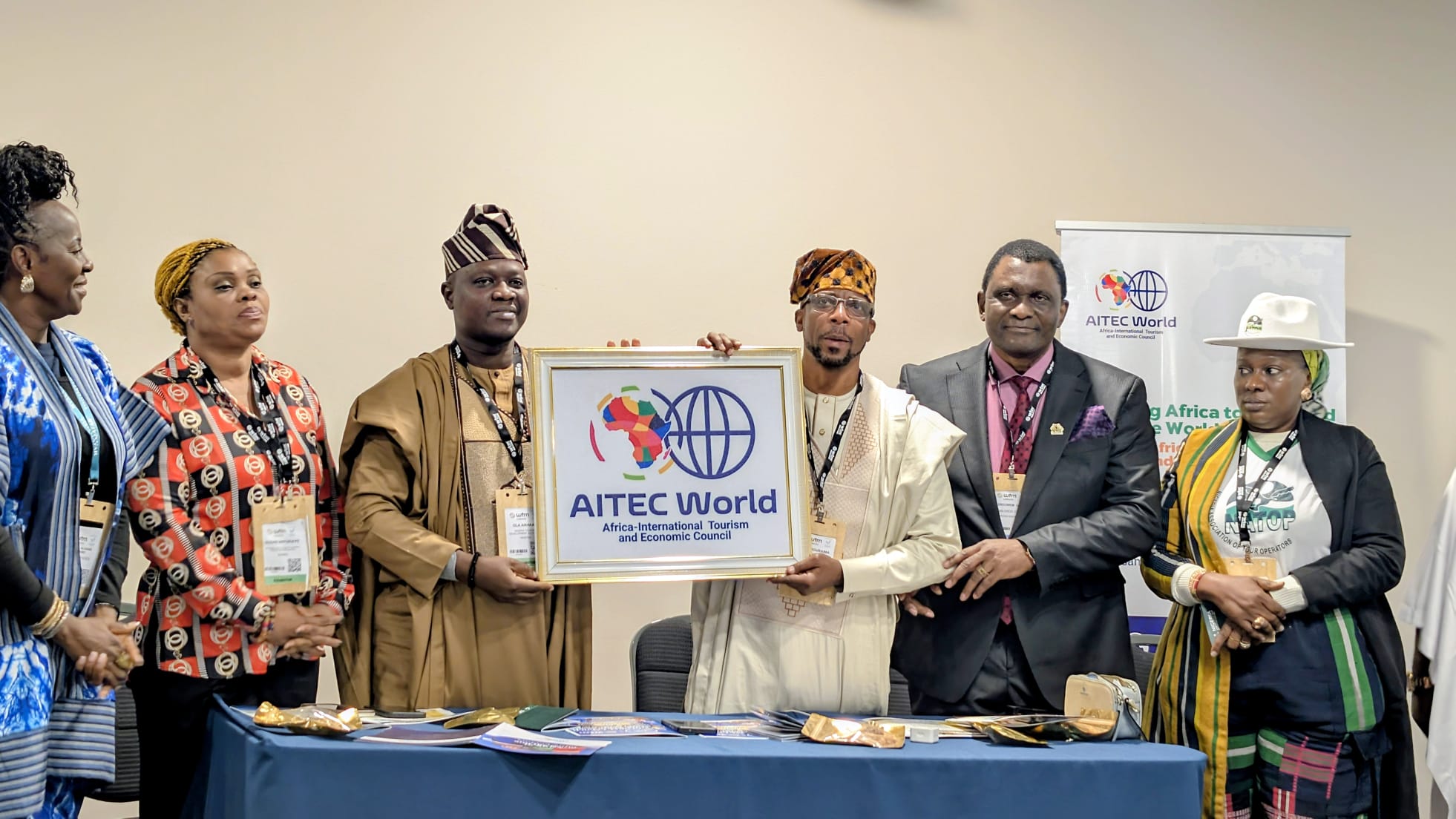
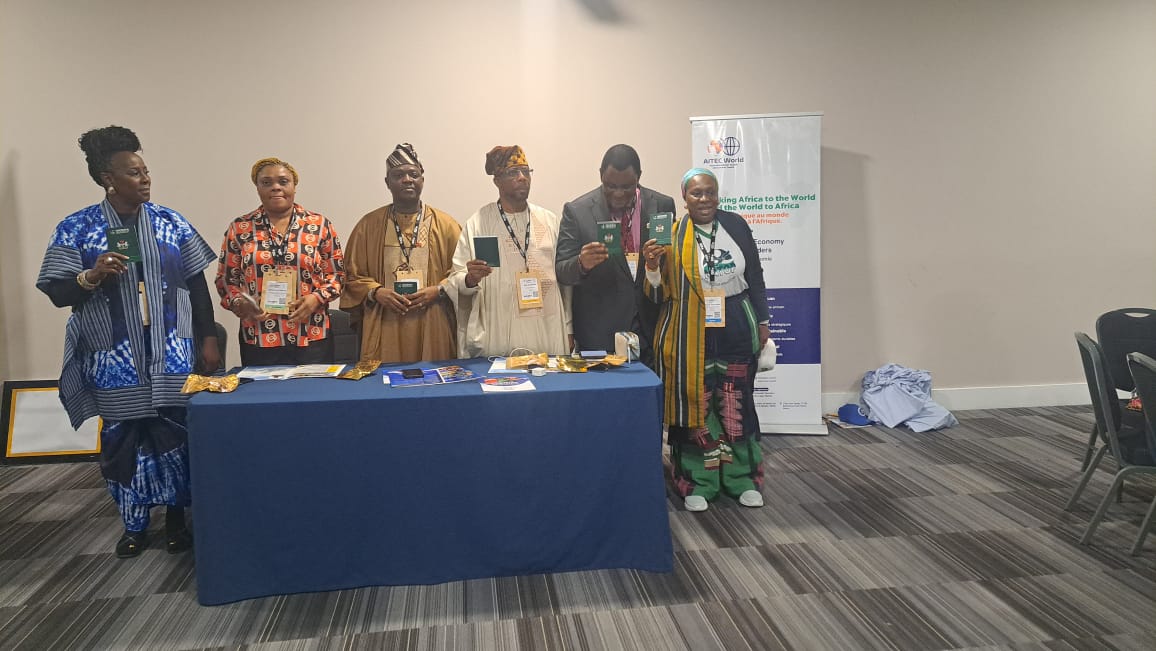
    On Wednesday, November 4, 2026, at the 3rd Global Launch of AITEC World during the World Travel Market (WTM) London, the President of the Nigerian Association of Tour Operators (NATOP), Mrs. Bolaji Mustapha, unveiled the Nigeria Tourism Passport*, an initiative designed to showcase the country’s diverse tourism attractions and strengthen its positioning in the international tourism market.

    With the unveiling, NATOP is taking a practical step towards packaging Nigeria’s tourism offerings for international visitors, tour operators, travel agents and potential investors.

    MORE THAN A BOOK – AN INVITATION TO EXPLORE NIGERIA

    What exactly is the Nigeria Tourism Passport?

    It is not a conventional travel document, nor does it replace the statutory requirements for international travel. Rather, it is a tourism handbook and destination marketing resource designed to introduce the world to Nigeria’s rich cultural, historical and natural attractions.

    Featuring Nigeria’s national colours and identity, the Passport offers a curated introduction to the country’s tourism assets, including destinations, cultural festivals, heritage sites, nature-based attractions, adventure experiences, cuisine, music and hospitality.

    Among the attractions that define Nigeria’s tourism landscape are Obudu Mountain Resort, Ibeno Beach, Yankari Game Reserve and the Osun-Osogbo Sacred Grove. The country’s vibrant cultural calendar, featuring events such as the Argungu Fishing Festival, Calabar Carnival, Osun Festival, Eyo Festival and Durbar, further demonstrates the diversity of experiences available to visitors.

    Its heritage offerings, including the historic Benin Kingdom, Oron Museum, Nok Terracotta and Sukur Cultural Landscape, also provide opportunities to attract visitors interested in history, culture and traditional African civilisation.

    Beyond showcasing these attractions, the Passport is intended to serve as a practical resource for tour operators, investors and travellers seeking information on exploring Nigeria.

    In essence, it seeks to bring Nigeria’s diverse tourism offerings together in one accessible marketing resource.

    As Mustapha explained during the unveiling, the initiative is designed to promote Nigeria’s tourism destinations, improve accessibility and create new opportunities for tourism growth and collaboration.

    “This is a strategic initiative aimed at promoting Nigeria’s tourism destinations, enhancing accessibility, and creating new opportunities for tourism growth and collaboration,” she said.

    WHY LONDON, WHY NOW?

    The choice of London for the unveiling was strategic.

    The World Travel Market London provides an international meeting point for tourism destinations, travel professionals, investors, airlines, hospitality businesses and other industry stakeholders. It offers participating countries and organisations opportunities to showcase their products, establish partnerships and explore new business opportunities.

    For Nigeria, the platform presents an opportunity to communicate its tourism potential directly to an international audience and engage players capable of connecting the country to global tourism markets.

    Mustapha captured this aspiration in her message to the international community.

    “Nigeria is ready for the world, and the world is welcome to explore Nigeria,” she declared.

    For years, Nigeria’s tourism potential has remained a subject of discussion, with stakeholders frequently highlighting the gap between the country’s vast attractions and its ability to convert them into sustained international visitor traffic.

    The Nigeria Tourism Passport represents NATOP’s effort to address part of that challenge by giving the country’s tourism offerings a more coordinated marketing identity.

    It also places destination storytelling in the hands of industry practitioners who understand the products, experiences and services that make up Nigeria’s tourism market.

    Under Mustapha’s leadership, NATOP is seeking to move beyond the conventional role of an industry association towards more practical destination promotion and product development.

    A WOMAN LEADING THE CHARGE

    The personality behind the unveiling also deserves attention.

    As a tour operator and President of NATOP, Mustapha occupies a strategic position in the country’s tourism value chain. Her involvement in the initiative reflects the role private-sector practitioners can play in developing, packaging and marketing Nigeria’s tourism products.

    At the London event, she joined other industry leaders, including the Director-General of the Nigerian Tourism Development Authority (NTDA), Mr. Ola Awakan; AITEC World Global Adviser, Mr. Nkereuwem Onung; and AITEC President, Mr. Dine Bouraima.

    Her contribution was particularly significant because it went beyond goodwill messages and industry rhetoric. NATOP used the international platform to introduce a tangible destination marketing product.

    The initiative also attracted commendation from the NTDA Director-General, who acknowledged its value while emphasising the importance of collaboration and the involvement of the regulatory authority in future efforts.

    This recognition points to the need for stronger coordination between government institutions and private-sector operators in promoting Nigeria’s tourism assets.

    For NATOP, the Passport offers an opportunity to demonstrate how industry associations can contribute to destination marketing through practical initiatives.

    WHAT IT MEANS FOR TOURISM BUSINESS

    Beyond its symbolic significance, the Nigeria Tourism Passport has potential commercial value across different segments of the tourism industry.

    **For international tour operators**, it provides a starting point for understanding Nigeria’s attractions and developing travel packages that can be marketed to prospective visitors.

    For Nigerian tour operators, it offers a destination marketing resource that can support conversations with clients interested in exploring Nigeria.

    For investors, it provides an overview of the country’s tourism offerings and opportunities across hospitality, recreation, transportation, destination development and related services.

    For Nigerians in the diaspora, it presents an opportunity to reconnect with the country’s cultural heritage, natural attractions and tourism experiences beyond familiar destinations.

    For young Nigerians, it offers another platform for promoting national identity, cultural appreciation and the economic possibilities within the tourism sector.

    However, the real value of the Passport will ultimately depend on how effectively it is distributed, updated and deployed by tourism stakeholders, as well as the partnerships and business opportunities it generates.

    THE MESSAGE BEHIND THE PASSPORT

    The unveiling also aligns with the broader message of AITEC World’s global engagement: Come. Connect. Collaborate. Invest.

    These four words capture the opportunities the Nigeria Tourism Passport seeks to advance.

    COME: It invites international visitors to experience Nigeria’s destinations, culture and hospitality.

    CONNECT: It creates an opportunity to link international tourism professionals with Nigerian tour operators and destination managers.

    COLLABORATE: It encourages partnerships between local and international stakeholders to develop competitive tourism products and packages.

    INVEST: It draws attention to the opportunities available across Nigeria’s tourism and hospitality value chain.

    Mustapha reiterated NATOP’s readiness to build on the relationships established through the platform.

    “We appreciate AITEC World for providing this platform and look forward to stronger partnerships that will take Nigerian tourism to greater heights,” she said.

    Her message reinforces the importance of international cooperation in transforming Nigeria’s tourism potential into measurable economic opportunities.

    WHAT NEXT?

    While the London unveiling marks an important milestone, the real test lies in implementation.

    For the Nigeria Tourism Passport to achieve its objectives, it must reach the people and institutions that can put it to practical use. Its circulation at international tourism exhibitions, through embassies, airlines, hotels, travel agencies and global tourism partners could help extend its reach.

    It could also become a useful resource for NATOP’s engagement with government and other stakeholders on the need for improved tourism infrastructure, investment incentives, destination accessibility and supportive policies.

    The NTDA Director-General, Ola Awakan, while commending the initiative, emphasised the importance of collaborative input and the involvement of the regulatory authority in future efforts.

    His observation highlights an important consideration: destination marketing requires a coordinated approach involving government agencies, private-sector operators, tourism associations and other industry stakeholders.

    The success of Nigeria’s tourism promotion efforts will depend not only on how attractively the country presents its destinations but also on the quality of the visitor experience, ease of access, security, infrastructure and the availability of competitive tourism products.

    That is why the London unveiling should be seen not merely as the launch of a handbook but as an opportunity to strengthen cooperation around Nigeria’s tourism development.

    NIGERIA IS READY FOR THE WORLD

    As the global tourism community gathers at WTM London, the unveiling of the Nigeria Tourism Passport offers a fresh opportunity to communicate the country’s tourism story.

    It is a statement of intent by NATOP: Nigeria has attractions worth exploring, experiences worth selling and tourism products that deserve greater international attention.

    But beyond the photographs, goodwill messages and excitement surrounding the unveiling, the bigger responsibility begins now.

    The Passport must move from the exhibition stand into the hands of tour operators, travel agents, investors and travellers. It must translate into destination visits, tourism packages, business partnerships and increased visitor traffic.

    Nigeria has taken a step towards presenting its tourism offerings to the world in a more coordinated way.

    The next chapter will be determined by how effectively the country turns that presentation into partnerships, investments and experiences.

    The invitation has been extended. The world now has another reason to explore Nigeria.

  • NAFRC, Nigerian Legion Move to Improve Retired Soldiers’ Welfare

    NAFRC, Nigerian Legion Move to Improve Retired Soldiers’ Welfare

    The Executive Members of the Nigerian Legion, Lagos State Chapter, led by Chapter Chairman Deputy Commander General Wolimoh Akeem Olawale, paid a courtesy visit on Thursday, 5 November 2026, to the Commandant of the Nigerian Armed Forces Resettlement Centre (NAFRC), Air Vice Marshal Nnaemeka Ignatius Ilo, at the Centre’s Headquarters in Oshodi, Lagos.

    ​The visit is aimed at deepening collaboration between both organizations, with a focus on advancing veterans’ welfare, post-service reintegration, and economic empowerment. DCG Olawale reaffirmed the Legion’s commitment to working closely with military leadership to enhance the collective well-being of former service members.

    Welcoming the delegation, AVM Ilo reiterated NAFRC’s commitment to preparing retiring military personnel for life after service through comprehensive professional training and resettlement programme.

    He encouraged veterans to leverage cooperative societies and government-supported initiatives to build sustainable post-military livelihoods, assuring them of NAFRC’s readiness to provide necessary guidance in line with its core mandate.

    ​AVM Ilo highlighted several key priorities for the veteran community: ​Active Engagement & Support: He Encouraged the Nigerian Legion to maintain steady interaction with NAFRC and provide continuous support to retired personnel.

    ​Structured Dialogue: AVM Ilo urged veterans to foster unity, resolve grievances through recognized leadership structures, and maintain the spirit of solidarity that transcends ethnic, cultural, and regional divides.

    ​National Security: The Commandant called on veterans to support national security efforts by sharing timely intelligence with security and law enforcement agencies.

    ​To foster stronger ties between retirees and the veteran community, the Commandant is committed to creating a platform for the Legion and retiring personnel to interact and address shared interests.

    He therefore urged the leadership of the Nigerian Legion to work out the modalities for the commencement of the interactive session.

  • Samuel Uwandu: The PenCom Commissioner Putting Humanity at the Heart of Leadership

    Samuel Uwandu: The PenCom Commissioner Putting Humanity at the Heart of Leadership

    In a society where professional accomplishments are often measured by titles, positions occupied and recognitions received, the true distinction of an individual lies in the ability to translate personal success into meaningful contributions to the lives of others. It is in this regard that Chief Samuel Chigozie Uwandu, CPA, FCA, Commissioner for Inspectorate (South East) at the National Pension Commission (PenCom), stands out as a professional whose story brings together competence, leadership, compassion and an enduring commitment to humanity.

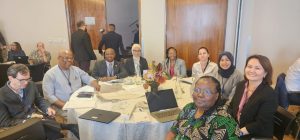
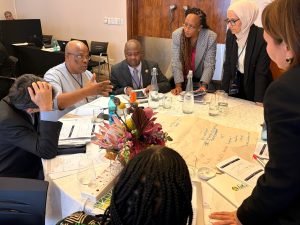
    Lunch time at the World Bank Economic Summit in Cape Town

    His journey offers an interesting reflection on the relationship between professional excellence and social responsibility, demonstrating that the value of leadership is not confined to the authority exercised within an office but is equally reflected in the positive influence a person has on colleagues, associates, families and communities.

    For Chief Uwandu, professional achievement and service to humanity are not necessarily competing priorities. Rather, they represent complementary dimensions of a leadership philosophy that recognises the importance of integrity, diligence, empathy and responsibility in building institutions and strengthening society.

    His profile is that of a distinguished professional whose experience in accountancy, financial management and administration provides a foundation for public service, while his community engagements reveal a personality that appreciates the importance of human relationships, collective progress and giving back to society.

    Beyond the impressive credentials and responsibilities associated with his office, there is another dimension to his story: a man who understands that leadership is ultimately about people, and that the greatest measure of success is not simply what an individual achieves for himself but what others are able to achieve through his encouragement, support and influence.

    Chief Uwandu’s professional journey reflects the importance of education, discipline, continuous development and the determination to pursue excellence in one’s chosen field.

    With professional credentials including Certified Public Accountant (CPA) and Fellow of the Institute of Chartered Accountants (FCA), he belongs to a category of professionals whose training and experience are relevant to the demands of financial accountability, institutional management and responsible administration.

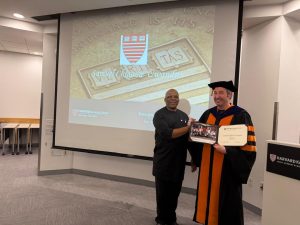
    Chief Samuel Uwandu CPA, FCA accepting his Diploma Certificate at Harvard Kennedy School of Leadership and Public Policy.

    Accountancy and financial management occupy critical positions in the development of strong institutions. Beyond the preparation and interpretation of financial records, the profession requires analytical ability, sound judgement, attention to detail, ethical conduct and the capacity to make decisions that protect organisational interests.

    These attributes are particularly important in public institutions, where decisions can have far-reaching implications for public confidence, institutional sustainability and the effective management of resources.

    Chief Uwandu’s professional background therefore provides an important context for understanding his responsibilities in public service. His experience in the financial and administrative environment reflects a professional foundation that can contribute to strengthening organisational processes, promoting accountability and encouraging institutional efficiency.

    However, professional competence is most valuable when it is accompanied by character. Technical knowledge may equip an individual to perform specific responsibilities, but integrity, fairness and a sense of duty determine how effectively that knowledge is deployed.

    It is this combination of professional qualification, experience and responsibility that makes his public-service journey particularly noteworthy.

    A major milestone in Chief Uwandu’s public-service career came in November 2025, when the Nigerian Senate confirmed his appointment as Commissioner for Inspectorate (South East) of the National Pension Commission.

    The confirmation marked an important transition in his professional journey, placing him in a position of institutional responsibility within an agency central to the regulation and supervision of Nigeria’s pension industry.

    PenCom plays a significant role in safeguarding the interests of pension contributors and retirees through the regulation and supervision of pension administration under the contributory pension framework.

    The responsibilities associated with pension administration cannot be treated lightly. For millions of Nigerian workers, the pension system represents an important assurance that their years of productive service will not end in financial uncertainty.

    Similarly, retirees depend on the effectiveness, transparency and reliability of the pension administration system for financial security and dignity after leaving active employment.

    This makes institutional oversight, regulatory compliance and effective monitoring essential components of the pension sector.

    As Commissioner for Inspectorate (South East), Chief Uwandu occupies a position within a system where professionalism, vigilance, accountability and sound administrative judgement are indispensable.

    The Inspectorate function is particularly important in ensuring that regulatory standards are upheld and that pension administration operates within the framework of established rules and procedures.

    It is an assignment that demands not only technical understanding but also the ability to appreciate the broader human implications of regulatory decisions.

    Behind every pension contribution is a worker who has committed years of service to an organisation or the country. Behind every retirement benefit is a family whose financial stability may depend on the timely and effective administration of pension entitlements.

    Consequently, the effectiveness of pension regulation goes beyond institutional statistics and administrative procedures. It has a direct connection with the welfare, confidence and future of ordinary Nigerians.

    Chief Uwandu’s professional background places him within an environment where these responsibilities require diligence, fairness and an unwavering commitment to the public interest.

    His appointment, therefore, should be understood not merely as an elevation to public office but as an opportunity to deploy professional knowledge and experience in support of a system that affects the lives of workers and retirees across the country.

    One of the distinguishing characteristics of meaningful leadership is the ability to make a positive impact beyond the immediate responsibilities attached to an official position.

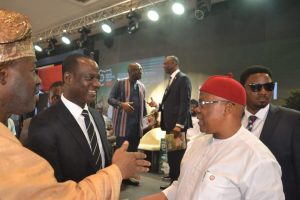
    The Honorable Commissioner of Inspectorate, Chief Samuel Uwandu exchanging Pleasantries with the Minister of Finance.

    There is a difference between occupying an office and exercising leadership. While an office confers authority, leadership earns confidence through conduct, consistency, fairness and the ability to inspire others.

    Chief Uwandu’s profile reflects an appreciation of this broader understanding of leadership.

    His engagements across professional, social and community environments demonstrate the importance of maintaining relationships and participating in conversations that bring people together around shared interests and development objectives.

    His participation in international leadership and economic engagements, including the World Bank Economic Summit in Cape Town, as reflected in the photographs accompanying his profile, provides another perspective on his professional and social interactions.

    International economic forums create opportunities for the exchange of ideas, exposure to different approaches to development and engagement with individuals and institutions from diverse professional backgrounds.

    Such platforms underscore the importance of broadening one’s perspective and appreciating how economic policies, institutional reforms, financial management and international cooperation can contribute to development.

    For professionals involved in public administration and institutional oversight, exposure to different experiences and perspectives can be particularly valuable.

    It encourages the exchange of ideas, promotes professional networking and provides opportunities to appreciate approaches that may be relevant to local institutional challenges.

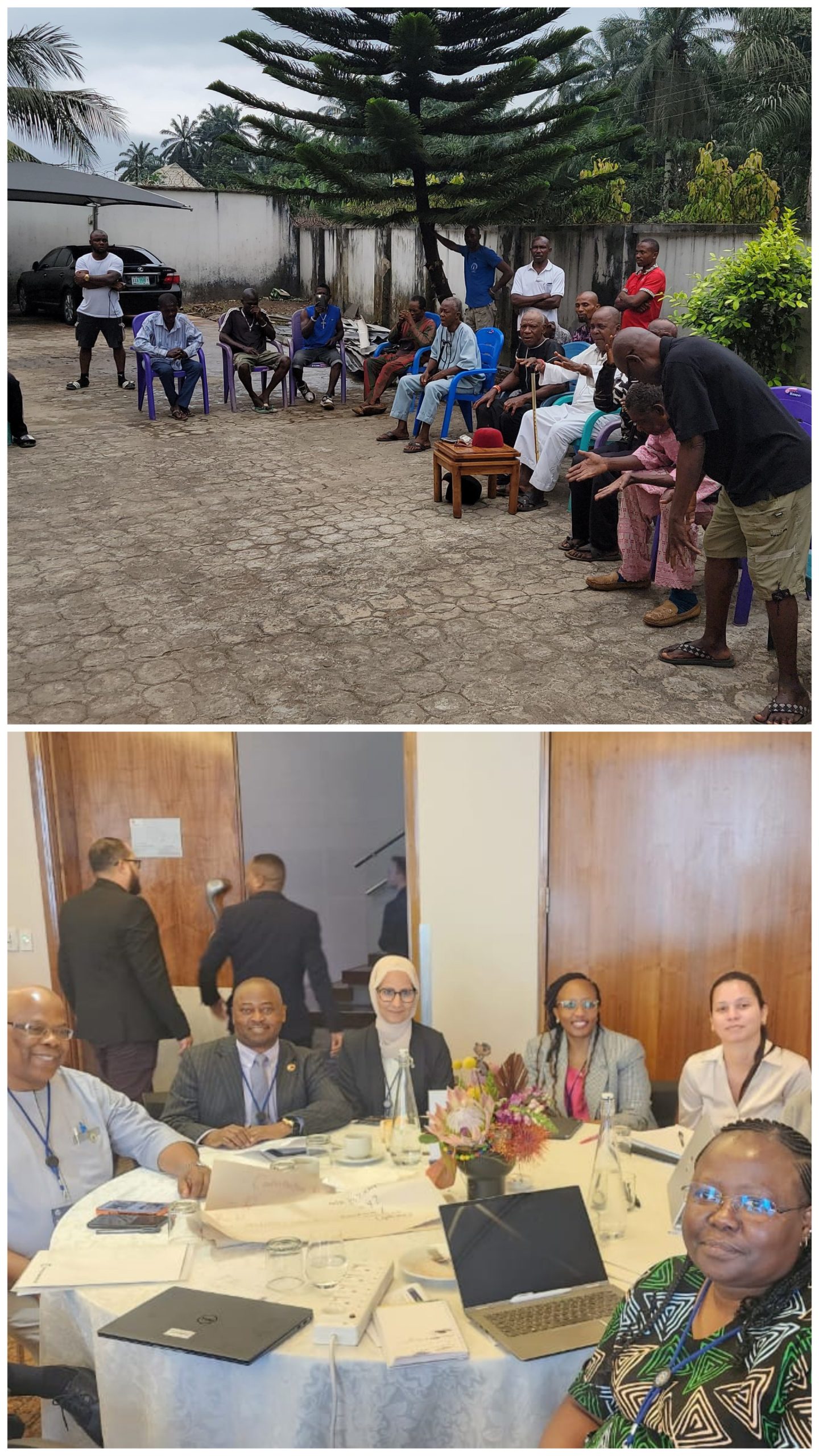
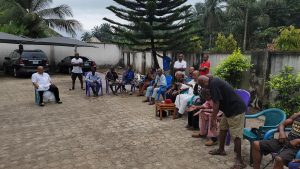
    Chief Uwandu and his Community people; the type of picture that gives me joy, my treasured pictures.

    While international participation should not be measured merely by attendance or photographs, the value of such engagements lies in the knowledge, relationships and perspectives that participants are able to bring back to their professional environments.

    For Chief Uwandu, these engagements add another dimension to a profile that combines professional responsibility with an appreciation of collaboration and wider social interaction.

    Perhaps the most compelling aspect of Chief Uwandu’s profile is the emphasis on community development and the welfare of ordinary people.

    In an age when public attention is frequently directed towards the achievements of individuals in positions of influence, it is important to recognise that leadership also has a deeply human dimension.

    The ability to identify with people, understand their difficulties and contribute towards improving their circumstances is an essential quality of responsible leadership.

    The photographs accompanying Chief Uwandu’s profile offer glimpses of this dimension of his personality. They show him interacting with community members, participating in social engagements and maintaining relationships with people outside formal professional settings.

    One of the accompanying accounts captures community members expressing appreciation for support received during the COVID-19 period.

    The significance of such gestures becomes clearer when viewed against the background of the difficulties experienced by many households during the pandemic.

    COVID-19 disrupted economic activities, affected livelihoods and exposed the vulnerability of families whose survival depended on daily income and small-scale economic activities.

    For many people, the period was characterised by uncertainty, financial pressure and the struggle to meet basic household needs.

    Against this background, acts of assistance and solidarity carried significance beyond their immediate material value. They represented reassurance, compassion and the recognition that people should not be abandoned during difficult moments.

    The appreciation reportedly expressed by members of the community for support received during that period speaks to the importance of remembering people in moments of vulnerability.

    Indeed, a person’s influence is sometimes best understood through the memories of those who have experienced kindness or received assistance when they needed it most.

    Such relationships cannot be established through official titles alone. They grow through genuine interaction, consistency and a willingness to recognise the dignity of others.

    A biographical account of Chief Uwandu also highlights his involvement in community development, educational support, assistance to vulnerable families and initiatives aimed at improving rural livelihoods.

    Chief Samuel Uwandu CPA, FCA accepting his Diploma Certificate at Harvard Kennedy School of Leadership and Public Policy.

    These areas of engagement are particularly important because they address some of the fundamental challenges confronting communities, especially those with limited access to economic opportunities and essential social support.

    Education, for instance, remains one of the strongest instruments for breaking the cycle of poverty and creating opportunities for future generations.

    Supporting educational development is therefore not merely an act of generosity. It is an investment in human capacity, social mobility and the future of society.

    When children and young people receive the necessary encouragement and support to pursue education, they are better positioned to develop their talents, acquire relevant skills and contribute meaningfully to their communities.

    Similarly, assistance to vulnerable families reflects an understanding that development must be inclusive.

    A society cannot achieve sustainable progress when significant sections of its population are excluded from opportunities or left without support during periods of hardship.

    Vulnerable households often require practical interventions that help them meet immediate needs while providing pathways towards greater stability and self-reliance.

    Community development initiatives aimed at improving rural livelihoods are equally significant.

    Rural communities constitute an important part of Nigeria’s social and economic structure. Their development requires attention to the conditions that enable people to sustain their livelihoods, improve household welfare and participate meaningfully in economic activities.

    Lunch time at the World Bank Economic Summit in Cape Town

    The importance of individuals who recognise these needs and contribute to community-oriented initiatives cannot be underestimated.

    While government remains central to the provision of public infrastructure and social services, individuals, professionals, organisations and community leaders also have important roles to play in complementing development efforts.

    Chief Uwandu’s reported involvement in these areas reflects a philosophy of giving back and an appreciation that professional success should not be separated from the responsibility to contribute to society.

    It is a reminder that the benefits of achievement become more meaningful when they extend beyond the individual and create positive possibilities for others.

    Another notable dimension of Chief Uwandu’s profile is his ability to maintain relationships across different social and professional environments.

    Professional achievement can sometimes create barriers between individuals and the communities around them. The demands of official responsibilities, busy schedules and institutional engagements can make it difficult for people in leadership positions to maintain regular contact with ordinary citizens.

    However, the ability to remain accessible, sociable and connected to people is an important quality that strengthens leadership.

    The interactions reflected in the photographs accompanying his profile present an individual who appreciates the value of social relationships and meaningful engagement.

    From community gatherings to professional interactions and international engagements, these moments highlight the importance of connecting with people from different backgrounds.

    Being sociable is not simply about attending events, meeting influential personalities or appearing in photographs with associates.

    At its most meaningful level, it involves listening, appreciating different perspectives, sharing experiences and creating an atmosphere in which people feel recognised and respected.

    Such qualities are particularly valuable in public service, where effective leadership often depends on cooperation, consultation and the ability to build confidence among different stakeholders.

    Institutions do not operate in isolation. Their success depends on the commitment and contributions of people working within them, as well as the confidence of the wider public.

    A leader who understands the importance of relationships is better positioned to appreciate the human realities behind institutional decisions.

    This is especially relevant in the pension industry, where the relationship between regulatory institutions, pension operators, contributors and retirees requires trust, professionalism and effective communication.

    The ability to connect with people, while maintaining the discipline and standards expected of public office, is therefore an important attribute of responsible leadership.

    Public service places enormous responsibility on individuals entrusted with institutional authority.

    Unlike positions whose responsibilities are limited to private organisational interests, public appointments carry obligations that extend to the wider society.

    Those entrusted with regulatory and oversight responsibilities must understand that public confidence is built through transparency, consistency, fairness and accountability.

    For an institution such as PenCom, these values are essential to maintaining the credibility of the pension system.

    Workers contribute towards their retirement over many years, often sacrificing part of their present earnings in anticipation of future financial security.

    They therefore expect the institutions responsible for regulating the system to uphold the highest standards of professionalism.

    The same expectations apply to pensioners, many of whom depend on retirement benefits as a major source of financial support.

    Effective regulation must consequently be guided by an understanding of the real people whose lives are connected to the system.

    It requires attention to details, respect for established procedures and a willingness to ensure that institutional responsibilities are discharged in the public interest.

    Chief Uwandu’s professional training and experience in accountancy provide a relevant foundation for the demands of such an environment.

    His credentials also carry an expectation of professional ethics, discipline and continuous commitment to excellence.

    However, the real value of professional qualifications is ultimately demonstrated through conduct and performance.

    The challenge before every public officer is to translate knowledge into results, authority into responsible action and opportunity into measurable institutional value.

    For Chief Uwandu, his appointment offers an opportunity to bring these principles together in the discharge of his responsibilities.

    One of the enduring lessons from Chief Uwandu’s profile is that professional excellence and compassion should not be viewed as separate attributes.

    In fact, the most effective leaders are often those who understand that competence must be accompanied by empathy.

    Technical knowledge enables a professional to understand complex problems, develop solutions and make informed decisions. Compassion provides the human perspective necessary to appreciate how those decisions affect individuals and communities.

    In public service, this balance is particularly important.

    Policies, regulations and administrative decisions may appear technical on paper, but their consequences are often experienced by ordinary people.

    A decision affecting pension administration, for instance, may have implications for the financial stability of a retired worker and the welfare of an entire household.

    Similarly, community development initiatives may appear modest in scale but can create meaningful opportunities for families and young people.

    This is why leadership must be evaluated through both institutional performance and its human impact.

    The ability to combine professional competence with social responsibility provides a broader understanding of what it means to serve.

    It also reinforces the idea that individuals who occupy positions of influence have opportunities to contribute to society in ways that go beyond their official mandates.

    Chief Uwandu’s profile reflects this intersection between professional responsibility and personal commitment to community welfare.

    Ultimately, the legacy of an accomplished individual cannot be determined solely by the number of positions occupied, professional certificates obtained or distinguished personalities encountered.

    These achievements may form important parts of a person’s story, but they do not independently define the full measure of leadership.

    A more enduring assessment considers the values an individual represents, the responsibilities fulfilled, the relationships sustained and the positive influence left on the lives of others.

    For Chief Samuel Chigozie Uwandu, his professional journey, public-service responsibilities and reported community engagements provide different dimensions of a profile built around achievement and service.

    His position as Commissioner for Inspectorate (South East) at PenCom places him within an important national institution whose responsibilities affect the financial future of workers and retirees.

    His professional credentials reflect a foundation of technical knowledge and experience relevant to the demands of institutional oversight.

    His community engagements, meanwhile, provide an opportunity to recognise the importance of compassion, social responsibility and the willingness to contribute to the wellbeing of others.

    The real test of leadership, however, is continuity.

    The values that define an individual must be reflected consistently in the way responsibilities are discharged, relationships are maintained and opportunities are used to advance the common good.

    For those in public office, this means remaining committed to accountability, institutional development and the welfare of the people whose interests their positions are intended to serve.

    For professionals, it means understanding that knowledge and experience carry responsibilities that extend beyond personal advancement.

    Chief Uwandu and his Community people; the type of picture that gives me joy, my treasured pictures.

    And for community leaders, it means recognising that development becomes meaningful when it creates opportunities for people who might otherwise be left behind.

    Chief Samuel Chigozie Uwandu’s story offers an important reminder that the most meaningful form of success is one that combines personal accomplishment with a commitment to the wellbeing of others.

    His journey from professional practice to an important public-service responsibility at the National Pension Commission reflects the value of preparation, competence and dedication.

    His engagements in community development and social support, as documented in his profile, also highlight the importance of maintaining a connection with the people beyond the formalities of official life.

    In a world increasingly preoccupied with status, recognition and material accomplishments, his story provides an opportunity to reflect on the qualities that make leadership genuinely meaningful.

    A distinguished professional is not simply one who possesses impressive qualifications. A compassionate leader is not merely one who occupies a position of authority. A man of the people is not defined by public appearances or social connections.

    These qualities acquire their true meaning when they are demonstrated through responsible conduct, genuine relationships, practical contributions and a consistent concern for the welfare of others.

    For Chief Uwandu, the opportunity ahead is to continue building on his professional foundation, strengthen his contribution to the pension regulatory environment and sustain the spirit of service reflected in his community engagements.

    The significance of his journey lies in the possibility of bringing these different dimensions together: the discipline of a professional, the responsibility of a public officer, the vision of a leader and the compassion of a person who understands the importance of humanity.

    Indeed, the finest measure of leadership is not how far a person rises but how many lives are positively influenced along the way.

    And when professional excellence is guided by integrity, public responsibility is strengthened by compassion, and personal success is accompanied by a willingness to give back, leadership acquires a value that extends far beyond the walls of any office.

    That is the enduring message of Chief Samuel Chigozie Uwandu’s story: that true distinction is achieved not merely by what one becomes, but also by what one contributes to the lives of others and the society at large.

  • Africa Woos Global Investors As AITEC World Launches At WTM London

    Africa Woos Global Investors As AITEC World Launches At WTM London

    The African International Tourism and Economic Council (AITEC World) has officially launched on the global stage at the World Travel Market (WTM) London, with a call on international stakeholders to move beyond conventional tourism to meaningful partnerships, collaboration and investment in Africa’s tourism industry.

    The global launch, held on Wednesday, November 4, 2026, at the South Gallery, Room 20, ExCeL London, United Kingdom, attracted African countries participating in WTM London, tourism leaders, tour operators, investors and media representatives.

    The event, which marked AITEC World’s third major launch following its regional unveiling in Abuja and continental launch in Addis Ababa, was headlined by the Council’s Global Adviser and Honorary Senior Special Adviser on Culture and Tourism to the Governor of Akwa Ibom State, Mr. Nkereuwem Onung.

    Speaking on the theme, “Come. Connect. Collaborate. Invest, Onung described the message as a practical call to action aimed at strengthening tourism relationships between Africa and the rest of the world.

    He explained that the Abuja launch was designed to connect Nigeria, while the Addis Ababa event sought to connect the continent, adding that the London launch was intended to deepen Africa’s engagement with the global tourism market.

    “We launched regionally in Abuja to connect Nigeria. We launched continentally in Addis Ababa to connect Africa. Today, we launch globally here in London to connect Africa to the World and the World to Africa,” he said.

    Addressing concerns about accessibility to African destinations, Onung dismissed the perception that the continent was difficult to reach, arguing that Africa already possessed the necessary transport and digital infrastructure to support international tourism.

    According to him, the challenge is no longer simply about physical connectivity but about building stronger relationships and partnerships among tourism stakeholders.

    “Africa is connected. From Uyo, where I arrived from a few days ago, to London where I am today, it is six hours. We have airports, we have seaports, we have fibre optics. What we need is not connection of cables, but connection of minds,” he stated.

    Onung also used the opportunity to promote Akwa Ibom State as an emerging tourism destination, highlighting its 129-kilometre Atlantic coastline, Ibeno Beach, the Oron Museum, which houses some of Africa’s oldest wood carvings, and the hospitality of its people.

    He said the state, under Governor Umo Eno, was open to international tourism partnerships and investment, noting that ongoing infrastructure development was positioning it to attract more visitors and investors.

    On collaboration, the AITEC World Global Adviser urged international tourism operators and investors to establish genuine partnerships with African destinations rather than approach the continent solely as a sightseeing destination.

    “Africa does not need pity tourism. Africa needs partnership tourism. Do not come to Africa to take pictures of poverty. Come to Africa to build products with us. Collaborate with our tour operators, our museums, our cultural festivals,” he said.

    He added that such partnerships would create employment opportunities, support local businesses, strengthen cultural institutions and improve livelihoods in host communities.

    Describing AITEC World as a council rather than a travel agency, Onung said the organisation was established to build bridges between African tourism destinations and international markets.

    He further called for increased investment in the continent, arguing that international visitation alone would not deliver the full economic benefits of tourism without corresponding investments in infrastructure, cultural assets and tourism enterprises.

    “Visit is good. But investment is better. Africa has 1.4 billion people, 60 per cent under 25. The future of global tourism is African. The world will come to Africa because Africa has what the world no longer has: authentic culture, untapped destinations and natural warmth,” he added.

    Onung cited investments in tourism infrastructure in Akwa Ibom, including Arise Park, Ibom Hotels and the state’s road network, as evidence of its readiness to work with international partners.

    In a colourful illustration towards the end of his address, he compared African tourism to a hidden Manchester United trophy in a London home, arguing that the continent’s tourism potential had remained largely underappreciated despite its rich cultural and natural heritage.

    He maintained that Africa was ready to showcase its tourism assets and invite the international community to participate in their development.

    “Africa is not just inviting the world to visit. Africa is inviting the world to partner, to participate, and to prosper,” he said.

    Also speaking, the Director-General of the Nigeria Tourism Development Authority (NTDA), Mr. Ola Awakan, called for stronger unity and collaboration among African tourism stakeholders, stressing that the continent’s tourism industry could achieve more through collective efforts.

    Awakan said African countries and industry players needed to adopt a strategic approach to developing a sustainable cultural tourism economy across national boundaries.

    “I believe in the philosophy of togetherness and unity, key ingredients to personal growth and national development. Our industry must adopt a strategic process to sustain the vision of African cultural tourism economy across our borders. I must commend the President of AITEC for this great initiative,” he said.

    Similarly, the immediate past President of the National Association of Nigeria Travel Agencies (NANTA) and Deputy President of the Federation of Tourism Associations of Nigeria (FTAN), Mrs. Susan Akporiaye, called for practical action plans to translate Africa’s tourism potential into tangible economic opportunities.

    Akporiaye cautioned against relying on elaborate declarations without corresponding implementation, noting that the international community was watching how African countries and industry stakeholders would convert their cultural and tourism resources into viable investment opportunities.

    Meanwhile, the President of the National Association of Tour Operators (NATOP), Mrs. Bolaji Mustapha, reaffirmed her association’s commitment to promoting Nigeria as a competitive tourism destination in the global market.

    Mustapha said NATOP would continue to leverage strategic platforms and partnerships to attract international tourism traffic to Nigeria.

    She also commended AITEC World President, Mr. Dine Bouraima, for his commitment to establishing what she described as a continental platform for advancing cultural tourism.

    At the event, NATOP unveiled its Nigerian Tourism Passport, a handbook showcasing major tourist destinations across the country.

    The publication, designed in Nigeria’s national colours and bearing the country’s identity, attracted the attention of the NTDA Director-General, who commended NATOP for the initiative and its efforts towards promoting domestic tourism.

    However, Awakan expressed the desire for similar initiatives to incorporate the input and endorsement of the national tourism regulatory authority to encourage greater institutional collaboration.

    Earlier, the President of AITEC World, Mr. Dine Bouraima, welcomed participants and reiterated the need for Africa to take greater ownership of its tourism narrative and position its cultural assets more prominently in the global market.

    Bouraima said the Council’s previous unveiling in Abuja demonstrated Nigeria’s diplomatic and economic relevance within Africa and the international community.

    He called on African governments, development partners and international donor agencies to support AITEC World’s vision of expanding the visibility of African cultural tourism and creating opportunities for international engagement and investment.

    AITEC World is a global council dedicated to connecting Africa with international markets through tourism, culture, entertainment and investment partnerships. The organisation seeks to provide a platform for cooperation between African destinations and global stakeholders to promote the continent’s tourism potential.

  • How Licduct Hair Is Building Its Brand On Quality, Customer Satisfaction

    How Licduct Hair Is Building Its Brand On Quality, Customer Satisfaction

    In an industry where first impressions are defined by appearance but reputation is built on experience, succeeding in the human hair business requires more than an eye for beauty. It demands consistency, an understanding of consumer expectations and, most importantly, the ability to earn and sustain trust.

    For Ejindu Chukwuemelie Godwin, founder of Licduct Hair, those principles have become central to a business that has spent just over two years carving a niche in Nigeria’s competitive human hair market. With more than 15,000 customers served, the brand is positioning itself as a growing name in premium hair products, combining product quality with a customer-centred approach to retail and wholesale distribution.

    Behind the numbers, however, is a philosophy shaped by everyday dealings with people. Licduct believes every customer is the hero of their own story, a perspective that has influenced how the company handles complaints, manages expectations and builds relationships. Rather than seeing dissatisfied customers as adversaries, he advocates listening to their concerns and finding constructive ways to resolve them.

    It is a particularly relevant stance in an industry that has struggled with trust issues. Complaints about poor quality, misleading descriptions and products that look different from advertised images have fuelled scepticism towards hair vendors.

    Licduct Hair says it is seeking to stand apart through transparency, quality assurance and customer satisfaction, offering premium products with options for refunds and exchanges when a purchase does not meet a customer’s preference, subject to applicable terms.

    For Licduct, the goal is not just to complete a transaction but to ensure customers feel confident about the value they receive.

    The company’s operating model rests on four priorities. First is quality – products that meet the aesthetic expectations of Nigerian women and customers across its markets. Second is speed and efficiency in order fulfilment, with deliveries across Nigeria and to international destinations.

    That emphasis on timely delivery also caters to retailers and dropshipping entrepreneurs, for whom prompt fulfilment can determine whether a business relationship is sustained.

    The third is customer service. With multiple administrators attending to enquiries, the brand aims to provide accessible assistance, product information and guidance on the different qualities of human hair available, helping buyers make informed decisions rather than relying solely on product photos.

    The fourth is consumer education. Through its social media platforms, Licduct Hair shares information on hair quality and purchasing considerations, hoping to contribute to a more informed marketplace and reduce misunderstandings between vendors and buyers.

    For Licduct, an educated customer is more likely to make a confident purchase, and confidence is often the beginning of brand loyalty.

    Beyond sales figures and online visibility, our vision is to build Licduct Hair into a globally recognised brand distinguished by integrity, enhancing beauty while creating value for everyone connected to the business.

    Licduct places particular weight on customer referrals, regarding recommendations from satisfied buyers as one of the strongest endorsements a brand can earn.

    That belief informs his emphasis on treating customers with tenderness, love and care. By delivering value for money and cultivating relationships beyond single purchases, the company hopes to turn satisfied buyers into loyal advocates who introduce the brand to friends, family and business associates. It is a relationship-driven model where reputation is built one customer at a time.

    As it expands, Licduct Hair is inviting wholesalers and retailers in Nigeria and internationally to explore business opportunities.

    The brand is on Instagram and TikTok via @licduct. Enquiries and orders can be directed to its customer service administrators on WhatsApp:

    +234 905 257 4328
    +234 906 833 7879
    +234 810 032 8281
    +234 814 616 2510

  • Okeira Fiesta 2026 to Showcase Music, Culture, Entertainment

    Okeira Fiesta 2026 to Showcase Music, Culture, Entertainment

    The annual fiesta for the year 2026, under the chairmanship of Hon. Ajiboye Oluwakayode, will feature music, dance, food, arts, cultural displays and family entertainment.

    Okeira Community is set to come alive on Friday, December 18, 2026, as residents and visitors prepare for the second edition of the Okeira Second Junction Fiesta, a community celebration designed to promote unity, cultural expression and entertainment.

    The event, scheduled to hold under the chairmanship of Hon. Ajiboye Oluwakayode, Chief Executive Officer of City Vision Concepts, promises an exciting blend of music, dance, food, arts and culture, alongside family-friendly activities.

    Organisers say the fiesta will provide an opportunity for members of the community to celebrate their shared identity, showcase cultural values and strengthen social connections in a festive atmosphere.

    With music and dance performances, food experiences, artistic displays and family entertainment among its major attractions, the celebration is expected to bring together residents, families, visitors and other stakeholders for a memorable gathering.

    The second edition builds on the vision of making the fiesta a platform for community engagement, cultural appreciation and collective celebration.

    Bearing the theme of togetherness and celebration, the event underscores the importance of preserving local culture while creating opportunities for entertainment and stronger community relationships.

    The Okeira Second Junction Fiesta 2026 is scheduled to hold on Friday, December 18, 2026.

    Okeira Second Junction Fiesta: Together We Celebrate.

  • Ibrahim Leads Ogun Customs Delegation to Benin for Security Talks

    Ibrahim Leads Ogun Customs Delegation to Benin for Security Talks

    In a bold and decisive move to reinforce regional security, curb cross-border criminality, and facilitate legitimate trade, the Ag Customs Area Controller (CAC) Ogun I Command Deputy Comptroller Abdulhamid Ibrahim has led a high-powered delegation on a joint official visit to critical counterparts in the Republic of Benin, meeting with the Beninese Customs Administration and the Benin Republic Police Force.

    ​The strategic engagement underscores the shared commitment of both nations to foster a seamless, secure, and prosperous border corridor, aligning with broader sub-regional integration goals and the objectives of the African Continental Free Trade Area (AfCFTA).

    ​The security heads finalized frameworks for real-time information and intelligence sharing to dismantle trans-border smuggling syndicates, arms trafficking networks, and irregular migration.
    ​
    Emphasizing that security is a collective responsibility, the delegations reviewed joint patrol strategies along porous borderline corridors to protect national economies and border communities.

    Discussions heavily prioritized streamlining clearance procedures, Coordinated Border Management, One Stop border post, addressing operational bottlenecks, and promoting transparent, technology-driven trade integration between Nigeria and the Republic of Benin.
    ​
    Speaking during the bilateral talks, the Ag Customs Area Controller Ogun I Command, Deputy Comptroller Abdulhamid Ibrahim* highlighted the necessity of neighborly solidarity and proactive enforcement.​”Building a closer and more fruitful relationship with our neighbors is a fundamental priority. Criminal elements do not respect artificial boundaries; therefore, our response must be unified, swift, and uncompromising. This visit solidifies our shared dedication to safeguarding our economic assets, protecting our officers on the frontlines, and ensuring that legitimate traders thrive safely.” DC Ibrahim Stated

    ​Echoing these sentiments, the Beninese counterparts, Customs Area Controller in charge of Igolo-Idiroko, Col. Kounozo and the Commissioner of Police *Moussa* commended the renewed vigor in bilateral relations, noting that multi-agency cooperation involving customs and law enforcement remains the silver bullet for sustainable border management and regional stability

    ​Both nations reiterated their unwavering resolve to build a model border post framework that champions economic growth while closing ranks against economic saboteurs.

  • Customs Seizes 23,220 Machetes, Cocaine, Cannabis in ₦6.19bn Haul

    Customs Seizes 23,220 Machetes, Cocaine, Cannabis in ₦6.19bn Haul

    The Nigeria Customs Service (NCS), Federal Operations Unit (FOU), Zone A, has intercepted prohibited and restricted goods with a Duty Paid Value (DPV) of ₦6.19 billion in four weeks, as part of intensified efforts to combat smuggling, protect government revenue and strengthen national security.

    The Acting Comptroller of FOU Zone A, Oladapo Afeni, disclosed this on Tuesday during his maiden press briefing on the activities of the unit in Ikeja, Lagos.

    Afeni said the unit recorded 195 interceptions within the four week period through intelligence driven enforcement operations, improved surveillance, risk based examination and collaboration with relevant government agencies.

    According to him, the seizures had a combined Duty Paid Value of ₦6,194,695,947.05, representing a significant breakthrough in the unit’s renewed campaign against economic sabotage and cross border criminal activities.

    The seized items included 3,028 bags of 50kg imported rice, 995 bags of 25kg rice, 104 bags of 20kg rice and 207 bags of 5kg rice, alongside 5,986 parcels of Cannabis sativa and indica weighing 3,407.83 kilogrammes.

    Other interceptions comprised 173 cartons of imported frozen poultry products, 6,949 cartons of smuggled spaghetti, 459 bales and 39 jumbo sacks of second hand clothing, 1,236 used tyres and 33 used rims.

    The unit also intercepted 8,025 litres of Premium Motor Spirit (PMS), 57 cartons, 37 packs and six pieces of codeine syrup, 20 cartons of couscous, 101 bags of imported sugar and eight bags of powdered milk.

    Afeni further disclosed that operatives seized 23,220 pieces of new machetes allegedly smuggled into the country without the required certificates and permits, as well as 12 bags of grain oat products and a 40 foot container carrying 2,760 pieces of office chairs in Completely Knocked Down (CKD) form.

    Other items included 400 grammes of cocaine, 100 grammes of methamphetamine, eight live pangolins, 1,250 rounds of 12 calibre Red Star cartridges, 250 cartons of Lotus sardines without NAFDAC numbers, 21 foreign used vehicles and 11 means of conveyance.

    The Acting Comptroller expressed concern over the quantity of cannabis intercepted, warning that the increasing availability of potent varieties posed serious risks to young people, families and society.

    He cited the 2025 World Drug Report of the United Nations Office on Drugs and Crime (UNODC), which identified cannabis as the most widely available and commonly used drug, accounting for an estimated 42 per cent of drug use disorder cases worldwide.

    Afeni also raised concerns over the interception of 23,220 machetes, noting that the items could potentially be deployed to disrupt peaceful elections in the coming months if they found their way into the wrong hands.

    Beyond anti smuggling operations, he said the unit had strengthened revenue recovery through compliance checks, scrutiny of import declarations, correction of under valuations and the issuance of demand notices to defaulters.

    He disclosed that between September 30, 2026, and the date of the briefing, the unit recovered ₦683,661,304.05 through these measures, attributing the achievement to enhanced risk profiling, targeted examinations and improved compliance monitoring.

    The Acting Comptroller assured importers, licensed customs agents and members of the trading public that the unit would continue to facilitate legitimate trade while maintaining zero tolerance for fraudulent declarations, duty evasion and activities capable of undermining national security.

    He emphasised the importance of interagency cooperation in tackling transnational crimes, disclosing that FOU Zone A had sustained collaboration with the National Drug Law Enforcement Agency (NDLEA), Nigeria Police Force, Department of State Services, Nigeria Immigration Service, Nigerian Army, NAFDAC and other relevant agencies.

    Afeni said seized narcotics and suspects would be handed over to the NDLEA for further investigation and prosecution, while other prohibited items would be transferred to appropriate agencies in accordance with their statutory responsibilities.

    He urged members of the public and other stakeholders to support the fight against smuggling by reporting suspicious activities and promoting lawful trade. He also commended the Comptroller General of Customs, Bashir Adewale Adeniyi, and the management of the service for the confidence reposed in him, assuring that FOU Zone A would sustain intelligence led enforcement, revenue protection and professional service delivery.